Here is something most skincare aisles will not tell you. The breakouts you see in the mirror at 7 a.m. often started at 11 p.m. the night before, not on your face, but inside your gut. Your microbiome runs on a clock. Your intestinal lining loosens under stress hormones. Your skin barrier repairs on a schedule. Miss the window, and inflammation quietly surfaces where everyone can see it.
Your gut microbiome runs on a 24 hour clock
Your gut microbiome is not a static ecosystem. It is a rhythmic community that shifts in composition, location, and metabolic output across every 24 hour cycle, driven by when you eat, when you sleep, and when your body releases its hormonal signals. Disrupt the clock, and you disrupt the microbes.
In 2014, a team led by Eran Elinav published a landmark study in the journal Cell showing that gut bacteria in both mice and humans oscillate in a predictable daily pattern. When the researchers disrupted the host body clock through the equivalent of jet lag, those oscillations flattened, and the microbiome shifted into a state of dysbiosis. Fecal samples from jet lagged humans, transferred into germ free mice, produced glucose intolerance and weight gain.
A follow up paper in 2016 went further. The microbes themselves changed their location along the intestinal wall throughout the day, and their metabolites, including short-chain fatty acids, followed the same rhythm. When that rhythm was lost, the host's own liver detoxification schedule fell out of sync with it.
The takeaway for skin is simple. If your microbiome loses its rhythm, so does almost everything downstream of it, including the immune signals that either calm or inflame your face.
The melatonin factory hiding in your intestines
Melatonin is not only a sleep hormone. It is also produced in significant amounts by enterochromaffin cells lining your gastrointestinal tract, where it helps regulate motility, protect the mucosal barrier, and act as a local antioxidant. Its presence there ties the sleep signal to the digestive system directly.
The reproductive biologist Gerald Bubenik summarized decades of research in a 2002 paper, calculating that the gastrointestinal tract contains at least 400 times more melatonin than the pineal gland itself. Newer methods have questioned the exact multiple, but the underlying point stands. Your gut is a major site of melatonin activity, not a passive recipient.
This matters for the gut-skin axis. Gut melatonin appears to help maintain tight junction integrity, moderate local inflammation, and support the mucus layer that keeps microbes on the correct side of the intestinal wall. When you stay up too late, eat under bright light, or scroll past midnight, you interrupt the very signal that this system runs on.
How lost sleep turns into a leaky gut
A leaky gut, or increased intestinal permeability, happens when the tight junctions between the cells lining your small intestine loosen and allow larger molecules to cross into the bloodstream. Cortisol, released in higher amounts when sleep is short or fragmented, is one of the most consistent triggers of this loosening.
In a 2014 human trial published in Gut, researchers led by Vanuytsel exposed healthy volunteers to a public speaking stress test and, separately, to injections of the stress hormone CRH. Both raised intestinal permeability within an hour, and the effect was blocked by a mast cell stabilizer. This is direct human evidence that the HPA axis, the body's central stress response, opens the gut barrier.
Alessio Fasano's work on the protein zonulin fills in the mechanism. Zonulin is the only known human molecule that actively loosens tight junctions. When zonulin is dysregulated by chronic stress, poor sleep, or repeated inflammatory triggers, microbial fragments called LPS can slip through the intestinal wall and enter systemic circulation.
Meta analyses by Michael Irwin at UCLA have shown that even a single night of partial sleep restriction raises circulating IL-6 and activates NF kappa B signaling inside monocytes. Your immune system reads short sleep as a threat and turns up its inflammatory volume.
The gut-skin axis at 2 a.m.
The gut-skin axis is the constant biochemical conversation between your intestinal microbes, your immune system, and your skin cells. It is bidirectional. What passes through your gut wall at night can show up as redness, congestion, or breakouts by morning, because inflammatory cytokines released in the gut travel through the blood to skin tissue.
Reviews by Salem, by O'Neill, and the Bowe and Logan revival of the older Stokes and Pillsbury hypothesis all converge on the same picture. Intestinal dysbiosis and barrier disruption raise systemic inflammation, and that inflammation reaches sebaceous glands, alters sebum quality, and shifts skin toward an acne prone state.
In my practice, this is where I see the pattern most clearly. Women who sleep well but eat poorly have skin issues. Women who eat well but sleep badly have skin issues too. The gut needs both the food and the rhythm to hold its ground.
Short-chain fatty acids, produced by beneficial gut microbes fermenting fiber, are a key part of the calming signal. They feed colon cells, tighten the barrier, and modulate immune tone through the vagus nerve. When sleep is chronically short, SCFA producing microbes decline, and the calming input goes with them.
Your brain's overnight wash cycle
The glymphatic system is a network of channels that flushes metabolic waste out of your brain, and it runs almost exclusively during deep sleep. Discovered by Maiken Nedergaard's lab and published in Science in 2013, it works by expanding the space around brain cells at night so that cerebrospinal fluid can rinse away the debris of the day.
A 2025 follow up in Cell showed that this rinsing is driven by slow oscillations of norepinephrine during non-REM sleep, and that certain sedative sleep aids, including zolpidem, suppress those oscillations and blunt the clearance. Sleeping pills that flatten your brain waves are not the same as restorative sleep.
The skin has its own related rhythm. In a 2021 Nature Immunology paper, Holtkamp and colleagues showed that dendritic cell migration through skin lymphatics follows a circadian clock, gated by the BMAL1 gene. The skin's cleanup crew is timed to the same 24 hour cycle as the brain's, which is another reason night after night of five hour sleep leaves your face looking dull, puffy, or reactive.
Why poor sleep shows up on your face
Poor sleep changes your skin through several parallel routes: higher cortisol, more inflammation, disrupted sebum rhythm, slower barrier repair, and shifts in insulin and IGF-1 that push sebaceous glands to produce more oil. Each pathway is small on its own, but they stack, and they show up in the mirror.
A 2019 study in the journal Clocks and Sleep by Schrom and colleagues followed 40 adults with acne and found that subjective sleep quality worsened as acne severity rose, once quality of life and depression were controlled for. A Mendelian randomization analysis has questioned whether the link is direct or driven by shared stress pathways, which is worth mentioning honestly. Either way, in the clinic, the pattern is real and repeatable.
Sebum itself follows a circadian rhythm. Burton and Cunliffe demonstrated it as early as 1970, and Le Fur later confirmed both 24 hour and shorter ultradian oscillations in facial sebum in a controlled study of healthy women. Yosipovitch's work on transepidermal water loss shows the skin barrier loses more moisture in the evening than in the morning, which is why night is the correct time to feed the skin back what it will lose.
Sleep loss also nudges the metabolic side. Spiegel's 1999 Lancet paper showed that six nights of four hour sleep dropped insulin sensitivity by roughly 40 percent in healthy young men. Reduced insulin sensitivity raises circulating insulin and IGF-1, and IGF-1 directly stimulates sebocyte lipogenesis and inflammatory markers. A 2015 study by Oyetakin-White in Clinical and Experimental Dermatology, and a 2018 study by Smith and colleagues in the Journal of Applied Physiology using suction blister wounds, both showed slower skin repair after even short periods of restricted sleep.
Your face is a real time readout of what happened inside your gut while you slept.
An evening routine that supports both gut and skin
A gut-supported sleep routine works by aligning three signals: when you last eat, when you dim the lights, and when you feed the skin back what it lost during the day. None of these are complicated on their own. The power is in doing all three consistently for three to four weeks.
Here is the sequence I share most often with clients:
- Finish dinner about three hours before bed. Late eating flattens the microbiome's daily rhythm and forces the gut to work during its repair window.
- Get ten minutes of dim indoor light or candlelight after sunset. Bright overhead light suppresses your natural melatonin rise, both in the brain and, likely, in the gut lining.
- Take magnesium glycinate about an hour before bed. Glycine has been shown to lower core body temperature and improve subjective sleep quality, and magnesium supports parasympathetic tone through the vagus nerve.
- Sip chamomile or a warm mineral broth. Chamomile carries apigenin, a mild GABA modulator, and warm liquid signals safety to the nervous system.
- Apply a barrier-repairing tallow cream to your face and body. Skin loses more water at night, and tallow's fatty acid profile sits closer to human sebum than most plant oils.
- Keep the bedroom cool and fully dark. Even small amounts of light through the eyelids can reduce sleep quality and shift cortisol timing the next day.
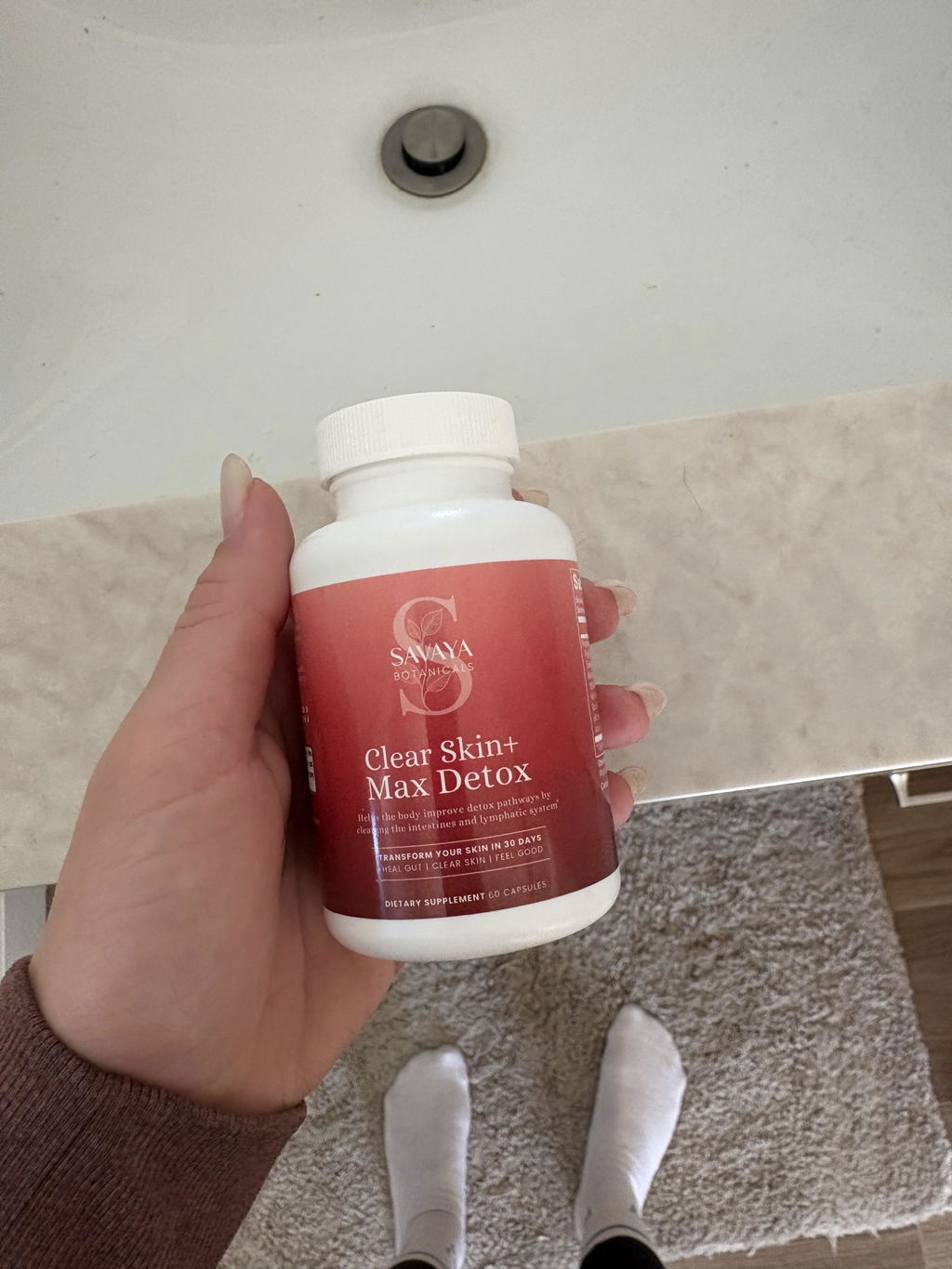
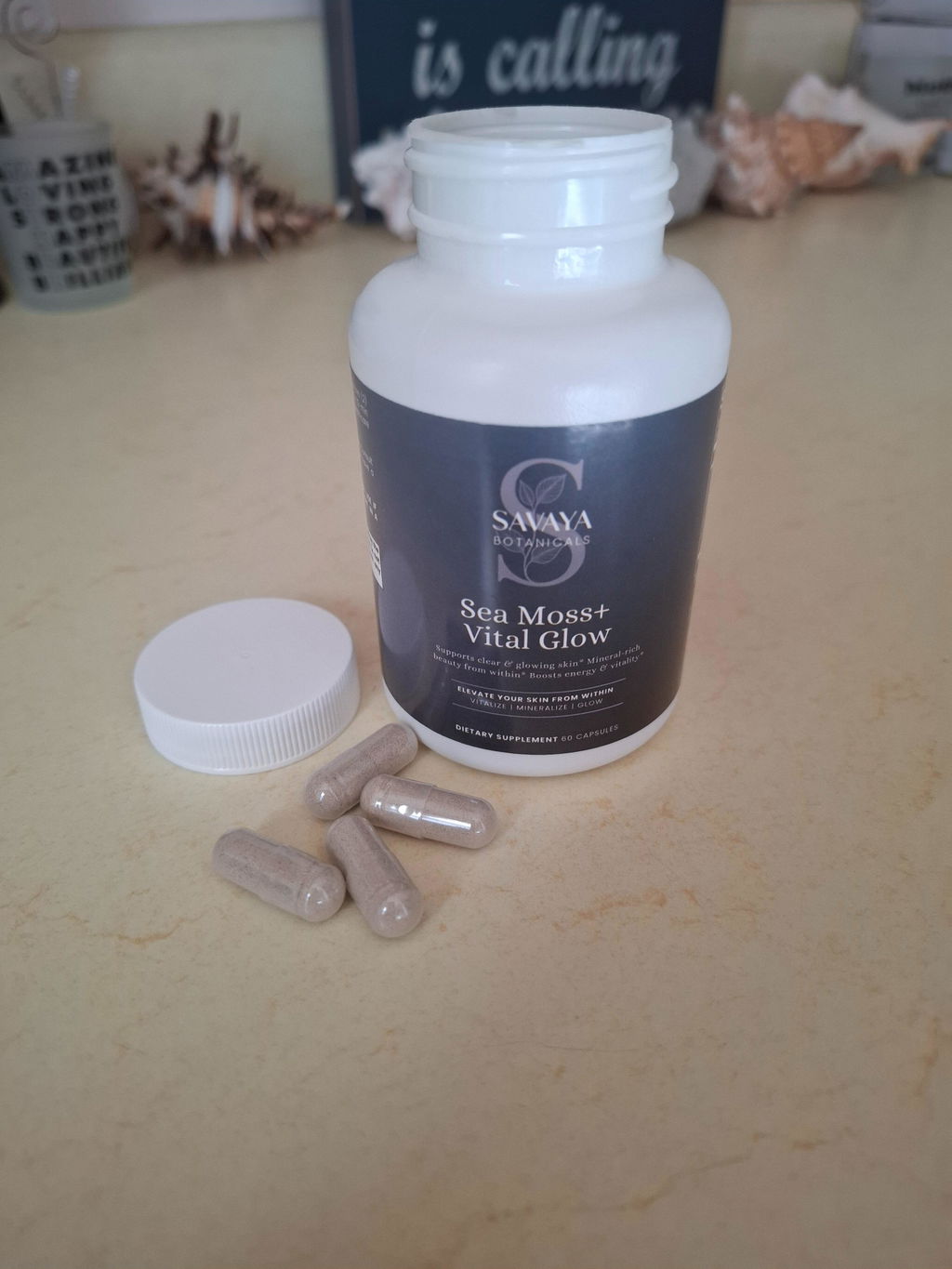
I like to layer in 92 trace minerals from the ocean earlier in the day for people whose gut feels sluggish, and, in cases where the gut is clearly driving the skin, a targeted gut cleanse before rebuilding with fiber, fermented foods, and consistent meal timing. For anyone whose skin has been reactive for months, the 12-week gut-to-skin program walks through this rebuild in a more structured way, and a deeper 12-week reset is the version I reach for when the pattern is stubborn.
• • •
None of this is really about buying more products. It is about giving your gut and your skin the same 24 hour rhythm to work with, night after night, until the pattern in the mirror finally starts to shift.
Frequently asked questions
How long before I see skin changes from better sleep?
In my practice, most people notice reduced redness and puffiness within a week of consistent seven to eight hour nights. Deeper changes in sebum, congestion, and breakout frequency tend to appear after four to eight weeks, once the gut microbiome and skin barrier have both had time to recalibrate.
Does one late night ruin everything?
No. One late night raises cortisol and briefly opens the gut barrier, but a return to normal sleep and eating usually restores baseline within a day or two. Chronic sleep debt is the real problem, not the occasional exception.
Can I take melatonin supplements instead of fixing my sleep?
Supplemental melatonin can help shift a badly timed circadian rhythm, but it does not replicate the gut and skin repair signals that come from deep, uninterrupted sleep. Use it as a short bridge, not a long term substitute for the routine itself.
What should I eat at dinner to support my gut overnight?
A dinner with real protein, cooked vegetables, and some resistant starch or slow carbohydrate tends to work well. Keep it earlier than you think you need to, and avoid sugar and alcohol close to bed, both of which fragment sleep and feed dysbiotic microbes.
Do I need supplements or can food do the work?
Food and consistent sleep timing do most of the work. Magnesium, glycine, and mineral-rich foods can accelerate the process, and a structured protocol can help if your gut has been unwell for years. Start with the routine before layering anything else on top.