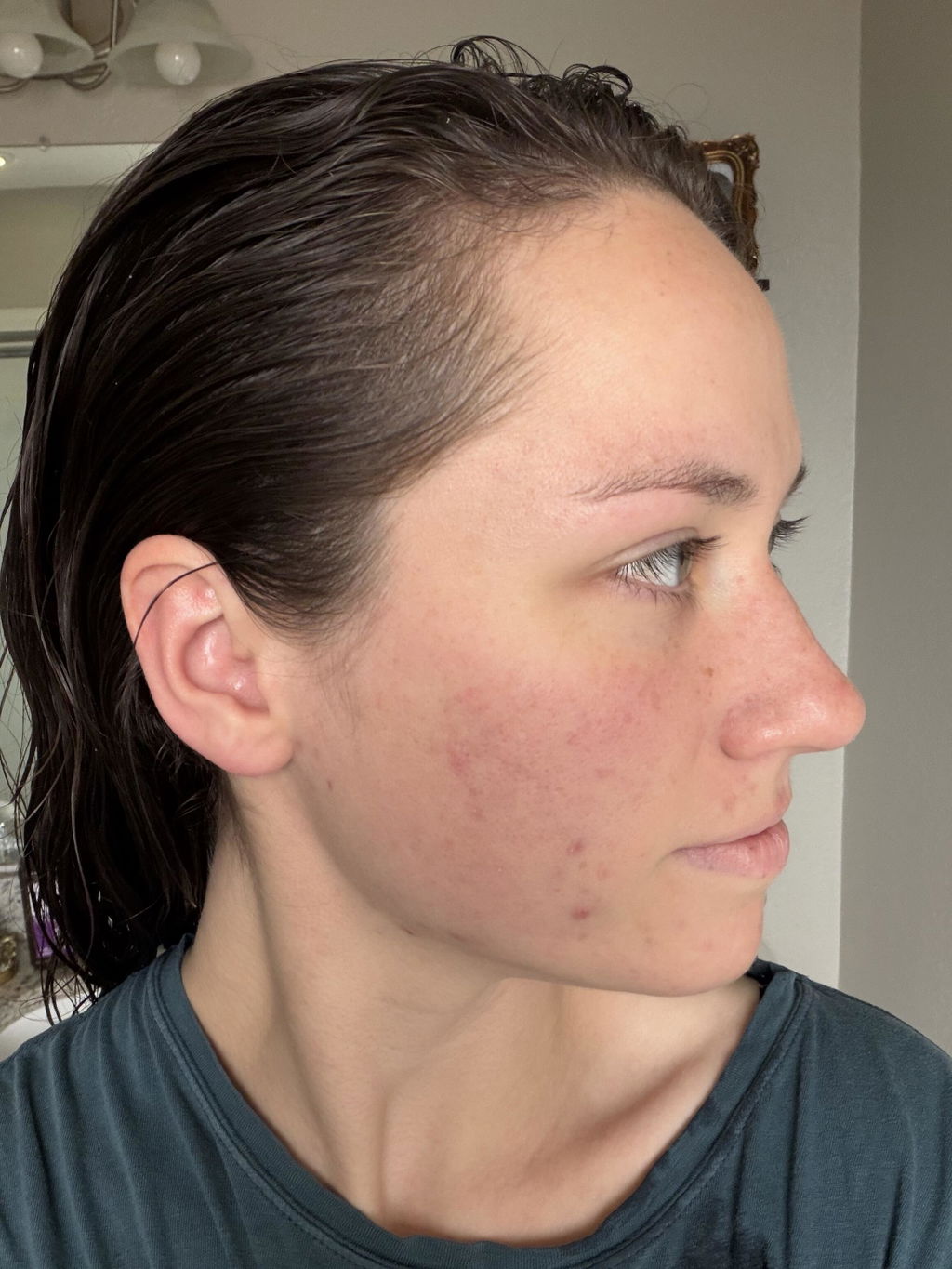
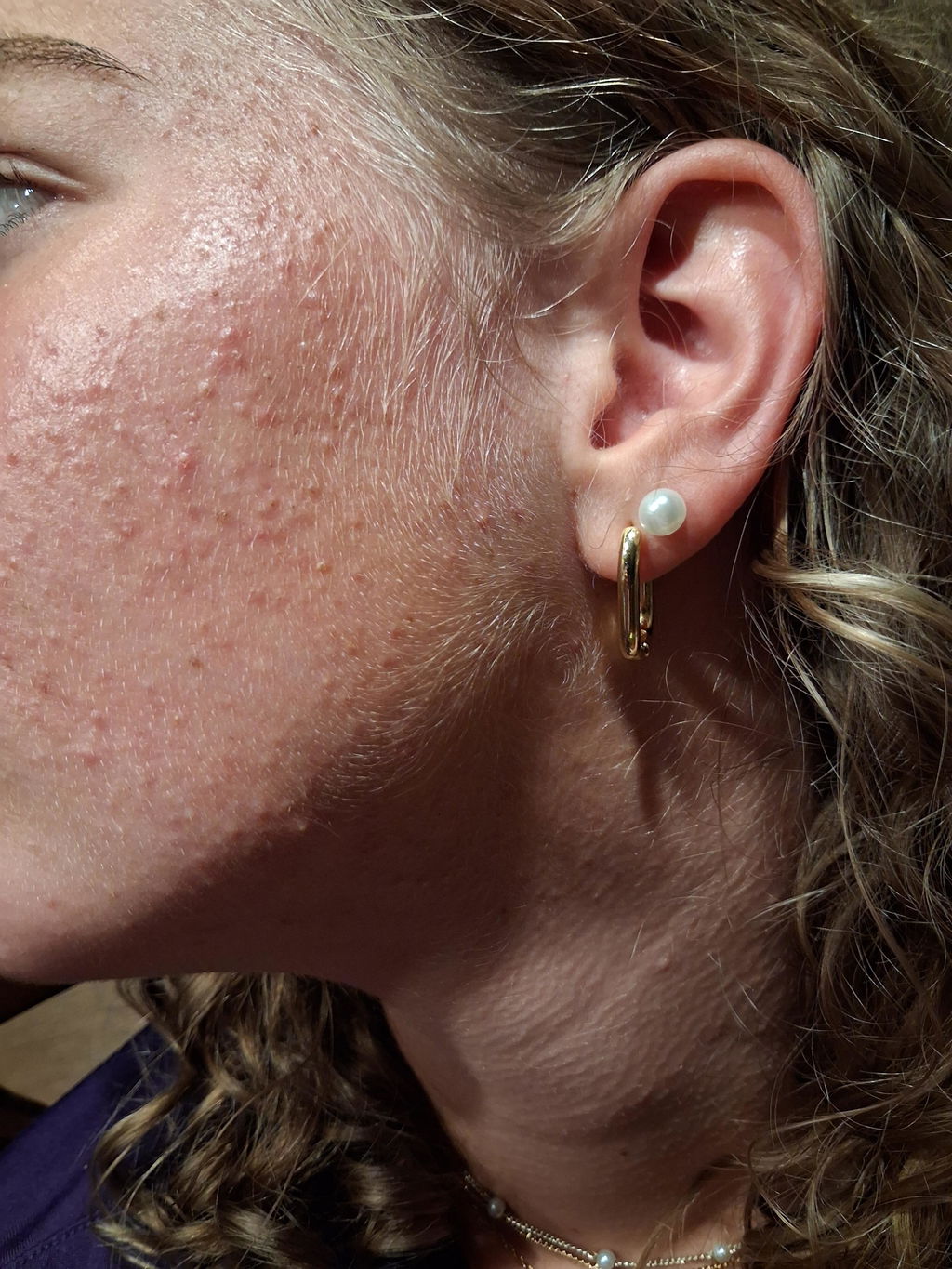
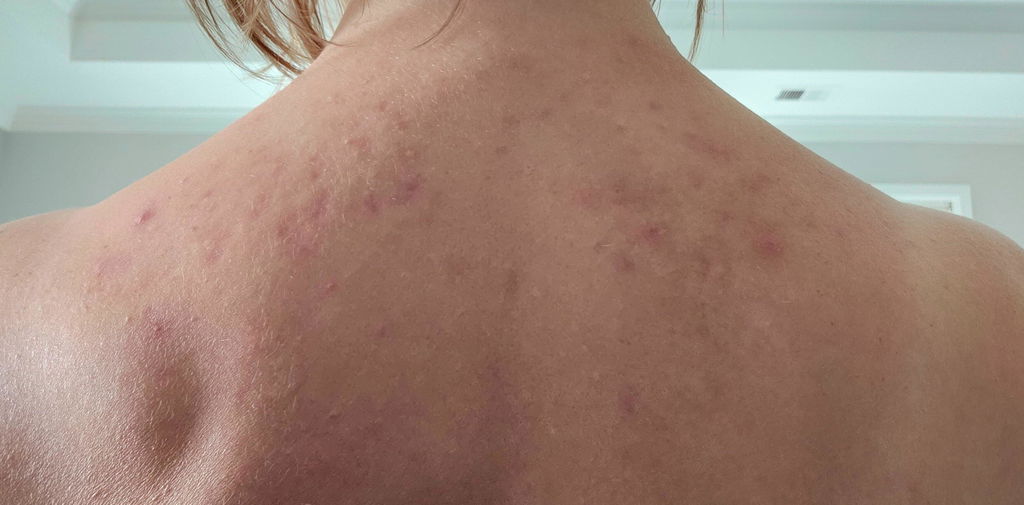
You bought the probiotic. The one with 50 billion CFUs. Refrigerated. Expensive. And six weeks later your skin still breaks out exactly where it always did, along your jaw and chin, right before your period. In my practice I see this pattern almost every week. The supplement was rarely the problem. The strategy around it was.
The Real Difference Between Probiotics and Prebiotics
Probiotics are live bacteria you swallow. Prebiotics are the fiber that feeds the bacteria already living in your gut so they multiply, crowd out the inflammatory strains, and produce the short-chain fatty acids that calm skin inflammation. One is the seed. The other is the soil. You cannot grow a garden with only seeds.
Most women I work with have been sold the bacteria. Almost none of them have been told about the food. That gap is part of why the same cystic spot keeps showing up on your chin month after month.
Why Most Probiotic Supplements Quietly Fail Your Skin
A probiotic supplement only works if three things are true. The strain has to be matched to the outcome you want. Enough live bacteria have to survive the trip past your stomach acid. And your gut has to be hospitable enough to let them settle in. Most pills fail on at least one of those three.
Stomach acid is brutal. It is supposed to be. That pH of around 1.5 to 3 exists to neutralize pathogens in your food. It also wipes out most of the freeze-dried bacteria in a capsule that is not enteric-coated or delayed-release. So a label that promises 50 billion CFU might be delivering a tiny fraction of that to your small intestine where it actually matters.
Then there is the strain issue. "Probiotics" is not one thing. There are hundreds of strains, and most of them have no documented connection to skin. Generic blends get marketed for everything because they are specific to nothing.
And here is the part nobody mentions. If your gut lining is already inflamed, if you have dysbiosis from years of stress, refined sugar, and broad-spectrum antibiotics, the bacteria you swallow have nowhere to land. Your microbiome is a garden. You are throwing seeds at concrete.
Prebiotic Fiber: The Quiet Hero of Clear Skin
Prebiotic fiber is the food that feeds your existing good bacteria so they can multiply and produce short-chain fatty acids like butyrate that physically repair your gut lining. This is the part of the gut-skin axis nobody is selling you a pill for, and it is often what moves the needle.
When your gut bacteria ferment prebiotic fiber, they release postbiotics. These are the metabolites, like butyrate, propionate, and acetate, that signal your immune system to calm down, strengthen the tight junctions of your gut wall, and lower the systemic inflammation that drives sebum overproduction in your sebocytes.
The foods that actually feed your skin bacteria:
- Cooked and cooled potatoes, rice, and green bananas (resistant starch)
- Garlic, leeks, onions, and asparagus (inulin and fructooligosaccharides)
- Jerusalem artichoke and dandelion greens
- Chicory root and burdock root
- Oats and barley (beta-glucan)
- Flax and chia seeds (mucilage and lignans)
If your morning starts with coffee and your breakfast is a protein bar, your microbiome is starving. The bacteria you need for clear skin will not move in until you set the table.
The Stanford Fermented Foods Study That Changed My Protocols
In 2021, researchers at Stanford led by Justin and Erica Sonnenburg published a study in the journal Cell that compared two diets over ten weeks. One group added more fiber. The other added more fermented foods, things like yogurt, kefir, kimchi, sauerkraut, kombucha, and fermented vegetable brines. The fermented foods group saw their gut microbiome diversity go up. They also saw nineteen inflammatory markers come down.
That is the headline. The interesting part for me, as someone who works with women whose skin will not clear, is buried in the data. Fiber alone did not move the inflammation needle for everyone. The people who started the study with low microbiome diversity needed the fermented foods to get the anti-inflammatory effect. Their guts simply could not ferment the fiber properly on their own.
This is why I almost always start with a reset before I start with fiber. If your microbiome is depleted or overgrown with the wrong tenants, you are not feeding a thriving ecosystem. You are feeding the wrong bacteria. A targeted gut cleanse clears the overgrowth first so the prebiotic foods and fermented foods can actually take.
The Bacterial Strains Researchers Have Linked to Clearer Skin
A handful of specific strains keep showing up in skin and acne research. These are the ones worth knowing by name, because "a probiotic" tells you almost nothing.
Lactobacillus rhamnosus SP1. In a study by Fabbrocini and colleagues published in 2016 in Beneficial Microbes, this strain was given to adults with acne for twelve weeks. The researchers documented normalization of skin expression of genes involved in insulin signaling. IGF-1 is one of the loudest hormonal drivers of adult acne, and L. rhamnosus appears to soften that signaling from the gut up.
Bifidobacterium longum. Repeatedly studied for its effect on the gut-brain axis and stress-related inflammation. Stress is one of the most predictable acne triggers I see. When cortisol stays elevated, your HPA axis stays activated, and your gut barrier loosens. B. longum has been shown in human trials to lower perceived stress and improve gut barrier integrity, which is one of the cleaner gut-skin loops in the literature.
Lactobacillus paracasei. Studied for its effect on skin sensitivity, redness, and barrier recovery after irritation. Useful for the women whose skin reacts to everything.
Lactobacillus plantarum. Shown to support the integrity of the gut lining and reduce intestinal permeability, the condition often called leaky gut. When zonulin is elevated and your tight junctions are loose, undigested food particles and bacterial fragments enter the bloodstream. Your immune system responds. That inflammation often lands on your face.
You cannot supplement your way out of a gut that is on fire. You have to put the fire out, repair the lining, then plant the right bacteria.
The Probiotic Myths I Hear Every Single Week
"More CFUs are better." Not really. Strain specificity and survivability matter far more than the number on the label. A targeted 5 billion CFU strain that survives stomach acid will outperform a 100 billion CFU blend that dies on the way down.
"Yogurt is enough probiotic." For most women I see, no. Many commercial yogurts are pasteurized after fermentation, which kills off the live cultures. The strains added back tend to be transient and do not colonize. Real kefir, live unpasteurized sauerkraut, and traditional kimchi do far more.
"Fermented foods are the same as probiotic supplements." They are not. Fermented foods deliver a complex matrix of live bacteria, postbiotic metabolites, and bioactive peptides that no capsule can replicate. The Sonnenburg study at Stanford made that distinction painfully clear.
"I am taking a probiotic, so my gut is fine." Taking a probiotic with an inflamed, leaky, dysbiotic gut is like painting over a wall that has mold behind it. The work has to happen underneath. When surface resets are not enough, the deeper 12-week reset is what I reach for.
Sea Moss: The Prebiotic Most People Are Missing
Sea moss is one of the quieter prebiotics in the wellness world, and it does something most fiber sources cannot. It delivers 92 trace minerals from the ocean, including iodine, selenium, and zinc, which are cofactors your skin and your gut bacteria both depend on. The polysaccharides in sea moss act as a prebiotic and as a gut-soothing mucilage at the same time, which is rare in a single food.
I add mineral-rich sea moss into protocols for women whose skin is dull, whose hair is thinning, and whose energy is flat. Those are the mineral deficiency signals nobody is testing for, and they are almost always present alongside stubborn breakouts.
The Order That Actually Works
If I had to put it in a sequence, this is what I teach the women in my practice:
- Clear the overgrowth. You cannot plant a garden in a field of weeds.
- Repair the barrier. Bone broth, L-glutamine, zinc, and vitamin A.
- Feed with prebiotic fiber. Slowly. The bloating settles as your bacteria adapt.
- Add fermented foods daily. Small amounts, not one big serving on Sunday.
- Use targeted strains if needed, matched to the symptom you are working on.
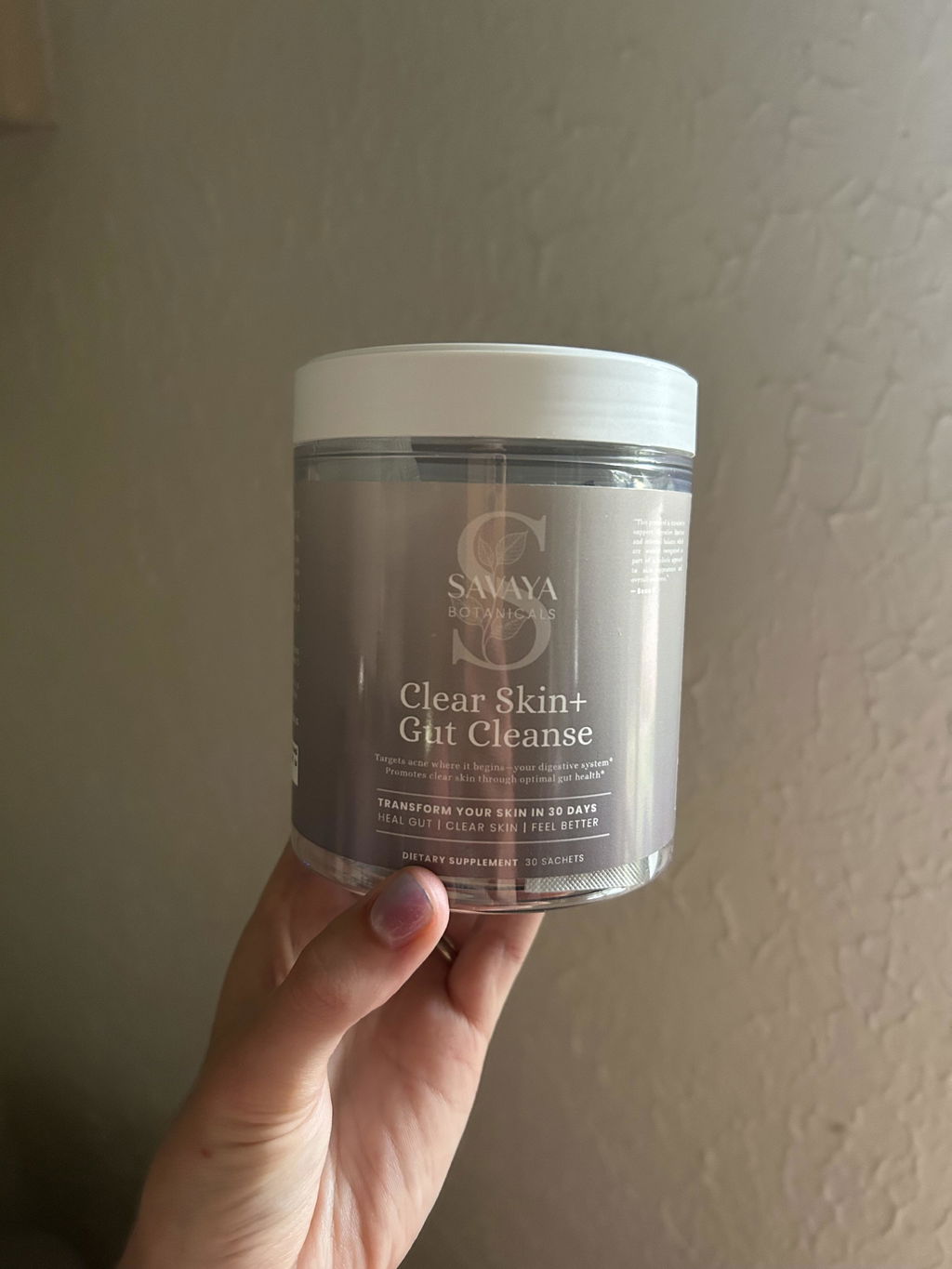
This is where Clear Skin+ Max Detox comes in, a simple daily acai blend. Most women focus on quick fixes first and wonder why nothing happens. Consistency matters more than any single product.
What to Do for Your Face While Your Gut Heals
Gut work takes time. In the meantime, your skin barrier still has to function. I have women in my practice swap their stripping cleansers and acid-heavy serums for a barrier-repairing tallow cream while the internal work happens. And when collagen production has been suppressed by years of inflammation, bioavailable collagen support gives the dermis the building blocks it has been missing.
If you have been swallowing probiotic capsules for months and your skin is still telling you something is wrong, listen to it. The bacteria are not the whole story. Feed them, house them, and clear the path. That is when the skin actually changes.
• • •
Frequently Asked Questions
What is the difference between probiotics and prebiotics in one sentence?
Probiotics are live beneficial bacteria, and prebiotics are the fibers that feed those bacteria so they can grow, repair your gut lining, and produce the postbiotic compounds that calm skin inflammation.
Why do probiotic supplements not work for my acne?
Most fail because the strains are not matched to skin outcomes, stomach acid destroys the bacteria before they reach the intestine, or your gut is too inflamed and dysbiotic for new bacteria to colonize. A reset before supplementation is often the missing step.
How long does it take for prebiotics to improve skin?
In my practice, women usually notice changes in digestion within two weeks, less inflammation in the skin between four and six weeks, and clearer skin around the eight to twelve week mark. The timeline depends on how depleted the microbiome was at the start.
Can I take probiotics and prebiotics together safely?
Yes, and you usually should. Taking them together is called a synbiotic approach. The prebiotic fiber gives the probiotic bacteria fuel to colonize. Without the fuel, the live bacteria pass through without settling in.
Is sea moss a probiotic or a prebiotic?
Sea moss is a prebiotic. Its polysaccharides feed beneficial gut bacteria, and it also delivers trace minerals that support both gut bacteria function and skin repair. It is not a source of live bacteria, so it works alongside fermented foods rather than replacing them.