Omega-3 for Acne: The Skin-Nourishing Fat Most People Miss

Key Takeaways
- EPA and DHA, the active omega-3s in fish oil, support a healthy skin inflammatory response tied to acne-prone skin.
- Omega-3 fatty acids may help support normal function of the sebaceous glands that produce pore-clogging oil.
- The U.S. Adequate Intake for ALA omega-3 is 1.1 grams a day for women and 1.6 grams for men.
- Cell membranes throughout the skin, including its outer barrier, rely partly on omega-3 fats like DHA.
- Omega-3s play a role in normal hormone function, a pathway often discussed alongside cycle-related breakouts.
Omega-3 fatty acids—found in fatty fish, walnuts, flaxseed, and chia seeds—support a healthy skin inflammatory response, help support normal sebum production, and nourish the skin's barrier. Most Americans consume far more omega-6 than omega-3, an imbalance research links to acne-prone skin, making omega-3 intake worth examining for anyone managing breakouts.
Do Omega-3s Support a Healthy Skin Inflammatory Response?
Yes. EPA and DHA, the active omega-3s found in fatty fish and algae oil, are building blocks for compounds that help support the body's normal inflammatory response, including in skin. Because breakouts often involve visible redness and swelling, researchers have looked at whether shifting the balance of dietary fats toward more omega-3 may support calmer, clearer-looking skin over time.
Every fat you eat becomes part of the raw material your body uses to build signaling molecules, including the ones that manage inflammation. Omega-3s like EPA and DHA are converted into compounds that help support a balanced, healthy inflammatory response rather than an exaggerated one.
Omega-6 fats, found heavily in seed oils and processed foods, are converted into different signaling compounds. In excess relative to omega-3, some researchers believe this shift may contribute to the kind of visible redness and irritation associated with acne-prone skin.
Good EPA and DHA sources include:
- Salmon, sardines, mackerel, and other fatty, cold-water fish
- Algae oil (a plant-based EPA/DHA source)
- Fish oil or algae oil supplements

Can Omega-3 Intake Help Support Balanced Sebum (Oil) Production?
Sebaceous glands produce sebum, the oil that can mix with dead skin cells and clog pores. Omega-3 fatty acids are incorporated into cell membranes throughout the body, including the sebaceous glands, and early research suggests they may help support more normal gland function and a smoother, less oily-looking complexion for some people.
Sebum is not inherently bad—it protects and lubricates skin. Problems tend to show up when glands produce more oil than the skin needs, especially combined with dead skin cell buildup inside a pore.
Because omega-3s become part of every cell membrane in the body, including the cells lining sebaceous glands, some small studies have explored whether higher omega-3 intake is associated with less oily-looking skin and fewer visible blemishes over several weeks of consistent intake.
This research is still early, and sebum production is also driven by genetics and hormones, so omega-3 is best viewed as one input among several rather than a stand-alone fix.

Why Does the Modern Omega-6-to-Omega-3 Ratio Matter for Skin?
Human diets historically supplied roughly comparable amounts of omega-6 and omega-3 fats. Today's diet, high in seed oils, packaged snacks, and fried foods, skews that ratio heavily toward omega-6. Because these two fat families compete for the same enzymes and influence the same inflammatory pathways, some researchers believe this imbalance is worth examining for anyone concerned about acne-prone skin.
Omega-6 and omega-3 fats aren't enemies—both are essential and neither can be made by the body. The issue is proportion. Modern cooking relies heavily on soybean, corn, and sunflower oils, all rich in omega-6, while omega-3-rich foods like fatty fish and flaxseed are eaten far less often.
Because omega-6 and omega-3 fats are processed by the same set of enzymes, a diet dominated by omega-6 can crowd out the metabolic pathway that omega-3s use to support balanced inflammatory signaling.
National dietary guidance recommends regularly including seafood, a primary source of omega-3 fatty acids, as part of a healthy overall eating pattern.
Shifting that ratio, even modestly, is one of the more actionable diet changes available to someone evaluating their skin.

How Do Omega-3s Support the Skin Barrier and Hydration?
The outermost layer of skin depends on fats, including omega-3s like DHA, to help hold cells together and retain moisture. A well-supported barrier helps skin look smoother and more resilient, while a compromised one can appear dry, dull, or more reactive—conditions that can make existing breakouts more noticeable and slower to fade from view.
Skin barrier function is often overlooked in acne conversations, but it plays a real role. The barrier is built largely from fats, and omega-3s such as DHA are structural components of the membranes that make up skin cells.
When the barrier is well-supported, skin tends to hold onto moisture better and looks more even in texture. When it's compromised—from harsh products, over-exfoliation, or nutrient gaps—skin can look drier, more irritated, and more prone to visible redness around blemishes.
Supporting the barrier from the inside, through fats like omega-3, works alongside (not instead of) a gentle topical routine.

What Role Do Omega-3s Play in Normal Hormone Function?
Omega-3 fats are precursors to hormone-like signaling molecules that help regulate normal cellular activity throughout the body. Because many people notice breakouts clustering around their monthly cycle, researchers have explored whether adequate omega-3 intake plays a role in supporting normal hormone function—one piece of a much larger hormonal picture that also includes sleep, stress, and genetics.
Hormone-related breakouts, often appearing along the jawline or chin in a cyclical pattern, are one of the most common reasons women search for dietary approaches to acne-prone skin.
Omega-3s are converted into eicosanoids, hormone-like compounds involved in normal cell signaling throughout the body. Adequate intake is one of several nutritional inputs, alongside overall diet quality, sleep, and stress levels, that plays a role in supporting normal hormone function.
No single nutrient controls hormonal skin changes on its own, but omega-3 is one of the more evidence-backed dietary levers available.

What's a Practical Next Step If This Sounds Like You?
Start with a free, low-risk experiment: hold your current skincare routine steady, add two to three weekly servings of fatty fish (or a daily algae/fish oil source), swap one seed-oil-heavy meal for olive oil, and track your skin in weekly photos for several weeks before judging results. Small, trackable changes reveal more than guessing.
Before adding anything new, get a real baseline. Take a clear, well-lit photo of your skin today, then commit to the following for at least several weeks, changing only one variable at a time so you can tell what's actually helping:
- Add 2-3 weekly servings of fatty fish (salmon, sardines, mackerel), or a daily algae-oil source if you don't eat fish
- Add a spoonful of ground flaxseed or chia seeds to breakfast most days for plant-based ALA
- Swap one regular cooking oil (corn, soybean, sunflower) for olive or avocado oil
- Keep a simple log noting flares alongside your cycle, stress levels, sleep, and any new skincare products—not diet alone
- Reassess after several weeks, since skin changes gradually and day-to-day fluctuation is normal
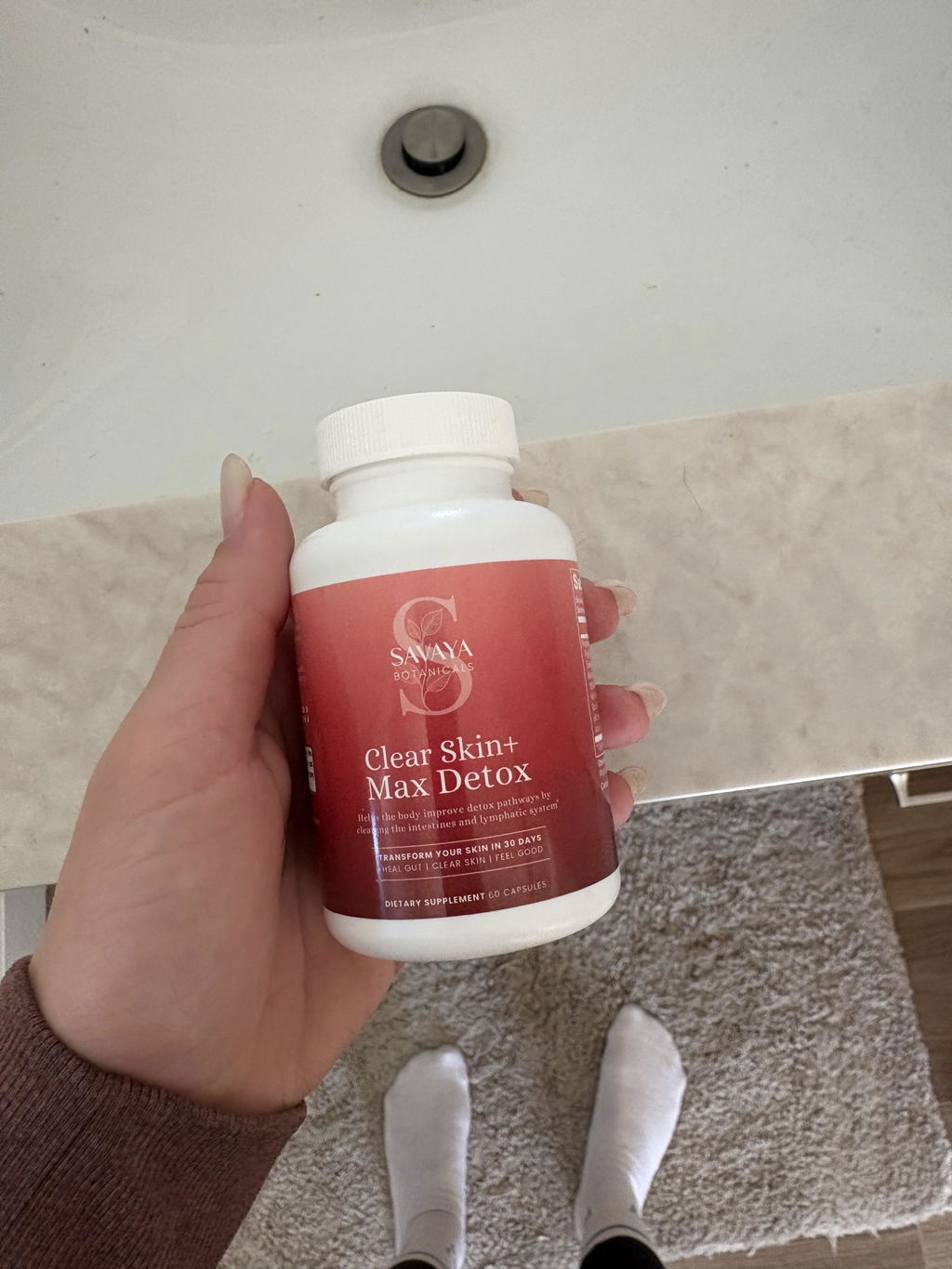
These steps are free and don't require any product. For people who want additional support alongside this kind of routine, a daily supplement like Max Detox—formulated with acai and other plant-based ingredients—is designed to support the body's natural detoxification pathways and overall gut wellness, which many women layer on top of the dietary habits above rather than in place of them.

The Bottom Line on Omega-3 and Acne-Prone Skin
Omega-3 fatty acids aren't a stand-alone solution for acne-prone skin, but their broader role in skin health is well-supported: they help support a healthy inflammatory response, cell membrane integrity, and normal hormone function. Paired with a lower-omega-6 diet and patience over several weeks, omega-3 intake is a reasonable, low-risk piece of a broader approach to your skin.
If you're dealing with persistent or painful acne, see a board-certified dermatologist—diet is one input among many, and some forms of acne need direct medical care that a food or supplement change can't replace.
For everyone else exploring the diet-and-skin connection, omega-3 fatty acids are one of the more well-studied, lowest-risk places to start: they're inexpensive, widely available through food, and supported by decades of general nutrition research even where acne-specific evidence is still developing.
Give any change several weeks before judging it, track what you're doing consistently, and treat omega-3 as one supportive habit inside a fuller picture that includes sleep, stress, and skincare basics.

See if Max Detox is right for you
Frequently Asked Questions
Can fish oil supplements help with acne?
Fish oil supplies EPA and DHA, omega-3s that support a healthy inflammatory response and normal cell membrane function in skin. Some people explore fish oil alongside diet changes when managing acne-prone skin, though individual results vary and it works best as one part of a broader routine, not a stand-alone solution.
How much omega-3 should I get for skin health?
The U.S. Adequate Intake for the omega-3 ALA is 1.1 grams a day for women and 1.6 grams for men, achievable through about two weekly servings of fatty fish or a daily flaxseed or algae-oil source. There's no separate, established target specifically for skin, so general nutrition guidance is the most reliable reference point.
What foods are highest in omega-3 fatty acids?
Fatty, cold-water fish like salmon, sardines, mackerel, and anchovies are the richest sources of EPA and DHA. Plant sources like flaxseed, chia seeds, walnuts, and algae oil provide ALA or, in algae's case, direct EPA and DHA, making them useful options for anyone who doesn't eat fish.
How long does it take to notice a difference from omega-3 intake?
There's no fixed timeline, and no source can promise specific results. Skin naturally turns over gradually, so most people who experiment with diet changes give it several weeks to a couple of months of consistent intake before evaluating whether their skin looks or feels any different.
Is too much omega-6 bad for acne-prone skin?
Omega-6 fats aren't inherently harmful—both omega-6 and omega-3 are essential. The concern is proportion: a diet very high in seed oils and processed foods relative to omega-3-rich foods may skew the balance researchers associate with a less favorable inflammatory environment for skin.
This content is for general wellness and educational purposes and is not medical advice. These statements have not been evaluated by the Food and Drug Administration. This product is not intended to diagnose, treat, cure, or prevent any disease. Consult your healthcare provider before starting any supplement, especially if you are pregnant, nursing, or managing a health condition. Individual results vary.