My skin did not clear when I bought a better serum. It cleared when a functional medicine practitioner asked me a question no dermatologist ever had: "How do you feel after a fatty meal?" I felt heavy, bloated, and sleepy. My chin was also covered in deep, stubborn bumps. I had never connected the two. That one question changed how I look at liver detox for clear skin.
Here is what I learned. Your liver and your bile decide how much work your skin has to do. When they keep up, skin looks calm. When they fall behind, skin often shows it first.
Why Your Liver Detox Pathways Matter for Clear Skin
Your liver is a filter, a factory, and a trash sorter in one. Every hormone, medication, drink, and food additive you take in passes through it. Your liver turns these things into forms your body can send out through bile, stool, and urine.
Skin is your largest organ. Practitioners in the holistic world often call it the "third kidney" because sweat and oil glands also carry waste out of the body. When the main exits are slow, the back door gets busier. Breakouts, dull tone, and itchy patches are common signs of that overflow.
This is not a magic trick. It is traffic. Too much going in, too little going out, and something backs up.
Phase I and Phase II Liver Detoxification, in Plain English
Your liver clears waste in two steps. Research in hepatology and toxicology has described these steps for decades.
Phase I: The Breakdown
In Phase I, a family of enzymes called cytochrome P450 breaks big, fat-soluble molecules into smaller pieces. Think of it as cutting a big box apart. The trouble is that the pieces can be more reactive than the original box. Reactive pieces create free radicals, and those need antioxidants like vitamin C, vitamin E, and glutathione to calm them down.
Phase II: The Packaging
In Phase II, the liver attaches a helper molecule to each piece. This is called conjugation. It uses sulfur, glycine, glutathione, and other nutrients. Once a piece is packaged, it dissolves in water or bile and can leave your body safely.
Why the Balance Matters
If Phase I runs fast and Phase II runs slow, reactive pieces pile up. That can happen with heavy alcohol, a poor diet, certain medications, and long stress. Phase II needs real nutrients to work. Many of us are short on them.
What Happens When the Liver Is Overloaded
An overloaded liver does not send you a text message. It sends small signals that are easy to blame on something else.
- Skin: breakouts along the jaw and chin, redness, oily T-zone, itchy skin with no rash.
- Hormones: your liver also clears used-up estrogen. When it is slow, estrogen can hang around, and many women notice cycle-linked breakouts.
- Energy: mid-afternoon crashes and a foggy head.
- Sleep: waking between 1 and 3 a.m. for no reason.
Traditional Chinese medicine has linked the liver to the skin for centuries. Modern research on the gut-liver axis points the same way: what the liver sends into bile feeds the gut, and what the gut sends back through the portal vein lands at the liver first.
• • •
Bile: The Missing Link Between Your Liver, Gut, and Skin
Most skin blogs skip bile. I think that is a mistake.
Your liver makes about a liter of bile a day. Bile does three jobs. It breaks down fat so you can absorb it. It carries packaged waste out of the liver. And it keeps the small intestine from growing the wrong bacteria. Studies on bile acids show they act as signals that shape the gut microbiome and even help control inflammation.
When bile is thick or slow, fat digests poorly, waste sits longer, and gut bacteria drift out of balance. A gut out of balance is a common thread in stubborn skin. If you want the full gut side of this story, a daily gut cleanse sachet is one of the simplest ways I know to give your digestion steady support while your bile flow recovers.
Here is the loop in four lines:
- The liver packages waste into bile.
- Bile moves into the gut.
- Fiber and healthy bacteria carry it out.
- If any step is slow, waste can be pulled back in, and your skin works overtime.
The Best Liver-Supporting Foods for Your Skin
You do not need exotic powders. Start with the grocery store.
Cruciferous Vegetables
Broccoli, cauliflower, kale, cabbage, and arugula contain sulforaphane and related compounds. Lab and human research shows sulforaphane helps turn on Phase II enzymes. Broccoli sprouts have the most. Chop your broccoli and let it sit for 10 minutes before cooking, and you keep more of the active compound.
Beets
Beets bring betaine, which helps your liver handle fat and supports the methylation steps Phase II depends on. They also add fiber for the exit route. Roast them, or grate one raw into a salad.
Dandelion
Dandelion root and leaf have been used as a bitter liver tonic in folk medicine for generations. Human studies are limited, so I will not oversell it. What I can say is that bitter tastes wake up digestion and bile release, and many of my clients feel the difference after a cup of dandelion tea before meals.
Other Easy Wins
- Garlic and onions for sulfur.
- Lemons and grapefruit for vitamin C.
- Artichokes for natural bile support.
- Wild-caught fish and pastured eggs for glycine and choline.
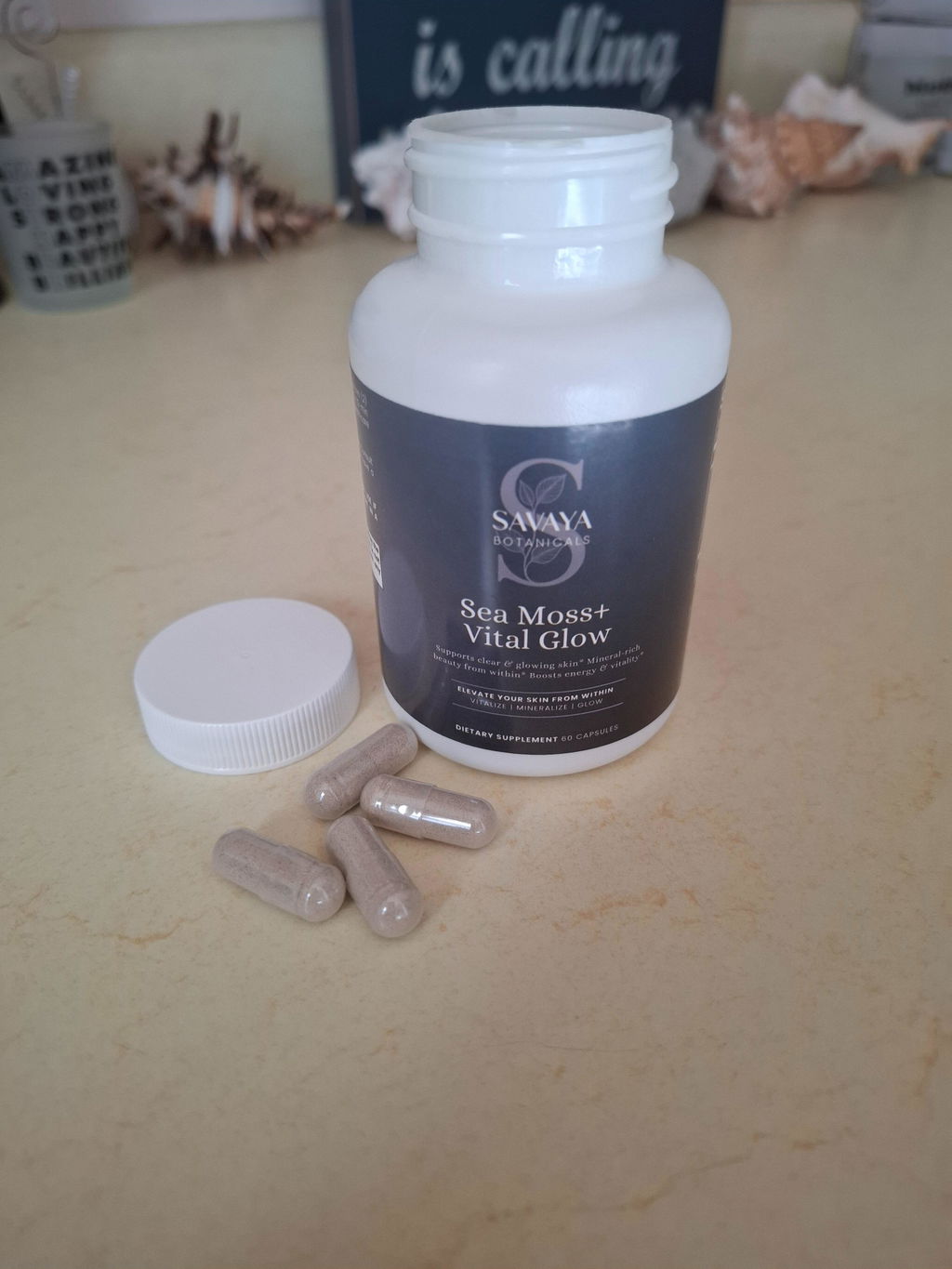
I also like to pair these foods with sea moss. It carries 92 minerals from the ocean, and minerals are part of what the body uses to run its own cleanup crews.
The Morning Olive Oil and Lemon Shot Protocol
This is the ritual I come back to most. It is simple, cheap, and takes two minutes.
The recipe:
- 1 tablespoon of extra virgin olive oil.
- The juice of half a lemon.
- Take it on an empty stomach, 15 to 20 minutes before breakfast.
- Follow with a glass of warm water.
Why it may help: fat in the gut tells your gallbladder to squeeze and release bile. That part is well documented. The lemon adds vitamin C and a sour taste that many people find helps them tolerate the oil. I will be honest. There are no big trials on this exact shot. It is a traditional practice built on solid digestive basics, and the people I work with often report easier mornings and better digestion within two weeks.
A few notes. Start with one teaspoon if the oil feels heavy. Skip it if you have had gallstones or been told to avoid fat, and check with your doctor first. Do it daily for 30 days, then see how your skin and digestion feel.
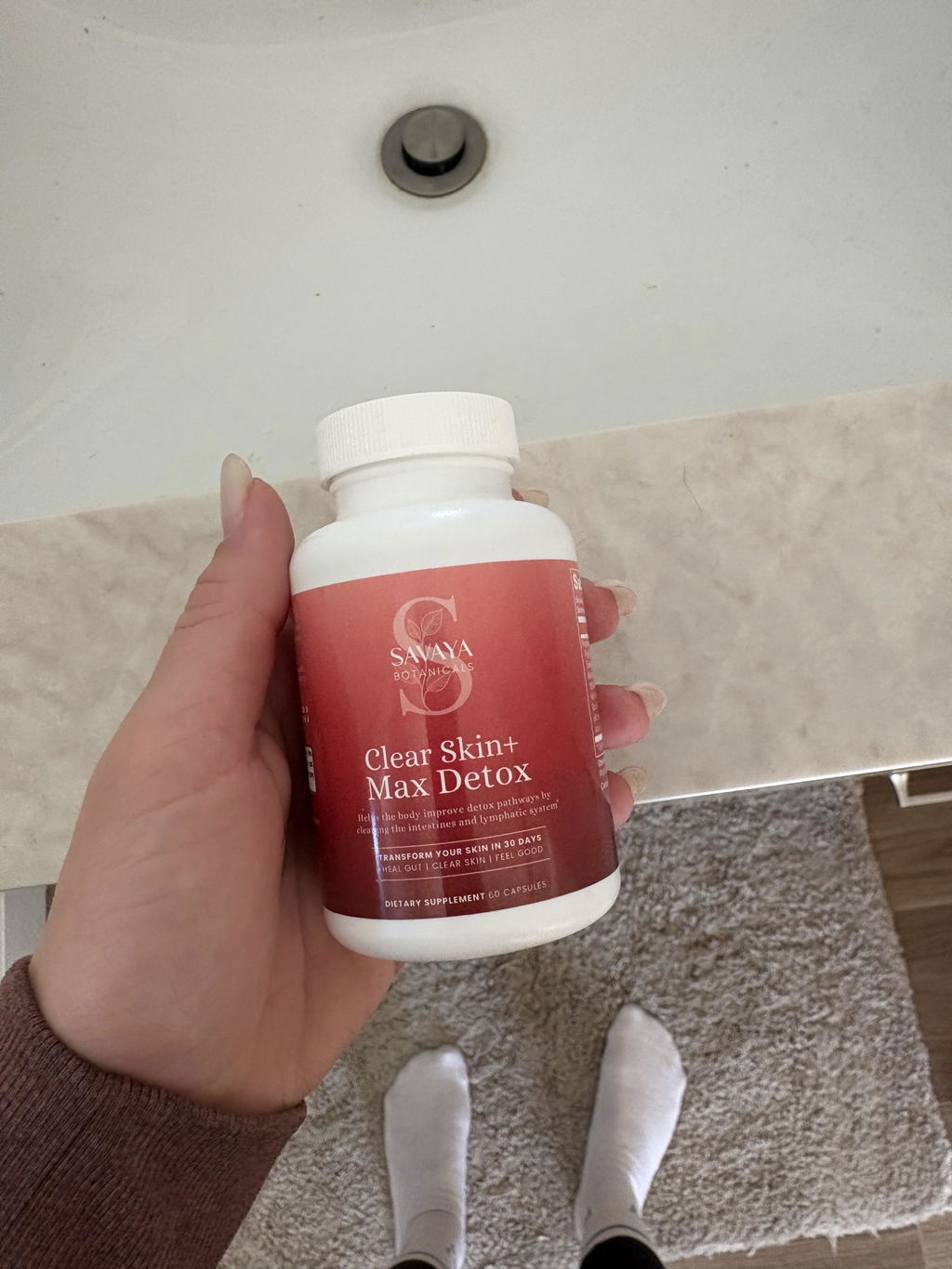
For days when you want fuller support, our Max Detox protocol fits right alongside this ritual.
Signs Your Liver May Need Support
None of these prove anything alone. Several together are worth paying attention to.
- Bloating, nausea, or heaviness after fatty meals.
- Light, floating, or greasy stools.
- Bumps on the chin and jawline that flare with your cycle.
- A bitter taste or coated tongue in the morning.
- Waking at 1 to 3 a.m.
- Itchy skin with no clear cause.
- Low tolerance for alcohol, coffee, or rich food.
- Dull, sallow skin that makeup cannot fix.
If you ever see yellow skin or eyes, dark urine, or have pain in the upper right belly, see your doctor right away. Those need a real exam.
Putting It All Together: A Simple Daily Rhythm
Here is how I build a day around liver and bile support:
- Morning: olive oil and lemon shot, then warm water.
- Breakfast: eggs with sauteed greens, or a smoothie with sea moss.
- Lunch: a big plate of cruciferous veggies with a clean protein.
- Before dinner: dandelion tea.
- Evening: a roasted beet side, early dinner, and lights out on time.
Give your skin from the outside too. A calm barrier helps while your insides catch up, and a rich night cream like our tallow cream supports it. For skin that needs building up, collagen strips are an easy daily habit.
• • •
Frequently Asked Questions
Can a sluggish liver cause acne?
Many practitioners believe it can play a part. The liver clears hormones and waste. When it is overloaded, extra waste and used-up hormones can show up as breakouts, especially around the chin and jaw. Acne has many causes, so liver support works best as part of a whole-body plan.
What are Phase I and Phase II liver detoxification?
Phase I uses enzymes to break large molecules into smaller ones. Phase II attaches helper molecules like glutathione or sulfate so the pieces can leave the body in bile or urine. Both phases need steady nutrients to work well.
Does the olive oil and lemon shot really work?
Fat does trigger the gallbladder to release bile, which is why the practice makes sense. There are no large studies on the lemon and olive oil shot itself, but many people feel better digestion within a couple of weeks. Check with your doctor first if you have gallstones.
How long does it take to see skin changes from liver support?
Most people notice digestion and energy first, often within 2 to 4 weeks. Skin tends to follow in 8 to 12 weeks, since skin cells turn over slowly.
What foods are best for liver health?
Cruciferous vegetables like broccoli and kale, beets, garlic, artichokes, lemons, and bitter greens like dandelion are all great picks. Pair them with plenty of water and fiber so waste can leave the body.
Ready to Start?
You do not have to fix everything this week. Start with the olive oil shot and one extra plate of greens a day. When you want a full, guided approach, our 12-week Clear Skin program walks you through liver, gut, and skin support step by step.
Sarah Mitchell is a holistic health practitioner who writes about gut health, detox pathways, and natural skin care.