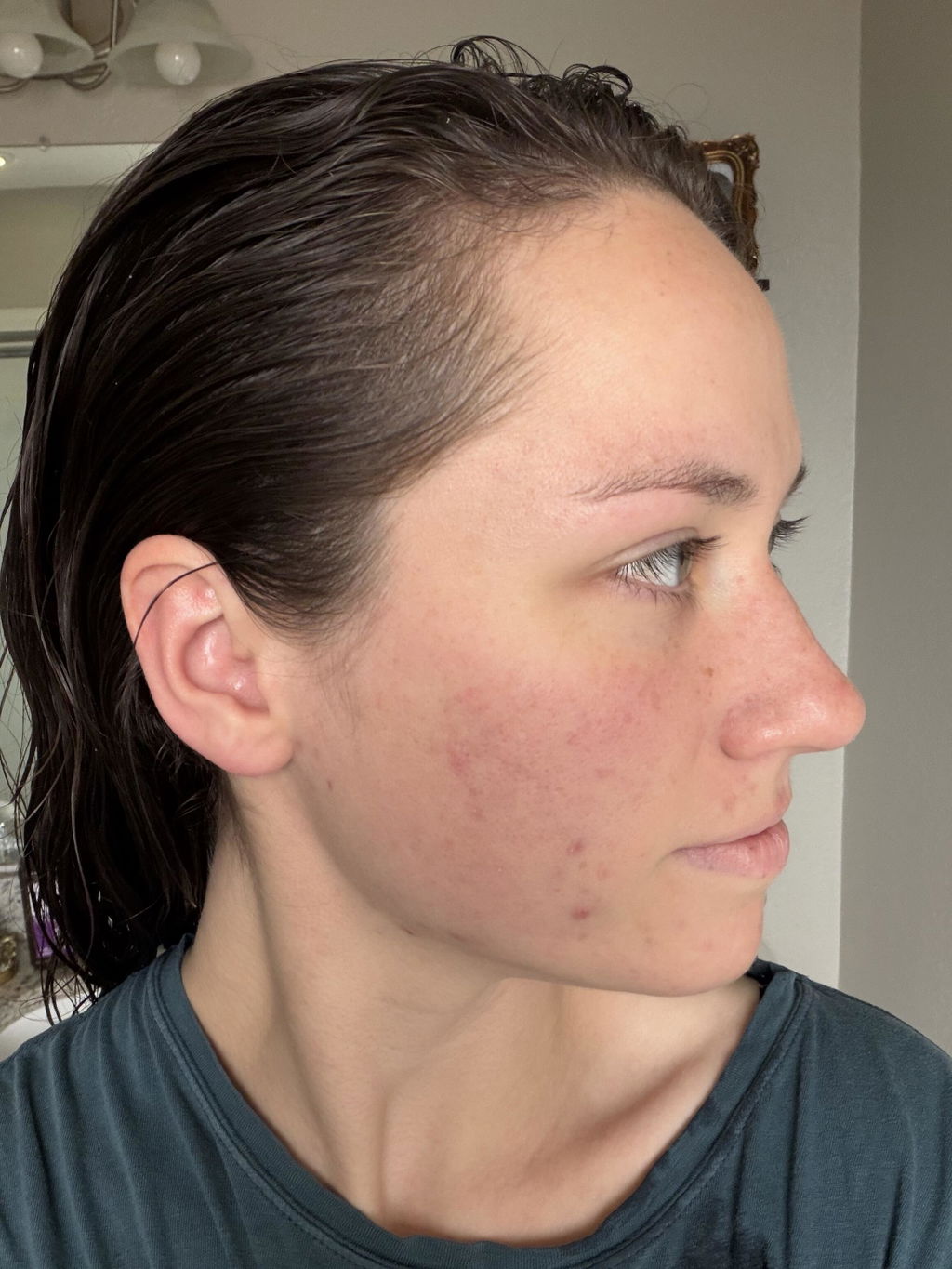
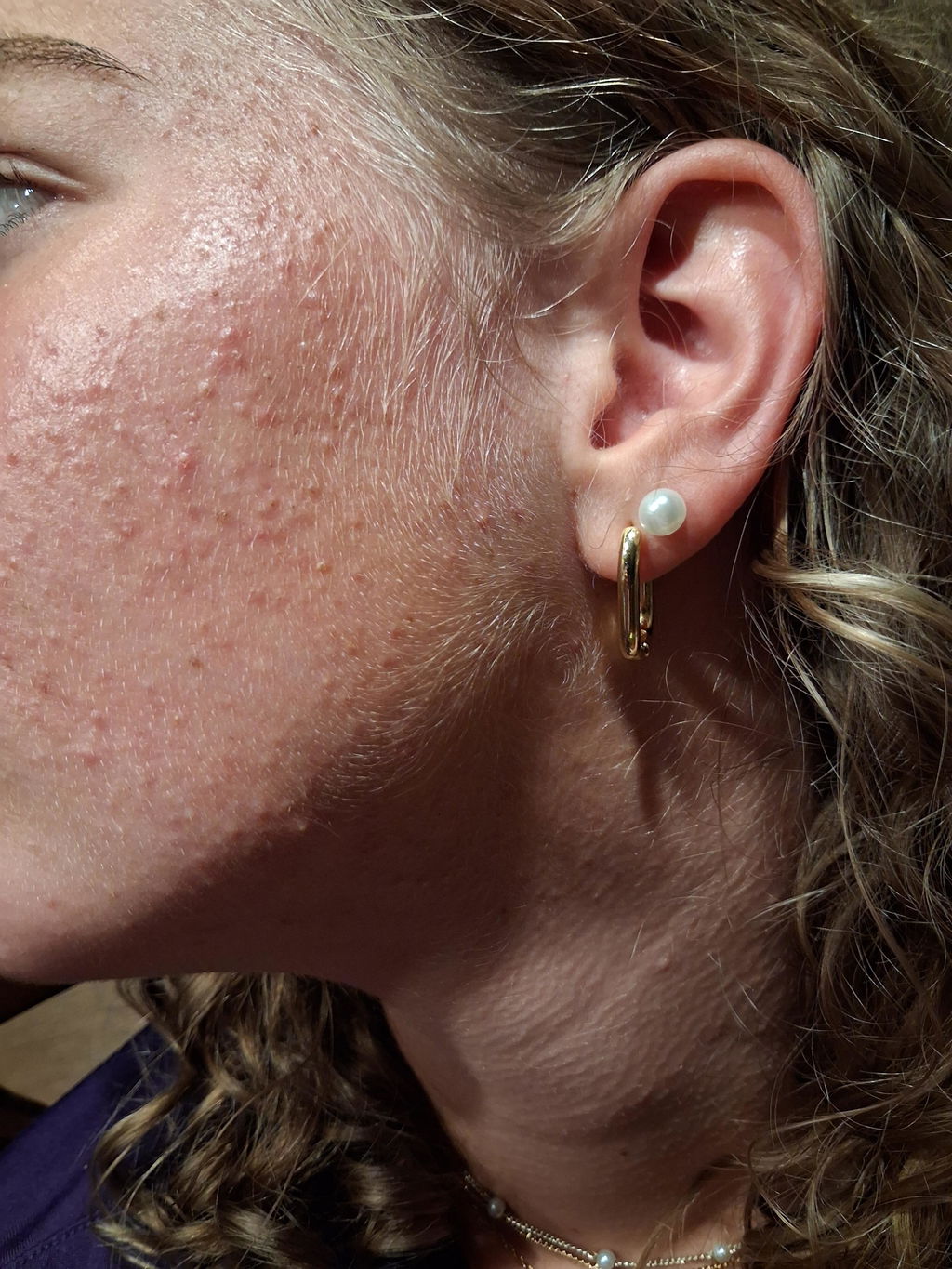
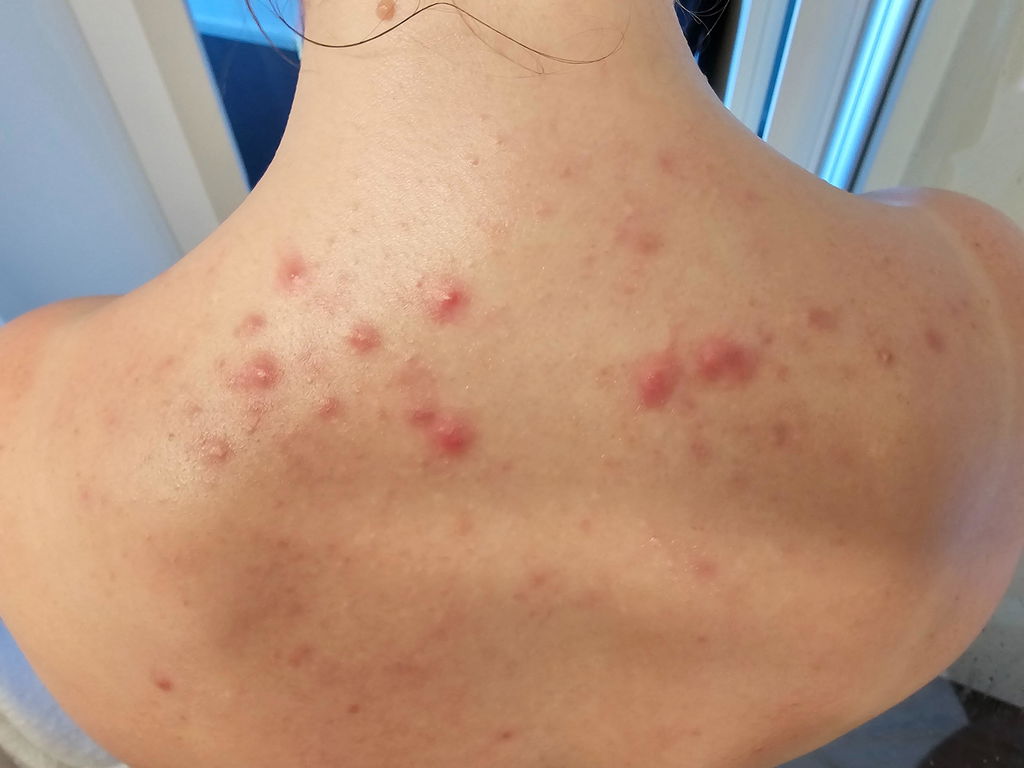
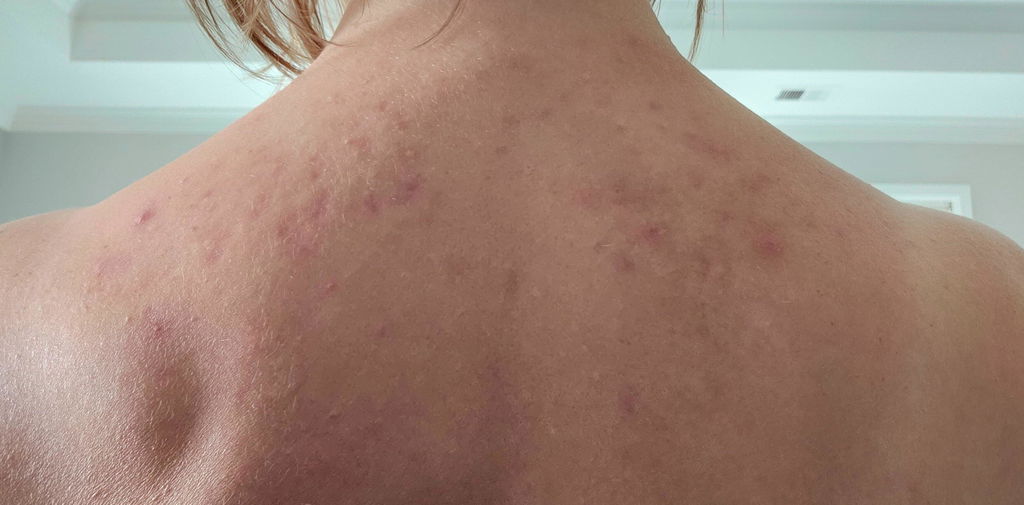
For four years I did everything the dermatologist told me. Tretinoin at night. Benzoyl peroxide in the morning. Two rounds of antibiotics. A spironolactone trial. My skin would calm for a month, then flare worse. What no one tested, and what finally changed everything for me and the women I work with now, was a small protein in the gut called zonulin. The acne was never really on my face. It was downstream.
What Leaky Gut Actually Is
Leaky gut, more precisely called intestinal permeability, is what happens when the tight junctions between the cells lining your small intestine loosen and let partially digested food, bacterial fragments, and toxins slip into the bloodstream where they do not belong. The protein that opens those junctions is zonulin, identified by Alessio Fasano and colleagues.
Your gut lining is one cell thick. One. That single layer is held together by protein bridges called tight junctions, and zonulin is the only known human molecule that can pry them open on purpose (Fasano). When zonulin gets triggered too often, by gluten, by chronic stress, by certain bacteria, by NSAIDs, the gate stays propped open longer than it should.
So what does a leaky gut have to do with breakouts on your jawline?
How Your Gut Drives Your Skin
The gut-skin axis is the two-way communication between your intestinal microbiota and your skin, mediated by the immune system, circulating inflammatory signals, and metabolic byproducts of your gut bacteria. When the gut barrier leaks, the skin gets the email. Cystic acne, persistent redness, eczema flares, melasma that will not fade. Often a gut problem in disguise.
Bowe and Logan revived this idea in a 2011 paper in Gut Pathogens, dusting off a 1930 hypothesis from Stokes and Pillsbury and showing it had been right the whole time. The 2018 review in Frontiers in Microbiology mapped how dysbiosis upstream alters skin homeostasis downstream through immune signaling, lipid metabolism, and barrier proteins.
In my practice, the pattern is almost stereotyped. Bloating after meals. A history of antibiotics in the teen years. A few rounds of birth control. Then acne that does not respond to anything topical, no matter how aggressive. The face is the screen. The gut is the projector.
There is also clinical evidence on the other direction. Jung and colleagues in 2013 showed that adding a multi-strain probiotic to standard acne care supported lesion reduction and helped women come off antibiotics sooner.
Probiotics alone are not a fix. They are one lever on a system that needs four levers pulled together. Which brings me to testing.
How to Actually Test for Intestinal Permeability
The most direct test is the lactulose-mannitol urine assay, where you drink two sugars and measure the ratio that ends up in your urine over six hours. A high ratio means molecules that should have stayed in the gut are crossing the barrier. Serum and stool zonulin add another data point, as do LPS antibodies and bacterial endotoxin markers.
I will be honest about the limits. Zonulin assays vary between labs. Some kits actually measure related proteins in the haptoglobin family, which is why working with a practitioner who knows which assay your lab runs matters so much for accuracy.
What I see most often in clinic is this: women with elevated zonulin, low secretory IgA, and a stool panel showing low Bifidobacterium and almost no butyrate producers. The numbers confirm what their skin has been saying for years.
Testing is useful. Testing is not required to start. The protocol below addresses the root mechanism whether you test or not.
The 4R Protocol That Finally Worked
The 4R protocol is a four-phase framework developed by the Institute for Functional Medicine that walks the gut through Remove, Replace, Reinoculate, and Repair. It is not linear. The phases overlap. Done well, it takes about twelve weeks for skin to reflect the changes.
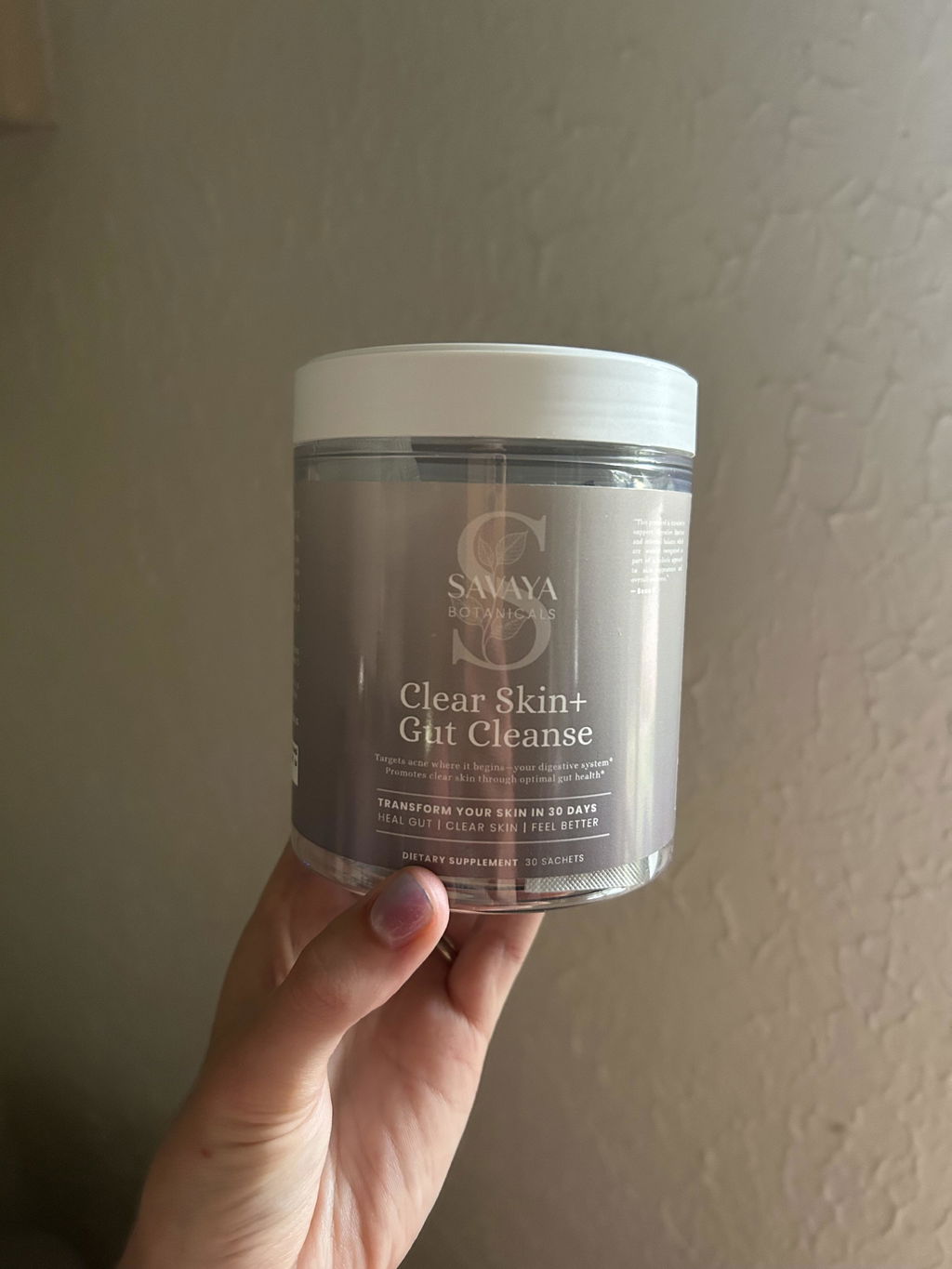
This is what I began taking myself after the antibiotics failed. It is the same daily habit — this acai detox blend — that I now recommend to clients. Same starting point, nothing complicated.
You cannot scrub your way out of a problem your gut is creating. The face is downstream. Heal upstream or keep starting over.
Let me take you through each phase the way I run it.
Phase 1: Remove (Weeks 1 to 3)
Remove means pulling out the foods, irritants, and overgrowths that are keeping zonulin elevated and the barrier open. For most women I work with, that means three weeks off gluten, dairy, refined sugar, alcohol, and industrial seed oils, while assessing for dysbiosis underneath.
Gluten is pulled for this window because of its well-documented effect on zonulin signaling. Dairy gets pulled because of its IGF-1 and androgen effects on sebocytes, which are the oil-producing cells in your pores. Refined sugar feeds the wrong bacteria and spikes insulin, which spikes sebum.
- Gluten, every form, for the full three weeks
- Conventional dairy, including whey protein and casein
- Refined sugar and high-fructose corn syrup
- Industrial seed oils (soybean, corn, canola, sunflower)
- Alcohol, which directly damages the mucosal barrier
- NSAIDs unless medically necessary
If breath or stool testing flags SIBO or candida or H. pylori, this is when I layer in targeted botanicals like berberine, oregano oil, or allicin under practitioner guidance. For many women, simply removing the foods and starting a targeted gut cleanse in this window is enough to feel a shift in bloating by week two.
What gets added back in? Wild fish, pasture-raised meats, cooked vegetables, bone broth, fermented foods if tolerated, and lots of water.
Phase 2: Replace (Weeks 2 to 4)
Replace means restoring the digestive secretions that age, stress, birth control, and proton pump inhibitors have suppressed. Without enough stomach acid and enzymes, food sits, ferments, and feeds the wrong bacteria. You can do every other phase perfectly and stall here.
I see low stomach acid in almost every acne client over thirty. Symptoms are subtle. Burping after meals. Feeling full on small portions. Undigested food in stool. Iron and B12 running low on bloodwork.
What I use in this phase, always titrated with a practitioner who knows your case:
- Betaine HCl with pepsin, in practitioner-guided ranges with protein meals
- Broad-spectrum pancreatic enzymes covering lipase, amylase, and protease
- Bitter herbs (gentian, dandelion, ginger) ten minutes before meals
- Ox bile or taurine for women without a gallbladder or with steatorrhea
This is also where I introduce mineral-rich sea moss as a daily mineral foundation, because the digestive cofactors (zinc, magnesium, iodine, selenium) are required for HCl and enzyme production in the first place. Minerals first. Acid follows.
How do you know it is working? Meals start to feel lighter. The afternoon energy crash softens. Skin tone evens out by week four for many women, even before the deeper repair begins.
Phase 3: Reinoculate (Weeks 4 to 8)
Reinoculate means seeding the gut with beneficial bacteria and feeding them the fibers they need to colonize and produce short-chain fatty acids, particularly butyrate, which is the primary fuel for the cells lining your colon. This is where the microbiome shifts and the skin starts to follow.
The right bacteria, fed the right fibers, manufacture the short-chain fatty acids that help rebuild the gate zonulin had been opening. Den Besten in 2013 mapped how SCFAs from these fibers signal through GPR41/43 receptors and feed colonocytes directly.
What I layer in during this window:
- A multi-strain Lactobacillus and Bifidobacterium probiotic
- Saccharomyces boulardii, especially if there was recent antibiotic use
- Soil-based Bacillus species for resilience
- Partially hydrolyzed guar gum as a gentle prebiotic starter
- Acacia fiber, then slow introduction of inulin, FOS, GOS as tolerated
- Resistant starch from cooled potatoes or green banana flour
- Fermented foods (sauerkraut, kimchi, kefir if dairy is tolerated)
This is also when many clients move into a full detox protocol to support the eliminatory pathways the new microbial activity is loading up. Liver, lymph, bowel. All three need to move.
Go slow on fibers if you are bloated. The bacteria need time to catch up to the food you are feeding them.
Phase 4: Repair (Weeks 6 to 12)
Repair means feeding the gut lining the raw materials it needs to physically rebuild tight junction proteins and restore mucosal integrity. This phase overlaps with Reinoculate and runs longest, because rebuilding a barrier takes time.
Wang 2015 in Amino Acids named glutamine as the key substrate for enterocytes, the cells of the small intestine, and showed it supports the tight junction proteins claudin-1, occludin, and ZO-1 directly. Mahmood and colleagues in 2007 demonstrated that zinc carnosine helped stabilize intestinal permeability and supported gut epithelial repair in humans. Suzuki in 2013 reviewed how vitamins A and D, zinc, tryptophan, and polyphenols all modulate paracellular permeability.
What goes in during the repair phase, in practitioner-guided ranges:
- L-glutamine on an empty stomach
- Zinc carnosine in split doses
- Slippery elm, marshmallow root, and DGL as soothing demulcents
- Hydrolyzed collagen or daily bone broth for glycine and proline
- Vitamin A (retinol) and vitamin D, dosed to lab targets
- Omega-3 EPA and DHA
- Quercetin and curcumin as polyphenol support
Many find daily collagen helps support skin and connective tissue during this window, which is why I lean on bioavailable collagen support through this phase.
While the inside rebuilds, the skin barrier outside also needs feeding. A simple, fragrance-free routine with a barrier-repairing tallow cream at night helps support the lipid layer that has been stripped by years of actives. Less. Gentler. Boring is the goal.
The Realistic 12-Week Timeline
Twelve weeks sounds slow when you have been breaking out for years. It is actually the natural turnover cycle of your gut lining and the average lag between gut changes and visible skin changes. Here is what most women experience, milestone by milestone.
- Weeks 1 to 3: Digestion gets easier. Bloating drops 50 to 70 percent. Skin may briefly look worse as toxins mobilize.
- Weeks 3 to 5: Sleep deepens. Energy stabilizes. Active inflammation on the face starts to calm.
- Weeks 5 to 8: Cycle symptoms ease for many women. Cystic lesions appear less frequently. Texture starts to even.
- Weeks 8 to 10: Old post-inflammatory marks fade noticeably. Skin holds hydration longer. Tolerance to foods improves.
- Weeks 10 to 12: The skin you remember from before is recognizable again. Hormonal flares are smaller, shorter, more predictable.
Some women see results faster. Some need a second cycle, particularly if they came off long-term antibiotics or birth control within the past year. Patience here is not optional. It is the protocol.
What I Tell Every Client Now
If you have tried every cream, every cleanser, every dermatology appointment and your skin still will not settle, your face is not the problem. It is the messenger. The mechanism Fasano spent his career mapping is not a fringe theory. It is the foundation of why so many of us with stubborn adult acne were never going to fix it from the outside.
If you want a structured path through all four phases without piecing it together yourself, this is the same framework behind the deeper 12-week reset I use in my practice, sequenced so the phases overlap the way they actually should. Mechanism first. Skin follows.
Frequently Asked Questions
What is leaky gut in plain language?
Leaky gut, or intestinal permeability, is when the tight junctions between the cells lining your small intestine loosen and let partially digested food and bacterial fragments cross into the bloodstream. The protein zonulin, identified by Fasano, is the gatekeeper that opens those junctions. Chronic triggers keep the gate open longer than it should be, which drives systemic inflammation that can show up on the skin.
How long does it take to support leaky gut and see skin changes?
Most women I work with feel digestive changes within two to three weeks, but visible skin changes typically take eight to twelve weeks because that is the lag between gut barrier repair and skin cell turnover. The 4R protocol is designed around this twelve-week window. Some clients need a second cycle, particularly after long-term antibiotic or birth control use.
Can leaky gut really drive acne?
The gut-skin axis is well documented. Bowe and Logan in 2011, the 2018 Frontiers in Microbiology review, and the clinical work by Jung in 2013 all support that gut microbiota changes can shift inflammatory and lipid markers tied to acne. In my practice, the women whose acne refuses topical care almost always have measurable signs of dysbiosis and elevated permeability markers underneath.
Is the zonulin test reliable?
Zonulin testing is useful but imperfect. Different labs use different assays, and some kits measure proteins in the haptoglobin family rather than zonulin itself. I find the lactulose-mannitol urine ratio more consistent, and I always pair any single test with stool microbiome data and clinical symptoms.
Can I do the 4R protocol while breastfeeding or pregnant?
The food and lifestyle pieces of Remove, Replace, and Repair are generally compatible with pregnancy and breastfeeding, but several supplements (high-dose botanicals for dysbiosis, certain detox agents, high-dose vitamin A) are not appropriate during these windows. Work with a practitioner who knows your full history before adding supplements. Food, sleep, stress, and gentle prebiotic fibers are safe starting points.