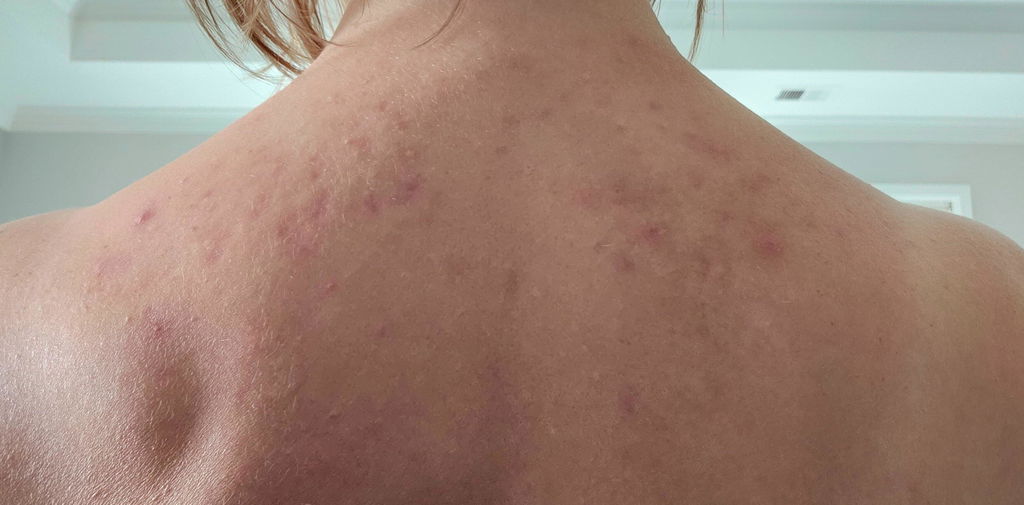
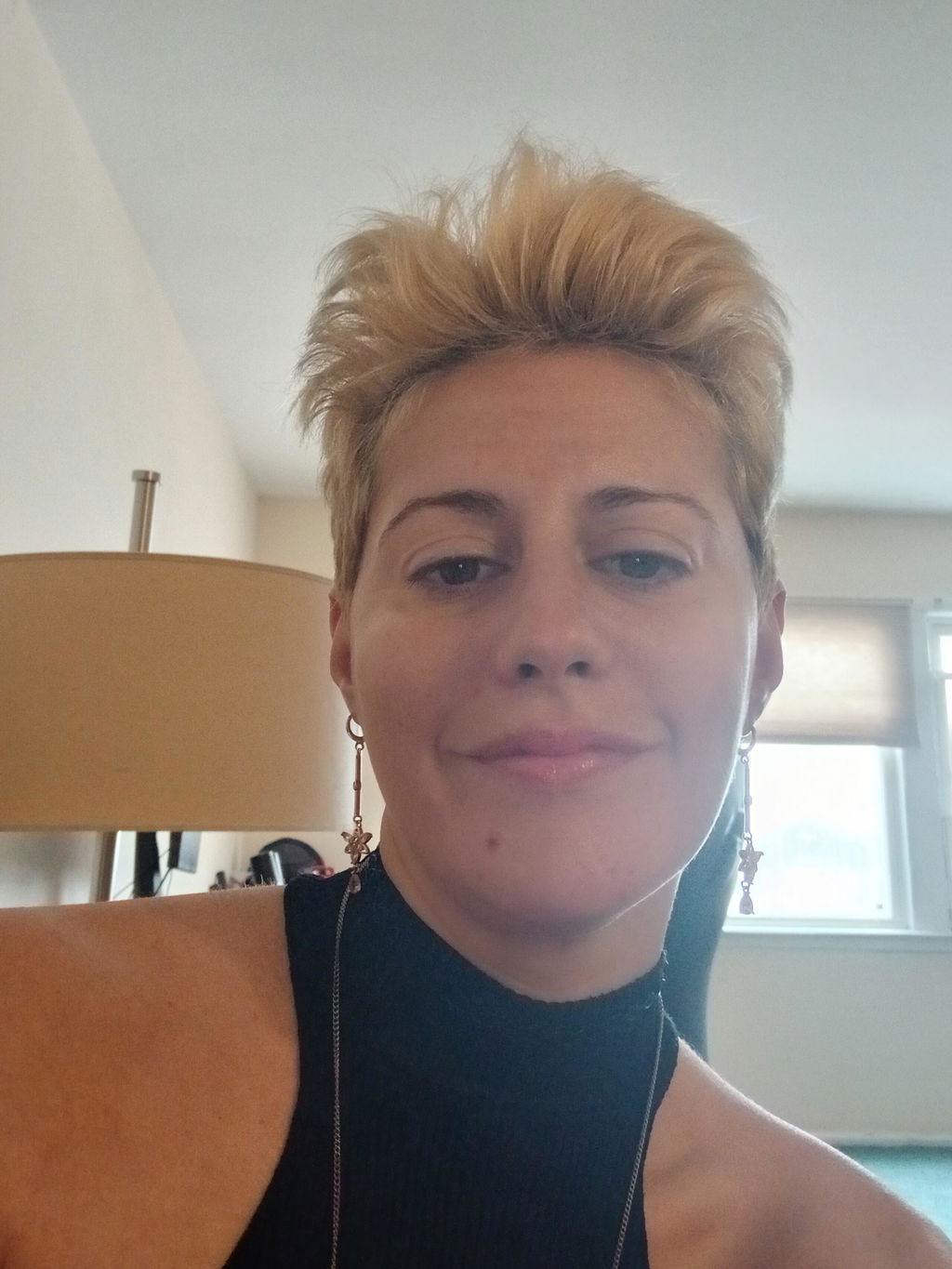
My dermatologist said it out loud, in the exam room, with my chart open on her tablet. "Some people just have bad skin, Sarah."
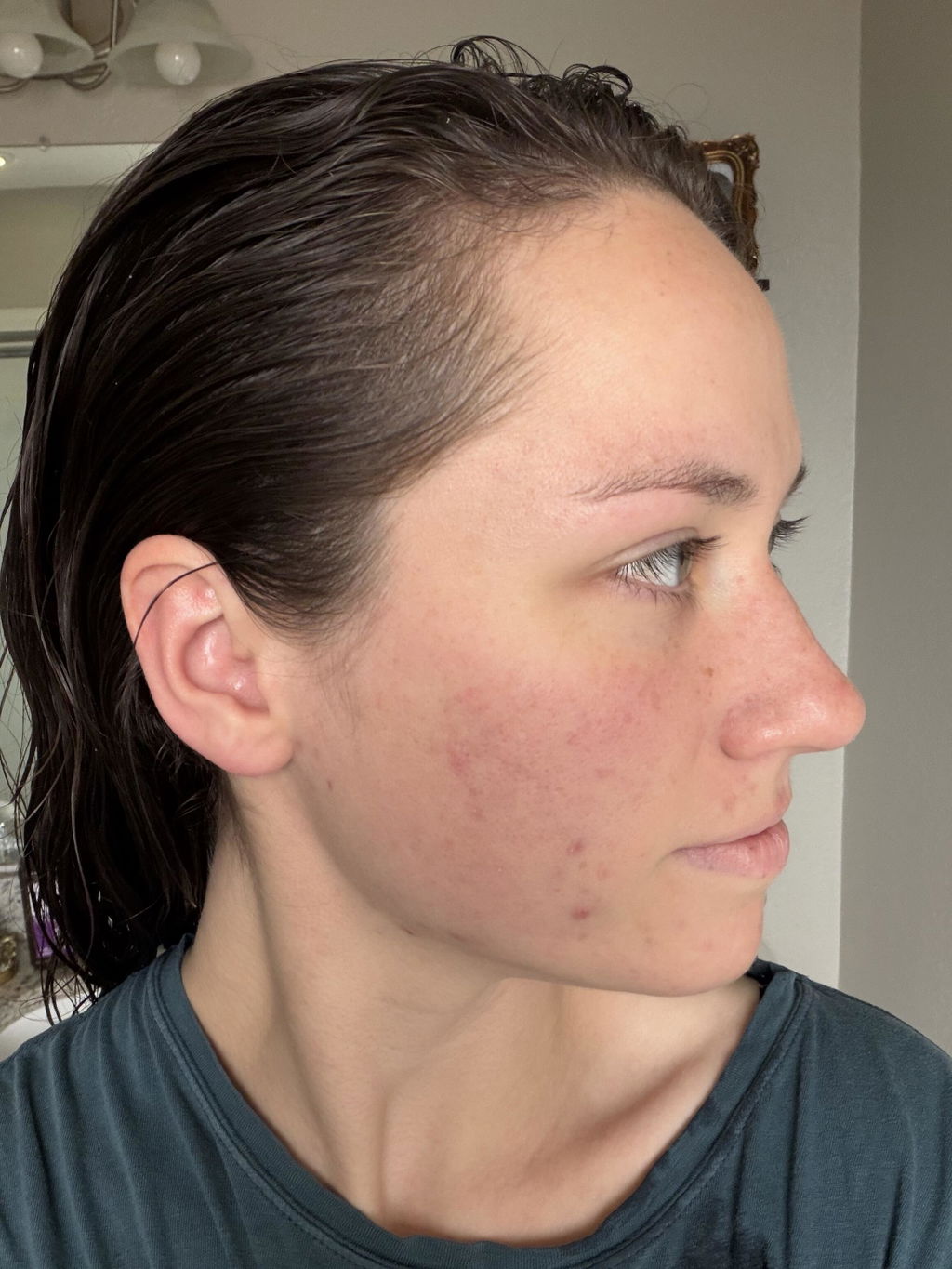
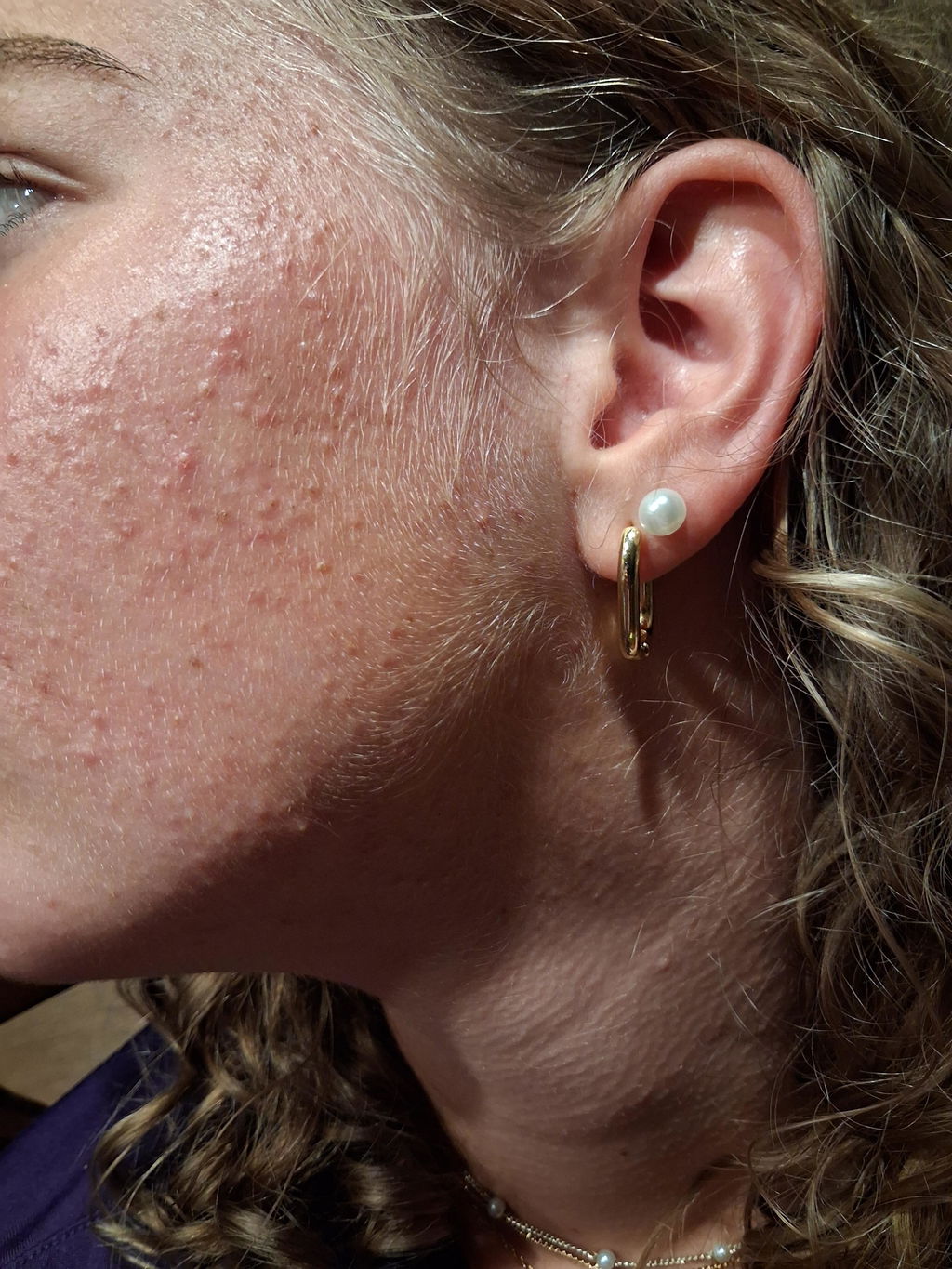
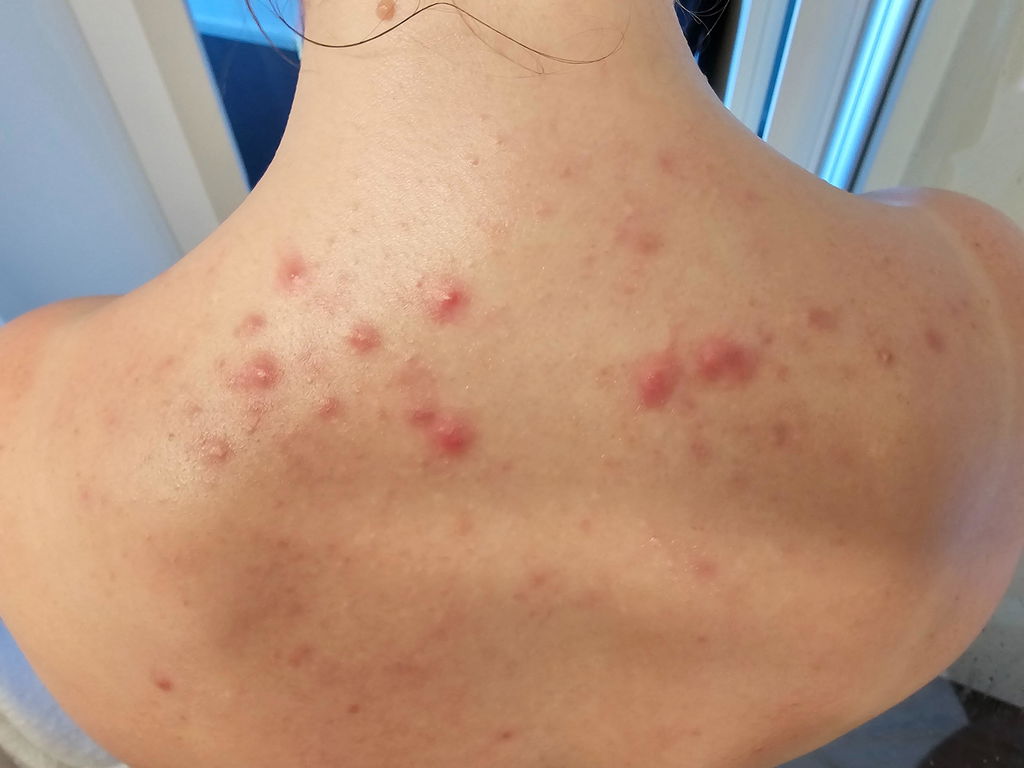
I was 28 years old. I had spent four years and an embarrassing amount of money on retinoids, antibiotics, hormonal blockers, blue light therapy, $200 serums, three rounds of spironolactone, and one humiliating month of Accutane that I quit because my joints hurt walking down the stairs. My cheeks were chronically red. My jawline was studded with deep, painful cysts that left scars even after they healed. I covered everything with a $52 concealer I applied every morning at 5:30 AM before my partner woke up so he wouldn't see me without it.
That night, scrolling a functional medicine thread at 1 AM, I read three words that rerouted my entire healing journey: intestinal permeability syndrome.
Twelve weeks later, I threw the concealer away. Here is exactly how I got there, and the science behind why it actually worked.
What Leaky Gut Actually Is: The Zonulin Story
Your small intestine is lined with a single layer of cells held together by structures called tight junctions. Think of them as microscopic zippers. When they're closed, they let water and properly digested nutrients pass into your bloodstream while keeping bacteria, toxins, and undigested food out where they belong.
In 2000, a researcher named Dr. Alessio Fasano at the University of Maryland discovered the protein that controls these zippers: zonulin. When zonulin levels rise, the tight junctions loosen. Things that should never reach your blood, things like bacterial fragments called LPS (lipopolysaccharides), partially digested gluten peptides, and food proteins, start crossing the barrier.
Your immune system reads these as invaders. It launches a low-grade systemic inflammatory response. And because your skin is the largest organ of elimination, and the most visible one, that inflammation often shows up as acne, eczema, rosacea, or hives long before you connect the dots back to your gut.
A 2021 review published in Nutrients found that elevated zonulin and intestinal permeability are documented in everything from acne vulgaris to autoimmune conditions. Acne patients consistently show higher LPS antibody levels than people with clear skin. The gut-skin axis isn't woo. It's a measurable, two-way conversation that mainstream dermatology is, frankly, two decades behind on.
How I Finally Tested for Intestinal Permeability
Before I changed a single thing, I wanted data. I asked a functional medicine practitioner to run three tests:
- Stool zonulin measured how much of the gut-permeability protein I was producing. Mine was nearly triple the reference range.
- Lactulose-mannitol challenge required me to drink two sugars and collect urine over six hours. The ratio tells you how much of the larger molecule (lactulose) is leaking through. Mine confirmed permeability.
- GI-MAP stool analysis showed dysbiosis, low beneficial bacteria, and an opportunistic overgrowth of candida that had probably started during my first round of acne antibiotics in college.
If you can't access functional testing, don't let that stop you. Symptoms like persistent bloating, food sensitivities, brain fog, fatigue, and skin issues that don't respond to topicals are often clinical evidence enough.
The 4R Protocol: My 12-Week Roadmap
The framework I followed comes from the Institute for Functional Medicine and is called the 4R Protocol: Remove, Replace, Re-inoculate, Repair. The phases overlap rather than sit in neat boxes, but each one has a job.
Phase 1: Remove (Weeks 1 to 4)
You can't heal a gut while you're still throwing matches at it. The first month was about pulling out everything driving inflammation and dysbiosis:
- Gluten, conventional dairy, refined sugar, alcohol, and industrial seed oils (canola, soy, corn, sunflower)
- NSAIDs and any unnecessary medications
- Processed packaged food, even the "healthy" kind with seventeen ingredients on the back
- Candida and pathogenic bacteria, which I addressed with a structured cleanse using gut cleanse sachets alongside herbs like oregano oil and berberine
Around day 10 I felt awful. Headaches, bone-deep fatigue, and a fresh wave of cystic breakouts. This is the herx reaction, also called die-off, where pathogens release endotoxins faster than your liver can clear them. It passed by week three. If you want a fully structured version of this phase without sourcing twelve products yourself, the Max Detox protocol is essentially this work bundled into a 30-day kit.
Phase 2: Replace (Weeks 2 to 6)
Most of us with leaky gut also have insufficient digestive function. If food isn't broken down properly upstream, it ferments downstream and feeds the wrong bacteria. I added back what was missing:
- Digestive enzymes with every cooked meal
- Betaine HCL with protein-heavy meals (low stomach acid is shockingly common, especially after years of antibiotics)
- Ox bile for fat digestion
- Apple cider vinegar in water 15 minutes before meals
- Bitter greens like arugula, dandelion, and radicchio to wake up bile flow
The first sign this was working: I stopped feeling like a python that had swallowed a goat after dinner.
Phase 3: Re-inoculate (Weeks 4 to 8)
Once the bad guys were down and digestion was working, I rebuilt the microbiome. This is where most people skip ahead too fast. Taking probiotics on top of an inflamed, dysbiotic gut is like seeding grass on concrete.
- Multi-strain probiotic featuring Lactobacillus rhamnosus GG and Bifidobacterium lactis, both clinically linked to skin clarity in randomized trials
- Fermented foods rotated daily: kimchi, sauerkraut, raw kefir from grass-fed sheep, low-sugar kombucha
- Prebiotic fiber from cooked-and-cooled potato, green banana, asparagus, and jicama
- Sea moss daily, which contains 92 of the 102 minerals the human body needs plus prebiotic polysaccharides that selectively feed beneficial bacteria
Phase 4: Repair (Weeks 6 to 12)
This is the gut barrier rebuild. The intestinal lining replaces itself roughly every three to five days when given the right materials. The key nutrients:
- L-glutamine at 5g on an empty stomach, morning and night. The primary fuel source for enterocytes (gut lining cells).
- Zinc carnosine, clinically shown to reduce permeability and heal ulceration in human trials.
- Collagen peptides and bone broth for the glycine, proline, and glutamine in their food-based form. I drank bone broth daily and added collagen strips for portability.
- Omega-3 fatty acids, 2 to 3g of EPA and DHA from cold-water fish or a clean fish oil.
- Demulcent herbs: aloe vera inner leaf, slippery elm, marshmallow root, and deglycyrrhizinated licorice (DGL).
External support mattered too. While my gut was rebuilding, my skin barrier was a wreck from years of actives. I stopped every retinoid and acid and used only grass-fed tallow cream at night. Tallow is biocompatible with human sebum and packed with bioavailable A, D, E, K2, and CLA. Basically, food for skin.
The Real 12-Week Timeline (No Sugarcoating)
Every transformation post online makes healing look linear. It isn't. Here's what each stretch actually felt like:
- Weeks 1 to 2: Brutal. Headaches, fatigue, irritability, fresh cystic breakouts on my chin. I journaled a lot. I cried twice.
- Weeks 3 to 4: Energy returned. Bloating dropped maybe 70 percent. Skin still looked the same on the surface, but my body felt different from the inside out.
- Weeks 5 to 6: First visible win. The chronic redness on my cheeks faded noticeably. No new cysts on my jawline for two full weeks.
- Weeks 7 to 8: Existing acne scars started fading faster than usual. I noticed I was sleeping deeper. Sugar cravings were gone.
- Weeks 9 to 10: The jawline cysts that had been my chronic signature for four years stopped coming back. My skin texture smoothed out under my fingertips.
- Weeks 11 to 12: Even tone, no active acne, soft and dewy skin without makeup. I went to brunch barefaced for the first time since college.
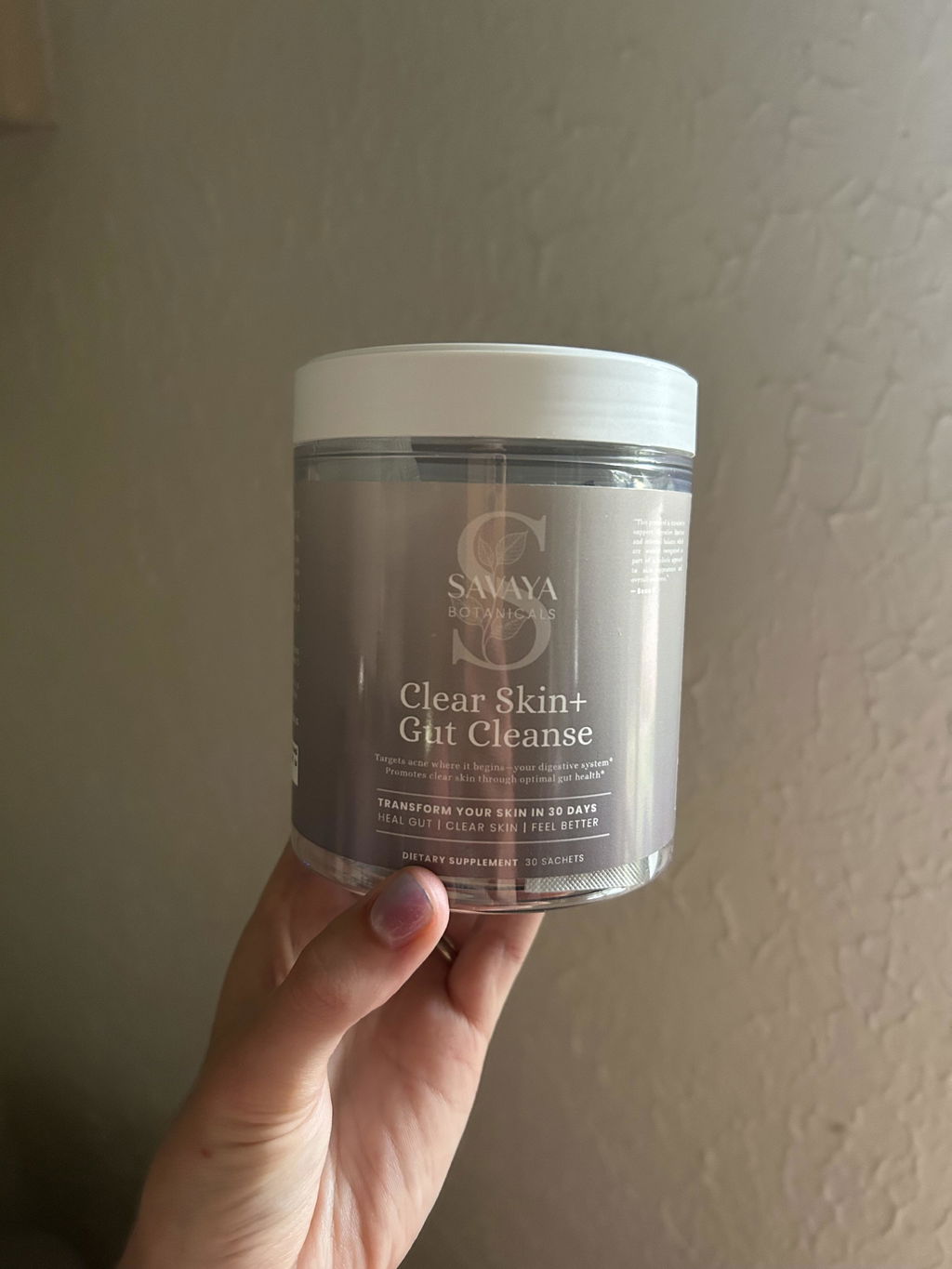
If you'd rather add one simple daily step than piece together several products, the Clear Skin+ Max Detox blend is a single acai-based formula that helps support your skin from the inside, with no extra steps to track.
What I'd Tell My 28-Year-Old Self
The dermatology industry sold me products. The functional medicine framework sold me a process. One of those things treats symptoms. The other rebuilds the body.
Acne in your late twenties and beyond is almost never a hygiene problem. It's a signal, usually that something inside is leaking, inflamed, or out of balance. You can spend another four years trying to suffocate the smoke alarm. Or you can put out the fire.
Your skin is a screen showing you what's happening downstream. Heal the source, and the screen clears on its own.
Frequently Asked Questions
How long does it actually take to heal leaky gut?
For most people, the gut barrier itself can begin repairing within 4 to 8 weeks of consistent protocol work. Full healing, including microbiome restoration and inflammation calming, typically takes 12 weeks for mild cases and 6 or more months for severe cases involving autoimmunity. Skin changes usually lag the internal healing by 3 to 4 weeks because old breakouts have to finish their cycle first.
Can leaky gut really cause acne?
Yes, and the research is increasingly clear. Studies show acne patients have higher levels of LPS antibodies, lower microbiome diversity, and more frequent gastrointestinal symptoms than controls. The proposed mechanism is that bacterial endotoxins crossing a permeable gut barrier drive systemic inflammation, which manifests as inflammatory skin conditions including acne, rosacea, and eczema.
What's the best at-home test for leaky gut?
If you can access functional medicine testing, the lactulose-mannitol challenge or stool zonulin tests are most direct. Without testing, persistent symptoms across multiple body systems (bloating, skin issues, food sensitivities, brain fog, fatigue, mood swings) are strong clinical signals worth acting on. You don't need a lab number to start removing inflammatory foods.
Can I drink coffee during a gut healing protocol?
One cup of organic coffee with food is generally fine after the first 2 to 3 weeks. During the initial Remove phase I'd skip it entirely. Caffeine can spike cortisol on an already inflamed system and irritate sensitive gut lining. Many people find they actually don't crave coffee once healing kicks in and their adrenals settle.
Do I have to follow all four R's, or can I just take supplements?
Skipping Remove and jumping straight to Repair is the most common reason people don't see results. You can throw L-glutamine and probiotics at a gut that's still being damaged daily by gluten, sugar, and dysbiosis, and you'll spin your wheels for months. Order matters. Remove the drivers first, replace what's missing, then rebuild.
———
Ready to give your gut some support? The Clear Skin+ Max Detox is the daily acai blend that's part of my routine now, no phases, no schedule to follow, just one blend, taken daily. Your skin is waiting on your gut. Start there.