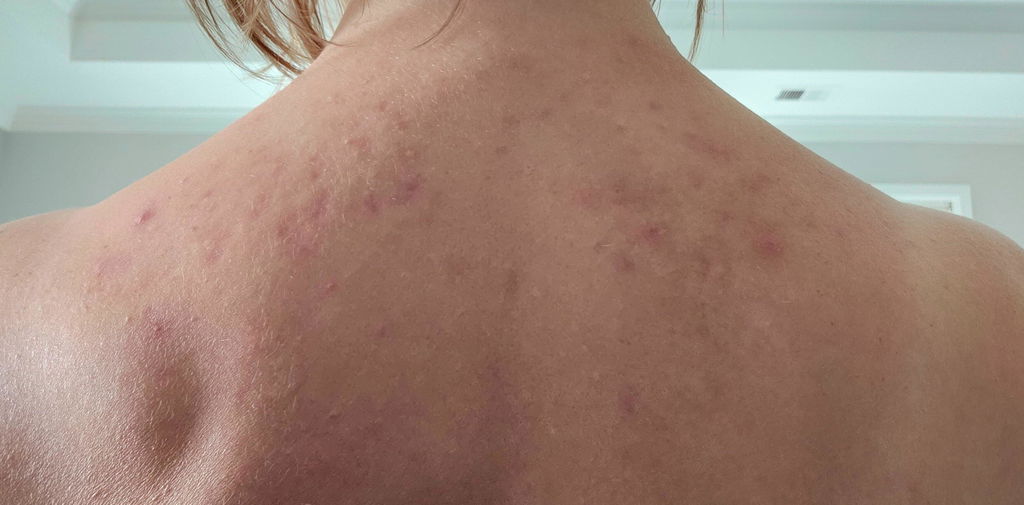
I need to tell you something that took me eleven years, four dermatologists, and one deeply humbling stool test to learn: the clearest my skin has ever looked happened during a month when I barely touched a new product.
I wasn't testing a twelve-step routine. I wasn't trying a new retinol. I had just started rebuilding my gut lining after a naturopath looked at my chart, my skin, and my digestion notes side by side and said something that changed how I practice as a holistic health practitioner: "Your skin is the last place a problem shows up, not the first."
That sentence rearranged everything I thought I knew. For years I treated my breakouts, my dullness, and my sudden reactions to new serums as skin problems with skin solutions. But the more clients I worked with, the more a pattern emerged. The people whose skin wouldn't respond to topicals, no matter how good the ingredients, almost always had something going on beneath the surface. Literally beneath it, in the gut.
Here are the seven signs I now look for first, and the actual gut mechanism behind each one, backed by research that is finally catching up to what holistic practitioners have suspected for decades.
What Is the Gut-Skin Axis, Really?
The gut-skin axis is the two-way communication system between your digestive tract and your skin. Research published in Frontiers in Microbiology describes the gut microbiome as a major regulator of this axis, meaning the trillions of bacteria living in your intestines are constantly sending chemical and immune signals that influence inflammation, oil production, hydration, and healing all over your body, skin included. When that bacterial ecosystem falls out of balance, a state researchers call dysbiosis, the signals get noisy, and skin is often where the static shows up first.
With that foundation in place, here is what to watch for.
1. Chronic Acne That Won't Respond to Topicals
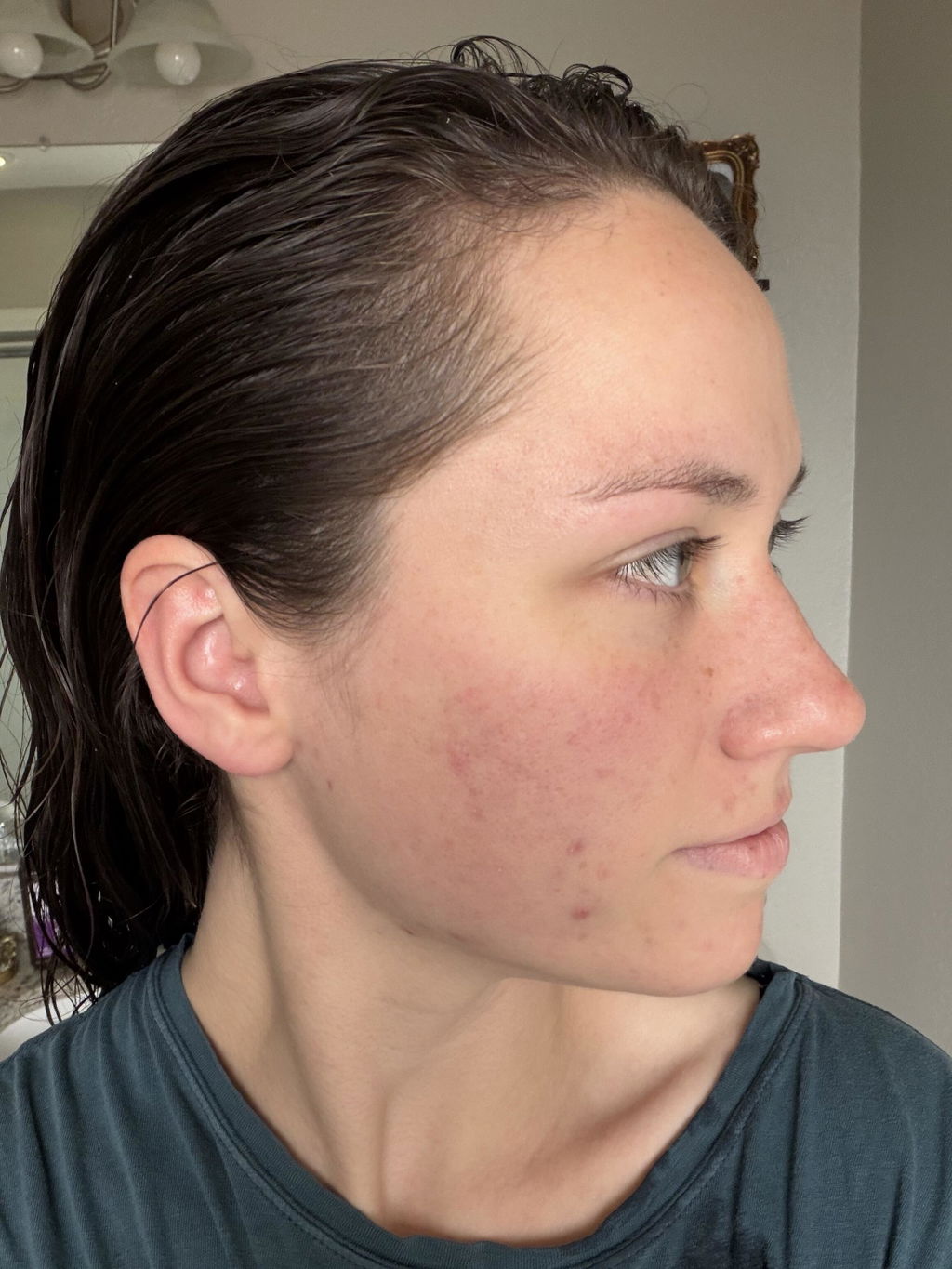
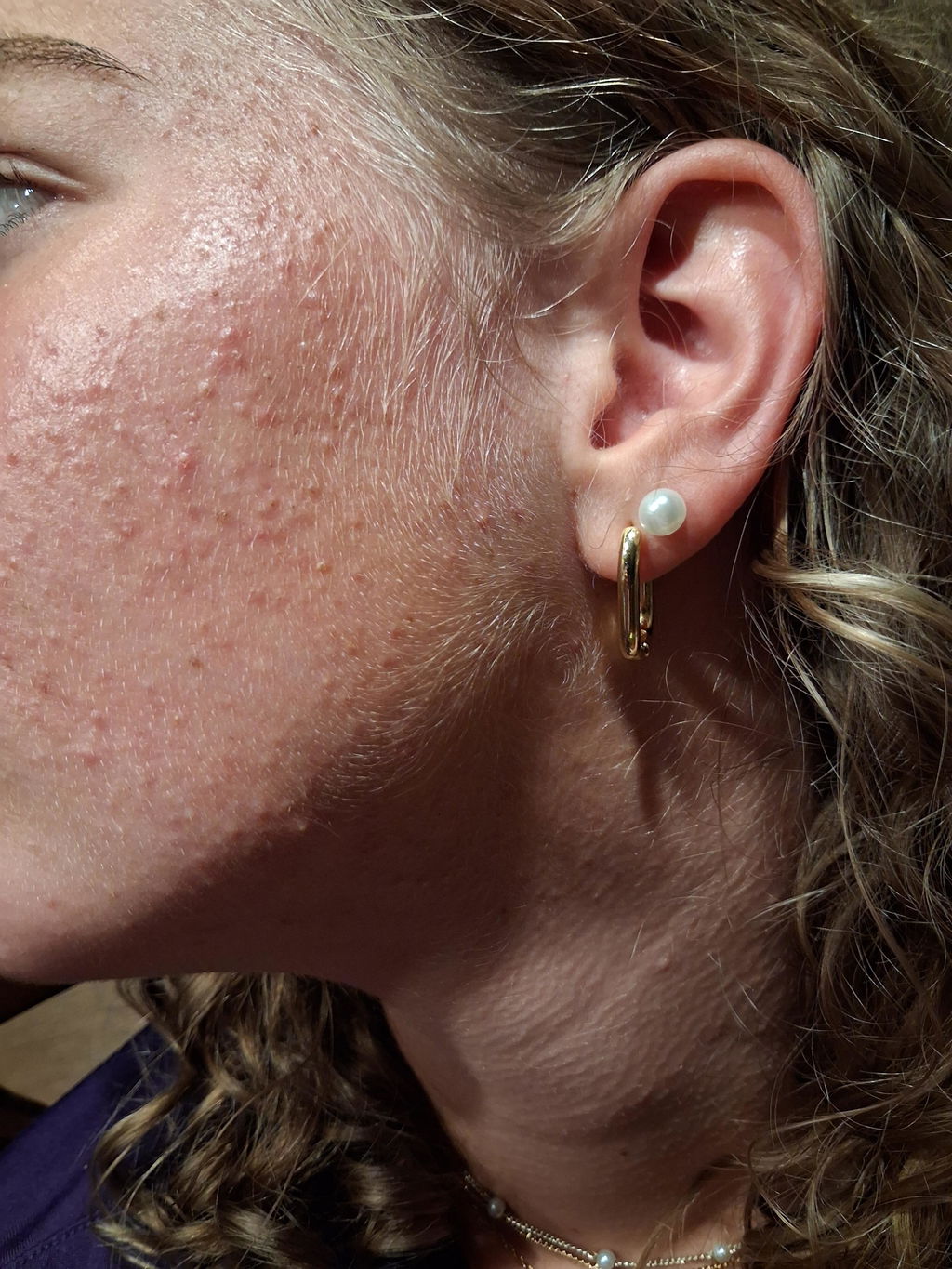
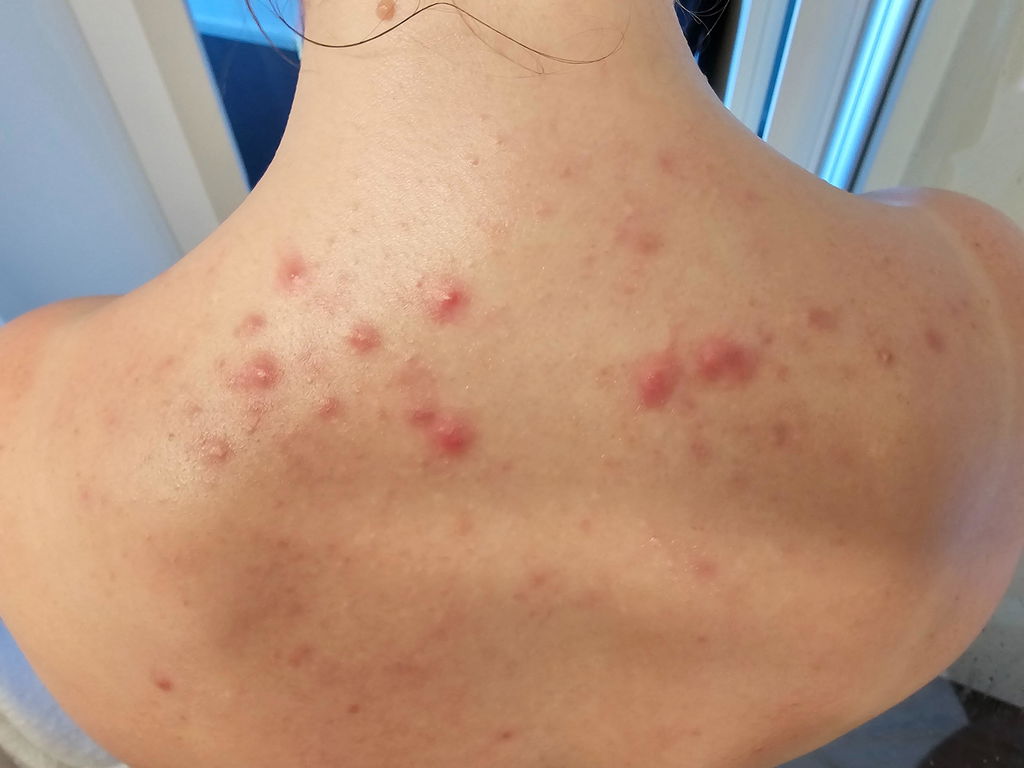
If you've cycled through benzoyl peroxide, salicylic acid, and a prescription retinoid and your skin is still angry, the problem may not be sitting on your face at all. Research on the gut-skin axis has repeatedly linked acne to intestinal dysbiosis, an imbalance in gut bacteria that increases intestinal permeability. When the gut lining becomes more porous, bacterial byproducts called lipopolysaccharides, or LPS, leak into the bloodstream and trigger a low-grade, body-wide inflammatory response.
There's a metabolic piece too. Gut bacteria communicate with a cellular pathway called mTOR, which helps regulate oil production and skin cell turnover. When that crosstalk is disrupted, your oil-producing cells can go into overdrive, which is part of why acne can feel resistant to purely topical treatment. You end up fighting a fire at the surface while the source keeps feeding it from below.
This is usually the first thing I address with clients starting our microbiome gut cleanse, because calming that inflammatory cascade at the root tends to matter more than any new topical ever did.
2. Eczema That Flares After You Eat Certain Foods
If your eczema seems to have a mind of its own, flaring within hours of a meal, that is not a coincidence worth ignoring. A 2025 study in Scientific Reports found that atopic dermatitis severity correlated directly with gut-derived metabolites and biomarkers of a compromised gut lining. Researchers have also observed that adults with moderate to severe eczema tend to carry a noticeably narrower range of gut bacteria than people with clear skin.
Here's the mechanism. When the gut barrier is compromised, undigested food particles and inflammatory compounds can cross into circulation. Your immune system reacts to them the way it would react to any outside threat, releasing the same inflammatory messengers responsible for eczema's redness, itching, and weeping. This is why an elimination diet alone sometimes only helps partway. It removes triggers without repairing the barrier that let them through in the first place, which is the gap our max detox protocol was built to close, giving the gut lining room to recover instead of just avoiding the next trigger.
3. Rosacea That Flares Under Stress
Stress-triggered rosacea has a research trail that surprised even me. One study found that people with rosacea were thirteen times more likely to have small intestinal bacterial overgrowth, known as SIBO, than people without it. Even more compelling, a three-year follow-up study found that treating the SIBO directly led to complete remission of rosacea in every patient studied, and the improvement held for most of them long after treatment ended.
The proposed messenger is TNF-alpha, an inflammatory compound that travels from an overgrown, imbalanced gut straight to the blood vessels in your skin, which is part of why rosacea flares can feel instant and disproportionate to whatever seemed to trigger them.
Stress makes it worse in a very physical way. Cortisol reduces blood flow and oxygen to the digestive tract and reshapes the bacterial population living there, creating exactly the kind of imbalance that feeds rosacea. When I see a client whose face flushes every time a deadline hits, I'm thinking about their gut lining as much as their skincare cabinet. Rebuilding that lining with mineral-dense support, like the ocean-sourced trace minerals in sea moss, is often where real, lasting calm starts.
4. Dull, Tired Skin Despite a Good Skincare Routine
You can have a flawless nine-step routine and still look tired if your gut isn't absorbing what you're feeding it. Chronic gut inflammation interferes with the absorption of vitamins A, D, E, and K, along with the essential fatty acids your skin needs to hold onto moisture and reflect light the way healthy skin does. No amount of serum layered on top can substitute for what your body isn't pulling in from your food in the first place.
This is the sign clients dismiss most easily, because dullness feels vague compared to a breakout. But it's often the earliest signal, showing up long before anything visibly inflamed appears. I usually pair internal repair with something that supports the skin's structure while digestion catches up, which is why collagen strips tend to show up early in a client's routine, holding the fort while the deeper work happens underneath.
5. Dark Circles That Won't Fade No Matter What You Try
Dark circles get blamed on sleep more than anything else, and sometimes that is fair. But persistent circles that don't budge no matter how much you sleep often point toward iron deficiency or chronic dehydration tied to poor nutrient absorption. When your gut cannot absorb iron efficiently, whether from inflammation, low stomach acid, or dysbiosis, your skin looks pale and the blood vessels beneath your thin under-eye skin become more visible, which reads as shadow and darkness.
Inflammation from an imbalanced gut also affects blood volume and circulation more broadly, deepening that hollow, tired look no amount of concealer fully hides. If every eye cream on the market has let you down, ask your practitioner about a simple ferritin, or iron storage, blood panel before you spend another cent on eye cream.
6. Cuts and Blemishes That Take Forever to Heal
Do your blemishes and small cuts take noticeably longer to heal than they used to? Wound healing is one of the most nutrient-demanding processes your body performs, and it depends heavily on zinc, vitamin C, and protein, all of which require a functioning gut to be absorbed properly. Research on zinc and gut health shows the relationship runs in both directions. Zinc deficiency weakens the intestinal barrier, and a weakened, dysbiotic gut in turn makes it harder to absorb the zinc you do consume, a frustrating loop that keeps healing stalled.
There is also a direct microbial conversation happening at the wound site itself. Studies on the gut-skin microbiota axis describe ongoing crosstalk between gut bacteria and the immune cells responsible for closing wounds and rebuilding the skin barrier. When that crosstalk is disrupted, healing slows and skin stays more reactive in the meantime. This is exactly the gap a barrier-supportive topical is meant to fill, which is why I recommend layering something like tallow cream over healing skin while the deeper repair work is happening internally.
7. Sudden Sensitivity to Products You Used to Tolerate Fine
If you used to try a new moisturizer without incident and now everything seems to sting, redden, or break you out, the shift is rarely really about the products. Histamine intolerance, which research has traced back to gut origin, becomes more likely when the gut barrier is compromised. Studies have found elevated levels of zonulin, a protein that regulates how tightly your intestinal lining is sealed, in people with histamine intolerance. That means the same leaky gut mechanism behind food reactions can also be behind sudden skin reactivity.
Underneath that is an immune tolerance issue. A balanced gut microbiome trains your immune system to stay calm around harmless substances. When that balance tips into dysbiosis, your immune system becomes more reactive across the board, not just to gut triggers but to whatever touches your skin too. That is usually the moment I tell clients to pause the product-hopping entirely. Adding more actives to an already reactive system rarely helps. Giving the gut a real reset usually does.
———
Where I'd Start If This Sounds Like You
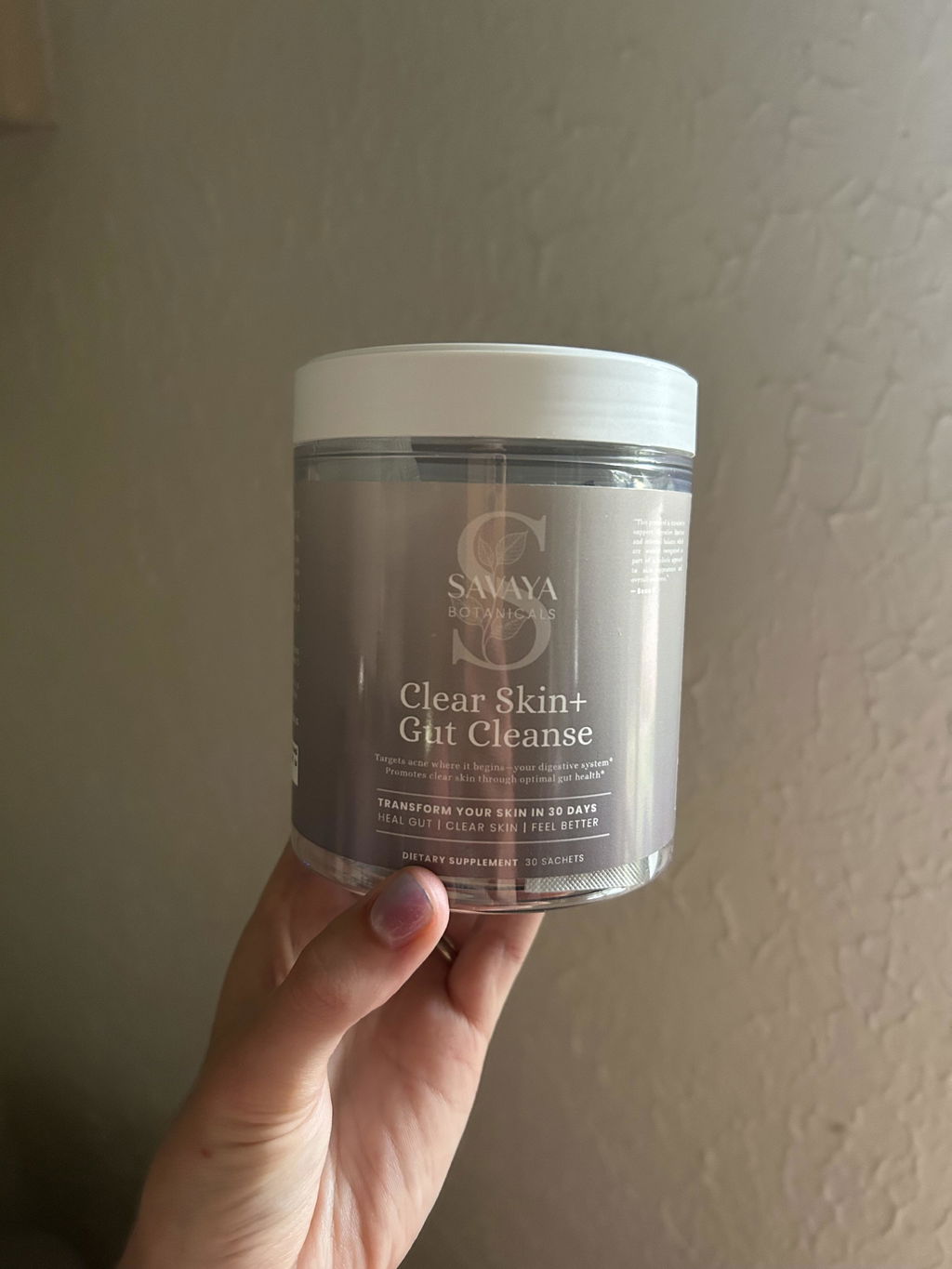
If even two or three of these signs sound familiar, don't reach for another serum first. Start with the gut. I typically recommend beginning with our gut cleanse sachets to calm inflammation and support the intestinal lining, then adding our daily Max Detox acai blend if your signs run deeper than a quick reset can address. Skin doesn't turn over overnight, so consistency matters more than any single step. A daily acai blend is meant to support that process quietly in the background, which is why so many people give up on gut work right before anything would have shown up in the mirror.
Frequently Asked Questions
Can gut health really cause skin problems like acne and eczema?
Yes. A growing body of dermatology research on the gut-skin axis links intestinal dysbiosis and increased gut permeability to acne, eczema, and rosacea. When the gut barrier is compromised, inflammatory compounds enter the bloodstream and trigger the same immune responses that show up as breakouts, flares, and redness on the skin.
How long does it take to see skin changes after improving gut health?
Most people notice early changes, like less puffiness or fewer new breakouts, within three to four weeks. Deeper changes, like improved texture and fewer flares, tend to take closer to twelve weeks, which lines up with how long a full skin cell cycle takes to complete.
What is the gut-skin axis?
The gut-skin axis is the two-way communication system between your digestive system and your skin, involving your immune system, hormones, and the trillions of bacteria living in your gut. Research shows this communication runs in both directions, meaning gut imbalances show up on the skin, and chronic skin conditions can, in turn, reflect back on gut health.
Which foods are most likely to trigger gut-related skin flares?
Triggers vary by person, but the most common culprits I see are dairy, refined sugar, alcohol, and foods high in histamine, like aged cheese, fermented foods, and leftovers. Keeping a simple food and skin journal for two to three weeks is usually the fastest way to spot your own pattern.
Should I stop using skincare products while I work on my gut?
You don't need to stop entirely, but simplifying is smart. Strip your routine down to a gentle cleanser and a barrier-supportive moisturizer, and hold off on introducing new actives while your gut work is underway. Adding new products during a sensitive window makes it harder to tell what's actually helping.
———
Your Skin Is Trying to Tell You Something
None of this means your skincare routine doesn't matter. It means it can't do a job that was never really its job to do. If you read through these seven signs and recognized more than one, that's not a coincidence, and it's not a reason to feel discouraged. It's information. Your skin has been trying to tell you something for a while now. This is just the first time someone translated it.
If you're ready to start where I'd start, Clear Skin+ Max Detox is built around the exact mechanisms in this article, a daily acai-based blend that helps support your gut and plays a role in what shows up on your face.