Face Mapping for Acne: What Your Breakout Location Reveals About Your Gut Health
I stared at my chin in the mirror for the third morning in a row, watching yet another deep, painful cyst form along my jawline. I'd already spent hundreds on serums, acids, and spot treatments. My bathroom counter looked like a skincare aisle. But here's what nobody told me — the problem was never on my face. It was 30 feet below it, coiled inside my gut.
That realization came from an unlikely source: a traditional Chinese medicine practitioner who took one look at my face and said, "Your chin tells me everything I need to know about your hormones and digestion."
She was talking about face mapping — an ancient diagnostic tool that connects specific breakout zones on your face to internal organ systems. And modern research is finally catching up. A 2021 study in the Journal of Clinical and Aesthetic Dermatology confirmed what practitioners have known for centuries: there is a measurable, bidirectional relationship between gut health and skin conditions, now called the gut-skin axis.
So if you've been treating your acne from the outside only, you're addressing the symptom and ignoring the root cause. Let me walk you through what your face is actually trying to tell you.
———
Chin and Jawline Acne: Your Hormones and Gut Are Talking
If your breakouts consistently cluster along your chin and jawline, this is your body's most reliable signal that something hormonal — and digestive — is off balance.
In traditional Chinese medicine (TCM), the chin maps to the reproductive organs and the kidney system, which governs hormonal regulation. Modern endocrinology agrees: jawline acne is strongly associated with androgen fluctuations, which is why it's more common in women around their menstrual cycle, during perimenopause, or with conditions like PCOS.
But here's the piece most dermatologists miss — your gut directly influences your hormone levels. An imbalanced microbiome impairs estrogen metabolism through what's called the estrobolome, a collection of gut bacteria responsible for processing and eliminating excess estrogen. When your gut flora is disrupted, estrogen recirculates, creating dominance that triggers those deep, cystic breakouts along the jaw.
What to do about it:
- Support your microbiome first. A targeted gut cleanse protocol can help rebalance the bacteria responsible for hormone processing.
- Cut refined sugar and dairy for 2-3 weeks — both feed inflammatory gut bacteria and spike insulin, which increases androgen production.
- Add fermented foods (kimchi, sauerkraut, kefir) to diversify your gut flora.
- Track your cycle. If breakouts are cyclical, the gut-hormone connection is almost certainly involved.
———
Forehead Acne: A Window Into Your Digestive System
In TCM, the forehead is connected to the small intestine and bladder — essentially, your body's processing and elimination systems. When digestion is sluggish, toxins that should be eliminated through your bowels get rerouted to secondary pathways, including your skin.
Modern gastroenterology supports this. A landmark study published in Gut Pathogens found that patients with acne were significantly more likely to have small intestinal bacterial overgrowth (SIBO) compared to clear-skinned controls. When food isn't properly broken down and absorbed, it ferments in the gut, produces endotoxins, and those toxins increase systemic inflammation — which shows up as clusters of small, bumpy breakouts across your forehead.
Forehead acne is also associated with poor sleep and stress, both of which directly impair gut motility and digestive enzyme production. It's all connected.
What to do about it:
- Focus on digestive support: bitter greens, apple cider vinegar before meals, and digestive enzymes if needed.
- Consider a full detox protocol to clear accumulated waste and reset your digestive rhythm.
- Hydrate aggressively — your bladder meridian runs through the forehead in TCM, and dehydration concentrates the toxins your body is trying to flush.
- Reduce processed foods that overload the small intestine's capacity to absorb nutrients properly.
———
Cheek Acne: Respiratory Health Meets Gut Inflammation
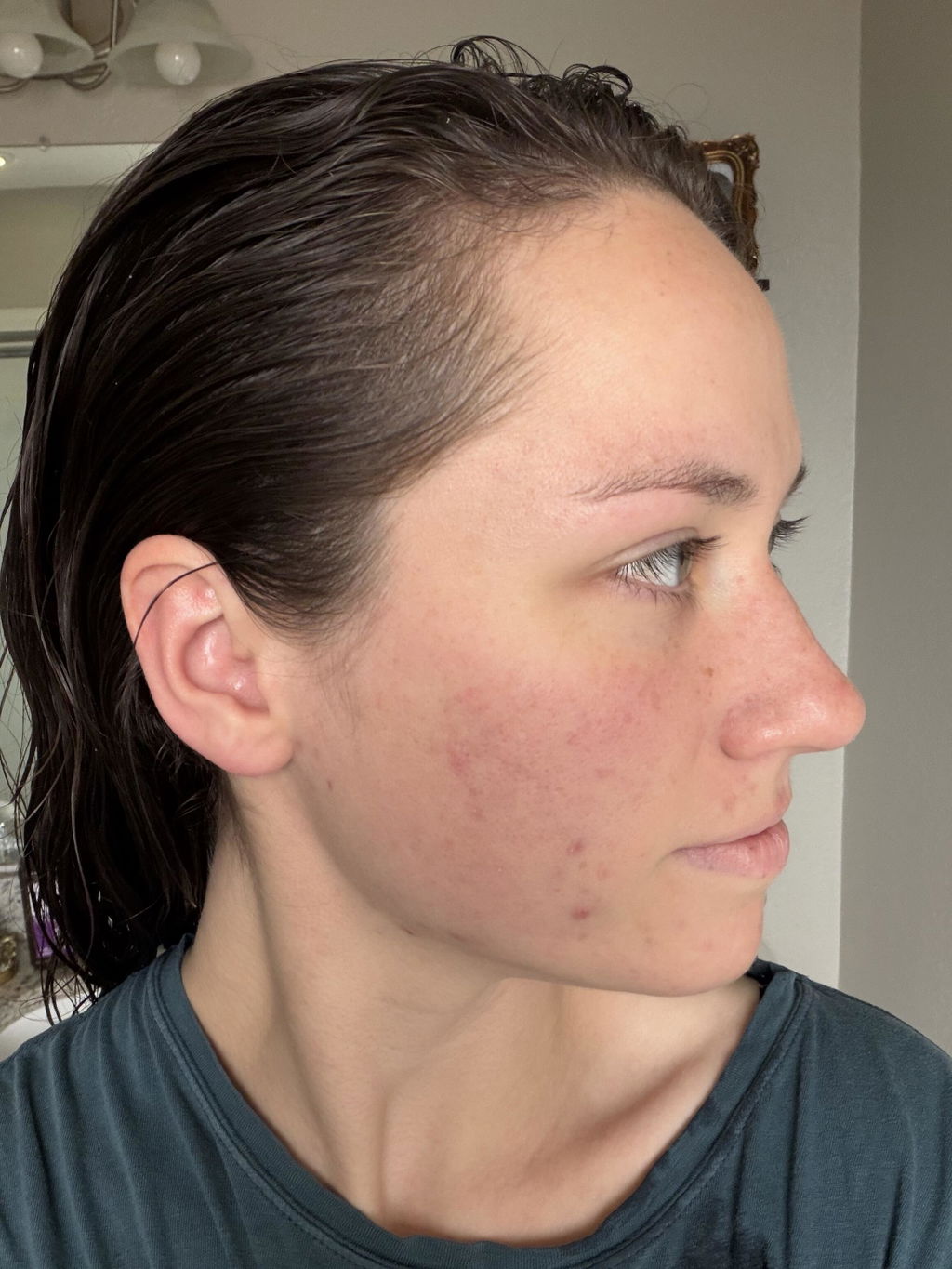
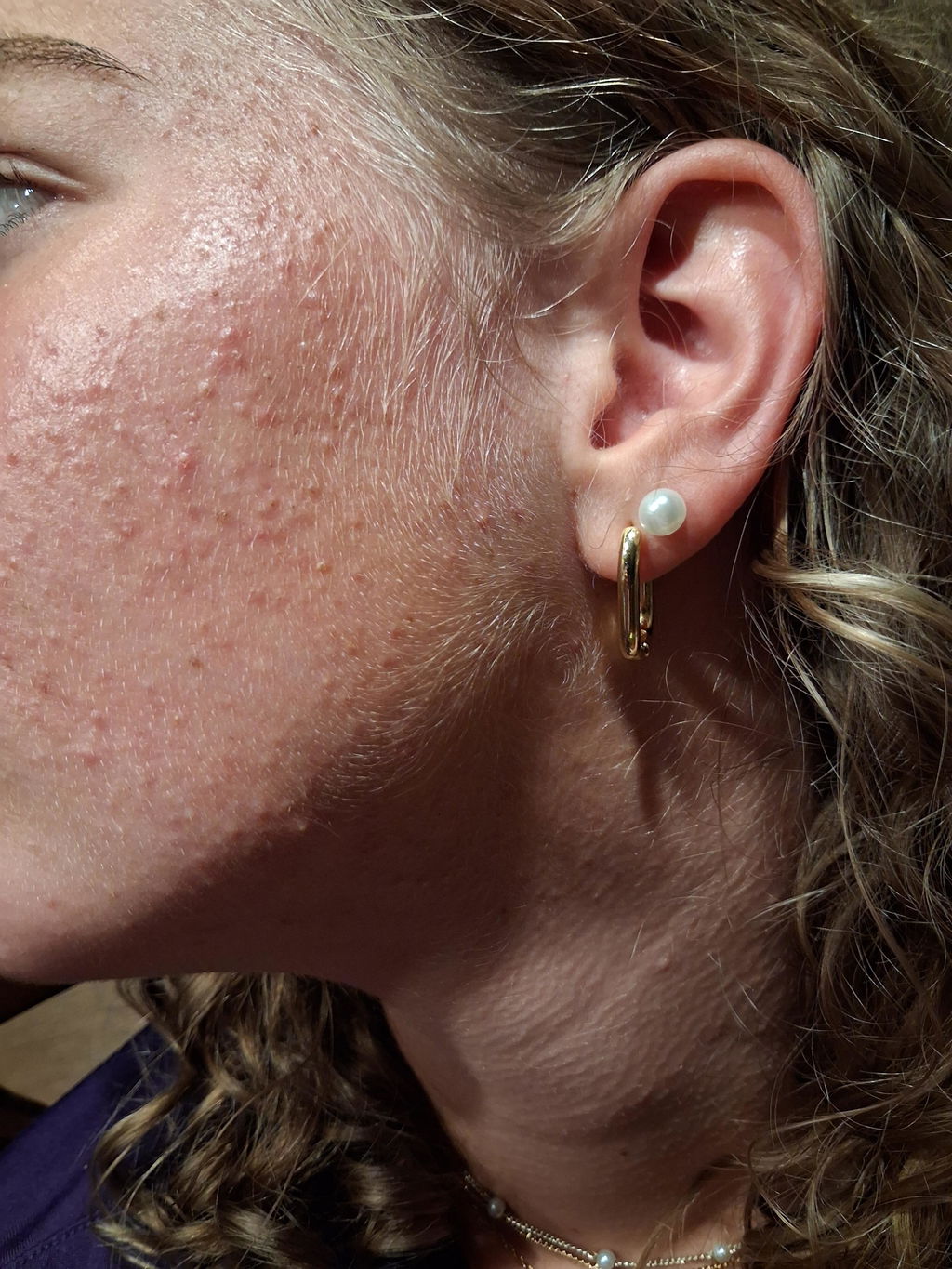
The cheeks are one of the most interesting zones in face mapping. In TCM, they correspond to the lungs and respiratory system. But modern research has added a crucial layer: cheek acne is strongly linked to systemic inflammation, and the primary driver of that inflammation is — you guessed it — the gut.
When the intestinal lining becomes permeable (what functional medicine calls leaky gut), partially digested food particles and bacterial endotoxins enter the bloodstream. Your immune system responds with widespread inflammation that often manifests on the cheeks — large, flat, inflamed patches that don't respond well to topical treatments.
The respiratory connection is real too. Allergies, sinus issues, and environmental irritants stress the lungs, and in TCM the lungs and large intestine are paired organs — they affect each other directly. If you notice cheek breakouts worsen during allergy season or in polluted environments, this lung-gut axis is likely involved.
What to do about it:
- Address gut permeability with mineral-rich nutrition. Sea moss provides 92 of the 102 minerals your body needs and supports the mucosal lining of both the gut and respiratory tract.
- Clean your phone screen and pillowcases frequently — external bacteria on cheeks compound internal inflammation.
- Add anti-inflammatory omega-3s (wild salmon, sardines, flaxseed) to calm the systemic fire.
- Protect the skin barrier topically while you heal internally. A tallow-based cream mimics your skin's natural sebum and provides a protective barrier without clogging pores.
———
Nose Breakouts: Heart Health and Stomach Acid
Your nose sits at the center of the face map, and in TCM it's linked to the heart and stomach. This doesn't necessarily mean cardiac disease — in Chinese medicine, the "heart" system encompasses circulation, blood pressure, and emotional stress.
From a modern perspective, nose breakouts often indicate poor circulation and stomach dysfunction. Low stomach acid (hypochlorhydria) is far more common than most people realize, and it creates a cascade: food isn't properly sterilized or broken down, pathogenic bacteria overgrow, nutrient absorption drops, and the skin — which requires adequate zinc, vitamin A, and B vitamins — suffers visibly.
The nose also has the highest concentration of sebaceous glands on the face, which means it's already predisposed to congestion. When you add internal inflammation from a struggling stomach, the combination produces persistent blackheads, redness, and inflamed bumps that don't resolve with topical treatments alone.
What to do about it:
- Test your stomach acid levels — the baking soda test at home can give you a rough baseline.
- Support collagen production and blood vessel integrity with collagen supplementation, which also strengthens the gut lining.
- Reduce spicy foods, alcohol, and extremely hot beverages, all of which dilate blood vessels in the nose area and worsen inflammation.
- Manage stress — the heart meridian is deeply connected to emotional regulation, and chronic stress directly reduces stomach acid production.
———
Temple Acne: Your Liver and Kidneys Are Asking for Help
Temple breakouts are the zone most people overlook, but in TCM they're among the most telling. The temples are governed by the kidney and liver meridians — your body's two primary detoxification organs.
Your liver processes every toxin your gut absorbs. When the gut is permeable or the microbiome is imbalanced, the liver receives a higher toxic load than it was designed to handle. It gets overwhelmed, and the overflow manifests externally — often at the temples, but also as dull skin, dark circles, and an overall lack of radiance.
The kidney connection adds another dimension. In TCM, kidneys govern your vital energy and fluid balance. Modern nephrology confirms that kidney function affects skin health through mineral regulation and waste filtration. When kidneys are overburdened (from dehydration, excess sodium, or caffeine), the skin at the temples — thin and close to the bone — shows it first.
What to do about it:
- Support your liver's detox pathways with cruciferous vegetables (broccoli, Brussels sprouts, cauliflower) and herbs like milk thistle and dandelion root.
- For daily support, Clear Skin+ Max Detox, an acai-based blend, helps support liver, kidney, and gut function together — because these systems don't work in isolation.
- Reduce your toxic load: check your hair products. Temples are where hair products meet skin, and many contain endocrine disruptors that stress both liver and kidneys.
- Hydrate with clean, filtered water — aim for half your body weight in ounces daily.
———
Why Topical Treatments Alone Will Never Be Enough
I spent three years cycling through retinoids, benzoyl peroxide, antibiotics, and chemical peels. Some of them worked temporarily. All of them stopped working eventually. That's because topical treatments address what's happening on the surface while your gut keeps sending the same inflammatory signals to your skin.
Face mapping taught me to read those signals instead of suppressing them. When I finally shifted my approach from outside-in to inside-out — healing my gut, supporting my liver, rebalancing my hormones through nutrition rather than prescription — my skin cleared in a way that no product had ever achieved.
The research backs this up. A 2023 meta-analysis in Dermatology and Therapy found that patients who combined gut-focused interventions with topical skincare saw 40-60% greater improvement in acne severity compared to topical-only treatment groups.
Your skin is a mirror. The question is whether you're willing to look deeper than the surface.
———
Start With Your Gut: A Clear Skin Action Plan
If your face map is lighting up in multiple zones, that's actually useful information — it means the issue is systemic, and a comprehensive gut-focused approach will likely address several zones at once. Here's where I'd start:
- Reset your microbiome with a targeted gut cleanse to clear pathogenic bacteria and create space for beneficial flora.
- Fill mineral gaps with whole-food sources like sea moss — your gut lining and skin both need minerals that modern diets simply don't provide.
- Protect your skin barrier while healing internally. A tallow cream keeps the barrier intact without feeding surface inflammation.
- Be patient. Gut healing takes 4-12 weeks. Your skin will follow.
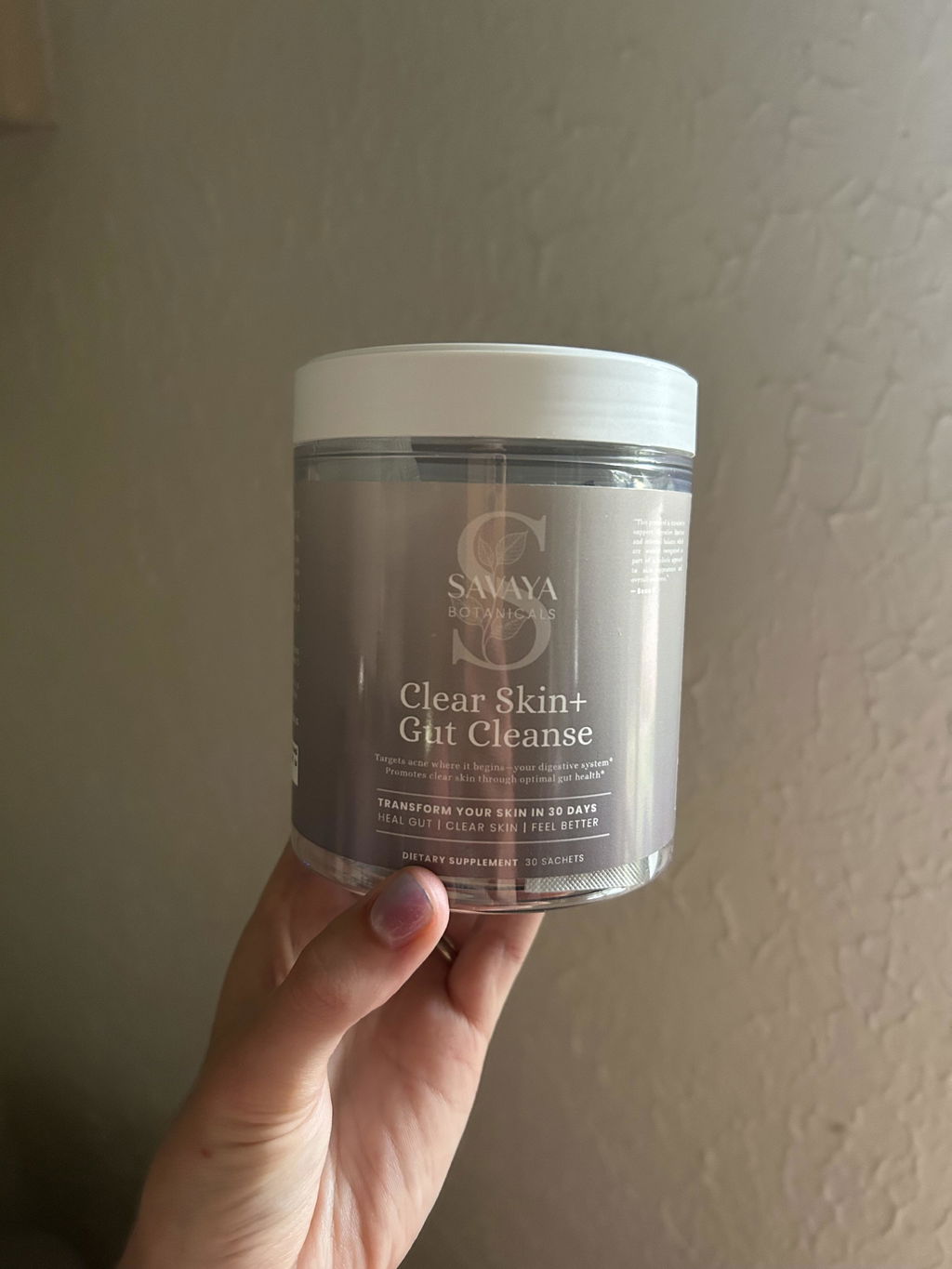
If you want something simple that supports gut, liver, and skin together, the Clear Skin+ Max Detox is what I recommend. It's the daily blend I wish I'd found three years and thousands of dollars sooner.
———
Frequently Asked Questions About Face Mapping and Gut Health
Is face mapping scientifically proven?
Face mapping originates from traditional Chinese medicine and Ayurveda, where it has been used for thousands of years as a diagnostic tool. While the specific meridian connections haven't been validated through randomized controlled trials, modern dermatology research increasingly supports the underlying principle: internal organ health — particularly gut health — directly impacts skin condition and breakout location. The gut-skin axis is now a recognized area of scientific study with growing evidence linking microbiome imbalances to acne, rosacea, and eczema.
Can fixing your gut really clear acne?
Yes, and the evidence is compelling. Multiple studies have shown that gut dysbiosis (microbial imbalance) is significantly more common in acne patients than in clear-skinned individuals. Research published in the Journal of Dermatological Science demonstrated that restoring gut microbial balance reduced inflammatory markers associated with acne by up to 40%. A comprehensive approach that addresses gut health, nutrition, and topical care consistently outperforms topical-only treatments in clinical outcomes.
How long does it take for skin to clear after improving gut health?
Most people notice initial improvements within 2-4 weeks of starting a gut-focused protocol, with significant clearing occurring between weeks 6-12. The timeline depends on the severity of gut imbalance and how many face mapping zones are affected. Deeper issues like hormonal acne along the jawline may take longer than surface-level forehead breakouts. Consistency matters more than speed — sustainable gut healing produces lasting skin results rather than temporary improvement.
What is the gut-skin axis?
The gut-skin axis refers to the bidirectional communication pathway between your gastrointestinal system and your skin. Your gut microbiome influences skin health through three primary mechanisms: immune regulation (70% of your immune system lives in your gut), systemic inflammation control, and nutrient absorption. When the gut is compromised — through dysbiosis, permeability, or poor digestion — these pathways become disrupted, often showing visible effects on the skin including acne, redness, dryness, and premature aging.
Which face mapping zone is most connected to gut health?
While all zones have gut connections, the forehead and chin/jawline show the strongest direct links to digestive function. The forehead maps to the small intestine in TCM and is associated with digestive efficiency and bacterial overgrowth in modern research. The chin reflects hormonal balance, which is heavily influenced by the gut's estrobolome — the bacterial community that metabolizes hormones. If both zones are breaking out simultaneously, it's a strong signal that gut health should be your primary focus.