By Sarah Mitchell, Holistic Health Practitioner
Your face is lying to you. Not about your beauty, not about your age — but about the story you've been told for years: that acne is just a surface problem. That you need a better cleanser, a stronger spot treatment, more SPF. I believed that story for almost a decade, until one afternoon, staring at the same cluster of breakouts along my jaw that refused to leave no matter what I put on my skin, a functional medicine practitioner said something that stopped me cold.
"Your skin isn't broken. It's reporting."
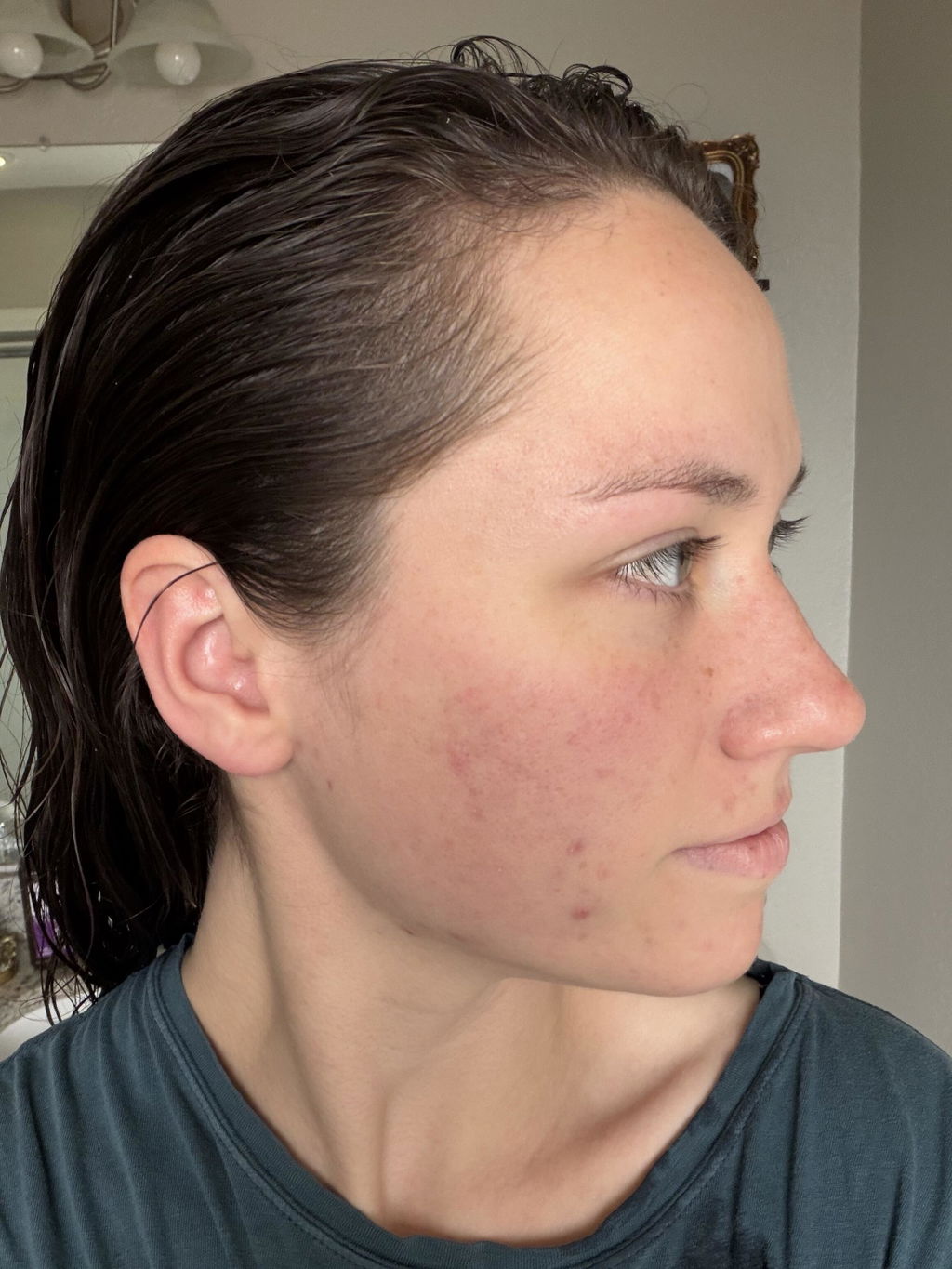
That sentence cracked something open for me. Because what she meant was this: your face is a map. And every zone that keeps breaking out — every stubborn patch that defies your best skincare efforts — is pointing back to something happening inside your body. Specifically, inside your gut.
Face mapping, or Mian Xiang, is a 3,000-year-old practice from Traditional Chinese Medicine. Ancient practitioners believed that the face was a mirror of the body's internal organs — that inflammation, congestion, or imbalance inside would rise to the surface in predictable zones. Modern functional medicine has started catching up. The gut-skin axis, now well-documented in dermatological research, confirms that intestinal permeability, microbiome disruption, and systemic inflammation are directly linked to inflammatory skin conditions, including acne.
This isn't mystical. This is biology. And once you know which zone corresponds to which internal system, your breakouts stop feeling random — and start feeling like a roadmap to real healing.
———
Zone 1: Chin and Jawline — Your Hormones and Your Gut Are Talking
If you're breaking out along your chin and jawline — especially in the days before your period, or in a pattern that cycles with your hormones — Chinese medicine has a clear explanation: this zone corresponds to the reproductive organs and the large intestine. Modern research backs it up beautifully.
The gut microbiome plays a direct role in estrogen metabolism. A healthy gut contains what's called the estrobolome — a collection of bacteria responsible for breaking down and excreting excess estrogen. When your gut flora is out of balance, estrogen doesn't get cleared properly. It recirculates. Levels spike. And that hormonal surge manifests as exactly the kind of deep, cystic, jawline breakouts that feel like they live under your skin for weeks.
What makes this worse: a high-sugar diet, chronic stress, and antibiotic use all damage the estrobolome. So if your jawline acne intensifies when you're stressed, or appeared after a round of antibiotics, the gut-hormone connection is almost certainly at play.
What to do: Resetting your gut flora is the most powerful move you can make for hormonal acne. A targeted gut cleanse protocol helps clear the bacterial buildup that drives estrogen recirculation, restoring the environment your skin needs to stabilize. Alongside that: increase fiber, reduce processed sugar, and prioritize sleep — all of which support the estrobolome directly.
———
Zone 2: Forehead — Digestive Slowdown and Nervous System Overload
The forehead, in traditional face mapping, corresponds to the small intestine, the bladder, and the nervous system. And when you cross-reference this with modern functional medicine? The match is striking. The forehead is one of the first zones to react when digestion is sluggish or when the gut-brain axis is under stress.
The gut-brain axis is a bidirectional communication highway between your digestive system and your brain. When digestion slows — due to poor dietary choices, dehydration, or chronic stress — the gut sends distress signals upward. Inflammation rises systemically. And the forehead, highly vascular and sensitive, often reflects that internal congestion first.
Irregular eating patterns, excessive refined carbohydrates, and inadequate water intake are the most common triggers for forehead breakouts. So are late nights and overstimulation — your nervous system is genuinely connected to your gut's motility. If you're sleeping poorly and eating fast food on a stressed schedule, your forehead will broadcast it.
What to do: Hydration is non-negotiable — aim for at least 2.5 liters daily. Meals should be eaten at consistent times to support digestive rhythm. If your gut feels perpetually sluggish, a full-body detox protocol can help reset transit time and clear the accumulated waste that keeps driving systemic inflammation.
———
Zone 3: Cheeks — Respiratory Health and Gut Inflammation
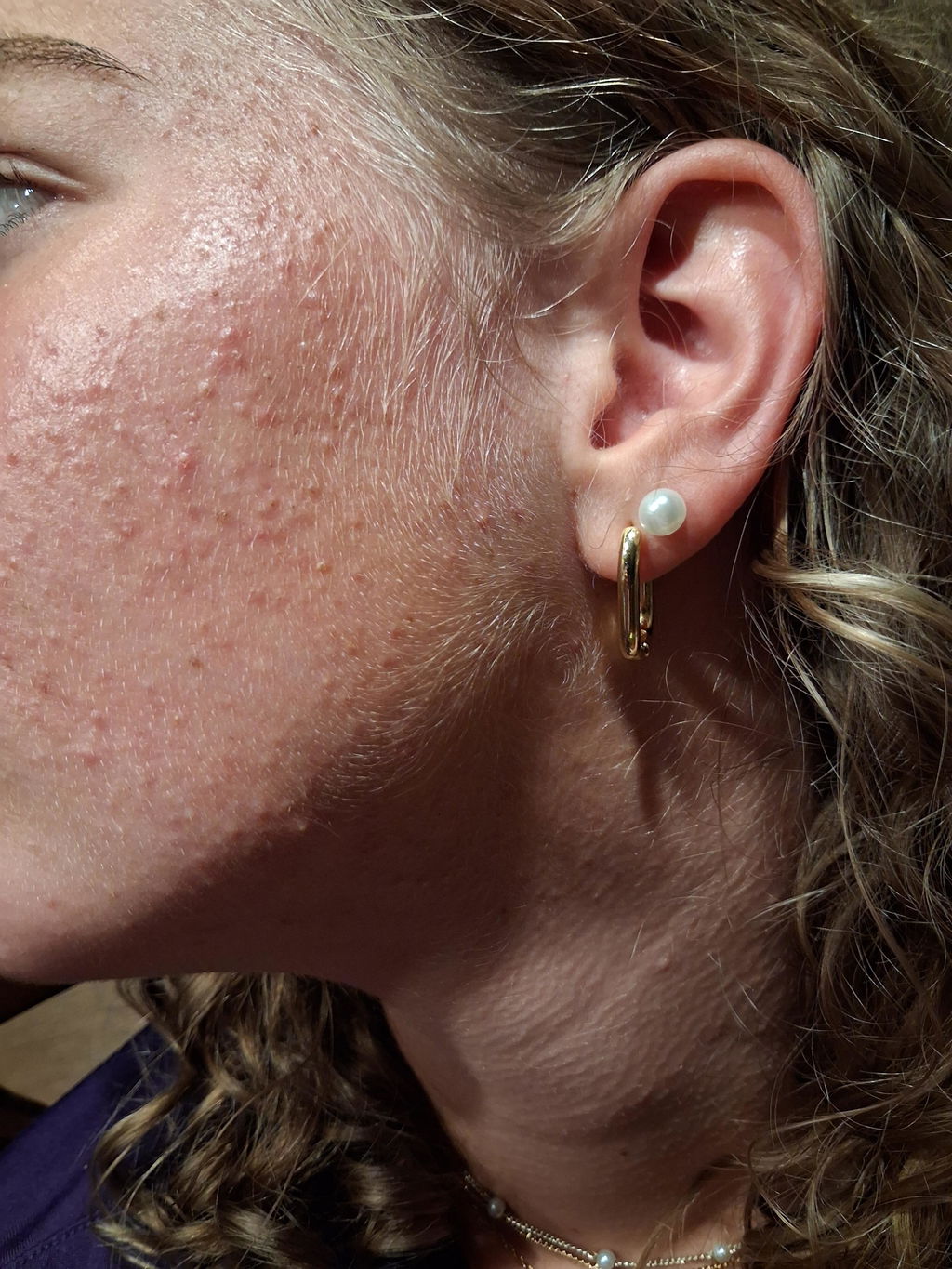
Cheek acne is complicated, because there are two distinct sub-zones. The upper cheeks (near the eyes) map to the lungs and respiratory system. The lower cheeks map to the stomach and intestinal tract. In practice, most people with gut-driven skin issues see breakouts across both areas — which makes sense, because systemic gut inflammation doesn't stay neatly contained.
Here's the lung-gut link that most people don't know about: the lungs and the gut share the same embryological origin tissue. They communicate via the immune system, and microbiome research has identified what's now called the gut-lung axis. People with compromised gut health have measurably higher rates of respiratory sensitivity, and the inflammation that results — elevated histamine, increased cytokines — absolutely shows up on the skin.
Lower cheek breakouts are more directly tied to food sensitivities, stomach acid imbalances, and what TCM calls "stomach heat" — essentially, chronic low-grade gut inflammation from foods that don't agree with your system. Dairy, sugar, alcohol, and highly processed foods are the most consistent culprits.
What to do: An elimination protocol combined with gut support is the most effective approach. Sea moss, rich in 92 trace minerals and naturally soothing to the gut lining, has been used traditionally to calm internal inflammation and support the mucosal barrier that keeps gut irritants from driving systemic immune responses. For the external layer, a nourishing tallow cream can help restore the skin barrier while your gut heals from within — because inflamed skin becomes permeable skin, and barrier repair is part of the picture.
———
Zone 4: Nose — Stomach Function and Cardiovascular Health
The nose is one of the most nuanced zones in face mapping. TCM associates it with the heart and stomach — and specifically with circulatory stagnation. Breakouts on the nose, particularly blackheads and congested pores, often reflect poor digestion, high stomach acid, or sluggish circulation in the upper digestive tract.
The sebaceous glands on the nose are among the most active on the face, which is why this area is naturally more prone to congestion. But when breakouts are chronic and inflammatory rather than occasional, it usually signals something deeper: poor fat digestion (linked to bile production and liver function), B-vitamin deficiency, or what functional medicine identifies as low stomach acid — paradoxically causing the same overgrowth of unwanted bacteria that high stomach acid would.
Rosacea-prone noses are particularly linked to H. pylori overgrowth, which lives in the stomach lining and drives both gastric and skin inflammation simultaneously. Multiple studies have found that treating H. pylori improves rosacea outcomes — a powerful signal that the nose truly is a stomach window.
What to do: Support digestion naturally with bitter foods (arugula, dandelion, apple cider vinegar before meals) and targeted gut restoration. If you're looking for extra daily support, Clear Skin+ Max Detox, a daily acai-based blend, helps support digestion and the gut-skin connection.
———
Zone 5: Temples — Kidney Stress and Liver Overload
Temple breakouts are often overlooked because they're at the edges of the face — easy to miss, easy to blame on hair products. But in both TCM and functional medicine, the temples are among the most diagnostic zones on the face. They correspond to the kidneys, gallbladder, and liver.
The liver is your body's primary detoxification organ. When it's overburdened — by alcohol, environmental toxins, hormonal load, or a high-sugar diet — it cannot process and neutralize inflammatory compounds quickly enough. Those compounds circulate in the bloodstream and trigger skin inflammation, particularly in areas fed by the liver meridian, which runs through the temples.
Kidney stress, often driven by chronic dehydration, excess sodium, or caffeine dependency, shows up similarly. The kidneys regulate fluid balance and blood filtering — when they're sluggish, skin can become dull, puffy, and prone to breakouts at the temples and hairline.
One thing I always tell my clients: if your temple breakouts get worse during periods of heavy drinking, high stress, or very poor sleep — that's your liver and kidneys speaking in unison. The body is asking for a reset, not more topical products.
What to do: Reduce alcohol, increase water, and support liver detoxification pathways. This is precisely where a structured detox protocol pays dividends — not as a quick fix, but as a genuine reset for the organs that drive temple-zone inflammation. Collagen support alongside detox helps rebuild the skin's structural integrity as internal inflammation decreases.
———
Reading Your Whole Face as a System
The most powerful insight I've gained from years of working with holistic skin health is this: breakouts rarely happen in isolation. When I see a client with jawline and temple acne, I'm looking at a hormonal-liver connection — excess estrogen combined with an overburdened liver that can't clear it. When I see forehead and cheek breakouts together, I'm thinking gut motility, food sensitivities, and nervous system dysregulation happening in parallel.
The skin is not the problem. The skin is the report.
What changes everything is approaching acne as a whole-body signal. Not suppressing it with antibiotics or harsh topicals that strip your barrier, but asking the deeper question: what is this zone trying to tell me? Then addressing it at the root — gut flora, liver function, hormone metabolism, digestive rhythm.
"Your skin reflects the state of your gut more directly than almost any other organ. When you heal the gut, the skin follows — not in days, but in weeks and months of genuine, lasting change." — Dr. Whitney Bowe, dermatologist and author of The Beauty of Dirty Skin
This is the work. It's slower than a spot treatment. It's more nuanced than a cleanser. But it's the only approach I've seen create lasting clarity — for my clients, and for my own skin, after years of chasing surface solutions.
———
Start Here: Your Face Mapping Action Plan
- Map your zones: Which areas break out most consistently? Note whether it's cyclical (hormonal) or constant (gut).
- Audit your gut: Bloating, irregular digestion, sugar cravings, or post-antibiotic skin changes are all signals of microbiome disruption.
- Support your barriers: Both gut lining and skin barrier need rebuilding simultaneously — internal and topical care work together.
- Be patient with the timeline: Gut-driven acne clears in cycles. You'll often see a purge before clarity. Stay consistent.
- Start with the gut: A targeted gut cleanse is the highest-leverage first step for almost every acne zone.
———
Frequently Asked Questions About Face Mapping and Gut Health
Is face mapping scientifically proven?
Face mapping as a complete diagnostic system hasn't been validated in large-scale clinical trials, but many of its zone correlations align with modern research. The gut-skin axis — linking intestinal health to skin inflammation — is well-documented in dermatology. The connections between gut microbiome disruption and acne, particularly hormonal and inflammatory types, are supported by growing peer-reviewed evidence. Think of face mapping as a useful framework that guides investigation, not a definitive diagnosis.
Can fixing your gut actually clear your skin?
For many people, yes — particularly those whose acne is inflammatory, cystic, or hormonally driven. Multiple studies have linked gut dysbiosis (microbial imbalance) to systemic inflammation that manifests as acne. Restoring healthy gut flora, reducing intestinal permeability, and supporting liver detoxification pathways consistently improve skin outcomes in functional medicine practice. It works best when combined with dietary changes and appropriate topical skin barrier support.
How long does it take for gut healing to show in the skin?
Skin cell turnover takes roughly 28 days, so changes tied to gut health tend to unfold gradually rather than overnight. Supporting your gut on a consistent basis may play a role in how your skin looks over time. A daily blend like Clear Skin+ Max Detox can help support that process as part of a regular routine.
What foods cause face mapping breakouts in each zone?
For chin and jawline (hormonal/gut): high-glycemic foods, dairy, and alcohol that disrupt the estrobolome. For forehead (digestive): processed carbohydrates, irregular meal timing, and dehydration. For cheeks (stomach/lung): dairy, gluten, alcohol, and high-histamine foods. For nose (stomach): spicy foods, alcohol, and anything that raises stomach acid or disrupts the H. pylori balance. For temples (liver/kidney): alcohol, excessive caffeine, and high sodium.
Should I still use topical skincare while healing my gut?
Absolutely — and the two approaches work synergistically. While your gut heals, your skin barrier is often compromised and more reactive. A gentle, non-stripping topical routine that focuses on barrier repair (rather than aggressive exfoliation or harsh actives) helps reduce surface inflammation while internal healing progresses. A barrier-supportive tallow cream is ideal during this phase — it mimics the skin's natural lipid profile without disrupting what's already sensitized.
———
Ready to Let Your Skin Heal From the Inside Out?
If you recognize your breakout patterns in this guide — if certain zones keep returning no matter what you put on your face — your body is asking for something different. Not another topical. A reset at the root.
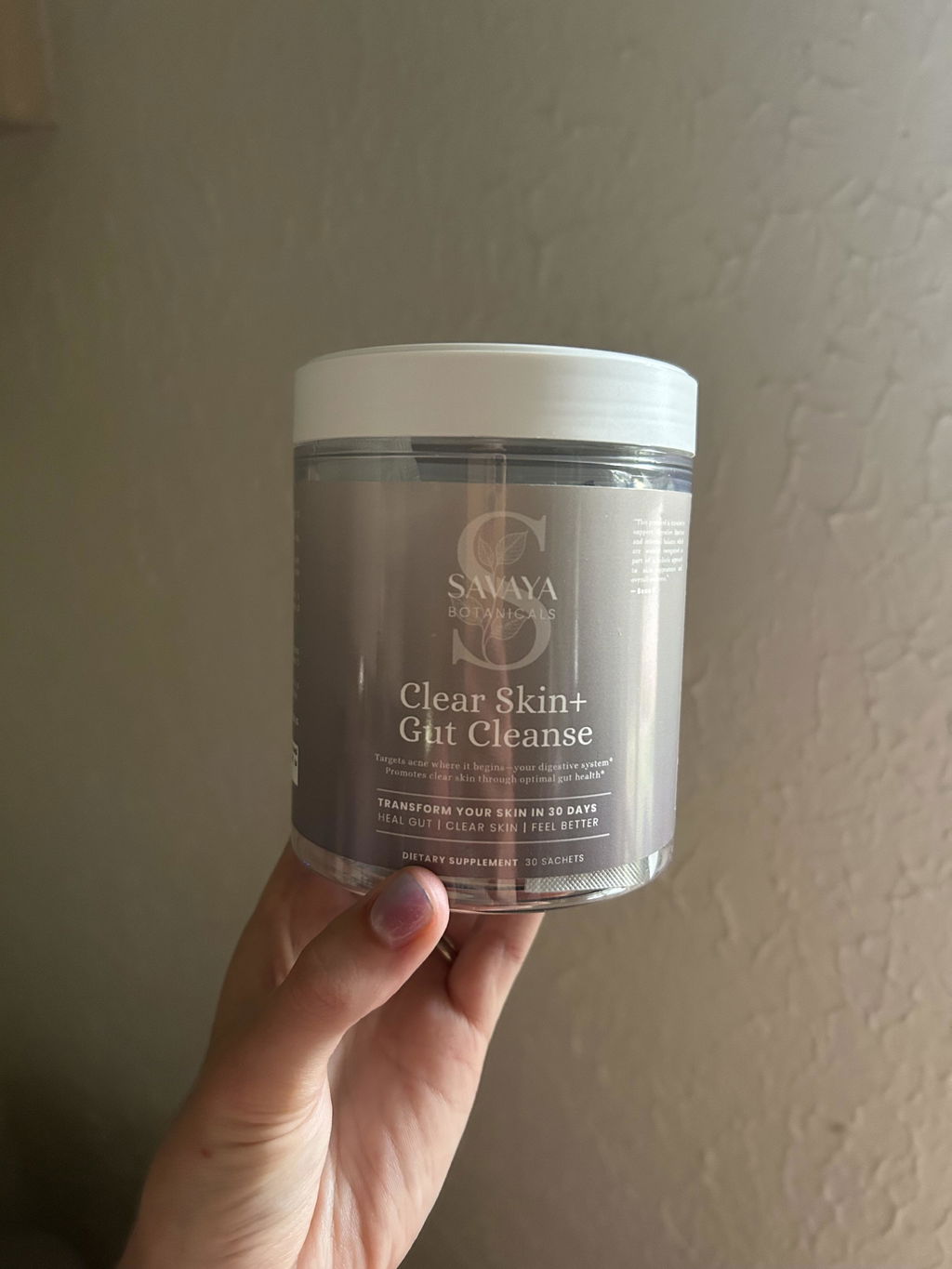
The Microbiome Gut Cleanse is where most of my clients start. It's designed to clear the bacterial buildup, restore microbial balance, and reduce the systemic inflammation that drives zone-specific acne from the inside. Pair it with the Peaceful Night Tallow Cream to support your skin barrier externally while your gut heals — and you have the full inside-out protocol your skin has been waiting for.
Your face has been trying to tell you something. Now you know how to listen.