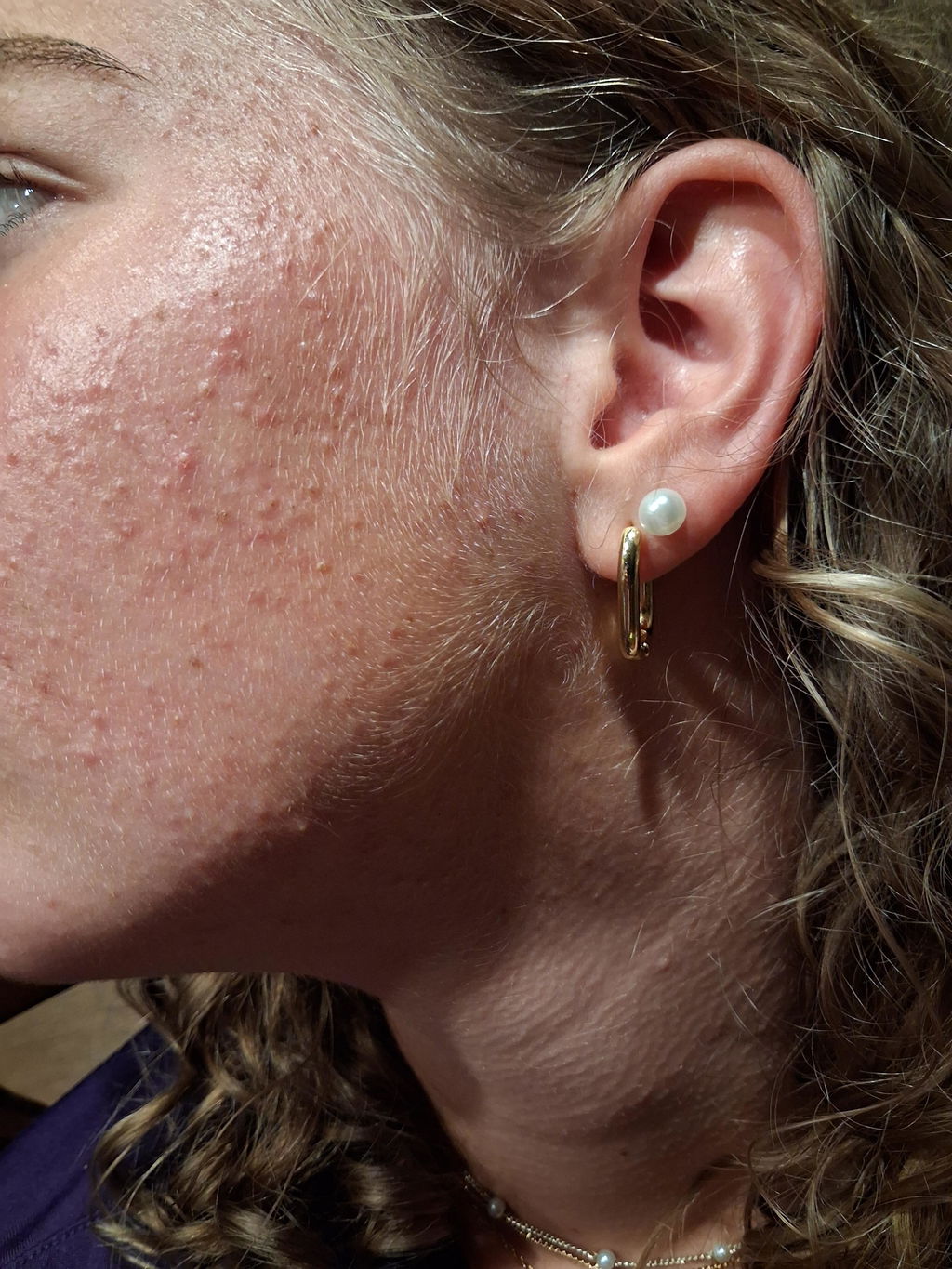
Does Whey Protein Cause Acne? What the Research Actually Shows

Key Takeaways
- Whey protein's high leucine content activates the mTORC1 pathway, a signaling route linked to increased oil production.
- A Cutis case series linked whey protein supplements to new acne flares in five teenaged athletes.
- Whey isolate is filtered further than whey concentrate, typically leaving behind less lactose and fewer dairy proteins.
- Pea, rice, soy, and hemp protein powders contain no dairy-derived whey, making them common self-test swaps.
- Whey raises insulin and IGF-1 levels more than an equivalent amount of casein or plant-based protein.
Whey protein isn't proven to directly cause acne, but its leucine content can activate insulin and IGF-1-linked signaling tied to oil production, and case reports describe breakouts starting after gym-goers add a shake. Whey concentrate, higher in lactose and dairy compounds than isolate, appears to be the more common trigger.
Can whey protein actually trigger breakouts?
Yes, for some people. Case reports describe acne flares appearing after people started whey protein supplements, particularly in those not previously prone to breakouts. The link isn't universal, but the mechanism is plausible: whey is unusually concentrated in leucine, an amino acid tied to oil-gland activity.
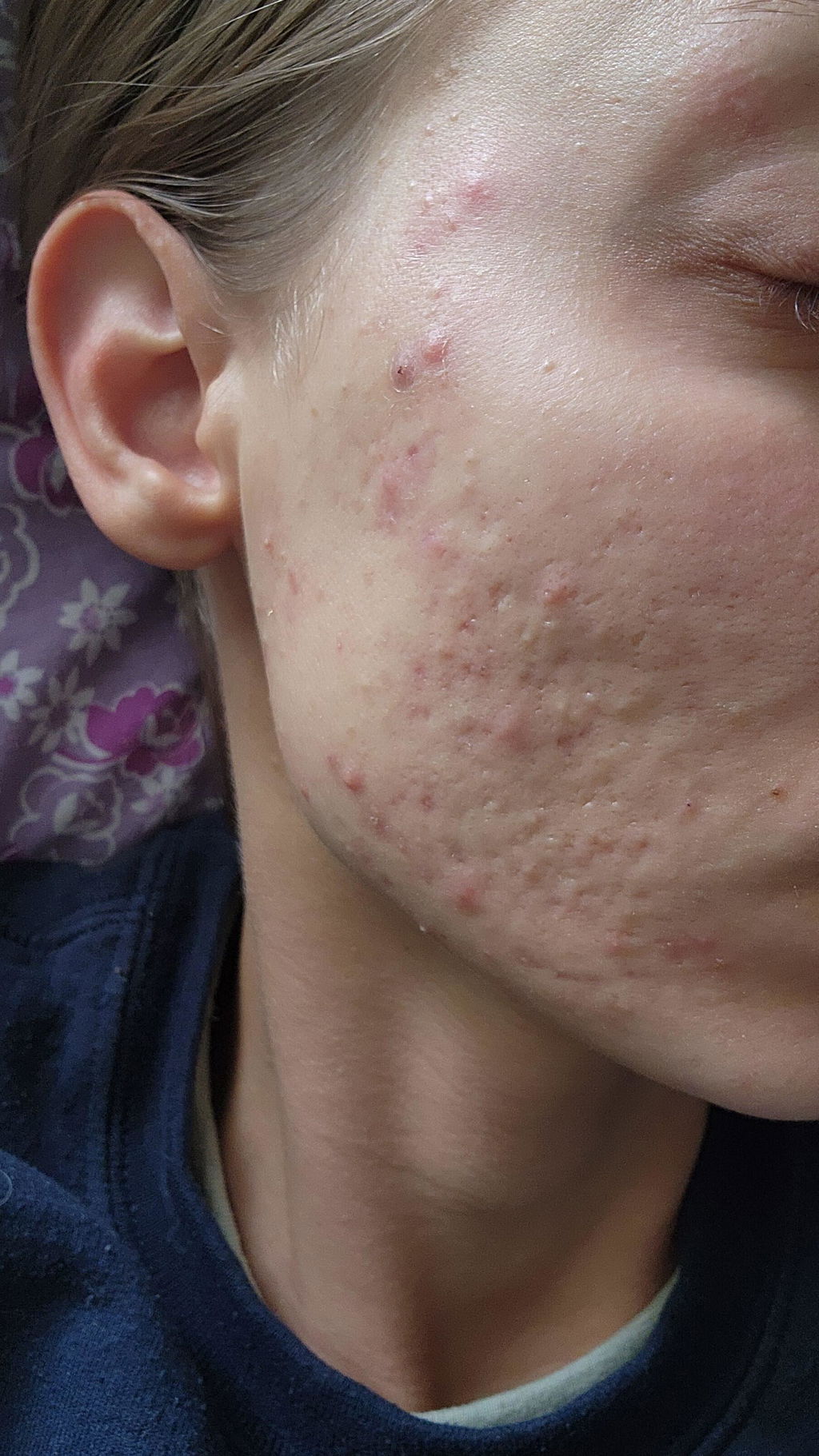
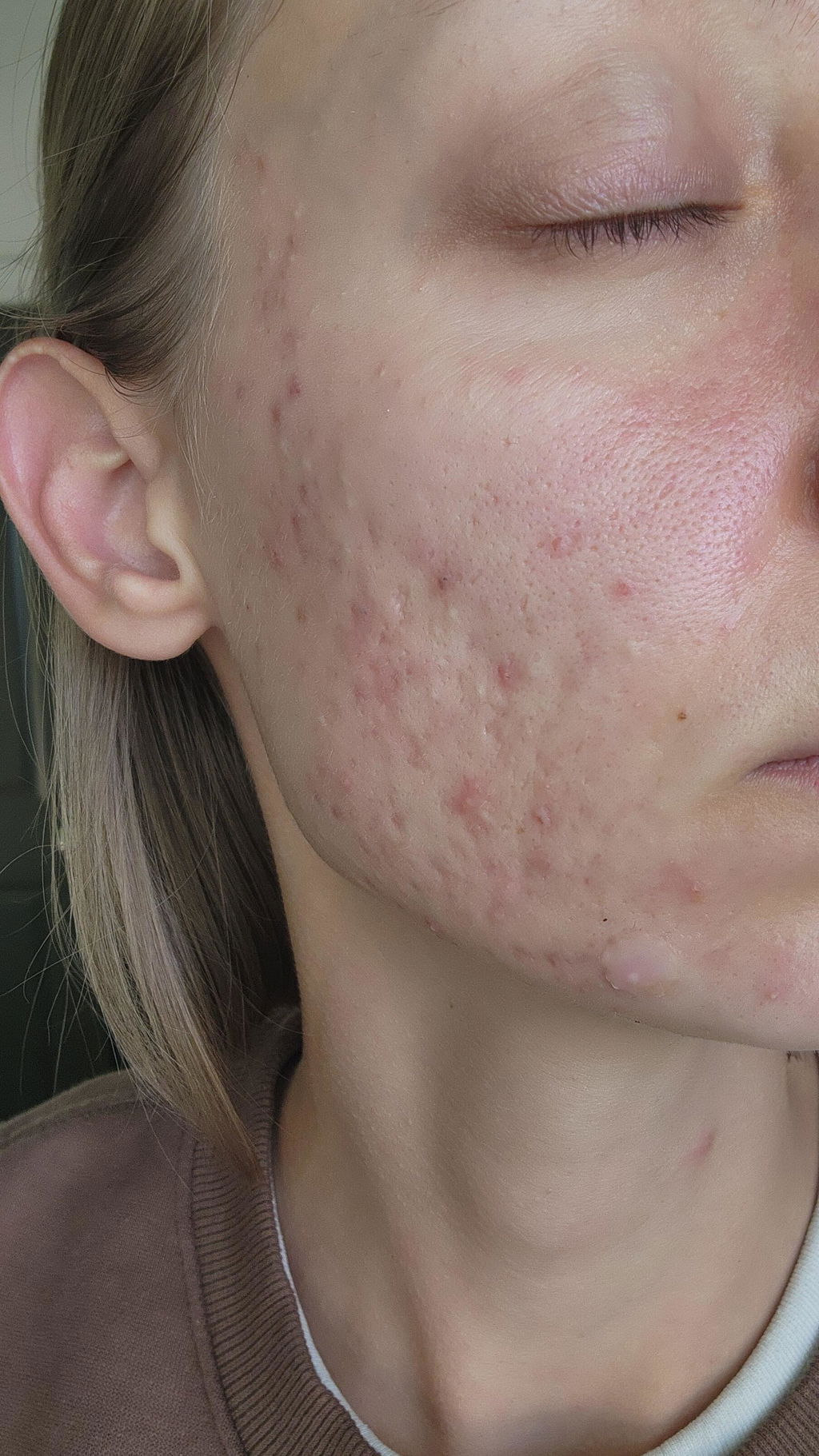
If your skin changed after you started a daily protein shake, you're describing something dermatologists have actually documented. A case series published in the journal Cutis described five teenaged athletes who developed moderate to severe acne flares after starting whey protein supplements, with breakouts appearing on the back, chest, and jawline.
That's a tiny sample, and it doesn't mean whey is unsafe or that everyone who drinks a shake will break out. But it does confirm the pattern gym-goers have reported for years: acne that shows up specifically after adding a protein powder, not after any other diet change.
This is a narrower question than whether dairy in general is linked to skin issues, which is its own topic. Here, the focus stays on what's specifically in whey, and why a scoop of it might move the needle for some people.

How does whey potentially contribute to acne? The leucine and insulin connection
Whey protein is unusually rich in leucine, a branched-chain amino acid that strongly activates a cellular growth pathway called mTORC1. Research suggests mTORC1 activity in skin oil glands may play a role in acne, and whey also raises insulin and IGF-1 levels more than an equivalent amount of casein or plant protein.
Whey isn't just protein in the abstract; it's a specific ratio of amino acids, and leucine sits at the center of that ratio. Leucine is considered one of the strongest natural activators of a signaling pathway called mTORC1, which cells use to help decide when to grow, divide, and produce oil.
Whey is also one of the more efficient foods for spiking insulin and IGF-1, more so than an equivalent amount of casein, eggs, or plant protein. Research on diet and acne has proposed that when this signaling is pushed higher than usual in the skin's oil glands, sebum output and pore-clogging may increase.
Research summarized in the journal Dermatoendocrinol notes that whey-based supplements are particularly rich in leucine, the amino acid most strongly associated with activation of mTORC1.
This idea has an older thread behind it, too: research comparing non-Westernized diets low in dairy and refined carbohydrates to typical Western diets has observed markedly fewer cases of acne in those populations, though diet is only one of many differences between them.
None of this means leucine causes acne on its own; plenty of people drink whey with no skin changes at all. It means the mechanism is biologically plausible enough that a reaction in your own skin isn't a coincidence to dismiss outright.

Does it matter whether you use whey isolate or whey concentrate?
Yes. Whey isolate goes through extra filtering that strips out more lactose, fat, and residual dairy compounds than whey concentrate retains. Because concentrate carries more of the components tied to insulin and IGF-1 response, some people who react to a concentrate-based shake tolerate isolate better, though isolate still contains a similar leucine load.
Not all whey protein on a label is the same product. Whey concentrate is the less-processed form; it keeps more lactose, more milk fat, and more of the minor dairy proteins that ride along with the whey itself.
Whey isolate goes through additional filtering, which generally leaves a higher proportion of pure protein and less lactose and fat. That's part of why some people who feel fine on isolate still notice a reaction to concentrate: the leucine content is similar in both, but concentrate brings extra dairy-derived compounds along with it.
If dairy in general already sits uneasily with your gut or skin, separate from whey specifically, that's worth its own investigation, since milk and cheese carry a different overall mix of compounds than an isolated protein powder does.
- Whey concentrate: less filtered, retains more lactose and milk fat
- Whey isolate: more filtered, lower in lactose and fat, protein more concentrated
- Whey hydrolysate: pre-broken-down protein, sometimes easier to digest but still whey-derived

What if you swap whey for a plant-based protein powder?
Pea, rice, hemp, and soy protein powders contain no dairy and a different amino acid profile than whey, including less leucine per scoop. For someone whose breakouts track with whey specifically rather than diet overall, switching to a plant-based powder for a few weeks is one of the simplest ways to see if the pattern changes.
If whey looks like your trigger, plant-based protein powders are the most direct swap to test the theory. Pea, rice, hemp, and soy protein all skip the dairy component entirely, and none of them concentrate leucine the way whey does.
They aren't interchangeable with each other, either. Pea protein tends to have a grittier texture, rice protein is often blended with pea to round out the amino acid profile, and hemp brings fiber and fat along with its protein, so it's worth knowing that going in.
This is a different lever from switching to lactose-free or A2 milk, which addresses dairy in your diet broadly rather than a protein-powder shake specifically, worth keeping in mind if you're troubleshooting more than one thing at once.

How do you actually test if whey is your trigger?
Run a structured elimination: stop all whey-based shakes and bars for several weeks while keeping the rest of your diet and skincare routine the same, track breakouts on a simple log, then reintroduce whey alone to see if flares return. Isolating one variable at a time is what makes the test meaningful.
The only way to know if whey is your trigger, instead of stress, a new skincare product, or something else, is to isolate the variable. Here's a practical way to run it yourself:
- Change one thing: swap out whey-based shakes and bars only, leaving skincare, other supplements, and training exactly as they are.
- Hold the elimination for several weeks, since breakouts already forming can take time to fully clear.
- Track what you see, not just how you feel, by photographing the same problem area under similar lighting each week.
- Reintroduce whey on its own, without changing anything else at the same time, and watch that same window again.
- If breakouts reliably follow whey and ease after cutting it, that's a meaningful signal; if nothing changes either way, whey probably isn't your driver.
We cover what a general dairy-elimination timeline tends to look like in more depth elsewhere; the version above is specifically about isolating whey and protein powder as one variable.
While you're running that elimination window, many people keep something in their daily routine that supports the bigger picture rather than one single ingredient. A daily Max Detox habit is the kind of tool we point people toward here, since it's built to support the body's natural detoxification pathways and gut health rather than to replace the elimination test itself.

Bottom line: should you quit whey over your skin?
Not necessarily. Most people tolerate whey protein with no skin changes at all, and case reports of whey-triggered acne remain rare in the research. But if your breakouts started soon after you did, whey is a specific, testable, low-cost hypothesis worth ruling in or out before you assume it's something else.
Whey protein isn't a proven acne cause for most people, and there's no reason to fear a scoop of it by default. What exists is a handful of case reports and a plausible biological mechanism, not a settled verdict.
What makes whey worth testing specifically is that it's an unusually clean variable: one ingredient, added on a known date, in a known amount. Few things in a typical diet are that easy to isolate and reverse.
If you run the elimination above and whey turns out to be part of your picture, you have real options: isolate instead of concentrate, a plant-based swap, or simply less of it, without giving up training nutrition altogether.

See if Max Detox is right for you
Frequently Asked Questions
Does whey protein cause acne in everyone who drinks it?
No. Most people who use whey protein never notice a skin change. The available evidence is limited to case reports and a proposed biological mechanism involving leucine and insulin signaling, not a finding that whey reliably causes acne across the general population.
Is whey isolate better for skin than whey concentrate?
Whey isolate is more filtered and generally contains less lactose and fewer minor dairy compounds than whey concentrate, though both still contain leucine. Some people who react to concentrate tolerate isolate better, but switching isn't guaranteed to change your skin; it's simply worth testing.
How long does it take to know if whey is causing breakouts?
There's no single confirmed timeframe, since skin responds at different speeds for different people. A structured elimination held for several weeks, followed by a careful reintroduction, is the most reliable way to see whether your skin tracks with whey specifically.
What can I use instead of whey protein?
Pea, rice, hemp, and soy protein powders are common dairy-free swaps, each with a different amino acid profile and texture than whey. None concentrate leucine the way whey does, which makes them a reasonable next step if you suspect whey is your trigger.
Can casein protein cause the same skin reaction as whey?
Casein is also a dairy-derived protein, but it digests more slowly and doesn't spike insulin and IGF-1 the way whey does. It hasn't been linked to acne case reports the way whey has, though anyone reacting to dairy broadly may want to evaluate both.
This content is for general wellness and educational purposes and is not medical advice. These statements have not been evaluated by the Food and Drug Administration. This product is not intended to diagnose, treat, cure, or prevent any disease. Consult your healthcare provider before starting any supplement, especially if you are pregnant, nursing, or managing a health condition. Individual results vary.