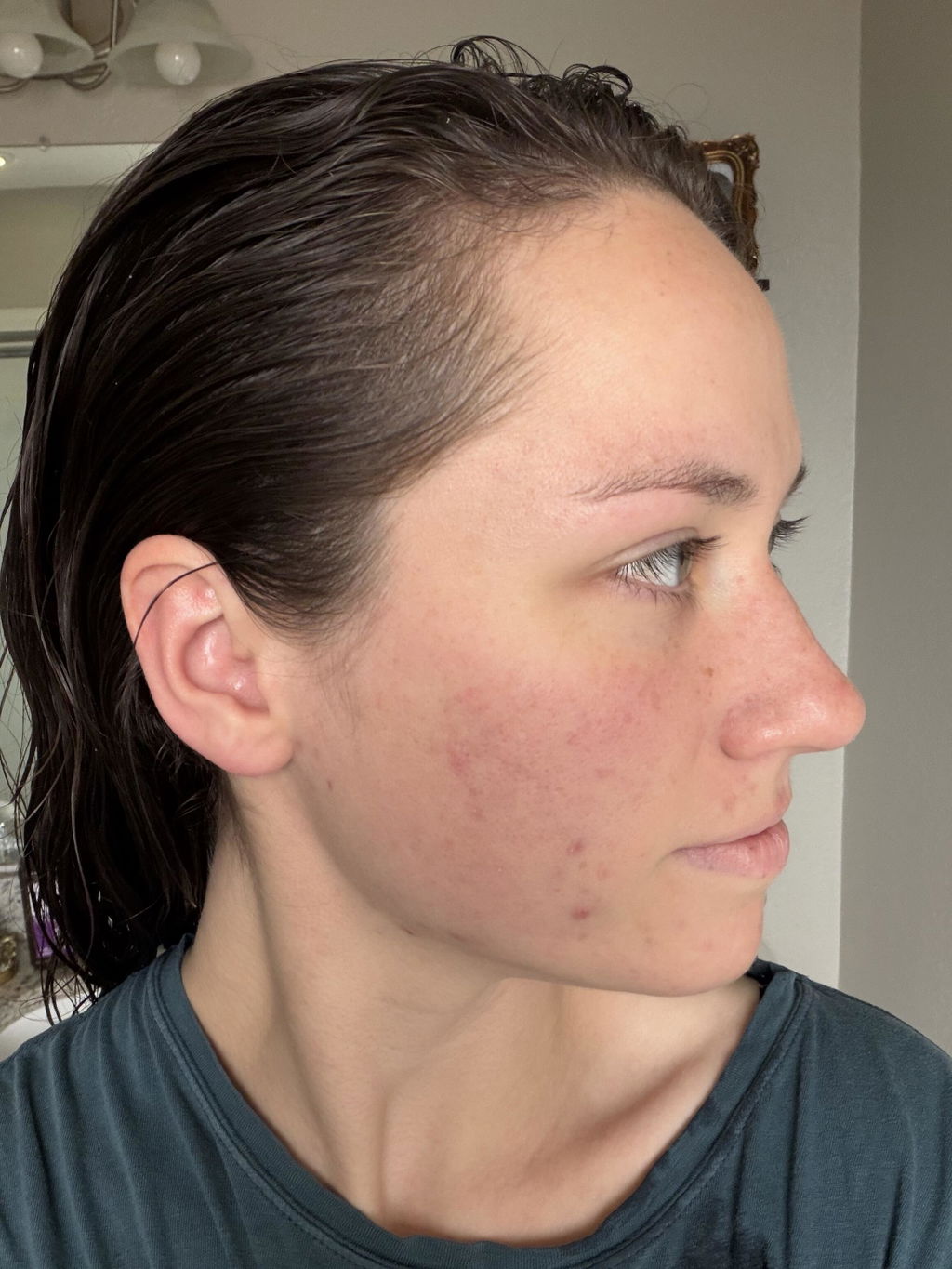
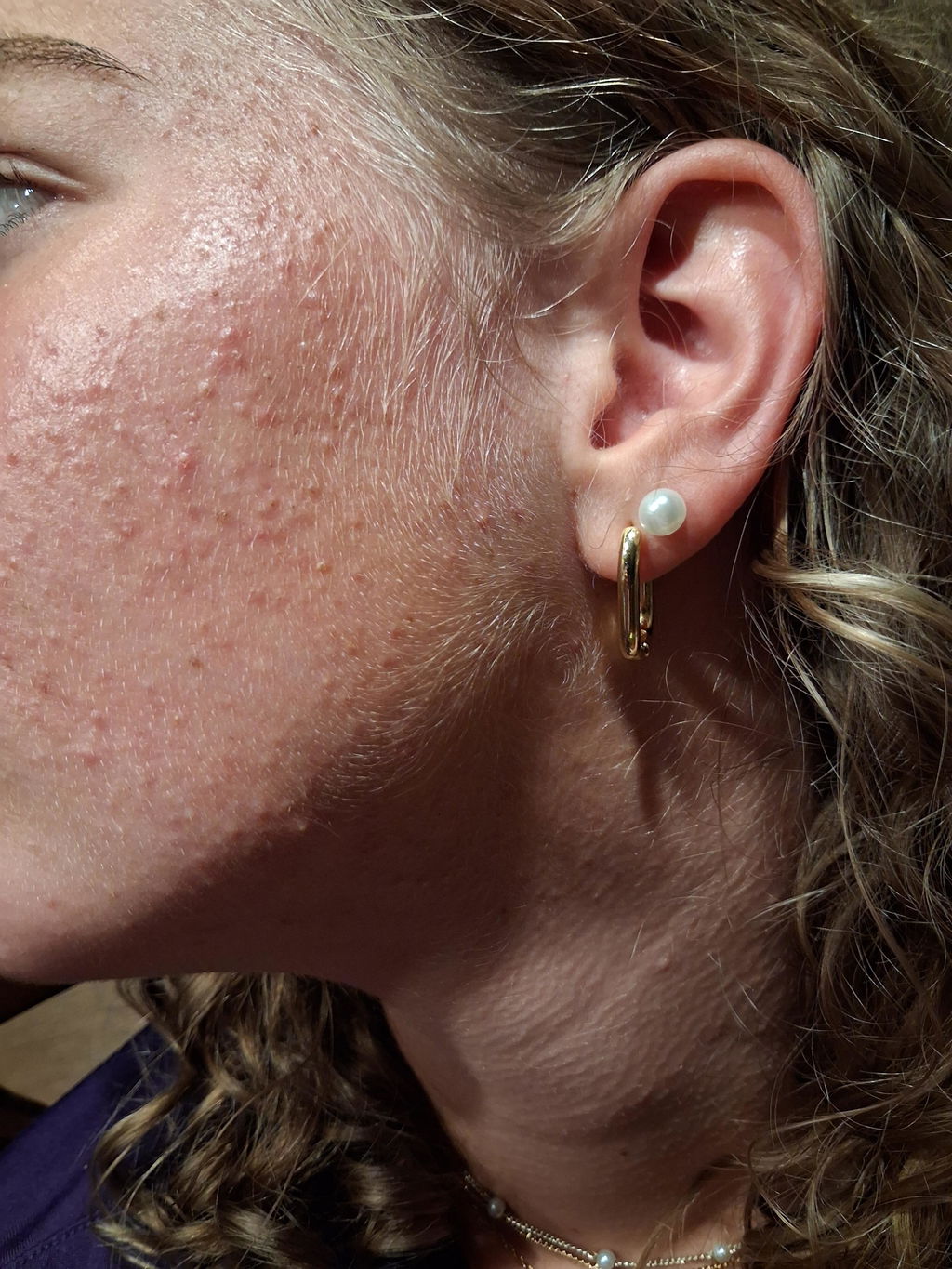
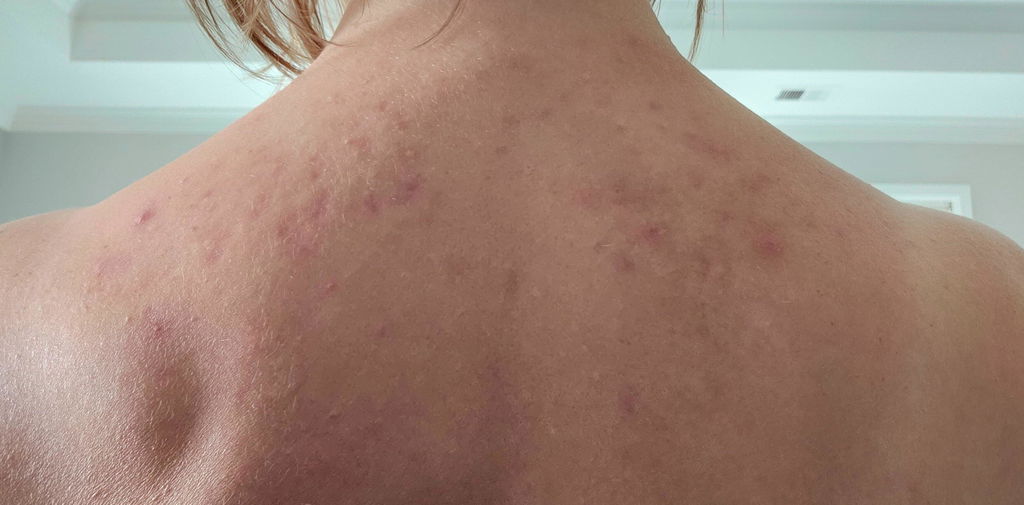
I spent seven years blaming my hormones for the cystic breakouts along my jawline. Seven years of birth control pills, prescription retinoids, and dermatologist visits where someone in a white coat told me, with absolute certainty, that diet had nothing to do with acne.
Then I cut dairy for 30 days as part of an elimination protocol — not for my skin, but because my gut was a wreck. My jaw cleared in three weeks. The deep, painful cysts that had been my unwelcome companions since college simply… stopped showing up. I added dairy back to test it. They returned within five days.
I'm not anti-dairy because of a lifestyle trend. I'm anti-dairy because the research is now so overwhelming that the old talking points — "acne isn't related to diet," "correlation isn't causation" — have collapsed under the weight of two decades of peer-reviewed evidence. And almost no one is telling you about it.
———
The IGF-1 Mechanism: Why Milk Is Designed to Make Things Grow
Milk has one biological purpose. It exists to take a small mammal and turn it into a much larger one, very quickly. The molecule that does most of that work is called insulin-like growth factor 1, or IGF-1.
IGF-1 is a hormone your body produces naturally, but dairy consumption sends it surging. A 2007 study in the European Journal of Clinical Nutrition found that people who consumed milk daily had IGF-1 levels roughly 10–20% higher than non-dairy consumers. Skim milk was actually worse than whole milk on this measure, because the fat slows absorption — strip the fat out and the growth signal hits harder.
Here's why that matters for your skin. IGF-1 directly stimulates the sebaceous glands. More IGF-1 means more sebum. More sebum means more clogged pores, more inflammation, and more food for the C. acnes bacteria that turn an ordinary blocked pore into an angry red cyst. IGF-1 also drives keratinocyte proliferation — the skin cells that line your pores multiply faster than they can shed, creating the perfect microcomedone that becomes tomorrow's breakout.
This isn't a fringe theory. Dr. Bodo Melnik, one of the most cited researchers in this field, has published extensively on how Western dairy consumption activates the mTORC1 pathway — a master switch for cell growth that, when chronically over-stimulated, contributes not just to acne but to a host of inflammatory conditions.
The Harvard Nurses' Health Study: 47,000 Women Don't Lie
If you want a single piece of evidence that broke the dam, this is it.
Researchers at Harvard followed nearly 47,000 women in the Nurses' Health Study II and asked a simple question: what did you eat in high school, and did you have acne? The 2005 paper, published in the Journal of the American Academy of Dermatology, found that women who drank two or more glasses of milk per day had a 44% higher prevalence of severe acne compared to those who rarely drank it.
Skim milk was the worst offender. Again.
Then came the follow-up studies on adolescents — both girls and boys. In a cohort of over 4,000 teenage boys, milk consumption was again significantly associated with acne. A 2018 meta-analysis in the journal Nutrients pooled 14 studies and found dairy consumption was associated with a 25% increased risk of acne overall, with skim milk pushing that risk up to 82%.
Twenty-five percent. Eighty-two percent. These are not the kind of numbers you can dismiss as noise.
Casein A1 vs A2: Not All Milk Is Created Equal
This is the conversation almost no one in the conventional medical world is having, and it changes everything.
Most cow's milk in the United States contains a protein called beta-casein A1. When you digest A1 casein, your gut produces a peptide called beta-casomorphin-7 (BCM-7) — an opioid-like molecule that has been linked to gut inflammation, increased intestinal permeability, and immune activation.
Some cows — particularly older heritage breeds like Jersey, Guernsey, and most goats and sheep — produce A2 beta-casein instead. A2 milk doesn't release BCM-7 in the same way. People who experience bloating, gut pain, and inflammatory skin reactions from regular milk often tolerate A2 milk dramatically better.
A 2016 study in the Nutrition Journal showed that A1 milk consumption increased markers of intestinal inflammation and slowed gut transit time compared to A2. For your skin, this matters enormously, because chronic gut inflammation is one of the strongest upstream drivers of inflammatory acne. A leaky, inflamed gut leads to systemic low-grade inflammation, which lights up the same pathways that make acne worse.
If you've ever heard someone say, "I drink raw milk from a local farm and my skin is fine" — they may not be imagining it. They may simply be drinking A2-dominant milk from a small herd.
Whey Protein and Acne: The Gym Bro's Worst Kept Secret
If you lift weights and you've battled jawline cysts that flare every time you finish a tub of whey, this section is for you.
Whey is the watery portion of milk left over after cheesemaking, and it's the single most insulinogenic dairy product on earth. It triggers a higher insulin response than white bread. Combined with the IGF-1 amplification effect, this is a perfect storm for acne.
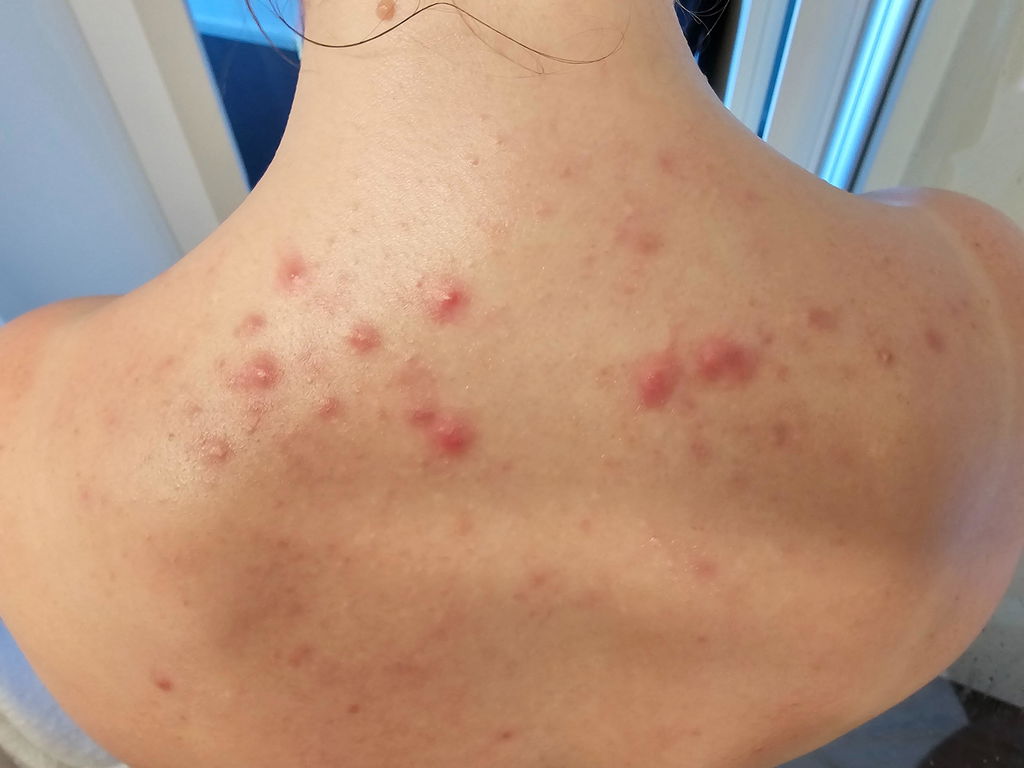
Multiple case-series studies have documented "whey protein-associated acne" — and what's striking is how clean the cause-and-effect line is. A 2012 case series in Cutis followed five young men who developed sudden, severe truncal and facial acne after starting whey protein. All five saw dramatic improvement within weeks of stopping the supplement, with no other intervention. A 2017 study confirmed the same pattern in a larger cohort.
If you must supplement protein, switch to a clean plant-based blend, hydrolyzed beef isolate, or — for whole-food support — focus on bioavailable mineral nutrition that helps your body actually use the protein you're already eating. This is one reason I keep sea moss in my daily routine: it provides 92 of the 102 minerals your body needs, including the trace minerals that support healthy skin, hormones, and connective tissue without spiking insulin.
The Hormone Question: Yes, Even Organic Milk
Here's the part that surprises people most. Switching to organic doesn't fix the hormone problem.
The hormones in milk that drive acne aren't the synthetic rBGH hormones that organic standards exclude. They're the natural hormones produced by the cow herself — and modern dairy cows are kept pregnant most of their productive lives. A pregnant cow's milk contains substantial levels of estrogens, progesterone, and androgen precursors. These hormones survive pasteurization. They're absorbed when you drink the milk. They influence your endocrine system.
A 2010 study in the journal Pediatrics International measured estrogen and progesterone in commercial milk samples and found bioactive concentrations in every single sample, organic included. The androgen precursors are particularly relevant for acne, because they convert to dihydrotestosterone (DHT) — the same hormone that drives oil production and the deep cystic acne so many women experience along the jaw and chin.
This is why "I switched to organic and my skin is still breaking out" is one of the most common things I hear. Organic doesn't change the hormonal payload.
Why Some People Drink Milk Daily and Have Perfect Skin
Because biology is not one-size-fits-all. Three factors largely determine whether dairy will wreck your skin:
- Lactase persistence. Roughly 65% of the global population loses the ability to digest lactose after weaning. Northern European populations are the genetic outliers — they evolved to keep producing lactase into adulthood. If you don't have the lactase persistence gene variant, dairy will cause more inflammation in your gut, full stop.
- Gut microbiome composition. A diverse, resilient microbiome can buffer some of the inflammatory effects of casein and whey. A depleted microbiome — which most modern adults have, thanks to antibiotics, processed food, and chronic stress — cannot.
- Genetic IGF-1 sensitivity. Some people's androgen receptors and sebaceous glands are simply more sensitive to IGF-1 signaling than others. This is partly genetic, partly hormonal life-stage, and partly modifiable through diet and gut health.
This is why one friend can drink lattes daily and have glass skin while you break out from a splash of half-and-half. It's not in your head. It's in your genome and your gut.
What to Replace Dairy With (Not All Alternatives Are Equal)
Here's where most dairy-elimination advice falls apart. People swap cow's milk for a sugar-loaded almond beverage with carrageenan and gum thickeners and wonder why their gut still feels terrible.
The dairy alternatives that actually support skin and gut health share three characteristics: they're minimally processed, they don't contain inflammatory emulsifiers, and they ideally contribute to mineral and prebiotic intake.
- Coconut milk (full-fat, no gum thickeners) — provides MCTs that support a healthy skin barrier.
- Organic soy (controversial but evidence-based for most people) — fermented forms like tempeh are best.
- Cashew milk made at home — silky texture, no additives.
- Goat or sheep dairy if you tolerate dairy structurally but not A1 casein — A2-dominant and easier on the gut.
- Plant proteins paired with mineral-dense whole foods rather than processed protein powders.
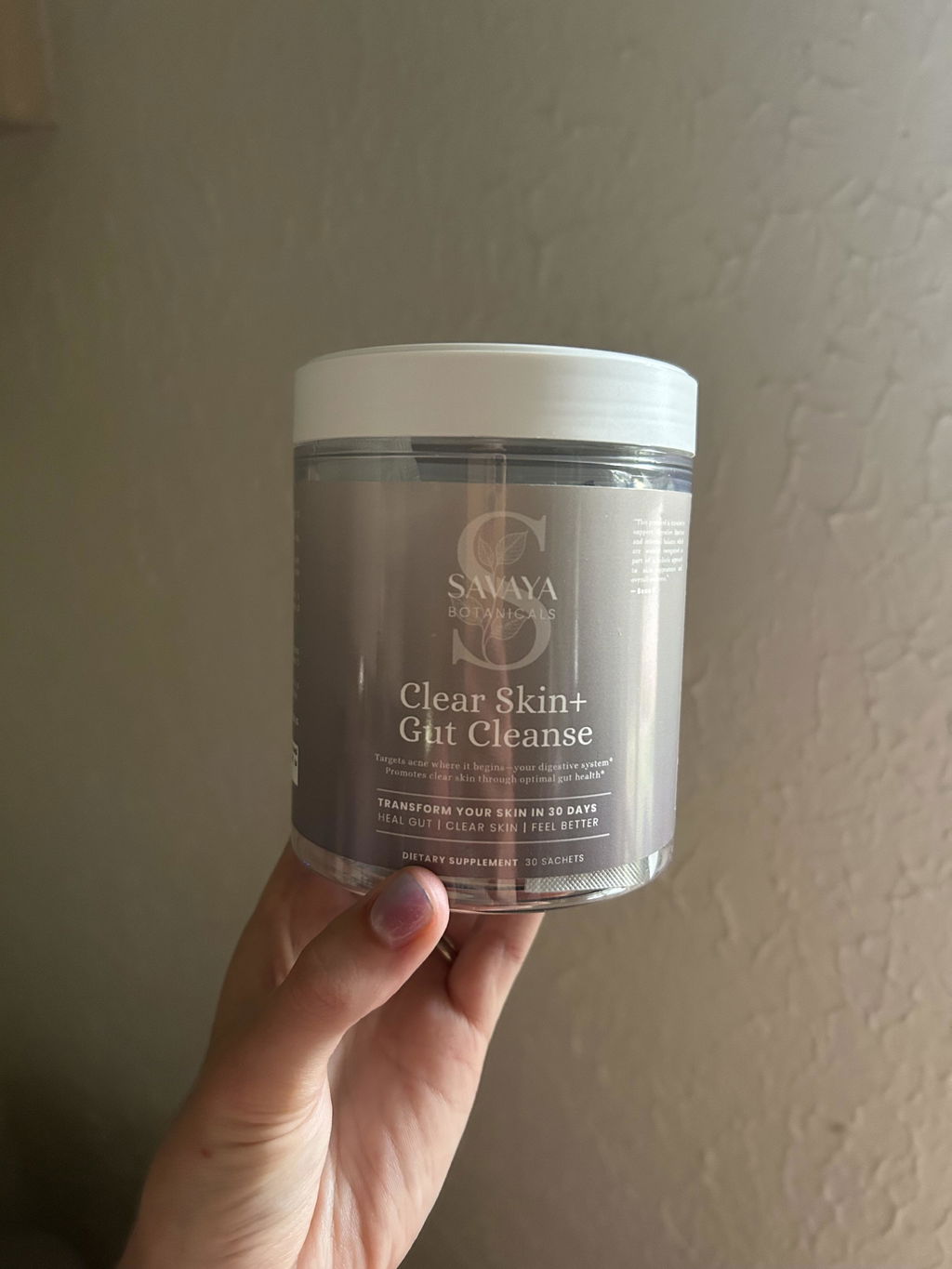
The bigger move, though, isn't just swapping the milk. It's repairing the gut underneath the breakout. When your intestinal lining is leaky and your microbiome is imbalanced, every inflammatory food you eat lands harder. That's why I always pair dairy elimination with active gut rebuilding — using something like a microbiome gut cleanse to clear stagnation and a full detox protocol to give your liver the support it needs to clear out the hormones dairy has been quietly contributing for years.
For the deeper, more chronic acne — the kind that has been with you for a decade and laughs at topical treatments — many turn to internal support paired with mineral-rich nutrition, like the daily acai blend in Clear Skin+ Max Detox. Skin healing is slow biology.
The Bigger Picture: Skin Is the Mirror of the Gut
I've stopped being surprised when someone messages me, six weeks into cutting dairy, asking why their digestion is suddenly better, their energy is up, their PMS is gentler, and their skin is clearer all at once.
It's because they were never separate problems. The same inflammation that fueled the cystic acne was fueling the bloating, the brain fog, the moodiness. Dairy was upstream of all of it. Pull the upstream lever and downstream changes follow.
If your skin has been stuck for years and you've tried everything topical, this is the question to sit with: what if the next layer isn't on your face at all? What if it's in your gut, your hormones, and the foods you've been told are healthy your entire life?
———
Frequently Asked Questions
How long after quitting dairy will my acne clear?
Most people see noticeable improvement within 3–6 weeks, with significant clearing by 8–12 weeks. The reason it isn't instant is that your skin operates on a roughly 28–40 day cell turnover cycle, and inflammation that's been building for years takes time to drain. Pairing dairy elimination with gut support and a microbiome cleanse can dramatically accelerate the timeline.
Is cheese as bad as milk for acne?
It depends on the cheese. Aged hard cheeses (parmesan, aged cheddar) and fermented dairy (kefir, traditional yogurt) generally trigger less of an IGF-1 and insulin response than fluid milk because the lactose and bioactive proteins are partially broken down by fermentation. Soft, fresh, high-whey cheeses like ricotta and cream cheese are closer in effect to liquid milk. If you're testing your tolerance, fluid skim milk and whey protein are the worst; aged sheep or goat cheeses tend to be the most tolerable.
What about A2 milk — is it safe for acne-prone skin?
A2 milk eliminates the BCM-7 inflammatory pathway, which is a meaningful upgrade. However, it still contains lactose, IGF-1 boosters, and natural cow hormones. People who break out primarily from gut inflammation often tolerate A2 well. People who break out from hormonal sebum overproduction may still react. A two-week elimination test is the only way to know your personal threshold.
Can I still have my morning latte?
Try oat milk made without seed oils and gums, or a homemade cashew cream for two weeks and see what your skin does. Most people find that the ritual of the latte matters more than the dairy itself, and a well-made oat or coconut version scratches the same itch. If you want to support your skin from the inside while you transition, a daily dose of sea moss provides the mineral foundation your skin needs to actually heal, not just calm down.
Will my skin barrier suffer if I cut dairy?
Not at all — dairy isn't a structural component of healthy skin. Your skin barrier needs fatty acids, ceramides, vitamin A, zinc, and adequate hydration. You can support your barrier topically with a clean, animal-fat-based balm like grass-fed tallow cream, and internally with collagen-supporting nutrients like marine collagen. Cutting dairy almost always strengthens the skin barrier over time, not weakens it.
———
Ready to Test This for Yourself?
If you've read this far, you already suspect dairy is part of your skin story. The fastest way to know for certain is the 30-day elimination test paired with active gut support. Most people are stunned by the difference.
The daily habit I've watched work for hundreds of women is Clear Skin+ Max Detox — an acai-based blend that supports the gut, the liver, and the mineral foundation your skin relies on. It's not a cream. It's not a quick fix. It's the long-overdue conversation between your gut and your face.
Your skin has been trying to tell you something for years. It might finally be time to listen.