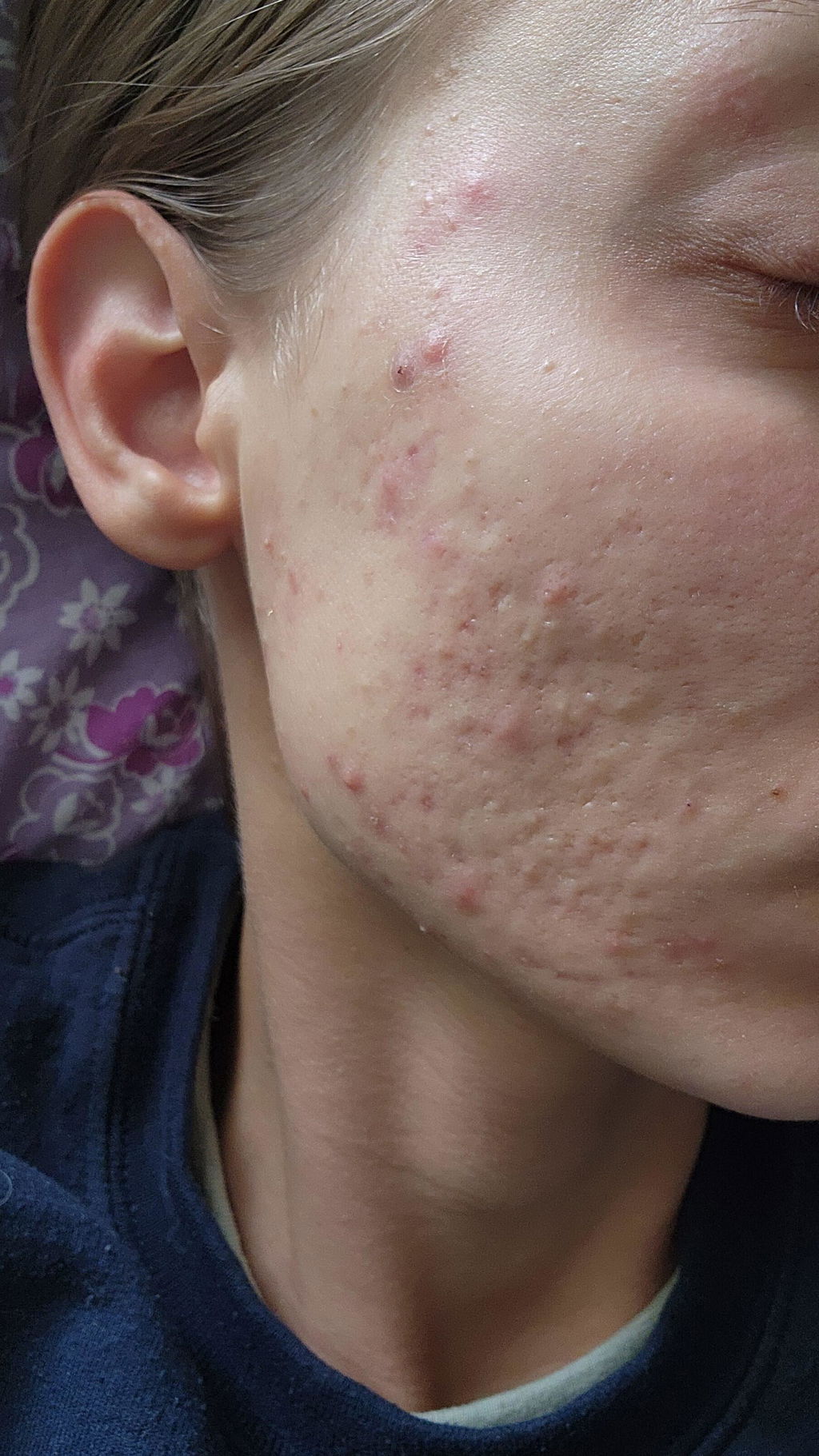
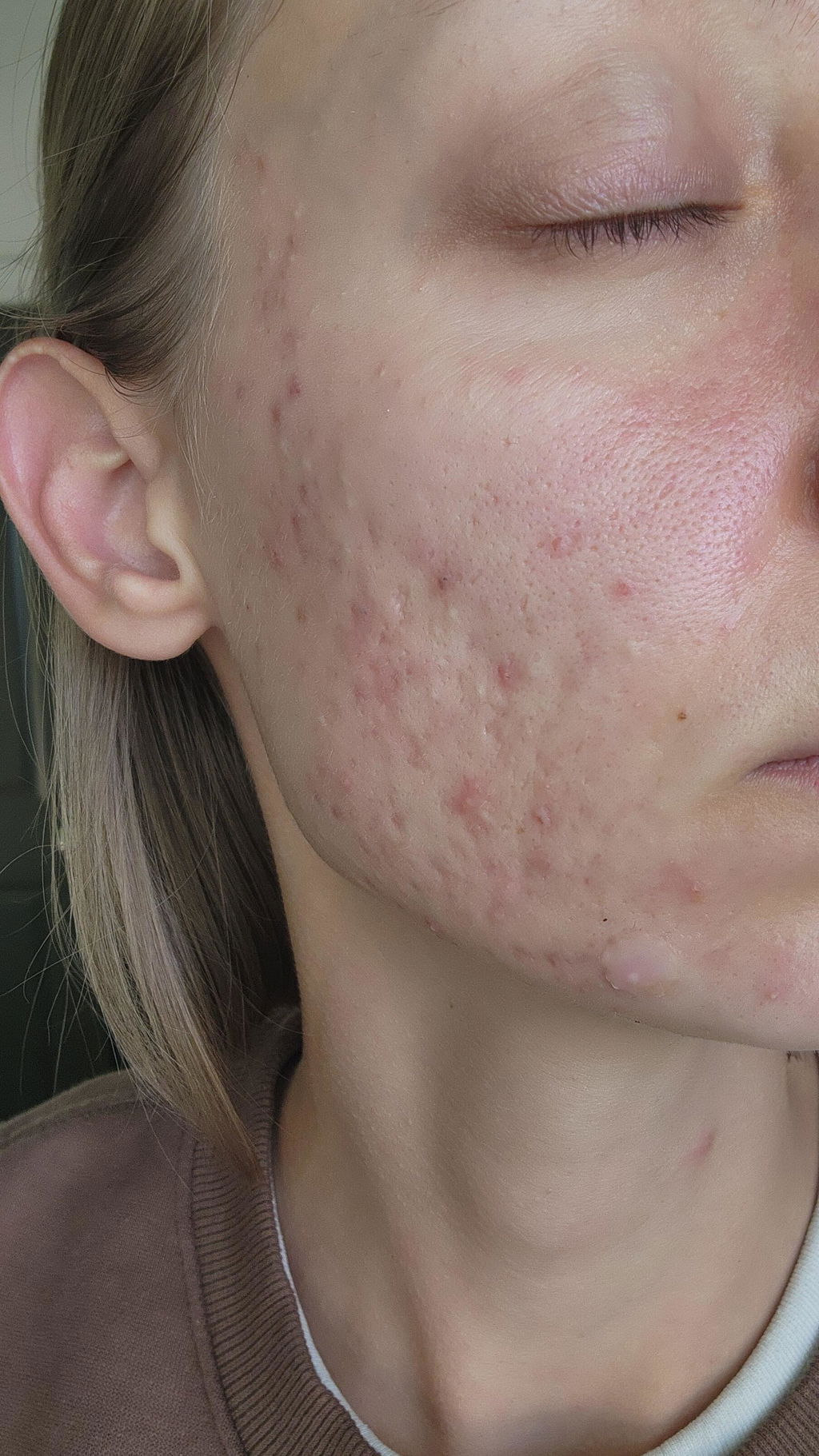
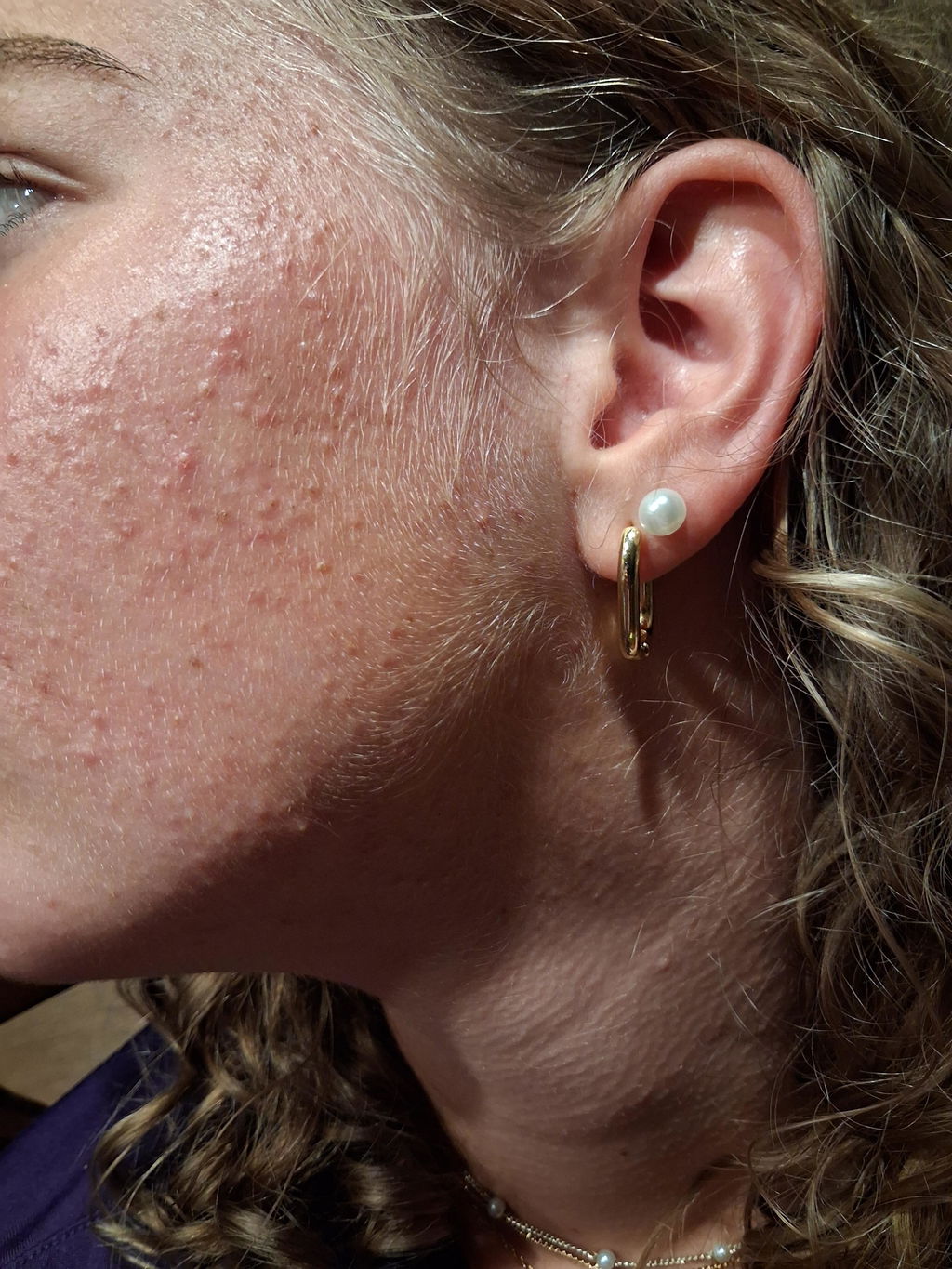
I spent four years convinced my acne was hormonal. Genetic. Maybe stress. Definitely not my morning latte, my Greek yogurt obsession, or the whey protein I scooped into smoothies religiously after every workout. I'd tried tretinoin. I'd tried spironolactone. I'd done two rounds of birth control, both of which gave me migraines and didn't touch the cystic breakouts along my jaw and chin.
Then a functional medicine doctor in Austin asked me a question that changed everything: "How much dairy do you eat in a day?"
I started counting. Cream in coffee. Yogurt at breakfast. Cheese on salads. Whey shake post-gym. A square of dark chocolate (which, yes, still contains milk). I was easily clearing 4-6 servings of dairy a day, and I had been since college. She told me to cut it out for 60 days. I rolled my eyes. I did it anyway. Within three weeks, my skin was clearer than it had been since I was twelve years old.
That experiment sent me down a rabbit hole of dermatology journals, endocrinology research, and gut microbiome studies that I'm still climbing out of. What I found is that the dairy-acne connection isn't fringe theory anymore. The science is so well-documented at this point that the American Academy of Dermatology updated their guidelines in 2024 to formally acknowledge the link. And yet most of us are still being told breakouts are "just genetic."
Here's what's actually happening inside your body every time you drink a glass of milk.
IGF-1: The Growth Hormone Hiding in Every Glass of Milk
The most damning evidence against dairy comes down to one molecule: Insulin-like Growth Factor 1, or IGF-1. This is a hormone your liver produces naturally, but milk is essentially a delivery system designed to flood a baby calf with it so the animal can grow from 70 pounds to 700 pounds in a year. When you drink milk as an adult, you're hijacking that growth signal and pointing it at your own tissues, including your sebaceous glands.
A landmark 2018 meta-analysis published in the journal Nutrients reviewed 14 observational studies covering more than 78,000 participants. The results were striking: dairy consumption was associated with a 25% higher risk of acne, with skim milk showing the strongest correlation — a 24% increased risk for moderate dairy drinkers and a 43% increased risk for those drinking more than two glasses a day.
Why skim milk specifically? Because removing the fat concentrates the whey and casein proteins, and those proteins are what spike IGF-1 most aggressively. IGF-1 then does three things to your skin: it increases sebum production, it stimulates the proliferation of keratinocytes (the cells that clog your pores), and it amplifies the androgen signaling that drives cystic, hormonal breakouts. It is, mechanistically speaking, the perfect storm for acne.
Casein A1 vs A2: Why Modern Milk Isn't What Your Grandmother Drank
Here's the part almost nobody talks about. Roughly 5,000 years ago, a genetic mutation occurred in European cattle that changed the structure of one of the casein proteins in their milk. The original casein — known as A2 beta-casein — was what humans had been drinking for thousands of years. The mutation produced A1 beta-casein, which has a slightly different molecular shape at position 67 of the amino acid chain.
That tiny difference matters. When your digestive enzymes break down A1 casein, they release a peptide called beta-casomorphin-7 (BCM-7). BCM-7 is a known opioid-like compound that increases gut inflammation, slows digestion, and has been linked in multiple studies to autoimmune flare-ups and skin conditions. A2 casein doesn't release BCM-7 in nearly the same quantities.
Most milk in American grocery stores today is overwhelmingly A1-dominant because of how Holstein cattle were bred for yield. The Jersey and Guernsey breeds your great-grandparents likely drank from? Mostly A2. This is why some people who can't tolerate regular milk feel completely fine drinking goat milk or sheep milk (both of which are naturally A2) or true raw farm milk from heritage breeds. It's not magic. It's molecular biology.
The Whey Protein Problem (Especially for Athletes and Gym-Goers)
If you're a clear-skinned person who suddenly started breaking out after adding a protein shake to your routine, you are not imagining things. Whey protein is the single most acnegenic dairy derivative we know of.
A 2012 case series in the Journal of the American Academy of Dermatology documented five male bodybuilders who developed severe acne within weeks of starting whey protein supplementation. All five saw their acne resolve after discontinuing the supplement. A larger 2017 study followed 30 men taking whey isolate and found that 27 of them developed measurable acne lesions within 60 days — a 90% rate. The mechanism is the same as milk, just amplified: whey is the most insulinogenic dairy protein, meaning it spikes blood insulin and IGF-1 more dramatically than any other food in the food supply, including refined sugar.
If you train hard and don't want to give up protein supplementation, switching to pea, hemp, or grass-fed bone broth protein resolves the issue for most people within a single skin cycle (about six weeks). I personally switched to a plant-based blend and never looked back — and a marine collagen supplement gave me the skin-support benefits I was actually hoping the whey was giving me.
What Harvard's Nurses' Health Study Actually Found
The Harvard Nurses' Health Study is one of the largest, longest-running epidemiological studies in human history, tracking more than 47,000 women from adolescence into adulthood. In 2005, researchers published the first dairy-acne analysis from that dataset, and the findings were impossible to dismiss as coincidence.
Women who drank two or more glasses of milk per day during their teenage years were 44% more likely to have had severe acne than women who rarely drank milk. Skim milk had the strongest association — a 44% increase — followed by whole milk at 12%. Interestingly, fermented dairy like yogurt and cheese showed weaker correlations, likely because fermentation partially breaks down the problematic proteins and lactose.
A follow-up study using the Nurses' Health Study II cohort (which tracked more than 116,000 women) replicated the findings in 2008. And a 2016 prospective study of teenagers found that the kids drinking the most low-fat dairy had the highest rates of moderate-to-severe acne, with a dose-response relationship — meaning more dairy reliably produced more acne. That's not correlation. That's the kind of pattern you only see when there's a real biological mechanism doing the work.
Even Organic, Grass-Fed, Hormone-Free Milk Has Hormones
This is where dairy marketing gets clever. "Hormone-free" on a milk carton means the farmer didn't inject synthetic recombinant bovine growth hormone (rBGH) into the cow. It does not — and cannot — mean the milk has no hormones in it.
Milk is, by definition, a hormonal fluid. It is produced by a mammary gland under hormonal direction. Even the most pristine organic, pasture-raised, A2 raw milk from a single cow on a regenerative farm in Vermont contains naturally occurring estrogens, progesterone, prolactin, and IGF-1. Modern dairy cows are also typically pregnant during most of the lactation cycle (because that's how you keep them producing), which means commercial milk contains substantially elevated levels of pregnancy-associated estrogens compared to milk from cows in earlier eras.
A 2010 study in the Journal of Dairy Science measured estrone sulfate levels in commercial milk and found concentrations 33 times higher than baseline levels expected from a non-pregnant cow. For someone with already-sensitive hormonal acne, drinking that daily is the equivalent of pouring gasoline on a fire — and that fire shows up on your face.
Why Some People Drink Dairy and Have Perfect Skin
Here's the part that confuses everyone. We all know that one person who eats a wheel of brie a week and has glowing, glass-clear skin. So what gives? Three things, primarily.
The first is lactase persistence. About 35% of adults globally — and roughly 70-80% of people of Northern European descent — produce the enzyme lactase well into adulthood. The other 65% globally are functionally lactose intolerant to some degree, which means undigested lactose ferments in the gut, feeds opportunistic bacteria, and creates the inflammatory cascade that shows up on your skin.
The second is gut microbiome composition. Researchers at the University of California, Davis have shown that people with high levels of certain Bifidobacterium and Lactobacillus species in their gut can digest dairy proteins and lactose more completely, producing fewer inflammatory metabolites. People with disrupted microbiomes — anyone who's taken antibiotics in the last few years, eaten the standard American diet, or had chronic stress — typically don't have those protective bacteria in sufficient numbers. Restoring them is one of the fastest ways to reduce systemic inflammation, which is why I always recommend starting any skin protocol with a gut cleanse before changing anything else.
The third is insulin sensitivity. People who are metabolically healthy — lean, active, low refined carb intake — clear the insulin and IGF-1 spike from dairy faster. People with insulin resistance, PCOS, or pre-diabetic markers experience prolonged elevations in IGF-1 after a single dairy serving, which is why hormonal acne and dairy intolerance so often go hand in hand with blood sugar dysregulation.
Dairy Alternatives That Support Gut Health (Not All Are Created Equal)
Cutting dairy is only half the equation. The other half is what you replace it with. A lot of commercial dairy-free milks are worse for you than the dairy you're replacing — full of seed oils, gums, and added sugars that wreck the gut microbiome in their own way.
Here's what I actually recommend after six years of working with women on skin protocols:
- Organic coconut milk (full-fat, in glass jars, ingredients should be just coconut and water) for cooking, smoothies, and coffee. The medium-chain fats are anti-inflammatory.
- Homemade almond milk or store-bought brands with just almonds, water, and sea salt. Soak the almonds first to neutralize phytic acid.
- A2 goat or sheep yogurt if you want fermented dairy without the casein issues. Most people who can't tolerate cow yogurt feel completely fine on these.
- Sea moss gel in smoothies as a thickener and mineral source. Wildcrafted sea moss delivers 92 of the 102 minerals your body needs and feeds the beneficial bacteria in your gut, which is exactly what you want when you're healing skin from the inside out.
- Bone broth for the collagen and gut-lining support your skin needs to rebuild after years of low-grade inflammation.
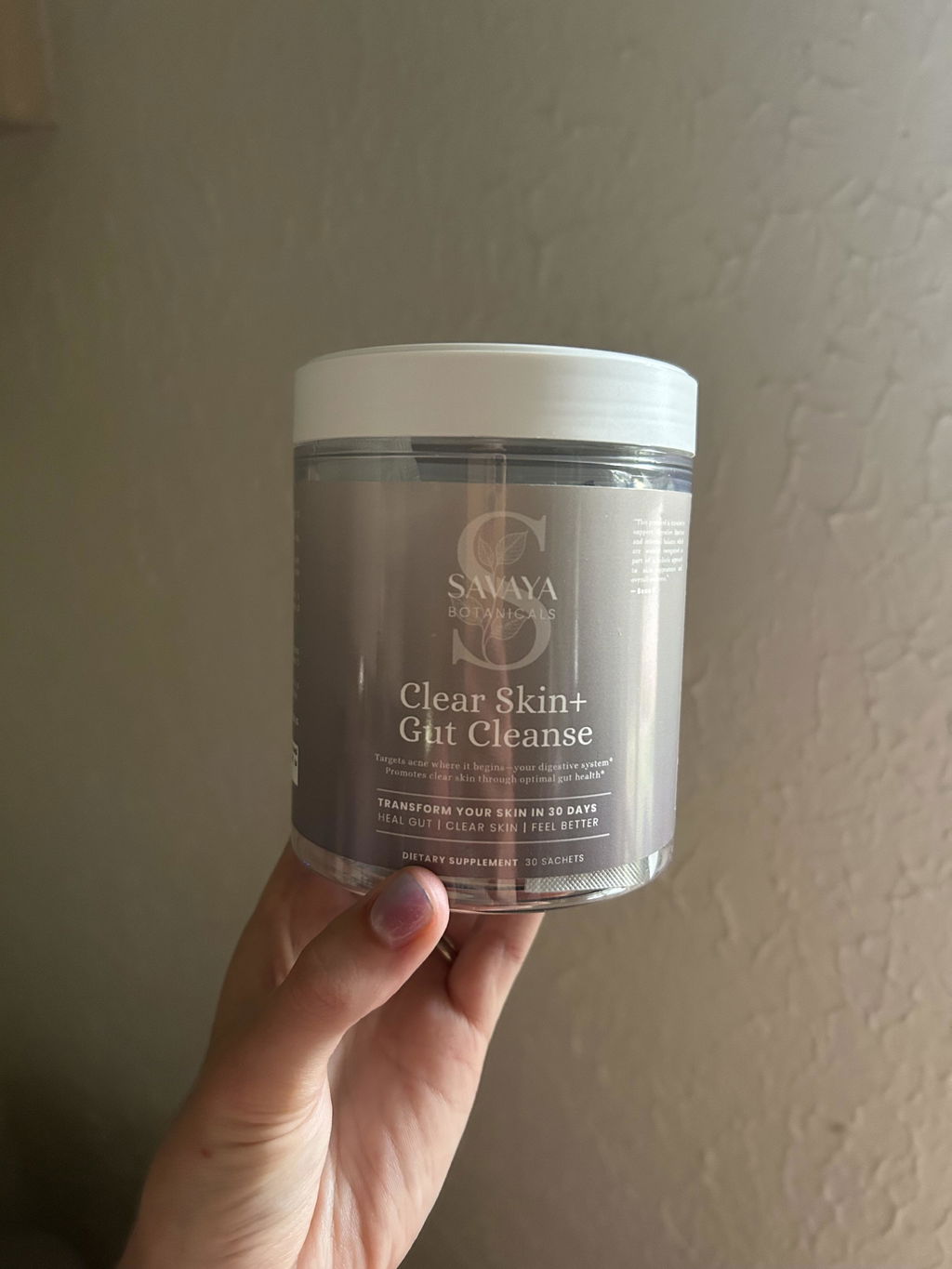
For the first 4-6 weeks of cutting dairy, your gut needs active support to rebalance. The microbiome you've been feeding milk and yogurt for years has shifted toward dairy-fermenting strains, and you'll feel sluggish, bloated, and possibly worse before you feel better if you don't actively rebuild. That's why I recommend pairing dairy elimination with our Clear Skin+ Max Detox, a daily acai-based blend that helps support gut balance, and it's been more reliable than any topical I've ever tried.
How My Own Skin Healed (And What I'd Tell Past Me)
It took me 60 days dairy-free to see my skin truly clear. The first three weeks I broke out worse, which is apparently extremely common — your liver and lymphatic system start releasing stored estrogen metabolites as you reduce the inflammatory load, and a lot of that gets pushed out through the skin before it clears. I almost gave up. I'm so glad I didn't.
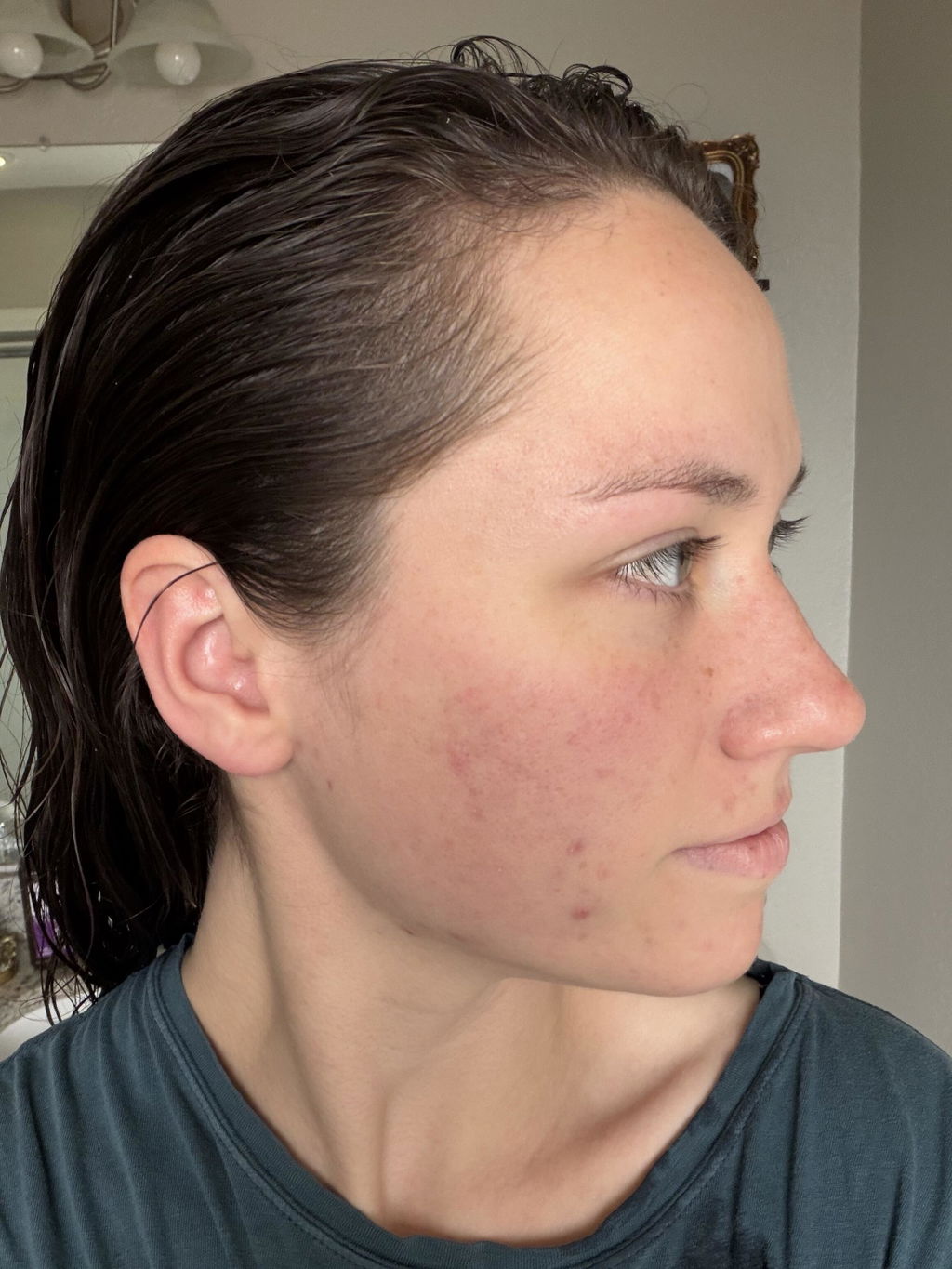
By day 45 my cystic acne was completely gone. By day 90, my hyperpigmentation was fading. By the six-month mark, I had skin I hadn't recognized since middle school. I added back small amounts of A2 goat cheese occasionally without issue, but I have never gone back to commercial dairy, and I never will.
If you've been told your acne is genetic, hormonal, or just something you have to live with, please hear me when I say this: it is almost certainly something you're eating. And the easiest, cheapest, fastest experiment you can run is sixty days without dairy. Everything else — every cream, every laser, every prescription — works better when the inflammation pipeline is shut off at the source.
———
Frequently Asked Questions
How long does it take for skin to clear after quitting dairy?
Most people see noticeable improvement within 3-4 weeks, with significant clearing by week 6-8. The full skin cycle is about 28 days, so allow at least two complete cycles before evaluating results. Some people experience an initial "purge" in the first 2-3 weeks as the body releases stored inflammation — this is normal and resolves on its own. Supporting the process with a gut cleanse and adequate hydration speeds things up considerably.
Is cheese as bad for acne as milk?
Generally less inflammatory than fluid milk, especially aged and fermented cheeses like parmesan, aged cheddar, and pecorino. Fermentation breaks down some of the problematic proteins and lactose. However, fresh cheeses like mozzarella, cream cheese, and cottage cheese still carry most of the acne-triggering load. If you're sensitive, eliminate all dairy initially and reintroduce hard, aged cheeses last to test tolerance.
What about Greek yogurt and kefir — aren't those gut-healthy?
Fermented dairy does contain beneficial probiotics, but they come packaged with the same casein, whey, and hormones that drive acne. For most acne-prone people, the inflammatory cost outweighs the probiotic benefit. You can get superior probiotic diversity from coconut yogurt, water kefir, sauerkraut, kimchi, or a targeted gut protocol without the dairy downsides.
Is A2 milk safe for acne-prone skin?
A2 milk is significantly less inflammatory than conventional A1 milk and many people with mild sensitivity tolerate it well. However, it still contains IGF-1, lactose, and naturally occurring hormones. For severe cystic or hormonal acne, even A2 dairy may need to be eliminated. For mild breakouts, A2 milk from goats, sheep, or heritage cattle breeds is often a workable compromise.
Will my acne come back if I eat dairy occasionally after healing?
Once the gut and skin have fully healed (typically 6-12 months dairy-free), most people can reintroduce occasional dairy — particularly A2, fermented, or aged forms — without major flare-ups. The key is "occasional," meaning weekly rather than daily, and paying attention to your skin response. If you reintroduce and break out within 72 hours, your body is telling you it's not ready.
———
Ready to See What Your Skin Looks Like Without Dairy?
The hardest part of healing skin from the inside isn't giving up dairy — it's rebuilding the gut underneath. After six years of working with women fighting acne the same way I did, I built a structured protocol that pairs dietary change with targeted internal restoration, because doing one without the other never delivers lasting results.
Start with a gut cleanse to reset the foundation, layer in sea moss for mineral density and microbiome support, and protect your skin barrier topically with something gentle and traditional like a grass-fed tallow cream while your skin reorganizes itself. For anyone serious about clearing acne for good, the full detox protocol is the most efficient path I know to lasting clear skin.
Your skin is the report card for what's happening inside. Change what you're feeding it, and the report card changes too. I'm rooting for you.
— Sarah Mitchell