Why Activated Charcoal Is the Best Kept Secret for Acne-Prone Skin
By Sarah Mitchell | March 27, 2026
I destroyed my skin trying to fix it.
For seven years, I waged war on my acne with everything modern dermatology had to offer. Benzoyl peroxide that bleached my pillowcases and left my face raw. Salicylic acid that worked for two weeks then stopped. Prescription retinoids that made me peel like a sunburned snake for three months before showing any improvement. Antibiotics that cleared my skin temporarily and destroyed my gut permanently.
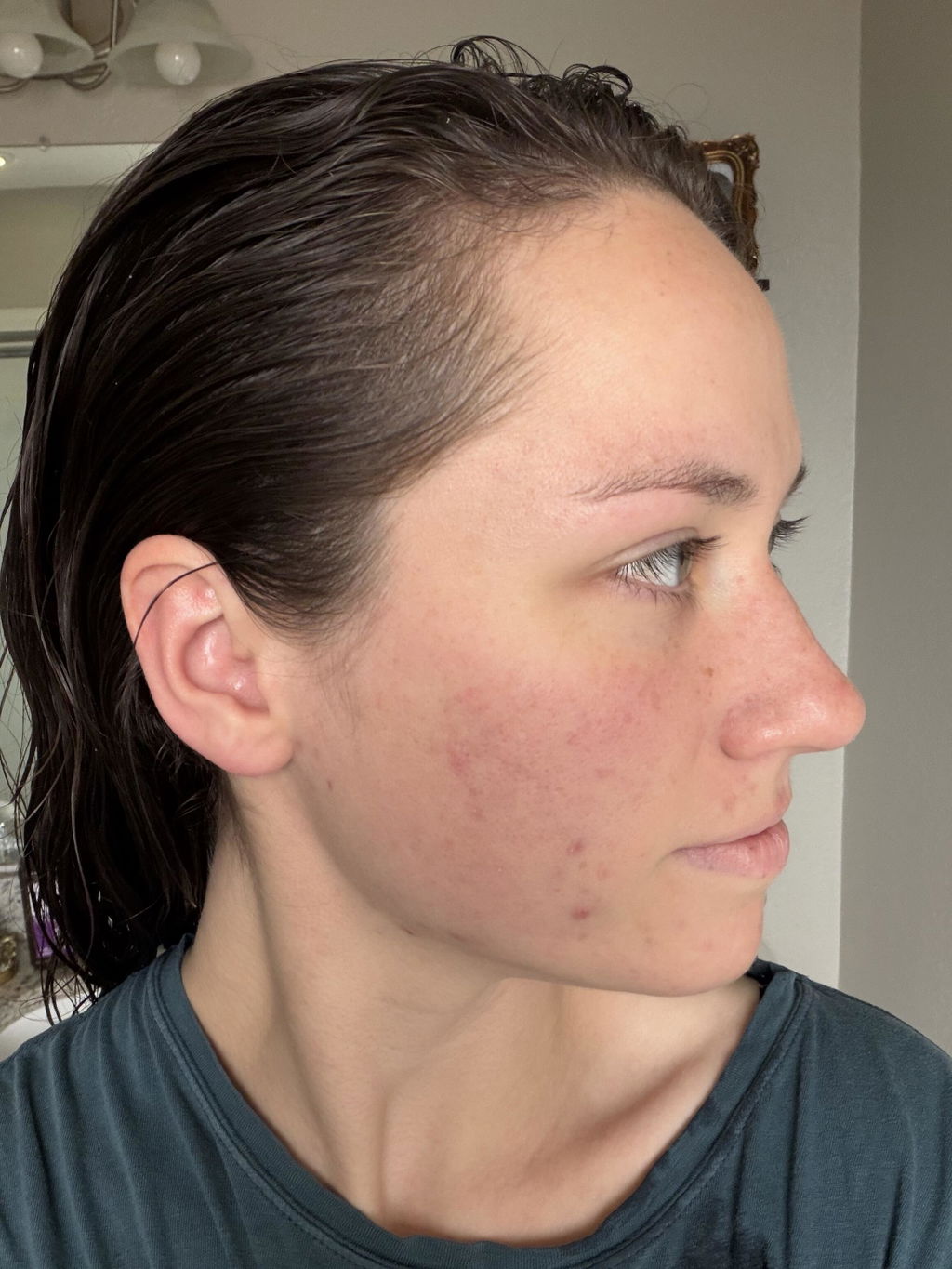
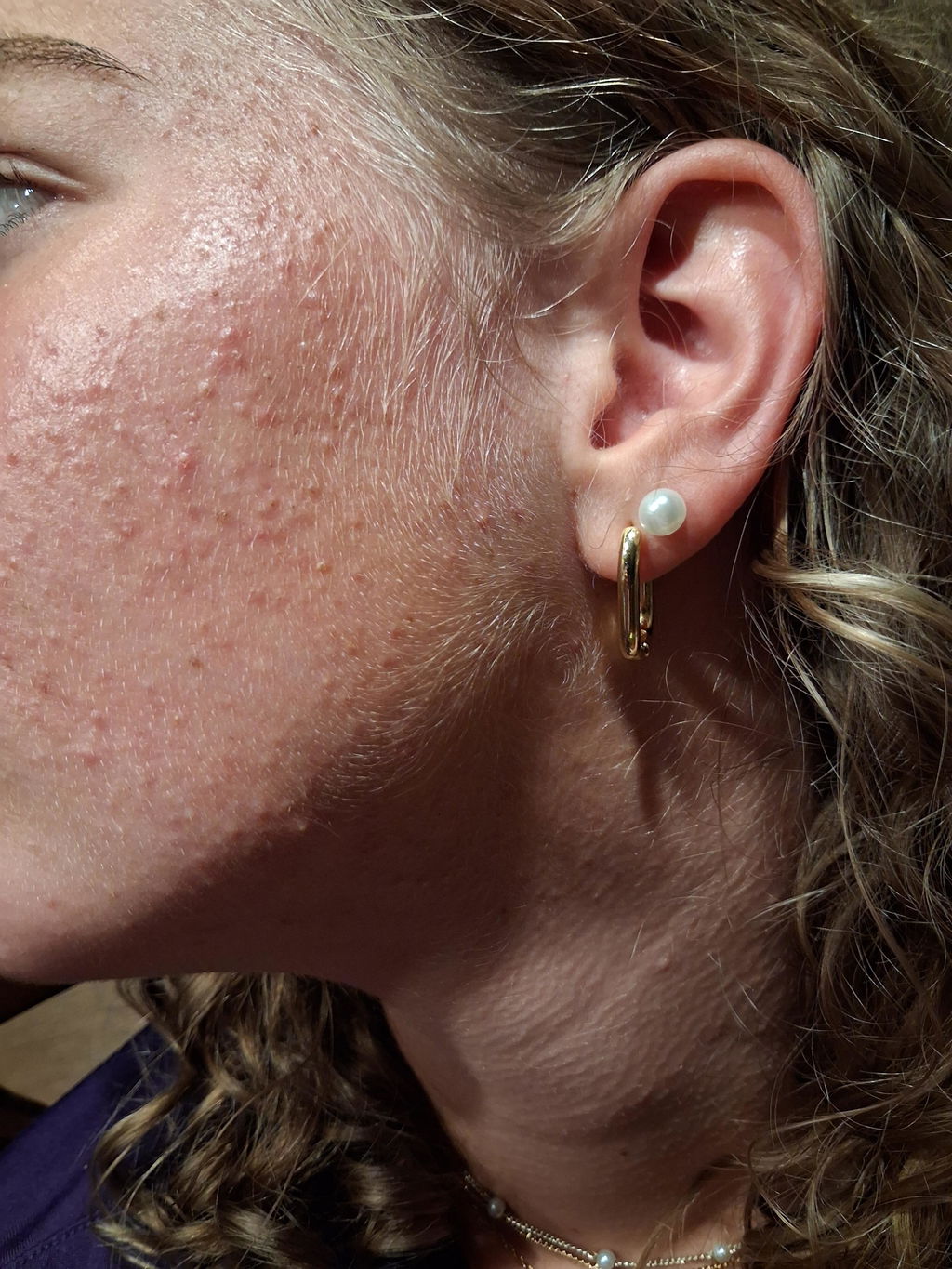
By the time I was 28, my skin was a contradictory mess: simultaneously oily and dehydrated, covered in post-inflammatory hyperpigmentation from old breakouts, sensitive to everything, and still breaking out.
Then a friend who’d struggled with similar skin handed me a black bar of soap. “Just try it for two weeks,” she said. “Nothing else. Just this.”
It was an activated charcoal cleanser. And it changed everything I thought I knew about treating acne.
How Activated Charcoal Actually Works (It’s Not What You Think)
When most people hear “charcoal cleanser,” they think of those dramatic peel-off masks that rip out blackheads (and hair, and sometimes skin). That’s not what I’m talking about.
Activated charcoal is regular charcoal (usually from coconut shells or hardwood) that’s been heated to extremely high temperatures, creating millions of tiny pores in its surface. This process, called activation, gives charcoal an incredibly large surface area. One gram of activated charcoal has a surface area of approximately 3,000 square meters. That’s roughly the size of a football field.
This massive surface area allows activated charcoal to do something remarkable: adsorption (not absorption — there’s a difference). Adsorption means that toxins, bacteria, excess oils, and impurities bind to the surface of the charcoal through electrical attraction. The charcoal doesn’t soak things up like a sponge. It attracts and holds them like a magnet.
What makes charcoal special for acne-prone skin is its selectivity. Research shows that activated charcoal preferentially binds to:
- Excess sebum and oils (the stuff clogging your pores)
- Environmental pollutants and heavy metals (that trigger inflammation)
- Bacteria and bacterial toxins (the organisms causing inflammatory acne)
- Endotoxins (inflammatory compounds from bacterial cell walls)
But it does NOT strip your skin of its natural moisture barrier or beneficial oils in the way that harsh sulfate cleansers do. This selectivity is what makes it so effective for acne-prone skin specifically.
The Microbiome Problem: Why Most Acne Treatments Make Things Worse
Here’s something that fundamentally changed how I think about acne: your skin has a microbiome, just like your gut. It’s a complex ecosystem of bacteria, fungi, and other microorganisms that protect your skin, regulate inflammation, and maintain barrier function.
Healthy skin has a diverse microbiome dominated by beneficial bacteria like Staphylococcus epidermidis and various Corynebacterium species. These good bacteria produce antimicrobial peptides that keep pathogenic bacteria (like Cutibacterium acnes, the primary acne-causing organism) in check.
Most acne treatments are scorched-earth approaches. They kill everything — good bacteria and bad. Benzoyl peroxide is bactericidal (it kills bacteria indiscriminately). Topical antibiotics like clindamycin wipe out bacterial populations broadly. Even harsh cleansers with sulfates alter the skin’s pH enough to shift microbial populations.
The result? Short-term improvement as acne-causing bacteria die off, followed by a worse situation as your skin’s defenses are stripped and pathogenic bacteria recolonize faster than beneficial ones.
This is why antibiotics for acne stop working. This is why your skin gets “used to” benzoyl peroxide. This is why the acne always comes back, often worse than before.
Why Charcoal Is Different
Activated charcoal works through physical adsorption, not chemical killing. It removes excess bacteria and their inflammatory byproducts without fundamentally altering your skin’s pH or destroying the beneficial microbial ecosystem.
Think of it this way: harsh acne treatments are like detonating a bomb in a city to eliminate criminals. Charcoal is like a precise filtration system that removes pollutants from the water supply without destroying the infrastructure.
When I switched from benzoyl peroxide to a charcoal-based cleanser, the first thing I noticed was that my skin stopped getting worse before getting better. There was no “purging period.” No peeling. No increased sensitivity. Just a gradual, steady improvement as my skin’s microbiome stabilized and my barrier function recovered.
The Pollution Factor You’re Probably Ignoring
Let me ask you something: do you live in a city? Near a road? In a building with air conditioning?
If you answered yes to any of those, your skin is dealing with pollution exposure that’s contributing to your breakouts. And it’s probably not showing up as what you’d traditionally call “acne.”
Environmental pollutants — particulate matter (PM2.5 and PM10), polycyclic aromatic hydrocarbons (PAHs), volatile organic compounds (VOCs), heavy metals, and ozone — don’t just sit on your skin’s surface. They’re small enough to penetrate your pores and trigger inflammation at the cellular level.
A landmark 2023 study in the Journal of Investigative Dermatology tracked 2,000 women across urban and rural areas and found that urban women had 40% more inflammatory acne, 25% higher rates of premature aging markers, and significantly elevated levels of lipid peroxidation (oxidative damage to skin fats).
The pollutants causing this damage are exactly the compounds that activated charcoal excels at removing. Its electrical charge and massive surface area make it one of the most effective substances known for binding environmental toxins.
This is why I wash my face with charcoal soap every evening, even on days I don’t wear makeup. The invisible layer of pollution that accumulates on your skin throughout the day is often more damaging than makeup.
Charcoal + Tallow: The Combination That Fixed My Skin
Here’s what nobody told me about acne treatment: the cleanser and the moisturizer need to work together, not against each other.
For years, I’d use a harsh cleanser that stripped my skin, then pile on a heavy moisturizer to compensate for the dryness. Or I’d use a gentle cleanser that didn’t actually clean my pores, then wonder why I was still breaking out.
The breakthrough came when I paired activated charcoal cleansing with grass-fed tallow cream as my moisturizer.
Here’s why this combination works so well:
- Charcoal removes what shouldn’t be there (excess sebum, bacteria, pollutants, dead skin cells) without stripping the lipid barrier
- Tallow replaces what should be there (biocompatible fatty acids that integrate with your skin’s natural lipid structure)
- Together, they restore balance instead of creating the strip-and-repair cycle that most acne routines perpetuate
The fatty acid profile of grass-fed tallow is nearly identical to human sebum. So while charcoal removes the excess and the impurities, tallow replenishes the healthy fats your skin actually needs. It’s removal and restoration in a two-step process.
My skin went from oily-and-dehydrated (the worst paradox in skincare) to balanced within three weeks. Oil production normalized because my barrier was finally healthy enough to regulate itself. Breakouts decreased because pores were clean AND the surrounding skin was strong enough to resist bacterial invasion.
The Inside-Out Factor: Why Topical Treatment Is Only Half the Solution
I’d be lying if I said charcoal alone cleared my acne. It was a crucial piece, but the complete picture required addressing what was happening inside my body.
Acne is an inflammatory condition. The bumps you see are the end result of an inflammatory process that starts deeper than your skin. In many cases, it starts in your gut.
The gut-skin axis is well-established in scientific literature. Your gut microbiome directly influences skin inflammation through immune regulation, hormone metabolism, and nutrient absorption. When your gut is imbalanced — from stress, poor diet, antibiotic use, or environmental factors — inflammatory signals travel through your bloodstream to your skin.
This is why the same people who struggle with acne often also struggle with digestive issues, food sensitivities, and hormonal imbalances. It’s not a coincidence. It’s all connected.
My approach that finally worked was three-pronged:
- Topical: Charcoal cleanser (morning and evening) + tallow cream (after cleansing, on damp skin)
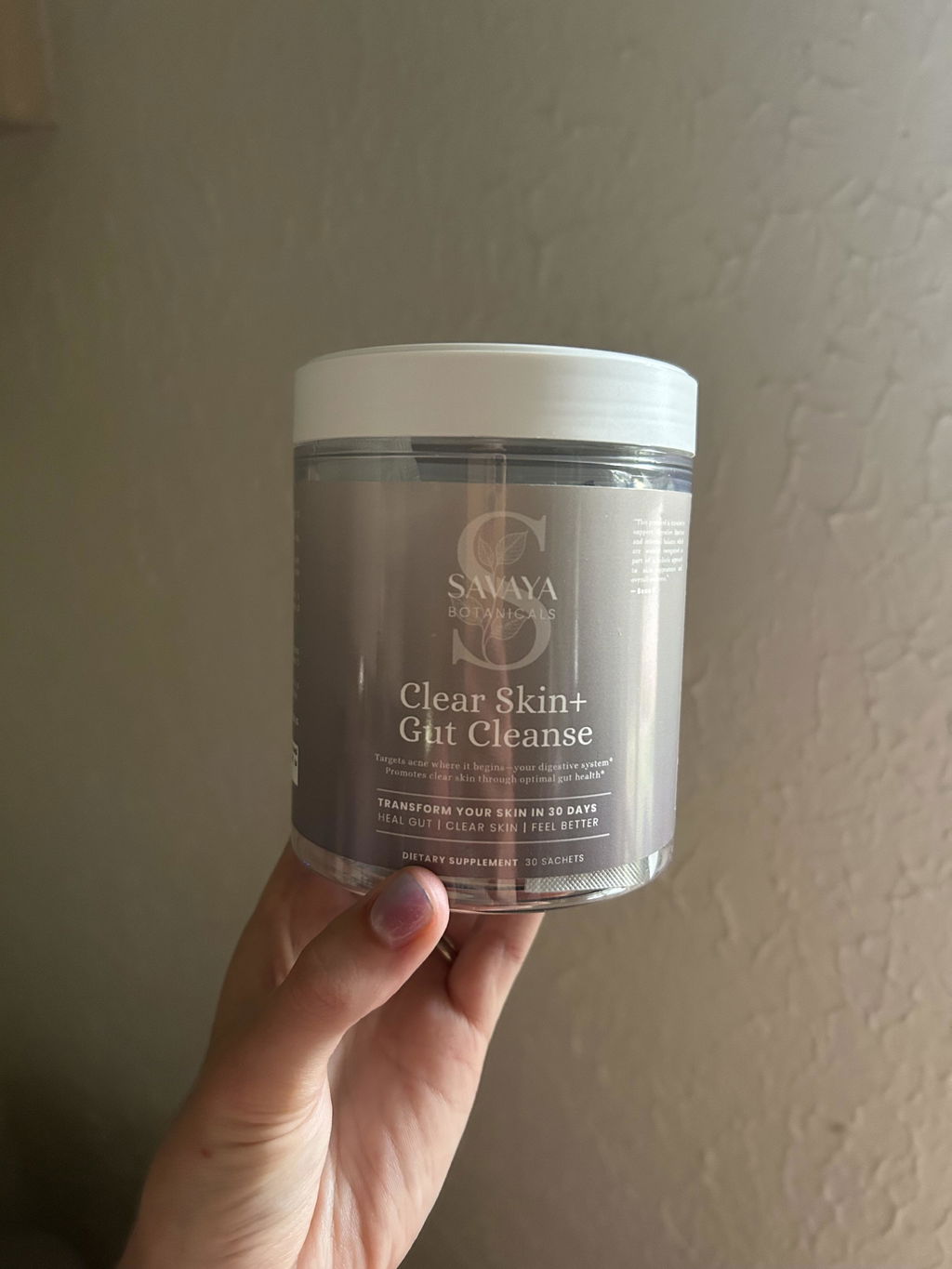
- Gut support: Gut cleanse for microbiome rebalancing + anti-inflammatory diet (reduced dairy, sugar, seed oils)
- Mineral foundation: Sea moss for the 92 minerals my body needed for proper detoxification, hormone metabolism, and skin cell turnover
None of these individually was a silver bullet. Together, they addressed acne at every level: surface (charcoal), barrier (tallow), gut (cleanse), and systemic nutrition (sea moss).
What to Look for in a Charcoal Cleanser (Most Are Terrible)
Here’s the frustrating truth: the charcoal skincare market is flooded with products that are charcoal in name only.
Many “charcoal cleansers” contain a tiny amount of activated charcoal for marketing purposes while the rest of the formula is the same harsh surfactants, synthetic fragrances, and chemical preservatives you’d find in any conventional cleanser. The charcoal is there for the black color and the Instagram aesthetic, not for actual efficacy.
Here’s what to look for:
- Activated charcoal from coconut shells: This produces the highest surface area and most consistent quality. Bamboo charcoal is acceptable but typically less porous. Avoid products that just say “charcoal” without specifying it’s activated — regular charcoal doesn’t have the same adsorptive properties.
- No sodium lauryl sulfate (SLS) or sodium laureth sulfate (SLES): If you’re using charcoal for its gentle, selective cleansing properties, adding harsh sulfates defeats the purpose entirely.
- Minimal ingredients: A charcoal cleanser doesn’t need 30 ingredients. It needs charcoal, a gentle soap base (ideally saponified oils), and maybe a few complementary ingredients like tea tree oil or bentonite clay.
- No synthetic fragrances: Fragrance is one of the top skin sensitizers. If your cleanser smells like a Bath & Body Works store, it’s probably irritating your skin regardless of the charcoal content.
- Proper charcoal concentration: The charcoal should be visible and substantial, not just a faint tint. When you wet the product, it should feel slightly gritty from the charcoal particles — these provide gentle physical exfoliation in addition to chemical adsorption.
This is why I’m specific about the charcoal cleanser I use. It’s formulated with actual therapeutic concentrations of activated charcoal in a gentle, non-stripping base. No sulfates, no synthetic fragrances, no unnecessary chemicals. Just charcoal doing what charcoal does.
My Exact Routine for Acne-Prone Skin
After two years of refining, here’s what works for me and the dozens of people I’ve recommended this to:
Morning:
- Wash face with lukewarm water (no cleanser in the morning — your overnight microbiome doesn’t need disrupting)
- Apply tallow cream to damp skin
- Mineral sunscreen if going outside
Evening:
- Wash face and neck with charcoal soap, massaging for 60 seconds
- Rinse with lukewarm water (never hot — hot water strips barrier lipids)
- Pat partially dry, apply tallow cream to damp skin
Internal support:
- Sea moss daily for mineral foundation
- Gut cleanse for microbiome support
- Anti-inflammatory diet (whole foods, healthy fats, minimal processed sugar)
Weekly:
- Leave charcoal soap on as a 2-minute mask 1-2 times per week for deeper drawing action
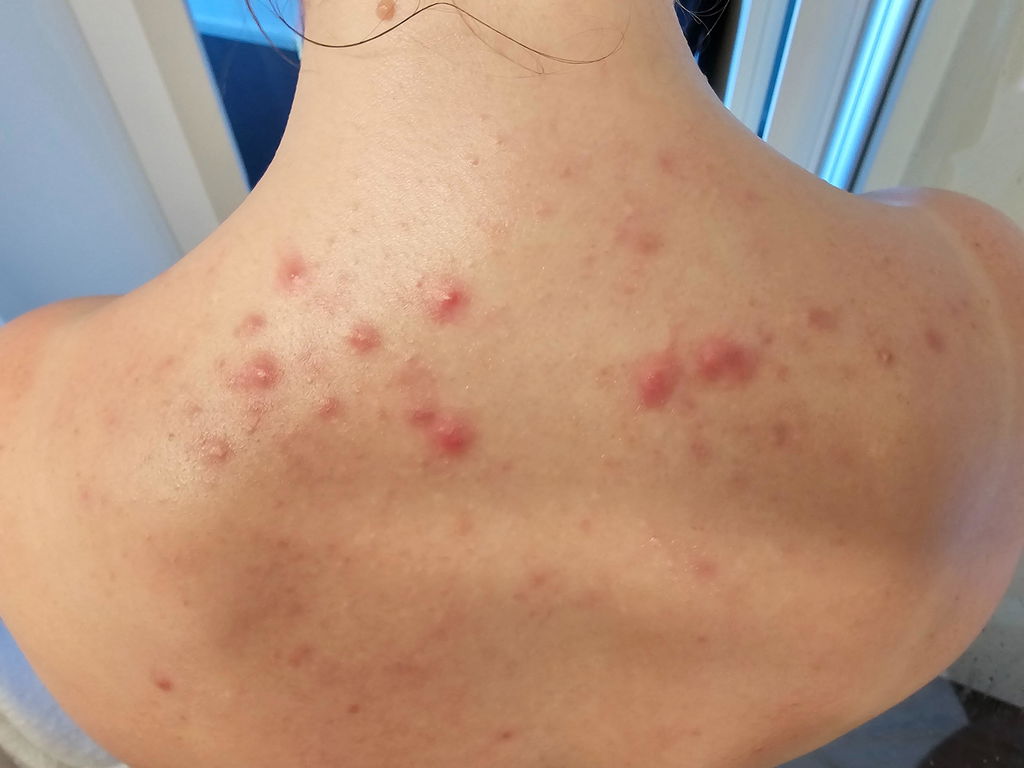
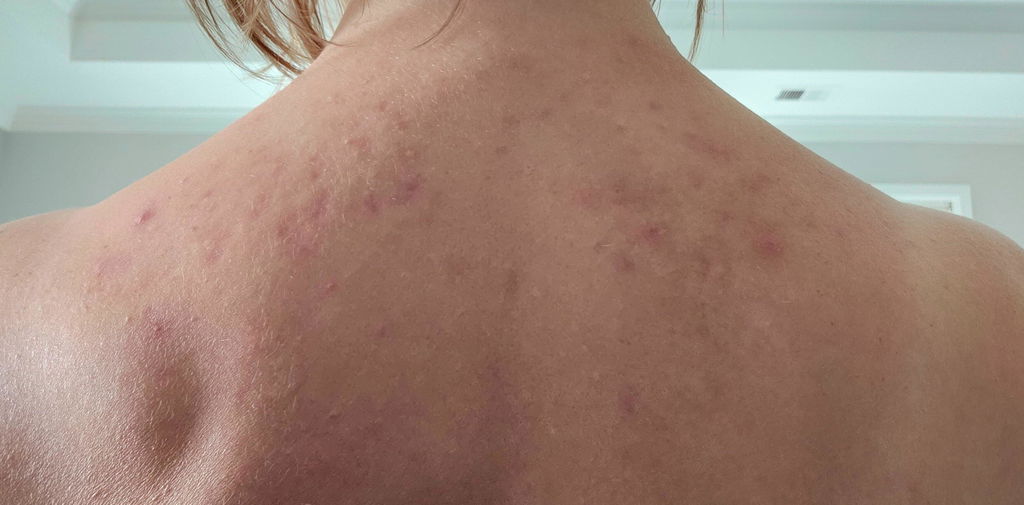
- Use charcoal soap on back and chest (body acne responds incredibly well to charcoal)
That’s it. Four products. Five minutes morning and evening. No 12-step routine. No layering five serums in the correct order. No spending 30 minutes in the bathroom wondering if you’re doing it right.
My skin is the clearest it’s been since I was 14. And I spend less on skincare in a year than I used to spend in a month.
Frequently Asked Questions
Can charcoal make acne worse before it gets better?
Unlike chemical actives (retinoids, acids), activated charcoal doesn’t typically cause a “purging” period because it works through physical adsorption rather than increasing cell turnover. If you experience increased breakouts, it’s more likely a reaction to other ingredients in the product (fragrance, sulfates, essential oils) rather than the charcoal itself. Switch to a simpler formulation and see if the issue resolves.
How often should I use charcoal cleanser?
For most acne-prone skin types, once daily (evening) is optimal. This removes the day’s accumulation of sebum, bacteria, pollutants, and dead skin cells. In the morning, a water-only rinse preserves your overnight microbiome and the beneficial oils your skin produced while sleeping. If your skin is very oily, you can use charcoal twice daily, but monitor for any signs of over-cleansing (tightness, flaking, increased oil production).
Is charcoal safe for sensitive skin?
Activated charcoal itself is generally very well-tolerated, even by sensitive skin types. It’s the other ingredients in charcoal products that cause sensitivity reactions. Look for fragrance-free, sulfate-free formulations. Start by using it every other day for the first week to see how your skin responds. If you have rosacea or eczema, patch test on your inner arm before applying to your face.
Does charcoal help with blackheads?
Yes, and this is one of its strongest applications. Blackheads are oxidized sebum plugs in open pores. Charcoal’s adsorptive properties draw out the sebum and debris that form these plugs. It won’t give you the dramatic instant extraction that a pore strip does, but it prevents new blackheads from forming and gradually reduces existing ones as part of a consistent routine. The results are slower but more sustainable.
Can I use charcoal cleanser with other acne treatments?
Yes, but simplify first. If you’re currently using multiple acne treatments, don’t just add charcoal on top. Strip your routine back to charcoal cleanser + simple moisturizer for 4 weeks and see where your baseline is. You might find you don’t need the other treatments anymore. If you still want to use actives like retinoids or vitamin C, use them after cleansing with charcoal — the clean canvas actually helps actives penetrate more effectively.