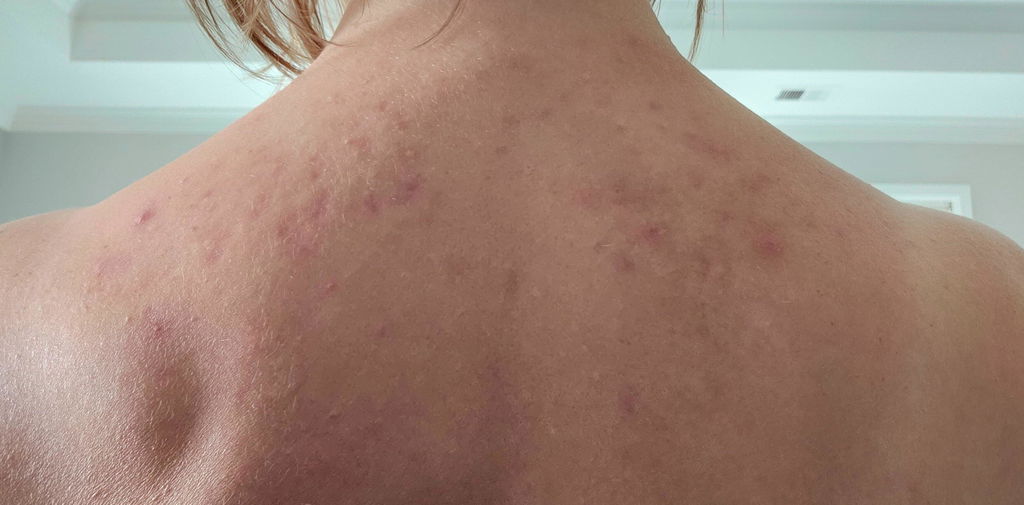
A woman walked into my consultation last spring with the same complaint I had heard a thousand times before: I have tried everything. Retinoids, two rounds of antibiotics, prescription spot treatments, twelve different cleansers, and a $400 LED mask collecting dust on her bathroom counter. Her dermatologist had run out of ideas.
But when I looked at her face, I saw something every doctor before me had missed. Her acne was not random. It was a map.
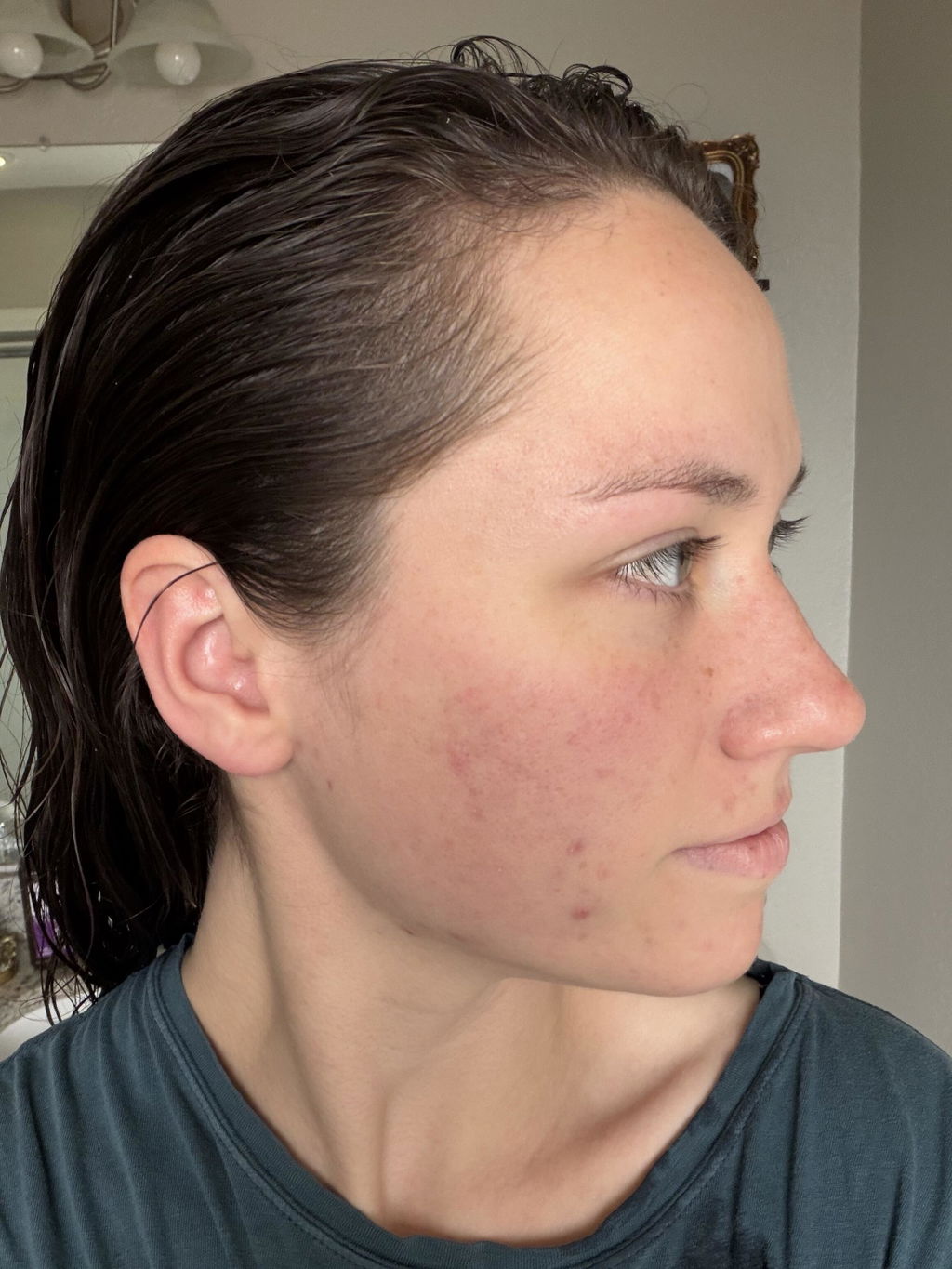
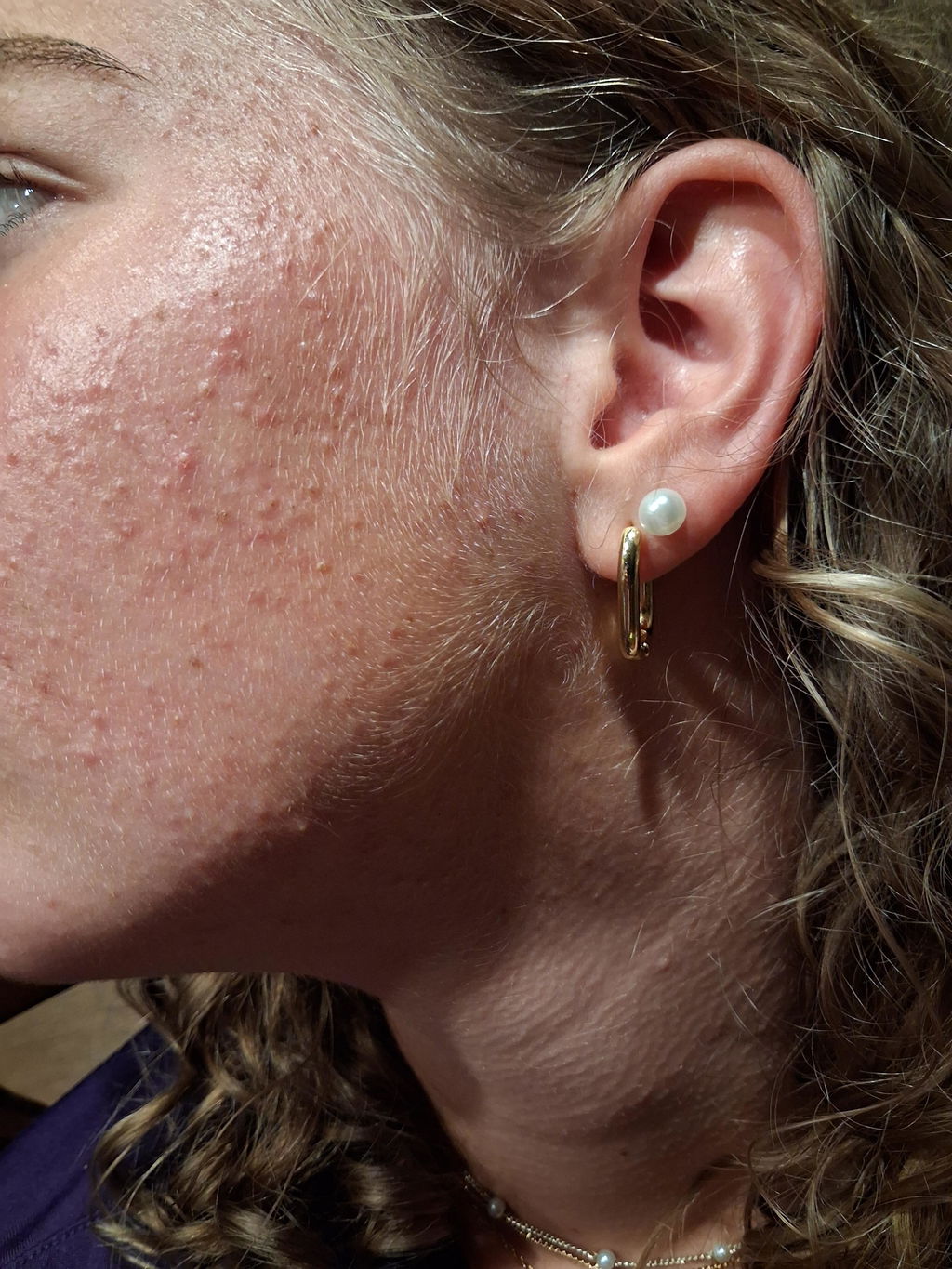
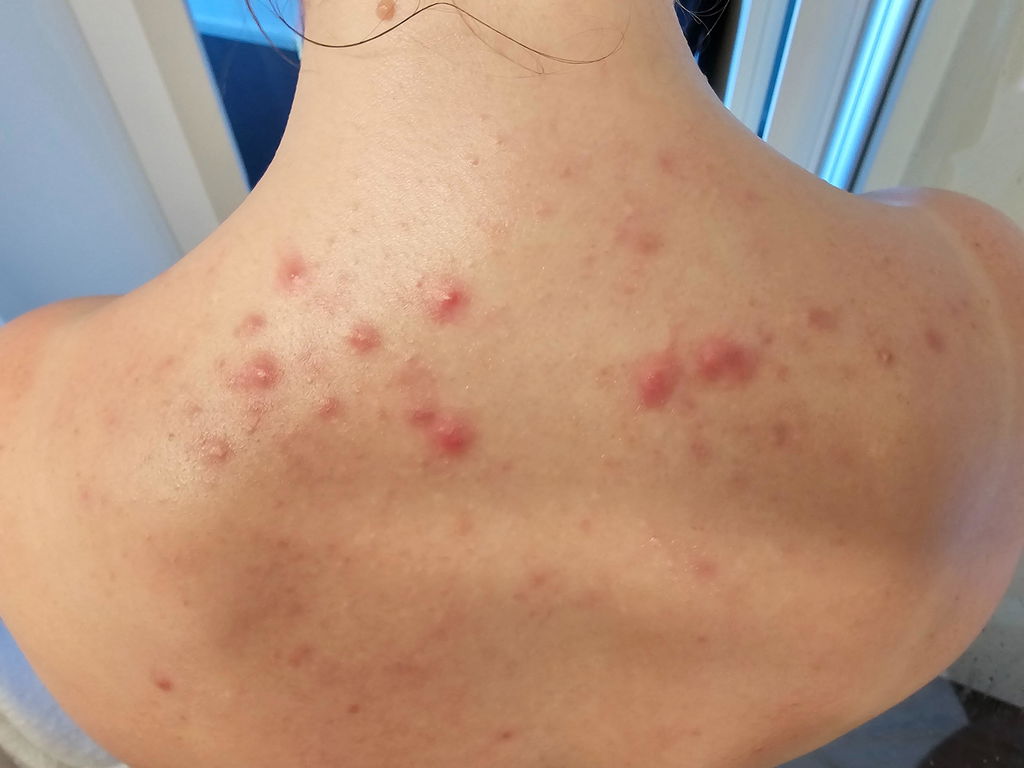
Three angry cysts marched along her jawline like soldiers. A constellation of small inflamed bumps spread across her right cheek. A red, swollen patch between her eyebrows flared every single time she ate dairy. To her, it felt like chaos. To me, it was a conversation — her body shouting, in the only language it knew, that something deep inside was out of balance.
This is the practice of face mapping, and it has been used in Traditional Chinese Medicine for more than 3,000 years. The wild part? Modern functional medicine and gut-skin axis research are finally catching up to what TCM practitioners have known for thirty centuries: your face is a real-time readout of your internal health.
———
Why Your Skin Is a Mirror of Your Internal Organs
Here is the part most beauty articles get wrong. Acne is not a face problem. Acne is a body problem that shows up on your face.
Your skin is the largest detox organ you have. When your liver is overloaded, when your gut is leaking, when your hormones are surging, when your lymphatic drainage is sluggish — all of that overflow has to go somewhere. And the body, in its brilliance, pushes it out through the path of least resistance: your pores.
In Chinese medicine, every region of the face is energetically connected to a specific organ system. In Western functional medicine, we now know that the gut microbiome, hormone metabolism, and inflammatory cascades all express themselves visually on the skin in patterns that are anything but random. A 2021 study in Frontiers in Microbiology confirmed what TCM doctors have been saying for centuries — gut dysbiosis correlates with specific facial inflammation patterns, not generalized breakouts.
So before you reach for another spot treatment, let's read the map.
Chin and Jawline Acne: The Hormone-Gut Highway
This is the most common pattern I see in adult women, and it is almost never just hormones.
Chin and jawline acne — those deep, painful, cystic bumps that bloom around your period and refuse to come to a head — are the body's way of telling you that your endocrine system and your gut are out of sync. In TCM, this region maps to the kidneys, reproductive organs, and lower digestive tract. In functional medicine, we call this the estrogen detox pathway.
Here is what is actually happening. Your liver processes excess estrogen and dumps it into your gut for elimination. But if your gut is sluggish, constipated, or overrun with the wrong bacteria, that estrogen gets reabsorbed back into circulation through an enzyme called beta-glucuronidase. The result? Recirculating hormones, hormonal acne, painful periods, and breast tenderness.
What to do:
- Support daily elimination — you should be having one to two complete bowel movements every single day
- Feed your microbiome with prebiotic fiber and fermented foods
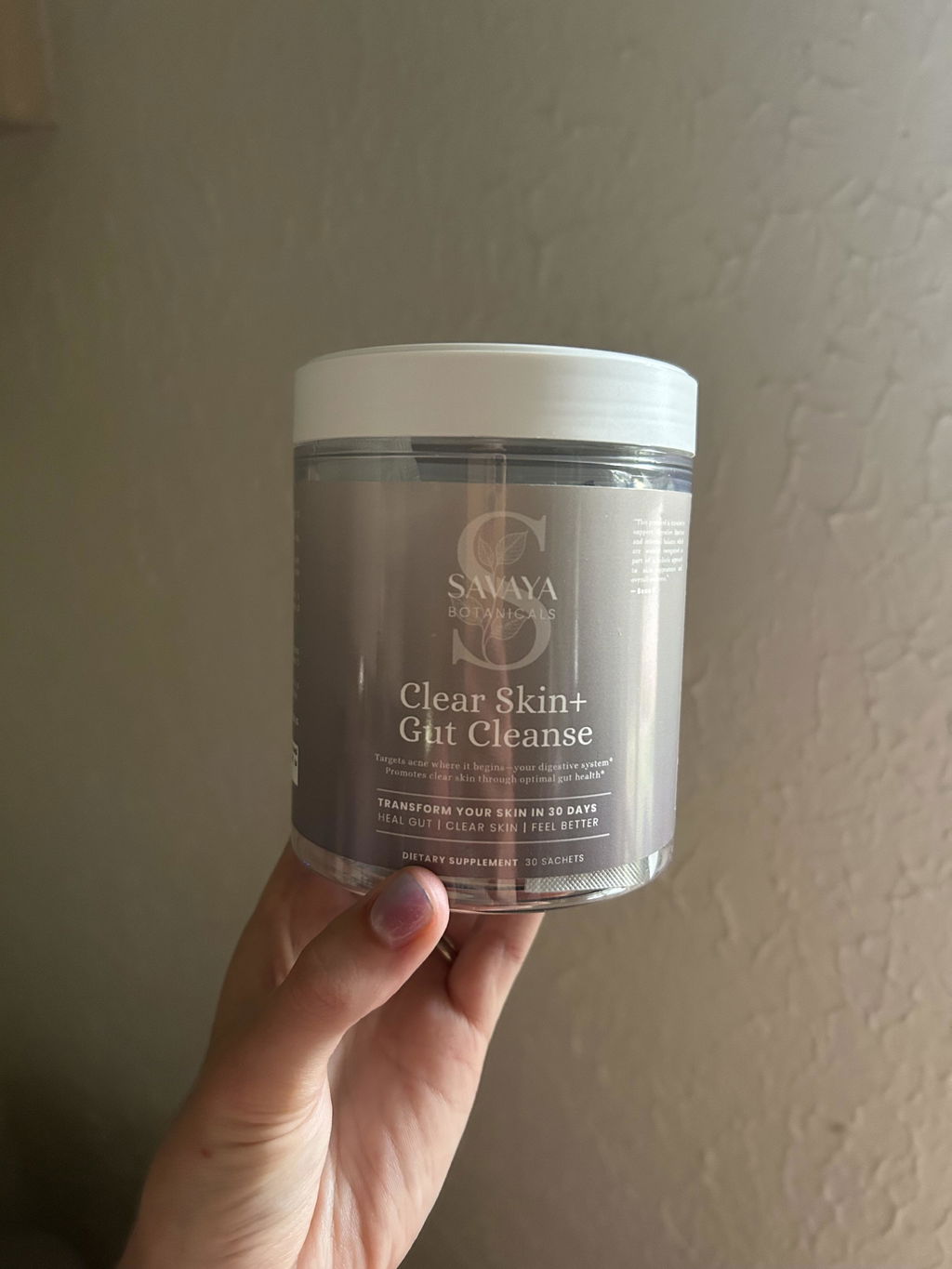
- Reset gut bacteria with a targeted protocol like our microbiome gut cleanse sachets to reduce beta-glucuronidase activity
- Cut seed oils and processed sugar — both inflame the hormonal axis
- Sleep before 11pm to support the liver's natural detox window between 1 and 3am
If your acne flares 7 to 10 days before your period and disappears mid-cycle, you are not "just hormonal." You have a gut clearance problem dressed up as a hormone problem.
Forehead Acne: The Digestive Distress Signal
The forehead is the loudest whistleblower on your face. In TCM, this entire band — from your hairline down to the bridge of your nose — corresponds to the small intestine and bladder. In modern terms, your forehead is reading out the health of your digestion in real time.
Small bumps clustered across the forehead almost always point to one of three things: poor digestion of fats, bacterial overgrowth in the small intestine, or chronic stress overwhelming the gut-brain axis. If the bumps creep up into your hairline, it usually adds a fourth culprit — heavy hair products, but also lymphatic congestion at the temporal drainage points.
I always ask three questions when I see forehead acne:
- Are you bloated within an hour of eating?
- Do you crave sugar or coffee mid-afternoon?
- Are you stressed in a way that lives in your stomach?
If two of those are yes, your forehead is not a skincare issue. It is a digestion issue.
What to do:
- Chew every bite at least 20 times — digestion starts in the mouth
- Drink room temperature water, not iced — cold water shocks digestive fire
- Add bitter greens before meals to stimulate stomach acid
- Run a full reset with the max detox acai protocol to clear out the small intestine and reset the gut lining
- Stop eating after 7pm — late eating is the silent killer of gut repair
Cheek Acne: Respiratory Health and Gut Inflammation
Cheek breakouts are the most misunderstood pattern, because they are usually blamed on dirty pillowcases or phone screens. Sometimes that is true. But more often, cheek acne is your body waving a red flag about respiratory health, lymphatic drainage, and systemic gut inflammation.
In TCM, the right cheek mirrors the lungs and large intestine, while the left cheek reflects the liver. Modern research backs this beautifully — a 2019 study in Clinical, Cosmetic and Investigational Dermatology found that patients with chronic cheek acne had measurable elevations in inflammatory markers tied to both gut permeability and respiratory inflammation.
Translation: leaky gut creates systemic inflammation, that inflammation travels through the bloodstream, and the cheeks — which have one of the highest densities of capillaries on the face — are where it lands.
If your cheek acne is paired with seasonal allergies, frequent colds, sinus pressure, or post-nasal drip, you are not dealing with a topical issue. You are dealing with an immune-gut conversation.
What to do:
- Eliminate dairy for 30 days and watch what happens — dairy is the number one cheek acne trigger I see in my practice
- Flood your body with mineral-rich nutrition to repair the gut lining and calm immune reactivity — sea moss delivers 92 of the 102 minerals your body actually uses
- Add lymphatic drainage massage with upward strokes from jaw to ear, twice daily
- Switch your pillowcase to silk and wash it every three days, not weekly
- Stop touching your face — the average person touches their face 23 times an hour
Nose Acne: The Heart and Stomach Connection
The nose is the diagnostic gem of the face. A red, oily, bumpy nose is not a skincare problem — it is a circulatory and digestive flag flying at full mast.
In TCM, the tip of the nose corresponds directly to the heart and cardiovascular system, while the sides of the nose map to the stomach. A nose that flushes red after meals, breaks out in clusters, or develops persistent blackheads is telling you something specific: your blood is hot, your stomach is irritated, and your body is dealing with too much sugar, too much spice, too much alcohol, or too much processed food.
Modern dermatology calls the chronic version of this rosacea, and we now have strong evidence that rosacea is heavily linked to H. pylori infection in the stomach and small intestinal bacterial overgrowth. The TCM diagnosis from 2,000 years ago — "stomach heat rising to the face" — is, scientifically, exactly right.
What to do:
- Reduce inflammatory foods: alcohol, refined sugar, processed seed oils, spicy foods
- Test for H. pylori if your nose redness is persistent and accompanied by reflux or burping
- Support cardiovascular tone with magnesium-rich foods and daily walking
- Calm visible capillary inflammation with a clean topical barrier — grass-fed tallow cream mimics the lipid profile of healthy skin and reduces vascular reactivity overnight
Temple Acne: Kidney and Liver Overload
If you are breaking out at your temples — that narrow strip between your eye and your hairline — your body is screaming about its filtration system. TCM links the temples to the kidneys and gallbladder; functional medicine links them to liver detox capacity and lymphatic stagnation.
Temple breakouts almost always show up after a few weeks of dehydration, alcohol use, hormonal birth control, high medication load, or processed food binges. They are the body's way of telling you that your detox organs are running at capacity and need a hand.
I have found this pattern especially common in three groups: women on hormonal contraceptives, people on long-term acne medications, and anyone who eats out more than four times a week.
What to do:
- Drink half your bodyweight in ounces of mineral water daily — dehydration is the fastest way to overload the kidneys
- Add liver-supportive foods: bitter greens, beets, lemon water, dandelion tea
- Try adding the Clear Skin+ Max Detox blend to your routine if you have been on medications, the pill, or processed food for years
- Dry brush the body daily, always toward the heart, to move stagnant lymph
- Sweat at least three times a week — sauna, exercise, hot baths — to take pressure off the liver
———
How to Read Your Own Face Map This Week
Tonight, before bed, do this. Wash your face with a gentle cleanser, pat dry, and stand in front of a mirror under bright daylight bulbs (not warm yellow light — it hides too much). Take a photo. Then look at it like a doctor, not a critic.
Where is the inflammation concentrated? Are the breakouts cystic and deep, or surface and pustular? Is one side of your face significantly worse than the other? Does the pattern change with your cycle, after specific meals, after stressful weeks?
The patterns are the diagnosis. Once you know what your face is telling you, you can stop chasing the symptoms and start fixing the source.
And here is the truth no one in the beauty industry wants to admit — topical skincare alone will never fix internal acne. It can support, soothe, and protect the barrier, but it cannot reach the gut, the liver, the hormone cycle, or the kidneys. Real, durable clarity requires going inside.
The Skin Healing Stack I Use With My Clients
After working with hundreds of women, this is the rhythm that works almost every time:
- Reset the gut microbiome to break the inflammation loop
- Replenish minerals and trace nutrients the modern diet strips away
- Rebuild the skin barrier from the inside (collagen) and the outside (clean lipids)
- Repeat for 8 to 12 weeks — skin cells turn over slowly and patience is the multiplier
For collagen support during the healing window, beauty collagen strips deliver hydrolyzed peptides without the bloat of powders. For the topical layer, nothing beats a clean ancestral fat — your skin recognizes it, absorbs it, and stops fighting it.
Your Face Is Not the Problem. It Is the Messenger.
The woman from my consultation? Six months later, her jaw was clear, her cheeks were calm, and her forehead was smooth for the first time since high school. She did not start using a fancier serum. She listened to her face, fixed her gut, supported her liver, and learned to read her own map.
Your skin is the loudest, most visible diagnostic tool you own. Stop covering it up. Start listening to it.
———
Ready to Read and Reset?
If your acne pattern fits any of the maps above, the next step is not another cream. It is a real reset. Start with our microbiome gut cleanse to break the inflammation cycle at the source, then layer in sea moss for mineral repletion and tallow cream for nightly barrier support. For deeper, longer-rooted skin issues, our Clear Skin+ Max Detox is a daily acai blend that helps support your skin from the inside, alongside the reset.
Your face has been telling you the truth all along. Now you finally know how to listen.
———
Frequently Asked Questions About Face Mapping and Acne
Does face mapping for acne actually work, or is it pseudoscience?
Face mapping has roots in 3,000-year-old Traditional Chinese Medicine, but modern dermatology and gut microbiome research now support many of its core observations. Studies on the gut-skin axis confirm that systemic inflammation expresses in distinct facial regions, and conditions like rosacea on the nose are clinically tied to digestive issues like H. pylori and SIBO. Use it as a diagnostic clue, not a diagnosis on its own.
How long does it take to clear acne by fixing your gut?
Skin cells turn over roughly every 28 days, but the deeper layers and inflammation patterns take longer to resolve. Most clients see a noticeable shift within 4 to 6 weeks of starting a gut reset, with full transformation between 8 and 12 weeks. Cystic, hormonal, and chronic acne often require a complete cycle of 90 days to fully clear.
What is the most common gut issue causing adult acne?
In my practice, the three biggest drivers are dysbiosis (an imbalanced microbiome), poor estrogen clearance through the gut, and silent food sensitivities — most commonly to dairy, gluten, and processed seed oils. Resetting the microbiome with a targeted protocol almost always shifts at least one of these three roots within a single 30-day cycle.
Can I do face mapping if I have hormonal acne, or is it only for digestive acne?
Face mapping is especially useful for hormonal acne, because hormonal breakouts are rarely just hormonal — they are almost always a hormone-and-gut conversation. Chin and jawline acne in particular reflects how well your gut clears excess estrogen. Fixing the gut clearance pathway is one of the fastest ways to reduce cyclical breakouts without touching your hormones directly.
What should I avoid eating if I want clearer skin based on face mapping?
The universal triggers I see across every facial zone are processed seed oils (canola, soybean, corn), refined sugar, conventional dairy, and alcohol. Beyond that, your specific zone tells the story — forehead acne usually responds to cutting late-night eating and gluten, cheek acne often improves dramatically off dairy, and nose acne typically clears with reduced sugar and alcohol.
———
Sarah Mitchell is a holistic health practitioner specializing in the gut-skin axis. She has spent the last decade helping women decode the connection between digestion, hormones, and chronic skin issues — combining functional medicine, ancestral nutrition, and Traditional Chinese Medicine into protocols that address the root, not the surface.