You have tried the serums. The retinol. The vitamin C. Maybe even a fourth cleanser. And still, your skin misbehaves. Here is what almost nobody tells you in the skincare aisle. When skin keeps acting up despite a solid routine, the loudest signal is often coming from your gut. Not your face. Your gut lining, your microbiome, and the inflammatory messengers they send north.
Chronic Acne That Ignores Every Topical You Try
Chronic acne that resists topicals is usually driven from the inside. When the gut lining is compromised, bacterial fragments called LPS leak into circulation, sparking systemic inflammation that pushes IGF-1 and mTORC1 signaling in your sebocytes. That means more sebum, more clogged follicles, and more Cutibacterium acnes.
In my practice, this is the pattern I see most. A woman in her late twenties, prescription retinoid in the medicine cabinet, salicylic acid on the counter, and the same jawline breakouts week after week. She assumes she is doing something wrong on her face. She is not.
Bowe and Logan revived the gut-brain-skin axis in their 2011 Gut Pathogens review, tying gut dysbiosis and intestinal permeability directly to acne severity. Yan and colleagues confirmed it in 2018 in the Journal of Dermatology, finding measurably different gut microbiota in moderate to severe acne patients compared with controls.
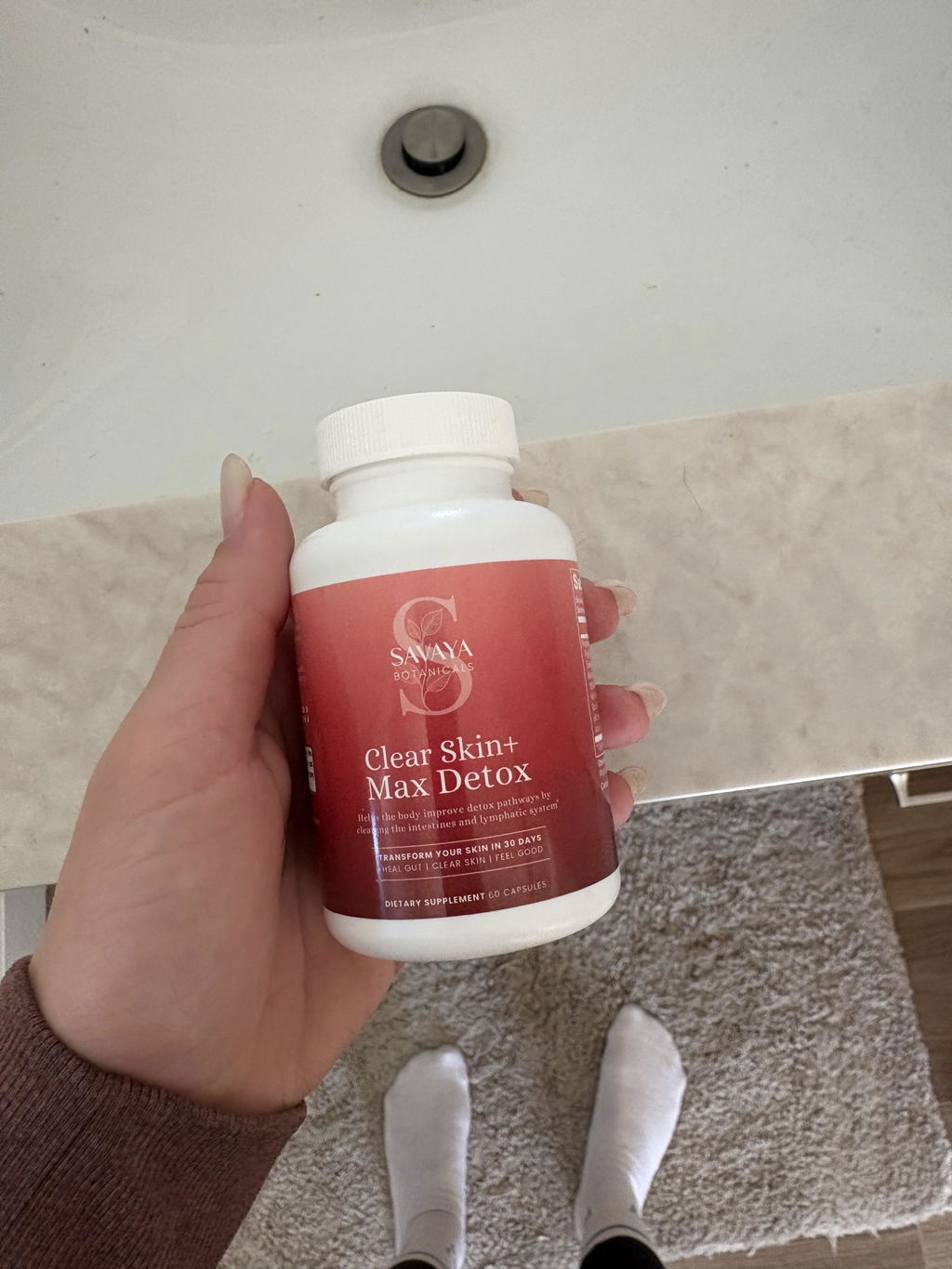
If your face is inflamed from the inside, no topical will catch up. This is where women often find that the 12-week gut-to-skin program shifts things in a way another serum never could, because it addresses the sebocyte signaling loop at its source.
Acne is only the loudest warning. There is another skin story that unfolds within an hour of eating, and most women miss it entirely.
Eczema Flares That Show Up After Meals
Post-meal eczema is not a coincidence. In atopic skin, elevated zonulin loosens the gut barrier, letting food antigens cross into circulation and prime a Th2 immune response with IL-4, IL-13, and IgE. That systemic skew reaches the skin, disrupts filaggrin, and cracks the barrier open.
You know the feeling. Lunch was fine. An hour later, the inside of your elbow starts to itch. By evening, patches are pink and rough. That is your immune system reacting to something that should have stayed inside your gut.
Fasano's 2011 work in Physiological Reviews established zonulin as the switch regulating the tight junctions between intestinal cells. When zonulin is high, those junctions loosen. Antigens slip through. A 2019 systematic review by Petersen and colleagues in Acta Dermato-Venereologica found that people with atopic dermatitis consistently show reduced Bifidobacterium and Faecalibacterium prausnitzii.
Those bacteria produce short-chain fatty acids, especially butyrate, which calms immune response and keeps the gut barrier tight. Without them, the whole system stays on edge. In my practice, the biggest shifts happen when women start a gentle microbiome recalibration rather than chasing new eczema creams.
Now, what about the skin condition that shows up when life gets loud?
Rosacea That Erupts Under Stress
Stress-driven rosacea traces back to your gut. When cortisol spikes and the HPA axis fires, gut motility slows, the microbiome shifts, and SIBO becomes more likely. The resulting endotoxemia inflames a vascular network already primed by TLR2 upregulation and cathelicidin dysregulation. Your face flushes because your gut is signaling danger.
Your face does not flush because you are weak. It flushes because your gut is sending an SOS your immune system takes seriously.
Parodi and colleagues published a landmark 2008 study in Clinical Gastroenterology and Hepatology showing rosacea patients had significantly higher rates of small intestinal bacterial overgrowth than controls. When SIBO was eradicated with rifaximin, cutaneous rosacea nearly resolved. That is a direct line from bowel to cheek.
Egeberg's 2017 population study in the British Journal of Dermatology reinforced it, showing rosacea patients had significantly higher rates of celiac disease, Crohn's disease, ulcerative colitis, SIBO, and IBS than the general population. The gut is not a bystander. It is a driver.
The vagus nerve matters here too. It is the two-way highway between gut and brain. When vagal tone drops under chronic stress, the loop tilts pro-inflammatory. Which is why breathwork, cold exposure, and gut-directed protocols like the deeper 12-week reset often help rosacea more than another topical antibiotic ever did.
- - -
The next sign is subtle. So subtle most women blame their sleep or their age.
Dull, Tired Skin That No Serum Can Wake Up
Dull skin often reflects a gut that cannot produce enough butyrate. Low short-chain fatty acids mean impaired mitochondrial energy in keratinocytes, weaker antioxidant defenses, and reduced collagen support. Add malabsorption of B vitamins, zinc, and iron, and your dermis loses oxygen delivery. Skin goes flat regardless of what you put on top.
Salem and colleagues published a comprehensive 2018 review in Frontiers in Microbiology mapping how gut microbial metabolites, especially short-chain fatty acids, directly influence skin homeostasis, oxidative status, and barrier function. What your gut makes shows up on your face.
When Faecalibacterium prausnitzii and Roseburia populations drop, butyrate production drops with them. Your skin cells are running on low fuel. The nutrients most often missing when the gut is inflamed include:
- Zinc, essential for keratinocyte turnover and wound repair
- B vitamins, especially B12 and folate, for cellular energy
- Iron, for oxygen delivery to the dermis
- Magnesium, which supports enzymatic reactions including collagen crosslinking
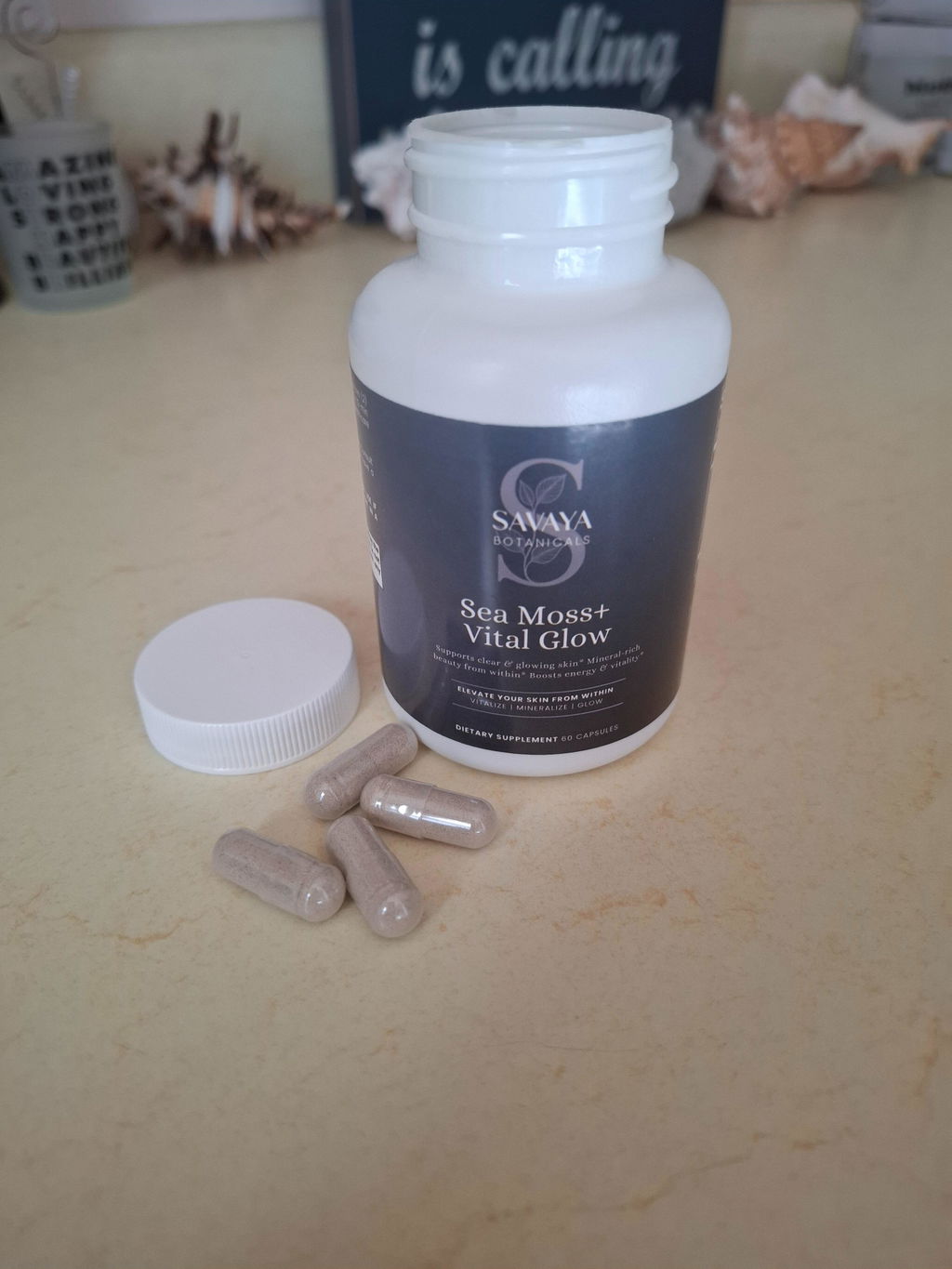
This is one reason many of my clients notice a difference within weeks of adding mineral-rich sea moss to their routine. Not because it does anything exotic. Because it fills a real absorption gap while the gut heals.
Persistent Dark Circles Under Your Eyes
Persistent dark circles often start in the gut, not on the pillow. Chronic intestinal permeability and food antigen exposure trigger histamine release and venous congestion in the thin periorbital skin. Inflammatory cytokines dilate vessels and deposit hemosiderin. Meanwhile, gut-brain disruption tanks sleep quality. Concealer cannot fix what circulation is doing.
Allergists have a name for this look. Allergic shiners. That bluish-violet tint under the eyes is not fatigue in the classical sense. It is inflammation showing through skin so thin it acts like a window into the vascular system beneath.
When your gut is chronically permeable, low-grade histamine release becomes a background hum. Add poor sleep from a disrupted gut-brain axis, and you get the double hit. Dilated periorbital vessels and pale, edematous skin around them. Topical caffeine constricts vessels for a moment. Then the underlying signal wins again.
What I have watched work in my practice is boring but honest. Reduce the inflammatory input. Rebuild the microbiome. Support the barrier. The circles fade because the histamine tide recedes, not because you found a better eye cream.
And there is another sign that quietly reveals the same story every time you get a small cut.
Wounds and Blemishes That Take Forever to Heal
Slow wound healing points to a gut that is not making enough short-chain fatty acids. Without adequate butyrate, regulatory T-cells cannot resolve inflammation, and wounds stall in a prolonged pro-inflammatory phase with high TNF-alpha and IL-6. Poor zinc, vitamin A, and amino acid absorption compound the delay.
You nick yourself shaving. Two weeks later, the mark is still there. A blemish clears but leaves a red spot that lingers for months. In my practice, this is almost always a story about gut-derived inflammation and nutrient absorption, not skin quality.
Salem's 2018 review in Frontiers in Microbiology outlined this beautifully. The short-chain fatty acids your microbiome produces are not just gut fuel. They are systemic anti-inflammatory signals that support the regulatory T-cells needed to close a wound cleanly.
Cortisol makes it worse. When the HPA axis is chronically activated, fibroblasts slow their proliferation and angiogenesis drops. The tissue you need to rebuild the skin literally has less blood supply and fewer active builders on site.
Collagen synthesis requires vitamin C, glycine, proline, and enough amino acids. This is where bioavailable collagen support becomes practical, not because collagen alone heals wounds, but because it supplies raw materials your body cannot produce fast enough when inflammation is high.
Sudden Sensitivity to Skincare You Used to Love
Sudden product sensitivity signals a raised inflammatory baseline. When intestinal permeability is elevated, translocated LPS primes mast cells and biases immunity toward Th2, lowering your skin's threshold for irritation. A compromised barrier, itself shaped by gut microbial signals, makes previously tolerated cleansers, fragrances, and actives suddenly sting or flare.
You have used the same cleanser for two years. Suddenly, it burns. A moisturizer that was your holy grail leaves your cheeks red. Nothing changed on your face. Something changed inside.
Vaughn and colleagues published a 2017 review in the World Journal of Dermatology detailing how gut microbial composition and gut barrier function shape cutaneous immune reactivity. When the gut is inflamed, the skin's tolerance drops. Everything reads as a threat.
What raises that baseline in real life is usually predictable:
- Antibiotics in the last two years without microbiome rebuilding
- Chronic stress and poor sleep flattening vagal tone
- A diet low in prebiotic fiber and diverse plants
- Repeated courses of NSAIDs or PPIs eroding the gut barrier
- Hidden food sensitivities keeping the immune system on alert
Rebuilding tolerance takes time. In the meantime, the skin barrier itself needs support. A barrier-repairing tallow cream is one of the simplest ways I have seen to calm reactive skin while the internal work catches up. Simple, biocompatible lipids that do not add another chemical challenge to already twitchy skin.
If more than two of these signs are ringing true for you, the pattern is telling you something important about the gut-skin axis. A steady approach that pairs microbiome, mineral, and barrier support is often what finally makes the difference these women describe as their skin feeling like their own again.
Frequently Asked Questions
What is the gut-skin axis in simple terms?
The gut-skin axis is the two-way communication network between your digestive tract and your skin. Your microbiome produces metabolites and immune signals that travel through the bloodstream and shape how your skin behaves. When the gut is inflamed or imbalanced, those signals often surface as acne, eczema, rosacea, or sensitivity on your face.
Why does gut inflammation cause skin problems?
When the gut barrier is compromised, bacterial fragments like LPS and food antigens leak into circulation. Your immune system responds with inflammatory cytokines that reach the skin, disrupt the barrier, raise sebum, and prime mast cells. The skin becomes the visible screen for what is happening quietly inside your intestines every single day.
How long does it take to see skin changes after healing the gut?
Most women in my practice notice early shifts within four to eight weeks, especially in redness and reactivity. Deeper changes in acne, eczema patterns, and skin tone typically take three to six months, because the skin renews on a slow cycle and the microbiome rebuilds gradually. Consistency matters much more than intensity here.
Can I fix my skin without changing my diet?
Not fully. Topicals can calm symptoms and support the barrier, but they cannot address the internal inflammatory signal driving the flares. Diet is the daily input that either feeds a healthy microbiome or starves it. Even simple shifts, more prebiotic fiber and fewer ultra-processed foods, meaningfully change what your gut sends to your skin.
Is it safe to do a gut cleanse for skin issues?
A well-formulated, gentle microbiome protocol is safe for most healthy adults and often supports skin over weeks to months. Aggressive cleanses that strip the microbiome can backfire and worsen sensitivity. Look for programs that rebuild, not just clear, and pair them with mineral and barrier support so the skin can respond as the gut recalibrates.