Your skincare shelf is gorgeous. Three serums. A retinol someone on TikTok swore by. That overpriced barrier cream you keep replacing. So why does your face still look tired, inflamed, oddly congested no matter what you layer on? Here is the part most aestheticians never bring up. The skin is rarely the problem itself. It is the messenger. And the message is coming from about thirty inches lower than you think.
Skin reacts. The gut decides. Once you understand the seven signals below, the breakouts and the dullness stop feeling random and start feeling like a very specific conversation your body has been trying to have with you for years.
1. Chronic Acne That Will Not Respond to Topicals
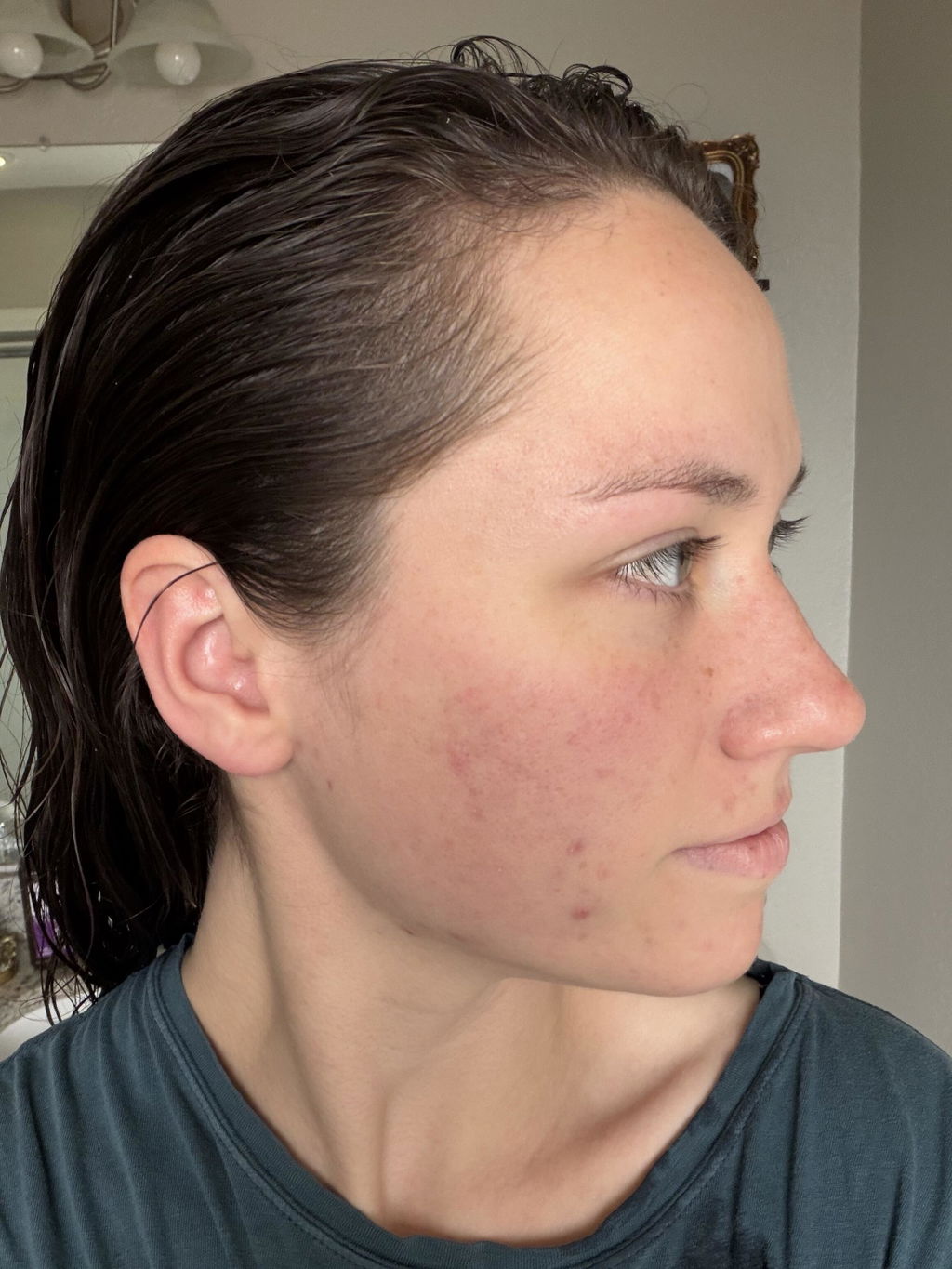
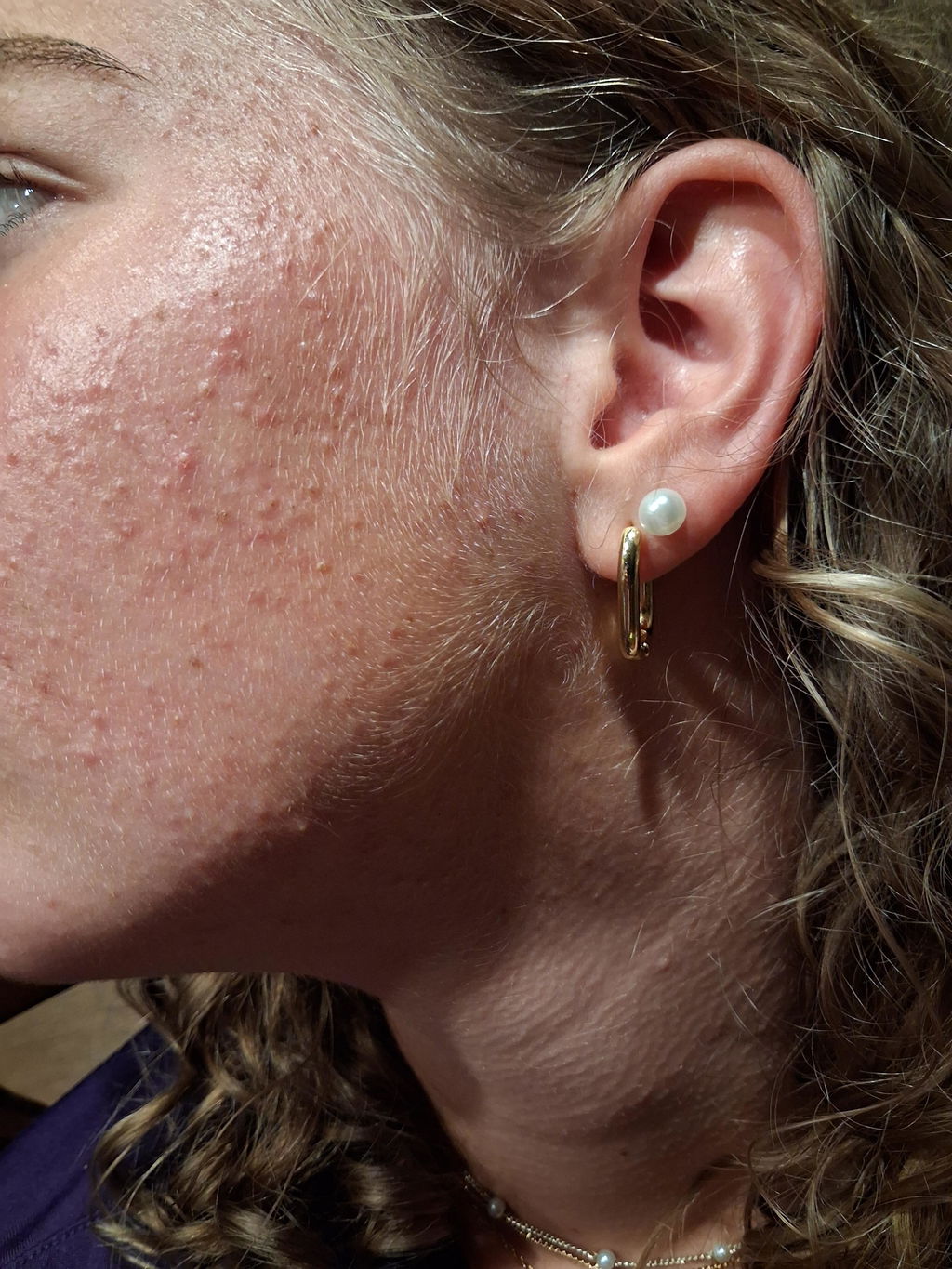
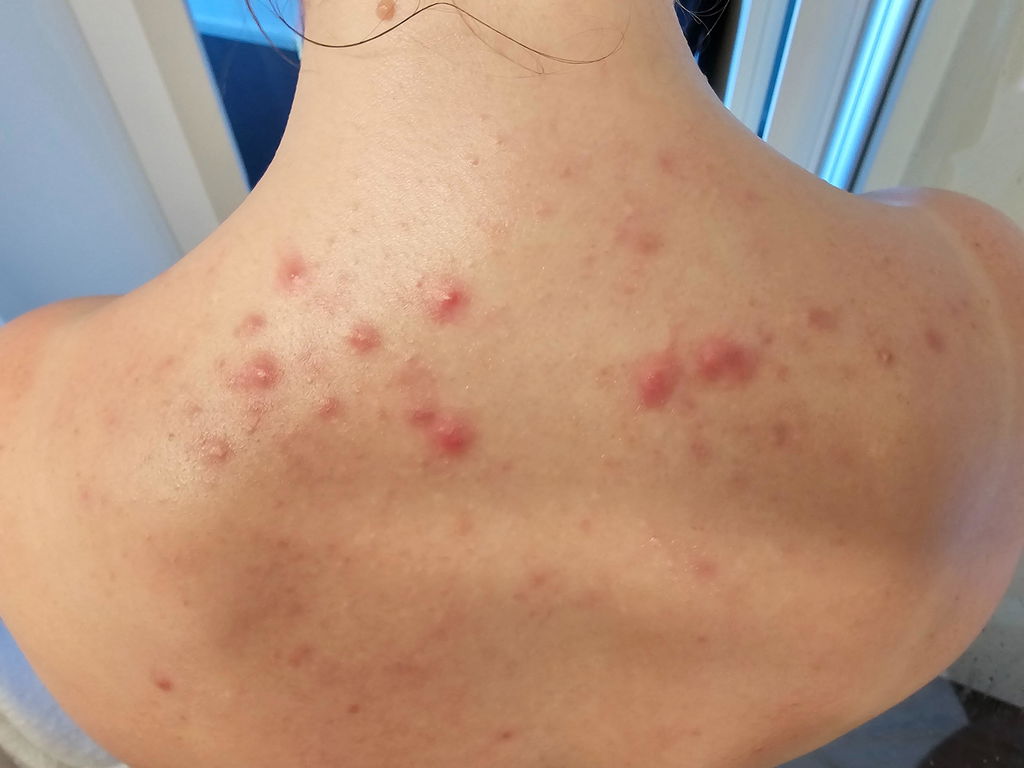
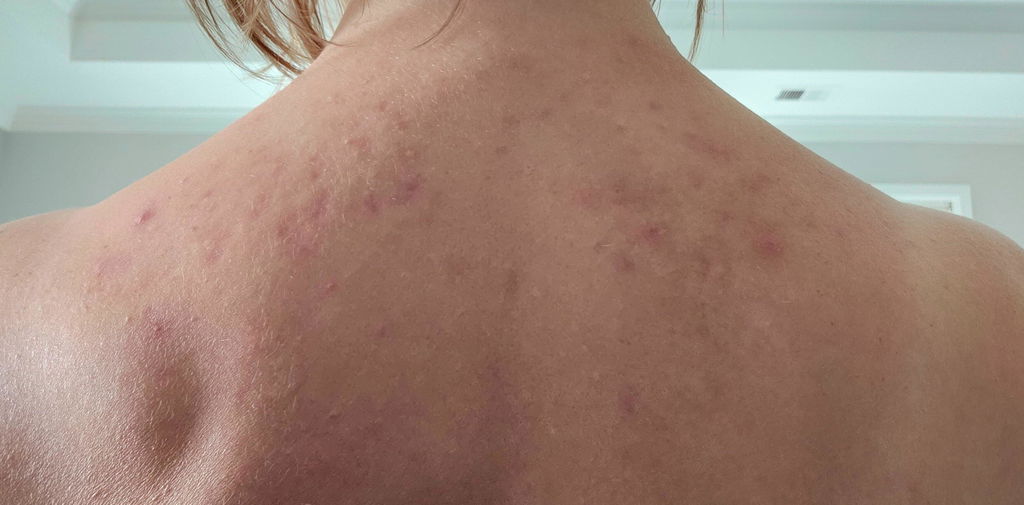
Persistent acne that ignores tretinoin, benzoyl peroxide, salicylic acid, and every clean-girl serum on the internet is rarely a topical problem. It is usually inflammation rising from the gut. Research on the gut-brain-skin axis suggests that altered gut microbiota drive sebum overproduction, increase IGF-1 signaling at the sebocyte, and amplify the inflammatory response happening inside the pore.
The landmark 2011 paper by Bowe and Logan in Gut Pathogens reframed acne entirely. Their argument: cystic, recurring acne behaves less like a skin disease and more like a downstream symptom of dysbiosis, intestinal permeability, and substance P signaling between the gut and the brain. The pimple is real. But the cause is two organs away.
In my practice, the women with the most stubborn jawline and chin breakouts almost always describe one of three things. Bloating after meals. Constipation that comes and goes. Or a long history of antibiotics in their teens. The face is reporting what the small intestine cannot say out loud.
There is another piece worth understanding. Blood sugar swings and insulin spikes drive IGF-1, and IGF-1 tells the sebocytes to pump out more oil and produce more skin cells than the pore can clear. When the gut is inflamed and the diet is heavy in refined carbohydrates, that hormonal loop runs constantly in the background. Topical acids cannot reach it.
This is exactly why a targeted gut cleanse often clears skin in women whose dermatologists ran out of options. You are not treating the pimple. You are quieting the signal.
2. Eczema That Flares Within Hours of Eating
If your eczema gets red, itchy, and angry within a few hours of eating dairy, gluten, eggs, soy, or refined sugar, intestinal permeability is almost certainly involved. When the tight junctions in the gut wall loosen, partially digested food proteins slip into the bloodstream and trigger immune reactions that surface on the skin, most often on the inner elbows, behind the knees, and around the eyes.
Multiple studies in the Journal of Investigative Dermatology and similar journals have documented elevated intestinal permeability in atopic dermatitis patients. Zonulin, the protein that controls those tight junctions, tends to run higher in people with chronic eczema. That is not coincidence. That is the gut leaking inflammation onto the face.
What I see most often: the flare is not really about the food. The food is just the latest trigger walking through an already broken door. Closing the door changes everything. That's the same principle behind Clear Skin+ Max Detox, a daily acai-based blend that helps support your body's natural balance from the inside out.
3. Rosacea That Flares Every Time Life Gets Stressful
Stress-triggered rosacea reflects a hyperactive HPA axis talking directly to an inflamed gut. A 2008 study in Clinical Gastroenterology and Hepatology by Parodi and colleagues found that patients with rosacea had a strikingly higher prevalence of small intestinal bacterial overgrowth than healthy controls, and clearing the SIBO produced significant skin improvement that held for months afterward.
Here is the loop most women are never told about. Stress raises cortisol. Cortisol slows gut motility. Slow motility lets bacteria overgrow. Overgrown bacteria release endotoxins. Endotoxins inflame blood vessels. Inflamed vessels become the flushed, papular, burning face that the world calls "rosacea."
Your face is not overreacting. It is reporting an internal fire your nervous system is too polite to mention.
This is why calming the gut almost always calms rosacea, and why topical metronidazole alone tends to disappoint over the long term. You can quiet the surface, but the fire keeps relighting itself.
4. Dull, Tired Skin Despite a Perfect Routine
Dull, gray, lifeless skin in a woman who exfoliates, hydrates, eats well, and uses vitamin C is usually a sign of poor mineral absorption and weak postbiotic production in the gut. When the microbiome is healthy, fermentation of prebiotic fiber produces short-chain fatty acids like butyrate that feed the mitochondria in your skin cells. No butyrate, no glow.
Skin glow is, biologically, just mitochondrial function showing through the dermis. When cells have energy, they reflect light. When they do not, the face looks flat no matter how many highlighter drops you layer on or how much retinol you push through the surface.
This is one reason mineral-rich sea moss shifted skin tone so visibly in so many of my clients. It is not magic. It is iodine, zinc, selenium, and 92 trace minerals from the ocean feeding cellular machinery that had been quietly starving for years.
5. Dark Circles That Will Not Budge With Sleep or Caffeine
Persistent dark circles in a well-rested person often signal histamine overload from gut dysbiosis. When the microbiome is imbalanced, certain bacteria overproduce histamine while the body's ability to clear it through the DAO enzyme drops. The result is vascular congestion under the thin under-eye skin, producing the bluish, allergic shadow that no concealer fully covers.
Allergists call this "allergic shiners." Functional medicine calls it histamine intolerance. The skin just calls it Tuesday. If your dark circles get worse after wine, aged cheese, leftovers, fermented foods, or strawberries, the pattern is histamine, not sleep deprivation.
Low iron and poor oxygen exchange make it worse. A gut that is not absorbing iron well leaves under-eye capillaries looking even bluer, because deoxygenated blood pooling beneath thin skin reads as shadow. So the same gut barrier that lets histamine leak out is also failing to deliver the minerals that would brighten the area in the first place.
Fixing this requires more than cold spoons and eye creams. It requires restoring the bacteria that make DAO and removing the overgrowths that flood the system with histamine in the first place. A full detox protocol is often the right depth of work, because dysbiosis this entrenched does not respond to a one-week reset.
6. Cuts and Breakouts That Heal Painfully Slowly
Slow wound healing in otherwise healthy skin usually reflects compromised nutrient absorption, particularly of zinc, vitamin A, and the amino acids glycine and proline that build collagen. An inflamed, permeable gut damages the villi responsible for absorbing these repair nutrients, so even an excellent diet fails to translate into resilient, fast-healing skin.
The clearest pattern I see in my practice: a tiny pick mark from a single breakout takes three weeks to fade instead of three days. Or a paper cut still looks angry a week later. Or post-inflammatory marks linger for months after the acne itself clears. All three are clues that the gut is not delivering the raw materials the skin is asking for.
This is where bioavailable collagen support and a barrier-focused approach matter, because skin cannot build what the gut is not absorbing, no matter how impressive your supplement stack looks on the bathroom counter.
7. Sudden Sensitivity to Products You Used to Tolerate
A face that suddenly stings, flushes, or breaks out from skincare you wore happily for years often reflects mast cell activation driven by gut inflammation. When the intestinal barrier is compromised, mast cells throughout the body become hyper-reactive, releasing histamine and inflammatory mediators in response to ingredients that used to feel completely neutral.
This is the most misread signal of all. Women blame the product, throw it out, buy a new "gentler" one, react to that too, and conclude they have "sensitive skin." They do not. They have a sensitized immune system, and the skin is just the surface it is screaming through.
The fix is rarely a new product. The fix is shrinking the routine to the bare minimum while the gut calms down, then slowly reintroducing actives once the underlying inflammation drops. Most reactive faces become tolerant again within eight to twelve weeks of internal repair. Not because the skincare changed. Because the immune system stopped scanning every ingredient for a threat that was never there.
The gentlest, most stabilizing thing you can put on a reactive face during gut repair is something the skin recognizes as food. A barrier-repairing tallow cream mirrors the fatty acid composition of human sebum more closely than almost any plant oil, which is why irritated skin stops reacting to it within days rather than escalating.
Where Gut-Skin Repair Actually Starts
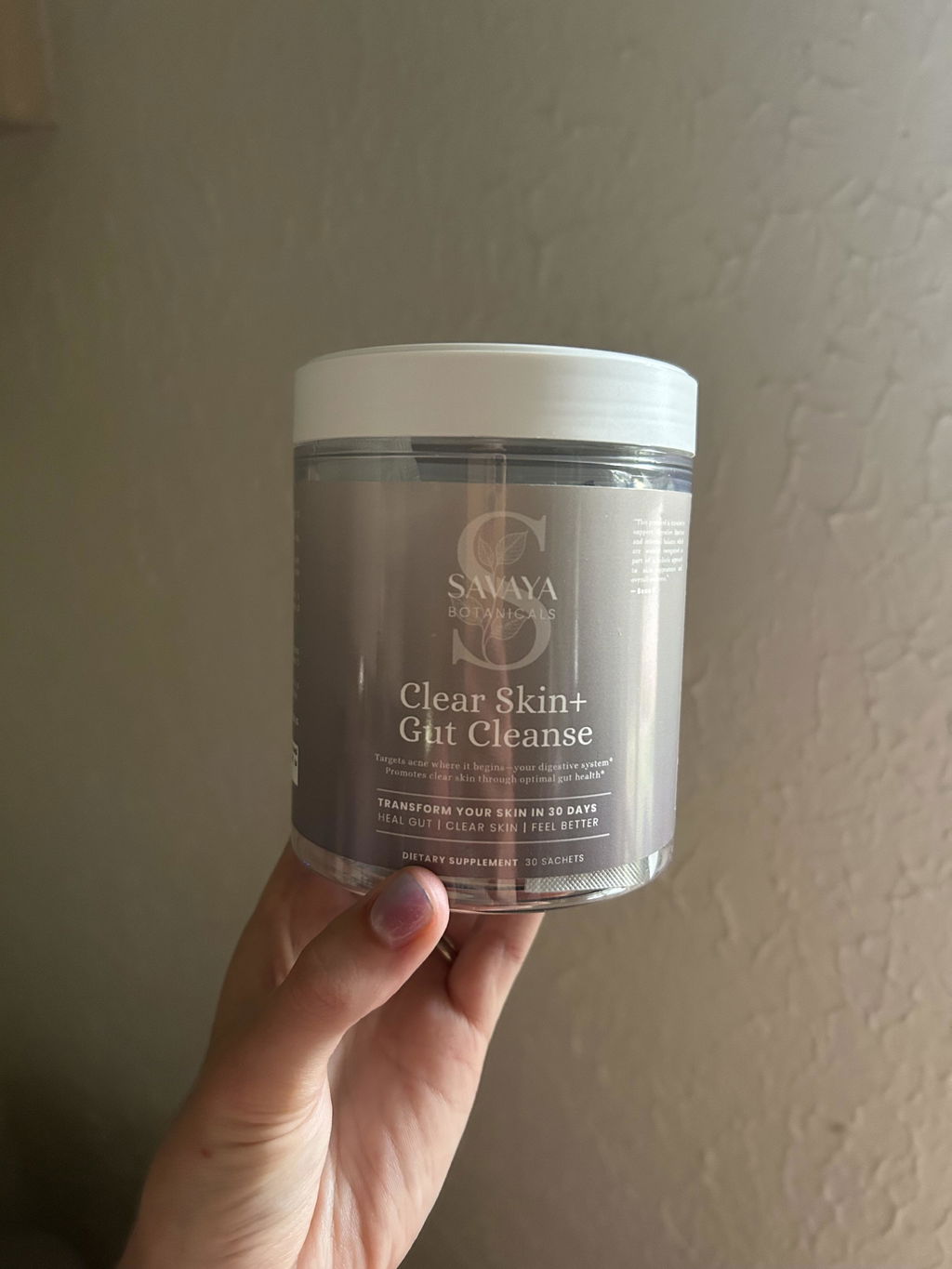
If you recognized two or more of these signs, the work is not on your shelf. It is on your plate, in your nervous system, and in the bacteria you have not been feeding well. Start with this microbiome reset, layer in mineral repletion, and give the gut barrier a real twelve weeks to rebuild itself. The skin follows the gut. It always has.
• • •
Frequently Asked Questions
What does the gut-skin axis actually mean?
The gut-skin axis describes the constant chemical and immune conversation between the intestinal microbiome and the skin. Bacteria in the gut produce short-chain fatty acids, regulate inflammation, metabolize hormones, and influence vagus nerve signaling. When that ecosystem is balanced, skin tends to look calm, hydrated, and resilient. When it is disrupted, the skin almost always shows it first.
How long does it take to see skin changes after fixing gut health?
Most women notice reduced inflammation and clearer pores within four to six weeks of consistent gut work. Deeper changes in texture, dark circles, and pigmentation usually take a full twelve weeks, because skin regenerates on a roughly 28-day cycle and needs three full turnovers to truly reflect new internal conditions.
Can I have a gut problem with no digestive symptoms?
Yes, and this is extremely common. Many women with rosacea, acne, eczema, or chronic dull skin have no bloating, no constipation, and no obvious gut complaints. The inflammation is happening quietly at the cellular level and surfacing on the face instead of in the belly. Skin is often the loudest gut symptom you have.
Is leaky gut the same as gut dysbiosis?
No, but they almost always travel together. Dysbiosis means the bacterial balance is off. Leaky gut, or intestinal permeability, means the barrier between the gut and the bloodstream has loosened. Dysbiosis tends to cause permeability over time, which is why most effective protocols address both at once rather than picking one.
What is the first step to repair the gut-skin connection?
Stop adding things to your face and start subtracting things from your gut. Remove the most inflammatory foods for a defined window, replace missing minerals, and feed the microbiome with prebiotic fiber and gentle binders. A structured reset gives the gut barrier room to heal without you having to guess the order of operations.