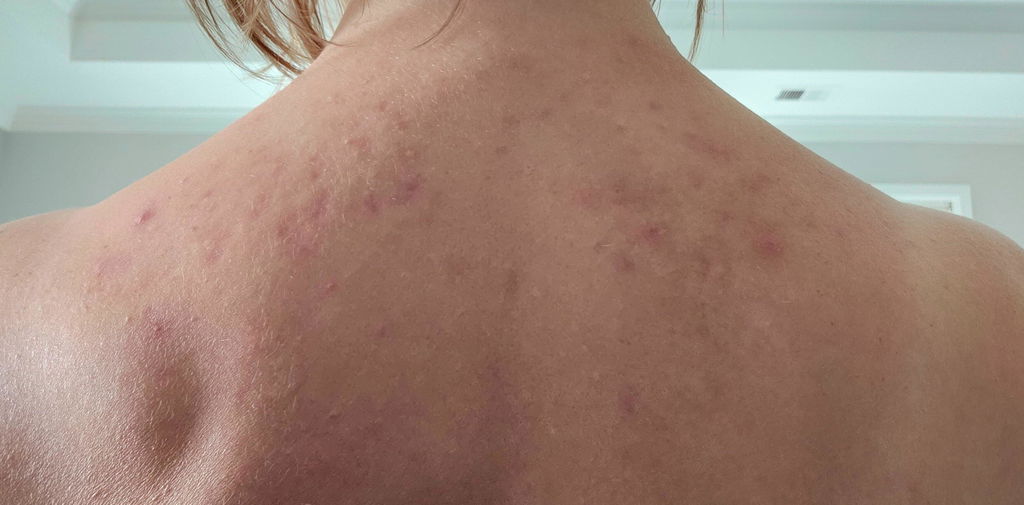
Nobody warned me that my liver would show up on my face.
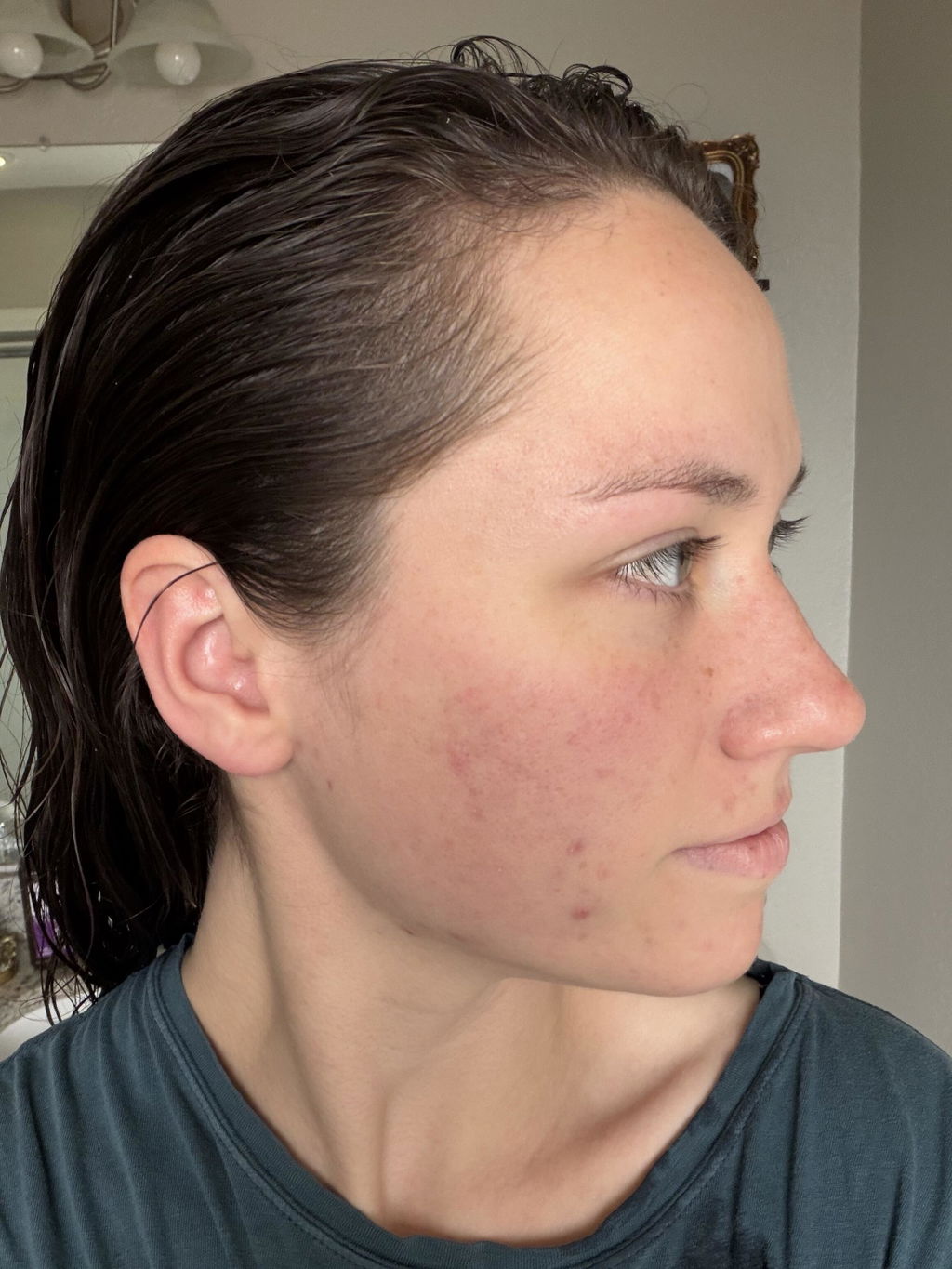
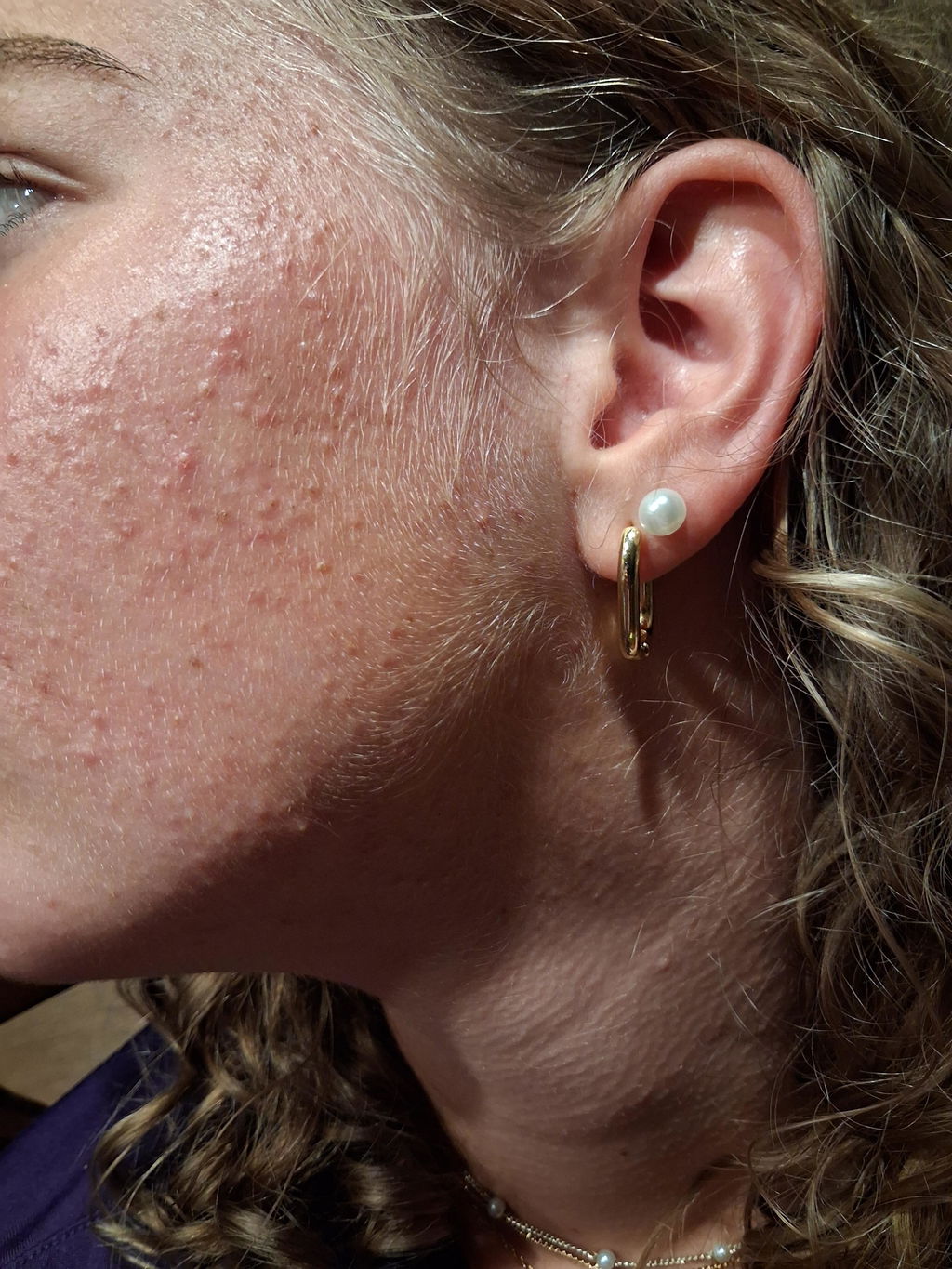
I spent three years layering serums, switching cleansers, and chasing every "miracle ingredient" the skincare industry threw at me. My bathroom looked like a dermatology lab. And my skin? Still inflamed. Still breaking out along my jawline and cheeks in angry, cystic patches that no amount of retinol could touch.
Then a functional medicine practitioner asked me a question no dermatologist ever had: "How's your liver doing?"
That question changed everything I thought I knew about clear skin.
———
The Organ You're Ignoring: Why Your Liver Controls Your Skin
Here's something most skincare brands will never tell you: your skin is a reflection of your internal detoxification capacity. And the organ running that entire operation is your liver — a 3-pound biochemical powerhouse that processes every toxin, hormone, and metabolic byproduct your body encounters.
Your liver performs over 500 functions. But when it comes to skin clarity, its detoxification pathways are what matter most. Published research in the Annals of Hepatology confirms that the most common extrahepatic manifestations of liver dysfunction are dermatological — meaning your skin is often the first place liver stress becomes visible.
When your liver can't keep up, your skin becomes a backup exit route for toxins. That's not a metaphor. It's physiology.
Phase I and Phase II Liver Detoxification: The Two-Step System Your Skin Depends On
Your liver neutralizes toxins through a precise two-phase process. Understanding this is the key to understanding why your skin is breaking out — even when your skincare routine is flawless.
Phase I: The Activation Phase
Phase I detoxification uses the cytochrome P450 enzyme family — a group of over 50 enzymes embedded in your liver cells. These enzymes take fat-soluble toxins (pesticides, hormones, medications, environmental pollutants) and convert them into intermediate metabolites through oxidation, reduction, and hydrolysis reactions.
Here's the critical part: these intermediate metabolites are often more reactive and potentially more toxic than the original compounds. They generate free radicals and reactive oxygen species (ROS) that can damage cells if they're not quickly processed by Phase II.
Phase II: The Conjugation Phase
Phase II enzymes — including glutathione S-transferases, UDP-glucuronosyltransferases, and sulfotransferases — attach water-soluble molecules to those reactive intermediates. This process, called conjugation, renders the toxins harmless and water-soluble so they can be eliminated through bile and urine.
The problem? Phase I and Phase II don't always run at the same speed. When Phase I outpaces Phase II — which happens with high toxin exposure, nutrient deficiencies, or chronic stress — those intermediate metabolites accumulate. They create oxidative damage. They overwhelm your liver. And they find another way out.
Through your skin.
What Happens When Your Liver Is Overloaded: Toxins Exit Through Your Skin
Your skin is your body's largest organ of elimination. When your liver and kidneys are processing more than they can handle, some of that toxic burden redirects to the skin's surface.
This isn't just theoretical. Research published in the Journal of Clinical and Aesthetic Dermatology confirms that individuals with non-alcoholic fatty liver disease (NAFLD) show significantly higher rates of skin tags, acanthosis nigricans, and rosacea-like symptoms. A comprehensive review in PMC found that cutaneous manifestations serve as reliable non-invasive diagnostic markers of liver disease severity.
What does liver-related skin distress look like?
- Adult-onset acne that appears suddenly and doesn't respond to topical treatments — especially along the jawline and cheeks
- Chronic itching (pruritus) without an obvious cause, particularly on hands and feet
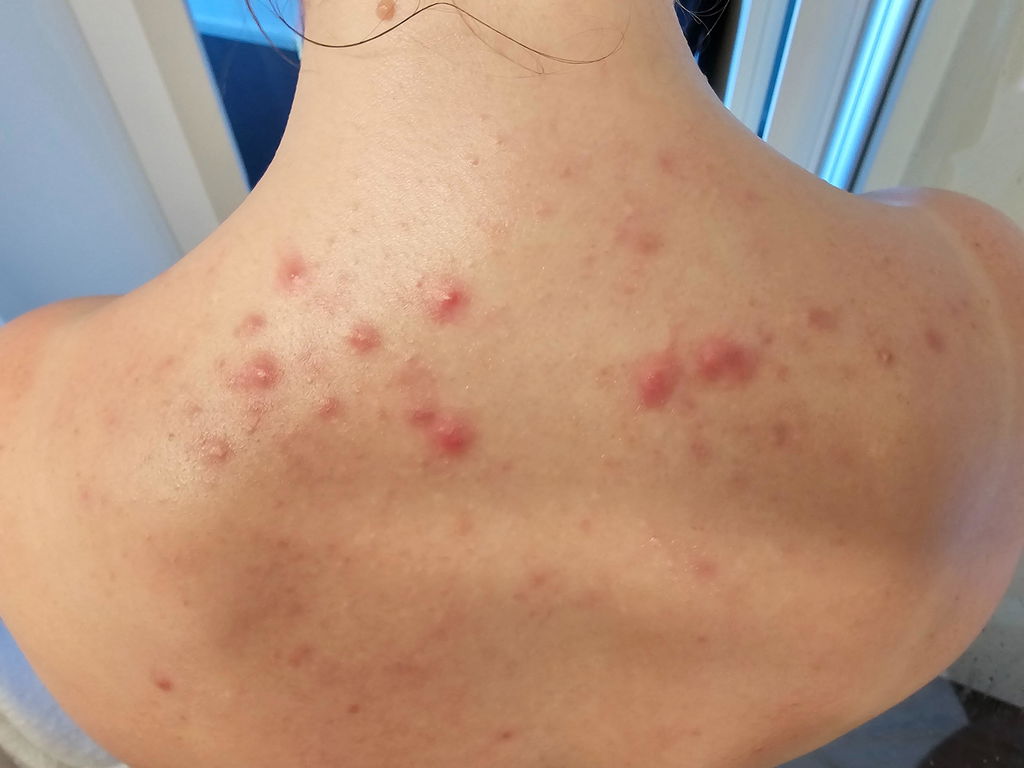
- Unexplained rashes and inflammatory skin reactions
- Dull, sallow complexion with dark circles and hyperpigmentation
- Rosacea — research shows fatty liver can be a significant contributor
- Spider angiomas — tiny, spider-like blood vessels visible under the skin
When your liver can't efficiently process excess estrogen, for example, it recirculates and drives sebum overproduction — leading to clogged pores and deep, hormonal breakouts. No cleanser on earth can fix an internal hormone processing problem.
That realization led me down a completely different path. I stopped treating my skin from the outside and started supporting it from the inside — beginning with my liver. A comprehensive approach like a full detox protocol can address the root cause instead of chasing symptoms on the surface.
Liver-Supporting Foods That Actually Change Your Skin
Once I understood the Phase I/Phase II bottleneck, I started eating to support both pathways. The research behind these three food groups is remarkable.
Cruciferous Vegetables: Your Phase II Activators
Broccoli, Brussels sprouts, cauliflower, kale, and watercress contain glucosinolates — sulfur compounds that convert into sulforaphane when you chop, chew, or blend them. Sulforaphane activates the Nrf2 pathway, which upregulates production of glutathione S-transferases and other Phase II detoxification enzymes.
Clinical trials showed that consuming approximately 250g of Brussels sprouts and broccoli daily induced measurable increases in Phase II enzyme activity. Two prospective cohort studies following 134,796 adults found those with the highest cruciferous vegetable intake had 22% lower total mortality and 31% lower cardiovascular disease mortality. These vegetables uniquely support both Phase I and Phase II simultaneously.
Beets: Liver Protection and Repair
Beets are rich in betalains (the red pigments) and betaine, both of which have documented hepatoprotective effects. Betanin — the primary betalain — activates the same Nrf2 pathway as sulforaphane, upregulating HO-1, NQO1, and glutathione S-transferases. Research published in Scientific Reports (2024) demonstrated that beetroot extract protects against liver injury by restoring antioxidant pathways. Betaine specifically helps reduce hepatic fat accumulation and accelerates fatty acid oxidation — crucial for anyone dealing with sluggish liver function.
Dandelion Root: The Bile Builder
Dandelion root contains taraxasterol and bitter compounds (taraxacin, taraxacerin) that stimulate both bile production (choleretic effect) and bile release (cholagogue effect). The European Scientific Cooperative on Phytotherapy certifies dandelion root as a restorer of liver and biliary function. Preclinical studies show it protects against alcohol-induced and acetaminophen-induced liver damage through modulation of oxidative stress and inflammatory pathways.
Pairing liver-supporting nutrition with mineral replenishment makes the process more complete. Sea moss, with its 92 of the 102 minerals your body needs, provides the trace mineral cofactors that Phase I and Phase II enzymes require to function properly.
The Morning Olive Oil and Lemon Shot: Kickstarting Bile Flow
One of the simplest morning rituals I adopted was a tablespoon of extra virgin olive oil with the juice of half a lemon, taken on an empty stomach.
The science behind this is straightforward. Olive oil's high oleic acid content stimulates cholecystokinin (CCK) — a hormone that triggers gallbladder contraction and bile release. Research has described extra virgin olive oil as an "exceptionally potent choleretic." Meanwhile, a study published in nuclear medicine research found that 250ml of diluted lemon juice accelerates hepatobiliary transit — essentially speeding the movement of bile through your liver.
Why does this matter for your skin? Because bile is how your liver actually eliminates the conjugated toxins from Phase II. Without adequate bile flow, those neutralized toxins can back up, recirculate, and eventually find their way out through your skin.
A note of caution: if you have gallstones or severe acid reflux, this protocol isn't for you. Always listen to your body.
Bile Production and the Liver-Gut-Skin Axis
Bile does far more than eliminate toxins. It's a signaling molecule that profoundly influences your gut microbiome — which, in turn, directly impacts your skin.
Your liver produces primary bile acids that travel to your small intestine during digestion. Your gut bacteria then convert these into secondary bile acids, which are reabsorbed and recirculated in what's called enterohepatic circulation. Research shows that secondary bile acids modified by gut microbiota act as anti-inflammatory factors that can decrease the severity of psoriasis, atopic dermatitis, and other inflammatory skin conditions.
When bile production is sluggish, this entire loop breaks down. Your gut microbiome shifts. Dysbiosis sets in. And emerging research confirms that gut dysbiosis is directly associated with acne, rosacea, eczema, and psoriasis.
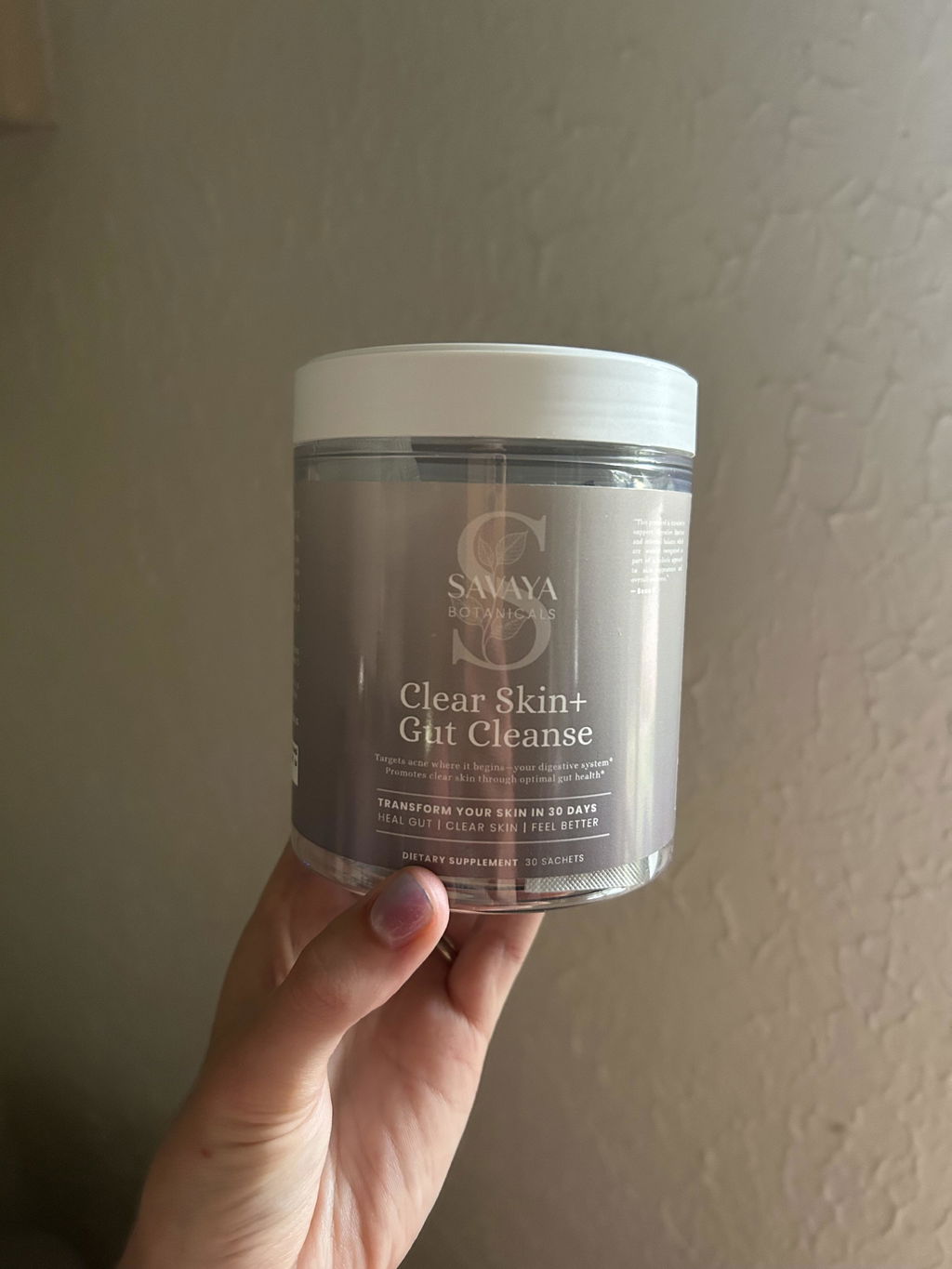
This is why supporting your gut alongside your liver creates a multiplier effect for skin clarity. A targeted gut cleanse can help restore microbial balance while your liver does the heavy lifting of toxin elimination. And for those looking to support both pathways together, Clear Skin+ Max Detox, our daily acai-based detox blend, helps support the liver and gut at the same time.
7 Signs Your Liver Is Asking for Help
Your body communicates constantly. These are the signals I wish I'd recognized sooner:
- Breakouts that resist every topical treatment — especially hormonal acne along the jaw, chin, and cheeks
- Waking up groggy despite getting enough sleep — your liver does its heaviest detox work between 1-3 AM
- Itchy skin without rashes, particularly on palms, feet, or limbs (a sign of bile acid buildup)
- Sensitivity to alcohol, caffeine, or strong smells — even small amounts hit you harder than they used to
- Dull complexion with yellowish undertones — bilirubin isn't being processed efficiently
- Digestive issues — bloating after fatty meals, pale stools, or nausea signal sluggish bile flow
- PMS symptoms worsening over time — your liver may be struggling to clear excess estrogen
If three or more of these resonate, your skin issues likely aren't a skin problem at all. They're a liver problem wearing a skin disguise.
Building Your Liver-Skin Protocol
After two years of applying what I learned, here's the daily approach that transformed my skin from the inside out:
- Morning: Olive oil + lemon shot on an empty stomach, followed by warm water with dandelion root tea
- Daily nutrition: At least two servings of cruciferous vegetables (raw or lightly steamed to preserve sulforaphane), beets 3-4 times per week
- Mineral support: Trace minerals to fuel Phase I and Phase II enzyme production
- Gut maintenance: Supporting the microbiome so bile acids can do their job in the liver-gut-skin loop
- Topical support: A clean, nourishing barrier cream like grass-fed tallow to protect the skin you're healing from the inside
I also added collagen support to help rebuild the skin matrix that years of internal inflammation had broken down.
The results weren't overnight — real internal healing never is. But within six weeks, the cystic breakouts stopped. Within three months, the texture of my skin had changed completely. Not because I found a better serum. Because I finally addressed the organ that was driving the problem all along.
———
Ready to Support Your Liver and Transform Your Skin?
If your skin has been telling you something isn't right — and nothing topical has worked — it might be time to look deeper. The Max Detox protocol was designed to support your liver's Phase I and Phase II detoxification pathways while nourishing your gut and replenishing the minerals your body needs to clear toxins properly.
Your skin isn't broken. Your liver just needs backup.
———
Frequently Asked Questions
Can liver problems really cause acne and skin issues?
Yes. Research published in hepatology and dermatology journals confirms that liver dysfunction is directly linked to skin conditions including acne, rosacea, pruritus, and hyperpigmentation. When your liver cannot efficiently process hormones and toxins through Phase I and Phase II detoxification, these substances can exit through your skin, causing inflammation and breakouts. Studies in the Journal of Clinical and Aesthetic Dermatology show that individuals with non-alcoholic fatty liver disease have significantly higher rates of skin problems.
What foods support liver detoxification for clearer skin?
Cruciferous vegetables (broccoli, Brussels sprouts, kale) are the most researched liver-supporting foods — they contain sulforaphane, which activates Phase II detoxification enzymes. Beets provide betalains and betaine that protect liver cells and reduce fat accumulation. Dandelion root stimulates bile production and release. Clinical trials have shown that regular cruciferous vegetable intake measurably increases detoxification enzyme activity, supporting the liver's ability to clear toxins that would otherwise affect skin health.
How does bile production affect skin health?
Bile is the primary vehicle through which your liver eliminates conjugated toxins from Phase II detoxification. Bile acids also serve as signaling molecules that shape your gut microbiome. Research shows that secondary bile acids, modified by gut bacteria, act as anti-inflammatory factors that can reduce the severity of inflammatory skin conditions like psoriasis and dermatitis. When bile production is sluggish, toxin elimination slows and gut dysbiosis develops — both of which are linked to acne, rosacea, and eczema.
Is the olive oil and lemon morning shot backed by science?
Partially. Extra virgin olive oil has been described in research as an "exceptionally potent choleretic" — meaning it strongly stimulates bile production. Its oleic acid content triggers cholecystokinin (CCK), a hormone that causes gallbladder contraction and bile release. A study found that diluted lemon juice accelerates hepatobiliary transit. While the combined protocol lacks large-scale clinical trials, the individual bile-stimulating properties of both ingredients are documented in peer-reviewed research. This protocol should be avoided by anyone with gallstones or severe acid reflux.
How long does it take for liver support to improve skin?
Most people begin noticing changes in skin clarity within 4-8 weeks of consistent liver and gut support, though this varies based on the degree of liver burden and individual health factors. The liver has remarkable regenerative capacity, but deep cellular turnover and hormonal rebalancing take time. A comprehensive approach that addresses both liver detoxification pathways and gut health simultaneously tends to produce more noticeable and lasting results than targeting either system alone.