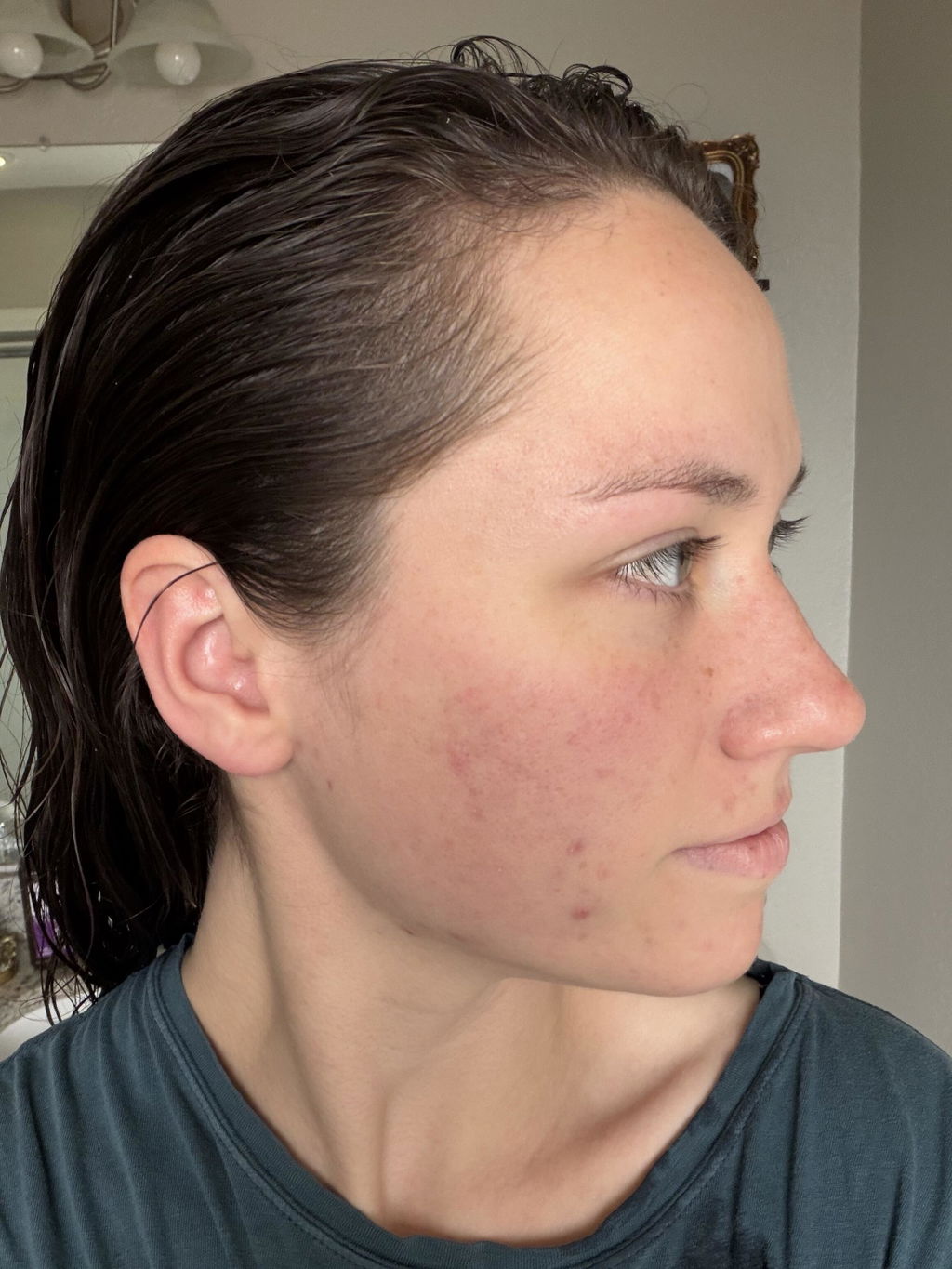
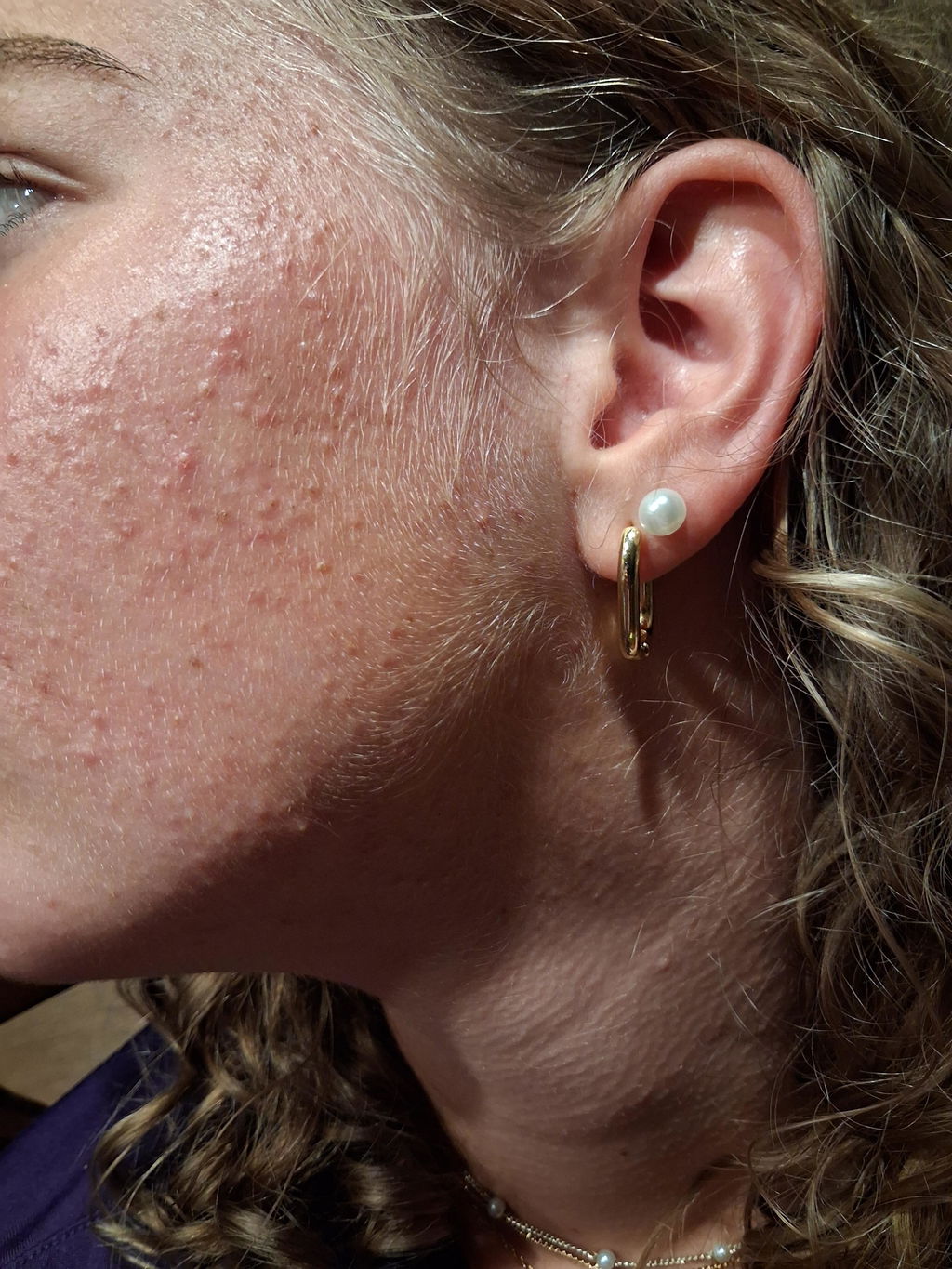
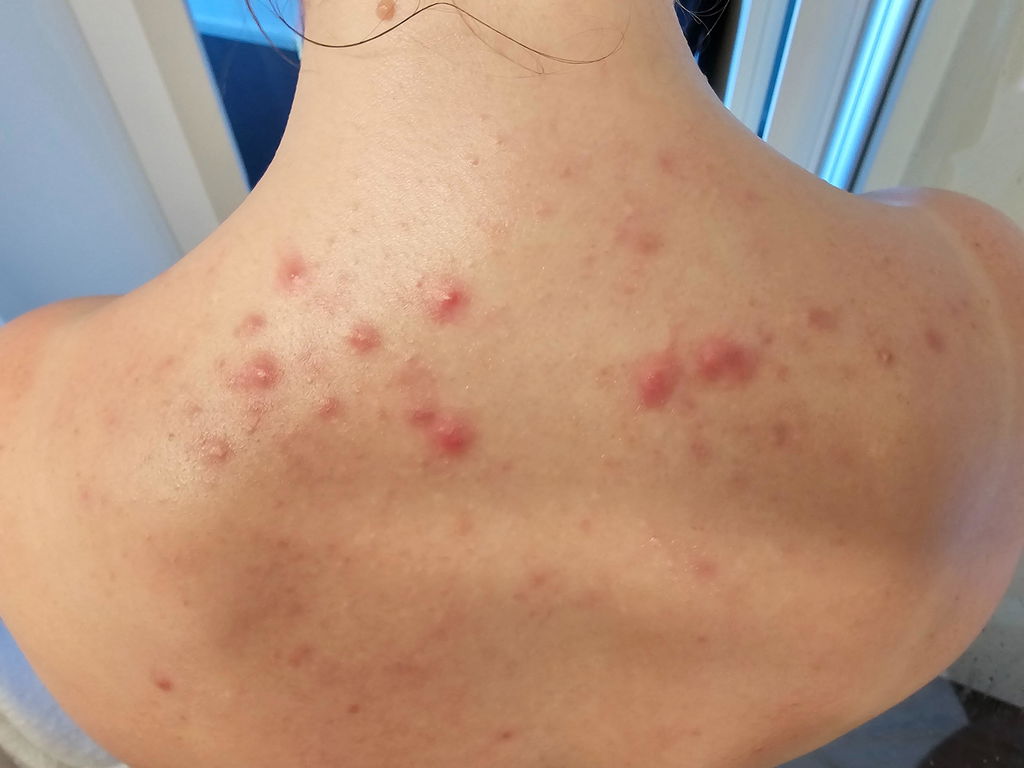
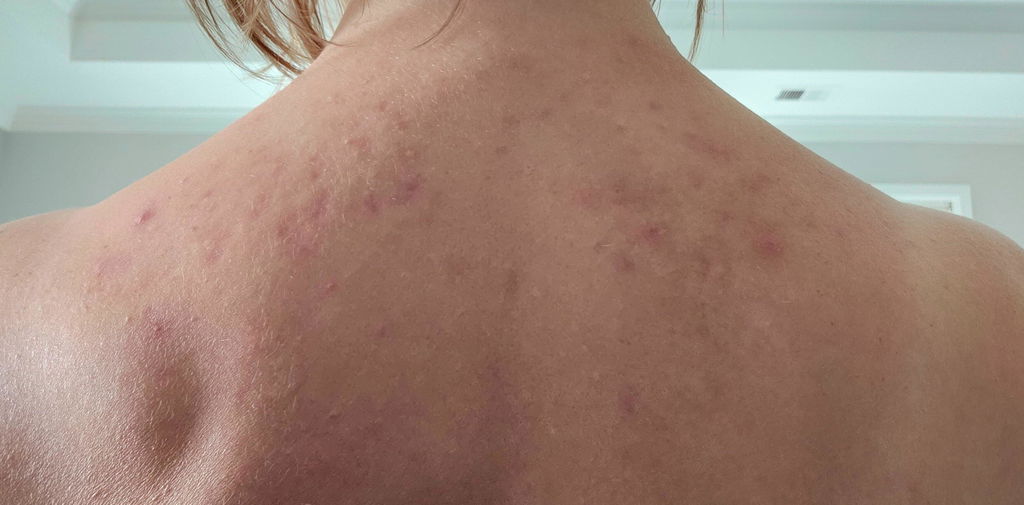
The night before my sister's wedding, I had a panic attack at 2 AM. Three days later, my entire jawline erupted in cystic acne — the kind that pulses under your skin like a second heartbeat. I'd been clear for six months. I hadn't changed my diet. I hadn't touched a new product. The only variable was the stress.
That's when I started reading the neuroscience papers. What I found rewrote everything I thought I knew about skin.
The Three-Way Conversation Happening in Your Body Right Now
Your gut, brain, and skin are not separate organs. They're a continuous, bidirectional communication network — what researchers call the gut-brain-skin axis. Information flows in all directions, all the time, through nerves, hormones, and immune signals. When one system breaks down, the others follow within days.
The most underrated player here? Your gut.
A 2018 study in Frontiers in Microbiology found that 54% of acne patients have measurable alterations in their gut microbiota compared to clear-skinned controls. Not a few. Not most. More than half. The bacterial colonies in your intestines literally show up on your face.
But here's where it gets wild: stress is the trigger that connects them.
Cortisol, Cracked Intestines, and the Inflammation Cascade
When you experience stress — a deadline, a fight with your partner, chronic anxiety you can't pinpoint — your hypothalamic-pituitary-adrenal axis (HPA axis) fires. This is your body's stress command center. It tells your adrenal glands to dump cortisol into your bloodstream.
In small, occasional doses, cortisol is brilliant. It mobilizes energy. It sharpens focus. It saves your life if a car swerves into your lane.
But chronic cortisol? Chronic cortisol cracks open your gut.
Specifically, sustained cortisol elevation degrades the tight junction proteins — zonulin, occludin, claudin — that hold your intestinal cells together. When these proteins loosen, undigested food particles, bacterial fragments (specifically lipopolysaccharides, or LPS), and inflammatory metabolites leak through the intestinal wall and into your bloodstream. Researchers call this increased intestinal permeability. You probably know it as leaky gut.
Once those LPS molecules hit your bloodstream, your immune system goes into overdrive. Pro-inflammatory cytokines — IL-1β, IL-6, TNF-α — flood your system. They travel everywhere, including to the sebaceous glands in your skin.
The result? The same inflammation that started in your gut now expresses itself as cystic acne on your jawline, forehead, and back. The pimple isn't a skin problem. It's a gut problem with a skin address.
The Vagus Nerve: Your Body's Forgotten Superhighway
Here's the part most people miss. The vagus nerve is the longest cranial nerve in your body. It connects your brainstem to nearly every organ — including 100 million neurons embedded in your gut wall (the enteric nervous system, sometimes called your "second brain").
About 80% of vagal fibers are afferent, meaning they carry signals from the gut to the brain. Only 20% go the other way. Your gut is talking to your brain way more than your brain is talking to your gut.
When your vagus nerve is toned and active (high vagal tone), your gut digests properly, your microbiome flourishes, and inflammation stays low. When vagal tone drops — usually from chronic stress, shallow breathing, or poor sleep — digestion slows, microbes shift toward dysbiosis, and inflammation spreads.
A 2019 study in Inflammatory Bowel Diseases showed that stimulating the vagus nerve reduced systemic inflammatory markers by up to 40%. You don't need a medical implant to do this. You can stimulate your vagus nerve in your kitchen, on a walk, or in a cold shower.
We'll get there.
What the Research Actually Says About Stress-Induced Acne
I need to give you the receipts because dermatology textbooks have been dancing around this for decades.
A landmark 2003 study by Chiu et al. tracked Stanford undergrads during exam periods. Acne severity correlated directly with self-reported stress levels — not with diet changes, not with hygiene shifts. Just stress. The students who reported the highest stress had measurable increases in inflammatory lesions within 7 to 14 days.
A 2017 paper in Acta Dermato-Venereologica found that adults with persistent acne had significantly higher levels of perceived stress and elevated cortisol awakening responses. Their HPA axes were dysregulated at baseline.
And in 2020, researchers in the journal Microorganisms demonstrated that the same stress-induced gut dysbiosis seen in IBS patients was present in adult acne patients — even those without digestive symptoms. The gut was inflamed silently.
You don't need to feel bloated to have a gut problem. Your skin will tell you first.
Why "Just Stop Stressing" Is Useless Advice
Telling someone with stress-induced acne to relax is like telling someone with a broken leg to walk it off. Stress isn't a mindset. It's a biological state with measurable hormones, neurotransmitters, and inflammatory markers. You can't think your way out of cortisol.
You have to use the body to reach the brain.
This is where most acne protocols fail. They focus on the face — topicals, antibiotics, retinoids — when the real intervention is upstream. You have to calm the nervous system, repair the gut lining, and rebuild the microbiome. In that order.
The Holistic Protocol I Built for Stress-Induced Breakouts
After two years of trial and error (and a lot of failed prescription creams), here's what actually moved the needle for me. I'm not promising it'll work for everyone, but the science underneath is solid and the results have held for over a year.
1. Cold Exposure: The Vagus Nerve Reset Button
Cold water immersion stimulates the vagus nerve almost instantly. A 2018 study in PLOS ONE found that cold exposure increased heart rate variability — a proxy for vagal tone — by 17% within minutes. It also dropped acute cortisol and increased norepinephrine, which has anti-inflammatory effects on the skin.
I do 2 to 3 minutes of cold water at the end of my regular shower. That's it. The first week is psychological warfare. By week three, you'll crave it. Aim for 3 sessions per week minimum.
2. Slow Nasal Breathing With Extended Exhales
Specifically, breathing patterns where the exhale is twice as long as the inhale — 4 seconds in through the nose, 8 seconds out through pursed lips. This activates the parasympathetic nervous system through the vagus nerve. You're literally telling your body the threat is over.
A 2017 study in Frontiers in Psychology showed that 5 minutes of slow paced breathing dropped salivary cortisol by 22%. That's enough to start healing tight junctions if you do it daily.
3. Sleep Like Your Skin Depends on It (Because It Does)
Most gut repair happens during deep sleep, when growth hormone peaks and your microbiome shifts toward anti-inflammatory species. Skimp on sleep and your gut never catches up.
The non-negotiables that worked for me:
- No screens 60 minutes before bed (blue light suppresses melatonin)
- Bedroom under 67°F
- Magnesium glycinate 400mg about an hour before sleep
- Same bedtime within a 30-minute window, every night, including weekends
- Morning sunlight on your eyes within 30 minutes of waking
4. Repair the Gut Lining (This Is Non-Negotiable)
You can do all the breathwork in the world, but if your gut is still leaking LPS into your bloodstream, the inflammation continues. I started with a microbiome gut cleanse protocol to clear out dysbiotic bacteria, then layered in mineral-dense sea moss for the prebiotic fiber and 92 trace minerals that feed beneficial bacteria.
The mineral piece matters more than people realize. Most acne patients are deficient in zinc, selenium, and magnesium — all of which the gut needs to repair tight junctions and which the skin needs to control sebum production.
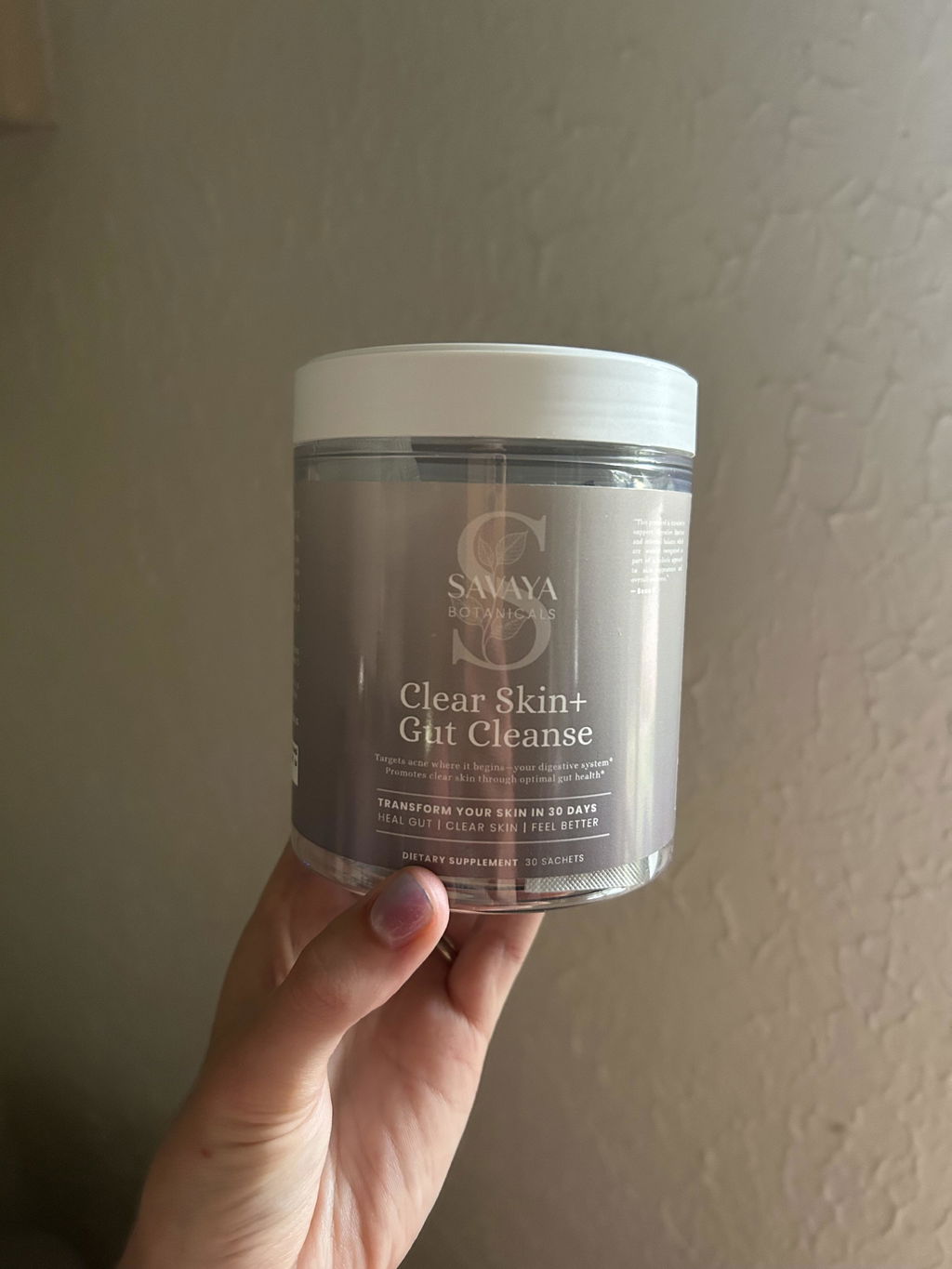
If you'd rather have one simple daily habit than piece it together yourself, the Clear Skin+ Max Detox is a daily acai blend that helps support gut and skin health.
5. Support the Skin Barrier From the Outside
While the gut heals, your skin barrier needs help. Topical tallow cream mimics the lipid profile of human sebum almost identically and reinforces the barrier without clogging pores. I also added collagen strips for extracellular matrix support — collagen peptides reach the gut and skin within hours and feed both tissues simultaneously.
6. The Full Reset (When You Need a Hard Restart)
If you've been spinning for months and nothing is working, sometimes you need to clear the deck completely. The Max Detox protocol is what I recommend when the gut is so inflamed that small interventions can't get traction. It's intensive, but it gives you a clean slate to rebuild from.
The Result You're Actually After
Within three weeks of consistent breathwork, cold exposure, and gut support, my jaw cleared. Within eight weeks, the cystic patterns I'd dealt with for years were genuinely gone. I haven't had a stress-induced breakout in over a year — even through a divorce, a cross-country move, and my dad's hospitalization.
It's not magic. It's not a single supplement. It's the gut-brain-skin axis working with you instead of against you.
Your skin is the report card for the conversation happening between your nervous system and your microbes. Change the conversation, and the report card changes.
———
Where to Start This Week
If you're dealing with stress-induced acne and don't know where to begin, start with the gut. Everything else is downstream of intestinal health. The microbiome gut cleanse is the single intervention with the highest leverage for most people — it clears the dysbiosis that chronic cortisol creates and gives the rest of the protocol something to build on.
Add the breathwork. Add the cold. Be patient. Skin is a 28-day organ, and gut healing takes longer than that.
You don't have a skin problem. You have a stress problem with a skin signature. Treat it accordingly.
———
Frequently Asked Questions
How long does it take for stress-induced acne to clear up?
Most people see initial improvement within 4 to 6 weeks of addressing both the gut and the nervous system, with significant clearing by 12 weeks. Skin cell turnover is 28 days, but gut lining repair typically takes 6 to 8 weeks. The protocol that fixes the root cause works slower than topicals, but the results actually last because you've corrected the underlying biology.
Can stress alone cause acne even if my diet is clean?
Yes. Chronic cortisol can crack open the gut lining and trigger systemic inflammation regardless of how clean your diet is. You can eat perfectly and still break out if your nervous system is dysregulated. This is why so many "clean eaters" with high-functioning anxiety still struggle with cystic acne — they've fixed the food but not the stress, and the gut-brain-skin axis stays inflamed.
What is the fastest way to stimulate the vagus nerve at home?
Cold water exposure (face plunge or cold shower) and slow nasal breathing with extended exhales are the two fastest, free interventions. Both increase vagal tone within minutes. Humming, gargling, and singing also stimulate the vagus nerve through the throat muscles. Five minutes a day is enough to start shifting your baseline, and the effects compound over weeks.
Are probiotics enough to fix gut-driven acne?
Probiotics alone usually aren't enough because they don't address dysbiosis (overgrowth of unfriendly bacteria) or the leaky tight junctions that cortisol creates. You typically need to clear, repair, and then repopulate — in that order. A structured gut cleanse followed by mineral-rich prebiotic foods like sea moss tends to work better than throwing probiotic capsules at the problem.
Does sleep really affect acne that much?
Dramatically. Deep sleep is when your gut microbiome resets, growth hormone repairs tissue, and cortisol drops to baseline. Studies show that even one night of poor sleep raises inflammatory markers measurably. If you're getting under 7 hours consistently, no skincare routine will outpace what your body is breaking down at night.
Can the gut-brain-skin axis affect adult-onset acne specifically?
Adult acne is almost always more gut-and-stress driven than teen acne, which is more hormone-driven. If you didn't have severe acne in your teens but you're breaking out in your late 20s, 30s, or 40s, the gut-brain-skin axis is usually the primary driver. Hormones may modulate it, but the inflammation is coming from somewhere — and that somewhere is almost always the gut.