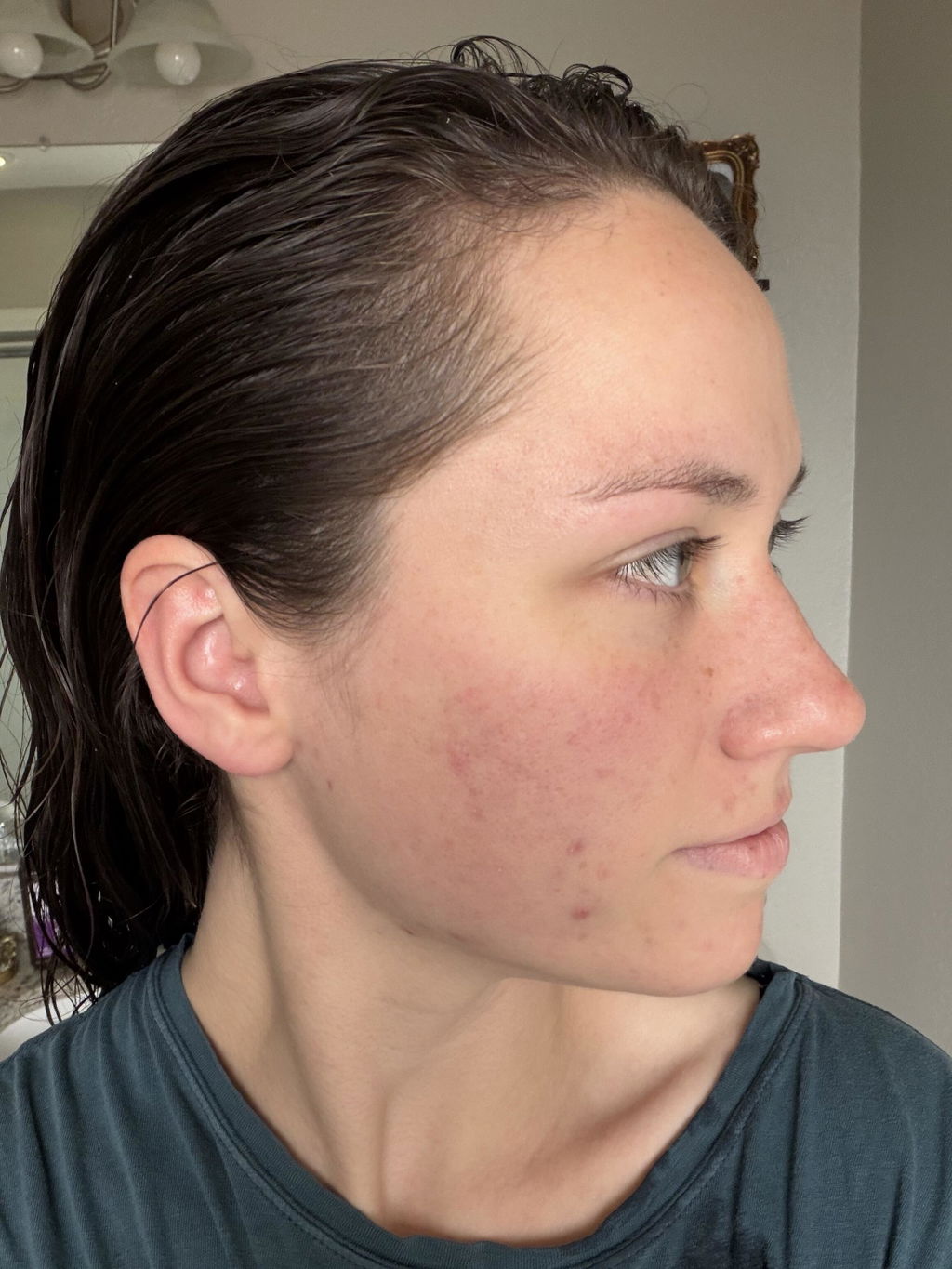
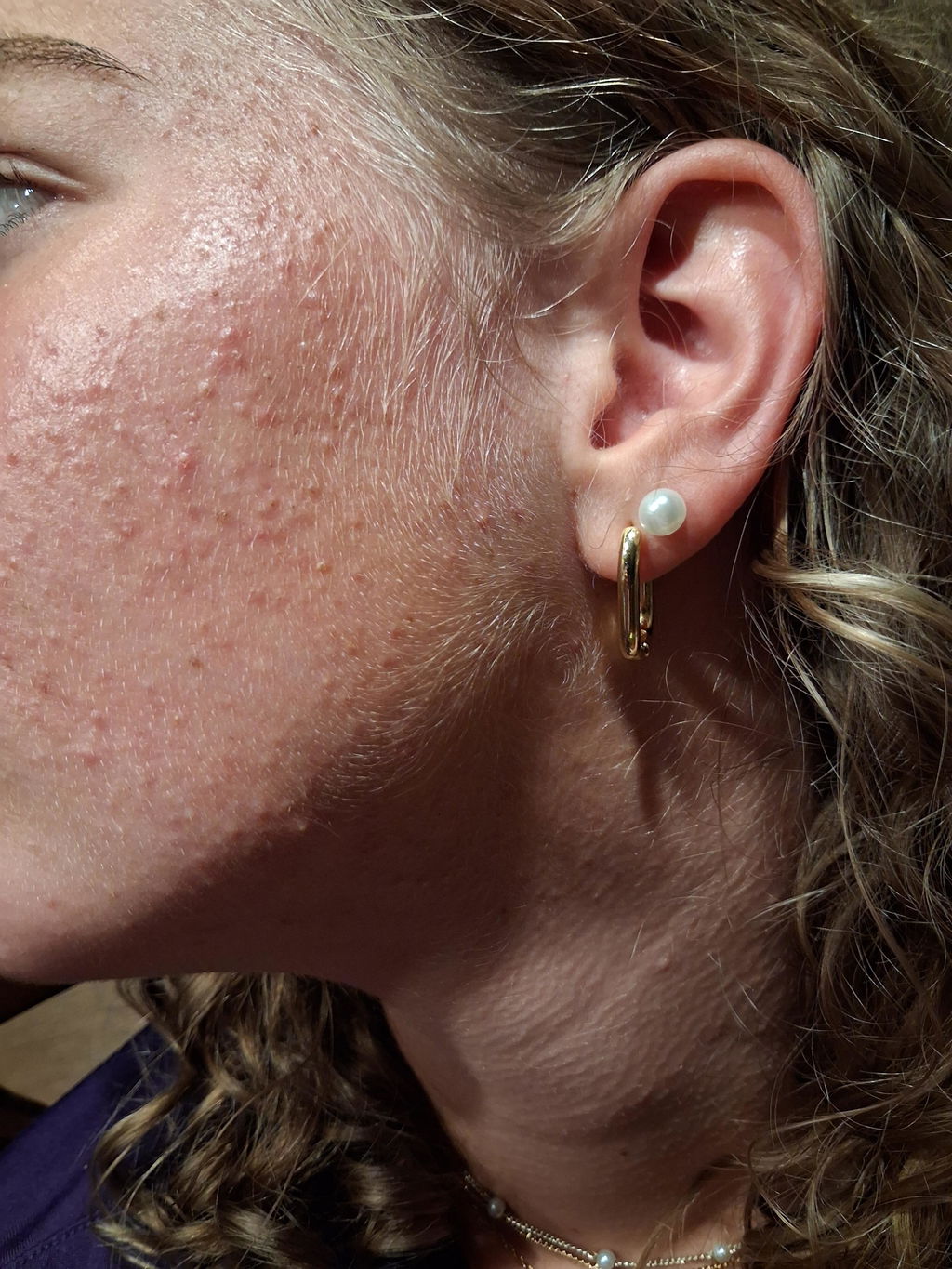
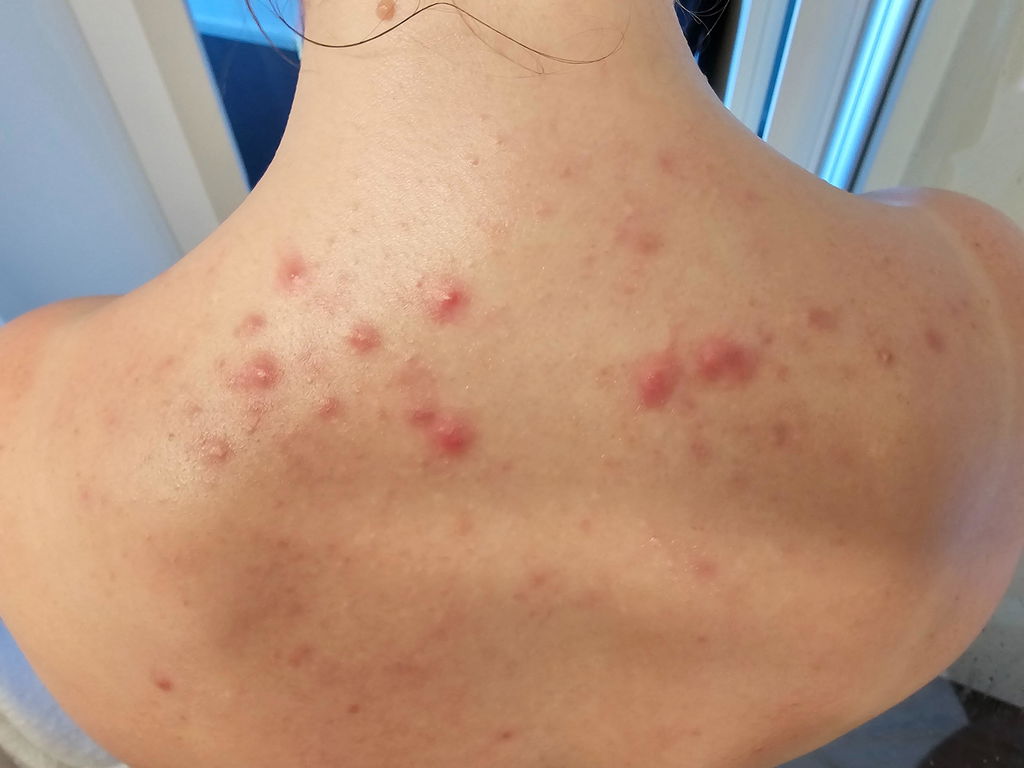
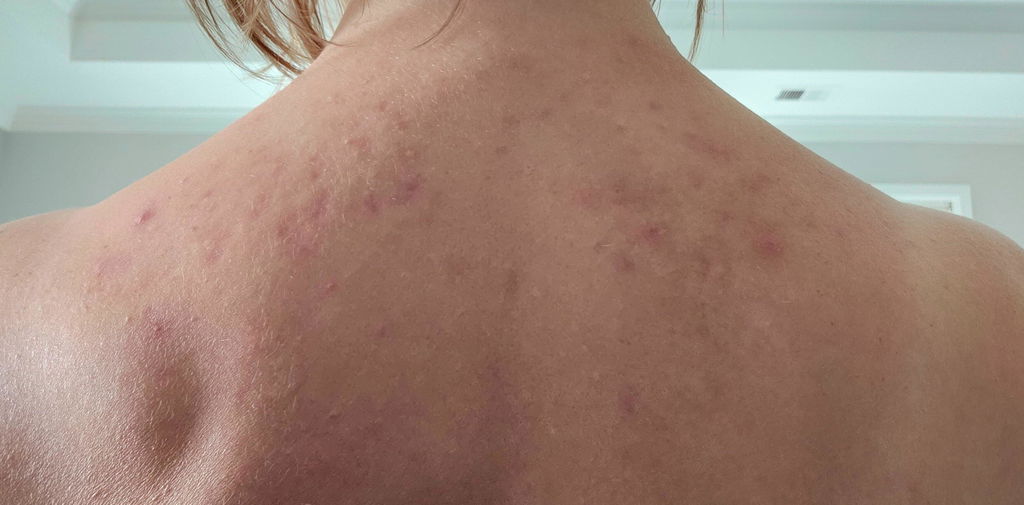
You blame the burger. You blame the wine. You blame the new moisturizer. Meanwhile, the actual trigger for that jaw breakout started three days ago in a Tuesday afternoon meeting. Stress does not just show up on your skin. It travels there. And the road it takes runs directly through your gut, along a nerve most people have never heard of.
The Gut-Brain-Skin Axis Explained
The gut-brain-skin axis is a two-way communication system connecting your intestinal microbiome, your nervous system, and your skin. Signals move constantly between all three. When stress disrupts the gut, the skin registers the damage days later as inflammation, breakouts, and flares. It is not a metaphor. It is a mapped biological pathway.
This idea is not new. Dermatologists John Stokes and Donald Pillsbury proposed the connection back in 1930, and modern research has been catching up ever since. In 2011, Whitney Bowe and Alan Logan published a landmark paper in Gut Pathogens formally reviving the "gut-brain-skin axis" framework. What was once dismissed as folk observation is now a live area of dermatology research.
In my practice, this reframes almost every stubborn adult acne case I see. When a client of mine has been through every topical, every antibiotic, every hormone panel, and nothing has stuck, the answer is usually upstream. It is in the gut. And the gut is being poked, daily, by stress.
How Cortisol Actually Damages Your Gut Lining
Cortisol is your primary stress hormone. When it stays elevated for weeks or months, it thins the mucus layer of the gut, weakens the tight junctions between intestinal cells, and increases what researchers call intestinal permeability, or leaky gut. Once the barrier is compromised, food particles and bacterial fragments cross into the bloodstream and trigger systemic inflammation.
There is a specific protein involved here. Zonulin. It is the molecule that regulates how tightly the intestinal cells hold hands with each other. Chronic stress raises zonulin. Higher zonulin means looser junctions. Looser junctions mean particles slip through that should have stayed inside the intestine.
When those particles reach your bloodstream, your immune system reads them as invaders and produces inflammatory cytokines. These cytokines circulate. They reach the skin. They land on sebocytes, the cells that produce oil, and stimulate them to overproduce. They also switch on an inflammatory pathway called NF-kB, one of the main drivers of the redness, swelling, and pus that show up as acne.
So the road looks like this. Stress raises cortisol. Cortisol thins the gut lining. The gut leaks. The immune system fires. The skin inflames. It takes three to five days from a stressful event to the resulting breakout. That is why the timing feels so confusing. You blame Friday's chocolate when the real trigger was Monday's meeting.
The Vagus Nerve: Your Direct Line Between Gut and Brain
The vagus nerve is the longest cranial nerve in the body, running from the brainstem down to the gut. About 80 percent of its fibers carry information upward, from the gut to the brain. It is the primary communication channel between your microbiome and your nervous system, and it is central to how stress and gut health regulate each other.
When your vagal tone is strong, digestion works, inflammation stays down, and the gut lining stays intact. When vagal tone drops, and chronic stress is one of the fastest ways to drop it, digestion slows, the gut becomes more permeable, and inflammatory signaling climbs.
A 2018 review by Bonaz and colleagues in Frontiers in Neuroscience laid out the mechanism clearly. The vagus senses inflammation in the gut, reports it upward to the brain, and delivers anti-inflammatory signals back down through what is called the cholinergic anti-inflammatory pathway. When the nerve is working well, this loop keeps gut inflammation in check. When it is not, inflammation is allowed to spread and reach distant organs, including the skin.
This is why breathwork and cold exposure work on skin. They are not woo. They are tools that directly stimulate the vagus nerve. More on that in a minute.
The HPA Axis: Why Chronic Stress Rewires You
The hypothalamic-pituitary-adrenal axis, or HPA axis, is the system that governs your body's stress response. It releases cortisol in a normal daily rhythm, but under chronic stress it becomes dysregulated. In that state, cortisol stays high for too long, the circadian curve flattens, and the whole feedback loop stops resetting properly.
For skin, this matters in two ways.
First, chronically elevated cortisol raises insulin-like growth factor 1, known as IGF-1, one of the most studied drivers of adult acne. Higher IGF-1 pushes sebocytes to produce more oil and increases androgen activity locally in the skin. Both worsen breakouts.
Second, HPA dysregulation feeds gut dysbiosis. Cortisol shifts the balance of bacteria toward inflammatory species and starves out the beneficial ones that make short-chain fatty acids like butyrate. Butyrate is fuel for the cells that line your colon. Without it, those cells weaken. The barrier gets more porous. More zonulin. More cytokines. More acne.
You can see why chasing this with a face wash never works. If the fire is in the gut and the wiring is in the nervous system, no serum in the world reaches it. This is where a targeted gut cleanse starts to belong in the conversation.
What the Research Actually Shows About Stress-Induced Acne
Studies consistently show that stressful periods precede acne flares. A 2003 study in the Archives of Dermatology by Chiu and colleagues followed university students through exam periods. Acne severity rose significantly during high-stress exam weeks, independent of changes in diet or sleep. It was one of the first controlled human studies to isolate stress itself as a real trigger.
More recent work has filled in the mechanism. Chen and Lyga's 2014 review in Inflammation and Allergy Drug Targets, titled "Brain-Skin Connection: Stress, Inflammation and Skin Aging," is one of the clearest summaries in the literature. They mapped how psychological stress activates local skin immune cells and worsens conditions like acne, psoriasis, and eczema through many of the same inflammatory pathways I described above.
Stress does not cause acne on your face. It causes damage in your gut. The face is just where the damage becomes visible.
That is what I tell my clients when they ask why nothing topical is working. If the fire is in the gut, you are just painting over smoke.
Cold Exposure and Vagal Tone
Cold exposure activates the vagus nerve. A short cold shower, a face plunge into ice water, or even holding an ice pack against the sides of your neck triggers the dive reflex and switches on the parasympathetic branch of the nervous system. Thirty to sixty seconds is often enough to reset an over-firing stress response.
I do not send people into three-minute ice baths. Start with a face plunge in a bowl of cold water first thing in the morning. Fifteen seconds. That is it. Do it daily for a week, and most people report noticeably calmer mornings and less afternoon anxiety.
The mechanism is well understood. Cold on the face, especially around the eyes and nostrils, stimulates the trigeminal-cardiac reflex. That reflex is a direct handshake with the vagus nerve. Repeated stimulation over weeks strengthens vagal tone, which slowly pulls the gut out of its stressed, permeable state.
Breathwork That Actually Reaches Your Gut
Slow diaphragmatic breathing, at about six breaths per minute, is the fastest known way to increase vagal tone. Long exhales stretch the vagus nerve where it wraps the diaphragm, sending a strong parasympathetic signal. Ten minutes of this practice can measurably reduce cortisol, calm gut motility, and lower inflammatory markers within a single session.
There is one pattern I give to almost every client. Inhale for four counts. Hold for two. Exhale for eight. The exhale is where the magic is. Long exhales are the on-switch for the vagus nerve.
A 2018 systematic review by Zaccaro and colleagues in Frontiers in Human Neuroscience pulled together the physiological effects of slow breathing. It reliably increased heart rate variability, reduced cortisol, and improved subjective calm. Heart rate variability is one of the best real-time markers we have of vagal tone.
Ten minutes a day is not much. But it is enough to slowly rebuild what stress has been eroding.
Sleep Hygiene as Gut Repair
Deep sleep is when your gut lining regenerates. Intestinal epithelial cells turn over roughly every three to five days, and most of that repair happens during slow-wave sleep. Chronic sleep restriction reduces microbial diversity, raises cortisol, and directly increases intestinal permeability. Skin healing also concentrates in these hours, when growth hormone peaks.
If you are sleeping five hours a night, your gut cannot repair. It is that simple. The barrier stays leakier for longer. Cortisol runs higher the next morning. The whole cycle keeps spinning.
The basics that actually matter:
- Same bed time and wake time, seven days a week. Consistency beats duration.
- No screens after the sun goes down, or wear amber glasses if you have to be on one.
- Cool bedroom. Around 65 degrees Fahrenheit. Your core temperature needs to drop for deep sleep to happen.
- No caffeine after noon. It has an eight-hour half-life. Even if you fall asleep easily, the sleep itself is shallower.
- Morning sunlight within 30 minutes of waking. It anchors your circadian rhythm and reshapes the cortisol curve within a week.
These are unglamorous. They also work faster on skin than any serum I have ever seen.
The Gut Repair Layer Most People Skip
Stress reduction alone is not always enough. If the gut lining has been leaky for years, active repair is often needed to close it. That usually means removing what is aggravating the barrier, feeding the beneficial bacteria that live on it, and supplying the raw materials the intestinal cells need to rebuild. Skin often improves once this layer is finally addressed.
For someone who has been fighting acne for a year or more, calming the nervous system will only take you so far if the barrier is still open. In my practice, I pair the stress work with this microbiome reset for about four to six weeks, and it is the phase where skin usually starts to visibly shift.
For deeper cases, especially when there is fatigue, bloating, or hormonal irregularity alongside the acne, the deeper 12-week reset gives the gut lining more time to fully rebuild. That kind of skin story rarely turns around in a month.
Nutrient support matters too. Sebocyte regulation, skin barrier integrity, and inflammation control all rely on trace minerals. Mineral-rich sea moss supplies 92 trace minerals from the ocean, including iodine, magnesium, and zinc, all three of which are chronically low in stressed adults. And for the structural side of the skin, bioavailable collagen support helps thicken the dermis so inflammation heals cleanly instead of scarring.
• • •
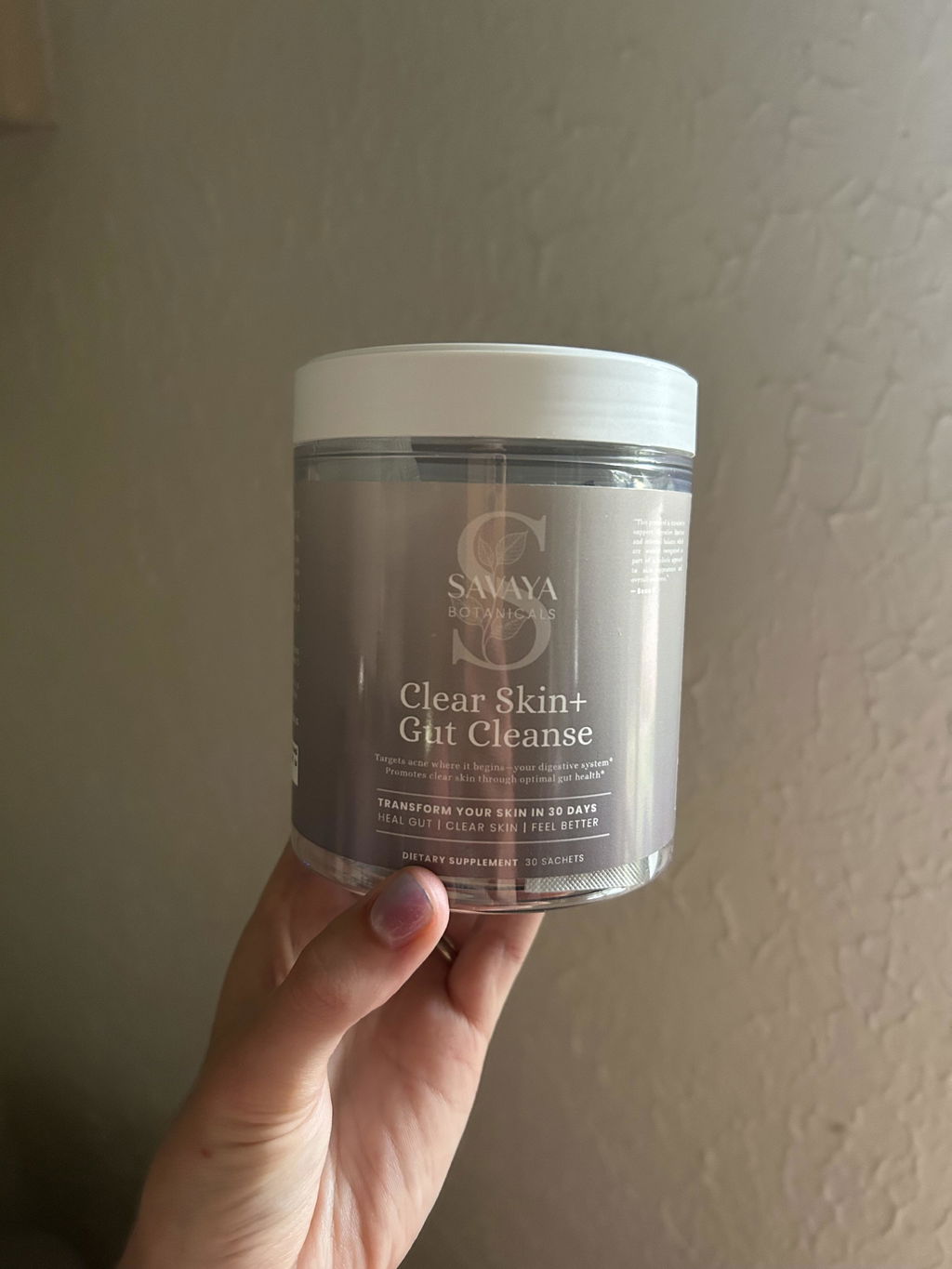
If your acne feels stress-driven and topicals have never touched it, this is usually where the missing piece is. A daily acai blend like Clear Skin+ Max Detox helps support the gut lining while the body manages everyday stress.
Frequently Asked Questions
What is the gut-brain-skin axis?
The gut-brain-skin axis is a triangle of communication between your intestinal microbiome, your nervous system, and your skin. Signals move in all directions. When any one of the three is disrupted, the other two register the change. Stress in the brain shows up as inflammation in the skin because it first damages the gut.
How long does it take stress to cause a breakout?
Usually three to five days. Stress raises cortisol, cortisol increases intestinal permeability, and permeability triggers systemic inflammation. That inflammation takes several days to concentrate in the skin's sebum-producing cells. The breakout you get on Friday often traces back to Monday.
Can breathwork really help acne?
It helps by strengthening vagal tone, which lowers gut inflammation and cortisol. It will not clear pimples overnight. Over eight to twelve weeks of daily practice, most people notice fewer flares and calmer skin. Combined with gut repair, the results become more visible.
Is stress-induced acne different from hormonal acne?
They often overlap. Stress raises IGF-1 and androgen activity, which are the same pathways that drive hormonal acne. Jaw and chin breakouts that flare during stressful weeks are usually stress plus hormonal. Addressing the gut and nervous system tends to soften both patterns.
What is the fastest way to lower cortisol?
Long, slow exhales. Six breaths per minute for ten minutes. That is the single fastest intervention I know. Cold exposure and morning sunlight both help too, but breathwork works within minutes.