You have been told the same thing forever. Dry skin, dull complexion, breakouts. Drink more water. So you carry the bottle. You check the app. And your skin still cracks at the corners of your mouth. Here is the part nobody explains. Water without minerals cannot hydrate a single cell. In my practice, this is the mistake I see most often. And it is the reason your glow never sticks.
Why Plain Water Alone Doesn't Actually Hydrate Your Cells
Plain water does not hydrate cells on its own. Water needs electrolytes like sodium, potassium, and magnesium to move across cell membranes through protein channels called aquaporins. Without those minerals, the water passes through your system, pulls existing electrolytes with it, and leaves cells drier than before you drank.
Your cells are picky. They live in a delicate salt balance called osmotic pressure. When you flood a mineral-depleted body with plain water, you dilute the electrolytes already floating around. Your kidneys respond by dumping more water to protect that balance. So you sip. You pee. You feel puffy in the morning. And your skin stays crepey.
Aquaporin-3 is the tiny protein channel that keeps the outer layer of skin plump and pliable. Research on AQP3 across dermatology journals over the past fifteen years shows it needs a stable electrolyte gradient on both sides of the cell membrane to function. No minerals, no gradient, no cellular water. This is why some women drink three liters a day and still show tight, dehydrated skin.
Here is the part most people miss.
The Electrolyte Problem Nobody Explains
Skin hydration is really an electrolyte story. Cellular water absorption depends on sodium and potassium pumping across cell walls, magnesium activating over 300 enzymes involved in water balance, and chloride maintaining the osmotic pull that draws water into tissue. Modern diets are stripped of these minerals. Filtered water strips more.
Magnesium is the first to go. Modern soil is depleted. Coffee, sugar, and chronic stress deplete magnesium faster than most women replace it. In my practice, almost every woman with chronic dry skin is running low on magnesium and does not know it. She is tired. Constipated. Twitchy calves at night. Zero glow.
Potassium is next. It runs the sodium-potassium pump, the mechanism that actually pulls water into cells. Bananas alone will not touch a real deficiency. You need leafy greens, coconut water, mineral broths, and sea vegetables. Which is exactly why mineral-rich sea moss keeps coming up in every good hydration protocol I write. It carries the trace elements your cells were never getting from a filtered glass of water.
Sodium gets a bad name it does not fully deserve. Real sea salt, not the processed white stuff, carries trace minerals and helps water reach tissues where it belongs. The problem was never sodium. It was processed sodium stripped of everything that balances it.
When these three are missing, water sits in the wrong places. Bloating. Puffy under-eyes. Skin that feels tight even after a full glass. Which raises the question every client eventually asks.
Mineral Water Vs. Filtered Water: What's Really In Your Glass
Filtered water removes contaminants and minerals both. Reverse osmosis water is essentially empty. Mineral water contains calcium, magnesium, bicarbonate, and trace elements that support cellular hydration. Spring water sits somewhere in between depending on the source. What you drink matters as much as how much.
If your tap water is questionable, filter it. Nobody argues with that. But drinking only reverse osmosis water for months on end is a slow way to leach minerals from your body. Your body has to replace what the water carries away, and it does that by pulling calcium and magnesium from your bones and tissues.
Real mineral water, the kind from a natural spring with an actual mineral analysis on the label, is a different animal. A liter of a high-mineral spring water can provide 100 to 300 milligrams of magnesium. That is a functional dose, not a rounding error.
In my practice I give women three simple rules. Filter your tap. Add a pinch of real mineral salt to every liter you drink. Get one glass of true mineral water in the morning. That combination alone shifts skin hydration in about two weeks.
But even mineral water only works if your gut can absorb it. This is where most hydration plans quietly fail.
The Gut-Hydration Link That Changes Everything
Water absorption happens in the small intestine and colon, not in the mouth or stomach. If your gut lining is inflamed, or you have dysbiosis and intestinal permeability, water passes through without being absorbed into circulation. This is the reason some women drink three liters a day and still show dehydrated skin on a bioimpedance scan.
Aquaporins live in the gut too. The colonocytes lining your large intestine reabsorb around 90 percent of the water arriving from your small intestine. They rely on short-chain fatty acids like butyrate as their main fuel. When your microbiome is out of balance, butyrate drops. Colonocytes weaken. Water absorption drops with them.
Research on the gut-skin axis over the past decade has been clear on one point. Intestinal permeability, driven partly by zonulin release from a stressed gut lining, allows inflammatory compounds into circulation. Those compounds activate the HPA axis and raise cortisol. Cortisol raises IGF-1 and stimulates sebocytes. And now you have inflamed, dehydrated, breakout-prone skin from a hydration problem that started in your gut.
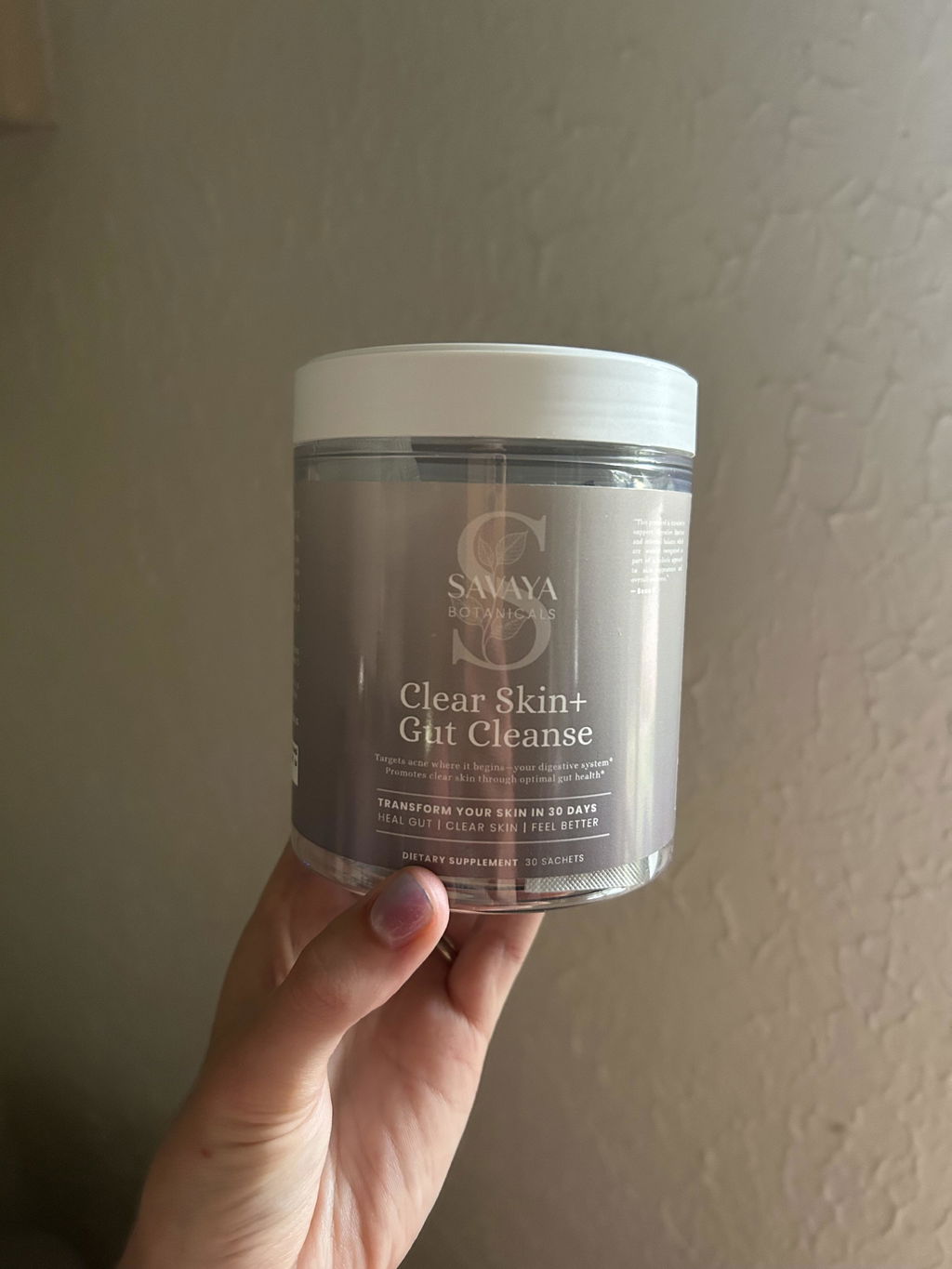
This is why a targeted gut cleanse often does more for skin hydration in six weeks than three liters of water ever will. You are not treating skin from the outside. You are restoring the tissue that absorbs the water in the first place.
Your skin isn't thirsty. It is mineral-starved, and the water you're drinking is running straight through a gut that can't absorb it.
Which brings us to the internet's favorite water controversy.
Structured Water: The Claims Vs. The Actual Science
Structured water refers to a proposed fourth phase of water, sometimes called exclusion zone or EZ water, described by Dr. Gerald Pollack at the University of Washington. Proponents claim it hydrates cells more efficiently than regular water. The physics is real. The health claims are ahead of the evidence.
Pollack's lab has shown that water near hydrophilic surfaces forms an ordered layer with different properties than bulk water. That part is documented. What is not documented is that drinking "structured water" from a vortex pitcher produces any measurable change in human cellular hydration.
Here is what I tell clients. If a structured water pitcher costs less than a good mineral supplement and you enjoy the ritual, no harm done. But do not spend two thousand dollars on a machine when the same money would buy years of the trace minerals we actually know work.
The truth is duller than the marketing. Cellular hydration is mostly about minerals, gut absorption, and cell membrane integrity. Not about spinning water into a different shape.
There is one water myth even bigger than structured water though. And you have almost certainly followed it.
The 8 Glasses A Day Myth (And Where It Actually Came From)
There is no scientific basis for the eight glasses a day rule. The number was popularized in the mid-twentieth century, likely misread from a Food and Nutrition Board recommendation of 2.5 liters total water per day, which included water from food. In 2002, Dr. Heinz Valtin published a review in the American Journal of Physiology titled "Drink at least eight glasses of water a day. Really?" He found no research supporting the rule.
The Institute of Medicine's 2004 report set a general reference of about 2.7 liters total water per day for women and 3.7 liters for men. Roughly 20 percent of that comes from food. Fruit, vegetables, soup, and dairy count. Coffee and tea count too. The old belief that caffeinated drinks dehydrate you was contradicted by work from Grandjean and colleagues published in the Journal of the American College of Nutrition around 2000.
So the honest answer to "how much water should I drink for my skin?" is this. Drink to thirst. Salt your water lightly. Eat plants that are eighty percent water. Watch the color of your urine. Pale straw is ideal. Clear often means over-hydrated. Stop counting glasses.
The women I see with the worst skin hydration are often the ones drinking the most. They have flushed their electrolytes. Their kidneys work overtime. Their skin is dehydrated because the minerals that hold water inside tissue are gone.
So what actually works? Let me tell you exactly what I recommend to my clients.
What Actually Hydrates Your Skin (Step By Step)
Real skin hydration is a stack of small habits that address minerals, gut absorption, and barrier integrity together. No single fix works alone. Here is the daily rhythm I give clients and use myself.
- Morning. Start with 500 ml of room-temperature water with a pinch of real mineral salt and a squeeze of lemon. Not for detox. For sodium, potassium, and gastric motility.
- Between meals. Sip mineral water or filtered water with trace mineral drops. Two to three liters total across the day, adjusted for climate and activity.
- With meals. Keep liquid to a minimum. Too much water at meals dilutes stomach acid and reduces mineral absorption from food.
- Daily. Coconut water once a day for potassium. Bone broth or mineral broth two to three times a week for glycine, sodium, and gelatin.
- Plants. Leafy greens, cucumber, celery, watermelon, berries. These are structured, mineral-rich water in food form.
- Minerals. The 92 trace minerals from the ocean found in sea moss give your body the elements it uses to move water into cells.
- Barrier. Support the outside with a barrier-repairing tallow cream at night so the hydration you rebuild internally does not evaporate.
- Structure. Bioavailable collagen support feeds the dermal matrix that actually holds water inside the skin.
If you have been drinking a lot of water for years and still see dry, tight skin, run a microbiome reset first. Water absorption follows gut integrity. For women who have already tried the basics and want deeper mineral support, replenishing key minerals alongside the microbiome work helps support how nutrients reach your cells. And for chronic congestion, sluggish elimination, or years of built-up load, a deeper full-body reset gives the systems downstream the space to work.
You do not need to drink more water. You need to change what is in the water, and heal the tissue that lets it in.
• • •
Frequently Asked Questions
How much water should I actually drink for clear skin?
There is no fixed number. The Institute of Medicine suggests around 2.7 liters of total water per day for women, but 20 percent of that comes from food. Drink to thirst, add minerals, and watch your urine. Pale straw color is the target. Clear urine often means over-hydrated and mineral-depleted.
Does drinking more water actually clear acne?
Not on its own. A 2015 study published in Clinical, Cosmetic and Investigational Dermatology found that increased dietary water did improve skin biomechanics, but only when baseline intake was low. Acne is driven by gut inflammation, hormones, and sebum quality. Water only helps once the underlying gut and mineral picture is addressed.
What are the real signs of dehydration in the skin?
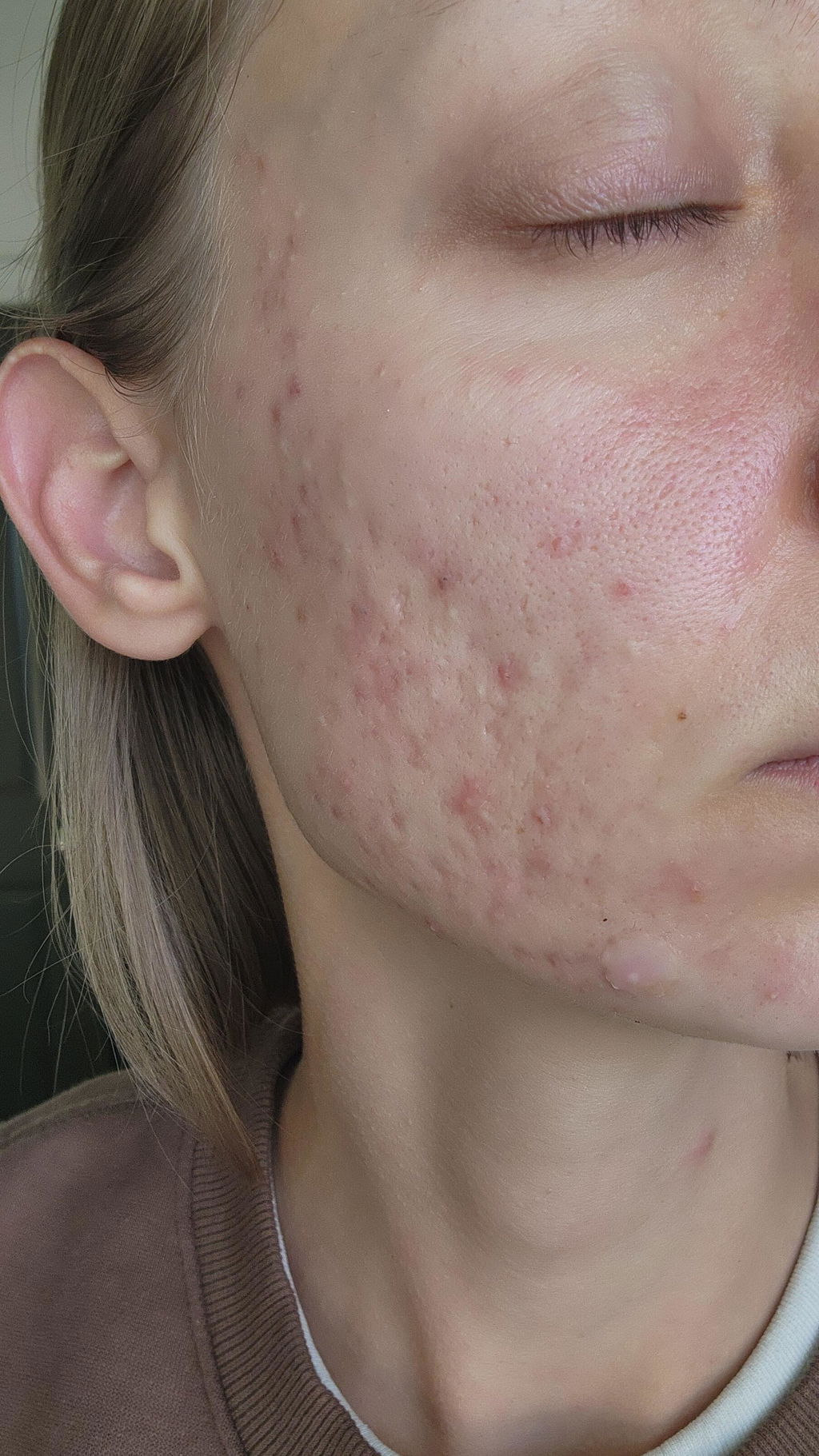
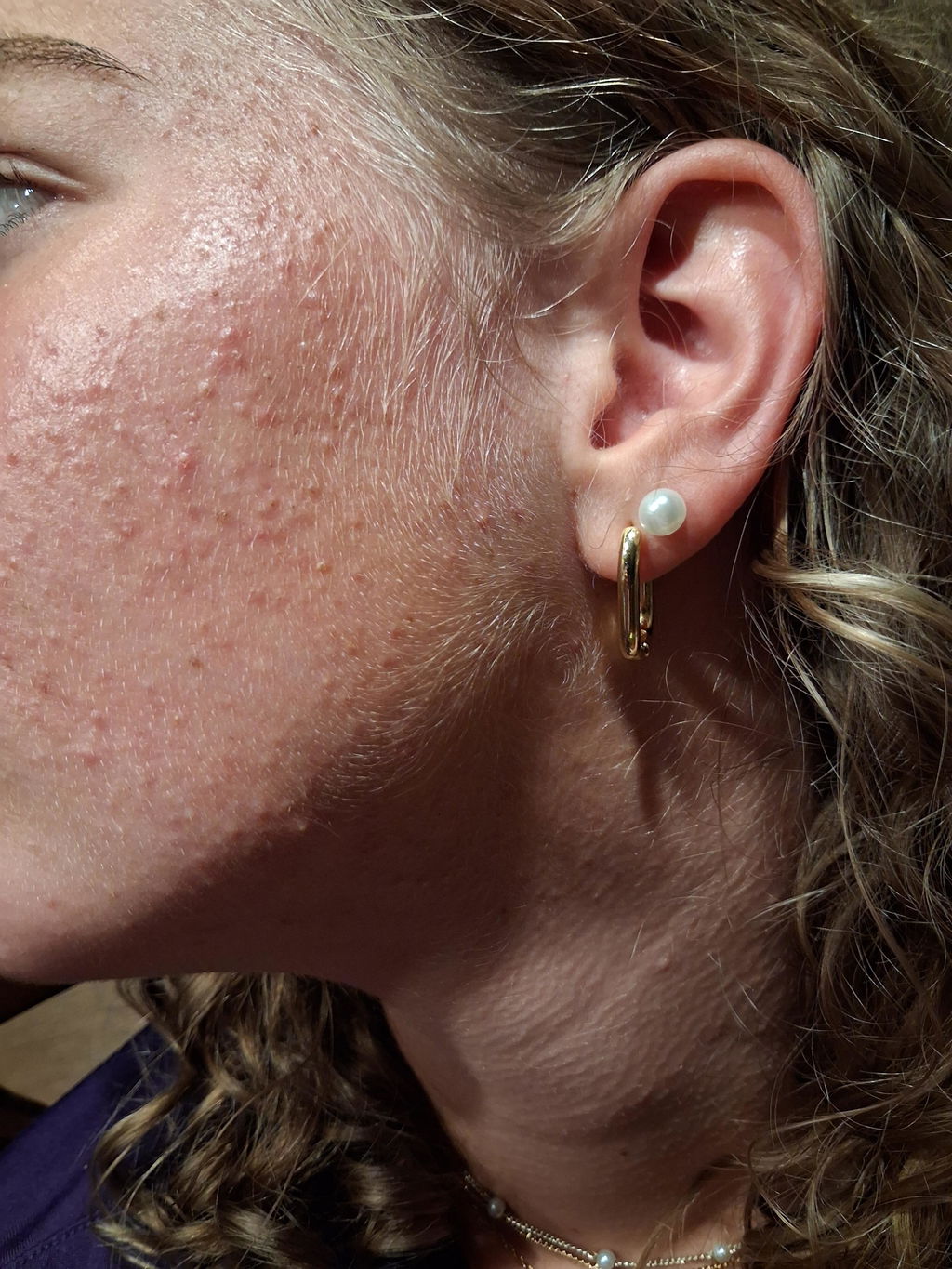
Tight skin after washing, fine lines that deepen by evening, dull tone, crepey texture on the neck and under the eyes, and cracks at the corners of the mouth. If you are drinking plenty of water and still see these signs, minerals or gut absorption are the problem, not volume.
Can too much water actually hurt my skin?
Yes. Drinking large volumes of low-mineral water dilutes your electrolytes, forces the kidneys to excrete more, and can leave cells drier over time. Chronic over-hydration is called hyponatremia in extreme cases. Most people never reach that, but many women drink themselves into puffy, dehydrated skin without knowing it.
How long until better hydration shows on my skin?
Skin cell turnover runs on roughly a 28 day cycle in younger women and closer to 40 days after 40. Most clients see visible plumpness within 14 to 21 days once minerals and gut absorption are corrected. Full change usually takes a complete skin cycle.