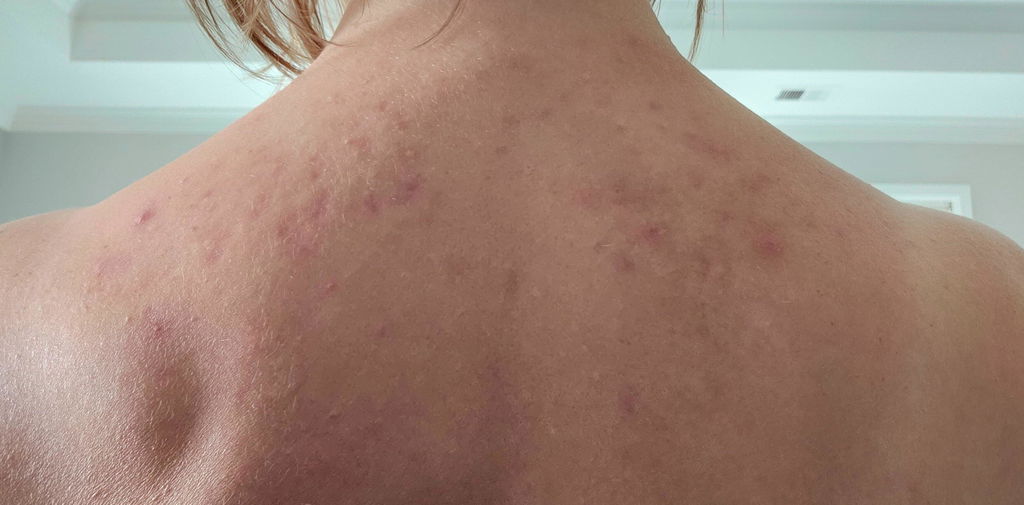
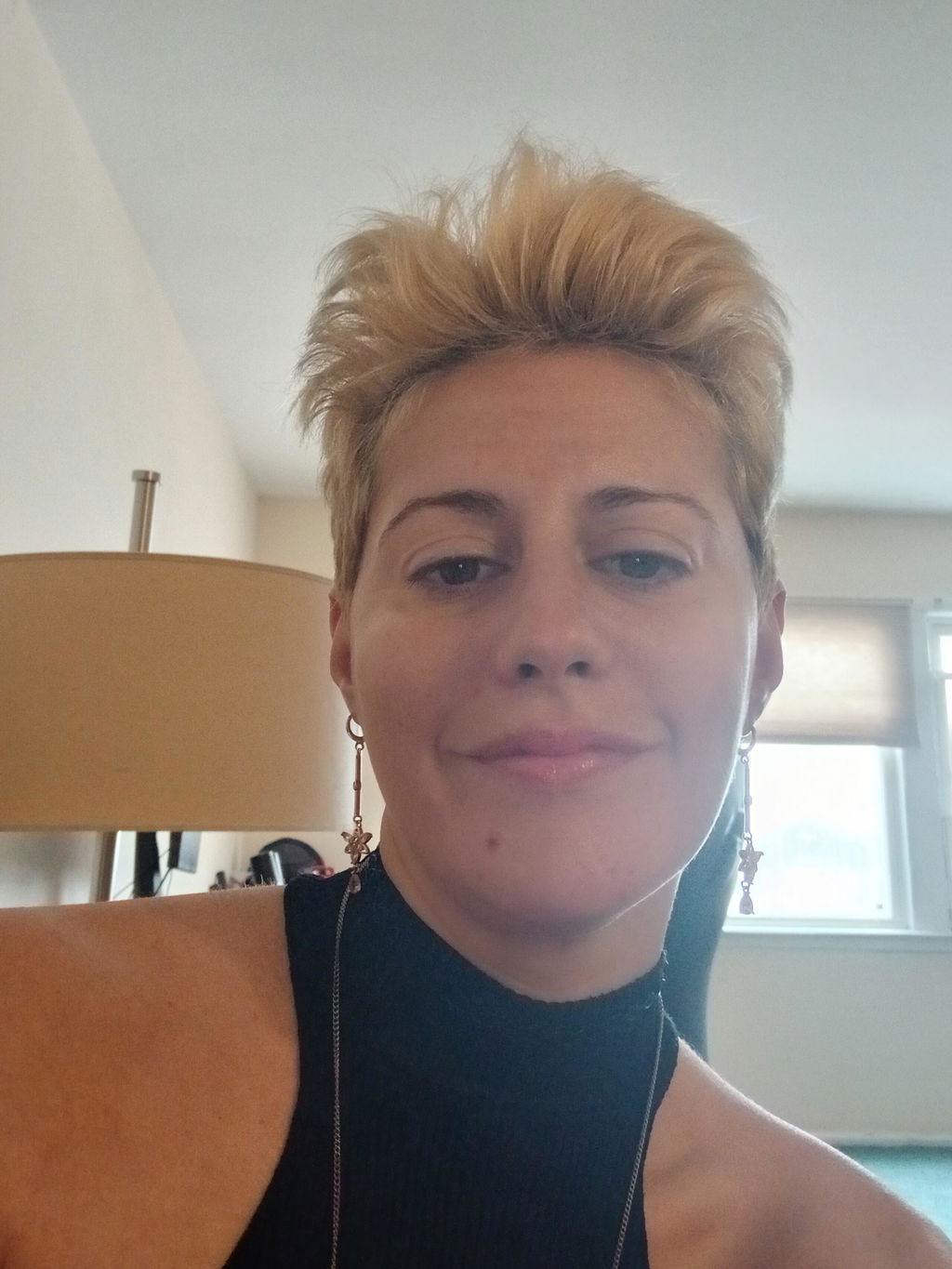
The Pill That Cleared My Skin Almost Ruined My Health
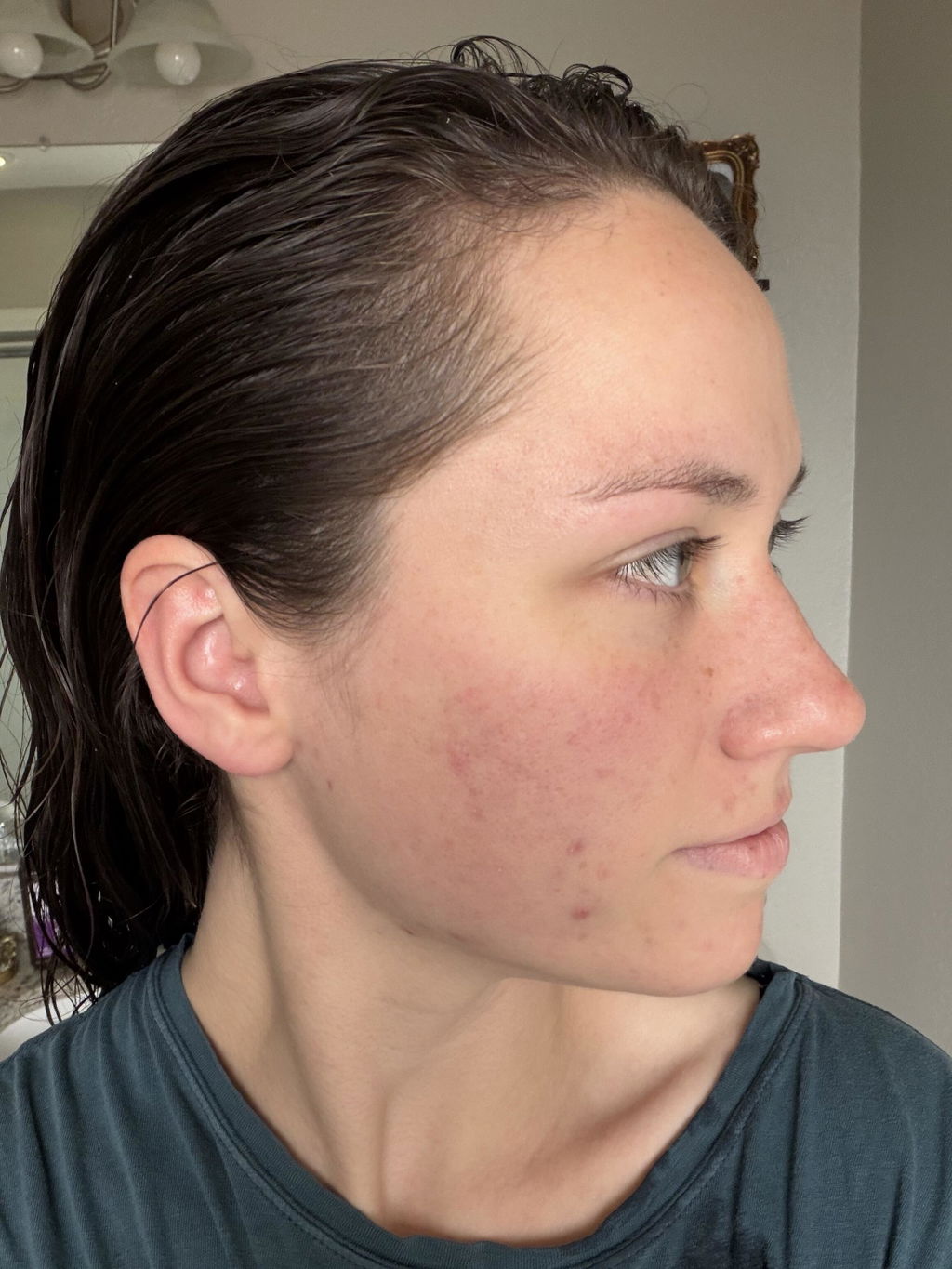
I sat in my dermatologist's office at 26, desperate. My jawline was a war zone of cystic acne that no cleanser, serum, or prayer could touch. When she handed me a prescription for doxycycline, I felt relief wash over me. Finally, a real solution.
Within three weeks, my skin was transforming. The inflammation was calming down. The deep, painful bumps were shrinking. I was posting bare-faced selfies for the first time in years.
Then month four hit.
The acne came roaring back — worse than before. But this time, it brought friends: bloating so bad I looked six months pregnant, yeast infections that wouldn't quit, brain fog that made me forget mid-sentence what I was saying, and a gut that reacted to foods I'd eaten my entire life without issue.
It took me nearly two years and a complete overhaul of how I think about skin health to undo what that one prescription started. And now, as a holistic health practitioner who works with hundreds of women dealing with the exact same aftermath, I need to talk about what nobody in that dermatologist's office told me.
———
Why Antibiotics "Work" for Acne at First
Here's the thing — antibiotics do reduce acne initially. That's not the lie. The lie is that this means they're fixing the problem.
Antibiotics like doxycycline, minocycline, and erythromycin work by killing Cutibacterium acnes (formerly called Propionibacterium acnes), the bacteria that colonizes clogged pores and triggers inflammatory acne. They also have anti-inflammatory properties that reduce redness and swelling almost immediately.
So yes, your skin clears up. Sometimes dramatically. You feel vindicated. You tell everyone your derm is a genius.
But beneath the surface — literally — a slow-motion disaster is unfolding in your gut.
The Microbiome Massacre: What Antibiotics Actually Destroy
Your gut contains roughly 38 trillion bacteria — an ecosystem more complex than a rainforest. Oral antibiotics don't selectively target the bacteria in your pores. They carpet-bomb your entire microbiome.
Here's what the research shows gets decimated during a standard course of acne antibiotics:
- Lactobacillus species — your primary defense against yeast overgrowth and vaginal infections
- Bifidobacterium — critical for nutrient absorption, immune regulation, and producing short-chain fatty acids that keep your gut lining intact
- Faecalibacterium prausnitzii — one of the most important anti-inflammatory bacteria in the human gut; low levels are linked to inflammatory skin conditions
- Akkermansia muciniphila — maintains the mucus layer of your gut wall; when depleted, you develop "leaky gut" that drives systemic inflammation
- Bacteroides fragilis — produces polysaccharide A, which directly regulates your immune system's inflammatory response
Meanwhile, the bacteria that survive antibiotics? They're the tough ones. The opportunistic ones. The ones you don't want running the show.
The Rebound Effect: Why Acne Comes Back Worse
This is the part that makes me genuinely angry on behalf of every patient who's lived through it.
When you stop antibiotics (and you will — dermatologists typically prescribe 3-6 month courses), the bacteria repopulate. But they don't come back in the same balanced ratios. The beneficial strains were hit hardest. The inflammatory, acne-driving strains? They rush back into the vacuum and multiply unchecked.
A 2022 study published in Nature Communications tracked microbiome recovery after antibiotic courses and found something deeply concerning: full microbiome recovery takes 6 to 12 months — and in some individuals, certain bacterial strains never fully returned to pre-antibiotic levels. Another 2022 paper in Cell Host & Microbe demonstrated that repeated antibiotic exposure creates a "scarred" microbiome with permanently reduced diversity.
This isn't a minor inconvenience. Reduced microbial diversity is now linked to acne severity, eczema flares, hormonal imbalances, weight gain, anxiety, and autoimmune conditions.
One woman on the SkincareAddiction subreddit put it perfectly:
"I did two rounds of doxycycline over 18 months. My skin cleared both times, then came back worse both times. But the second round left me with IBS symptoms I'm still dealing with three years later. My derm never once mentioned my gut." — u/clearskindream_, Reddit
Candida Overgrowth: The Silent Skin Saboteur
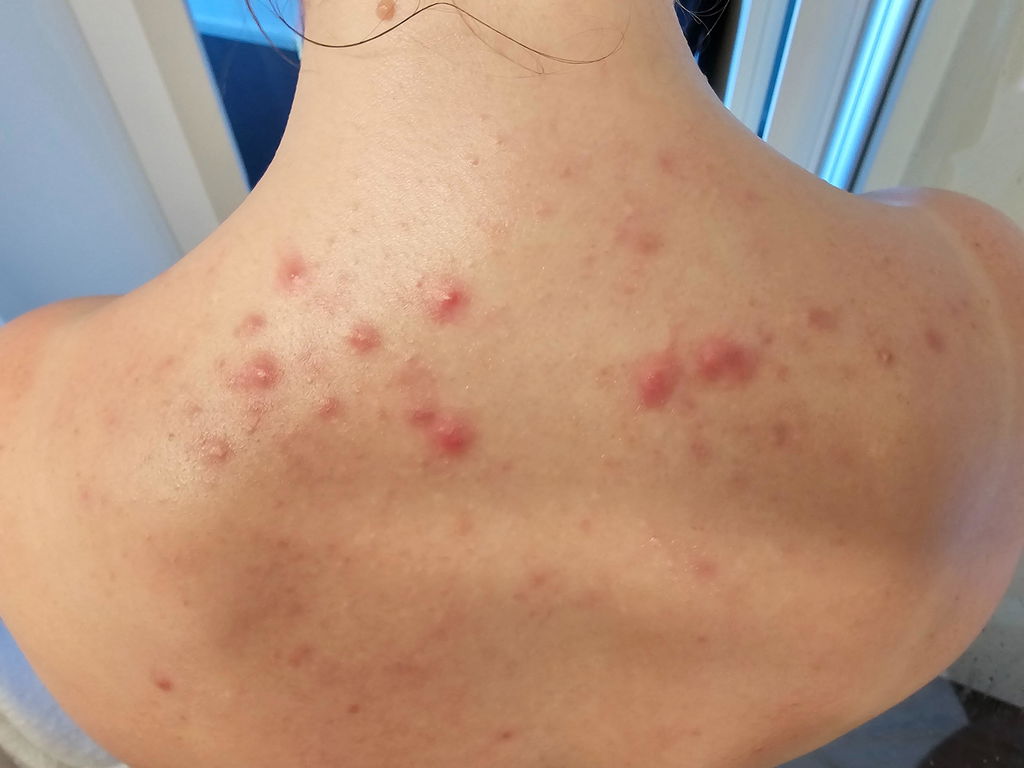
Here's a pattern I see constantly in my practice: a woman comes to me with acne that "changed" after antibiotics. It migrated from her jawline to her forehead, or it became smaller but more widespread, or it started showing up on her chest and back.
Nine times out of ten, we're looking at fungal involvement.
When antibiotics wipe out Lactobacillus and other beneficial bacteria, Candida albicans — a yeast that naturally lives in your gut in small amounts — explodes in population. This isn't speculation. It's well-documented in medical literature. Candida overgrowth after antibiotic use causes:
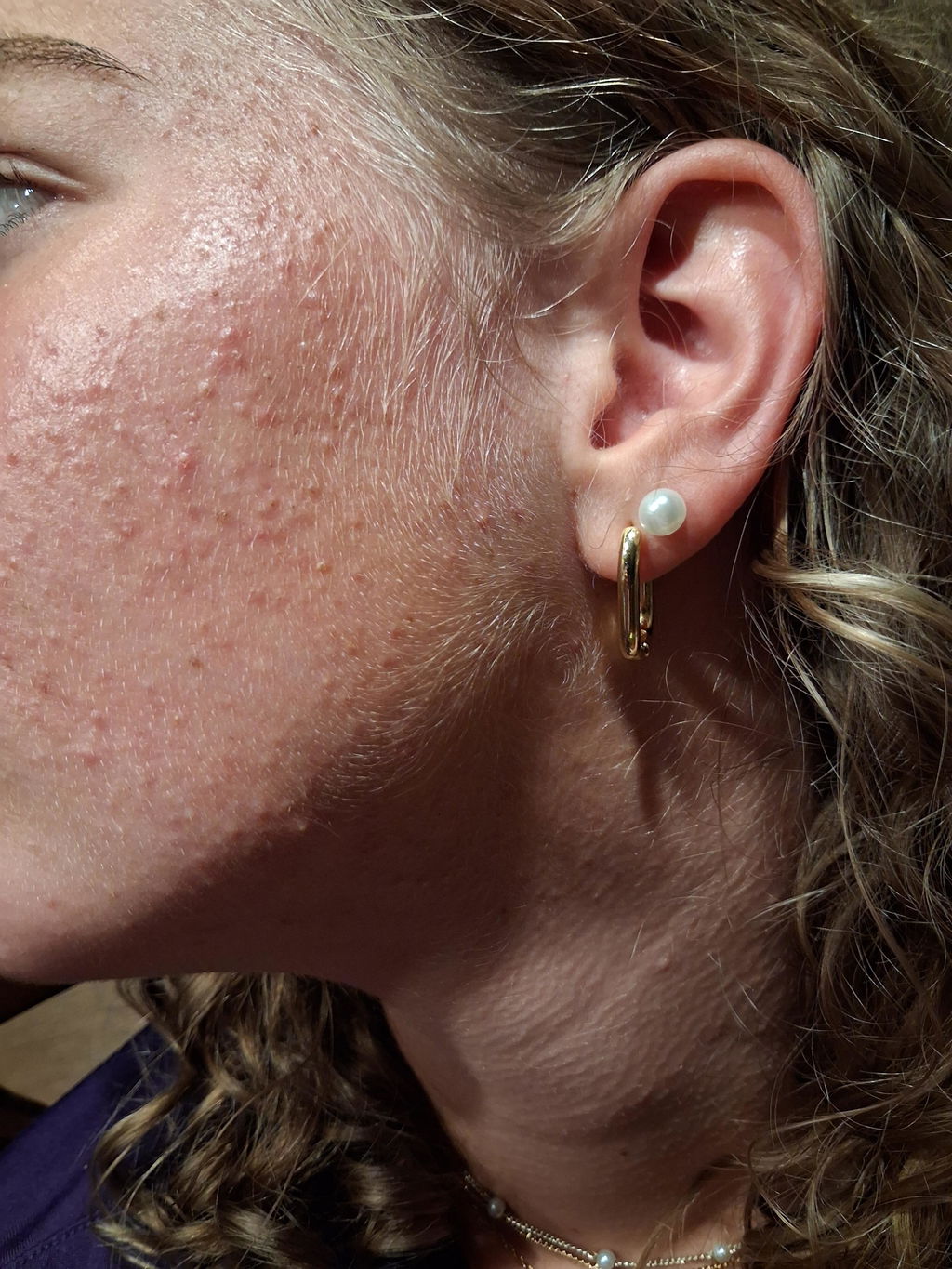
- Fungal acne (malassezia folliculitis) that looks like regular acne but doesn't respond to acne treatments
- Chronic bloating and sugar cravings (Candida feeds on sugar)
- Recurring vaginal yeast infections
- White coating on the tongue
- Brain fog and fatigue
A user on the Acne.org forum shared what so many women experience:
"After my second round of minocycline, I developed these tiny uniform bumps all over my forehead that nothing would clear. Took me 8 months to figure out it was fungal acne caused by the antibiotic destroying my gut flora. My regular derm kept prescribing MORE antibiotics for it." — HolisticHope, Acne.org forums
This is why I always tell my clients: if your acne changed character after antibiotics, you need to address the gut — not add more topicals. A targeted gut cleanse protocol that rebalances your internal ecosystem will do more for that "new" acne than any prescription.
The Resistance Problem Nobody Talks About
Antibiotic resistance isn't just a global health crisis you hear about on the news. It's happening inside your body, on your skin, right now — if you've taken antibiotics for acne.
Studies have shown that after just one course of topical or oral antibiotics for acne, resistant strains of C. acnes can be detected on the skin for up to three years. Some dermatology researchers have found resistance rates as high as 50-65% for erythromycin and 25-30% for clindamycin in acne patients.
What this means practically: if your acne returns after antibiotics (and statistically, it will for the majority of patients), the same antibiotic is less likely to work again. Your dermatologist either ups the dose, switches to a stronger antibiotic, or starts talking about Accutane.
This escalation cycle is exactly how I ended up on three different antibiotics in two years before anyone thought to ask about my digestion, my diet, or what was happening below the surface of my skin.
C. difficile: The Risk Your Dermatologist Minimized
Clostridioides difficile infection used to be considered a hospital-acquired problem — something elderly patients got after surgery. Not anymore. Community-acquired C. diff cases have risen sharply, and antibiotic use (including acne antibiotics) is the number one risk factor.
C. diff causes severe diarrhea, colitis, and in extreme cases, life-threatening bowel inflammation. While the risk from a single course of doxycycline is relatively low, repeated courses — which is exactly how dermatologists prescribe antibiotics for acne — compound that risk significantly.
I'm not saying this to scare anyone. I'm saying it because informed consent matters. When your doctor hands you a prescription, you deserve to know the full picture — not just "take this, your skin will clear up."
———
So What Actually Works for Acne Long-Term?
After everything I went through — and after working with hundreds of clients on the other side of the antibiotic cycle — I've learned that lasting clear skin comes from the inside out. Not from killing bacteria, but from rebuilding the ecosystem that keeps skin balanced in the first place.
Here's what I recommend instead of antibiotics:
1. Address the Gut First
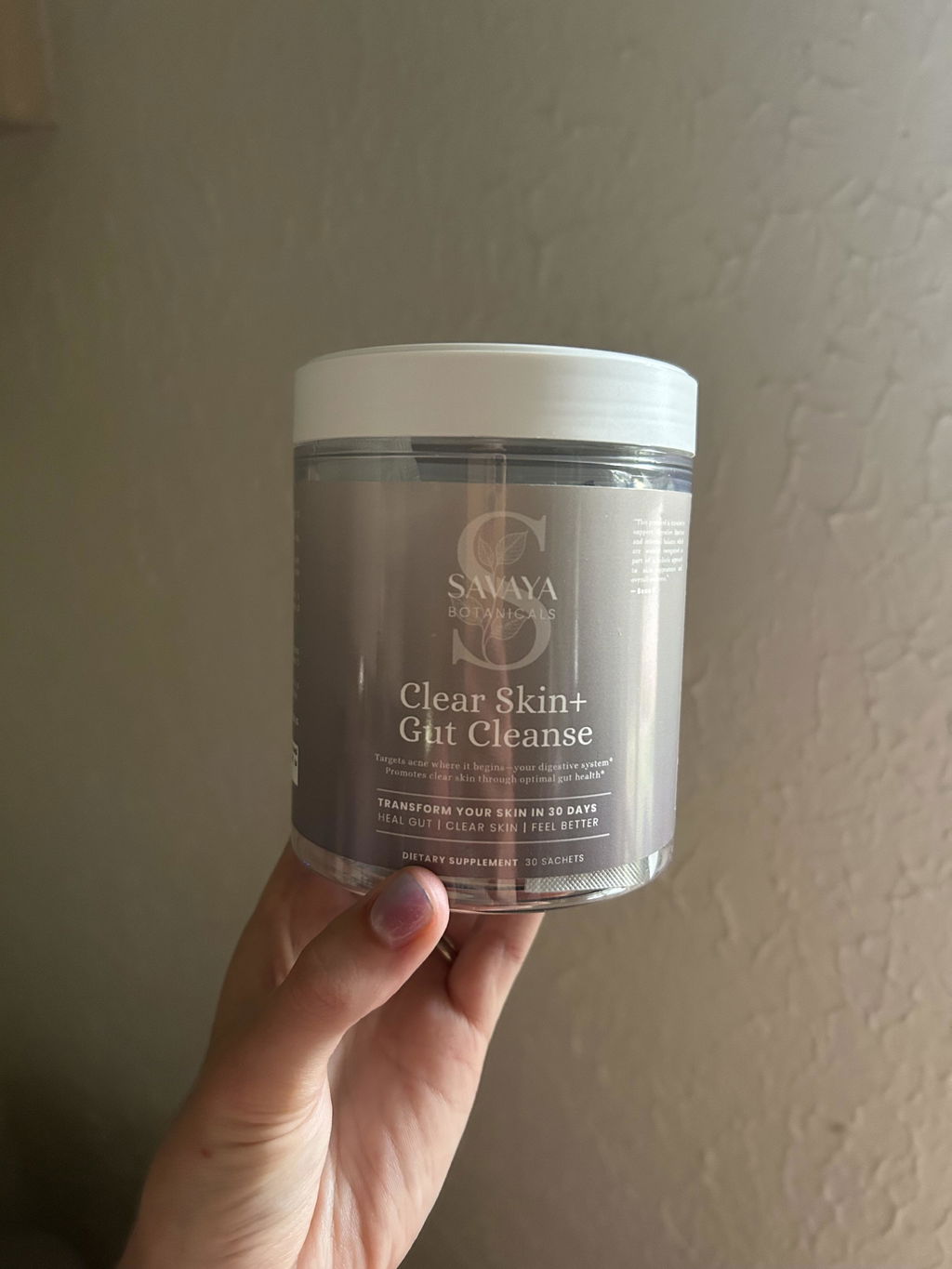
You cannot out-topical a damaged gut. If your digestive system is compromised — and after antibiotics, it almost certainly is — skin inflammation will keep cycling no matter what you put on your face. I recommend daily gut care to every client. The Clear Skin+ Max Detox blend I suggest helps support your gut, so you're not guessing where to start.
2. Flood Your Body With Minerals
Antibiotic-depleted guts absorb nutrients poorly. This is why so many post-antibiotic acne sufferers also deal with fatigue, brittle nails, and hair thinning. Sea moss has become a cornerstone of my practice — it contains 92 of the 102 minerals your body needs, and it supports both gut lining repair and skin cell regeneration. I have clients take it daily as a foundation while their microbiome rebuilds.
3. Rebuild Collagen From Within
Acne scars and damaged skin barrier don't just need topical repair. Your body needs the raw materials to rebuild tissue. Collagen strips give your body bioavailable collagen peptides that support skin elasticity, wound healing, and the structural integrity of both your gut lining and your skin.
4. Support Your Skin Barrier Topically
While your gut heals, your skin barrier needs gentle, nourishing support — not harsh actives. I switched from chemical-heavy skincare to grass-fed tallow cream and the difference was immediate. Tallow is biocompatible with human skin's natural sebum, so it supports barrier repair without triggering more breakouts.
5. Do a Proper Detox
After antibiotics, your liver and lymphatic system are working overtime to process the metabolic waste from dying bacteria and yeast. A comprehensive detox protocol supports these pathways so your body can actually eliminate the toxins instead of pushing them out through your skin (which shows up as — you guessed it — more breakouts).
———
The Gut-Rebuilding Protocol I Give Every Post-Antibiotic Client
If you've taken antibiotics for acne and you're dealing with the aftermath, here's the step-by-step protocol I walk my clients through:
Weeks 1-4: Clear and Reset
- Start a gut cleanse to clear out opportunistic bacteria and yeast overgrowth
- Eliminate refined sugar, alcohol, and processed foods (these feed Candida and inflammatory bacteria)
- Begin daily sea moss for mineral replenishment
- Switch to gentle, barrier-supportive skincare only
Weeks 5-8: Rebuild and Replenish
- Introduce fermented foods slowly (sauerkraut, kimchi, kefir — start small)
- Add collagen strips daily to support gut lining and skin repair
- Increase fiber intake to feed returning beneficial bacteria
- Continue mineral support with sea moss
Weeks 9-12: Strengthen and Sustain
- Your microbiome is rebuilding diversity — support it with varied whole foods
- Skin should be noticeably calmer; remaining issues are likely scarring, not active acne
- Continue the full protocol and consider the complete 12-week detox program for structured support
- Begin reintroducing foods you eliminated, one at a time, watching for reactions
What to expect: Most of my clients see significant improvement by week 6-8. Full resolution — including the post-inflammatory hyperpigmentation and scarring — typically takes the full 12 weeks. That might sound slow compared to a pill, but here's the difference: these results last.
———
The Bottom Line
Antibiotics for acne aren't evil. They have their place in acute, severe cases. But the way they're routinely prescribed — as a first-line, long-term solution for hormonal and inflammatory acne — ignores everything we now know about the microbiome, the gut-skin axis, and what actually creates lasting clear skin.
If you're currently on antibiotics for acne, I'm not telling you to stop them cold turkey (always work with your healthcare provider). But I am telling you: start preparing your gut for the aftermath now. And if you're considering antibiotics for acne, know that there are approaches that work with your body's ecosystem instead of against it.
Your skin is a reflection of your internal health. Heal the inside, and the outside follows.
———
Ready to Start Healing From the Inside Out?
The Clear Skin+ Max Detox is a daily acai-based blend I recommend to my clients who are recovering from antibiotic damage. It's crafted to help support gut balance, replenish key nutrients, and nourish skin from within — one simple step you can add to your routine.
———
Frequently Asked Questions
How long does it take for your gut to recover after antibiotics for acne?
Research published in 2022 shows that full microbiome recovery after a standard antibiotic course takes 6 to 12 months, and some bacterial strains may never fully return to pre-antibiotic levels. This is why a structured gut-rebuilding protocol — including mineral replenishment, targeted cleansing, and collagen support — is so important after antibiotic use.
Can antibiotics make acne permanently worse?
While antibiotics don't permanently worsen acne directly, they can create conditions that make acne harder to treat long-term. Antibiotic resistance means the same drugs become less effective with repeated use, while gut microbiome damage can trigger new types of breakouts including fungal acne. Addressing gut health is essential for breaking this cycle.
What is the connection between gut health and acne?
The gut-skin axis is a well-established scientific concept. Your gut microbiome regulates inflammation, hormone metabolism, nutrient absorption, and immune function — all of which directly impact skin health. When antibiotics damage gut flora, systemic inflammation increases, nutrient absorption decreases, and conditions like Candida overgrowth can trigger new skin issues.
What should I take instead of antibiotics for acne?
A holistic approach focusing on gut health tends to produce more lasting results than antibiotics. This includes a gut cleanse to remove harmful bacteria and yeast, sea moss for mineral replenishment (92 of 102 essential minerals), collagen to repair gut lining and skin, and a structured detox protocol. Many women see clearer skin within 6-8 weeks of starting an inside-out approach.
Does doxycycline cause Candida overgrowth?
Yes. Doxycycline and other acne antibiotics kill beneficial Lactobacillus bacteria that normally keep Candida yeast in check. Without these protective bacteria, Candida albicans can proliferate rapidly, causing symptoms including fungal acne (small uniform bumps, often on the forehead), bloating, sugar cravings, brain fog, and recurring yeast infections.