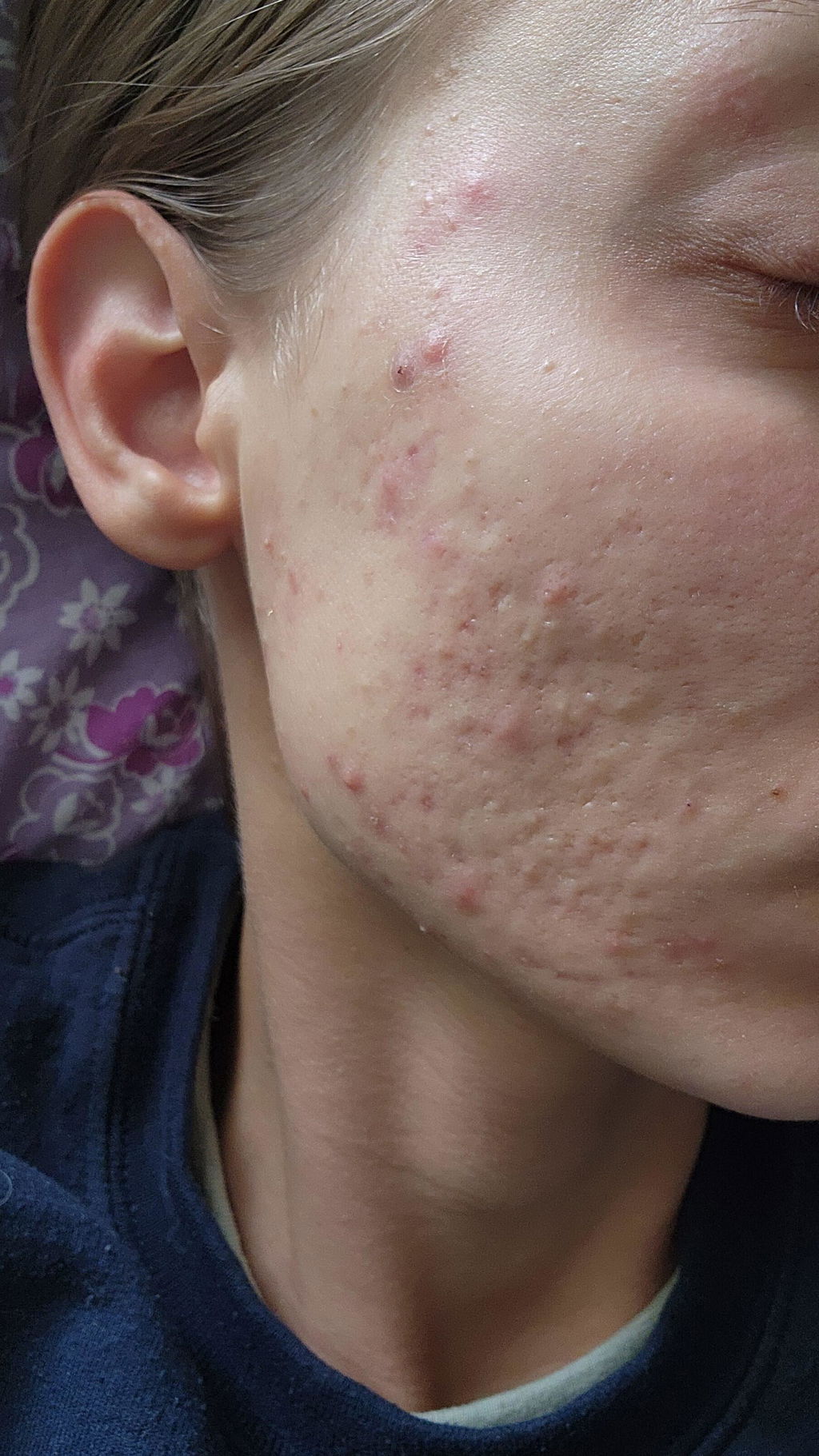
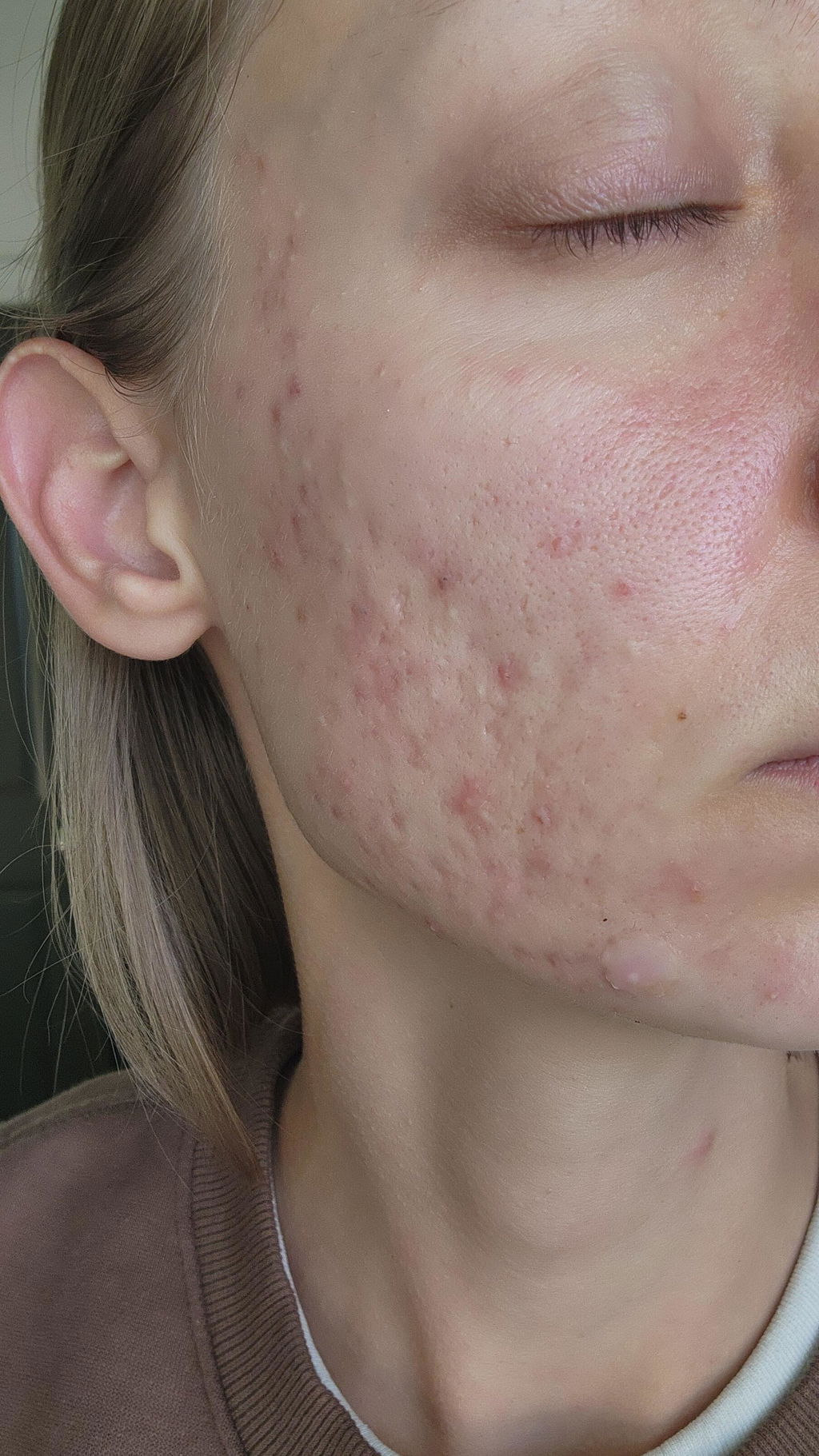
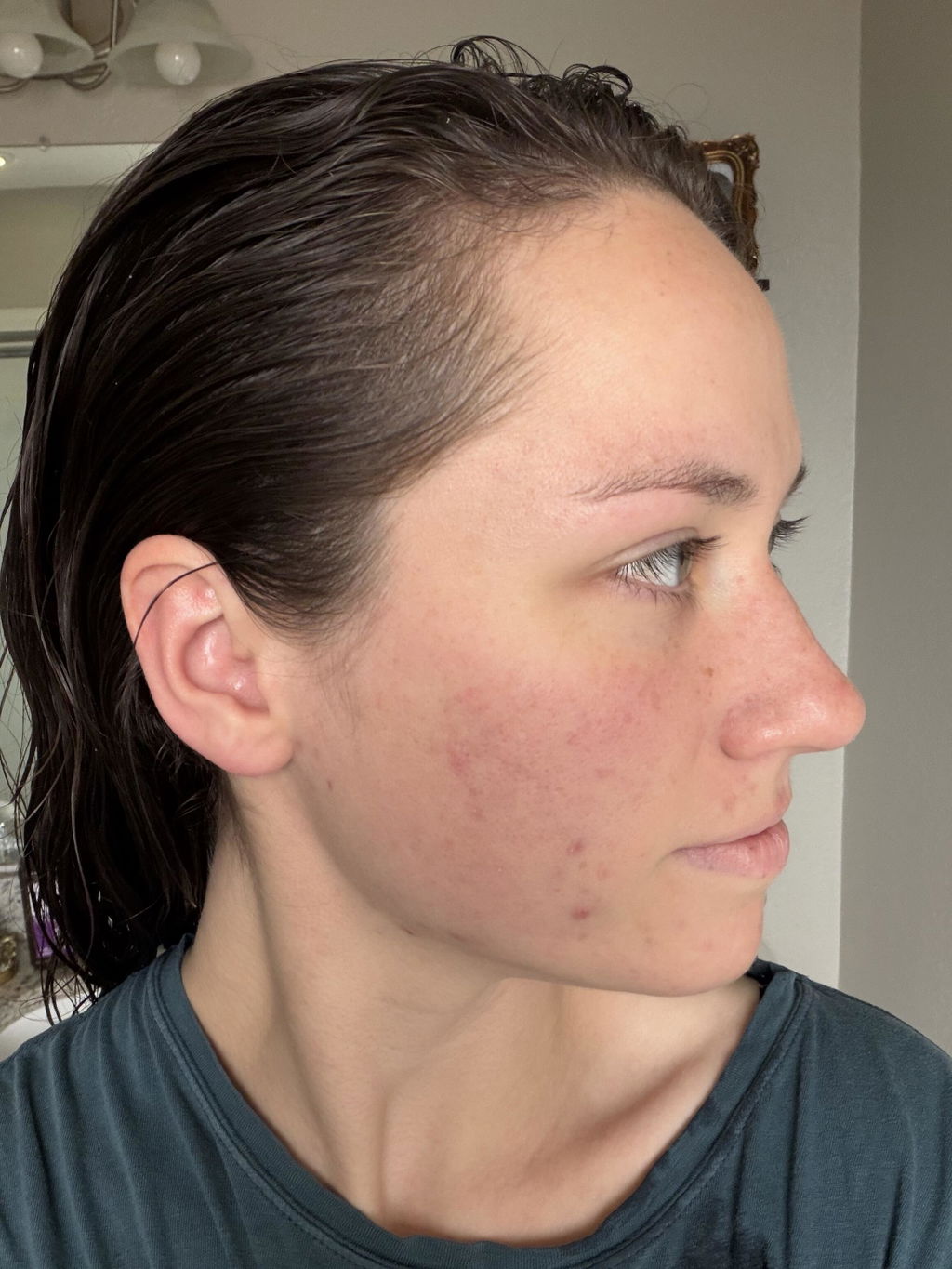
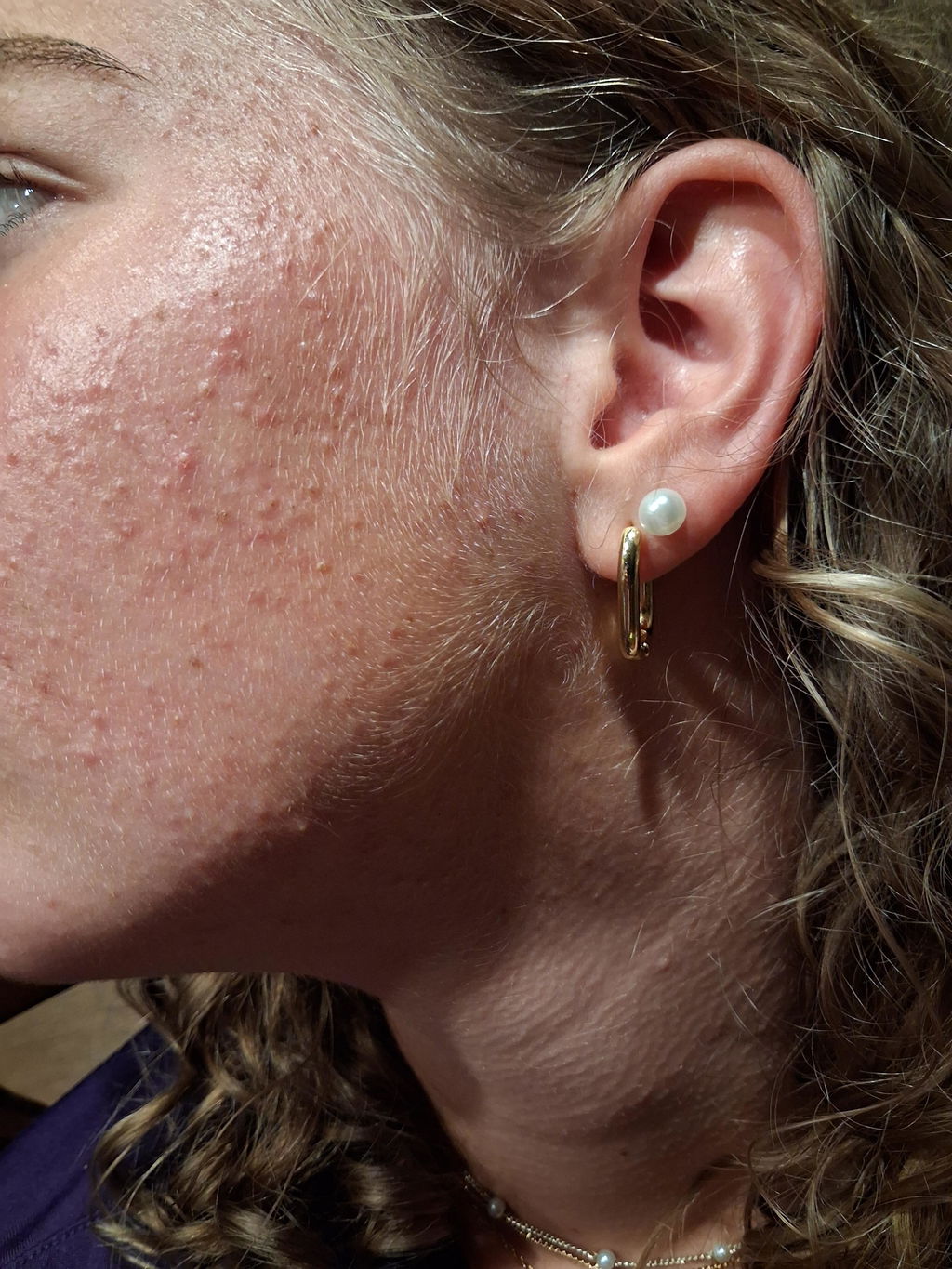
Most women with stubborn acne have been on antibiotics. Doxycycline. Minocycline. Sometimes both. For six weeks, then six months, then a year. The skin clears. Then it comes back louder, angrier, deeper. Your dermatologist calls it treatment failure. It is not treatment failure. It is what antibiotics do to the gut, and what the gut does to your skin.
What Actually Happens When You Take Antibiotics for Acne
Oral antibiotics for acne like doxycycline and minocycline work by killing Cutibacterium acnes on the skin and reducing inflammation from the inside. They also kill most of the beneficial bacteria in your gut. That is not a side effect. It is the mechanism, and it is why the results almost never last past the prescription.
When my clients tell me their story, the plot is almost identical. Six weeks in, the cysts calm down. Three months in, they feel free for the first time in years. Then something shifts around month five or six. A stubborn cluster along the jaw. Then the chin. Then the whole face, worse than before.
What they were told: your body got used to the medication.
What actually happened: your gut lost the bacteria that keep systemic inflammation in check, and your skin is now paying the bill.
The Rebound Nobody Warns You About
Post-antibiotic acne rebound is the pattern where breakouts return more severe within three to six months of stopping the drug, often spreading to new areas of the face, back, or chest. It happens because the inflammation antibiotics suppressed comes rushing back to a gut that is now less able to regulate it.
In my practice, this is the moment women lose faith in their skin. They did everything right. They took the pills. They used the topicals. They avoided dairy, sugar, and everything else on the internet list. Six months later they are staring in the mirror wondering what is wrong with them.
Nothing is wrong with them. The rebound is chemistry.
Antibiotics dampen inflammation while you take them. When you stop, the inflammation returns, but now your gut lining is more permeable, your beneficial bacteria are decimated, and your body has less capacity to regulate the immune response. The skin gets that message first, and it broadcasts it loudly.
The Microbiome Damage Is More Specific Than You Think
Tetracycline-class antibiotics like doxycycline and minocycline do not kill all bacteria equally. They preferentially wipe out Bifidobacterium and Lactobacillus species, the two bacterial families most responsible for producing short-chain fatty acids, calming systemic inflammation, and supporting gut barrier integrity.
Here is what that means in plain language. Bifidobacterium and Lactobacillus feed on prebiotic fiber and produce butyrate along with other short-chain fatty acids. Those compounds do three things your skin depends on:
- They fuel the cells that seal your gut lining shut.
- They calm the immune system through signals traveling along the vagus nerve.
- They help regulate cortisol through the HPA axis.
When those bacteria die off, your gut barrier weakens. Undigested proteins and bacterial fragments cross into your bloodstream. Your immune system reacts. Your sebocytes get the inflammatory signal. Your pores respond with more oil and more clogging.
This is the gut-skin axis working in reverse.
Antibiotic Resistance Is Now the Rule, Not the Exception
Antibiotic resistance in acne treatment has grown steadily since the 1970s. Research led by Walsh, Efthimiou, and Dreno published in the Lancet Infectious Diseases in 2016 found resistance rates for Cutibacterium acnes above fifty percent in many countries, meaning the drug your dermatologist prescribes may do almost nothing to the bacteria on your skin.
Read that again. The bacteria the antibiotic is supposed to target are, in many cases, already resistant. So what does the antibiotic actually kill? Your gut flora. Every single course.
You take a systemic drug that no longer works well on the target, and it destroys the ecosystem that would otherwise regulate your skin from the inside. The trade is a bad one. Almost nobody is explaining it to patients.
The antibiotics that were supposed to save your skin are, more often than not, quietly training future resistance while doing very little to the acne itself.
The Yeast Problem: When Candida Fills the Empty Space
Candida overgrowth is a common consequence of long-term antibiotic use because antibiotics kill bacteria but do not touch fungi. When the bacterial population that normally keeps yeast in check gets wiped out, Candida albicans expands quickly, often showing up as breakouts around the mouth and chin, bloating, sugar cravings, and brain fog.
Every ecosystem needs balance. In a healthy gut, beneficial bacteria produce compounds that suppress yeast growth. Take out the bacteria, and Candida moves into the empty real estate.
The signs I look for in a client with post-antibiotic Candida overgrowth:
- Bumpy, congested skin around the mouth and chin that resists every topical.
- Intense sugar and refined carb cravings, especially at night.
- Bloating within twenty minutes of eating.
- A white coating on the tongue that keeps returning.
- A foggy, tired feeling in the afternoon that no coffee fixes.
None of these show up on a dermatology chart. All of them tell you exactly what is happening below the neck.
The C. Difficile Risk Your Dermatologist Rarely Mentions
Clostridioides difficile infection is a serious intestinal condition that can follow antibiotic use, including the long courses commonly prescribed for acne. When the protective bacteria in the colon are stripped away, C. difficile can multiply unchecked, causing severe diarrhea, colitis, and in some cases hospitalization.
This risk is real, and it grows with the length of the antibiotic course. Acne patients often stay on the same drug for six months, twelve months, sometimes longer. That is a very long time to be running your gut with the safety catches off.
Most cases of C. diff are manageable when caught early. Some are not. In dermatology forums I have read for years, women describe ending up in urgent care after months on tetracyclines, only to learn later what the antibiotic had done to their colon. It is a story I have heard too many times.
What the Research Actually Shows About Recovery
Post-antibiotic microbiome recovery takes six to twelve months at minimum, and some species may never return on their own without deliberate intervention. Research published in Nature Microbiology by Palleja and colleagues in 2018 tracked healthy adults after a short course of antibiotics and found several beneficial bacterial species were still missing at the six-month mark.
Follow-up work through 2022 has reinforced the same pattern in longer courses and repeated exposures. Recovery is slower than anyone hoped. It is not automatic. And the longer the course, the more prolonged the disruption to the microbiota.
For women who spent years cycling through acne antibiotics, the timeline is not measured in weeks. It is measured in seasons. This is why the standard advice of just take a probiotic misses the point. A single probiotic strain cannot rebuild an ecosystem that took decades to develop.
What can help? Deliberate, sequenced rebuilding.
What I Actually Recommend Instead
A gut-first approach to acne rebuilds the microbiome that antibiotics stripped away, repairs the intestinal barrier, and calms systemic inflammation so the skin can normalize without ongoing suppression. In my practice, this looks like a structured protocol over three to six months rather than a single supplement fix.
The four levers that consistently move skin from the inside:
- Remove what is inflaming the gut. Refined seed oils, ultra-processed foods, added sugar, and often gluten and dairy for a defined window.
- Rebuild the terrain with diverse fiber sources, fermented foods, and mineral-rich whole foods.
- Reseal the gut barrier with amino acids and supportive compounds like L-glutamine, zinc, and collagen peptides.
- Regulate the stress response with sleep, morning sunlight, and vagus nerve support.
The order matters. You cannot reseed a garden while the weeds still run the soil.
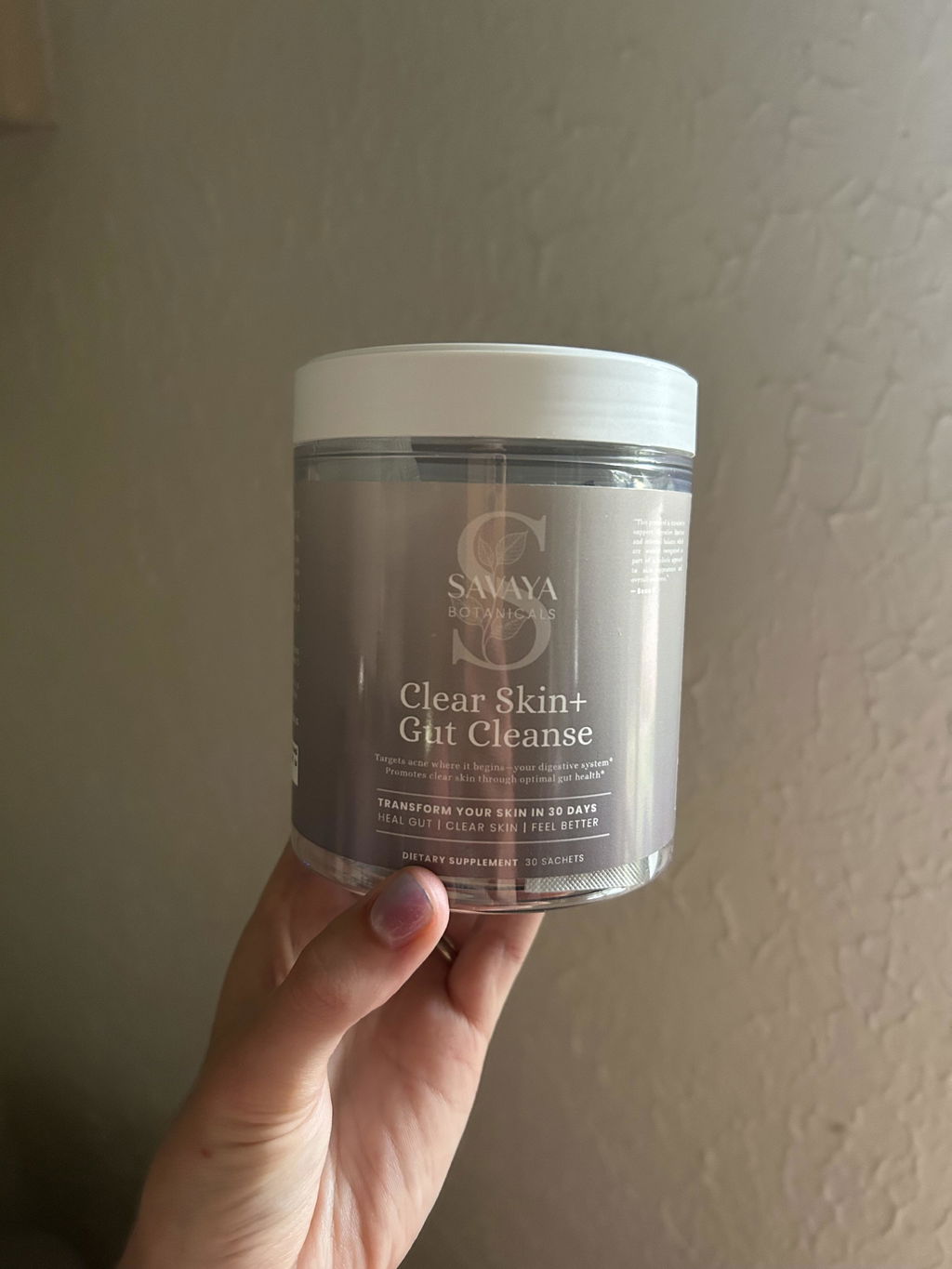
For the removal and reseeding phase, many of my clients start with a targeted gut cleanse designed to clear excess yeast and reset dysbiosis before layering back in beneficial strains.
A Gut-Rebuilding Protocol for Post-Antibiotic Skin
A practical post-antibiotic protocol runs in three phases over roughly twelve weeks. It starts with gentle clearing, moves into remineralization and barrier repair, then ends with keystone habits that support long-term microbiome resilience and clearer skin from the inside out.
Phase one, weeks one through four. Clearing.
- Cut ultra-processed foods and added sugar to starve residual yeast.
- Begin the targeted gut protocol above and stay consistent with it daily.
- Two liters of filtered water daily with a pinch of sea salt for mineral balance.
- Ten minutes of morning sunlight on skin and eyes to reset cortisol rhythm.
Phase two, weeks five through eight. Rebuilding.
- Add 92 trace minerals from the ocean through daily sea moss gel to support thyroid function and mineral repletion after long antibiotic courses.
- Layer in bioavailable collagen support to feed the amino acid pool your gut lining rebuilds from.
- Introduce fermented foods daily in small doses, working up slowly.
- Prioritize thirty grams of protein at breakfast to stabilize blood sugar and cortisol.
Phase three, weeks nine through twelve. Integration.
- Continue minerals and collagen daily as your maintenance base.
- Layer in resistant starch and diverse plant fibers to feed the bacteria you have been rebuilding.
- Apply a barrier-repairing tallow cream at night to support the skin surface while the gut continues to heal.
- For deeper cases, especially where multiple rounds of antibiotics were involved, the 12-week gut-to-skin program provides a complete framework, and a deeper 12-week reset offers reset-level detox work when the standard protocol is not enough.
The point of a protocol like this is not to sell you a supplement stack. It is to give your gut the raw materials and the runway it actually needs to recover, so your skin has something real to work with.
• • •
Frequently Asked Questions
How long does it take to recover the gut microbiome after antibiotics?
Research suggests a minimum of six months for basic recovery and up to twelve months or longer for full restoration of species diversity. Some beneficial bacteria may not return without deliberate intervention through diet, fermented foods, and targeted support.
Can I just take a probiotic after antibiotics?
A single probiotic strain will not rebuild a complex ecosystem on its own. Probiotics help most as one piece of a broader approach that includes prebiotic fiber, fermented foods, mineral repletion, and often a period of clearing excess yeast before reseeding.
Why does my acne come back worse after stopping antibiotics?
Antibiotics suppress the inflammation driving breakouts rather than resolving the root cause. When you stop, inflammation returns to a gut that is now more permeable and less able to regulate immune signaling, so acne often comes back more severe and in new locations.
Is it safe to start gut support while I am still on antibiotics?
Mineral repletion, fermented foods, and gentle prebiotic support are generally compatible during antibiotic treatment, though timing them a few hours apart from the dose helps absorption. Aggressive antimicrobial protocols are usually best saved for after the course is complete.
What is the difference between a gut cleanse and a full detox?
A gut cleanse focuses on clearing dysbiosis and excess yeast from the intestinal tract over a few weeks. A full detox protocol goes further by supporting liver, lymph, and elimination pathways as well, typically running eight to twelve weeks for meaningful, layered change.