A client came to me last spring convinced her acne was hormonal. Three dermatologists. Two rounds of antibiotics. A birth control prescription she did not want. Nothing worked. When I asked her about her digestion, her energy, and her morning bowel movements, we found the real culprit. It was not her hormones. It was her liver.
What Most People Miss About the Liver-Skin Connection
The liver-skin connection is the biological link between your liver's ability to filter and metabolize toxins and the clarity of your skin. When the liver cannot process every hormone, drug residue, and cellular byproduct thrown at it, the overflow finds another exit. Your skin becomes the backup detox route.
Your liver is doing something like six hundred jobs at once. Filtering blood. Activating thyroid hormone. Breaking down old estrogen. Packaging cholesterol. Producing bile. When any of those functions slow down, the effects ripple everywhere. But because skin is your largest eliminatory organ, it becomes the visible complaint desk. Cystic breakouts along the jaw. Melasma that will not lift. A dull, sallow tone that no vitamin C serum can brighten.
Here is what I want you to sit with before we get into pathways and protocols. Your face is often reporting on your liver.
Phase I Liver Detox: The First Filter Where Toxins Get Angrier
Phase I detoxification is the first step your liver takes to neutralize fat-soluble toxins. A family of enzymes called cytochrome P450 chemically modifies the toxin, usually through oxidation, turning it into what researchers call a reactive intermediate. Here is the catch. That intermediate is often more damaging than the original toxin. Phase I creates a problem that Phase II has to solve.
Cytochrome P450 activity handles caffeine, alcohol, pesticides, medications, environmental chemicals, and even your body's own hormones. But the reactive intermediates it produces are highly oxidative. They generate free radicals. They damage DNA. They inflame skin.
If Phase I is running faster than Phase II can keep up, these intermediates circulate in your bloodstream. Skin cells feel it first. This is why women who drink alcohol regularly, take multiple medications, or live in high-pollution cities often present with reactive, irritated skin that no topical will calm.
Women in particular need to pay attention here. Your body clears old estrogen through Phase I and Phase II. If either pathway is stalled, estrogen metabolites recirculate. Cystic acne, breast tenderness, and heavy periods are all downstream signs of this exact bottleneck.
Phase II Detox: The Finishing Step Most Livers Cannot Complete
Phase II detoxification is the finishing pathway that takes those reactive Phase I intermediates and attaches a water-soluble molecule to them so they can be safely escorted out through urine, stool, or bile. There are six main Phase II pathways: glutathione conjugation, sulfation, glucuronidation, methylation, acetylation, and amino acid conjugation.
Each pathway needs specific nutrients. Glutathione needs cysteine, glycine, and glutamine plus selenium and vitamin C. Sulfation needs sulfur amino acids from foods like eggs, garlic, onions, and cruciferous vegetables. Methylation needs folate, B12, choline, and betaine. Glucuronidation needs healthy gut bacteria and adequate protein.
The problem I see constantly. Women eat clean, take collagen, use every serum on the market, but their Phase II pathways are running on empty because they are not eating the specific foods that donate the raw material.
What Actually Happens When the Liver Gets Backed Up
When Phase II is bottlenecked, your body has to send the reactive Phase I metabolites somewhere. Some get pushed back into the bloodstream. Some get stored in fat cells. Some get excreted through skin. This is the mechanism behind what looks like random skin chaos.
Your skin has its own small detox capacity. Sebaceous glands can excrete lipid-soluble waste. Sweat glands push out water-soluble waste. When these routes get overworked, you get the classic liver-overload skin pattern.
- Cystic acne along the jawline and chin.
- Melasma or hyperpigmentation that will not fade.
- Chronic redness, especially across the cheeks and nose.
- Itchy, dry patches that come and go.
- A yellowish or sallow undertone.
- Rosacea flares that seem to have no trigger.
There is a growing body of research linking non-alcoholic fatty liver disease to rosacea, psoriasis, and adult acne. That is not a coincidence. If liver capacity drops, systemic inflammation rises, and skin inflammation follows. Many women see this pattern show up as adult-onset cystic acne after age thirty, right when the liver's cumulative load has been rising for a decade.
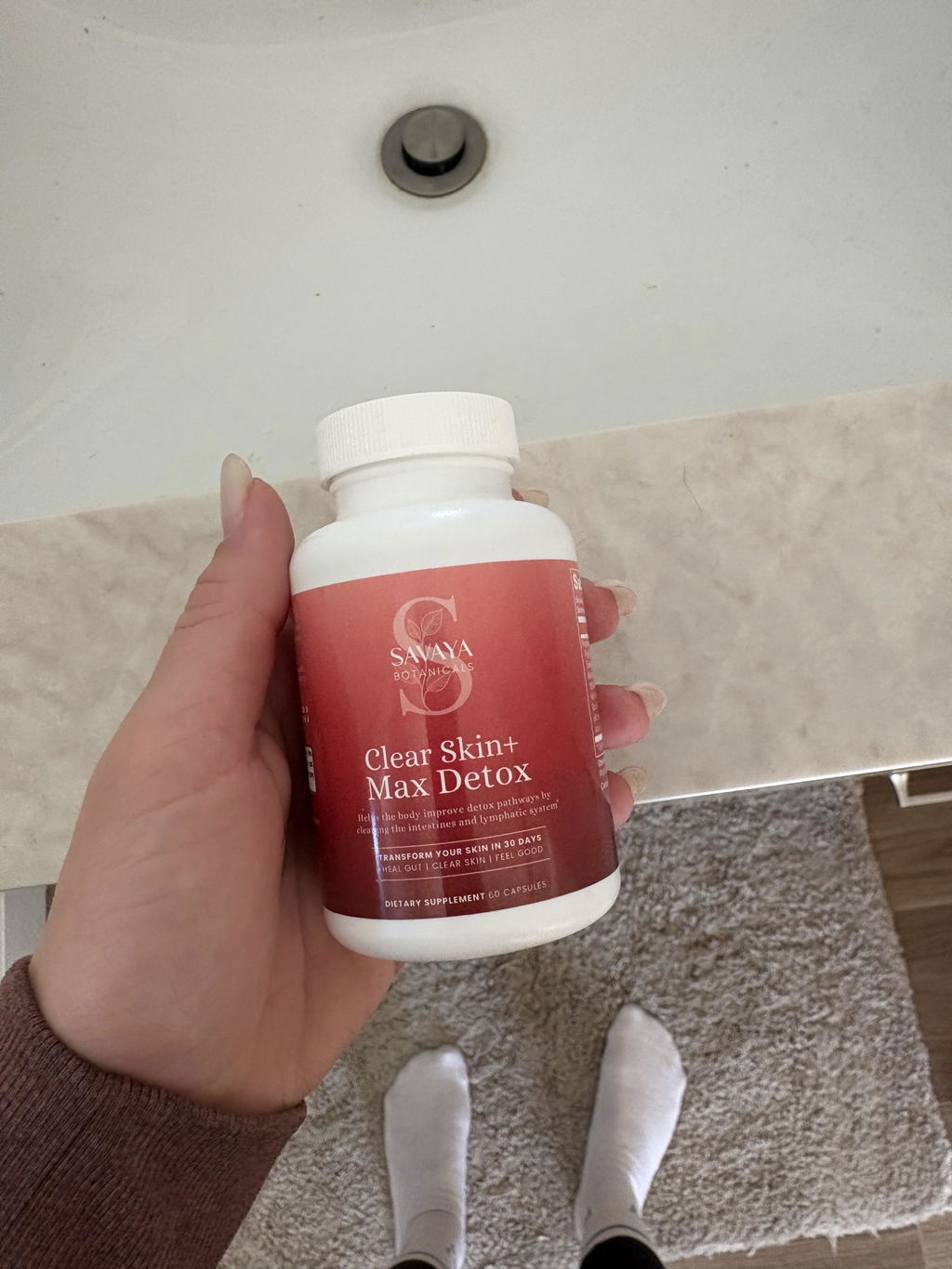
If you want the whole cascade addressed at once, the 12-week gut-to-skin program is built around exactly this liver-first sequence.
• • •
The Morning Olive Oil and Lemon Shot (And Why It Actually Works)
The morning olive oil and lemon protocol is a simple ritual of one tablespoon of extra virgin olive oil with the juice of half a lemon, taken on an empty stomach twenty minutes before food. The purpose is to trigger a gentle release of bile from the gallbladder and to prime the liver for the day ahead.
Here is the mechanism. Fat entering the small intestine triggers cholecystokinin, a hormone that tells the gallbladder to contract. Lemon adds an acidic and bitter signal that stimulates digestive juices. The result is a small bile flush that pushes stored bile forward and creates room for fresh bile production.
Bile is not just for digesting fat. It is one of the primary routes your body uses to escort processed toxins out through the stool. If bile is sluggish, toxins that Phase II has already tagged for elimination get reabsorbed back into the bloodstream through the gut wall. This is called enterohepatic recirculation, and it is the reason a slow gallbladder shows up as skin issues.
In my practice, clients who add this one habit often report more mental clarity, less bloating, and fewer breakouts within two weeks. It costs almost nothing.
The Foods That Actually Feed Phase I and Phase II
Liver-supporting foods either supply raw materials for Phase II conjugation or upregulate the enzymes that run detox. A short list earns its place. A longer list of trendy foods does very little.
Cruciferous vegetables. Broccoli, broccoli sprouts, kale, cabbage, Brussels sprouts, cauliflower, arugula. These contain sulforaphane and indole-3-carbinol, which upregulate Phase II enzymes through the Nrf2 pathway. Broccoli sprouts contain far more sulforaphane than mature broccoli, which is why the Kensler lab at Johns Hopkins has spent decades studying them for chemoprevention and detoxification.
Beetroot. Contains betalains, which support Phase II conjugation and gentle bile flow. Roasted, grated raw into salads, or juiced with a squeeze of lemon.
Dandelion. Both root and leaf. Dandelion is what herbalists call a bitter, which stimulates bile production and gentle liver drainage. Steep the roasted root as tea or add fresh spring leaves to salads. It is one of the oldest and most consistently studied choleretic plants in the European herbal tradition.
Sulfur-rich foods. Eggs, garlic, onions, leeks. Sulfation is one of the most nutrient-hungry Phase II pathways, and most women are not eating enough sulfur to keep it moving.
Bitter greens. Arugula, endive, radicchio, watercress. Bitters activate stomach acid, digestive enzymes, and bile flow.
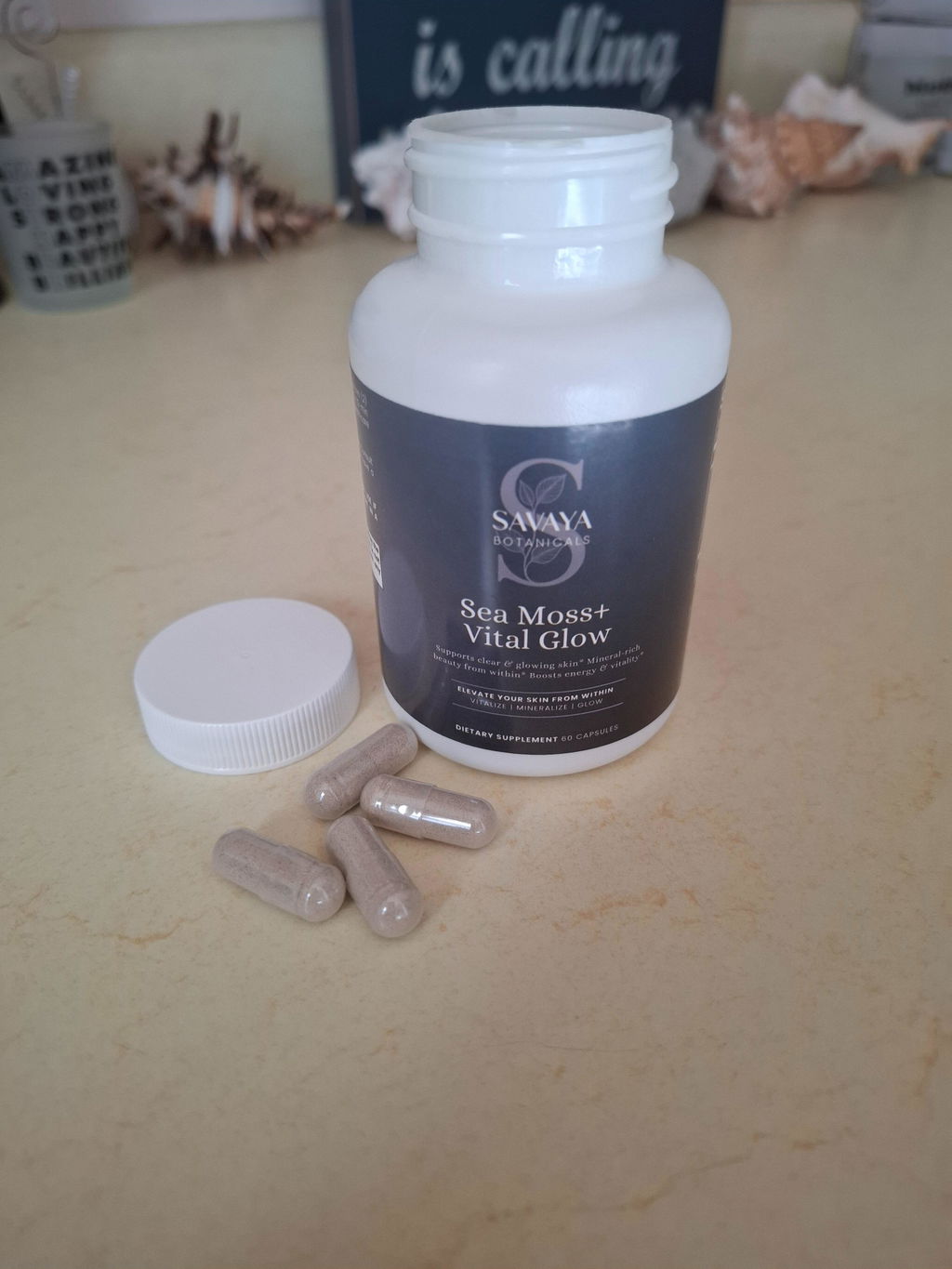
Mineral-rich foods. Selenium from Brazil nuts, zinc from oysters and pumpkin seeds, iodine and trace minerals from sea vegetables. 92 trace minerals from the ocean is one reason sea moss shows up in so many gut and liver protocols.
Pair all of this with adequate protein at every meal. Every Phase II pathway needs amino acids. If you undereat protein, detox stalls no matter how many greens you eat.
Bile, Gut, and Why the Two Cannot Be Separated
Bile production is the liver's daily housekeeping. The liver makes roughly a liter of bile per day, most of which is recycled through enterohepatic circulation. Bile emulsifies fat, activates pancreatic enzymes, and shapes which bacteria thrive in your small intestine.
Bile is also antibacterial. It keeps the small intestine from becoming overgrown. When bile flow drops, small intestinal bacterial overgrowth becomes more likely, dysbiosis takes hold, and intestinal permeability rises. This is the gut-liver-skin axis in one sentence. Sluggish bile leads to leaky gut, leaky gut leads to systemic inflammation, systemic inflammation lands on skin.
Bile acid research from the last decade has shown that bile acids are not just detergents. They are signaling molecules that talk to gut bacteria through the FXR and TGR5 receptors. The composition of your bile shapes the composition of your microbiome, and your microbiome shapes what shows up on your face.
If your digestion feels heavy after fatty meals, that is a bile signal. a targeted gut cleanse paired with daily bile support is often what finally clears the pattern.
The Signs Your Liver Is Quietly Asking for Support
Liver overwhelm rarely announces itself with anything dramatic. It shows up as a quiet cluster of things you have started to accept as normal. Here are the signs I ask about in every intake.
- Waking between 1 and 3 a.m. (traditional Chinese medicine calls this the liver's peak hour).
- Feeling worse, not better, after one glass of alcohol.
- A yellowish or grayish undertone in the whites of your eyes or your skin.
- Bloating and heaviness after meals with fat.
- Cystic breakouts along the jawline and chin that flare cyclically.
- Constipation, or pale, floating stools.
- Sensitivity to strong smells, perfumes, or cleaning chemicals.
- Blood sugar swings, sugar cravings, and afternoon crashes.
- Estrogen-dominant symptoms like heavy periods, breast tenderness, and PMS.
- Skin that reacts to almost everything you put on it.
If more than three of these feel familiar, your liver is asking. That does not mean you have liver disease. It means your daily detox load is running ahead of your daily detox capacity, and something has to give. Usually it is your face.
What Real Liver Support Looks Like in Practice
Real liver support is not one product and it is not a three-day juice cleanse. It is a daily rhythm you can hold for months.
Start the day with warm water and the olive oil and lemon shot. Get bitter greens on your plate at every meal. Eat cruciferous vegetables at least once a day. Get thirty grams of protein at breakfast so Phase II has amino acids to work with. Move your body enough to sweat. Sleep by 11 p.m. so the liver can do its overnight repair. Drink two to three liters of water so bile can flow.
For daily topical support while the inside heals, a barrier-repairing tallow cream stops you from stripping the skin further and gives the barrier the animal-fat lipids it recognizes as its own.
Your skin does not have a topical problem. It has a drainage problem. Fix the drainage, the skin follows.
If you are ready to actually clear the pattern instead of layering on more products, the deeper 12-week reset walks you through the exact liver, gut, and lymphatic sequence I use with clients who have tried everything else. It is not a quick cleanse. It is the mechanism.
Frequently Asked Questions
How long does it take for a liver reset to show up in your skin?
Most women see the first shifts (less puffiness, better morning energy, calmer redness) within two to three weeks. Full clarity, especially with cystic or hormonal patterns, tends to land between the eight and twelve week mark. The liver regenerates hepatocytes continuously, but skin turns over roughly every twenty-eight days. Give the process one full turnover before you judge results.
Can I do the olive oil and lemon shot every day?
Yes, and most clients feel best when it becomes a daily ritual rather than an occasional cleanse. One tablespoon of extra virgin olive oil with the juice of half a lemon, twenty minutes before breakfast. If you have known gallstones or a diagnosed gallbladder condition, work with a practitioner first, because the bile release can move stones.
What is the difference between a liver cleanse and a gut cleanse?
A liver cleanse focuses on supporting Phase I and Phase II detoxification through nutrients, bitters, and bile flow. A gut cleanse targets the microbiome, the intestinal barrier, and clearing dysbiosis. They work best together, because the liver dumps toxins through bile into the gut, and if the gut is not clearing, those toxins get reabsorbed. this microbiome reset is designed to pair with liver work for exactly that reason.
Is coffee bad for the liver?
The research is friendlier to coffee than most people expect. Large observational studies link moderate coffee to lower rates of non-alcoholic fatty liver disease and fibrosis. The concern is the cortisol pattern around it, especially drinking on an empty stomach. If your skin is inflamed, try coffee after breakfast instead of before.
Do I need supplements to support my liver or is food enough?
Food is the foundation. Cruciferous vegetables, sulfur-rich foods, bitter greens, and adequate protein will carry most women a long way. Supplements become useful when detox capacity has been overwhelmed for years, when medications are involved, or when Phase II pathways need concentrated raw material. bioavailable collagen support is one of the simplest add-ons, because glycine is a rate-limiting amino acid for glutathione, and most women are chronically low.