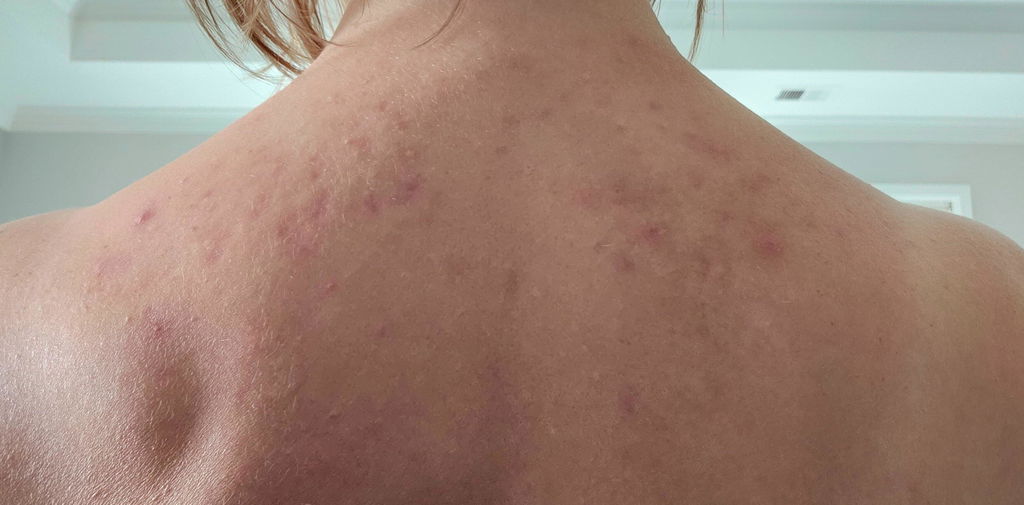
You took the doxycycline. Your skin cleared in two weeks. You felt like a different person. Then six months later, the breakouts came back, in places they had never been, with a kind of inflammation that did not look like your old acne. If that is your story, I have something honest to tell you. Antibiotics did not fail you. They worked exactly the way they always work. That is the problem.
The Two Week Miracle Has An Expiration Date
Oral antibiotics like doxycycline and minocycline shrink acne by killing Cutibacterium acnes on your skin and lowering inflammation in your pores. For two to twelve weeks, this can look like a miracle. The catch is that they never address sebum, hormones, or follicular plugging, so the moment you stop, the underlying drivers come right back.
In my practice, I see this pattern so often it has its own shape. A woman walks in. She is thirty two. She had bad cystic acne in her early twenties. Doxycycline worked beautifully. She came off it three years ago. And now she is back, with a different kind of acne, deeper, more inflamed, more demoralizing than the version she remembered.
That is not a coincidence. That is biology.
What antibiotics actually do is press pause on the bacterial part of the acne equation. They do not touch sebum production. They do not balance your hormones. They do not address the gut-skin axis that drives so much adult breakout. They lower bacterial load and the inflammation that comes with it, which is wonderful, until the pills stop.
When they stop, three things start at once. We are about to look at all three.
What Antibiotics Quietly Do To Your Gut
Broad spectrum antibiotics travel from your gut into your bloodstream, but on the way through they kill bacteria you actually need. Thompson and colleagues (2020, Annals of Dermatology) showed that minocycline treated acne patients had significantly depleted Lactobacillus and Bifidobacterium in the gut, with both their skin and gut microbiomes shifted away from healthy controls.
The species that get hit hardest are the ones doing the most for you. Lactobacillus and Bifidobacterium are the workhorses of your colon. They ferment fiber into short-chain fatty acids like butyrate, which feeds the cells lining your gut wall and keeps that wall tight and impermeable. Lose them, and the cells that depend on butyrate go hungry.
When the gut wall loosens, a process called intestinal permeability begins. Inflammatory signals leak into your bloodstream. Your skin notices. The gut-skin axis is not a wellness phrase. It is real two-way signaling, and a 2022 paper by Moura and colleagues in Frontiers in Microbiology found that doxycycline and minocycline produced profound, persistent disruption of gut microbiota diversity that did not bounce back the way other antibiotic classes did.
So while your skin was healing on the surface, your foundation was eroding underneath.
Here is the part most articles get wrong.
The Acne That Comes Back Different
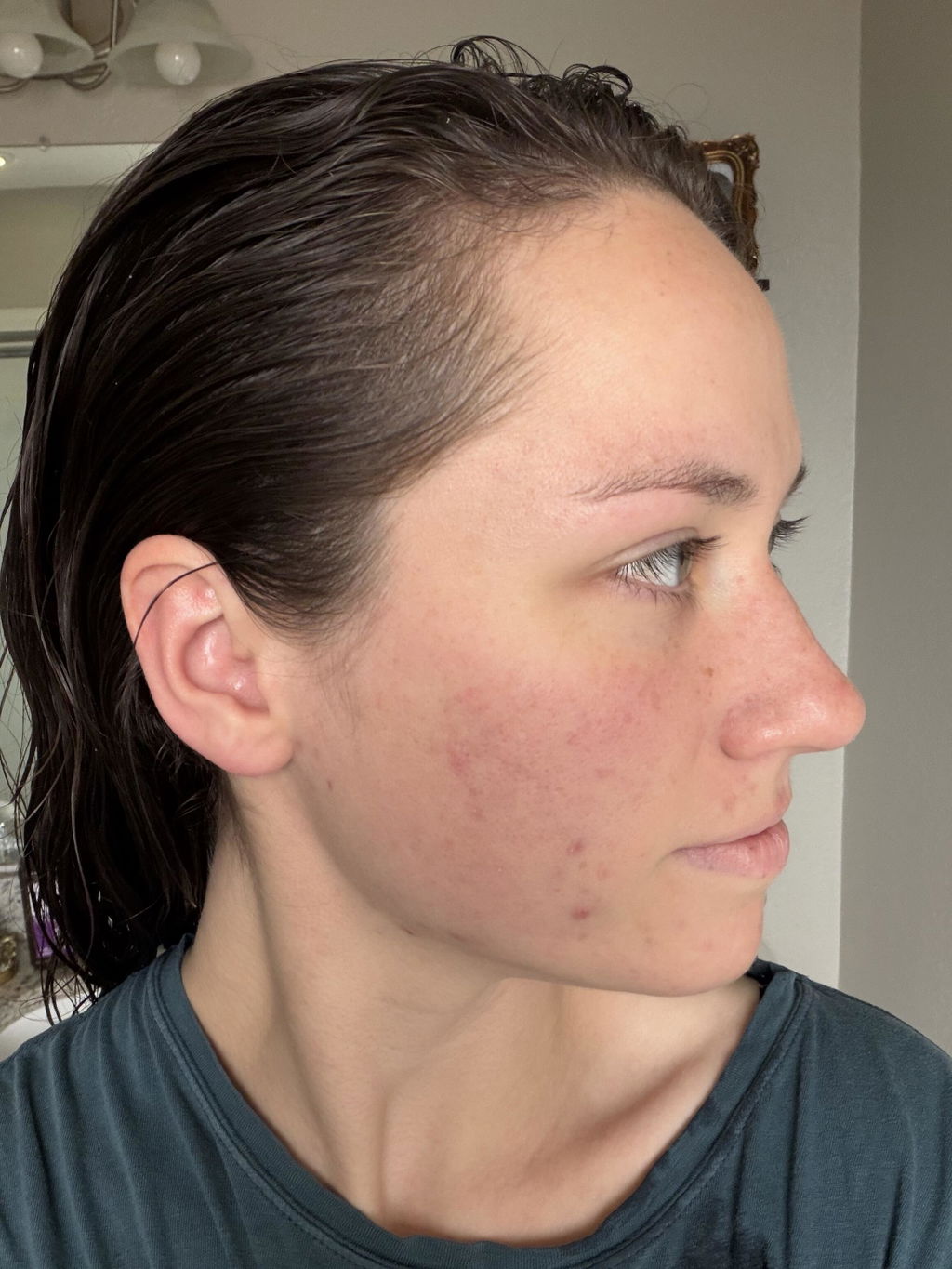
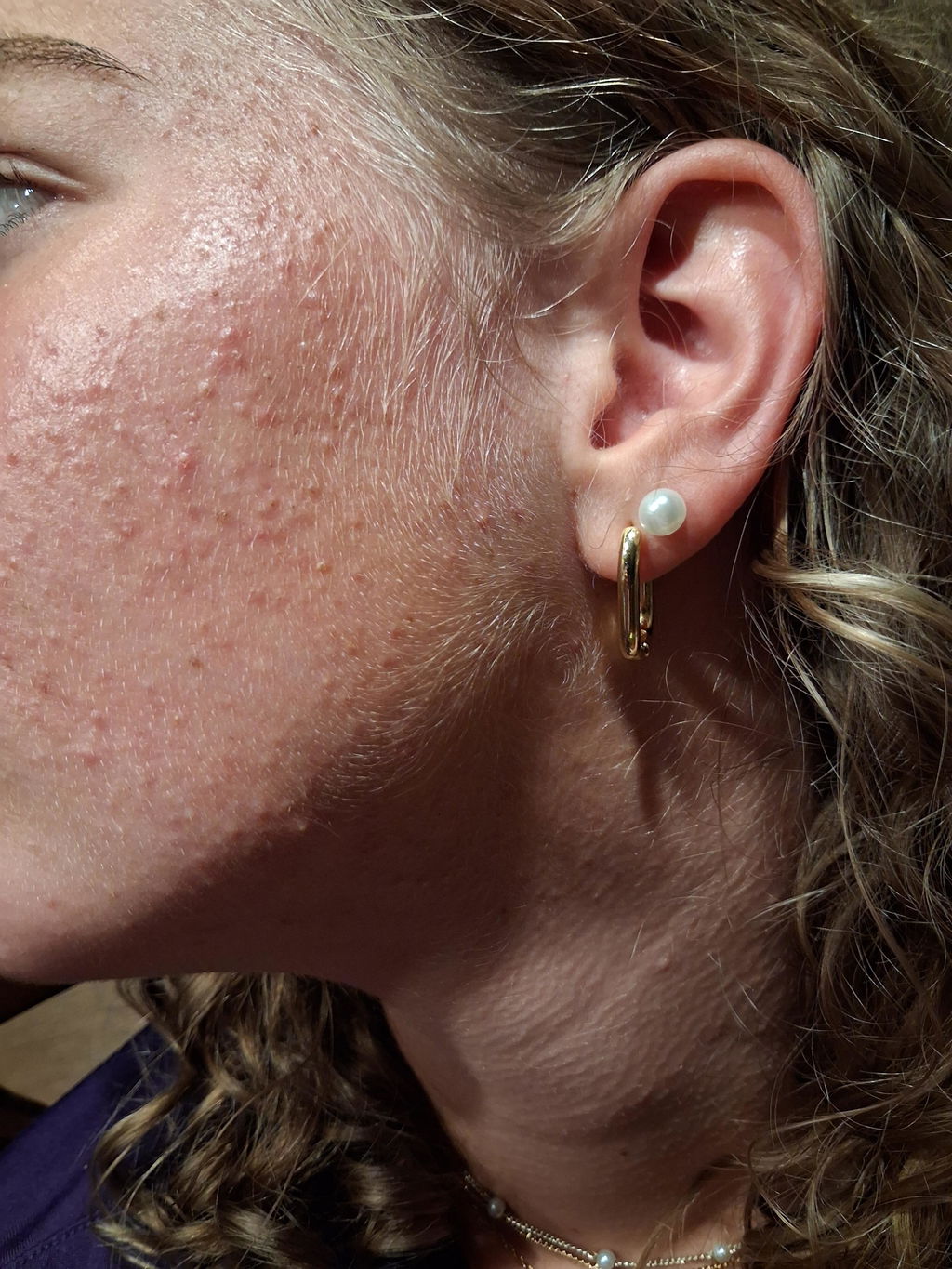
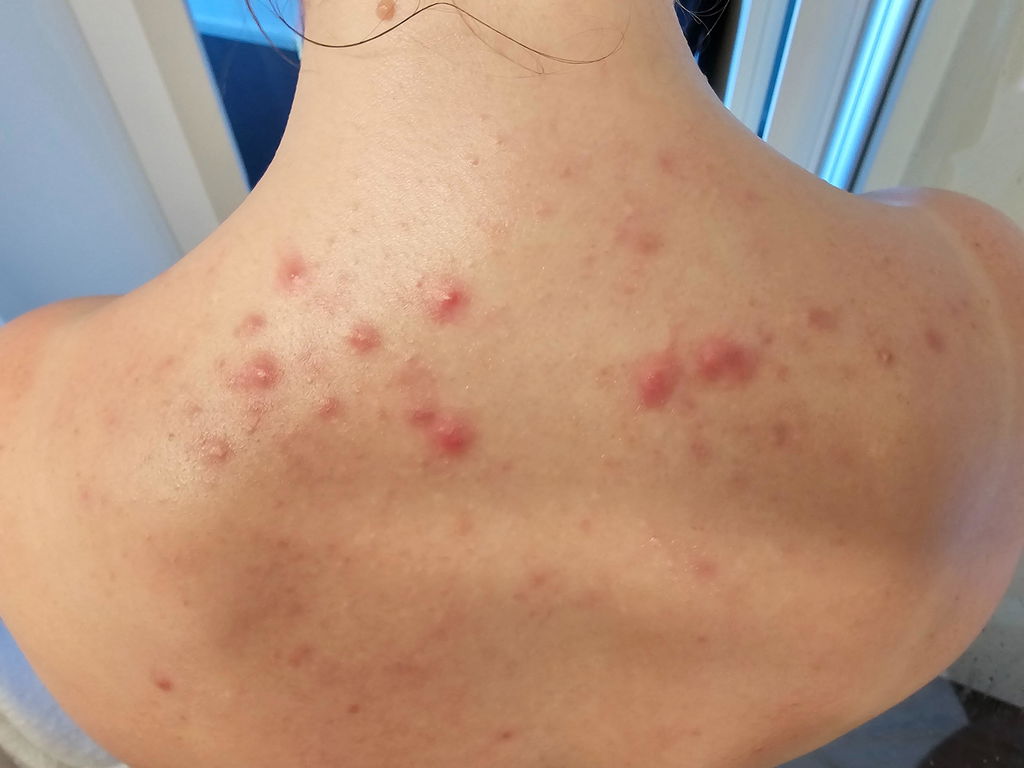
Post-antibiotic acne often looks different from the acne that came before it. Forum patterns and clinical observation describe small uniform bumps on the chest, shoulders, and forehead, deeper cystic lesions on the jawline, or fungal-pattern folliculitis. This shift makes sense once you understand what was killed and what was left behind.
On dermatology forums like acne.org and Reddit threads at r/acne and r/SkincareAddiction, the same descriptions repeat themselves. A user clears beautifully on doxycycline for four months. She stops. Two to twelve weeks later, the breakouts return, but they are not in the same places. They are smaller, more itchy, more uniform, and they do not respond to benzoyl peroxide or salicylic acid the way her old acne did.
That pattern is often Malassezia folliculitis. Antibiotics killed bacteria across your skin and gut. Yeast, which they cannot touch, took the open territory.
Other times the rebound is straightforward cystic acne. Worse than before. Painful. Hormonal. Many women describe staying on the antibiotic longer than the recommended three to four months out of fear of the rebound.
I understand that fear. But here is what nobody told you about the next round.
Why The Second Course Stops Working
Cutibacterium acnes develops antibiotic resistance, and that resistance carries from one course to the next. Swallow and colleagues (2022, Antibiotics) traced C. acnes resistance from roughly 20 to 25 percent in the 1970s and 1980s up to about 75 percent by the early 2000s, before improved prescribing pulled it back to 30 to 40 percent today. Dessinioti and Katsambas (2022, Yale Journal of Biology and Medicine) tied tetracycline resistance to a specific mutation in the 16S rRNA gene.
What that means in plain English is that the bacteria adapt. A single course can leave behind resistant strains. The next time you take the same antibiotic, fewer of them die. The third time, fewer still.
This is exactly the pattern users describe on every acne forum I have read. The first course cleared everything in three weeks. The second course took eight weeks and only got to about sixty percent. The third course barely moved the needle.
It is not in your head. It is in your follicles.
Antibiotics buy you clear skin. The bill comes later, in the shape of a microbiome that does not respond the same way twice.
The Candida Problem Nobody Mentions
When antibiotics suppress your protective Lactobacillus species, Candida yeast can overgrow in the gut, vagina, and on the skin. Xu and colleagues (2008, Journal of the American Board of Family Medicine) found that short course oral antibiotics raised vaginal Candida colonization and symptomatic vulvovaginal candidiasis in about 22 percent of women within four to six weeks.
There is a darker twist. McCool and colleagues (2008, Infectious Diseases in Obstetrics and Gynecology) showed that sublethal concentrations of tetracycline directly stimulated Candida albicans growth and hypha formation. The same drug class meant to clear your skin can feed the yeast that takes over the territory it cleared.
A 2025 paper by Gurram and colleagues in Obstetrics and Gynecology, looking at more than 139,000 females with acne, found that doxycycline and azithromycin significantly raised the six month risk of vulvovaginal candidiasis compared with controls.
This is why so many women describe new bloating, recurrent yeast infections, scalp itch, and a strange persistent breakout pattern in the months after finishing their acne antibiotic. It is not a coincidence. It is a predictable downstream effect of suppressing the bacteria that were keeping yeast in check.
A Word On C. Difficile And Acne Antibiotics
The honest picture on C. difficile and acne antibiotics is more nuanced than most internet articles suggest. Tetracyclines like doxycycline actually carry a relatively low C. difficile risk. A 2018 meta-analysis by Tariq and colleagues in Clinical Infectious Diseases found tetracyclines associated with reduced C. difficile risk. Azithromycin is the more concerning one in this category.
I want to be careful here because there is a lot of fearmongering online about acne antibiotics causing severe gut infections, and the evidence does not support the broadest claims. Zhang and colleagues (2022, Antimicrobial Agents and Chemotherapy) confirmed doxycycline as low-risk in a large US outpatient cohort. So the most common acne antibiotic is not the one to fear on this specific endpoint.
The exception is azithromycin. Alnajar and colleagues (2023, American Journal of Case Reports) documented a forty one year old woman who developed C. difficile colitis after repeated six week azithromycin courses prescribed for acne.
The takeaway is not to panic. The takeaway is that even the lower-risk antibiotics meaningfully disrupt your gut, and the disruption usually shows up as drawn-out misery rather than a dramatic infection. Bloating, reflux, anxiety, fatigue, dysbiosis, and skin that will not settle.
So how long does the rebuild actually take?
Six To Twelve Months Of Quiet Repair
Two of the most rigorous studies on post-antibiotic microbiome recovery (Anthony 2022 in Cell Reports and Palleja 2018 in Nature Microbiology) found that species richness returns within roughly two months, composition approaches baseline by about one and a half to two months, but several common species and elevated antibiotic-resistance genes can still be measurable at six months.
In Anthony's 2022 work, healthy adults who took a short course of common antibiotics showed two telling patterns. Most species came back within two months. Azithromycin specifically delayed recovery to around day 65. And in a meaningful subset of volunteers, diversity loss and elevated resistance genes were still present at six months.
Palleja's 2018 paper went further. After only four days of broad-spectrum antibiotics, several common gut species remained undetectable at the six month mark.
In my practice, this matches what I see clinically. Most women feel like themselves again somewhere between six and twelve months after their last antibiotic course, if they actively support the repair. Without support, the timeline stretches. With targeted rebuilding, it tightens.
So what does targeted rebuilding actually look like?
What I Recommend Instead: The Gut Rebuilding Protocol
Rebuilding after antibiotics is less about adding a single supplement and more about giving your gut barrier the substrates, the diversity, and the quiet time it needs to repopulate. Probiotics alone are not enough, and some research suggests they can actually slow recovery. The work is closer to gardening than to filling a prescription.
Here is the sequence I walk women through in my practice.
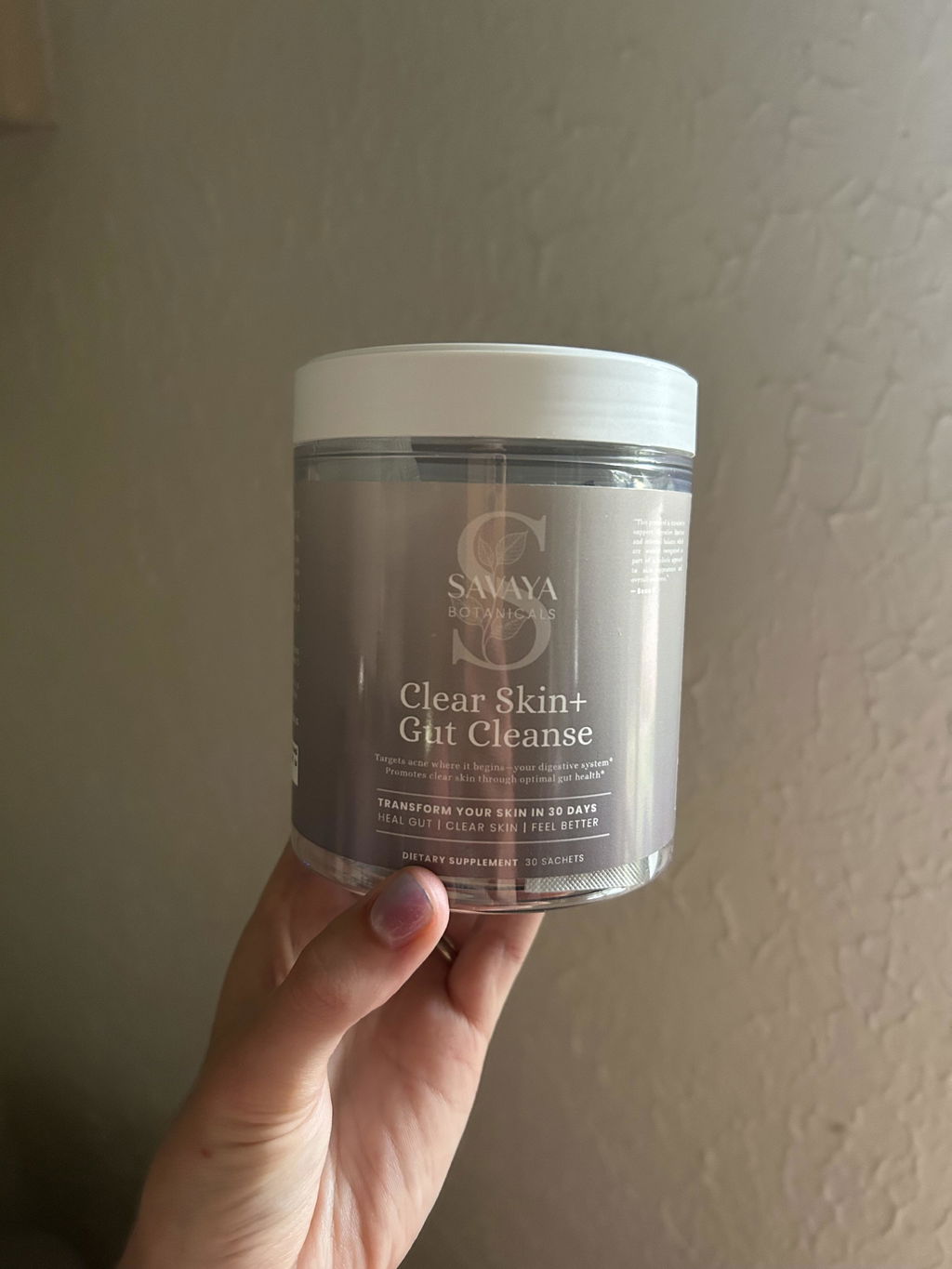
- Clear what is still in the way. If yeast overgrowth or stubborn dysbiosis is still active, you cannot rebuild on top of it. I often start women with a targeted gut cleanse for two to four weeks to bring the population back toward balance. For deeper or more chronic cases, I also recommend Clear Skin+ Max Detox, a daily acai blend that helps support skin health alongside the gut work.
- Feed the gut barrier. Diverse fiber, fermented foods, and minerals come first. I lean on 92 trace minerals from the ocean here because the gut wall and skin barrier both depend on minerals like zinc, iodine, magnesium, and selenium that are quietly missing in most modern diets.
- Rebuild the structural layer. The same gut wall and skin barrier that took the hit are built largely from collagen and amino acids. Bioavailable collagen support gives the building blocks. Slow breathwork and unhurried meals support the vagus nerve, which runs the rest and digest side of the nervous system that your gut needs to repair.
- Calm cortisol. Stress raises sebum and slows gut healing through the HPA axis. Sleep, sunlight, gentle movement, and saying no to one more thing this week.
- Address what the antibiotics never touched. Hormones, follicular plugging, and inflammation. A topical retinoid plus benzoyl peroxide is still the most evidence-based topical pair for surface acne. For internal drivers, the deeper 12-week reset gives the liver and gut enough time to actually move the backlog.
The goal is not to add seven new things to your routine. It is to remove what is blocking your body from doing the job it already knows how to do.
If you want a structured path through this, the twelve week reset is the closest thing I have found to a complete walkthrough. It is not a shortcut, it is a sequence.
Frequently Asked Questions
Do antibiotics permanently damage your gut microbiome?
The evidence does not support a permanent label. Anthony 2022 and Palleja 2018 show species richness mostly returns within two months and composition near baseline by about one and a half months. Some species and resistance genes can persist at six months. With active rebuilding, most women feel fully restored within six to twelve months.
Why does my acne come back worse after stopping antibiotics?
The drugs press pause on the bacterial part of acne without addressing the drivers (hormones, sebum, follicular plugging). When the pills stop, those drivers return. Meanwhile, your skin and gut microbiomes were disrupted, which can allow yeast overgrowth and Malassezia folliculitis to layer a new pattern of breakout on top of the original one.
How long should you wait between antibiotic courses for acne?
Dermatology consensus is to cap oral antibiotics at three to four months and to always pair them with a topical retinoid and benzoyl peroxide to slow resistance. Between courses, longer is better. Six to twelve months of structured gut rebuilding before any repeat is the kind of timeline I would walk a client through, if a repeat is needed at all.
Can I take probiotics during antibiotics to protect my gut?
Probiotics during a course are reasonable and generally safe, but the research is mixed on whether they accelerate recovery, and some studies suggest they can actually delay return to baseline. Fermented foods, fiber diversity, and prebiotic rich plants tend to support repair more reliably than a single capsule.
Is sea moss actually useful after antibiotics?
Sea moss is not a treatment. It is a source of bioavailable trace minerals and prebiotic polysaccharides that the gut wall and microbiome can use to rebuild. Many women find this gentler and more nourishing than the standard probiotic plus fiber stack, and easier to stay consistent with.
• • •