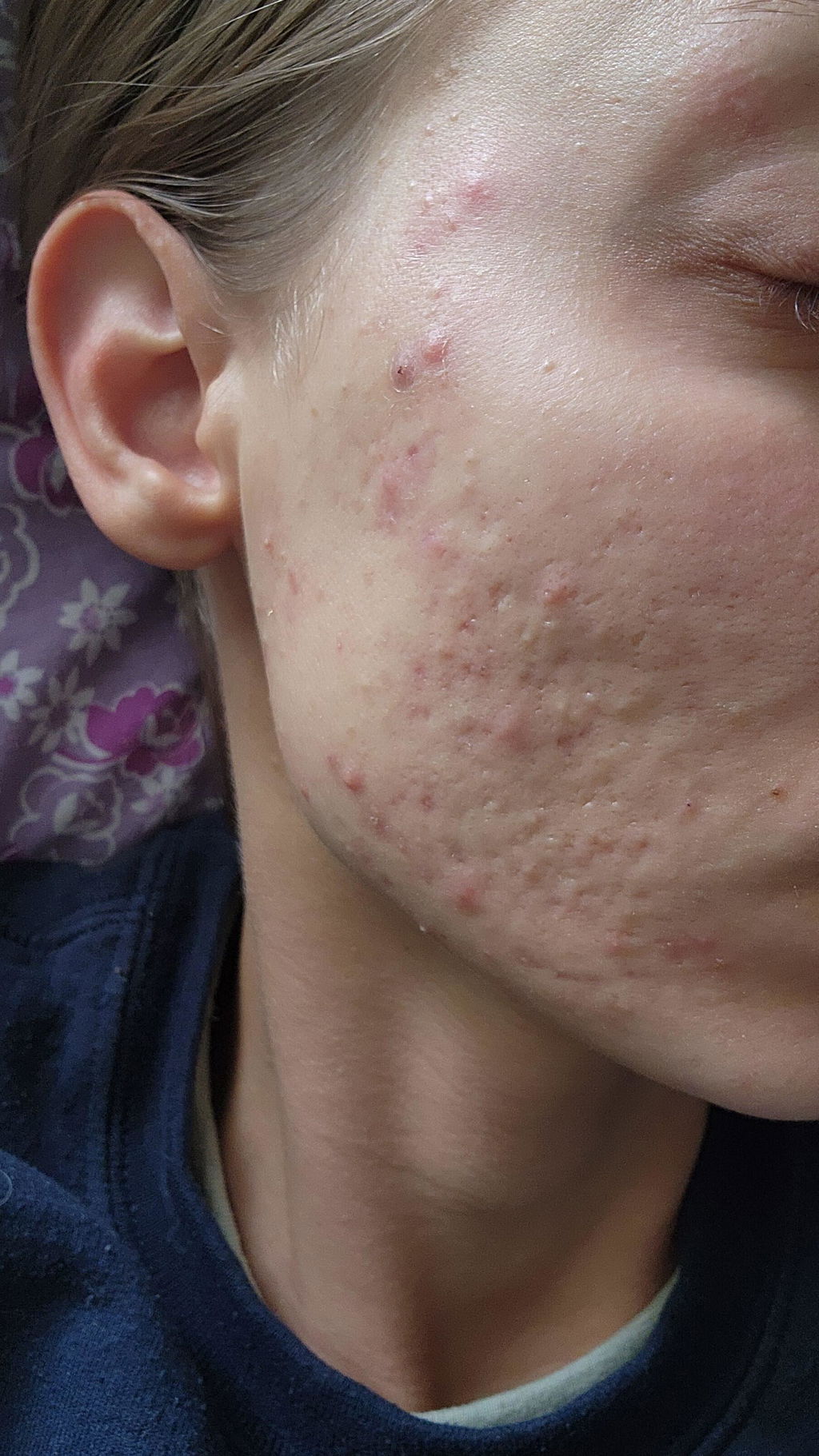
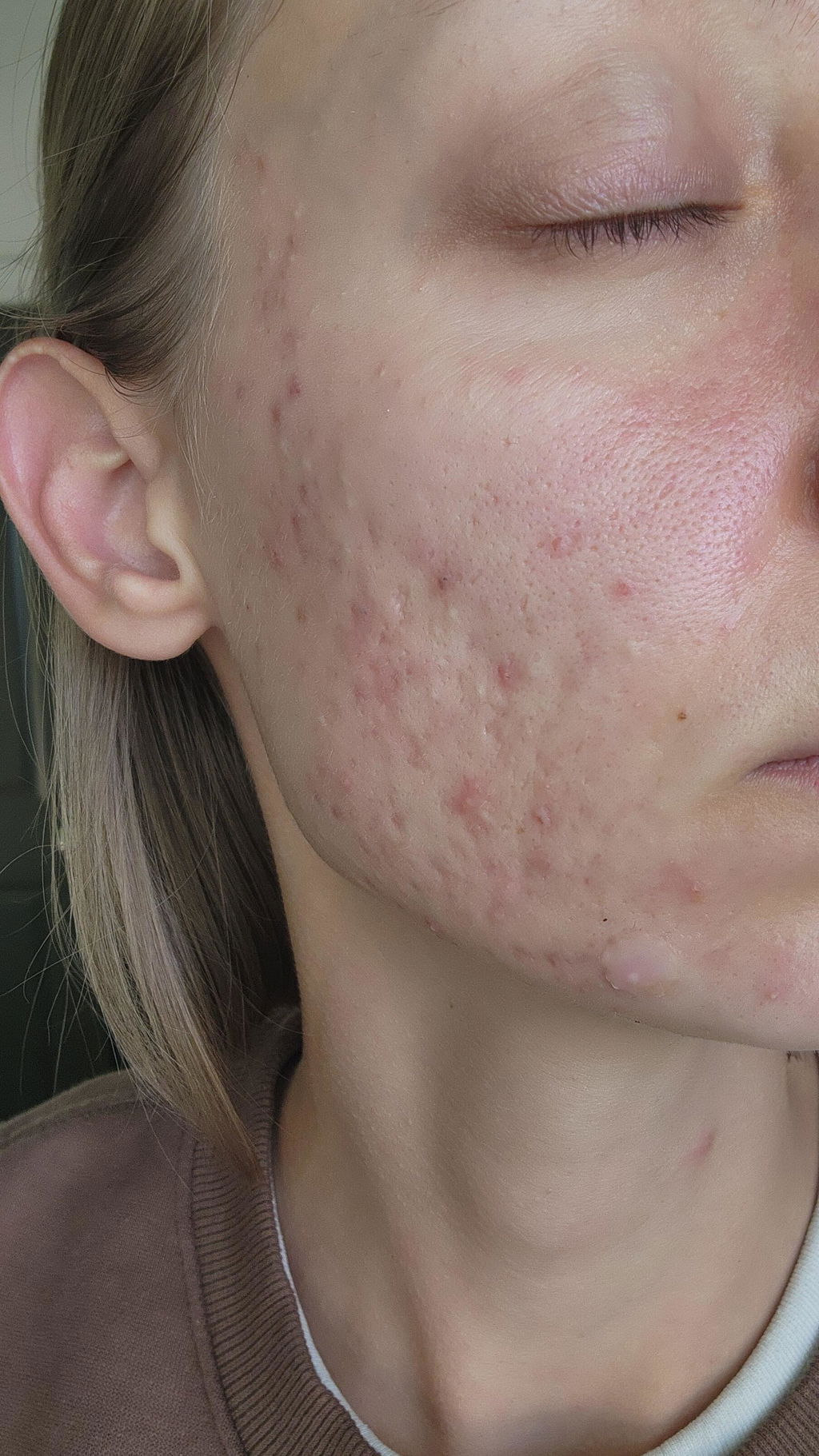
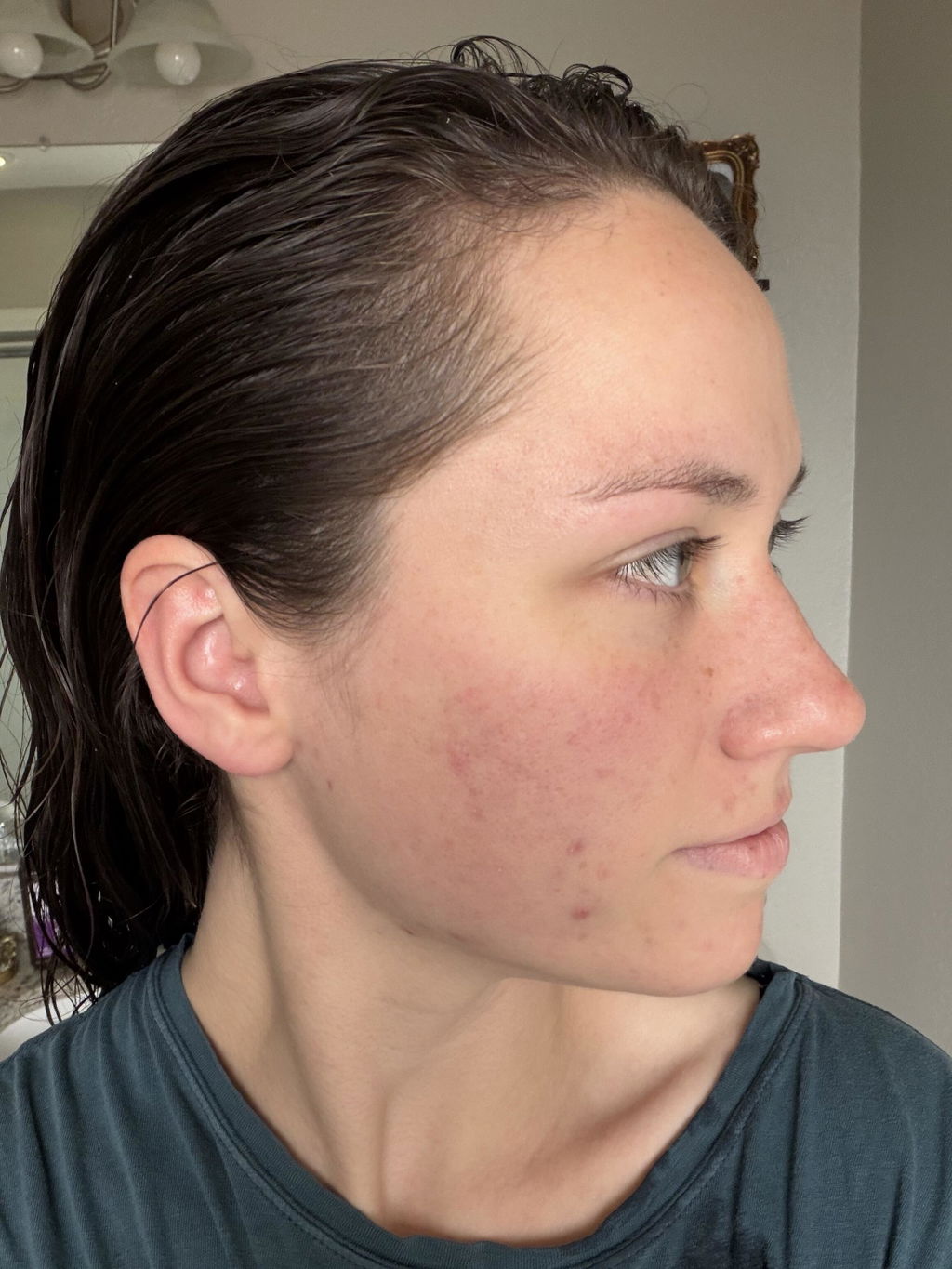
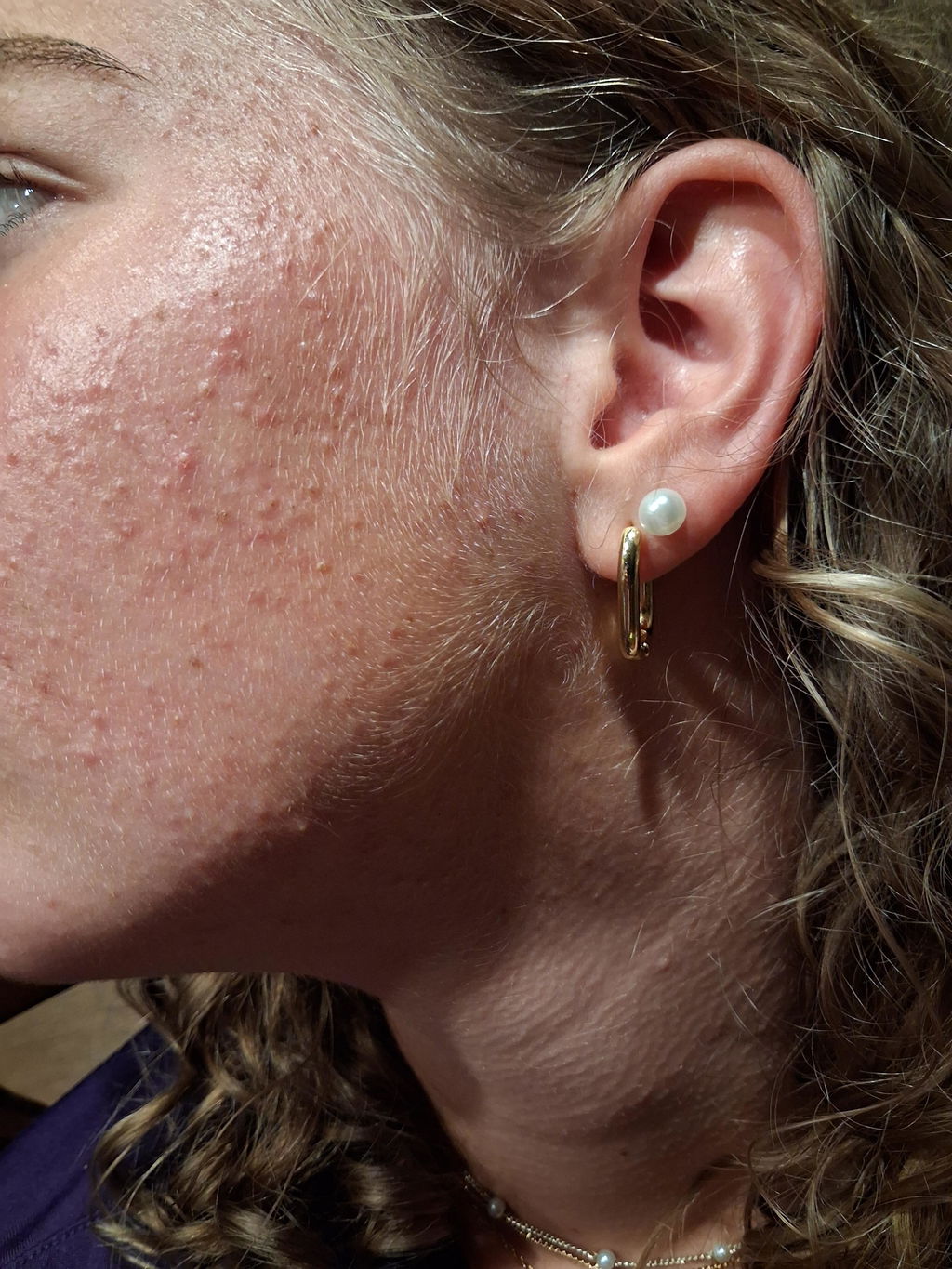
You broke out the morning after that big work deadline. Or the night before your sister's wedding. Or three days into a fight with your partner. You blamed the chocolate, the new moisturizer, your hormones. It probably was not any of those. Your gut and your nervous system were having a conversation, and your skin was the loudspeaker.
What the Gut-Brain-Skin Axis Actually Is
The gut-brain-skin axis is the two-way communication network linking your central nervous system, your gut microbiome, and the immune signaling in your skin. When stress hits your brain, it changes what happens in your intestines within hours. Those gut changes then drive inflammation that surfaces in your face.
This idea is not new. Two dermatologists named John Stokes and Donald Pillsbury proposed it in 1930. They noticed that anxious patients had more acne and more digestive complaints than calm ones. Modern research returned to that idea in a 2011 paper in Gut Pathogens by Whitney Bowe and Alan Logan called "Acne vulgaris, probiotics and the gut-brain-skin axis." That paper restarted the entire modern conversation about the microbiome and breakouts.
What changed since 1930? We can now measure the messengers. Cortisol. Cytokines. Zonulin. Short-chain fatty acids. The biology is real, and you can map it.
How Cortisol Wrecks Your Gut Lining
Cortisol is the body's main stress hormone. When you feel pressure, your adrenal glands release it into your bloodstream within minutes. It is supposed to be a short burst that helps you handle a threat. Modern life turns that burst into a steady drip, every day, all day.
That steady drip changes the cells lining your intestines. The tight junctions, the little protein gates between your gut cells, start to loosen under chronic cortisol. Researchers measure this with a protein called zonulin. Higher zonulin equals leakier gut lining. The leakier the lining, the more bacterial fragments cross into your bloodstream.
Once those fragments are circulating, your immune system reads them as a low-grade infection. Inflammation rises. And inflammation, as you are about to see, has a direct route to your sebaceous glands.
In my practice, the women with the most stubborn jawline breakouts almost always have digestive symptoms too. Bloating. Erratic stools. Reflux. Their skin is not a separate problem. It is the loudest symptom of one bigger pattern, and starting with this microbiome reset is often the simplest first move.
From Leaky Gut to Inflamed Skin
Once the gut barrier is compromised, a cascade of small signals reaches the skin. Bacterial endotoxin called lipopolysaccharide, or LPS, leaks into circulation. Inflammatory cytokines like IL-6 and TNF-alpha rise. Your sebocytes, the cells that make sebum, hear that signal and start producing thicker, stickier oil.
Thicker sebum clogs follicles. Add the same inflammation to follicle walls, and you have the perfect setup for the pimples you keep blaming on your pillowcase.
Stress also boosts a growth factor called IGF-1, which directly tells sebocytes to make more oil. That same IGF-1 spike is why dairy and refined carbs aggravate acne. Stress and sugar pull the same lever in your body.
The gut lining itself is built from amino acids, particularly glycine and proline. Bioavailable collagen support gives the gut wall the raw material it uses to rebuild tight junctions, while polyphenols and fiber feed the bacteria that produce barrier-protective short-chain fatty acids. Working only on the surface is mopping a flooded floor without turning off the tap.
The Vagus Nerve, Your Built-In Calm Switch
The vagus nerve is the longest nerve in your body. It runs from your brainstem down through your neck and chest into nearly every organ in your abdomen. About eighty percent of its fibers are sensory, which means it mostly carries information from your gut up to your brain, not the other way around.
This is the cable that connects gut feelings to actual feelings.
When the vagus nerve is firing well, your gut motility is smooth, your stomach acid is balanced, and your immune system stays calm. Researcher Kevin Tracey identified what he named the cholinergic anti-inflammatory pathway, the mechanism by which the vagus nerve actively reduces inflammation throughout the body. Higher vagal tone equals lower systemic inflammation. Lower inflammation equals clearer skin.
Stress shuts the vagus nerve down. So does shallow breathing, poor sleep, and chronic isolation. The good news? You can train the vagus the same way you train a muscle. We will get to the how in a few sections.
The HPA Axis and the Stress Acne Cycle
The HPA axis is the hypothalamic-pituitary-adrenal axis. It is the command chain that decides how much cortisol you release and when. Think of it as your body's stress thermostat, and chronic stress turns the dial up until it is stuck there.
Here is the loop that traps women in repeating breakouts:
- Stress activates the HPA axis.
- The HPA axis raises cortisol.
- Cortisol thins the gut barrier and feeds inflammation.
- Inflammation signals back to the brain through cytokines, telling it the body is still under threat.
- The HPA axis stays activated, and the loop runs again.
Once that loop starts, your face stops being a temporary visitor in the breakout zone and becomes a resident.
Researcher Andrzej Slominski has spent two decades showing that the skin itself has its own local HPA axis. Your skin can make and respond to cortisol on its own. So you actually have two stress systems amplifying each other, brain and skin, in the same body.
The fix is not heroic willpower. It is breaking the loop in two places at once. Calm the brain. Repair the gut. Both, together.
What the Research Actually Shows About Stress and Acne
A study by Yosipovitch and colleagues published in Acta Dermato-Venereologica followed Singaporean university students and found that acne flared significantly during exam periods. Diet and skincare stayed about the same. The variable that moved was stress. A separate Stanford-led study published in Archives of Dermatology in 2003 by Chiu and colleagues found that students with high perceived stress were significantly more likely to experience severe acne flares.
Those studies do not prove that stress causes every pimple. They do prove that stress meaningfully changes acne severity in real humans, not just in petri dishes.
Inside the lab, researchers have shown that corticotropin-releasing hormone, the brain chemical that kicks off the HPA cascade, directly stimulates human sebocytes to produce more oil. The brain talks to the oil glands. The translator is a peptide your face has receptors for.
This is why "just relax" is genuinely terrible advice. The mechanism is real. So the intervention has to be real too. Telling someone to stop being stressed does not change vagal tone, cortisol output, or gut permeability. Specific daily practices do.
Cold Exposure and Vagal Tone
Brief cold exposure, like a 30 to 60 second cold rinse at the end of your shower, activates a strong vagal reflex. Your heart rate drops. Your breathing slows. Your nervous system shifts toward the parasympathetic branch, the side associated with rest, digestion, and repair.
Studies on heart rate variability, the gold-standard marker for vagal tone, show that regular cold exposure raises it over weeks. Higher heart rate variability tracks with better gut motility, lower inflammation, and improved sleep.
You do not need an ice bath. A cold rinse at the end of your normal shower, every morning, gives you most of the benefit. Three slow breaths in through the nose while you stand in it. That is it.
Trace minerals like zinc, selenium, and iodine also support nervous system regulation and gut bacterial balance. Mineral-rich sea moss is one of the simplest ways to cover the gaps a normal diet leaves behind, especially in women who have been stressed and undereating protein for years.
A client of mine called the cold rinse her "cheapest skincare upgrade." Within six weeks her morning anxiety dropped, her digestion regulated, and her chin breakouts faded. The cold was not changing her acne directly. It was retuning the system that controls her acne.
Breathwork That Resets Your Gut
Slow, nasal, diaphragmatic breathing is the most direct vagal exercise you have. The vagus nerve runs alongside the diaphragm, and every long exhale literally massages it. Ten minutes a day is enough to shift your baseline within weeks.
The protocol with the strongest evidence is called resonance breathing, sometimes called 5.5 breathing. You inhale gently for 5.5 seconds and exhale for 5.5 seconds. That rhythm aligns your heart rate, blood pressure, and vagal output into one synchronized wave. Researcher Paul Lehrer has spent decades documenting how this raises heart rate variability and lowers inflammatory markers.
Morning is ideal because it sets vagal tone for the rest of the day.
What it does for your gut: slower breathing supports stomach acid, improves intestinal motility, and reduces the muscle tension that creates bloating. Many of the women I work with notice their digestion change within a week of starting a daily breathwork practice. Their skin follows three to four weeks later, which is the timeline of one full sebocyte cycle.
Sleep Hygiene Does the Repair You Cannot Buy
Sleep is when your gut lining regenerates and your skin barrier rebuilds. The cells lining your intestines turn over every three to five days, and most of that repair happens during deep sleep. Skip the sleep and you skip the repair.
Cortisol has a natural rhythm. It should peak around 7 a.m. and bottom out around midnight. Late screens, late meals, and inconsistent bedtimes flatten that curve. A flat cortisol curve correlates with insulin resistance, gut dysbiosis, and yes, more acne.
What actually moves the needle:
- A consistent bedtime, even on weekends.
- No food in the three hours before sleep, so your gut can do repair work instead of digestion.
- Dim lights after sunset. Blue light suppresses melatonin and delays the cortisol drop.
- A cool, dark room. Around 65 degrees Fahrenheit is the sweet spot for most adults.
While the inner work happens overnight, a barrier-repairing tallow cream feeds the skin surface with the saturated fats your barrier actually uses to rebuild. If you can only change one thing this month, change your bedtime. It will do more for your skin than any serum you can buy.
Stress does not cause acne the way most people think it does. It causes acne through your gut, and that is where the fix has to start.
• • •
Where to Start This Week
Pick two practices, not all of them. A cold rinse in the morning and ten minutes of resonance breathing before bed will move your vagal tone within a month. Add a consistent bedtime and your gut barrier starts to repair on its own. Nutritional support sits underneath the behavioral work, not on top of it.
When the inflammation has been smoldering for years, Clear Skin+ Max Detox helps support the gut barrier with the steady, everyday nourishment it actually needs. Mechanism first, products second, always.
Frequently Asked Questions
What is stress acne and where does it usually show up?
Stress acne is the breakout pattern triggered by chronic cortisol elevation rather than topical or purely hormonal triggers. It most commonly shows up along the jawline, chin, and lower cheeks, because those areas have a higher density of cortisol-responsive sebocytes. Many women notice it flares around tight deadlines, poor sleep, or grief.
How long does it take for gut healing to clear my skin?
Skin cell turnover is around 28 days, and a full sebocyte cycle is closer to 6 to 8 weeks. Most women I work with see visible changes in skin tone and breakout frequency within 4 to 8 weeks of consistently supporting the gut, calming the nervous system, and sleeping properly. Stubborn cases often take a full 12 weeks.
Can I do this without giving up coffee or chocolate?
Yes, in most cases. Moderation matters more than elimination for most foods. The bigger food levers are dairy, refined sugar, and ultra-processed seed oils, all of which raise IGF-1 and feed dysbiosis. Coffee in the morning, with food, rarely sabotages gut healing for women who otherwise sleep well.
Is leaky gut actually real or is it pseudoscience?
Intestinal permeability is a measurable biological phenomenon and is well documented in the peer-reviewed literature, particularly in the work of researcher Alessio Fasano on the protein zonulin. The casual term "leaky gut" is often used loosely online, but the underlying mechanism is real, measurable, and responsive to diet and stress changes.
Why did stress acne never bother me until my thirties?
Several things shift in your thirties. Cortisol regulation becomes more brittle. Your gut microbiome loses some diversity. Estrogen begins its slow decline, which changes how your skin responds to androgens. The same stress load that used to slide off in your twenties now lands harder. The good news: the gut-brain-skin axis is highly responsive to support at any age.