The Gut-Skin Axis: How Your Gut Health May Shape Your Skin

Key Takeaways
- Frontiers in Microbiology describes the gut microbiome as a major regulator of the gut-skin axis.
- A 2021 Microorganisms review links gut dysbiosis with several skin conditions, including acne, without confirming direct causation.
- The NIH's National Center for Complementary and Integrative Health notes probiotics are best studied for digestive and immune support.
- According to Frontiers in Microbiology, short-chain fatty acids made by gut bacteria may help support immune activity and skin barrier health.
- The NIH Office of Dietary Supplements notes fiber fermentation by gut bacteria produces short-chain fatty acids linked to gut and immune function.
The gut-skin axis refers to the two-way communication between gut bacteria and skin health, connected through shared immune and metabolic pathways. Research links gut imbalances with certain skin concerns like acne and eczema, though scientists say the relationship is complex, likely bidirectional, and not fully proven as a direct cause.
What Is the Gut-Skin Axis?
The gut-skin axis is the biological communication network linking gut bacteria to skin function through the immune system, metabolism, and the skin barrier. When gut bacteria produce certain compounds, like short-chain fatty acids, they may influence immune signaling and skin barrier health elsewhere in the body, according to microbiome researchers.
Your gut and skin might seem like separate systems, but researchers have identified a real, measurable relationship between the two. Scientists call this the gut-skin axis — a term that describes how gut bacteria, immune signaling, and metabolic byproducts can relate to skin health, and vice versa.
A widely cited 2018 review in Frontiers in Microbiology describes the gut microbiome as a major regulator of this axis, noting that gut bacteria can shape immune responses that reach far beyond the digestive tract.
This doesn't mean your gut is the sole factor behind any skin concern. Skin health is influenced by genetics, hormones, skincare habits, environment, and more. The gut is one piece of a much larger picture.

How Do Gut Bacteria Communicate With Your Skin?
Gut bacteria communicate with skin primarily through the immune system and metabolic byproducts like short-chain fatty acids. These signals can travel through the bloodstream, and researchers believe they may play a role in immune cell activity and skin barrier function, though the full pathway is still being mapped.
The gut and skin are connected through several biological pathways. One of the best-studied is the production of short-chain fatty acids (SCFAs) — compounds made when gut bacteria ferment dietary fiber.
SCFAs like butyrate can enter the bloodstream and interact with immune cells throughout the body. Some researchers believe this process plays a role in normal immune function, which may extend to skin health.
- Gut bacteria ferment fiber into SCFAs
- SCFAs interact with immune cells
- Immune signaling reaches tissues beyond the gut, including skin
This is an active area of research, and scientists are still working to understand exactly how strong — and how direct — this connection really is.

Does Gut Health Cause Acne?
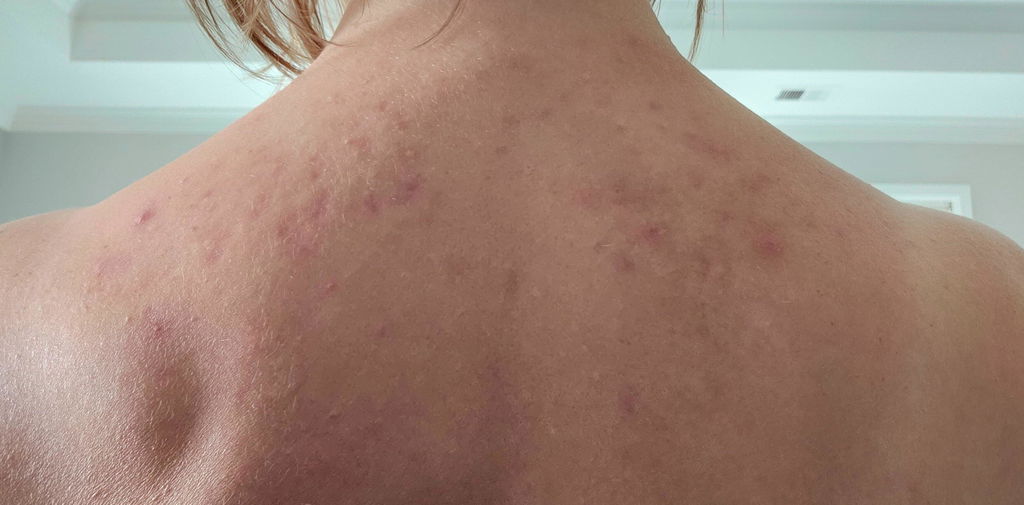
Current research shows an association between gut microbial imbalance and acne, but it has not proven that gut health directly causes acne. Acne involves hormones, genetics, skin oil production, and surface bacteria — gut health may be one contributing factor among several, not a single root cause.
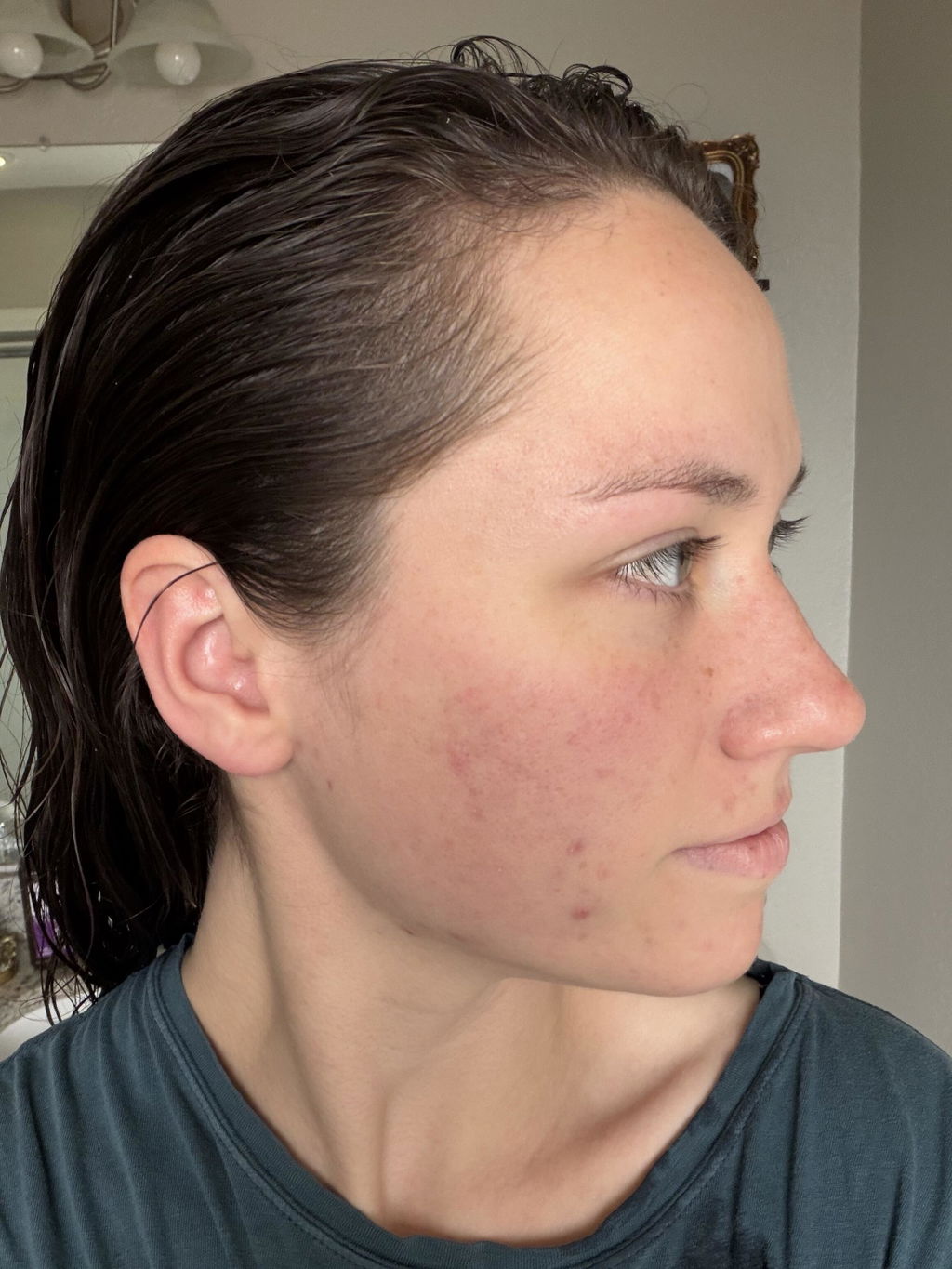
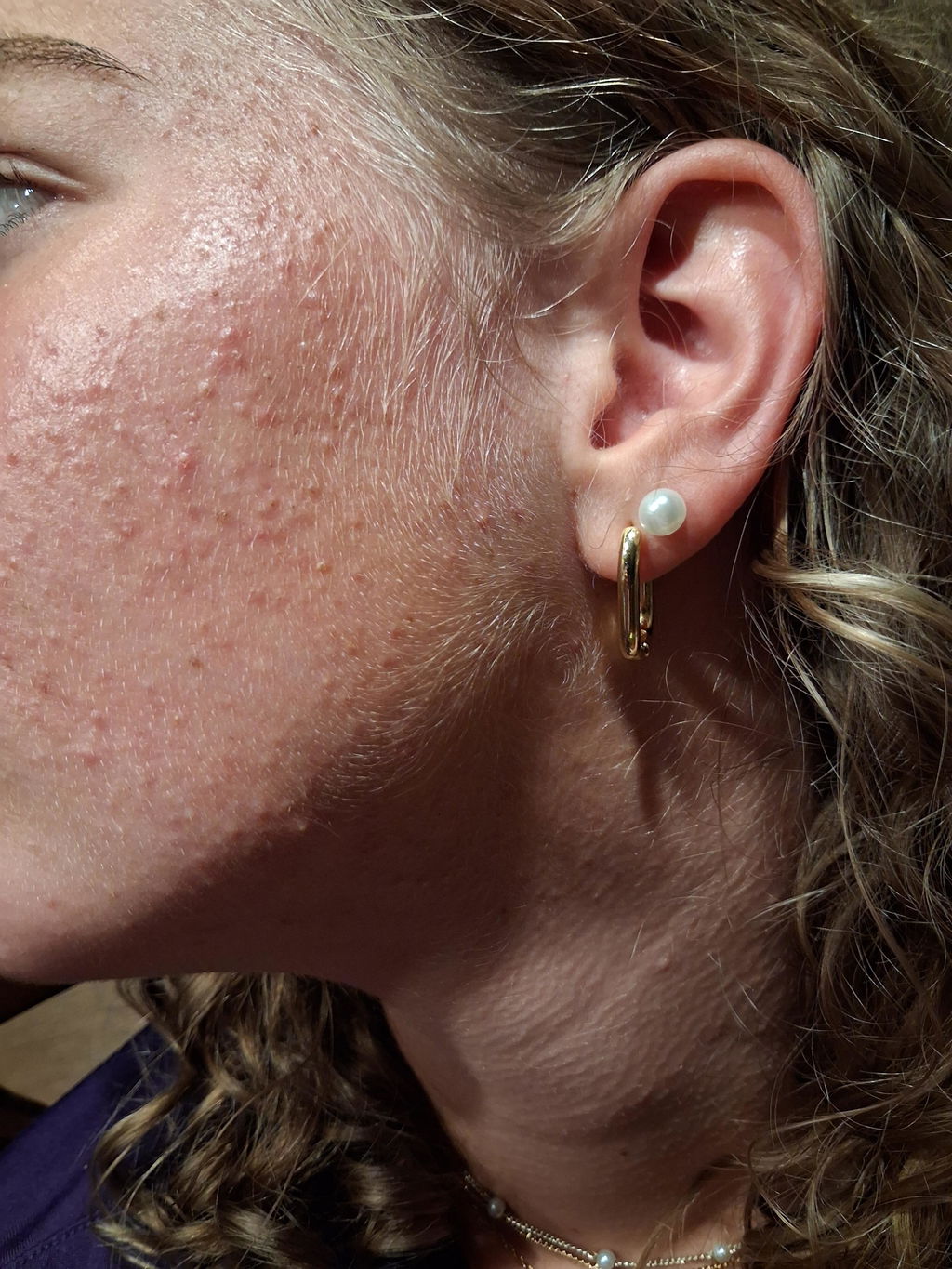
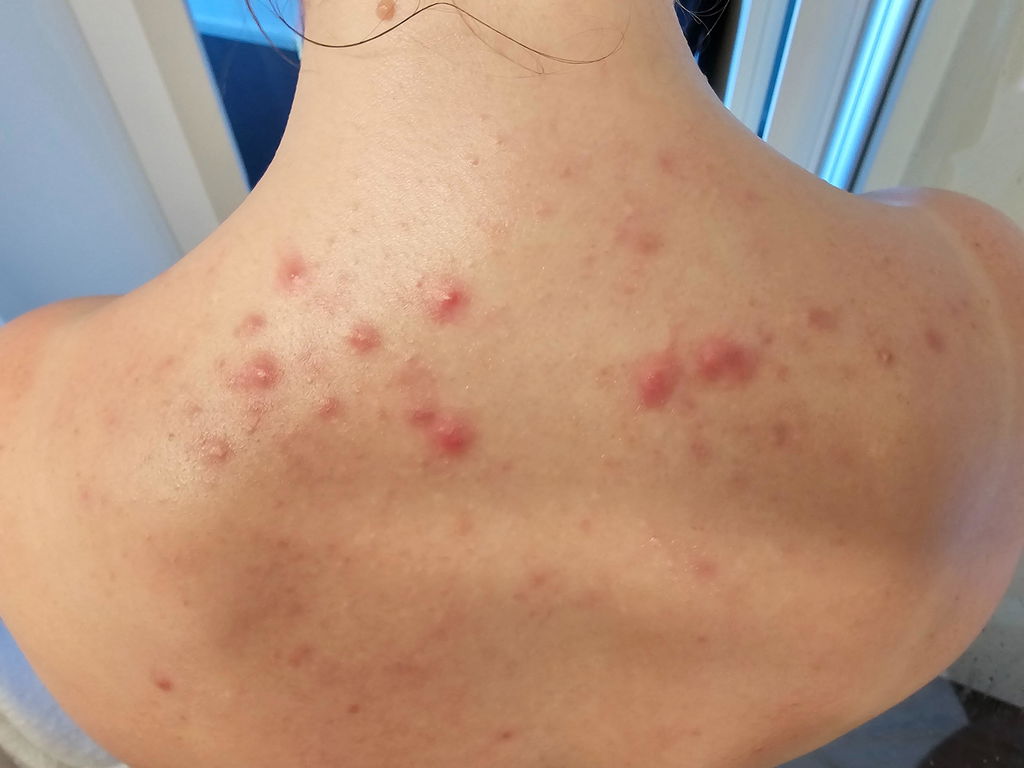
This is one of the most-searched questions about the gut-skin axis, and the honest answer is: it's complicated. Several studies have found that people with acne are more likely to show signs of gut microbial imbalance, sometimes called dysbiosis.
A 2021 review in the journal Microorganisms examined the interrelationship between gut microbial dysbiosis and several skin conditions, including acne, and found consistent associations — but the authors stopped short of calling gut dysbiosis a direct cause.
Correlation is not the same as causation. Acne has multiple known drivers, including hormonal fluctuations, genetics, and skin surface bacteria — gut health appears to be one piece of a multifactorial picture.
That's why most researchers describe the gut-skin link as a contributing factor worth exploring, not a guaranteed explanation for any one skin concern.

What Are Signs Your Gut Microbiome Might Be Out of Balance?
Common signs associated with gut imbalance include occasional bloating, irregular digestion, food sensitivities, fatigue, and skin changes. These signs don't confirm a gut-skin connection on their own, but noticing patterns between digestive symptoms and skin changes can be a useful starting point for further conversation with a healthcare provider.
Gut dysbiosis doesn't come with one obvious symptom. Instead, people often notice a cluster of everyday signals: bloating after meals, irregular bowel habits, occasional food sensitivities, low energy, and sometimes skin changes that show up around the same time as digestive discomfort.
None of these signs are diagnostic on their own. They're common, and they can stem from many different causes unrelated to the gut microbiome.
Still, if you notice your skin tends to act up during stretches when your digestion also feels off, it may be worth paying closer attention to both together, rather than treating them as unrelated issues.

How Can You Help Support a Healthy Gut Microbiome?
You can help support gut health through fiber-rich foods, fermented foods, adequate hydration, regular sleep, and stress management, all of which help nourish beneficial gut bacteria. Many people also use targeted gut-support supplements, like a daily microbiome blend, as one tool alongside these everyday habits.
Supporting your gut microbiome starts with everyday habits. Fiber from vegetables, legumes, and whole grains gives gut bacteria the raw material to produce beneficial byproducts like short-chain fatty acids. Fermented foods — yogurt, kefir, sauerkraut, kimchi — introduce beneficial live cultures.
- Prioritize fiber-rich, plant-diverse meals
- Add fermented foods a few times a week
- Stay hydrated throughout the day
- Protect regular sleep and manage stress, which can affect digestion
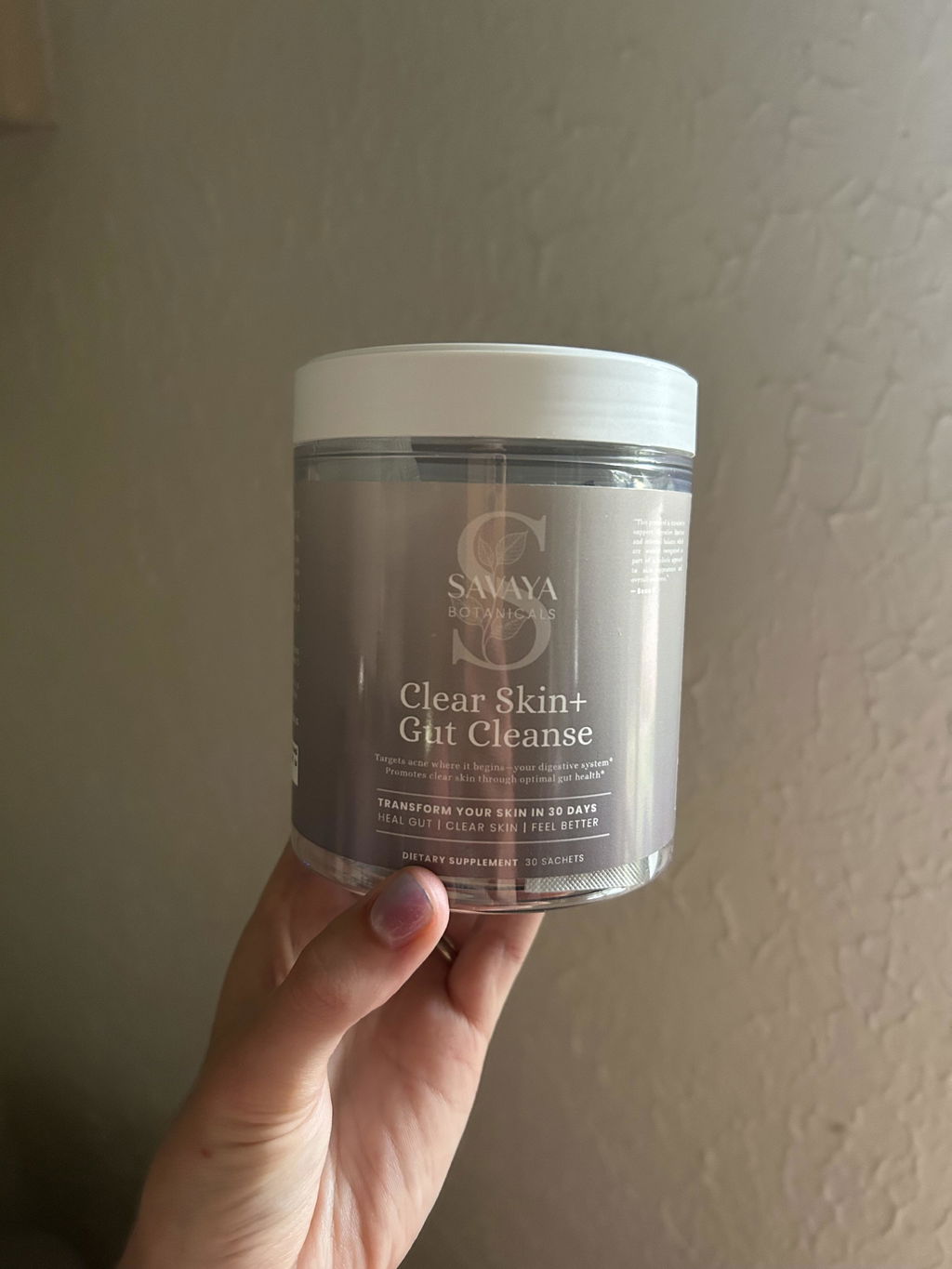
Because building these habits consistently can be hard on a busy schedule, many people layer in a daily gut-support supplement as one tool in the routine. Our Microbiome Gut Cleanse is formulated to help support gut microbiome balance and nourish digestive health, working alongside — not instead of — the food and lifestyle habits above.
Think of a supplement like this as one input among several, not a replacement for the fundamentals of fiber, hydration, sleep, and stress management.
How Long Does It Take to Notice Changes?
There's no fixed timeline for gut-related changes, and results vary widely between individuals. Many people describe noticing digestive shifts gradually over several weeks of consistent habits, while any potential downstream effects on skin — if they occur at all — tend to take longer and are harder to isolate from other factors.
Because everyone's gut microbiome, diet, and skin baseline are different, there's no universal timeline for when changes might show up. Digestive shifts — like more regular bowel habits or less bloating — are often the first things people notice after a few weeks of consistent habits.
Any changes in skin appearance are much harder to attribute directly to gut-focused habits, since skin turnover, hormones, skincare routine, and environment all play a role at the same time.
The most reliable approach is patience and consistency: give new habits several weeks to months before drawing conclusions, and track how you feel overall rather than expecting a specific before-and-after result on a set date.
See if Gut Cleanse is right for you
Frequently Asked Questions
Does gut health cause acne?
Research shows an association between gut microbial imbalance and acne in some studies, but a direct causal link hasn't been established. Acne has multiple known contributors — hormones, genetics, and skin surface bacteria among them — so gut health is best understood as one possible contributing factor, not a sole cause.
What is the gut-skin axis?
The gut-skin axis is the two-way relationship between gut bacteria and skin health, connected through the immune system and metabolic signaling. Gut bacteria produce compounds like short-chain fatty acids that may influence immune activity throughout the body, which some researchers believe extends to skin barrier health as well.
Can probiotics help support skin health?
Probiotics are best studied for supporting digestive and immune health, according to the NIH's National Center for Complementary and Integrative Health. Some early research explores whether specific probiotic strains may help support skin health indirectly through gut and immune pathways, though evidence in this specific area is still developing.
What foods support both gut and skin health?
Fiber-rich foods like vegetables, legumes, and whole grains feed beneficial gut bacteria, while fermented foods such as yogurt, kefir, and sauerkraut introduce live cultures. These foods are commonly recommended to help support a diverse gut microbiome, which some researchers believe plays a role in broader wellness, including skin health.
Is the gut-skin axis a proven scientific concept?
The gut-skin axis is an active, evolving area of research rather than a fully settled concept. Reviews published in journals like Frontiers in Microbiology and Microorganisms describe consistent associations between gut bacteria and skin conditions, but researchers agree that more controlled human studies are needed to confirm cause-and-effect relationships.
This content is for general wellness and educational purposes and is not medical advice. These statements have not been evaluated by the Food and Drug Administration. This product is not intended to diagnose, treat, cure, or prevent any disease. Consult your healthcare provider before starting any supplement, especially if you are pregnant, nursing, or managing a health condition. Individual results vary.