The breakout showed up two days after the deadline. Not the week of the pizza. Not the week of the dairy.
Two days after the stress peaked, your jaw lit up with cystic bumps that felt like they came out of nowhere.
They did not. Your skin was reading signals from your gut. And your gut was reading signals from your brain.
What the gut-brain-skin axis actually is
The gut-brain-skin axis is the two-way loop between your nervous system, your gut microbiome, and your skin. Stress signals travel from the brain to the gut, shift the microbiota, loosen the gut barrier, and release inflammatory messengers. Those messengers reach the skin, where sebocytes (the oil-making cells at the base of each pore) respond with more breakouts.
This is not new science. In 1930, dermatologists John Stokes and Donald Pillsbury wrote in Archives of Dermatology and Syphilology that emotional states could alter gut flora and worsen skin inflammation.
For decades the idea was shelved.
Then in 2011, Whitney Bowe and Alan Logan revived it in a review for Gut Pathogens. Their title said it best: "Acne vulgaris, probiotics and the gut-brain-skin axis: back to the future?" The old doctors were right.
In my practice, the women with the worst stress-related acne are almost always the ones with the quietest guts. No bloating. No cramps.
Just a jawline that erupts the week of every big event, and a face that calms down on vacation. But the first stop on that road is not the gut. It is a hormone you have heard of for all the wrong reasons.
How cortisol quietly breaks the gut barrier
Cortisol is the body's chief stress hormone. When it stays high for too long, it thins the intestinal lining. It raises zonulin, the gatekeeper protein that controls the tight seals between gut cells. Those seals loosen, bacterial fragments called LPS slip into the bloodstream, and inflammation rises everywhere, including on the face.
Mawdsley and Rampton published a careful review in 2005 in Gut on psychological stress and intestinal permeability. The mechanism is not hypothetical.
Stress changes the barrier. The barrier changes the blood. The blood changes the skin.
The microbes shift too. Under chronic stress, helpful species like Lactobacillus and Bifidobacterium drop. Opportunistic species climb.
This is dysbiosis. It reduces short-chain fatty acids, the postbiotic compounds your colon cells feed on and your immune system reads as calming signals.
So how exactly is the brain telling the gut to misbehave? Through a nerve most women have never heard of.
The vagus nerve, your stress-to-skin cable
The vagus nerve is the longest cranial nerve in the body, running from the brainstem down through the chest and into the gut. It is the main cable of the parasympathetic nervous system (the rest-and-digest side). It directly shapes gut motility, barrier strength, and the inflammatory tone of the whole body.
Breit and colleagues reviewed this in 2018 in Frontiers in Psychiatry. The short version is simple.
When vagal tone is low, which is the signature of chronic stress, gut motility slows. Dysbiosis follows. The barrier weakens. Inflammation creeps up. The skin is downstream of all of it.
You can measure vagal tone with heart rate variability. You can also feel it.
Shallow breath. Cold hands. That wired-but-tired feeling. A stomach that will not let you eat before a presentation. The vagus whispering it is overwhelmed.
Your skin is not misbehaving. It is reporting.
But vagal tone alone does not explain why the breakout always lands two days late. For that, you have to look at a slower circuit that governs the entire stress response.
The HPA axis and why acne flares at the worst possible time
The HPA axis stands for hypothalamic-pituitary-adrenal, your body's main stress response circuit. When it fires, it releases cortisol. Cortisol raises blood sugar and increases IGF-1, a growth factor that pushes sebum production and the proliferation of keratinocytes (the cells lining your pores). Both pathways make acne worse within days.
This is why acne shows up before the wedding. Before finals. The week of a move. The day of an interview.
Sebocytes carry receptors for stress hormones. They respond in days, not weeks.
What I see most often is a two-day lag. The storm hits on Monday. The jaw erupts on Wednesday.
Track it in a notebook for a month and the pattern is embarrassingly consistent. The trigger is not what you ate on Tuesday. The trigger is what your nervous system did on Sunday.
Knowing the mechanism is one thing. Proving it with named research is another. Which raises the obvious question: which studies actually show this chain exists outside the clinic?
What specific studies have found about stress-driven acne
Research on stress-driven acne converges on one mechanism. Psychological stress alters the gut microbiome, raises intestinal permeability, and drives systemic inflammation that reaches the skin. Studies from 1930 through 2018 identify dysbiosis, lower microbial diversity, and barrier breakdown as the common thread linking cortisol spikes to breakouts.
Here is where the evidence actually sits in 2026, named sources only.
- Stokes and Pillsbury, 1930, were the first to formally propose that emotional stress alters gut microbes and worsens skin inflammation.
- Bowe and Logan, 2011, synthesized decades of newer evidence and reframed acne as a gut-brain-skin phenomenon in Gut Pathogens.
- Yan and colleagues, 2018, found distinct gut microbiome differences in Chinese adolescents with acne compared with clear-skinned controls, including lower microbial diversity.
- Dreno and colleagues have published multiple reviews showing the skin microbiome itself is reshaped by inflammation driven from inside, not only by what sits on top.
- Mawdsley and Rampton, 2005, documented how psychological stress loosens the gut barrier through measurable changes in permeability in Gut.
No single study is the whole picture. Together, the arrow points one direction. Calm the nervous system. Feed the gut. The skin follows.
Knowing the mechanism is not the fix. The fix is a short list of practices that measurably move the dials, and most of them cost nothing.
Stress tools that actually reach your skin
The fastest way to lower cortisol and raise vagal tone is to work with the body, not around it. Cold exposure, slow breathwork, and consistent sleep each shift the autonomic nervous system (the automatic side you cannot think your way into) within minutes to days. None of them are magic. Repeated, they change the signal your gut is sending your skin.
Cold exposure. A thirty-second cold rinse at the end of your shower activates the vagus nerve and triggers a parasympathetic rebound. It is uncomfortable, and that is the point.
Start at ten seconds. Add five seconds a week until a half minute feels like a reset instead of a shock.
Breathwork. Slow nasal breathing at around six breaths per minute raises heart rate variability within a single session. The simplest version is a four-second inhale and a six-second exhale, repeated for five minutes.
Longer exhales lean the nervous system into the rest-and-digest side, and the gut lining follows.
Sleep hygiene. Cortisol is supposed to peak in the morning and fall at night. Blue light at eleven o'clock flips that curve.
Dim the lights by nine. Phone out of the bedroom. The gut lining regenerates during deep sleep, and so does the skin.
One bad week of sleep can set a whole month of breakouts in motion.
A client of mine had jawline acne that had not budged in two years. She added only the cold rinse and the slow exhale practice.
Three weeks in, cysts were smaller and resolving in days instead of weeks. The nervous system shift came first. The skin followed.
Calming the signal is only half the work. If the receiver on the other end is damaged, calm messages still arrive garbled. That is where the gut repair layer comes in.
Rebuilding the gut so stress stops reaching your face
Gut repair means rebuilding four things at once: barrier integrity, microbial diversity, short-chain fatty acid production, and mineral status. Without those four pieces in place, even a calm nervous system cannot deliver clear skin. Stress tools quiet the signal. Gut repair fixes the receiver. You need both.
The foundations are not glamorous. Protein at breakfast. Prebiotic fiber at every meal. Bitter greens. Fermented foods a few times a week. Enough water to actually move things through.
Prebiotic fibers like inulin feed the species that produce short-chain fatty acids. Those compounds strengthen the barrier and calm immune signaling from the inside out.
For most women I work with, food alone is not quite enough once dysbiosis has set in. A targeted microbiome reset shortens the timeline.
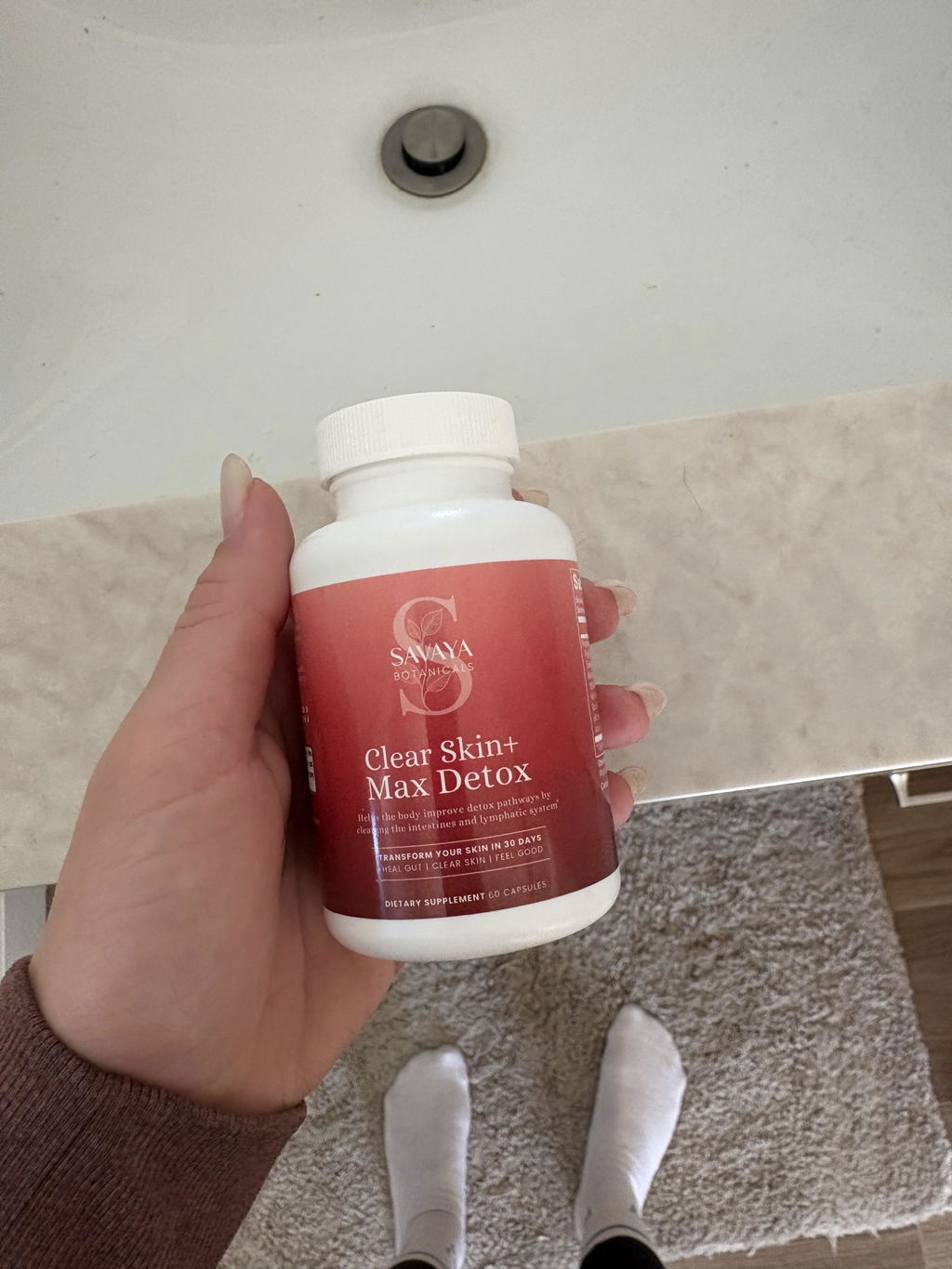
If you want structured support, a targeted gut cleanse is the version I reach for first. It addresses the dysbiosis layer without stripping the body of what it still needs. For deeper cases, a full detox protocol gives the liver and lymph a steadier runway so the gut is not doing all the work alone.
Beyond the reset itself, a short list of daily supports does a lot of quiet work. Here is what I reach for most often with clients.
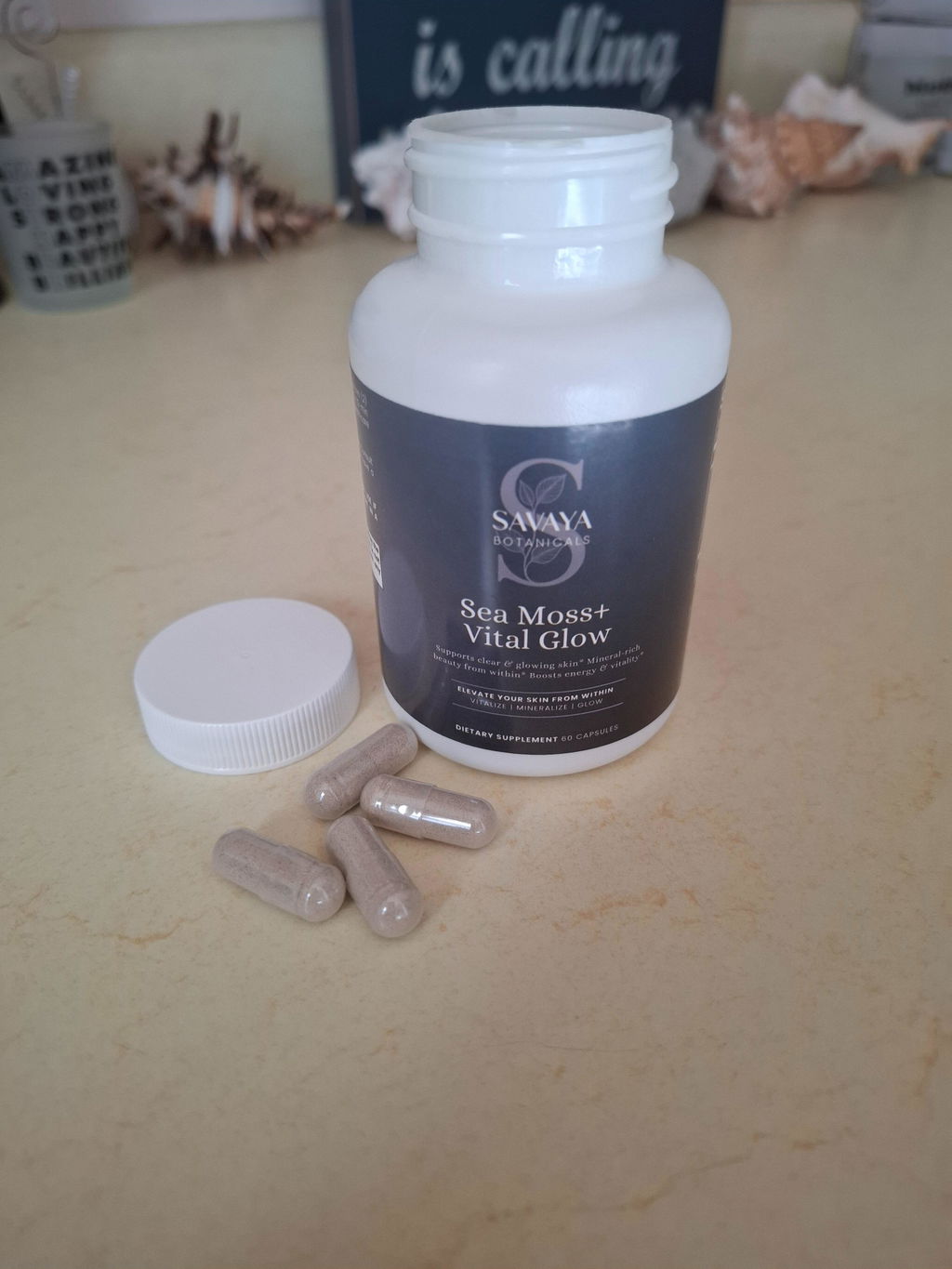
- Minerals matter more than most brands admit. Chronic stress burns through magnesium, zinc, and selenium. Mineral-rich sea moss covers the trace minerals your skin and gut lining both depend on.
- The gut lining is largely collagen. So is the dermis. Bioavailable collagen support in a form you will actually take daily beats powders that get skipped by week three, because consistency is the active ingredient.
- When the barrier on your face is also inflamed, do not skip the outside. A barrier-repairing tallow cream at night keeps you from stripping and over-exfoliating the layer you are trying to rebuild.
The pieces look simple on paper. The hard part is sequencing them so you do not burn out in week two.
Putting it together without burning out
You do not need to do everything in week one. The women who hold their results are not the ones who went hardest. They are the ones who stacked small practices and let time do the compounding. One breath exercise. One cold rinse. One meal with fiber. Repeat for a season.
Here is a reasonable first week. Day one, slow exhale practice at bedtime for five minutes, phone in another room.
Day three, a ten-second cold rinse at the end of your shower. Day seven, one meal that leads with protein and fiber instead of coffee and air.
Three changes in seven days. No supplements yet. No new skincare yet. Only nervous system work and one honest plate.
If you can hold those three for three weeks, the ground is prepared. That is when a reset layer actually works, instead of fighting a nervous system still stuck in overdrive.
If you want the full map so you are not guessing which lever to pull first, the 12-week gut-to-skin program walks the path step by step. It pairs nervous system work with the gut repair layer underneath.
Here is the honest version. Stress acne is not a willpower problem or a cleanser problem. It is a nervous system and gut barrier problem showing up on your face.
Treat the first two, and the third quiets on its own. A few questions come up every week in practice.
• • •
Frequently asked questions
What is the gut-brain-skin axis in simple terms?
It is the two-way loop between your brain, your gut microbiome, and your skin. Stress reaches the gut through the vagus nerve and the HPA axis, shifts the microbiota, loosens the gut barrier, and sends inflammatory signals outward. The skin is often the first visible place that loop breaks the surface.
Why does stress cause breakouts on the jawline specifically?
The lower face sits in an area dense with androgen-sensitive oil glands. When cortisol rises, it drives IGF-1, which pushes those glands into overdrive. The result is deeper cystic bumps along the jaw and chin, not surface whiteheads. That is why stress acne tends to cluster below the cheekbones instead of across the forehead.
How long does it take for skin to improve when gut health improves?
Most women notice calmer inflammation within three to six weeks and clearer texture closer to twelve weeks. The skin cycle itself runs about forty days, and the gut lining turns over roughly every three to five days, so changes compound rather than appear overnight.
Is cold exposure safe if I have inflammatory acne?
For most people, yes. A short cold rinse supports vagal tone and lowers systemic inflammation. Keep it brief, keep the water off your face at full force, and stop if you feel lightheaded. People with heart conditions or pregnancy should check with their practitioner first.
Can I fix stress acne without any supplements?
Many women make real progress with sleep, breathwork, cold exposure, and food alone. Supplements shorten the timeline and help when minerals are depleted or dysbiosis is entrenched, but they are a lever, not a requirement. Start with the nervous system and the plate, and layer from there.