Your face broke out three days after that big presentation. Not the day of. Not the week before. Three days after, when you finally exhaled. If this pattern feels familiar, you are not imagining it. Stress does not just show up on your skin. It travels there through your gut. And the science behind that journey is stranger and more mechanical than most people realize.
What Is the Gut-Brain-Skin Axis, Really?
The gut-brain-skin axis is a three-way communication network. Your brain sends stress signals to your gut. Your gut microbiome responds with inflammation. That inflammation travels back out and lands on your skin. It runs through nerves, hormones, and immune cells, which is why calming your nervous system often clears skin faster than any topical.
Two dermatologists named John Stokes and Donald Pillsbury noticed this pattern almost a century ago. In 1930, they published a paper in the Archives of Dermatology and Syphilology arguing that emotional states change the gut, and the gut then changes the skin. They were quietly dismissed for decades. Then microbiome research caught up with them.
In my practice, I see this in women who have tried every serum, every antibiotic, every prescription. Their skin does not respond because their gut is stuck in a stress loop. Fix the loop, the skin follows. It really is that mechanical.
Here is what I want you to hold in your head as you read the rest of this. Your skin is not the problem. Your skin is the receipt.
How Cortisol Punches Holes in Your Gut Lining
Cortisol is your main stress hormone. In short bursts it is useful. It wakes you up in the morning and helps you push through a hard afternoon. But when cortisol stays elevated for weeks at a time, it starts changing the physical structure of your gut wall.
Your intestinal lining is one cell thick. Those cells are held together by tight junction proteins, tiny protein zippers that decide what gets absorbed and what gets flushed away. Chronic cortisol loosens those zippers. A protein called zonulin, first described by researcher Alessio Fasano at Harvard, is the main regulator here. Stress raises zonulin. High zonulin means loose junctions.
Loose junctions mean partially digested food, bacterial fragments, and endotoxins start slipping through your gut lining into your bloodstream. This is what most people call leaky gut. The medical term is increased intestinal permeability, and it has been documented in dozens of peer-reviewed papers over the last twenty years.
Your immune system does not know why these particles are suddenly in your blood. It only knows they should not be there. So it mounts an inflammatory response. And that inflammation is not local. It travels.
Leaky Gut, Inflammation, and Why Your Skin Pays the Price
Once inflammatory signals are circulating, your skin gets hit twice. First, systemic inflammation raises the activity of sebocytes, the cells in your pores that produce sebum. More sebum means more clogged pores. Second, inflammation increases a growth factor called IGF-1, which tells sebocytes to grow larger and produce even more oil.
At the same time, dysbiosis in your gut microbiome starves your skin of the compounds it needs to stay calm. Beneficial bacteria in a healthy gut produce short-chain fatty acids like butyrate. Butyrate is anti-inflammatory. It repairs the gut barrier. It even influences the skin microbiome indirectly. When stress kills off those bacteria, butyrate drops, and inflammation gets louder.
This is the sequence in plain English:
- Stress raises cortisol.
- Cortisol loosens the gut lining.
- An open gut leaks inflammatory particles into the bloodstream.
- Systemic inflammation reaches the skin.
- Sebum production climbs. Pores clog. Skin breaks out.
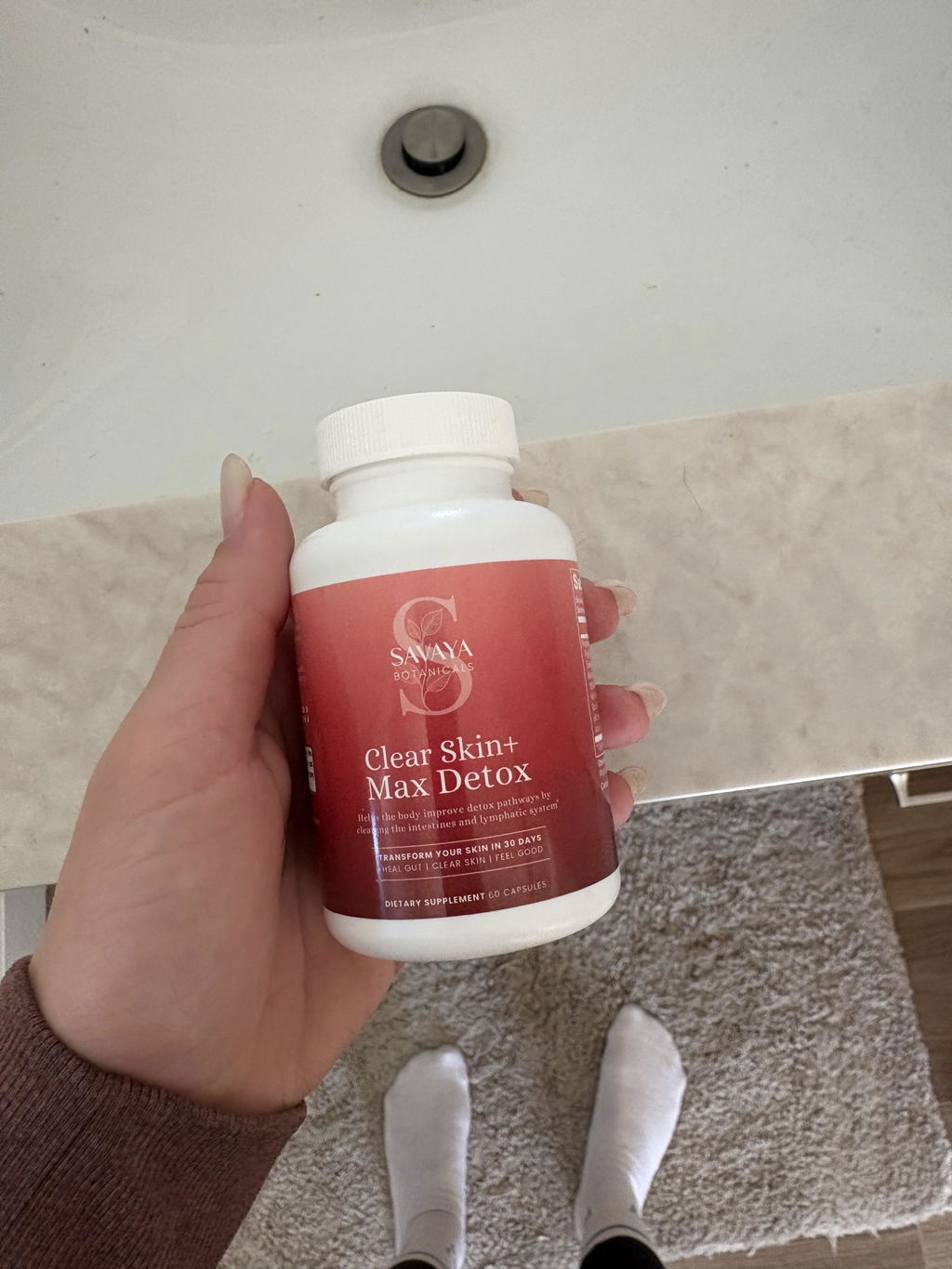
What I see most often is a woman with clean skincare, a decent diet, and a stressful year. She thinks something is broken. Nothing is broken. Her gut lining just needs help closing back up. A gentle protocol like a targeted gut cleanse can start that repair by clearing dysbiotic overgrowth and giving beneficial bacteria room to return.
The Vagus Nerve Connection Nobody Talks About
The vagus nerve is the longest cranial nerve in your body. It runs from your brainstem down through your neck, your chest, and into nearly every organ in your abdomen. It is the main information highway of your parasympathetic nervous system, the branch that tells your body to rest, digest, and repair.
Around 80 percent of the fibers in your vagus nerve carry signals from your gut up to your brain, not the other way around. Your gut is constantly reporting to your brain about what is happening down there. When your gut is inflamed, those signals become louder and more distressed. Your brain interprets them as more stress. Which raises cortisol. Which further inflames the gut. A closed loop.
This is why breathwork and cold exposure work on skin. Both practices stimulate the vagus nerve directly. A stronger vagal tone means the parasympathetic side of your nervous system fires faster. Digestion improves. The gut lining calms. Zonulin drops. The whole cascade quiets down.
You cannot willpower your way out of the gut-skin loop. But you can hack the nerve that runs it.
What Your HPA Axis Has to Do With Chin and Jaw Breakouts
The HPA axis, short for hypothalamic-pituitary-adrenal axis, is the hormonal loop that produces cortisol. Your hypothalamus senses stress. It signals your pituitary. Your pituitary signals your adrenals. Your adrenals release cortisol. In a healthy body, cortisol rises in the morning, drops through the day, and bottoms out at night. That rhythm is your circadian cortisol curve.
Chronic stress flattens that curve. Cortisol stays high in the evening when it should be low. It stays low in the morning when it should be high. Sleep suffers. Blood sugar swings. And your skin, especially along the jaw and chin, starts breaking out in deep, cystic patterns.
This chin-and-jaw pattern is not random. Hormonal acne clusters there because the sebaceous glands in those areas carry the highest concentration of androgen receptors. When cortisol is chronically elevated, your adrenals also produce more androgens as a byproduct. Those androgens land on the jawline receptors and drive the same IGF-1 pathway that inflammation drives. Two roads, same intersection.
You cannot moisturize your way out of a stress response. The skin along your jaw is a hormonal report card, and the pen writing the grades is your HPA axis.
The Studies That Actually Show Stress Causes Acne
The clearest human study on this connection came out of Stanford University. In 2003, Alexa Kim Chiu and colleagues published a paper in Archives of Dermatology tracking university students during exam periods. Students with acne had measurable worsening of their breakouts during high-stress exams compared to low-stress periods. The severity tracked with self-reported stress, and it did not track cleanly with changes in diet or sleep alone.
In 2011, dermatologist Whitney Bowe and researcher Alan Logan revisited the Stokes-Pillsbury hypothesis in a paper published in the journal Gut Pathogens. They pulled together decades of newer research showing that low stomach acid is common in acne patients, and that markers of intestinal permeability are elevated in acne populations compared to controls. That paper is now the modern reference point for the gut-brain-skin axis in dermatology literature.
Research on sebocytes has also confirmed that these skin cells express receptors for corticotropin-releasing hormone, the same signaling molecule that kicks off the HPA axis. Christos Zouboulis and his group in Berlin have published extensively on this. Your skin cells, in other words, literally have receptors that listen for stress hormones. They were built to respond.
Practical Ways to Calm the Axis (Not Just Meditation)
Real stress reduction for the gut-skin axis is not about lighting a candle. It is about giving your vagus nerve enough repeated, physical input that your parasympathetic system takes over as the default state. Here is what actually moves the needle in my practice.
Cold exposure. A 30 to 60 second cold rinse at the end of your normal shower stimulates the vagus nerve through the mammalian dive reflex. Your heart rate drops. Your breathing slows automatically. Research on cold water immersion has shown reductions in inflammatory markers like IL-6 after regular practice. Start with 15 seconds and build up. Consistency matters more than duration.
Breathwork. Slow nasal breathing at a rate of roughly six breaths per minute has been shown to raise heart rate variability, a direct marker of vagal tone. Try box breathing (four seconds in, four hold, four out, four hold) for five minutes, twice a day. It is free. It works within weeks.
Sleep hygiene. Your gut lining rebuilds most of its damaged cells while you sleep. Every hour of sleep before midnight matters more than the same hour after. Keep your bedroom under 68 degrees. Kill blue light after 9 pm. Anchor your wake time even on weekends. Circadian consistency is what re-shapes the cortisol curve.
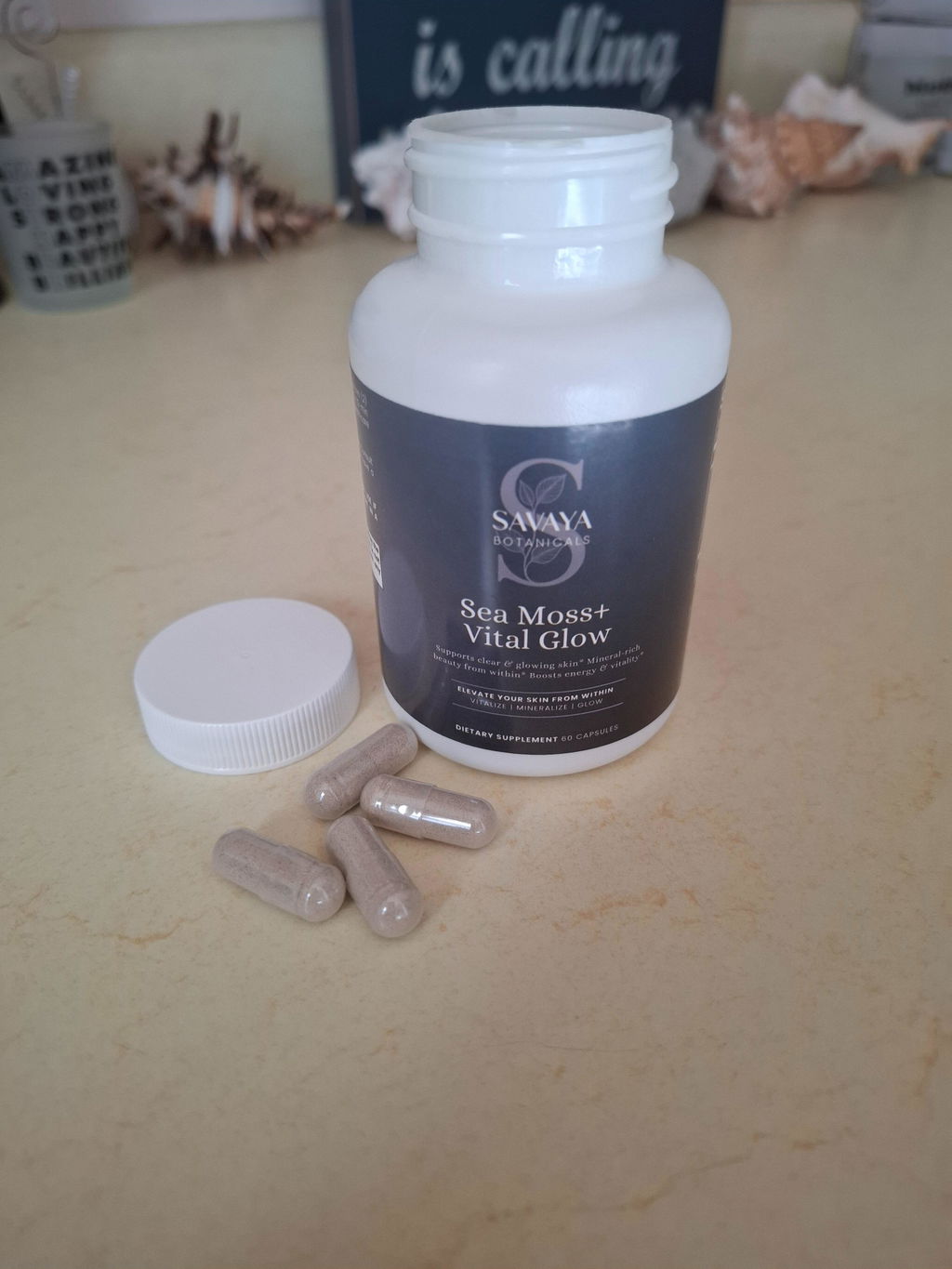
Feed the barrier while it heals. The gut lining rebuilds from specific raw materials. Glycine, glutamine, and trace minerals are the big three. This is why I often recommend bioavailable collagen support for women in a repair phase, and why 92 trace minerals from the ocean can quietly fill in nutrient gaps that a standard multivitamin never actually covers.
Protect the skin barrier while the gut heals. Your skin barrier and your gut barrier are made of similar structures. Harsh actives during a healing phase can undo the work. A simple, occlusive routine using something like a barrier-repairing tallow cream keeps the skin quiet while the deeper work happens inside.
• • •
Where to Start This Week
If you take one thing from this article, take this. Your skin is downstream. Nervous system, then gut, then skin, in that order. Start with two minutes of nasal breathing before every meal. Add a cold rinse at the end of your shower. Give your gut the raw materials to close back up. For women dealing with years of layered damage, the 12-week gut-to-skin program tends to hold better than a quick two-week reset, and for the deepest structural work I often layer it with a full detox protocol. The pathway is real. The repair is real. And it happens faster than most women expect once the loop is broken.
Frequently Asked Questions
Can stress really cause acne all by itself?
Stress rarely causes acne in isolation, but it is the accelerant on top of an existing vulnerability. If your gut lining is already compromised or your microbiome is already imbalanced, a stressful month can push you from clear skin to visible breakouts within two to three weeks. That delay is why most women miss the connection between the trigger and the flare.
How long does it take to see skin changes after healing the gut?
The average skin cell turnover cycle is 28 days, so most women see meaningful shifts between weeks four and eight of consistent gut work. Cystic breakouts along the jaw tend to reduce first. Post-inflammatory marks and scarring fade later, usually over three to six months.
Is leaky gut a real diagnosis?
Increased intestinal permeability is a well-documented clinical measurement in gastroenterology research. The casual term leaky gut describes the same mechanism. It is not yet a standalone diagnosis in most conventional dermatology practice, but the underlying biology is not controversial in the research literature.
Do I have to give up dairy and gluten to fix this?
Not always. Many women improve without full elimination, especially if their stress load is the primary driver. That said, dairy and refined carbs both raise IGF-1, which is one of the same pathways stress activates. A short trial off both can reveal how much of your acne is dietary and how much is nervous system driven.
Is a cold shower actually safe if I have sensitive skin?
Yes, for most people. Keep the water cold rather than icy, keep the exposure short, and pat your face dry rather than rubbing. The vagal benefit does not require extreme temperatures. Sixty seconds under a normal cold tap is enough to shift your nervous system state.