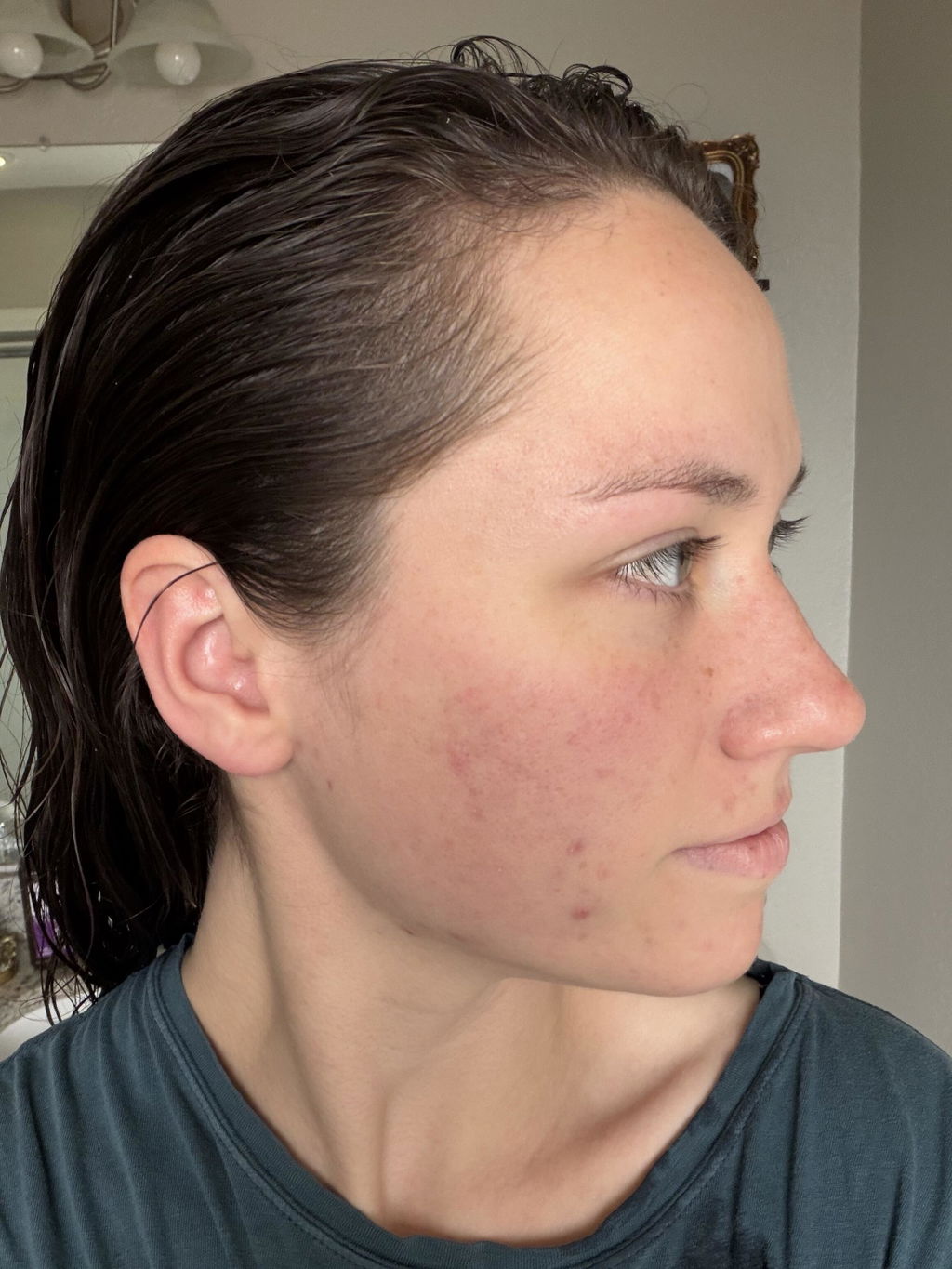
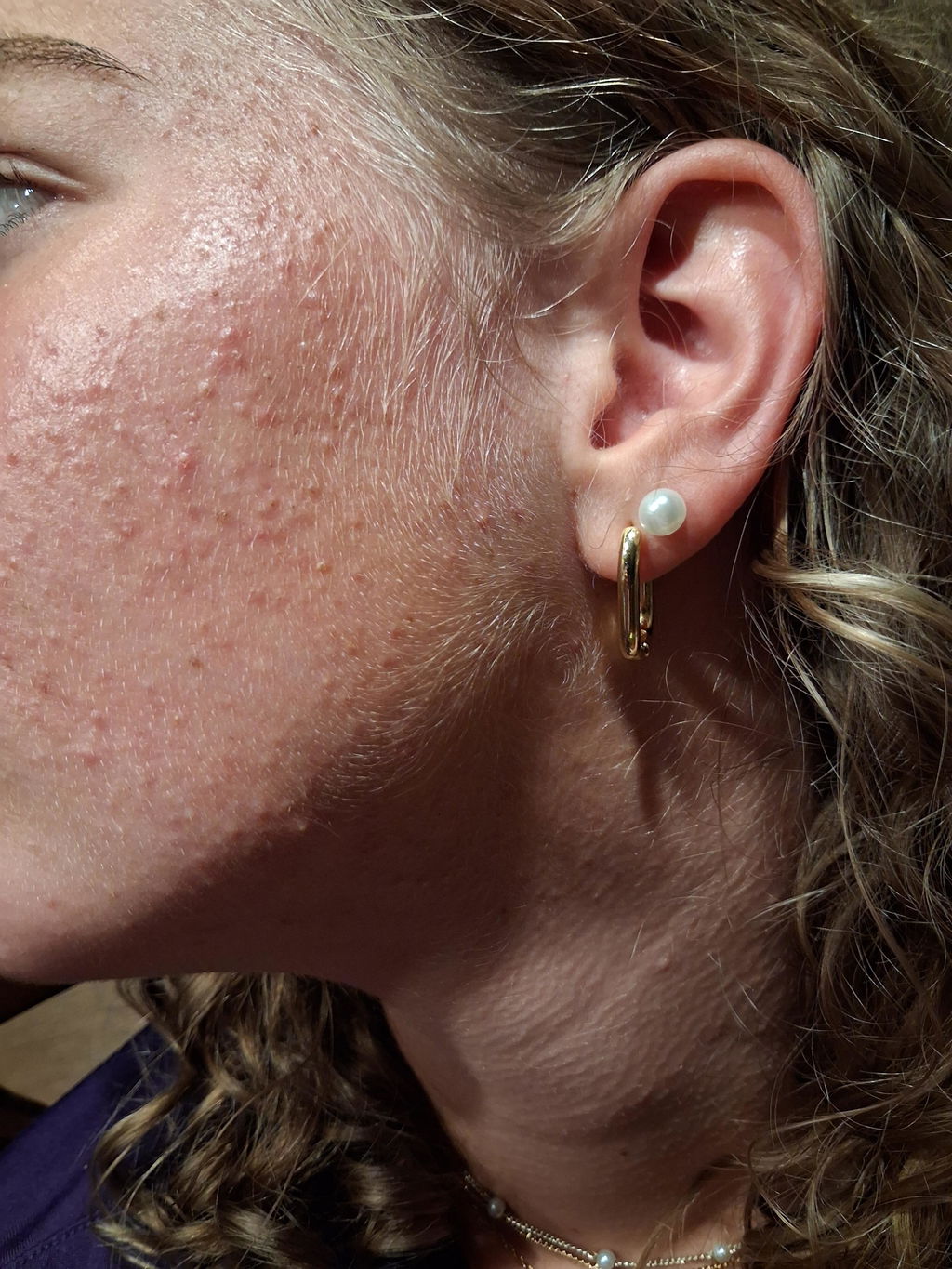
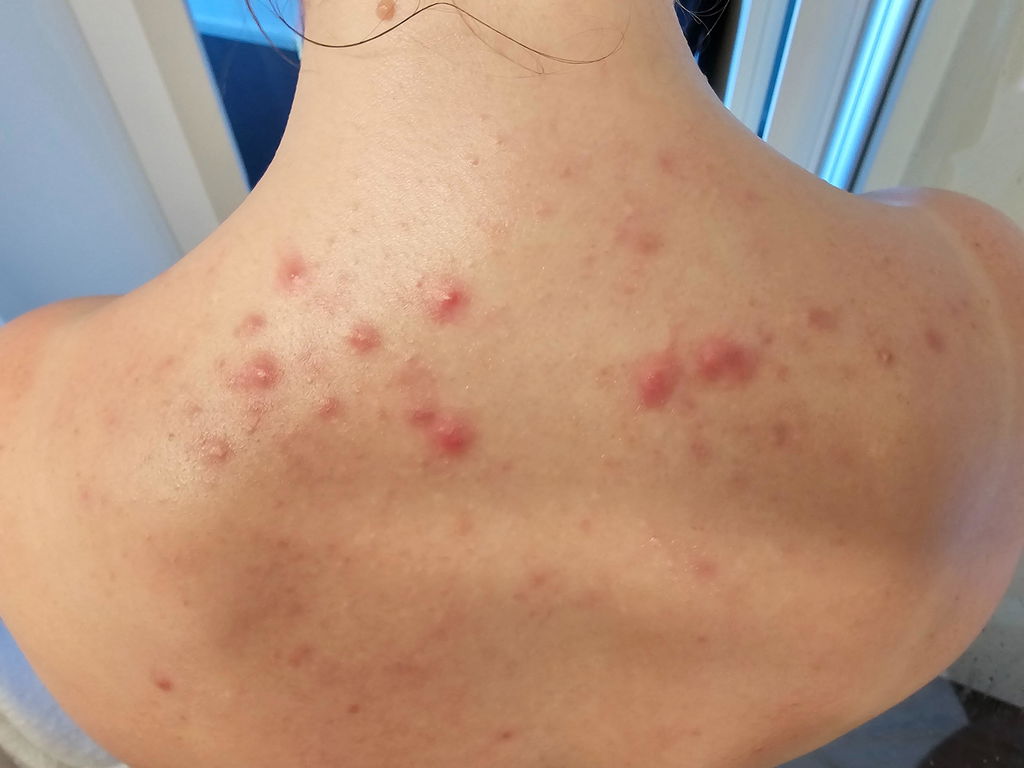
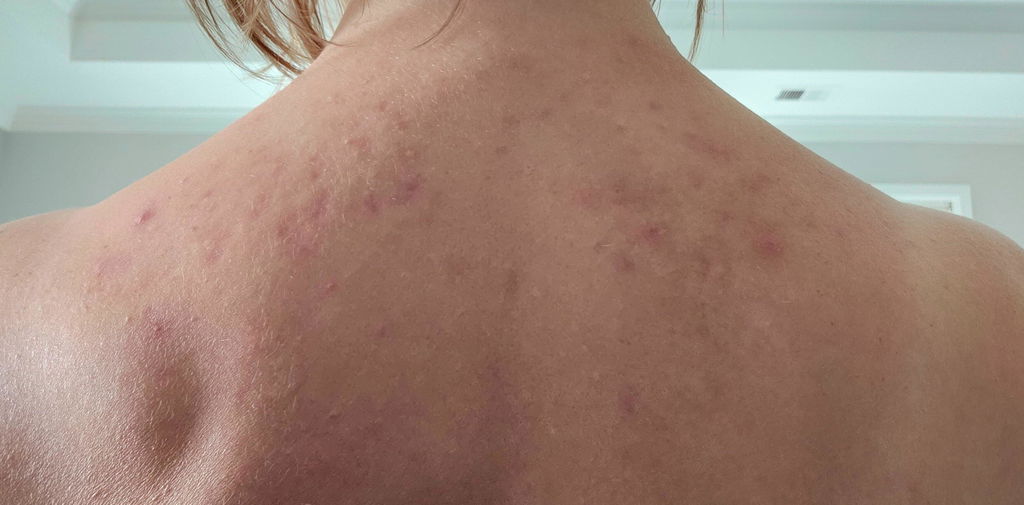
Your skin keeps breaking out and you cannot figure out why. You eat clean. You sleep okay. You stopped switching products. But the same red, painful spots show up on your jaw and chin like clockwork. Here is the part most people never get told. The real trigger is not on your face. It is in the lining of your gut, and stress is the thing quietly cracking it open from the inside.
What the Gut-Brain-Skin Axis Actually Is
The gut-brain-skin axis is the two-way signaling loop between your nervous system, your intestinal lining, and your skin. When stress disrupts the gut barrier, the immune system reacts, inflammation rises, and that signal eventually surfaces as breakouts, redness, or flares on the skin.
This idea is not new. Two dermatologists, John Stokes and Donald Pillsbury, proposed it back in 1930. They argued that emotional states could shift the gut microbiota and trigger skin problems. For most of the next century, the theory was ignored. Then in 2011, Whitney Bowe and Alan Logan published a paper in Gut Pathogens called "Acne vulgaris, probiotics and the gut-brain-skin axis." That paper pulled the older theory back into modern dermatology with real mechanistic detail.
In my practice I see this pattern over and over. The breakouts are never just on the surface. They are messages from a deeper system that is already overwhelmed.
How Cortisol Quietly Breaks Your Gut Lining
Cortisol is your body's main stress hormone. When it stays elevated for weeks or months, it loosens the tight junctions that seal your intestinal wall. Bacterial fragments and undigested proteins then leak into the bloodstream, the immune system reacts, and the resulting inflammation often shows up on the face as acne.
The protein at the center of this is called zonulin. Dr. Alessio Fasano at Harvard discovered it and has spent years showing how chronic stress, certain foods, and dysbiosis push zonulin levels up. Higher zonulin means looser tight junctions. Looser junctions mean more intestinal permeability. That is the technical term for what most people call leaky gut, and the research on it is real even if the phrase sounds vague.
Once the barrier is leaking, your immune system is on high alert all day, every day. The skin is downstream of all of it. So you can throw every serum on the planet at your face and the breakouts will keep coming back, because the source is two floors down.
This is where a targeted gut cleanse can interrupt the cycle, because rebuilding the barrier is what actually slows the inflammation feeding the breakouts.
The Vagus Nerve: Your Body's Calming Cable
The vagus nerve is the longest cranial nerve in your body. It runs from your brainstem down through your neck and into nearly every organ in your gut. When it fires, your body shifts into parasympathetic mode, digestion improves, and inflammation drops.
Dr. Kevin Tracey's lab at the Feinstein Institutes mapped what is now called the inflammatory reflex. In simple terms, vagus nerve activity directly tells your immune system to calm down. Low vagal tone, which is what chronic stress produces, leaves the immune system stuck in a slightly inflamed, slightly reactive state. That low-grade fire feeds the kind of stubborn cystic acne that never quite clears.
Here is the part most people miss. About 80 percent of vagus nerve fibers are afferent, meaning they carry signals from the gut to the brain, not the other way around. Your gut is talking to your brain far more than your brain is talking to your gut. If the gut is inflamed, the brain hears it. If the brain is stressed, the gut feels it. You cannot fix one without the other.
The HPA Axis and Why Chronic Stress Shows Up on Your Face
The HPA axis is the hypothalamic-pituitary-adrenal pathway. It is the loop your body uses to release cortisol in response to stress. When that loop is firing constantly, it not only damages the gut barrier, it also speaks directly to your skin.
Your sebocytes, the cells that produce sebum, have their own receptors for corticotropin-releasing hormone. Research from Dr. Christos Zouboulis and his team in the early 2000s showed that the skin has a fully functional, local stress response system. When you are anxious, your skin literally produces more sebum on its own, separate from anything happening in your brain.
Add that to the rise in IGF-1 that stress and high-glycemic foods produce, and you get the perfect storm. More oil. More inflammation. More clogged follicles. More breakouts in the same places, month after month. The deeper 12-week reset gives the HPA axis enough time to actually settle, which is usually how long it takes for stress-driven breakouts to quiet down for good.
Your skin is not the problem. It is the receipt your body hands you for everything happening underneath.
What the Research Actually Shows About Stress and Acne
Stress measurably worsens acne, and the link is now well documented in dermatology research. The most cited study is from Stanford in 2003, where researchers followed university students through final exam periods and found a clear correlation between perceived stress and acne severity.
The study, led by Annie Chiu and Alexa Kimball, was published in the Archives of Dermatology. It controlled for sleep changes and diet shifts during exams, and stress still came out as an independent factor. Other studies since then have confirmed it across different populations and age groups.
Here is what those papers point to as the mechanism, in plain language:
- Stress raises cortisol and inflammatory cytokines.
- Cytokines weaken the gut barrier and shift the microbiome toward dysbiosis.
- Dysbiosis lowers short-chain fatty acid production, which the skin actually depends on for calm.
- The skin's local stress system amplifies the signal and pumps out more sebum.
- Follicles clog, bacteria multiply, and breakouts follow.
It is not one switch. It is a chain reaction. And every link in the chain runs through the gut.
Stress Tools That Heal Your Gut, Not Just Your Mind
Calming the nervous system is the part most acne advice skips. But because the gut barrier responds directly to vagal tone and cortisol levels, the right stress tools are also gut tools. These three are the ones I see produce real change in clients within weeks.
Cold Exposure
A 60 to 90 second cold shower at the end of your normal shower is enough to start training the vagus nerve. A 2014 study by Matthijs Kox and colleagues, published in PNAS, showed that practitioners using cold exposure and structured breathing could actually attenuate the body's inflammatory response to an injected toxin. That is not a small finding. It is the first solid evidence that you can consciously influence your immune system.
Start short. Finish your shower on cold for 30 seconds. Build to 90. Do it every day for two weeks before judging it.
Breathwork
Slow nasal breathing, around 5 to 6 breaths per minute, is the fastest way to raise vagal tone. The longer exhale matters more than the inhale. Try 4 seconds in through the nose, 6 to 8 seconds out through the nose. Ten minutes a day rewires baseline tone within a few weeks.
What I see most often is that clients who add this one habit notice their digestion shifting first, then their skin, usually in that order. The gut responds before the face does.
Sleep Hygiene
Your gut microbiota run on a circadian rhythm. So does cortisol. So does sebum production. Going to bed at the same time every night, no screens for 60 minutes before, and waking up to natural light is not a wellness cliche. It is biological maintenance. Inconsistent sleep is one of the most reliable ways to raise zonulin and crash the gut barrier.
Pair sleep work with mineral-rich sea moss in the morning and you give the gut lining the building blocks it needs while the nervous system finally gets to repair overnight.
Where Skincare Stops and Gut Care Begins
Most acne routines work outward to in. Cleanse, treat, moisturize, repeat. But if your gut barrier is leaking and your HPA axis is stuck on, no surface treatment is going to outpace what is happening underneath. The skin is the last organ to get nutrients and the first to show stress, which is why it is almost always the loudest signal that something deeper needs attention.
This is the order I usually walk clients through. Lower the stress load enough to give the vagus nerve a chance to recover. Reset the gut barrier with targeted support. Restore the minerals and structural proteins the skin actually depends on. A barrier-repairing tallow cream helps the outside while the inside catches up, and bioavailable collagen support keeps the connective tissue around your follicles strong while the gut work is doing the heavy lifting.
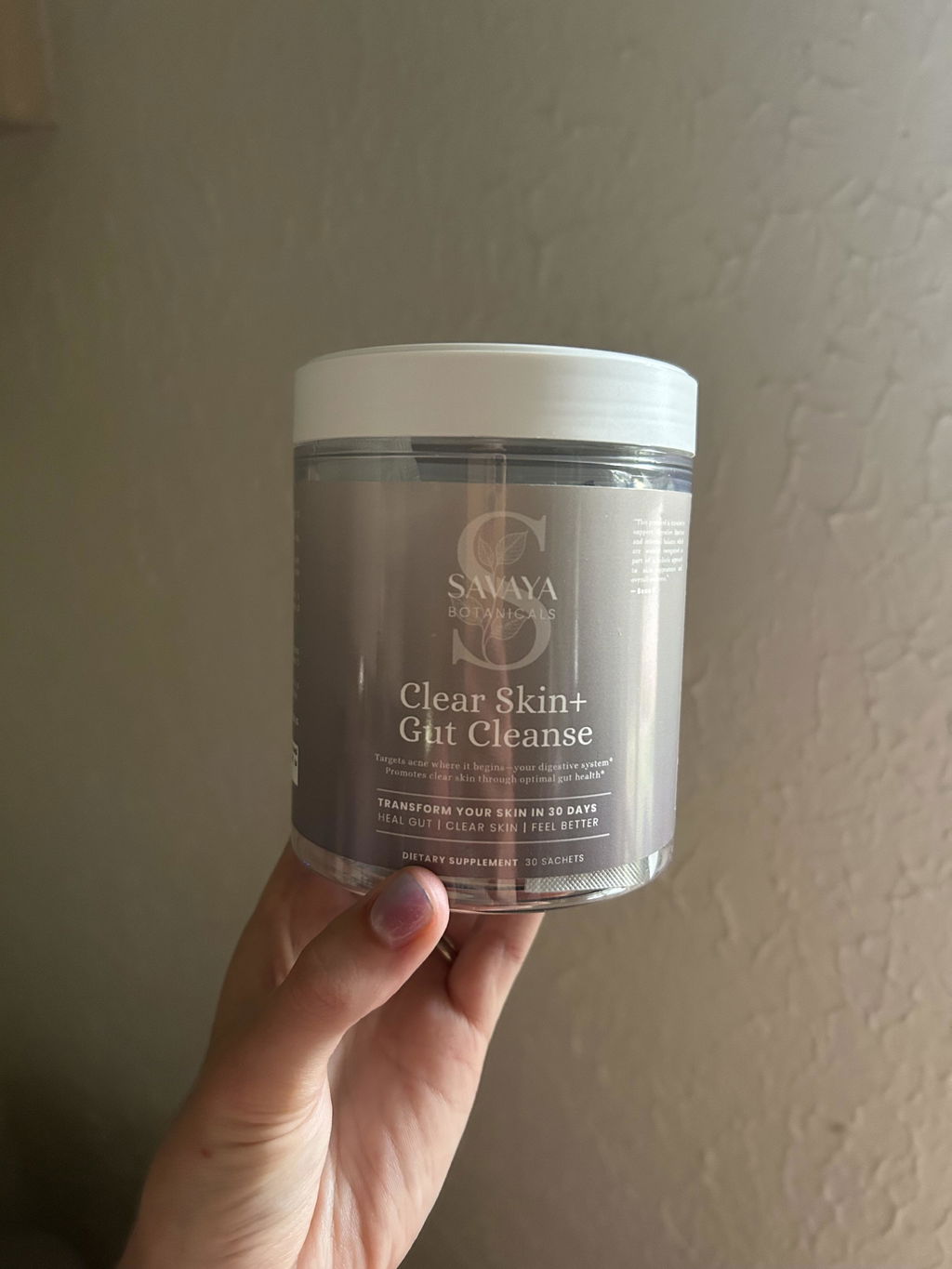
If you have been chasing breakouts for years with no real progress, Clear Skin+ Max Detox is a daily acai blend that helps support your gut-skin balance, made simply to fit into your everyday routine.
Frequently Asked Questions
What is the gut-brain-skin axis in simple terms?
It is the constant communication between your nervous system, your gut lining, and your skin. Stress signals from the brain change the gut environment, the gut sends inflammatory signals back, and the skin reflects all of it. When one part of the loop is off, the others usually are too.
Can stress alone really cause acne?
Yes, and the research backs it up. Studies on students during exam periods found that stress independently worsens acne, even when diet and sleep stay the same. The mechanism runs through cortisol, gut permeability, and the skin's own stress hormone receptors. It is not in your head. It is in your biology.
How long does it take to see skin changes from gut healing?
Most people start to see real shifts between 6 and 12 weeks. The gut barrier turns over relatively fast, but the HPA axis, the microbiome, and the skin cycle all need time to align. Many women find that digestion and energy improve first, then sleep, then the skin.
Does cold exposure actually help acne?
Indirectly, yes. Cold exposure raises vagal tone, lowers chronic inflammation, and trains the nervous system out of constant fight-or-flight. Since chronic stress is one of the strongest drivers of stress-induced acne, anything that lowers baseline cortisol and raises parasympathetic activity tends to help the skin over time.
Is leaky gut a real thing or just a wellness term?
Intestinal permeability is the proper medical term, and it is well established in the research, especially through Dr. Alessio Fasano's work on zonulin. Leaky gut is just the everyday name for it. The mechanism is real even if the phrase sometimes gets misused.
• • •
If you are tired of chasing breakouts from the outside, this microbiome reset is where I usually tell women to start. Calm the system, repair the barrier, then let the skin do what it has been trying to do all along.