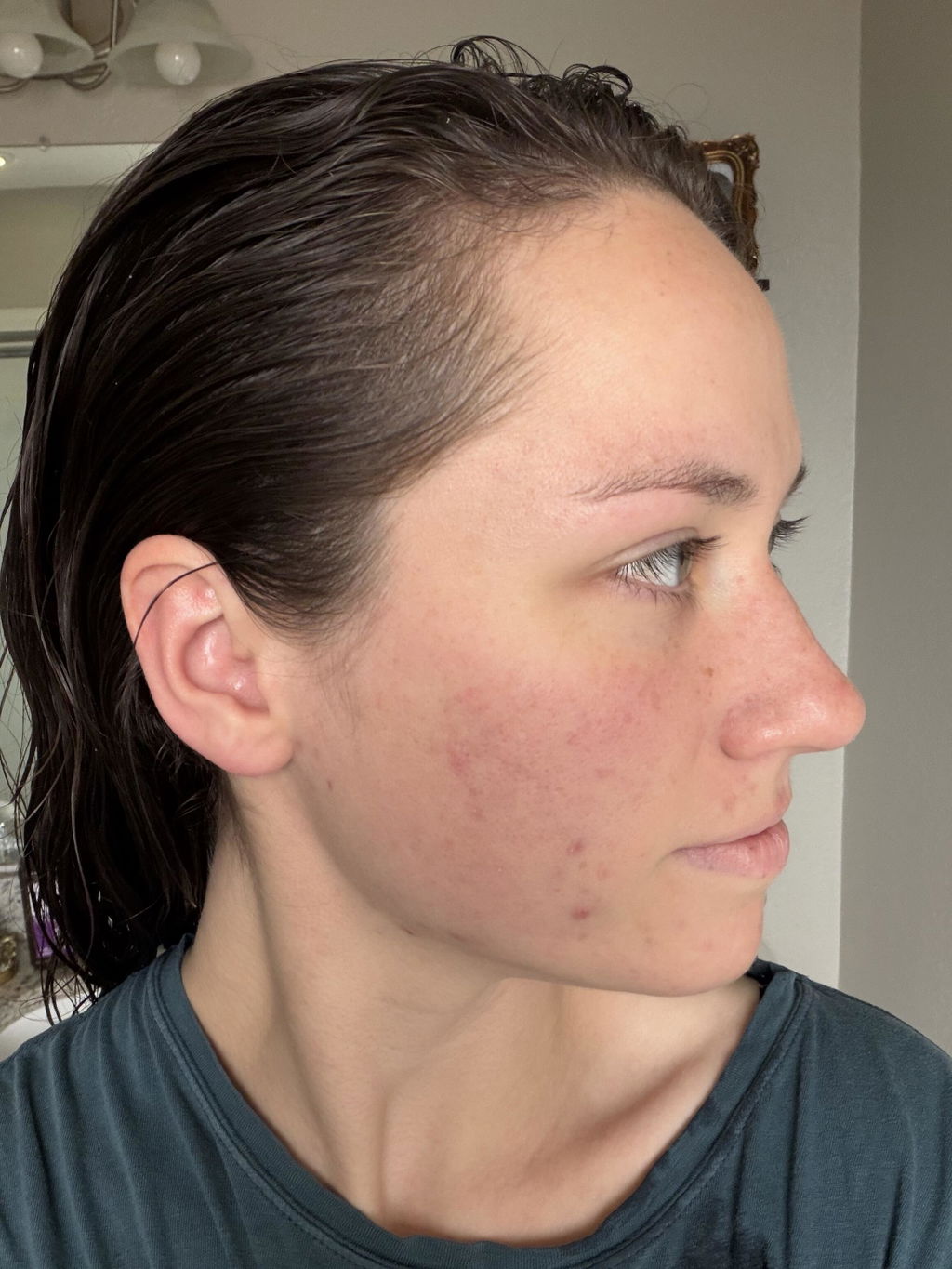
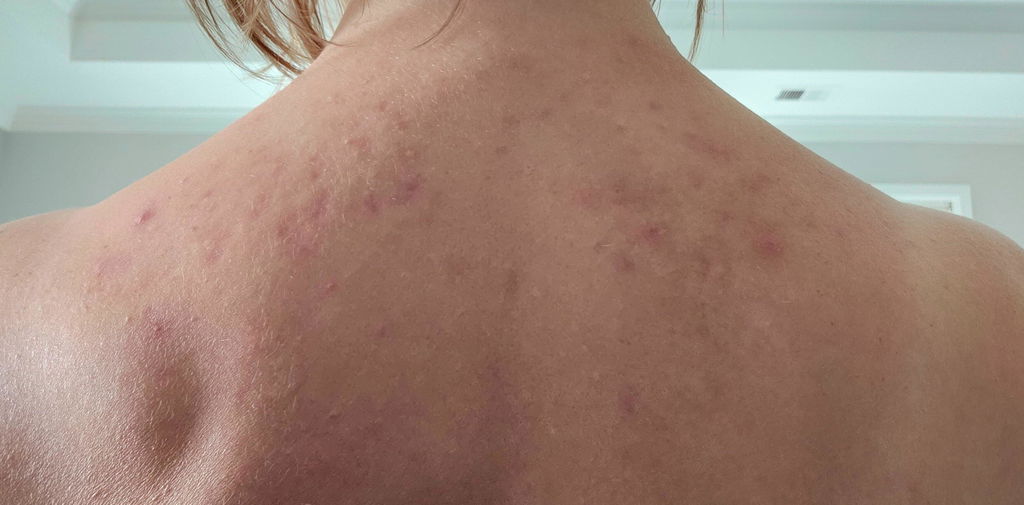
I used to wake up, grab coffee, check my skin in the mirror, and feel defeated before 7 AM.
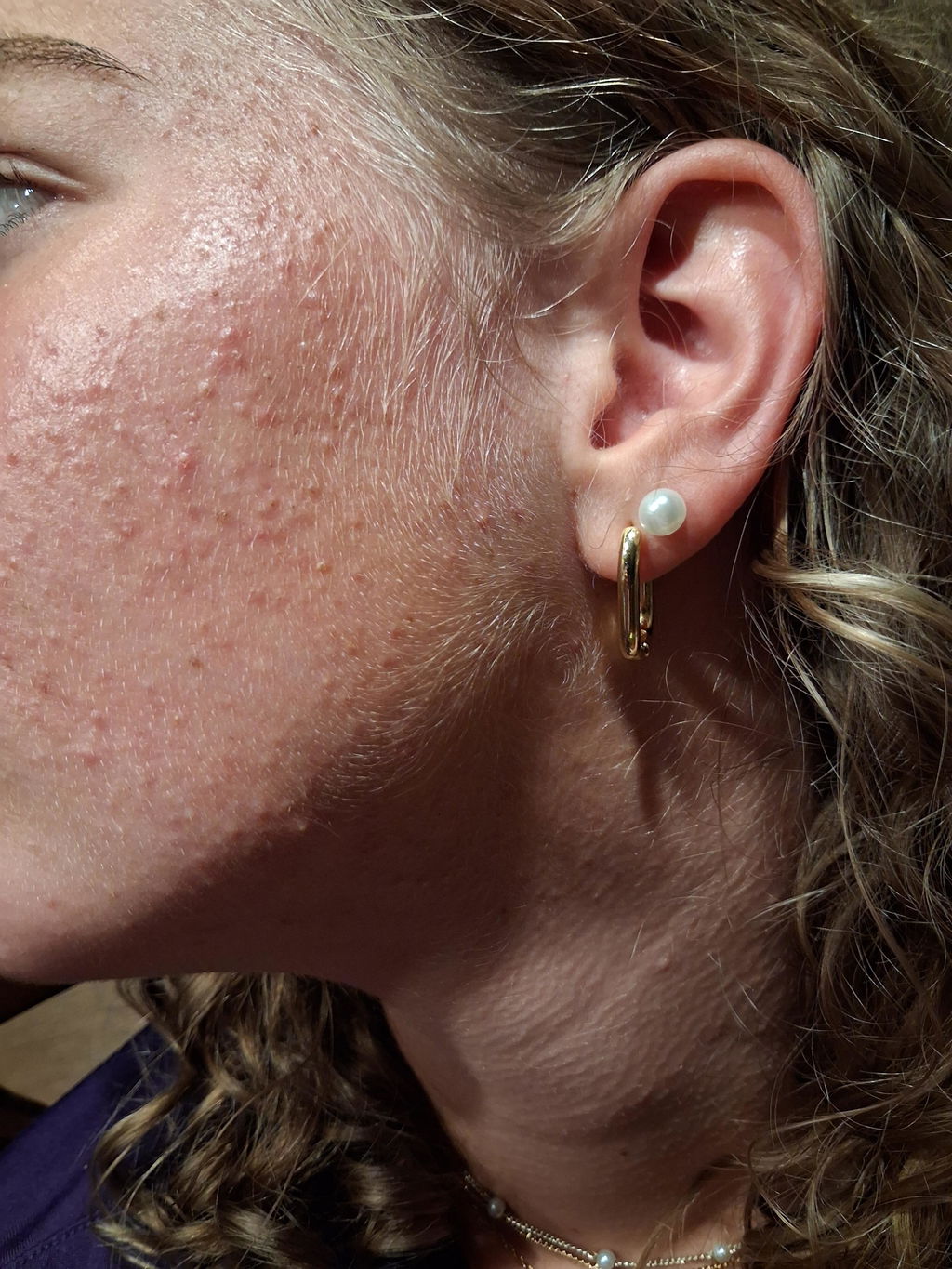
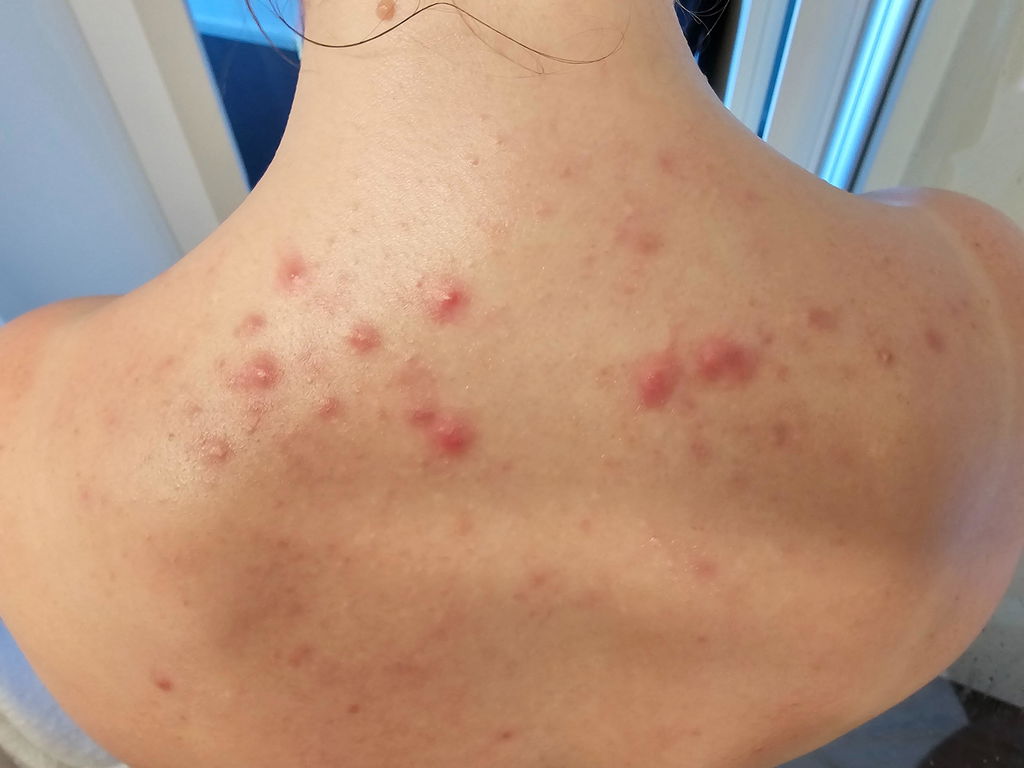
My mornings were sabotaging my skin and I had no idea. I was doing everything "right" — expensive serums, prescription retinoids, a 12-step routine that took 40 minutes. But every morning, new inflammation. New breakouts along my jawline. That dull, puffy look that no amount of concealer could fix.
It wasn't until I started studying functional medicine that I realized something uncomfortable: the first 90 minutes of your morning determine what your skin does for the next 24 hours. Not your skincare. Not your genetics. Your morning routine — specifically, what you put in your body, when you put it there, and how you manage the cortisol surge that happens the moment you open your eyes.
Here's the morning routine that finally gave me the clear, calm skin I'd been chasing for over a decade. It's not complicated. But the order matters more than you think.
———
The Cortisol Awakening Response: Why Your Skin Is Under Attack Before You Even Get Out of Bed
Within 30 minutes of waking up, your body releases a flood of cortisol. Scientists call it the Cortisol Awakening Response (CAR), and it's completely normal — it's your body's way of preparing you for the day. But here's what most people don't know: this cortisol spike directly impacts your skin.
Research published in the Journal of Investigative Dermatology has shown that elevated cortisol decreases the lipid and structural protein content in your skin's outer layer, weakening your skin barrier. That means more water loss, more sensitivity, and more vulnerability to bacteria that cause breakouts. Chronic cortisol elevation also ramps up sebaceous gland activity — flooding your pores with excess oil that mixes with dead skin cells and acne-causing bacteria.
But it gets worse. Cortisol doesn't just attack your skin directly. It weakens your gut lining. When that intestinal barrier breaks down, undigested food particles, toxins, and bacteria slip into your bloodstream, triggering systemic inflammation that shows up on your face as redness, cystic acne, and that puffy, irritated look. This is the cortisol-gut-skin axis — and it's the reason why no topical product alone will ever fully clear your skin.
The good news? You can work with your body's natural cortisol rhythm instead of against it. And it starts the moment your alarm goes off.
———
The Clear Skin Morning Routine: A Minute-by-Minute Guide
6:30 AM — Wake Up and Hydrate (Before Anything Else)
Before you check your phone, before you even think about coffee — drink 16 oz of warm water with half a lemon squeezed in. Not cold. Warm.
Here's why this matters: overnight, your body has been in repair mode for 7-8 hours without hydration. Your gut lining, your lymphatic system, your liver — they're all waiting for water to flush out the metabolic waste they've been processing while you slept. Warm lemon water on an empty stomach stimulates bile production, which is critical for fat digestion and toxin elimination. The citric acid gently activates your digestive system without overwhelming it. And the vitamin C? It's a powerful antioxidant that combats the free radical damage that accelerates skin aging and inflammation.
I drink mine from a glass straw to protect my tooth enamel. Small detail, big difference over time.
6:45 AM — Gut Cleanse Supplement on an Empty Stomach
Timing matters enormously with gut support. The 15-minute window after your lemon water — while your stomach is still empty and your digestive system is "warming up" — is the optimal moment for a gut cleanse supplement. This is when absorption is highest and there's nothing competing for your body's attention.
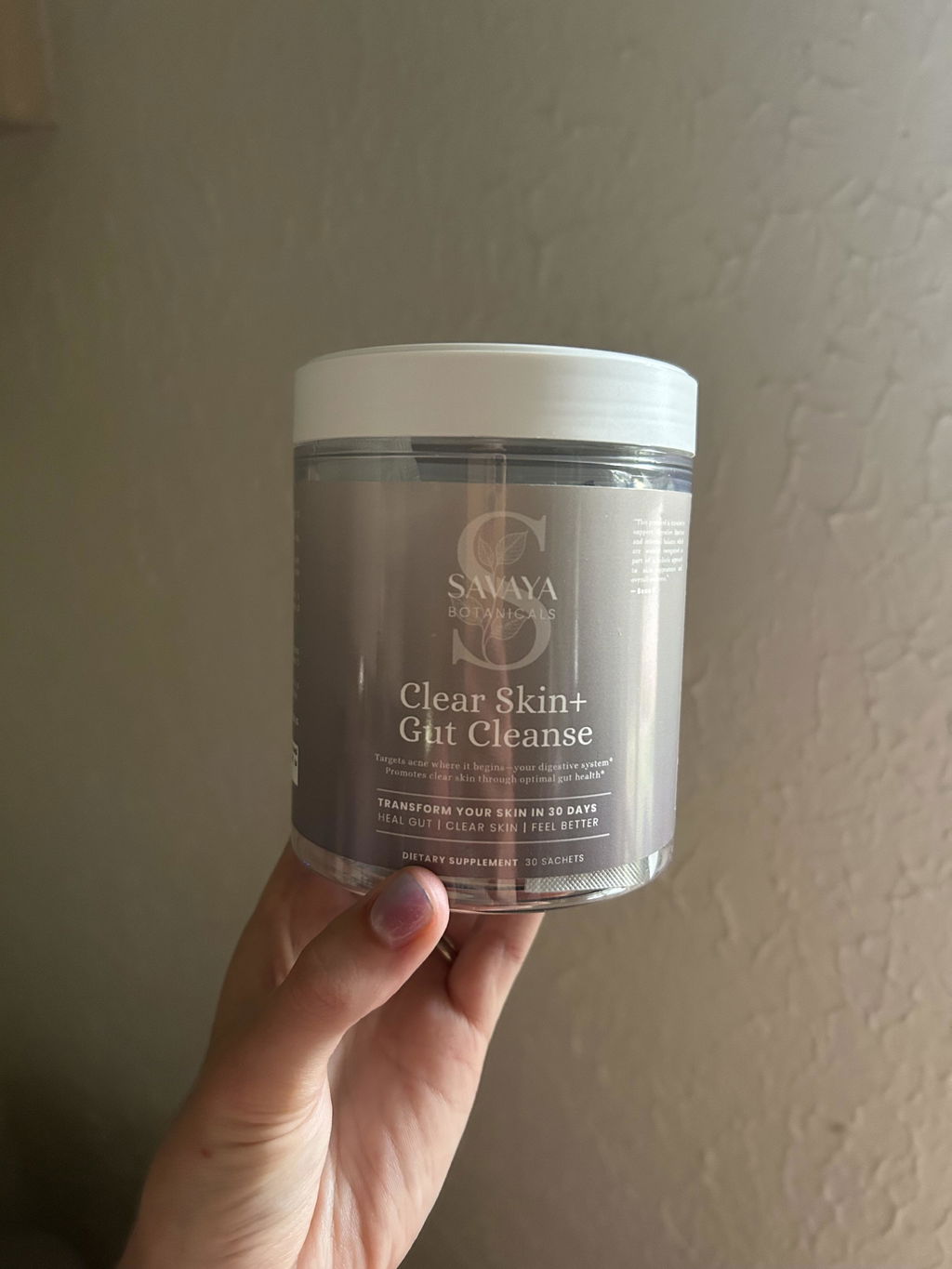
I take my Microbiome Gut Cleanse sachets at this exact time every morning. The prebiotic fiber feeds the beneficial bacteria that produce short-chain fatty acids — the same compounds that strengthen your intestinal barrier and reduce the systemic inflammation that triggers breakouts. Taking it on an empty stomach means the active compounds reach your lower gut intact instead of getting trapped in a bolus of food.
After taking it, I wait at least 20 minutes before eating. This gives the prebiotics time to move past the stomach and reach the intestinal environment where they actually do their work.
7:00 AM — 10 Minutes of Stress Reset (Non-Negotiable)
I know what you're thinking. "I don't have time for meditation." Neither did I. But once I understood what cortisol does to skin at a cellular level, I stopped treating this as optional.
You don't need to sit cross-legged and chant. Here's what actually works to blunt the cortisol awakening response:
- Box breathing (4-4-4-4): Inhale for 4 counts, hold for 4, exhale for 4, hold for 4. Just 5 minutes of this activates your parasympathetic nervous system — the "rest and digest" mode that calms inflammation.
- Morning sunlight exposure: Step outside for even 5 minutes. Natural light within the first hour of waking helps regulate your circadian cortisol rhythm, which directly affects skin cell turnover and repair cycles.
- Gentle stretching or walking: Not a HIIT workout. Not a run. Gentle movement that doesn't spike cortisol further. Save the intense exercise for after breakfast.
The cortisol-gut-skin axis isn't just about what you eat. Psychological stress increases gut permeability — sometimes called "leaky gut" — which means even the perfect diet won't save your skin if your nervous system is in constant fight-or-flight mode. Studies show that stress-induced cortisol elevation alters gut microbiota composition, reducing microbial diversity. And lower microbial diversity has been directly linked to increased severity of acne, eczema, and rosacea.
7:10 AM — Anti-Inflammatory Breakfast (The Skin-Clearing Meal)
Your breakfast should do three things: reduce inflammation, feed your gut bacteria, and stabilize blood sugar. Here are my three go-to options:
Option 1: The Green Glow Bowl
- Sautéed spinach and zucchini in extra virgin olive oil
- 2 pastured eggs (the yolks contain vitamin A and zinc — both critical for skin repair)
- Half an avocado (healthy fats that support your skin barrier)
- Sprinkle of turmeric and black pepper (curcumin is one of nature's most potent anti-inflammatories)
Option 2: The Berry Gut-Repair Smoothie
- 1 cup wild blueberries (anthocyanins that fight oxidative skin damage)
- 1 scoop sea moss gel (92 of the 102 minerals your body needs — including zinc, sulfur, and selenium that are essential for skin health)
- 1 tablespoon ground flaxseed (omega-3s for anti-inflammation)
- Coconut milk (no dairy — more on that below)
- Handful of spinach
Option 3: The Warming Oat Bowl
- Gluten-free oats cooked in water (not milk)
- Walnuts and pumpkin seeds (zinc and omega-3s)
- Cinnamon (blood sugar stabilizer — insulin spikes trigger sebum overproduction)
- Fresh berries
- Drizzle of raw honey
Notice what's NOT in any of these meals: dairy, refined sugar, and gluten. That's intentional.
———
What to AVOID in Your Morning (These Are Destroying Your Skin)
Here's where most people go wrong. They focus on adding the right things without removing the things that are actively working against them.
Coffee on an Empty Stomach
This was the hardest habit for me to break. Coffee first thing — before food, before water — spikes cortisol when it's already at its daily peak. You're pouring gasoline on a fire. The result? Increased gut permeability, elevated inflammation, and a surge of stress hormones that tell your sebaceous glands to go into overdrive. If you drink coffee, have it after breakfast, ideally after 9:30 AM when your natural cortisol starts to dip. Your skin will thank you within two weeks.
Sugary Cereals and Processed Breakfast Foods
That bowl of cereal with skim milk? It's a blood sugar bomb. Rapid blood sugar spikes trigger insulin, which increases androgen activity and — you guessed it — sebum production. A 2023 study found that high-glycemic diets significantly increased acne lesion counts compared to low-glycemic alternatives. Granola bars, flavored yogurts, toast with jam, orange juice — all of these are morning skin saboteurs disguised as "healthy" choices.
Dairy (Especially First Thing)
Multiple studies have linked dairy consumption — particularly skim milk — to increased acne severity. Dairy contains hormones and bioactive molecules like IGF-1 that amplify insulin signaling and stimulate oil production. On an empty stomach, these compounds are absorbed rapidly and hit your system at full force. If you can't give up dairy entirely, at minimum eliminate it from your morning routine.
———
The Full Clear Skin Morning Timeline
Here's the complete routine at a glance:
- 6:30 AM — 16 oz warm lemon water (glass straw, protect enamel)
- 6:45 AM — Gut cleanse sachets on empty stomach
- 7:00 AM — 10-minute stress reset (breathing, sunlight, gentle movement)
- 7:10 AM — Anti-inflammatory breakfast (no dairy, no sugar, no gluten)
- 7:30 AM — Topical skincare on a calm, nourished foundation — I use tallow-based moisturizer because it mimics your skin's natural sebum and strengthens the lipid barrier without clogging pores
- 9:30 AM — Coffee (if you must), always after food
———
Why This Works: The Inside-Out Approach to Clear Skin
I spent years treating my skin like the problem was on the surface. It wasn't. My skin was a mirror reflecting what was happening inside — a stressed nervous system, an inflamed gut, a body starved of minerals and overwhelmed by processed food.
When I shifted to an inside-out approach, the changes were dramatic. Within the first week, the puffiness and redness started calming down. By week three, my breakouts had reduced by more than half. By month two, people started asking what I was using on my skin. The answer was less about what I put on it and more about what I put in my body — and when.
If you're dealing with persistent breakouts, hormonal acne, or skin that just looks tired and inflamed no matter what products you use, I'd encourage you to look at your morning routine through this lens. Start with the gut. Manage the cortisol. Feed your body the minerals and nutrients it's been missing.
For anyone who wants something simple to add in, Clear Skin+ Max Detox is a daily acai-based blend that helps support gut health, replenishes minerals, and helps support the skin barrier. It's something I wish I'd had years ago.
———
Frequently Asked Questions
How long does it take for a morning routine to improve skin?
Most people notice reduced puffiness and redness within the first 5-7 days. Breakout frequency typically decreases within 2-4 weeks as gut inflammation calms down. For deep, lasting change — especially with hormonal or cystic acne — expect 8-12 weeks of consistent practice. The gut lining takes time to repair, and your skin cell turnover cycle is roughly 28 days, so patience is essential.
Can I drink coffee at all if I want clear skin?
Yes — but timing is everything. Avoid coffee on an empty stomach and before 9:00 AM, when your cortisol is naturally elevated. Drinking coffee during this peak amplifies cortisol's negative effects on your gut lining and skin barrier. Wait until after breakfast and ideally after 9:30 AM. Choose black coffee or coffee with non-dairy milk, and limit yourself to 1-2 cups per day.
Does lemon water actually help with acne?
Lemon water alone won't cure acne, but it plays a meaningful supporting role. Warm lemon water on an empty stomach stimulates bile production and digestive enzyme activity, which improves gut motility and toxin elimination. The vitamin C supports collagen synthesis and acts as an antioxidant. Think of it as the first domino in a chain — it sets the conditions for better digestion, better nutrient absorption, and lower systemic inflammation.
What minerals are most important for clear skin?
Zinc, selenium, sulfur, and silica are the four most critical minerals for skin health. Zinc regulates oil production and supports immune function. Selenium protects against UV damage and inflammation. Sulfur is essential for keratin and collagen production. Most modern diets are deficient in these minerals, which is why whole-food sources like sea moss — which contains 92 essential minerals — can be so impactful for skin health when added to your daily routine.
Why is dairy bad for skin?
Dairy contains natural hormones and insulin-like growth factor (IGF-1) that amplify your body's androgen and insulin signaling. This increases sebum production, accelerates skin cell turnover (leading to clogged pores), and promotes inflammation. Skim milk is particularly problematic because the processing concentrates these bioactive compounds. Multiple large-scale studies have confirmed a statistically significant link between dairy intake and acne severity, especially in women.