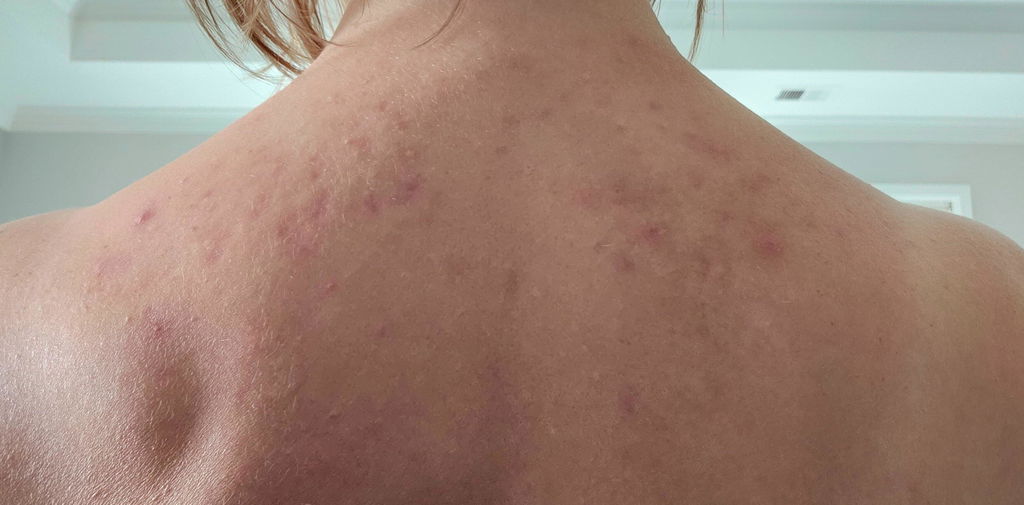
Most acne advice starts at the skin. That is the mistake. The face is downstream. The real fire is usually somewhere else: the gut wall, the liver pathways, or a stack of minerals your diet has not handed you in years. If you have already tried six creams and a course of antibiotics and you are still breaking out, the stack below is the one I wish more dermatologists were trained to recommend.
Why Dermatologists Default to Antibiotics and Retinoids
Dermatologists are trained to manage acne, not investigate it. Their toolkit is symptom suppression by design. Topical retinoids speed cell turnover. Oral antibiotics quiet bacterial overgrowth. Spironolactone blocks androgens. None of these tools address sebum regulation, inflammation upstream, or gut dysbiosis at the source. Which is exactly why so many women relapse the second they stop.
In my practice I see the same pattern over and over. A teenage round of doxycycline. A year of accutane. Five years of tretinoin. Then a new wave of cystic breakouts at twenty-eight. The skin is asking for something the prescription pad cannot give it. Minerals. Fats. A quiet gut. A barrier that is not constantly being broken by inflammation from inside.
The supplements below are not a replacement for medical care. They are the missing layer underneath it. Let me walk you through each one, with the actual mechanism and the actual studies, so you can decide for yourself.
Zinc: The One Mineral Most Acne Skin Is Quietly Starving For
Zinc lowers sebum production, calms inflammation, and supports the immune response inside the follicle. In the 2001 Dreno multicenter trial published in Dermatology, zinc gluconate at 30 mg per day reduced inflammatory acne lesions by roughly a third over three months. Not as fast as minocycline, but without the gut destruction antibiotics leave behind.
The form matters. Zinc gluconate, zinc picolinate, and zinc bisglycinate absorb cleanly. Zinc oxide and zinc sulfate do not. Take it with food to avoid nausea, and pair it with a small amount of copper if you stay on it longer than eight weeks, because long-term zinc supplementation can quietly drain copper stores.
Here is the part most people miss. If you are taking a multivitamin with iron, the iron is competing with the zinc for absorption at the brush border. Separate them by at least four hours. Most of the women I work with start at 30 mg in the evening and notice fewer fresh pustules within four to six weeks.
Omega-3 EPA: The Anti-Inflammatory the Skin Cannot Make on Its Own
EPA is the fatty acid that directly suppresses leukotriene B4, a pro-inflammatory signal heavily involved in acne pathogenesis. In the 2014 Jung trial in Acta Dermato-Venereologica, ten weeks of omega-3 supplementation reduced both inflammatory and non-inflammatory acne lesions in young adults compared with placebo.
Aim for at least 1000 mg of EPA per day. Not just "fish oil 1000 mg" on the front of the bottle, which usually contains only 180 mg of actual EPA. Read the back of the label. EPA and DHA are listed separately. For skin work specifically, you want a 2:1 or higher EPA-to-DHA ratio.
One open question I get often. Can I just eat sardines instead? Yes. Two tins a week of wild sardines or mackerel covers the dose. But the women who already feel queasy at the idea of cold sardines are better off with a high-EPA softgel taken with breakfast.
Vitamin D3 with K2: The Pair That Belongs Together
Low vitamin D is correlated with more severe acne in nearly every case-control study published in the last decade. The 2016 Lim trial in PLOS ONE found vitamin D deficiency in a striking majority of acne patients compared with healthy controls, and supplementation reduced inflammatory lesions after eight weeks.
The reason D3 needs K2 alongside it is calcium routing. D3 pulls calcium into the bloodstream. K2, specifically the MK-7 form, tells that calcium to deposit in bones and teeth instead of arteries and soft tissue. Taking D3 alone for long stretches without K2 is a slow setup for calcification problems elsewhere in the body.
For most women I work with, 2000 to 4000 IU of D3 with 100 mcg of K2 MK-7 daily, taken with a fatty meal, is the right floor. If you are darker-skinned, indoors most of the day, or live above the 40th parallel, you almost certainly need it. Get your 25-hydroxy D tested every six months while you supplement.
Sea Moss: 92 Minerals From the Ocean, Most Diets Are Missing
Sea moss is not a magic skin pill. It is a mineral delivery system. Wildcrafted Irish sea moss contains iodine, selenium, zinc, magnesium, sulfur, and a long list of trace minerals that modern soil and modern food simply do not carry. Selenium and sulfur in particular are co-factors for glutathione, the body's master antioxidant for skin clarity.
I recommend mineral-rich sea moss to almost every client whose breakouts come with brittle nails, hair shedding, or chronic fatigue. The three usually travel together because they share a mineral deficiency at the root. Fix the mineral floor, and a surprising amount of low-grade inflammation simply stops on its own.
The mechanism is not glamorous. It is replacement. You give the body the trace minerals it has been quietly asking for, and downstream symptoms start to settle. Sea moss also contains a small amount of mucilage that soothes the gut lining, which feeds into the next section.
Gut Cleanse: Removing the Root Cause Most Doctors Skip
The gut-skin axis is no longer fringe science. Intestinal permeability, often called leaky gut, allows lipopolysaccharides from bacterial cell walls to cross into circulation, raising systemic inflammation that surfaces on the face. The 2016 Fabbrocini paper in Beneficial Microbes showed that a specific Lactobacillus rhamnosus strain normalized skin expression of insulin-signaling genes and improved adult acne over twelve weeks.
Dysbiosis, meaning the wrong ratios of gut bacteria rather than the wrong species entirely, drives sebum-feeding overgrowth and the IGF-1 signaling that pushes sebocytes into overdrive. Short-chain fatty acids from the fermentation of prebiotic fiber feed colonocytes and tighten the gut barrier. Without that fermentation, the skin keeps getting the signal to inflame.
This is where a targeted gut cleanse earns its place in the stack. Not a harsh laxative. A reset that clears overgrowth, feeds the good strains, and quiets the inflammatory signaling that the face is currently mirroring. The vagus nerve carries that conversation between gut and brain in both directions, and when the gut is calm, cortisol comes down with it.
You cannot cream your way out of an inflamed gut. The face is just the last room the smoke reaches.
Collagen: The Building Block for Skin Rebuilding After Acne
Once the inflammation calms, the skin still has to repair itself. Hydrolyzed collagen peptides supply the specific amino acids glycine, proline, and hydroxyproline that fibroblasts need to rebuild dermal structure. The 2014 Proksch study in Skin Pharmacology and Physiology showed that 2.5 to 5 grams of collagen peptides daily measurably improved skin elasticity and hydration after eight weeks.
For acne-prone skin, the value of bioavailable collagen support sits in the post-breakout phase. It fades old scars, evens texture, and helps the skin bounce back faster from new inflammation. Take it on an empty stomach with a small dose of vitamin C, which is the cofactor for hydroxylation of proline into hydroxyproline.
One caveat. Cheap flavored collagen powders often hide sugar alcohols and inflammatory additives that backfire on the gut you are trying to heal. Read the label. If the ingredient list runs longer than three lines, it is not the right one.
Why Topical-Only Approaches Fail Almost Everyone
Topicals work on the outside of the wall. The fire is on the inside of the house. You can paint over a damp wall a hundred times and the mold keeps coming back. Same with skin. The bacteria, the sebum, the IGF-1 signaling, and the inflammation are all feeding from inside.
Retinoids regulate cell turnover, which helps prevent pore-clogging. Salicylic acid unsticks dead cells. Benzoyl peroxide kills surface bacteria. None of these touch sebum production at the sebocyte, none of them lower IGF-1 from dairy and high-glycemic carbs, and none of them rebuild a leaky gut barrier. A barrier-repairing tallow cream at night supports the moat. The supplement stack handles the castle.
The women I see clear most fully are the ones who run both layers in parallel. Topical for the barrier, internal for the cause. The internal layer is the one that decides whether the clarity holds in three months.
How to Stack It Without Overloading Your System
You do not need to start everything on day one. Layering matters more than loading up. Here is the four-stage sequence I use most often, designed to keep the gut, the minerals, and the skin barrier in conversation with each other instead of competing for absorption.
- Weeks 1 to 4: Begin zinc, omega-3 EPA, and vitamin D3 with K2. Cut dairy and refined sugar in the same window so the IGF-1 driver comes down.
- Weeks 4 to 8: Layer in sea moss for the mineral floor. Begin the gut work in earnest.
- Weeks 8 to 12: Add collagen for the rebuilding phase. Reassess skin clarity and energy.
- Beyond week 12: Maintenance dose of the core stack, and decide whether a deeper reset is needed.
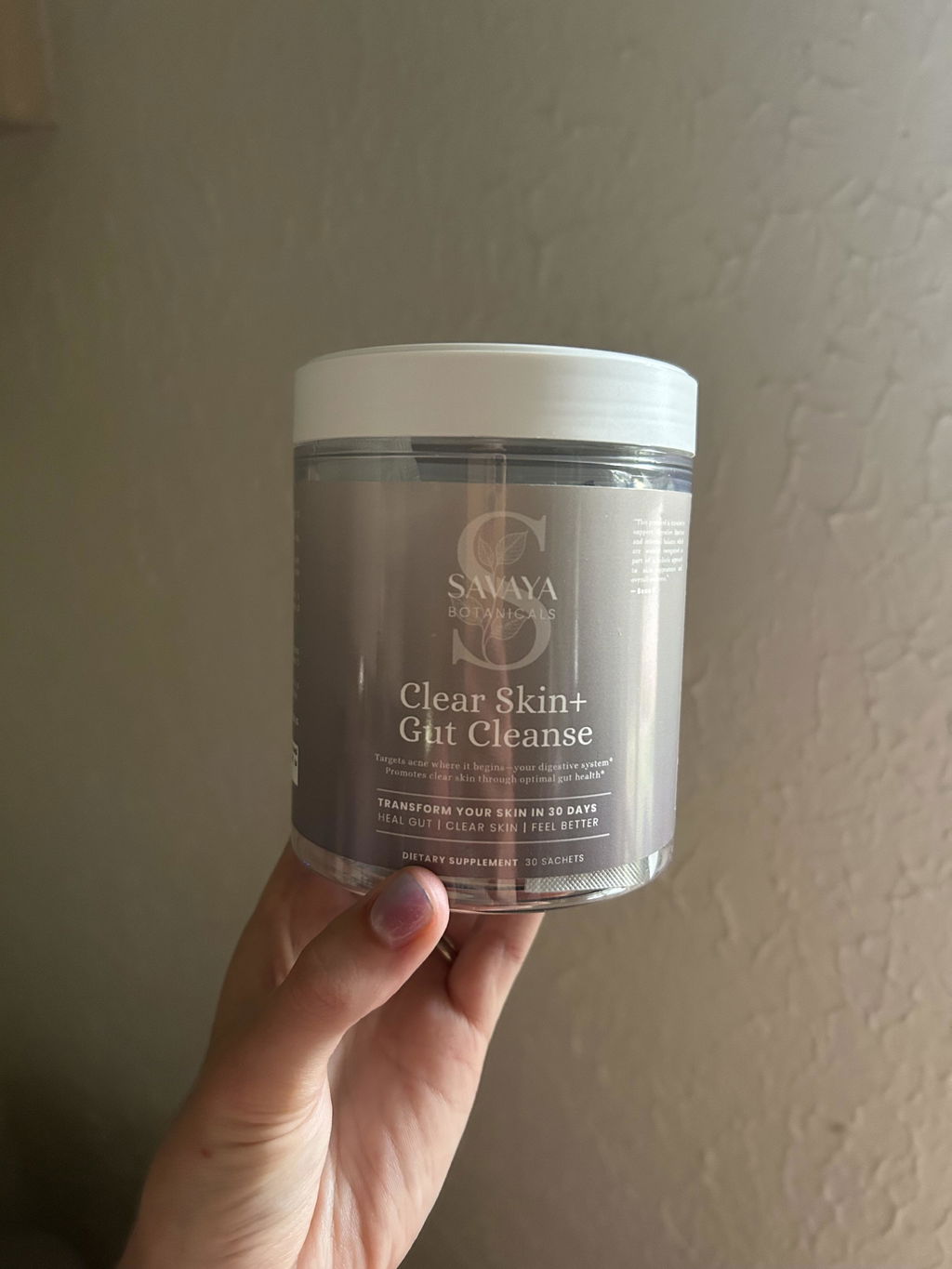
For women who want extra support without adding complexity, the Clear Skin+ Max Detox blend brings acai into the daily routine and helps support gut and skin health. For days when things feel especially sluggish, this daily blend also helps support liver and lymphatic function.
What I see most often is that women feel a shift in energy and digestion before they see the skin clear. Trust the order. The face is the last thing to respond because it is the furthest downstream.
One Soft Note Before You Start
Begin with one supplement at a time. Give each one two weeks before you add the next. That way, if something causes a reaction, you actually know which one. And do not skip the gut work. The skin will only hold the clarity if the gut is no longer driving the inflammation. A clear face on top of an inflamed gut is a face that will break out again in six months.
• • •
Clear skin is rarely a topical problem with a topical answer. It is a stack of upstream inputs that the body is asking for. Start where the inflammation begins, finish where the skin rebuilds, and give it a real twelve weeks before you judge whether it is working.
Frequently Asked Questions
What is the best supplement stack for hormonal acne?
Zinc, omega-3 EPA, vitamin D3 with K2, and a structured gut reset cover the core. Hormonal acne almost always has a gut dysbiosis layer underneath the hormones, which is why the gut work matters as much as the minerals.
How long until I see results from these supplements?
Skin cell turnover runs on a roughly six-week cycle. Most women notice early changes in inflammation around weeks two to four, and visible texture and clarity improvements between weeks eight and twelve. Trust the timeline.
Can I take all of these supplements at once?
Yes, but stagger their introduction by two-week intervals so you can identify any single supplement causing a reaction. Take zinc and the trace minerals at different times of day from iron-containing supplements to avoid competitive absorption.
Why does my dermatologist not recommend these?
Most dermatology training is pharmacology-based. Nutritional and gut-microbiome interventions sit outside that curriculum entirely. It is not a flaw of the doctor. It is a gap in the model they were trained inside.
Is sea moss safe to take daily?
For most adults, yes. The exception is thyroid conditions, because sea moss contains iodine and can shift thyroid hormone levels. If you have Hashimoto's or Graves' disease, check with your practitioner before adding daily sea moss to your routine.