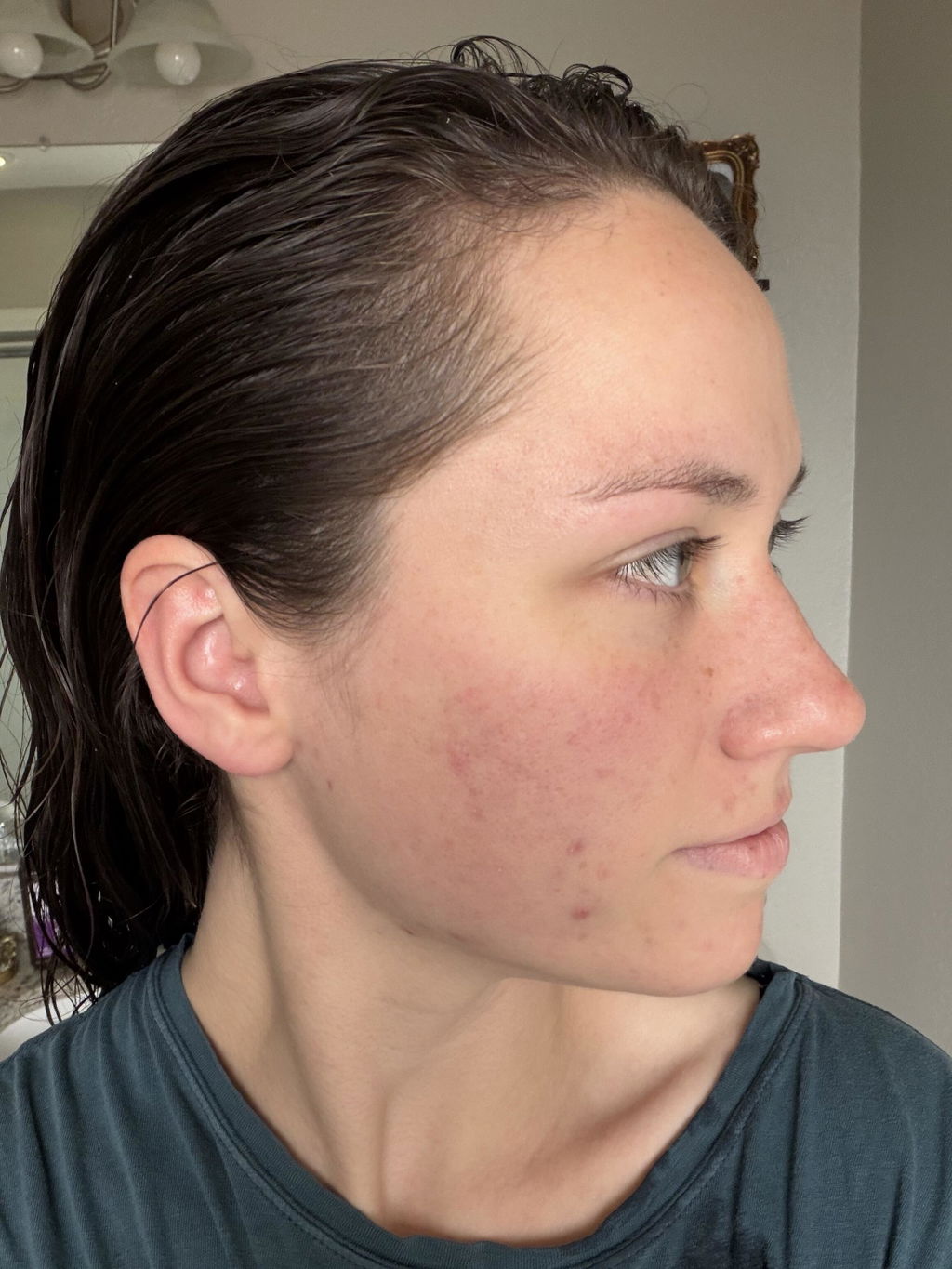
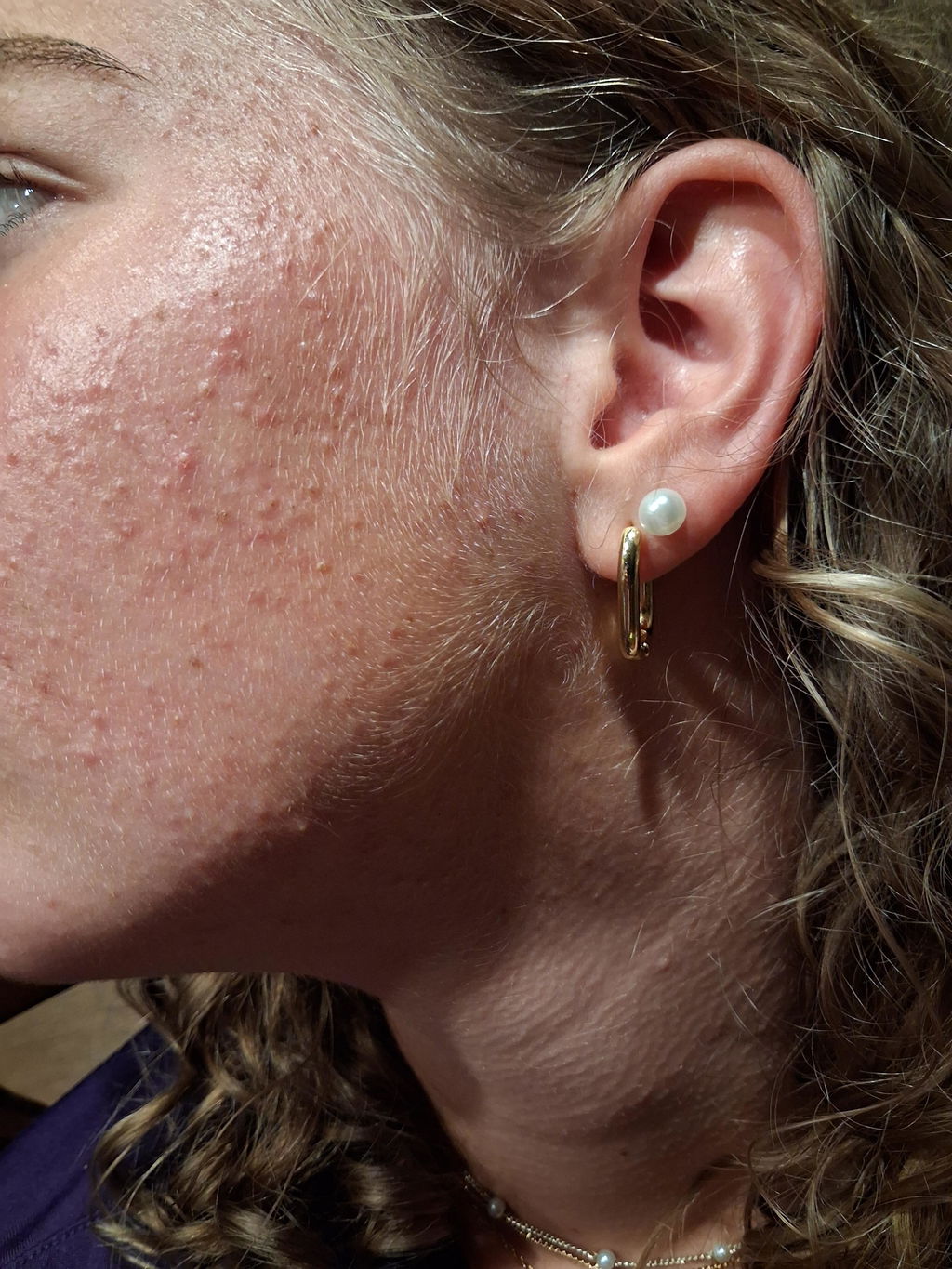
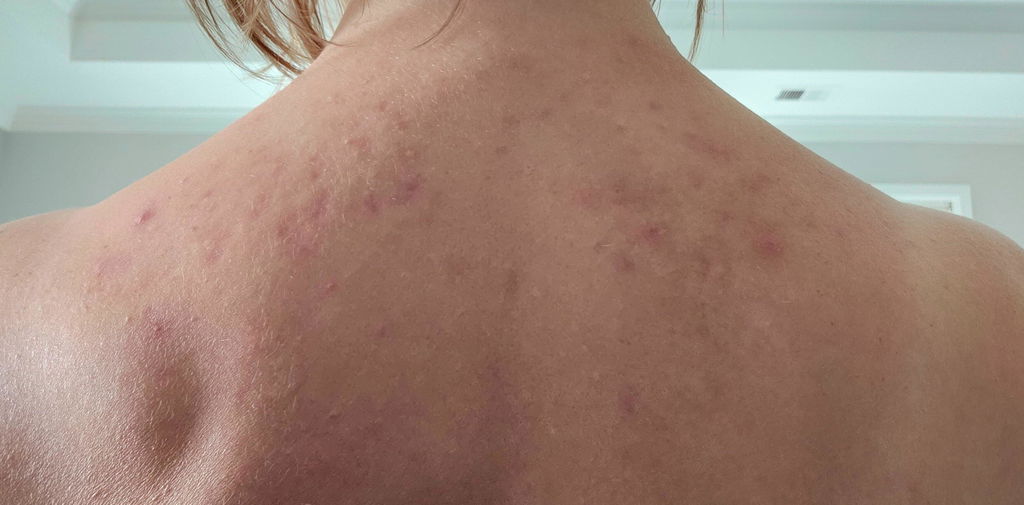
My dermatologist looked me dead in the eye and said: "Acne isn't caused by what you eat." That was 2019. I was 32 years old, on my third round of doxycycline, and my chin was breaking out worse than it did in high school. She wrote me another script and sent me on my way.
Six months later — after I quit the antibiotics, swapped them for a stack of six supplements, and rebuilt my gut from the inside — my skin cleared. Not "improved." Cleared. The kind of clear that makes strangers ask what you're using.
Here's what nobody in a white coat will tell you: acne is rarely a skin problem. It's an inflammation problem, a hormonal problem, a mineral-deficiency problem, and almost always a gut problem — surfacing through your face. Topicals can't fix what's broken three feet below your jawline.
This is the supplement stack that actually moved the needle for me, with the clinical research behind each one. If your skin is screaming and your dermatologist is just handing you another tube, this is the protocol they should have started with.
———
Why Dermatologists Default to Antibiotics and Retinoids
Dermatology school spends roughly twelve hours total on nutrition across four years of training. Twelve. That's not a knock — it's just math. The system is built around prescription pads, not produce aisles. When you walk in with a flare, the fastest billable answer is a topical retinoid, an oral antibiotic, or both.
Antibiotics like doxycycline and minocycline do work in the short term — they nuke the surface bacteria. But they also annihilate the gut microbiome that's quietly running the inflammation control center for your entire body. Six months later, the acne comes back angrier, and now you've got bloating, brain fog, and yeast issues to go with it.
Retinoids thin the skin barrier, dry you out, and force a kind of chemical peel — but they don't touch the root. The hormonal cascade. The leaky gut. The mineral deficiencies your blood panel never tested for. That's the work nobody bills for.
1. Zinc — The Mineral Your Skin Is Quietly Starving For
If I could only keep one supplement from this list, it would be zinc. The clinical literature on zinc and acne is, frankly, embarrassing for how rarely it gets prescribed.
A landmark trial by Dreno and colleagues, published in Dermatology, compared 30 mg of zinc gluconate daily against 100 mg of minocycline (a frontline antibiotic) over three months in acne patients. The result: zinc was nearly as effective as the antibiotic, with a fraction of the side effects. No gut destruction. No sun sensitivity. No long-term resistance issues.
Zinc works on three fronts at once. It tames the sebaceous gland's overproduction of oil. It calms the inflammatory cascade that turns a clogged pore into a cystic crater. And it supports keratinization — the orderly shedding of dead skin cells that, when disrupted, traps oil and bacteria below the surface.
The trick is the form. Zinc oxide barely absorbs. Zinc picolinate and zinc bisglycinate are the bioavailable winners. Aim for 30 mg with food (empty stomach = nausea, learned that one the hard way). Take it for at least 12 weeks before you judge the result.
2. Omega-3 EPA — The Anti-Inflammatory Almost Nobody Dosed Correctly
Generic "fish oil" doesn't cut it. The molecule that actually quiets acne inflammation is EPA (eicosapentaenoic acid) — and most drugstore omega-3 capsules give you maybe 180 mg of it.
A study published in Lipids in Health and Disease by Khayef et al. dosed acne patients with 930 mg of EPA daily for ten weeks. Result: significant reduction in inflammatory acne lesions and a measurable drop in pro-inflammatory markers. Ten weeks. No retinoid. No antibiotic.
EPA works because acne — especially the deep, painful, cystic kind — is fundamentally an inflammatory storm. Your standard Western diet skews your omega-6 to omega-3 ratio toward 20:1 when it should be closer to 4:1. That ratio is gasoline on the inflammatory fire under your skin.
I look for a fish oil that delivers at least 800 mg of EPA per serving (read the back label, not the front). Algae oil works for vegans, but the EPA dose is harder to hit. Take it with a meal that has fat — it's fat-soluble.
3. Vitamin D3 + K2 — The Hormonal Reset Most Acne Patients Need
A 2014 study in PLOS One by Lim et al. found that 48.8% of acne patients were vitamin D deficient, compared to 22.5% of controls. Supplementation with 1,000 IU daily significantly improved inflammatory acne lesions over eight weeks.
D3 isn't really a vitamin — it's a hormone precursor that regulates over a thousand genes, including the ones that control sebum production and skin immunity. But here's the catch dermatologists never mention: D3 alone, at the doses needed, can drive calcium into soft tissues if you don't pair it with K2.
K2 (specifically the MK-7 form) is the traffic cop. It tells calcium to go into your bones and teeth, not your arteries and skin. The two work as a unit. Skip K2 and you're playing with fire at higher doses.
For most people with cystic or hormonal acne, 4,000–5,000 IU of D3 with 100–200 mcg of K2 MK-7 daily is the sweet spot. Get a blood test first — you want your serum 25(OH)D between 50 and 80 ng/mL.
4. Sea Moss — The 92-Mineral Ocean Multivitamin
This one made me roll my eyes the first time I heard about it. Then I read the mineral profile.
Sea moss (Chondrus crispus) contains 92 of the 102 minerals the human body needs — including the trace minerals that have been farmed out of soil and almost impossible to get from a modern grocery list. We're talking iodine for thyroid function, selenium for hormonal regulation, sulfur for collagen synthesis, and a slow-release form of zinc that works alongside the supplemental dose above.
Iodine is the unsung hero here. Your thyroid runs your skin's repair speed, your sebum balance, and your hormonal rhythm. Iodine deficiency is endemic in the US — most multivitamins removed it decades ago over a totally separate fluoride controversy. Sea moss puts it back.
I take it as a gel (two tablespoons in a smoothie) or as capsules. The gel tastes like the ocean had a baby with a vegetable — but it works. Within four weeks of daily use, my skin looked more "lit from within" than any topical serum had ever delivered.
5. Gut Cleanse — Pulling the Root Out of the Ground
Eighty percent of your immune system lives in your gut. So does the inflammatory cascade that surfaces as acne on your face. If your gut lining is leaky — and after years of antibiotics, gluten, sugar, and stress, it almost certainly is — undigested food particles and bacterial endotoxins (LPS) slip into your bloodstream. Your immune system flags them as invaders. The resulting inflammation has to go somewhere. Often, it surfaces through your largest detox organ: your skin.
Bowe and Logan's 2011 paper in Gut Pathogens mapped what they called the "gut-brain-skin axis" — a triangle of communication that explains why probiotics, gut-healing protocols, and even mood interventions reduce acne severity. The link isn't fringe anymore. It's just slow to reach a dermatology textbook.
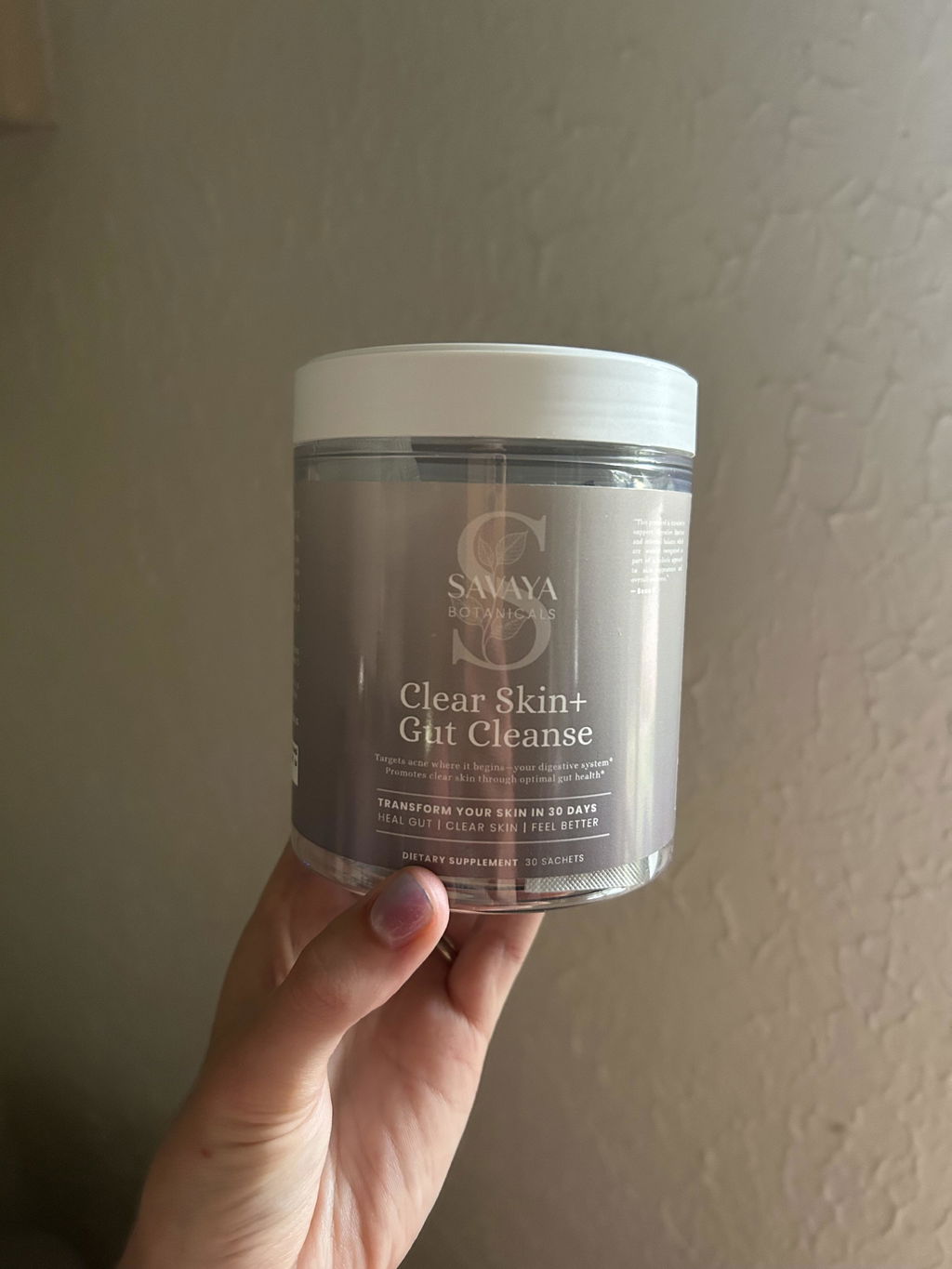
Pulling the root out means starving the bad bacteria, supporting the gut lining, and reseeding the good guys. A targeted microbiome gut cleanse — done in sachet form once a day for a few weeks — does the heavy lifting. For deeper resets, the full detox protocol goes further: liver support, lymphatic drainage, and the binders that capture toxins on the way out so they don't get reabsorbed.
Don't skip this. Every other supplement on this list works harder when your gut is sealed.
6. Collagen — Rebuilding the Scaffolding After the Storm
Acne doesn't just leave spots. It leaves divots, pigmentation, and a slack quality to the skin that no concealer covers. That's because chronic inflammation breaks down the dermal matrix — the collagen and elastin scaffolding underneath your skin's surface.
A double-blind, placebo-controlled trial by Proksch et al. in Skin Pharmacology and Physiology gave women 2.5–5 grams of bioactive collagen peptides daily for eight weeks. Result: a 28% increase in skin elasticity, measurable improvements in dermal density, and visible smoothing of texture. Eight weeks. Oral supplementation. No injectables, no laser.
The form matters. Look for hydrolyzed collagen peptides — the molecule has been broken down small enough to actually reach your skin. Pair it with vitamin C (for collagen synthesis) and you've got a rebuilding protocol that runs in the background while the rest of the stack is calming the fire. Daily collagen strips make the dose effortless — no shaker, no chalky drink.
Why Topical-Only Approaches Almost Always Fail
Here's the part that took me years to accept: your skin is the report card, not the test.
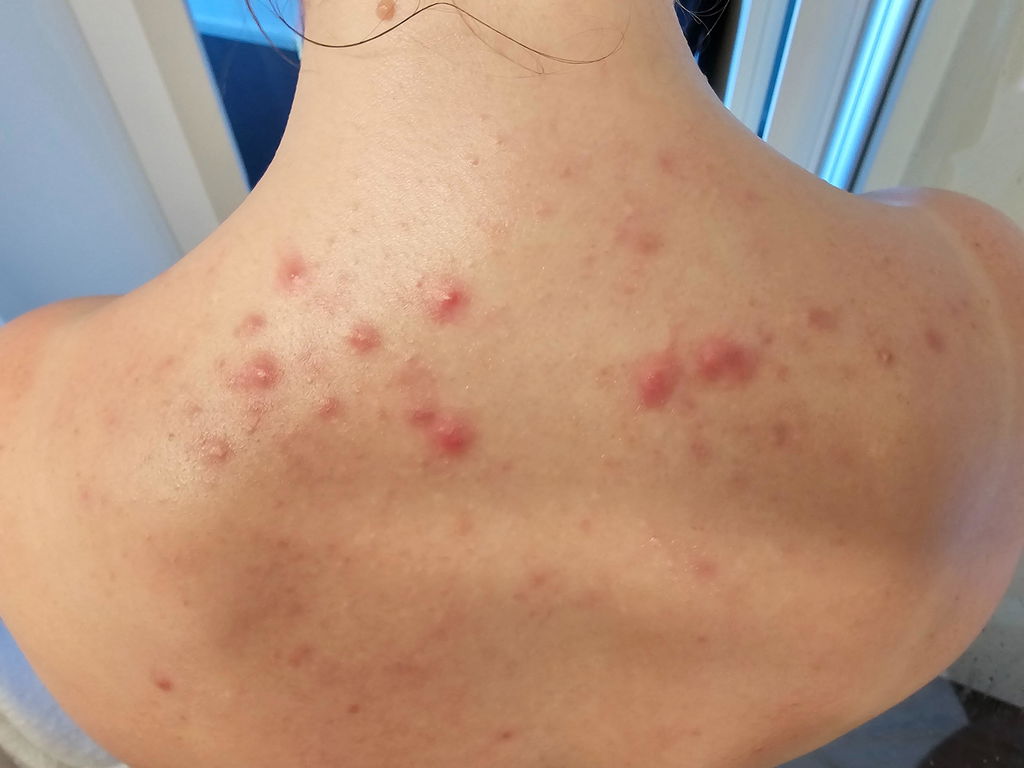
You can scrub, peel, retinoid, and laser the surface forever. But if your gut is leaking, your minerals are depleted, your inflammation is systemic, and your hormones are skewed, the breakouts will keep coming. They'll just move locations — chin to forehead to jawline to back — like a game of whack-a-mole your dermatologist gets paid every visit to play.
Topicals do have a place. A clean topical routine matters — keeping the skin barrier intact while the inside heals. I use grass-fed tallow cream at night because it's compatible with the skin's natural lipid profile, doesn't strip the microbiome, and actually feeds the barrier instead of disrupting it. But that's the supporting role. The lead actor is what you put inside your body.
The Full 12-Week Protocol
You won't see your true result in two weeks. Skin cell turnover takes 28 days, and the deeper hormonal and gut shifts take longer. Most clinical trials on the supplements above ran 8 to 12 weeks for a reason.
If you want something simple to add to your routine, the Clear Skin+ Max Detox is a daily acai blend that supports your skin from the inside. It's the version I wish someone had handed me in 2019, instead of another antibiotic.
Three months. That's what your skin is asking for. Not another tube.
———
Frequently Asked Questions
Can supplements really clear acne without antibiotics or retinoids?
Yes — for many people, especially those with hormonal, cystic, or inflammatory acne, a targeted supplement stack addressing zinc deficiency, omega-3 imbalance, vitamin D status, and gut health can match or exceed the results of pharmaceutical interventions. The Dreno 2001 trial showed zinc gluconate performed comparably to oral minocycline. Results take 8 to 12 weeks, not 8 to 12 days.
How long does it take to see results from this acne supplement stack?
Skin cell turnover is roughly 28 days, so the earliest visible improvement is typically around weeks 4 to 6. Full results — including reduced scarring, even tone, and stable clearing — generally show up between weeks 8 and 12. Gut healing and hormonal recalibration are the slowest pieces, which is why a 12-week protocol is the standard.
Why don't dermatologists recommend zinc, omega-3, or sea moss for acne?
Most dermatology programs include very limited nutrition training, and the medical model rewards prescription-based interventions over slower, root-cause protocols. Supplements can't be patented at the same margins as pharmaceuticals, so there's no industry funding pushing them through clinical channels — even when peer-reviewed studies support their efficacy.
Do I need to do a gut cleanse before starting the supplements?
Not strictly required, but strongly recommended. A leaky or dysbiotic gut blunts mineral absorption and keeps the inflammatory baseline high, which means the rest of the stack works harder for less return. Starting with a gut reset for 2 to 4 weeks before layering in zinc, omega-3, and collagen tends to amplify results significantly.
Can I take all six supplements at the same time?
Yes, with light spacing. Take zinc and omega-3 with meals (they're both better absorbed with food). Vitamin D3 + K2 is fat-soluble, so morning meal works well. Sea moss can go anywhere in the day. Collagen is best on an empty stomach or with vitamin C. The gut cleanse sachet is typically taken away from other supplements to avoid binding interference — usually morning or before bed.
———
Where to Start
If you're staring at this list wondering where to begin, start with the gut. Every supplement above works better in a gut that isn't on fire. Clear Skin+ Max Detox is the daily acai blend I'd pair with the science above — one habit to support that foundation, so you don't have to figure it out alone.
Your skin has been asking for this for a long time. Listen.
— Sarah Mitchell, Holistic Health Practitioner