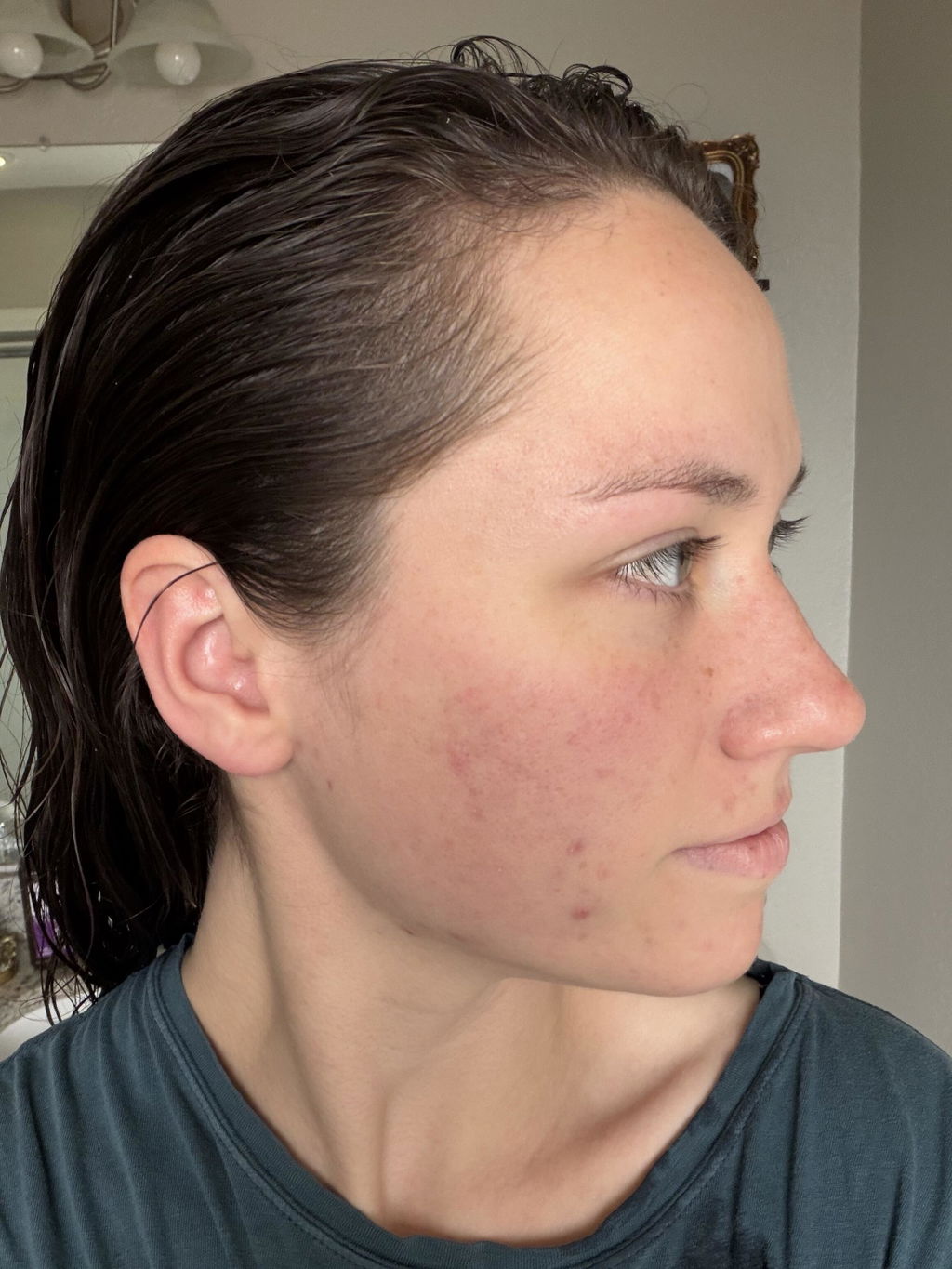
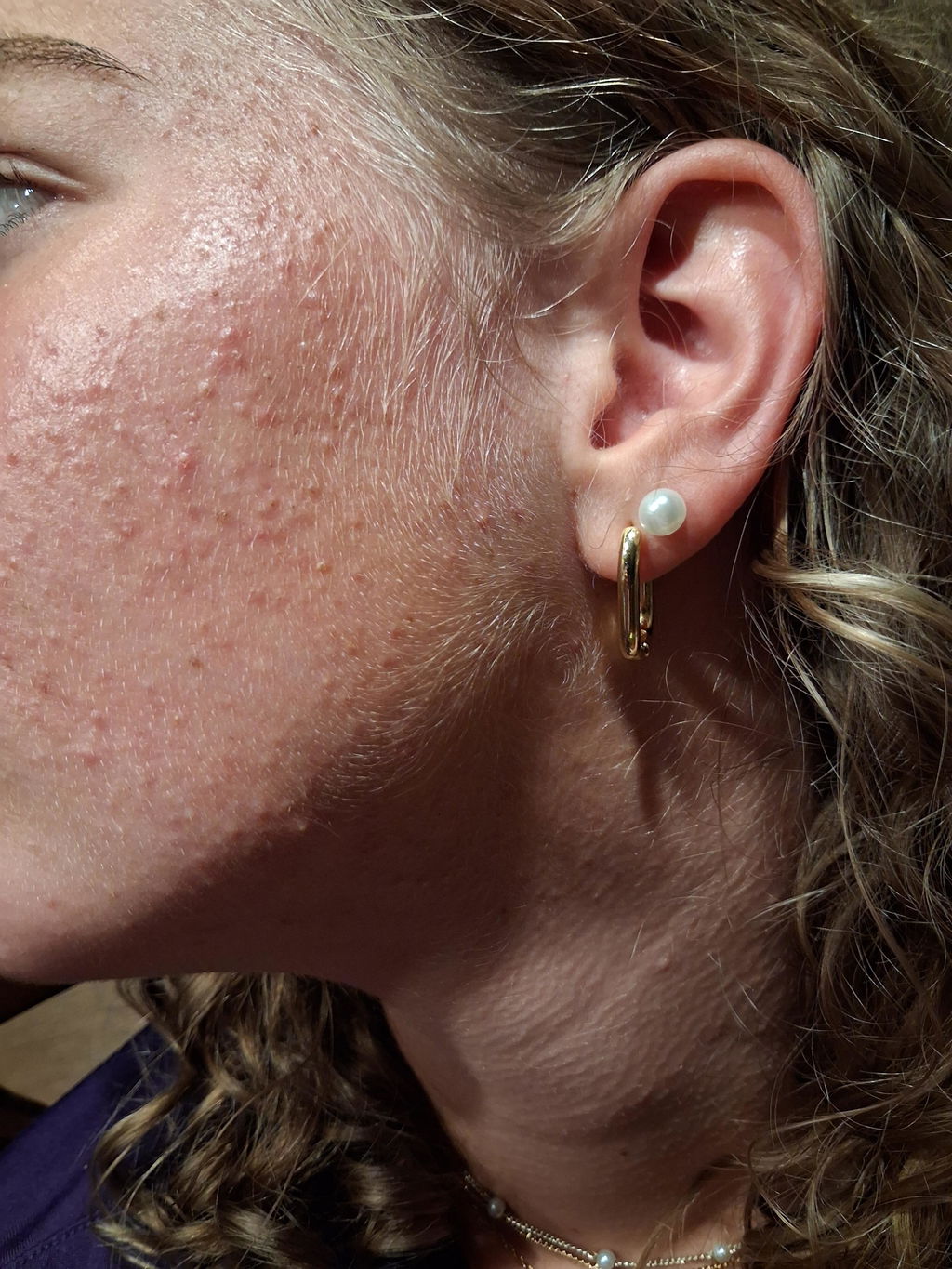
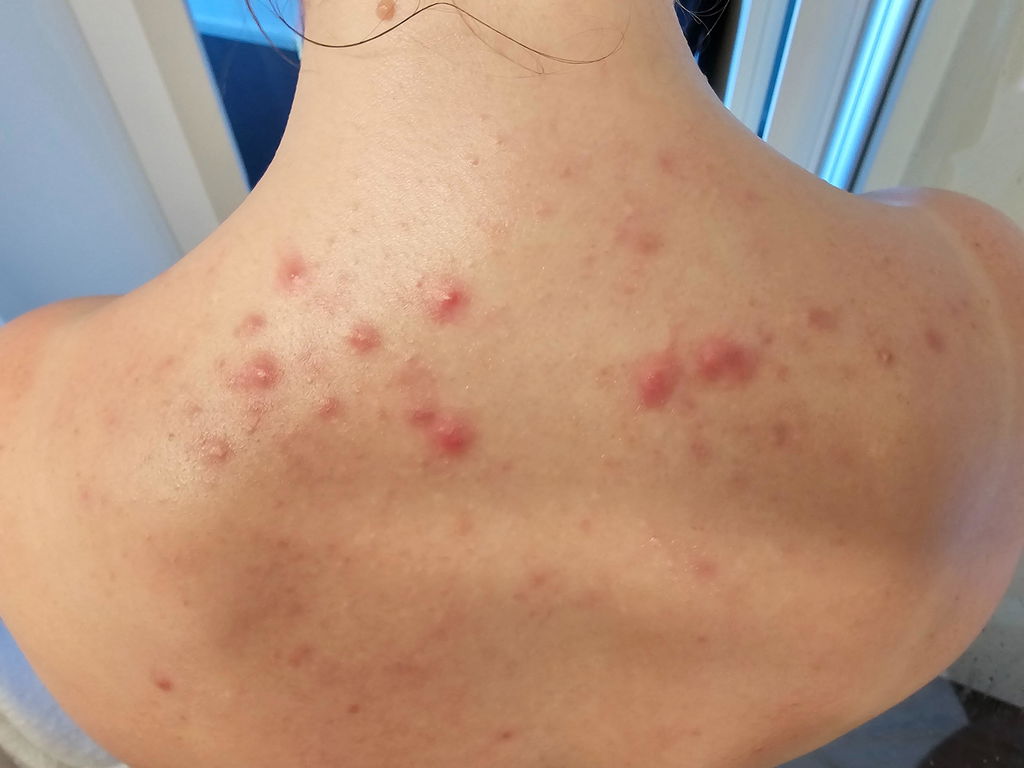
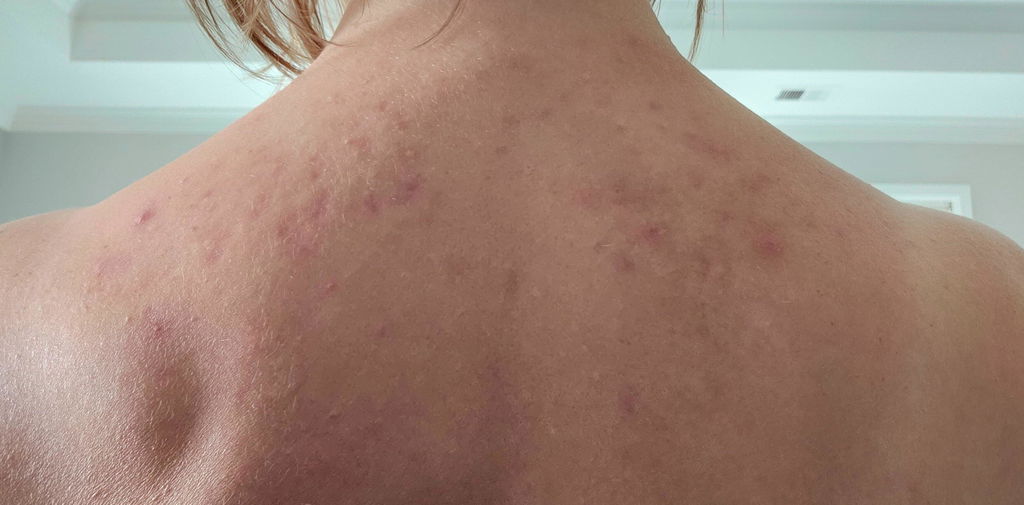
I sat in my dermatologist's office at 28, staring at a third prescription for doxycycline. Six months on antibiotics. Two rounds of tretinoin. And my skin still broke out like clockwork every cycle. When I asked her about zinc, she shrugged. When I mentioned gut health, she changed the subject. When I brought up the omega-3 trial I'd just read in Lipids in Health and Disease, she said, "That's not really evidence-based."
It was, though. I had the PDF on my phone.
That's the moment I realized something most women with adult acne figure out eventually — your dermatologist isn't lying to you. She's just trained inside a system that rewards prescription pads and dismisses nutrition. Medical school dedicates an average of 19 hours to nutrition across four years. Nineteen. Hours.
Meanwhile, peer-reviewed research on supplements for acne has been quietly stacking up for two decades. So I'm going to walk you through the exact acne supplement stack I built — one cited paper at a time — and explain why each piece matters more than the next round of antibiotics.
Why Dermatologists Default to Antibiotics and Retinoids
It's not a conspiracy. It's a training pipeline.
Dermatology residency teaches the lesion, not the body. You learn to identify, classify, and prescribe. The textbook protocol for moderate inflammatory acne is topical retinoid + topical or oral antibiotic + hormonal modulation (spironolactone or birth control). That's the algorithm. It's been the algorithm since the 1980s.
The problem is that acne is an inflammatory and microbial condition driven from the inside. Sebum overproduction, follicular hyperkeratinization, Cutibacterium acnes overgrowth, and chronic inflammation all map upstream to insulin signaling, gut permeability, the omega-6 to omega-3 ratio, micronutrient depletion, and HPA-axis stress.
You can crush the symptom with doxycycline. You're also annihilating your gut microbiome — the same microbiome that regulates skin inflammation. Six months later you're off the antibiotic and the acne returns angrier than before, but now with antibiotic-resistant bacteria and a destroyed gut.
That's why topical-only approaches fail. You're sanding the wallpaper of a house on fire.
———
Zinc: The Mineral That Outperformed an Antibiotic in Clinical Trial
If I could only choose one supplement for acne, it would be zinc.
In a randomized controlled trial published in Dermatology (Dréno et al., 2001), researchers compared 30 mg of zinc gluconate to 100 mg of minocycline in 332 patients with inflammatory acne. After three months, the zinc group reduced inflammatory lesion counts by 49.8%. The antibiotic edged ahead at 63.4% — but zinc delivered the result with none of the gut destruction, photosensitivity, or antibiotic resistance.
A separate trial (Verma et al., 1980) showed similar reductions using zinc sulphate. The mechanism? Zinc inhibits C. acnes growth, reduces 5-alpha-reductase (which lowers DHT-driven sebum), and modulates the neutrophil chemotaxis that creates inflammatory papules.
Dosage: 30 mg of zinc picolinate or bisglycinate daily, with food. Pair with 1–2 mg of copper after 8 weeks to prevent copper depletion. Most drugstore zinc is the oxide form — barely absorbable. Don't waste your money on it.
Omega-3 (EPA Specifically): The Inflammation Switch
Most acne supplement guides say "fish oil." They miss the point. The active anti-inflammatory in omega-3 for skin is EPA (eicosapentaenoic acid), not DHA.
The trial that sold me: Khayef et al., published in Lipids in Health and Disease (2012). Subjects took 2,000 mg of EPA + DHA daily for 12 weeks. Inflammatory acne lesions dropped significantly, and inflammatory cytokine markers (IL-1β, TNF-α) declined in parallel. A follow-up trial by Jung et al. (2014) in Acta Dermato-Venereologica showed 45% of subjects experienced clear improvement.
EPA converts into resolvins and protectins — the molecules your body uses to actively shut off inflammation. The modern Western diet is so loaded with omega-6 (seed oils, grain-fed meat) that the EPA pathway is starved. You're not just lacking omega-3; you're stuck in a permanent low-grade inflammatory state.
Dosage: 1,000–2,000 mg of EPA daily. Read the label carefully — most fish oils are heavier in DHA. Triglyceride form, not ethyl ester.
Vitamin D3 + K2: The Hormone Acne Patients Are Almost Always Low In
In 2016, Lim et al. published a case-control study in PLOS ONE comparing serum vitamin D in acne patients to healthy controls. Acne sufferers had significantly lower 25(OH)D levels — even after controlling for sun exposure. When they supplemented 1,000 IU daily for 8 weeks, inflammatory lesion counts dropped measurably.
Vitamin D isn't really a vitamin. It's a hormone that regulates over 200 genes, including the ones controlling sebocyte differentiation and immune response to C. acnes. If your serum 25(OH)D is below 40 ng/mL — and most indoor adults are — your skin is operating with a broken immune system.
Pair it with K2 in the MK-7 form at 100–200 mcg. K2 directs calcium into your bones and out of your soft tissue. Without K2, high-dose D3 routes calcium into the wrong places — including arteries and skin tissue, which can drive its own inflammation.
Dosage: 5,000 IU D3 + 200 mcg K2 (MK-7) daily, with a fatty meal. Get a 25(OH)D blood test every six months and adjust from there.
Sea Moss: Mineral Density for Skin Repair
This one isn't in the dermatology textbook because sea moss (Chondrus crispus) hasn't been studied in large randomized acne trials. What it has been studied for is mineral bioavailability — and that's where it earns a spot in the stack.
A 2019 compositional analysis in Marine Drugs documented sea moss as a natural source of 92 trace minerals including iodine, selenium, zinc, magnesium, and sulfur — all directly involved in skin barrier function, thyroid hormone synthesis, and phase-II liver detoxification. Iodine matters more than people realize. Subclinical hypothyroidism is one of the most overlooked drivers of hormonal acne in women, and most "clean eaters" are iodine-deficient because they avoid iodized salt without replacing the iodine elsewhere.
I started taking sea moss when I realized I was eating organic, whole-food, anti-inflammatory — and still mineral-depleted on bloodwork. Soil depletion means even organic produce now contains 40–60% fewer minerals than it did in 1950. Your skin needs raw material to rebuild, and sea moss delivers it in a form your body actually recognizes.
Dosage: 1–2 tsp of sea moss gel daily, or the equivalent in capsules. Source matters — wildcrafted from cold Atlantic waters, never pool-grown.
———
Gut Cleanse: Removing the Root Cause of Acne
Here's the part nobody at the dermatology office wants to discuss: your acne is probably starting in your gut.
Bowe and Logan's landmark review in Gut Pathogens (2011) compiled three decades of evidence connecting gut dysbiosis, intestinal permeability ("leaky gut"), and inflammatory skin conditions. Acne patients had a 54% rate of small intestinal bacterial overgrowth (SIBO) compared to under 10% in healthy controls. When the SIBO was treated, the acne resolved.
The mechanism is mechanical: undigested food particles and bacterial endotoxins (LPS) leak through a compromised intestinal wall, trigger systemic inflammation, and that inflammation manifests on the largest organ in your body — your skin.
This is why my entire protocol starts with a microbiome gut cleanse before adding any other supplement. You can pile on zinc, omega-3, and D3 all day long — but if your gut is leaking inflammatory compounds into your bloodstream every meal, you're filling a bucket with a hole in it.
The Max Detox protocol I built uses açai, activated binders, and gut-supporting fibers to pull out heavy metals, mycotoxins, and endotoxins over a structured 28-day reset. It's the foundation of the stack — without it, the rest of the supplements work at half power.
Collagen: Rebuilding the Skin You've Inflamed
Once you've calmed inflammation and sealed the gut, you need raw material to actually rebuild the dermis.
Proksch et al. published the definitive trial in Skin Pharmacology and Physiology (2014). Women aged 35–55 took 2.5–5 g of hydrolyzed collagen peptides daily for 8 weeks. Skin elasticity improved by 30%, with measurable increases in dermal collagen density confirmed by biopsy. Hydration improved. Fine lines softened.
For acne specifically, collagen helps in two ways: it rebuilds post-inflammatory scar tissue (the red and brown marks that linger for months after a breakout heals), and it strengthens the dermal matrix that holds your skin barrier together.
I use beauty collagen strips because they're easier to take consistently — and consistency is the whole game. A bottle of collagen powder you reach for twice a week does nothing. A daily strip protocol you actually take every morning for 60 days rebuilds the dermis.
Why Topical-Only Acne Treatments Fail Long-Term
Tretinoin works. Benzoyl peroxide works. Adapalene works. They all "work" — meaning they suppress visible lesions for as long as you keep using them.
The moment you stop, the acne returns. Because nothing has changed beneath the surface.
The dermal layer is fed from the inside. Sebocytes respond to hormones circulating in your blood. C. acnes feeds on the sebum your hormones produce. Inflammation cascades from your gut and immune system, not your face wash. A tallow-based topical can absolutely support your skin barrier overnight — but it's a finishing layer, not a root-cause fix.
If you want clear skin that stays clear, you have to fix the system that makes the skin.
———
The 12-Week Acne Supplement Stack: How to Actually Sequence It
Here's how I sequence the protocol with women I work with:
- Weeks 1–4: Gut cleanse + sea moss + omega-3. Reduce inflammatory load and refill the mineral tank.
- Weeks 5–8: Add zinc + vitamin D3/K2. Calm the immune response, modulate sebum production.
- Weeks 9–12: Add collagen. Rebuild the dermis. By this phase your breakouts have slowed dramatically — this stage repairs the damage already done.
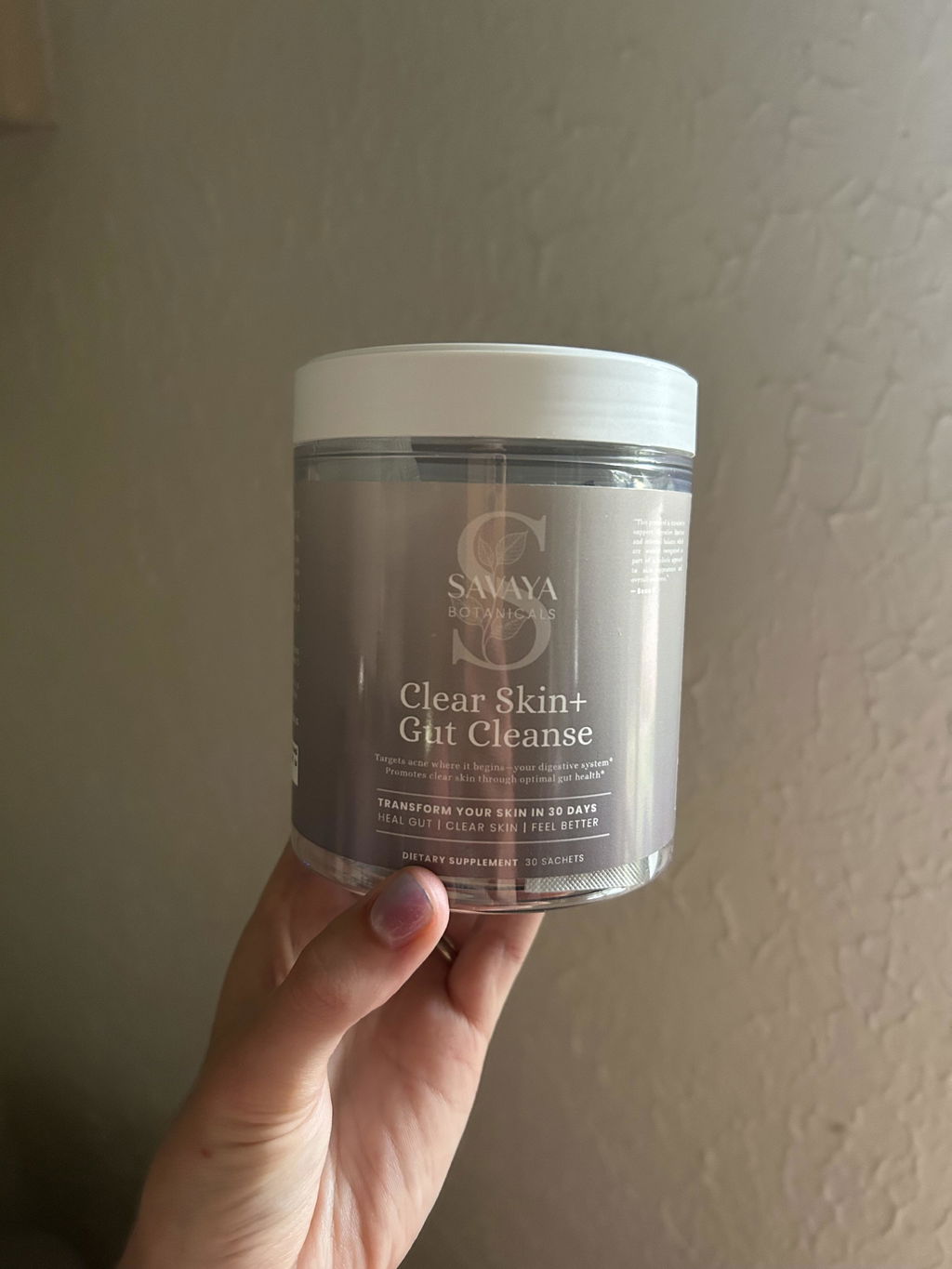
The daily Clear Skin+ Max Detox blend helps support that same foundation from the inside. You cannot rebuild a house while the foundation is on fire.
Ready to Start? Here's the Move.
If you've been on antibiotics for more than three months, you've already done damage to your gut. The first step is restoring the microbiome — because nothing else in this protocol fully works until that's handled.
Start your day with the Clear Skin+ Max Detox, a daily acai-based blend that helps support the body's natural detox process. I just add it to my morning routine — no schedule to track, no steps to sequence. Simple as that.
Frequently Asked Questions About Acne Supplements
How long until I see results from acne supplements?
Most women notice reduced inflammation within 2–3 weeks (especially from omega-3 and zinc). Visible reduction in breakouts typically begins at week 4–6. Full skin recomposition takes 12 weeks because that's the cycle time of dermal skin cell turnover plus collagen rebuilding. Stop before week 12 and you'll see partial results that fade.
Can I take all these acne supplements together?
Yes — but timing matters. Take zinc with food, away from high-calcium meals (calcium competes for absorption). Omega-3 and vitamin D3/K2 both need a fatty meal for absorption. Sea moss and collagen can be taken any time of day. Always start with the gut cleanse before stacking the rest — otherwise absorption is compromised and you waste expensive supplements.
Do I need to stop my prescription acne medication first?
No. This stack is designed to work alongside conventional treatment, then replace it as your skin clears. Many women taper off antibiotics or topical retinoids around weeks 8–10 of the protocol under their dermatologist's supervision. Never stop spironolactone, Accutane, or hormonal birth control without medical guidance.
Is sea moss safe to take daily for acne?
For most people, yes. The exception is anyone with hyperthyroidism or who takes thyroid medication — sea moss contains iodine, which can interact. If you have a thyroid condition, get your TSH and free T4 checked before starting and talk to your provider about iodine intake.
Why don't most dermatologists recommend this supplement protocol?
Dermatology training focuses on lesion-level intervention rather than systemic root causes. The supplements in this protocol are not patentable and not dispensed through pharmacies, which means they sit outside the standard insurance and prescription framework most dermatologists operate within. The clinical research exists — it just isn't taught in the standard medical school nutrition curriculum, which averages 19 hours over four years of training.