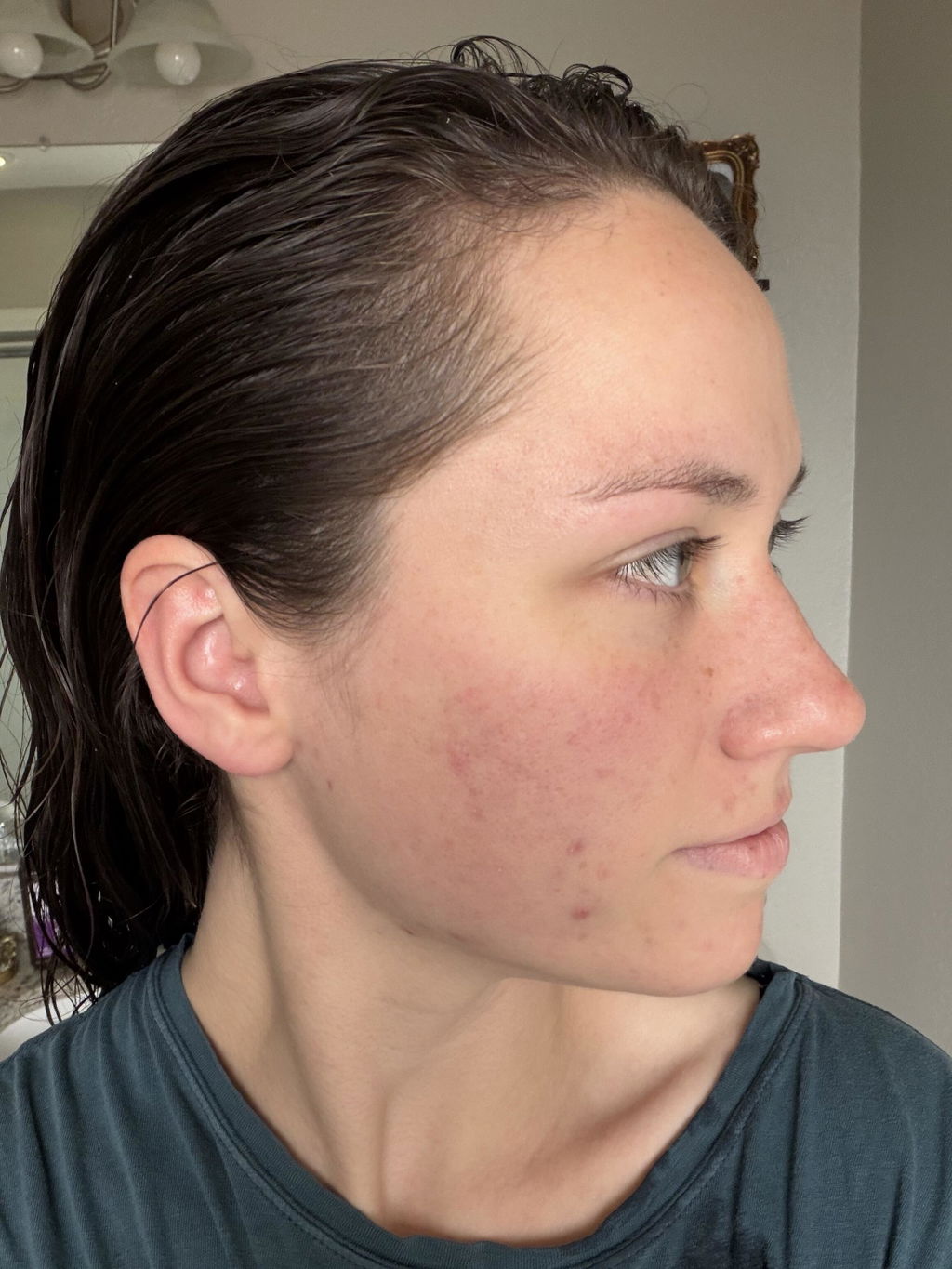
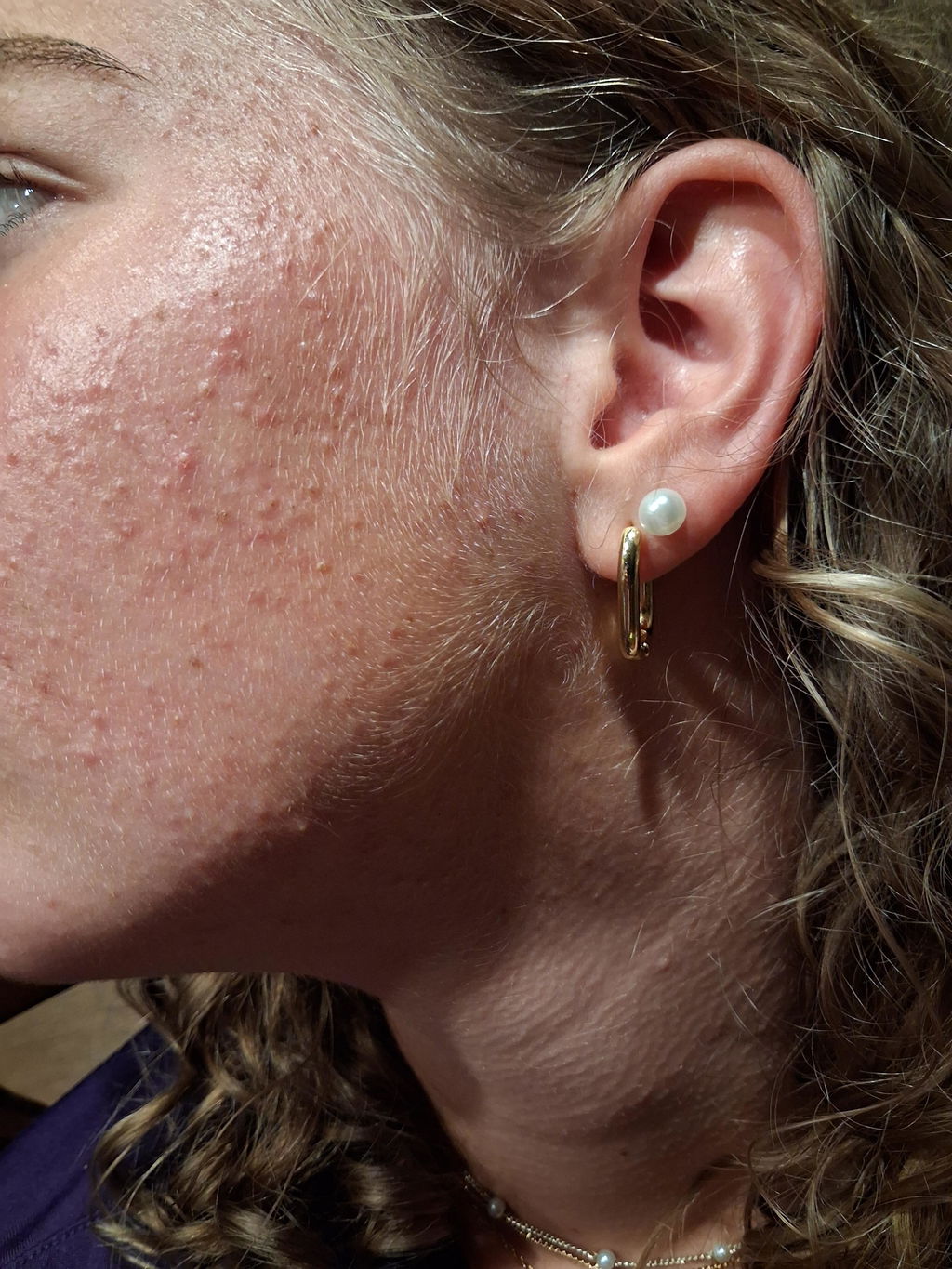
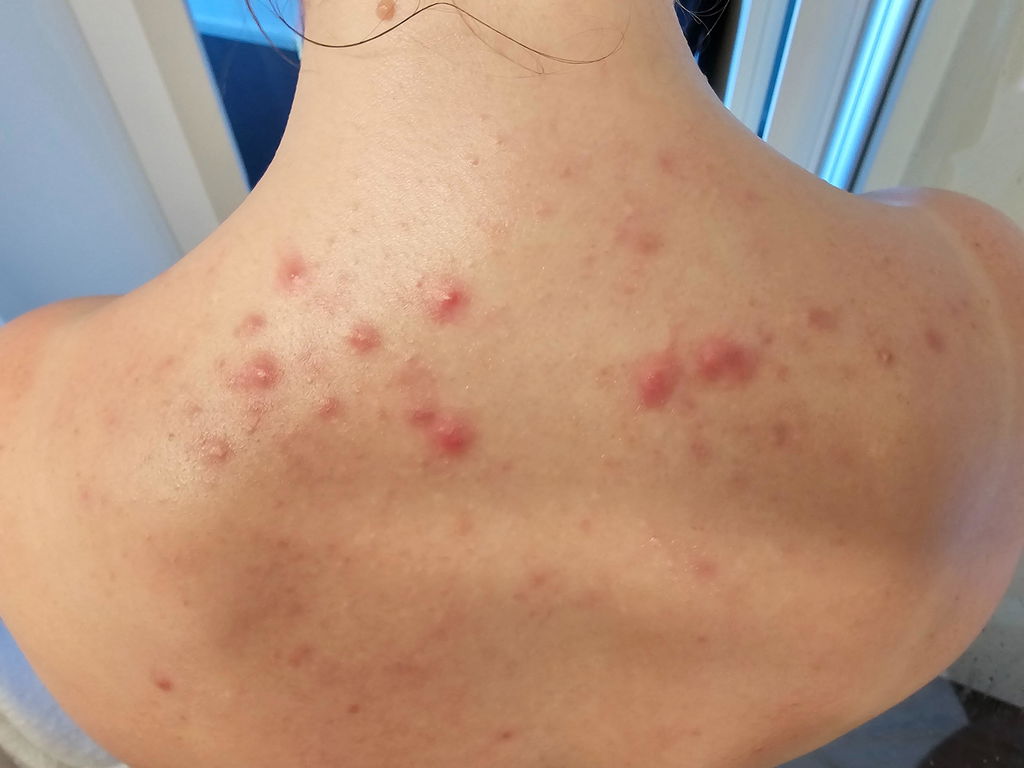
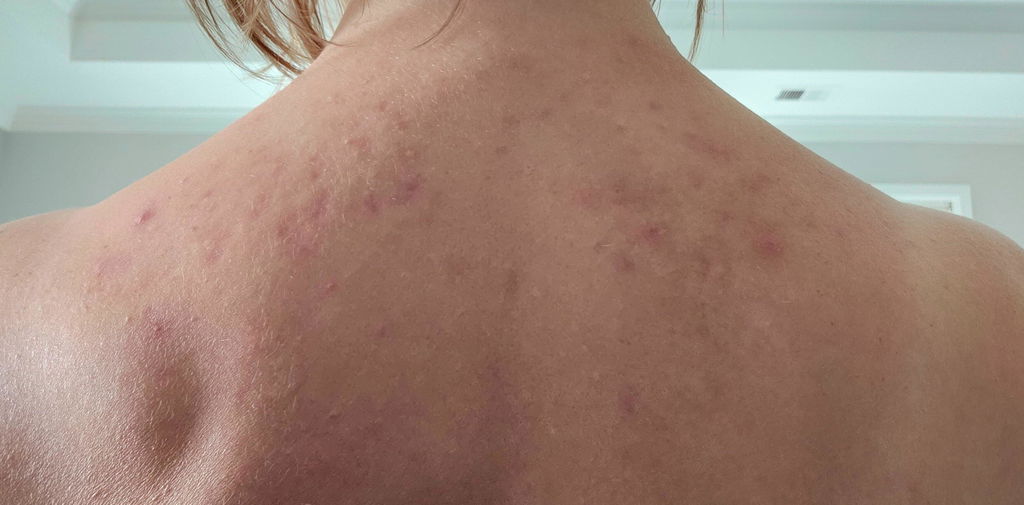
I spent $4,200 on dermatologist visits in one year. Three rounds of antibiotics. Two retinoid prescriptions. A chemical peel that left my skin raw for two weeks. And you know what finally cleared my acne? A $35 jar of sea moss and a gut cleanse I found at 2 AM on a Tuesday.
I'm not telling you this to be dramatic. I'm telling you because I wish someone had told me sooner that the answer wasn't another prescription — it was a supplement stack that addressed what was actually going wrong inside my body. And the frustrating part? The clinical research supporting these supplements has been available for years. Most dermatologists just never mention it.
After two years of trial, error, and deep-diving into PubMed at midnight, I've built a six-supplement protocol that targets the actual root causes of acne — inflammation, mineral deficiency, gut dysbiosis, and compromised skin barrier function. Every single one is backed by a published clinical trial. Here's the full breakdown.
———
Why Topical-Only Approaches Fail (And Your Dermatologist Won't Say It)
Here's what nobody in the dermatology office explains: acne is an inside-out condition. Your skin is the largest organ in your body, and it's also the last organ to receive nutrients. When something is off internally — chronic inflammation, a leaky gut, mineral depletion — your skin is the first place it shows up and the last place it heals.
Topical treatments like benzoyl peroxide, salicylic acid, and prescription retinoids work on the surface. They reduce bacteria on the skin, unclog pores, and speed up cell turnover. But they do absolutely nothing to address why your pores are clogging in the first place, why your sebum production is in overdrive, or why your body is stuck in an inflammatory loop.
It's like mopping the floor while the faucet is still running.
The supplement stack below works from the inside out. It targets inflammation at the cellular level, replenishes the minerals your skin is starving for, repairs your gut lining (which directly communicates with your skin through the gut-skin axis), and gives your body the raw materials to rebuild healthy tissue. A quality tallow-based skin barrier cream can support the process from the outside — but the real transformation happens internally.
———
1. Zinc Picolinate: The Anti-Inflammatory Mineral Most People Are Deficient In
Dosage: 30mg zinc picolinate daily (with food, paired with 2mg copper to prevent depletion)
Zinc is the single most studied mineral for acne — and it's the one I wish I'd started with. A 2012 randomized controlled trial published in Dermatology Research and Practice found that participants taking 30mg of zinc gluconate daily for 8 weeks experienced a 49.8% reduction in inflammatory acne lesions. That's nearly half — from a mineral supplement.
Zinc works through multiple pathways: it reduces inflammatory cytokines (TNF-alpha and IL-6), regulates sebum production by modulating 5-alpha reductase activity, and supports wound healing so existing breakouts resolve faster. Studies consistently show that people with acne have lower serum zinc levels than those with clear skin.
The reason dermatologists don't recommend zinc? They're trained in pharmacology, not nutrition. Medical schools dedicate an average of 19.6 hours to nutrition education across four years. That's less than one full day. Zinc doesn't have a pharmaceutical rep walking into their office with free samples.
I take zinc picolinate specifically because it has the highest absorption rate among zinc forms. Zinc oxide and zinc sulfate — the types in most cheap supplements — absorb poorly and cause nausea. Picolinate absorbs 3-4x better.
———
2. Omega-3 Fatty Acids: Why EPA Dosage Matters More Than Total Fish Oil
Dosage: 2,000mg EPA daily (not total fish oil — specifically EPA)
Most people buy fish oil and think they're covered. They're not. The specific omega-3 that fights acne is EPA (eicosapentaenoic acid), and you need a therapeutic dose — not the 180mg of EPA hiding in a standard 1,000mg fish oil capsule.
A 2012 study published in Lipids in Health and Disease followed 45 participants with mild-to-moderate acne over 10 weeks. The group supplementing with omega-3s (specifically high-EPA formulations) showed significant improvement in both inflammatory and non-inflammatory acne lesions. The mechanism? EPA directly competes with arachidonic acid — the omega-6 fatty acid that fuels the inflammatory cascade behind cystic breakouts.
The Western diet delivers an omega-6 to omega-3 ratio of roughly 20:1. Our ancestors ate closer to 2:1. That massive inflammatory imbalance is one of the key drivers of chronic acne that never fully clears. High-dose EPA helps correct the ratio from the inside.
When I added 2,000mg EPA to my stack, the deep, painful cysts along my jawline — the kind that take weeks to surface and weeks to heal — stopped forming within three weeks. That alone was worth the entire protocol.
———
3. Vitamin D3 + K2: The Hormonal Acne Regulator Nobody Talks About
Dosage: 4,000 IU D3 + 100mcg K2 (MK-7 form) daily
Vitamin D isn't just for bones. It's a secosteroid hormone that directly regulates your immune system, your inflammatory response, and your skin's antimicrobial defense. A 2016 study in PLOS ONE found that 48.8% of acne patients were vitamin D deficient, compared to 22.5% of controls. After supplementation with 1,000 IU daily for two months, the acne group showed statistically significant improvement in inflammatory lesion count.
I use 4,000 IU — four times the amount used in that study — because I tested my levels and they were at 22 ng/mL (deficient). Most functional medicine practitioners target 50-70 ng/mL for optimal skin health. The difference between adequate and optimal is where the magic happens.
K2 is non-negotiable alongside D3. Vitamin D increases calcium absorption, and without K2 to direct that calcium into bones and teeth, it can deposit in soft tissues and arteries. K2 in the MK-7 form has a longer half-life and is the most studied form for this purpose. They're partners — never take one without the other.
D3+K2 also helps regulate androgens, which is why this combination is particularly effective for hormonal acne along the chin and jawline.
———
4. Sea Moss: 92 Minerals Your Skin Is Starving For
Dosage: 1-2 tablespoons of sea moss gel daily, or equivalent capsule form
This is the supplement that changed everything for me. Sea moss (Chondrus crispus) contains 92 of the 102 minerals your body needs — including zinc, sulfur, selenium, and iodine — in bioavailable, whole-food form. It's not a multivitamin manufactured in a lab. It's concentrated ocean nutrition that your body actually recognizes and absorbs.
A 2015 study published in Marine Drugs confirmed that red seaweeds including Chondrus crispus contain significant concentrations of bioactive compounds with anti-inflammatory, antioxidant, and antimicrobial properties. The sulfated polysaccharides in sea moss (carrageenan) have been shown to modulate immune response and reduce systemic inflammation — the exact mechanisms that drive persistent acne.
What makes sea moss different from a standard multivitamin is mineral synergy. These 92 minerals didn't arrive in isolation — they exist in the same ratios and forms that ocean life has optimized over millions of years. Your thyroid needs iodine, your skin needs sulfur, your immune system needs selenium. Sea moss delivers all of them simultaneously in a form your body recognizes as food, not a synthetic chemical.
I add sea moss to my morning smoothie every day. Within two weeks of starting, the texture of my skin changed — less congested, less bumpy, more even-toned. It wasn't dramatic overnight, but it was consistent and progressive.
———
5. Gut Cleanse: Removing the Root Cause of Recurring Breakouts
Protocol: 14-30 day targeted gut cleanse, followed by probiotic restoration
If your acne keeps coming back — you clear it, it returns, you clear it, it returns — your gut is almost certainly involved. The gut-skin axis is one of the most well-documented connections in dermatological research, and it explains why antibiotics sometimes "work" temporarily: they kill bacteria in your gut, which briefly reduces the inflammatory signals reaching your skin. But they also destroy your beneficial bacteria, which eventually makes the problem worse.
A landmark 2018 study in Gut Pathogens demonstrated that acne patients have significantly altered gut microbiome profiles compared to clear-skin controls, with reduced microbial diversity and elevated markers of intestinal permeability (leaky gut). When the gut barrier is compromised, bacterial endotoxins enter the bloodstream and trigger systemic inflammation — which manifests as acne, eczema, rosacea, and other skin conditions.
A proper gut cleanse removes accumulated waste, reduces pathogenic bacteria, and creates space for beneficial microbes to recolonize. It's not about starving yourself or drinking cayenne lemon water for a week. It's about strategically removing what shouldn't be there so your gut lining can heal.
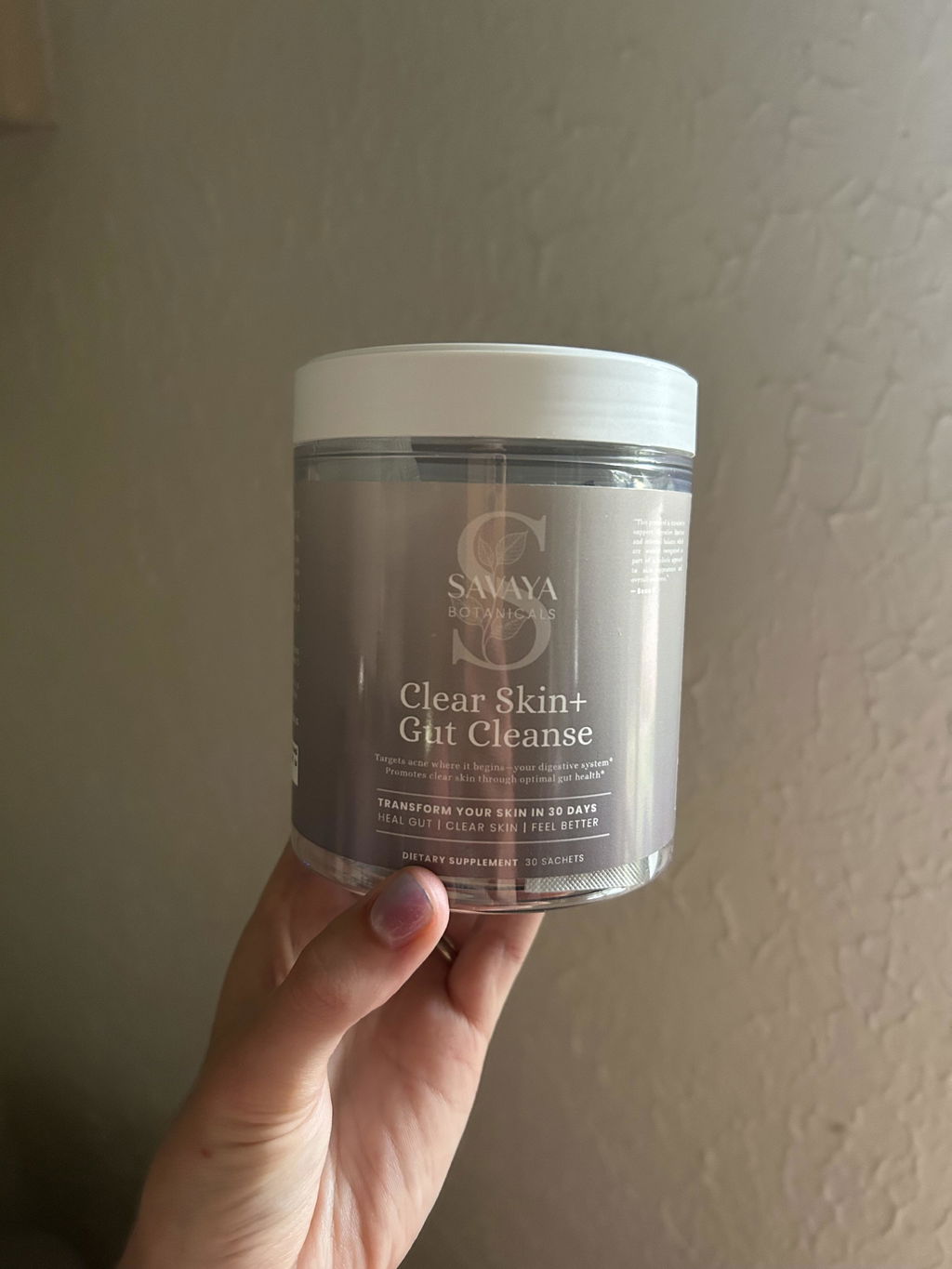
I did a 21-day gut cleanse before starting the rest of this stack, and I'd recommend the same. Think of it as preparing the soil before planting seeds — if your gut can't absorb the supplements you're taking, you're flushing money down the drain. Alongside that, I also added Clear Skin+ Max Detox, a daily acai blend that helps support your body's natural detox process.
———
6. Collagen: Rebuilding Skin Tissue From the Inside Out
Dosage: 5-10g hydrolyzed collagen peptides daily
Once you've addressed inflammation, mineral deficiency, and gut health, your skin needs raw materials to actually rebuild. That's where collagen comes in. Your skin is 75-80% collagen by dry weight, and production starts declining in your mid-20s at a rate of about 1% per year.
A 2019 randomized, double-blind, placebo-controlled trial published in Nutrients found that women taking 2.5-5g of collagen peptides daily for 8 weeks showed significant improvement in skin elasticity, hydration, and dermal collagen density compared to placebo. For acne specifically, collagen supports tissue repair, reduces post-inflammatory hyperpigmentation (those dark marks left behind by breakouts), and strengthens the dermal matrix so your skin is more resilient to future damage.
I use collagen strips because they're convenient and they dissolve on your tongue — no mixing, no shaker bottles, no gritty texture in my morning coffee. They've become the easiest part of my routine.
Collagen is the finishing layer of this stack. The other five supplements reduce inflammation, restore minerals, and heal your gut. Collagen gives your skin the building blocks to physically regenerate clear, healthy tissue.
———
Why Dermatologists Default to Antibiotics and Retinoids Instead
I want to be clear: I'm not anti-dermatologist. They're trained professionals who help millions of people. But their training has a specific lens — and that lens is pharmacological intervention.
Dermatologists operate within a system that prioritizes prescriptions because that's what insurance covers, what clinical guidelines recommend, and what they learned in residency. The American Academy of Dermatology's acne treatment guidelines focus almost exclusively on topical retinoids, benzoyl peroxide, antibiotics, isotretinoin, and hormonal therapies. Nutritional interventions are mentioned briefly, if at all.
There are structural reasons for this. Pharmaceutical companies fund research, sponsor continuing education, and provide clinical samples. Supplement companies don't have the same budgets or incentive structures. The result is a knowledge gap — not a conspiracy, just an economic reality that shapes what information reaches your dermatologist's desk.
Add to this the time constraints of a 15-minute appointment. It's faster to write a prescription for doxycycline than to explain a six-supplement protocol with specific dosages, forms, and timing. The system isn't designed for nuance.
But the research exists. The clinical trials are published. And thousands of women — myself included — have cleared persistent acne using nutritional strategies after years of topical-only treatment.
———
The Full Supplement Stack Protocol (My Daily Routine)
Morning (with breakfast):
- 30mg zinc picolinate + 2mg copper
- 2,000mg EPA (omega-3)
- 4,000 IU vitamin D3 + 100mcg K2
- 1-2 tbsp sea moss gel in smoothie
Afternoon:
- Collagen strips (dissolve on tongue)
Starting protocol:
- Weeks 1-3: Gut cleanse phase (remove before you rebuild)
- Weeks 4-12: Full supplement stack + probiotic restoration
- Week 12+: Maintenance dosages
I saw noticeable improvement by week 4, significant clearing by week 8, and the kind of skin I'd stopped believing was possible for me by week 12. Your timeline may be different — this isn't overnight magic. It's systematic repair.
———
Ready to Start Your Inside-Out Skin Protocol?
If you're tired of prescriptions that mask symptoms without fixing the cause, start with the foundation: clean your gut, replenish your minerals, support your body's natural balance. Clear Skin+ Max Detox is the daily acai-based blend I turned to for that foundation, the same daily habit I still rely on after years of topical-only treatment.
Your skin isn't broken. It's trying to tell you something. Start listening.
———
Frequently Asked Questions
Can supplements really clear acne without prescription medication?
Yes — clinical trials have demonstrated that supplements like zinc, omega-3 (EPA), and vitamin D3 can significantly reduce inflammatory acne lesions. A 2012 study in Dermatology Research and Practice showed a 49.8% reduction in acne from zinc supplementation alone. These work by addressing root causes like inflammation, mineral deficiency, and gut dysbiosis rather than just managing surface symptoms.
How long does it take to see results from a supplement stack for acne?
Most people notice initial improvement in skin texture and reduced inflammation within 2-4 weeks. Significant clearing typically occurs between weeks 6-8, with full results by week 12. Starting with a gut cleanse before layering in supplements tends to accelerate results because improved gut health means better nutrient absorption.
Why don't dermatologists recommend supplements for acne?
Dermatologists are trained primarily in pharmacological interventions. Medical school includes an average of 19.6 hours of nutrition education over four years. Clinical guidelines from organizations like the American Academy of Dermatology focus on topical treatments, antibiotics, and retinoids. The research supporting supplements exists but isn't part of standard dermatological training or insurance-covered treatment protocols.
What is the gut-skin axis and how does it affect acne?
The gut-skin axis is the bidirectional communication pathway between your digestive system and your skin. Research published in Gut Pathogens (2018) found that acne patients have altered gut microbiome profiles with reduced diversity and increased intestinal permeability. When the gut barrier is compromised, bacterial toxins enter the bloodstream and trigger systemic inflammation that manifests as acne, eczema, and other skin conditions.
Is it safe to take zinc, omega-3, vitamin D3, and sea moss together?
Yes, these supplements are generally safe to take together and actually work synergistically. Zinc and omega-3 both target inflammation through different pathways. Vitamin D3 regulates immune function while K2 ensures proper calcium metabolism. Sea moss provides 92 trace minerals that support overall absorption. The key is using proper forms (zinc picolinate, EPA-dominant omega-3, D3 with K2 as MK-7) and taking them with food for optimal absorption.