I spent four years treating my skin from the outside. Every serum. Every clay mask. Every "barrier repair" routine the wellness world swore by. My cheeks kept breaking out in the same two spots on a four to six week cycle, and I kept layering on a barrier-repairing tallow cream at night to calm the surface. The surface got better. The breakouts came back. Then I looked at my gut, and the mirror finally made sense.
What leaky gut actually is
Leaky gut, more properly called intestinal permeability, is a loss of selective barrier function in the small intestine. The tight junctions between gut cells loosen, letting undigested proteins, microbial fragments, and lipopolysaccharide slip into circulation. The immune system reacts to those passengers, and inflammation shows up far from the gut itself.
Your gut lining is a single cell thick. Think about that. One layer of epithelial cells, sealed together by tight junctions. The tight junction is built from a family of proteins called claudins, which decide what size and charge can pass through, along with occludin and tricellulin. On the inside of the cell, scaffolding proteins known as ZO-1, ZO-2, and ZO-3 link those junctions to a ring of actomyosin that physically contracts to open or close the gate.
In 2000, Alessio Fasano and his team at the University of Maryland identified zonulin, the first described human protein that modulates those junctions on purpose. Zonulin turned out to be pre-haptoglobin-2 in the blood. It signals through EGFR and PAR2 receptors, the actomyosin ring contracts, and the gate opens. His 2011 Physiological Reviews paper, "Zonulin and its regulation of intestinal barrier function," laid out the full pathway.
Two things reliably crank zonulin up. Certain gut bacteria. And gliadin, the alcohol-soluble protein in wheat gluten. Lammers and colleagues showed in Gastroenterology in 2008 that gliadin binds a receptor called CXCR3 on gut cells and releases zonulin in both celiac and non-celiac tissue. The gate opens for everyone. It just stays open longer in some of us.
Why your skin pays for your gut
The gut-skin axis is the two-way loop between gut barrier function, the microbiome, and skin inflammation. When the barrier leaks, LPS from Gram-negative bacteria slips into circulation and activates TLR4 on immune cells. The resulting cytokines (IL-1β, IL-6, TNF-α) prime follicular inflammation, raise cortisol, and push sebocytes to produce more oil.
Stokes and Pillsbury first proposed this link in 1930. Bowe and Logan revived it in 2011 in Gut Pathogens with "Acne vulgaris, probiotics and the gut-brain-skin axis." Four decades is a long time for an idea to sit in a drawer.
Here is the chain, simplified. Gut barrier opens. LPS crosses into blood. TLR4 fires. The HPA axis joins in because inflammation is a stress signal. Cortisol climbs. Sebocytes have CRH receptors, so cortisol literally pushes them to pump out more oil. Meanwhile the insulin and IGF-1 pathway, often ramped up by refined carbs and dysbiosis, suppresses FoxO1 and activates mTORC1 in those same sebocytes. More oil. Stickier keratinocytes. Clogged follicles.
Your skin is a billboard for your gut. By the time inflammation shows up on your face, the fire has been quietly burning somewhere else for months.
The short-chain fatty acids a healthy gut produces, butyrate, acetate, and propionate, do the opposite. They tighten the barrier, calm NF-κB signaling, and induce regulatory T cells. When fiber-fermenting species like Faecalibacterium drop out, SCFAs drop with them. The brakes are gone.
How to tell if your gut is leaking
No single test is definitive. The lactulose/mannitol urinary ratio is the research standard but hard to find clinically. Serum or stool zonulin is widely offered by functional labs, with real caveats. Comprehensive stool panels add context on dysbiosis and inflammation. Most practitioners triangulate symptoms, history, and labs rather than lean on one number.
The lactulose/mannitol test asks you to drink two sugars your body cannot metabolize. Mannitol is small, lactulose is larger. A healthy barrier absorbs the mannitol and keeps most of the lactulose out. An elevated ratio in your urine means your gates are leaking. Downsides: not every lab offers it, cutoffs vary, and renal function and transit time muddy the numbers.
Serum zonulin is marketed as the simple version. Honest note. Fasano himself has publicly cautioned that many commercial ELISA assays cross-react with other haptoglobin-related proteins and complement C3. Treat an elevated result as a signal, not a verdict.
Stool panels like GI-MAP (qPCR) and GI Effects (culture plus PCR) report calprotectin, secretory IgA, beta-glucuronidase, dysbiosis patterns, and zonulin. They paint a picture rather than deliver a yes or no answer. For a complicated case, I usually start there.
When testing is not accessible, I work from a pattern. Bloating. Food reactions. Skin issues. Fatigue. Brain fog. Joint pain. Known triggers like NSAID use, antibiotics, a prior gut infection, or two years of hard stress. If most boxes get checked, we do not need a lab to justify the plan.
• • •
Phase 1: Remove
Remove is the first phase of the Institute for Functional Medicine's 4R protocol, developed by Jeffrey Bland. For four to six weeks you pull out foods and inputs that irritate the lining or feed dysbiosis. Nothing fancy. Just the handful of inputs most consistently linked to barrier compromise.
Foods out: gluten (wheat, barley, rye), dairy (especially A1 casein), refined sugar and high-fructose corn syrup, alcohol, and industrial seed oils like soybean, corn, canola, sunflower, and safflower. For sensitive clients I also remove eggs, soy, corn, and nightshades for the first month.
If there is active SIBO, Candida overgrowth, parasites, or H. pylori, this is also where you address it with targeted herbal antimicrobials or prescription support. Berberine, oregano oil, neem, and allicin for SIBO. Caprylic acid and pau d'arco for yeast. Mastic gum for H. pylori. The right protocol here matters more than any single supplement.
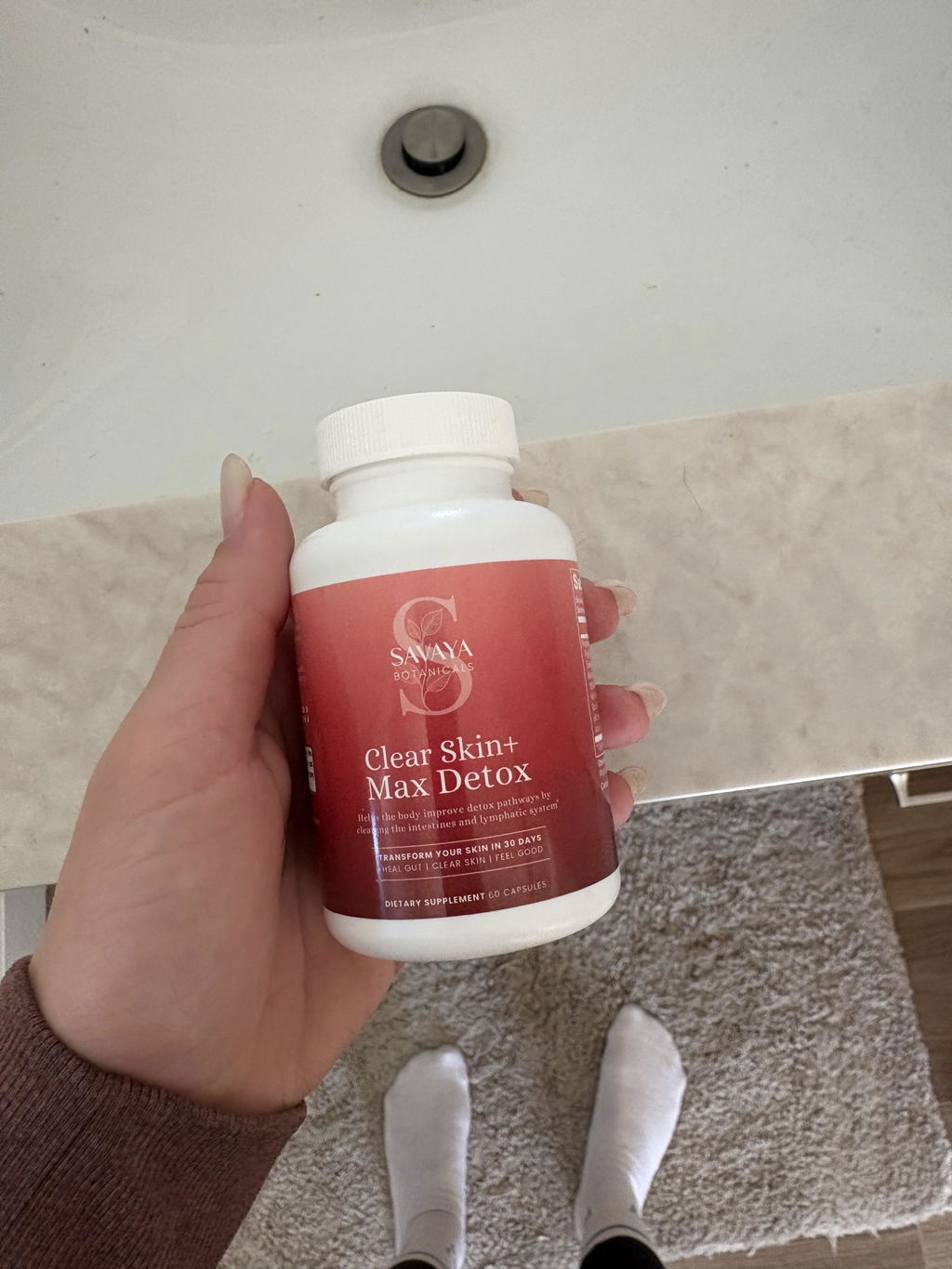
For most people without a known infection, I pair the elimination with a targeted gut cleanse that shifts bacterial balance without aggressive die-off. For clients whose history includes years of toxic exposure or stuck weight, a full detox protocol run over twelve weeks tends to produce more durable results.
Three removals that get skipped: chronic NSAIDs where you have a better option, chlorinated tap water (filter it), and the stress inputs you can actually control. Doomscrolling before bed counts.
Phase 2: Replace
Replace restores what your gut needs to actually digest food. Low stomach acid, weak enzymes, and poor bile flow mean even clean food irritates. You can eat perfectly and still leave the table bloated. This phase runs alongside Remove from about week two onward.
Here is what I reach for most. A broad-spectrum digestive enzyme with protease, lipase, amylase, and DPP-IV before meals. Betaine HCl with pepsin for low stomach acid, common after years of PPI use, after an H. pylori infection, and simply with age. Ox bile and taurine for anyone post-cholecystectomy or who tolerates fat poorly. Digestive bitters, gentian, dandelion, and artichoke, ten minutes before eating.
The free part matters just as much. Slow down. Twenty chews per bite. No phones at the table. Three deep breaths before the first forkful. Gargling and humming genuinely tone the vagus nerve. I know it sounds silly. It works anyway.
Phase 3: Reinoculate
Reinoculate repopulates beneficial flora once the irritants are gone and digestion is back online. The goal is diversity, not a single magic strain. Specific probiotic strains have real evidence, specific prebiotic fibers feed what is already there, and fermented foods bring in postbiotic compounds that calm the immune layer.
The strains I lean on: Lactobacillus rhamnosus GG for barrier function, Bifidobacterium longum for mood and inflammation, Saccharomyces boulardii after antibiotics or alongside SIBO work, Lactobacillus plantarum 299v for IBS-type symptoms, and Bifidobacterium infantis 35624 (the Align strain) for mixed IBS.
Prebiotics feed those populations. Start low. If you have untreated SIBO, prebiotic fiber can flare the exact symptoms you are trying to fix. Partially hydrolyzed guar gum is the gentlest. Inulin, resistant starch from green banana flour or cooled rice and potato, and GOS are others.
Fermented foods are postbiotic deliveries. Raw sauerkraut, kefir (dairy or coconut), kimchi, unpasteurized miso, water kefir. One tablespoon a day beats a tub twice a month. Which brings us to the phase that actually rebuilds the wall.
Phase 4: Repair
Repair is where you rebuild the mucosal lining and the tight junctions themselves. This phase runs from about week four to week twelve, overlapping with Reinoculate. The ingredients here are not glamorous. They are the raw materials your gut needs to physically reconstruct a barrier that has been eroding for years.
The repair stack. L-glutamine, five to fifteen grams per day, is the preferred fuel for enterocytes when they regenerate. Zinc carnosine, 75 mg twice daily, has strong evidence for mucosal repair and for H. pylori. Deglycyrrhizinated licorice (DGL), chewed before meals. Slippery elm and marshmallow root, demulcents that coat and soothe. Decolorized inner-leaf aloe vera. Bone broth and bioavailable collagen support for the glycine, proline, and hydroxyproline your lining literally rebuilds itself from.
Then the inflammation modulators. Omega-3s, two to four grams a day of combined EPA and DHA, calm mucosal inflammation. Vitamin A (retinol) and vitamin D are both direct regulators of tight junction integrity. Polyphenols from curcumin, quercetin, green tea EGCG, and pomegranate round the stack.
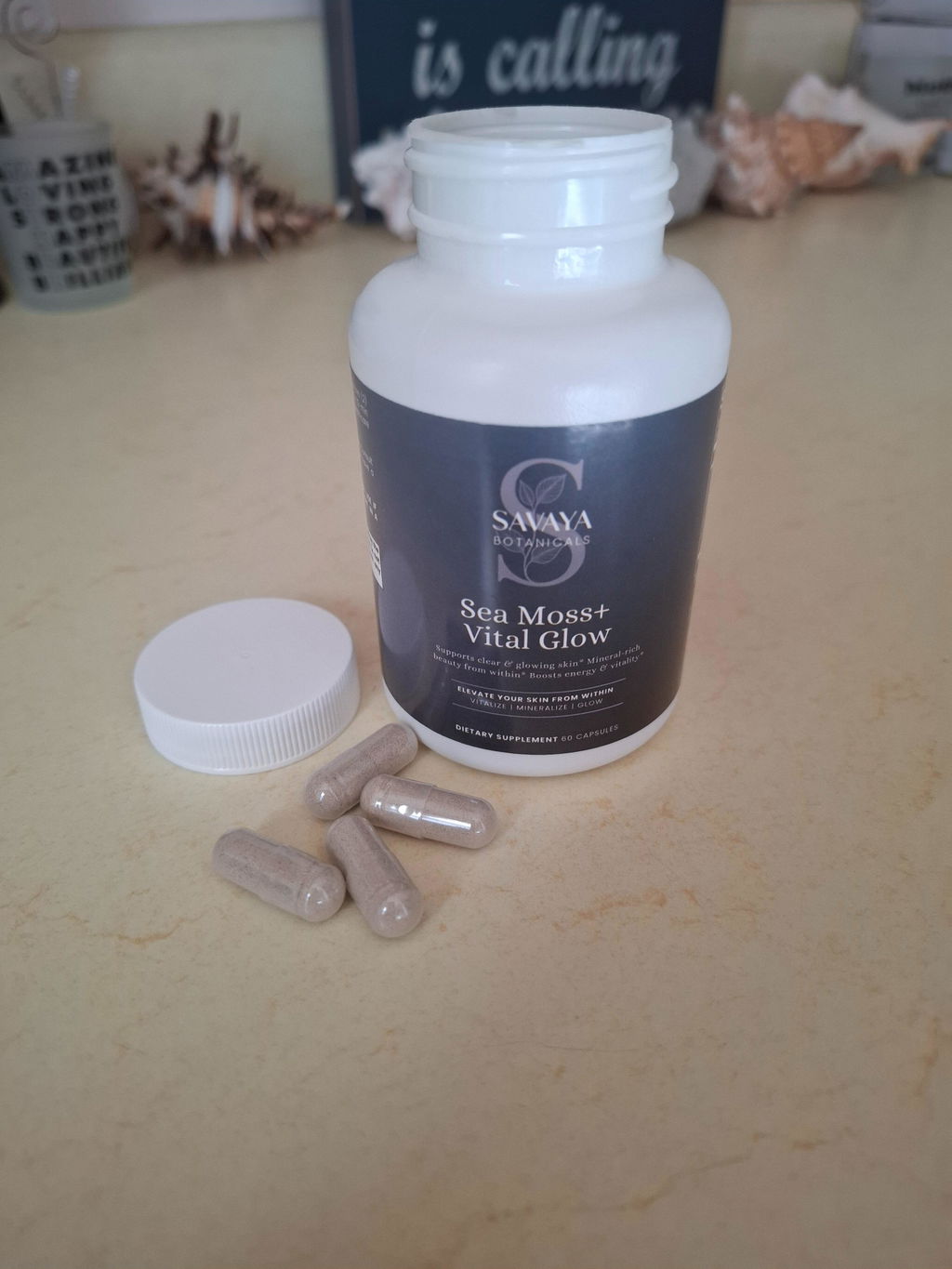
Minerals matter more here than people realize. Your mucosa is mineral-hungry, and most of us run short on magnesium, zinc, iodine, and the trace elements. 92 trace minerals from the ocean is one of the easiest ways to backfill those without juggling five more bottles.
The realistic 12-week timeline
Gut repair is not a two-week transformation. Keratinocyte turnover alone takes 28 to 40 days, so one full skin cycle is the earliest point at which comedones can resolve. Expect visible skin changes between weeks eight and sixteen, with the deepest work happening long after you feel better internally.
Here is what I usually see:
- Week 2. Bloating softens. Energy stabilizes mid-afternoon. Sleep deepens. Skin often looks worse before better. A short die-off window is normal.
- Week 4. Bowel movements regulate. Reflux and gas drop. Mood steadies. First inflammatory lesions start to flatten.
- Week 6. Food reactions quiet. Brain fog lifts. Skin tone evens out. Fewer new breakouts, but existing ones are still cycling through.
- Week 8. First full epidermal turnover complete. Inflammatory lesion count visibly down. Oil production shifts.
- Week 10. Post-inflammatory hyperpigmentation starts to fade. Clients report fewer food cravings and more stable energy.
- Week 12. Skin is calmer, more even, and holds up better around hormonal shifts. The gut tolerates careful reintroductions. Trigger foods become usable again, in moderation.
If you want the whole sequence held together without having to assemble it yourself, the 12-week gut-to-skin program walks the exact protocol in order, with the right supports at the right time. The gut has to be rebuilt before the skin can clear, and there is no shortcut around that cycle.
Frequently asked questions
The questions I hear most come down to five things. What leaky gut actually is. How long real repair takes. Whether supplements are required or optional. If gluten really matters. And whether the 4R protocol is safe to try on your own. Short, honest answers below.
What is leaky gut, in plain language?
Leaky gut is when the tight junctions sealing your intestinal lining loosen, letting partially digested food, microbial fragments, and bacterial toxins like LPS slip into the bloodstream. Your immune system reacts, and the resulting low-grade inflammation can drive issues as varied as acne, brain fog, joint pain, and food reactions.
How long does it take to support a leaky gut?
Most people need eight to twelve weeks of consistent work, longer if the gut has been inflamed for years or if there is an underlying issue like SIBO or H. pylori to address first. Symptoms often improve in the first few weeks, but tissue-level repair runs on a slower clock.
Can I rebuild my gut without supplements?
You can go a long way with food, sleep, stress work, and vagal tone practices alone. Removing gluten, dairy, refined sugar, alcohol, and seed oils does most of the heavy lifting. Targeted supplements like L-glutamine, zinc carnosine, and specific probiotics speed the repair phase but are not strictly required.
Does gluten really open the gut barrier?
Gliadin, the alcohol-soluble protein in gluten, triggers zonulin release in both celiac and non-celiac tissue, according to Lammers et al. in Gastroenterology, 2008. That is a transient effect in most people, but in someone with existing dysbiosis or barrier damage, repeated exposure keeps the gates open longer.
Is the 4R protocol safe to do on my own?
For most people without active disease, the 4R framework is a food-and-lifestyle protocol you can run yourself. If you have inflammatory bowel disease, celiac disease, severe SIBO, or you are pregnant or breastfeeding, slow the pacing, skip the antimicrobial pieces, and lean on the Remove and Repair phases first.