I Quit Sugar for 30 Days to Fix My Skin — Here's What Actually Happened to My Face
I wasn't planning on quitting sugar. I was standing in my bathroom at 11 PM, pressing my fingers against yet another cystic breakout along my jawline, when I realized something that stopped me cold: I'd spent over $4,000 on skincare in the past year, and my skin looked worse than ever.
That night, I did something I'd never tried in fifteen years of battling adult acne. I didn't order a new serum. I didn't book a facial. I opened my kitchen cabinets and started reading labels. What I found changed everything I thought I knew about clear skin — and it had nothing to do with what I was putting ON my face.
This is the story of my 30-day no-sugar experiment, the science behind why it worked, and exactly how you can do it yourself.
———
The Science Your Dermatologist Probably Never Mentioned
Before I walk you through my month, let me explain what sugar actually does beneath your skin — because once you understand this, you'll never look at a granola bar the same way.
Glycation and Collagen Breakdown
When you eat sugar, glucose molecules attach to proteins in your body through a process called glycation. This creates harmful compounds called Advanced Glycation End Products — appropriately nicknamed AGEs. These AGEs directly attack collagen and elastin, the two proteins responsible for keeping your skin firm, plump, and resilient.
Here's what makes this devastating: glycation turns flexible Type III collagen (the "youthful" kind) into stiff, brittle Type I collagen. Your skin literally ages faster from the inside out. And unlike sun damage, which you can see happening, glycation works silently for years before the results show up as sagging, dullness, and deep wrinkles.
The Insulin-Sebum Connection
Every time you eat sugar, your blood glucose spikes. Your pancreas floods your system with insulin to bring it back down. But insulin doesn't just manage blood sugar — it triggers the release of Insulin-like Growth Factor 1 (IGF-1), a hormone that directly stimulates your sebaceous glands to produce more oil.
More oil means more clogged pores. More clogged pores means more breakouts. It's that straightforward. IGF-1 also increases androgen activity and ramps up skin cell production, creating the perfect storm for acne. This is why so many women break out along their jawline and chin — it's hormonal, but the hormones are being driven by what's on your plate.
Sugar and Your Gut Microbiome
This is where it gets really interesting. A landmark study published in Cell Host & Microbe found that high-sugar diets dramatically reduce gut microbiome diversity — specifically depleting Bacteroidetes populations while feeding inflammatory bacteria. The researchers discovered that dietary sugar restructures the gut microbiome in ways that promote metabolic dysfunction and systemic inflammation.
Why does this matter for your skin? Your gut and skin are in constant communication through what's called the gut-skin axis. When your gut microbiome is out of balance, inflammatory signals travel through your bloodstream and show up as acne, rosacea, eczema, and premature aging. I'd been trying to fix my skin from the outside while the real problem was fermenting in my gut.
Restoring that microbial diversity became a cornerstone of my experiment. Alongside cutting sugar, I started supporting my gut with a targeted gut cleanse to help repopulate beneficial bacteria — and the combination made a noticeable difference faster than diet alone.
———
Hidden Sugars in "Healthy" Foods That Were Destroying My Skin
The first thing I did was audit my kitchen. I thought I ate fairly clean — smoothie bowls, yogurt parfaits, oat milk lattes. But when I started reading labels, I was genuinely shocked.
- My "healthy" granola: 14g of sugar per serving (that's 3.5 teaspoons)
- Flavored kombucha: 12g of sugar — almost as much as a can of soda
- Acai bowl from my favorite cafe: 48g of sugar in a single bowl
- Dried mango slices: 20g of sugar in a small handful
- Store-bought salad dressing: 6g of sugar per two tablespoons
- "No added sugar" oat milk: still 7g of sugar per cup from the oats themselves
I was consuming upwards of 80-90 grams of sugar daily while thinking I was making good choices. The American Heart Association recommends no more than 25 grams per day for women. I was tripling that before lunch.
———
My 30-Day No-Sugar Experiment: Week by Week
Week 1: The Withdrawal Was Real
Days 1-3 were brutal. Headaches, irritability, intense cravings around 3 PM every single day. My skin actually got worse — two new breakouts appeared on my chin, and my complexion looked dull and almost grayish. I later learned this is normal. When you stop feeding sugar to pathogenic gut bacteria, they die off and release toxins — a process some practitioners call a "healing crisis."
By day 5, the headaches faded. I started sleeping deeper and waking up without that puffy, inflamed look. I focused on whole foods: eggs, avocado, wild salmon, mountains of vegetables, and berries in moderation.
Week 2: The Inflammation Started to Calm
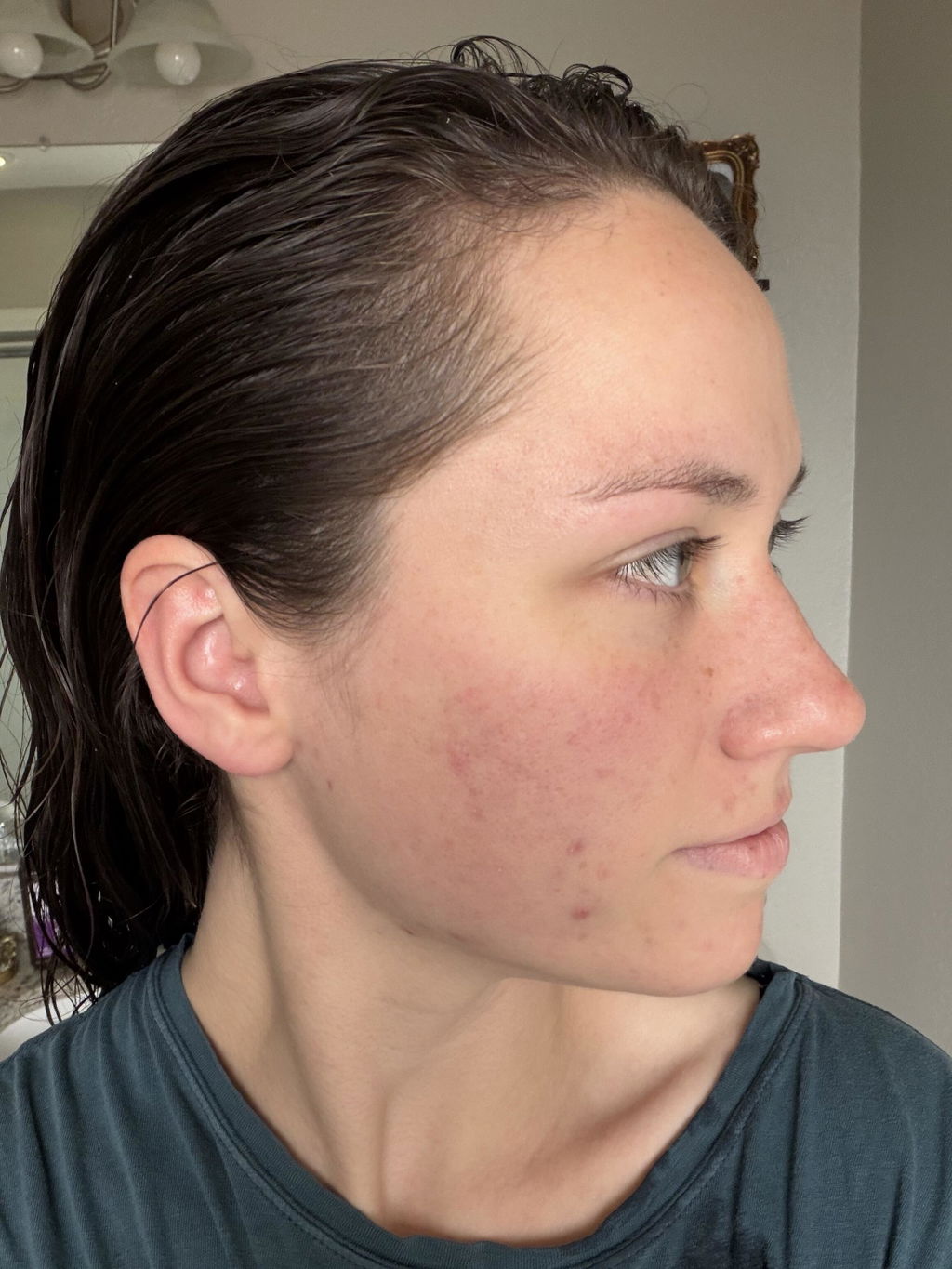
This is when I noticed the first real change. The redness around my nose and cheeks — something I'd had for so long I thought it was just "my complexion" — started fading. My existing breakouts were healing faster than usual, and no new ones appeared for five consecutive days. That hadn't happened in months.
My energy stabilized too. No more 2 PM crashes. No more reaching for something sweet just to function. I added sea moss to my morning routine during this week for its 92 minerals and trace elements — I wanted to make sure my body had everything it needed to rebuild while it was clearing out the damage.
Week 3: People Started Noticing
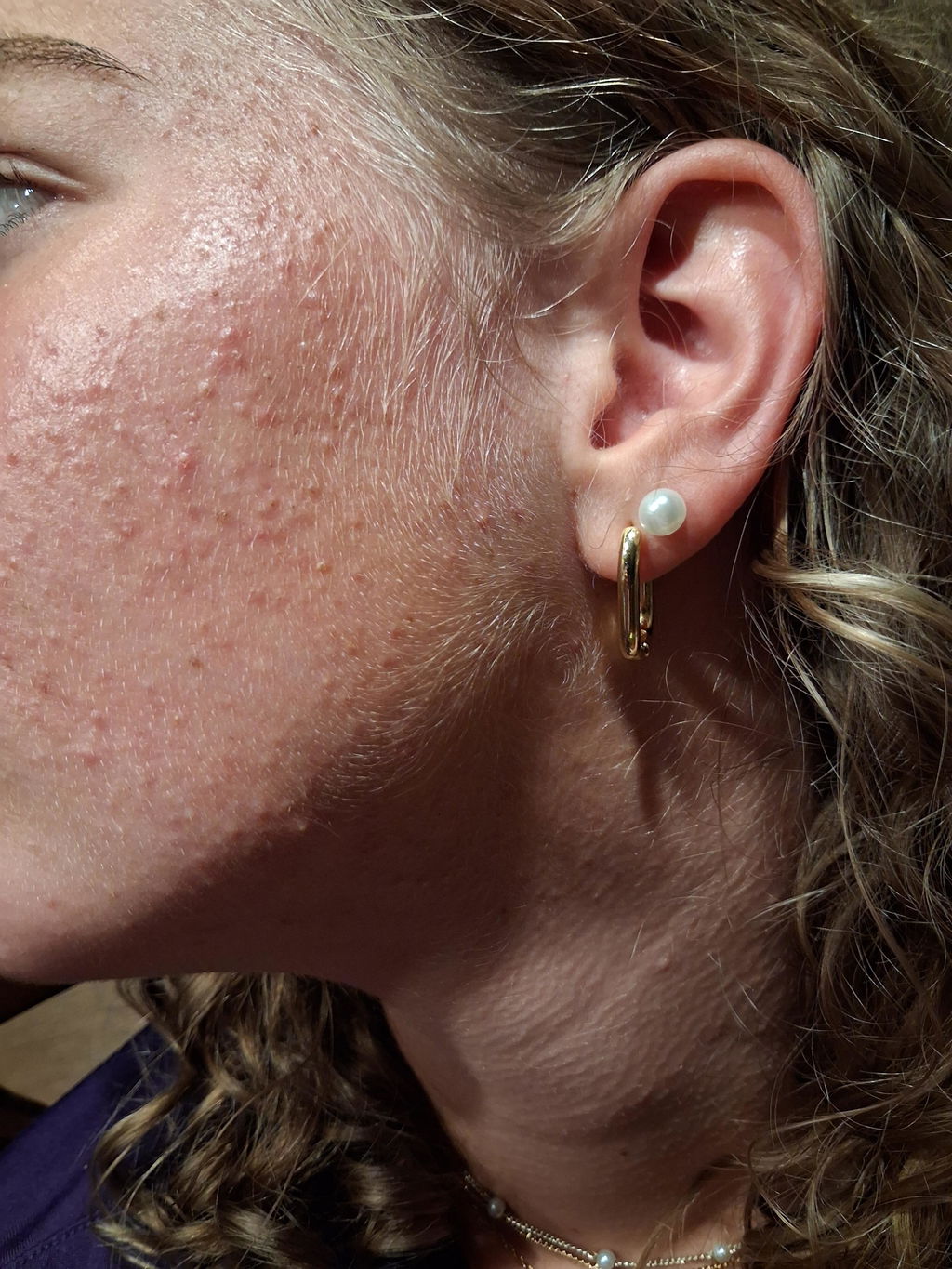
Day 16 was the turning point. I looked in the mirror after my shower and genuinely paused. My skin had a brightness to it — almost a glow — that I hadn't seen since my twenties. The texture along my forehead, which had been perpetually bumpy with tiny closed comedones, was smoothing out.
My coworker asked me what foundation I was wearing. I wasn't wearing any. A friend commented that I "looked rested." I was sleeping the same amount — my body was just no longer in a constant state of inflammation.
To support the collagen repair process, I incorporated collagen strips into my routine — a simple addition that complemented what was already happening internally.
Week 4: The Results I Didn't Expect
By the end of the month, my skin was clearer than it had been in years. But the surprises went beyond my face:
- The dark circles under my eyes had lightened significantly
- My skin felt firmer — less of that "crepe-y" texture on my neck
- Pores on my nose and cheeks appeared smaller (less oil production = less stretching)
- The persistent redness was gone — completely
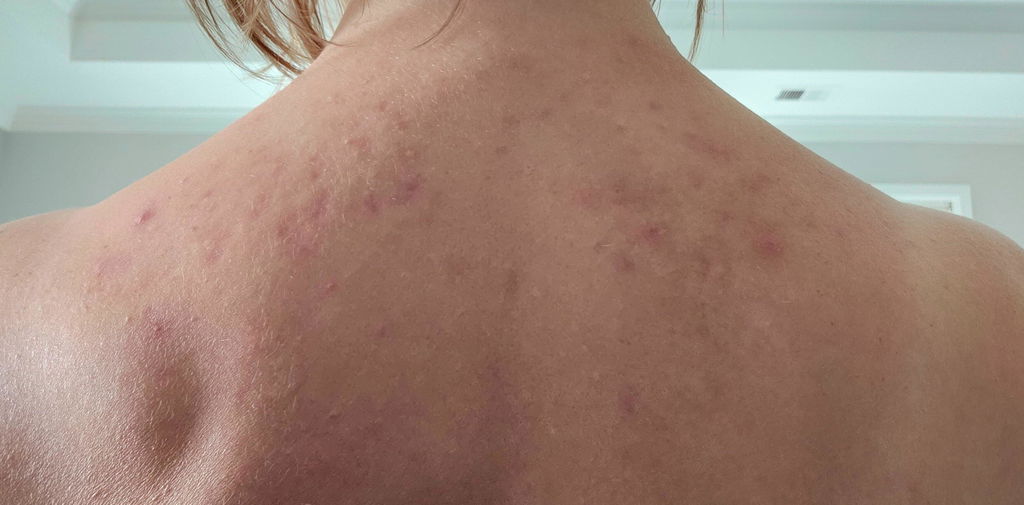
- Even my body skin was smoother, especially on my upper arms where I'd always had keratosis pilaris
I also lost 7 pounds without trying, my digestion improved dramatically, and I stopped needing coffee to feel alert in the morning. But I want to be clear: I didn't do this for weight loss. I did it for my skin, and my skin delivered.
———
How to Do Your Own 30-Day Sugar Reset for Clearer Skin
If you're ready to try this yourself, here's exactly what I did — no guesswork required.
The Rules
- Eliminate all added sugars — this includes honey, maple syrup, agave, coconut sugar, and artificial sweeteners
- Limit fruit to 1-2 servings of whole, low-glycemic fruit per day — berries, green apples, grapefruit
- Read every label — sugar hides under 60+ names (dextrose, maltose, rice syrup, "evaporated cane juice")
- No fruit juice, smoothie shops, or dried fruit — concentrated sugar without fiber
- No alcohol — it converts directly to sugar and wrecks your gut lining
What I Actually Ate (Meal Ideas)
Breakfast rotation:
- Scrambled eggs with sauteed spinach, avocado, and everything bagel seasoning
- Chia pudding made with unsweetened coconut milk, topped with a handful of blueberries and hemp seeds
- Savory oatmeal with a fried egg, scallions, and a drizzle of sesame oil
Lunch rotation:
- Big salad with grilled chicken, cucumber, roasted sweet potato, tahini dressing (homemade)
- Bone broth soup with vegetables and wild rice
- Turkey and avocado lettuce wraps with fermented vegetables on the side
Dinner rotation:
- Baked salmon with roasted Brussels sprouts and cauliflower mash
- Grass-fed burger (no bun) with a massive side salad and olive oil dressing
- Stir-fried vegetables with pastured chicken over cauliflower rice
Snacks:
- Handful of macadamia nuts or walnuts
- Celery with almond butter (check label — no added sugar)
- Half an avocado with sea salt and lemon
- Hard-boiled eggs
Support Your Body During the Transition
Cutting sugar is powerful on its own, but I found that supporting my body's detox pathways made the process smoother and the results more dramatic. During my experiment, I used a full detox protocol to help my liver and kidneys process the backlog of toxins — and I genuinely believe it's why I saw changes as early as week two instead of week four.
On the topical side, I simplified everything. I swapped my 9-step routine for a gentle cleanser and a tallow-based moisturizer that supports the skin barrier without synthetic ingredients. Less is more when your body is doing the heavy lifting from within.
———
What Happened After the 30 Days
I'm not going to pretend I never eat sugar now. I'm human. But the experiment fundamentally changed my relationship with it. I can feel the difference within 24 hours when I overdo it — the puffiness returns, my skin looks duller, and that familiar tightness along my jawline creeps back.
Most days, I keep added sugar under 10 grams. I still eat whole fruit. I still enjoy dark chocolate occasionally. But I'll never go back to the unconscious sugar consumption that was silently wrecking my skin, my gut, and my energy for years.
If your skin isn't responding to products, if you've tried every serum and treatment with no lasting results — look at your plate. The answer might not be another product. It might be removing something instead.
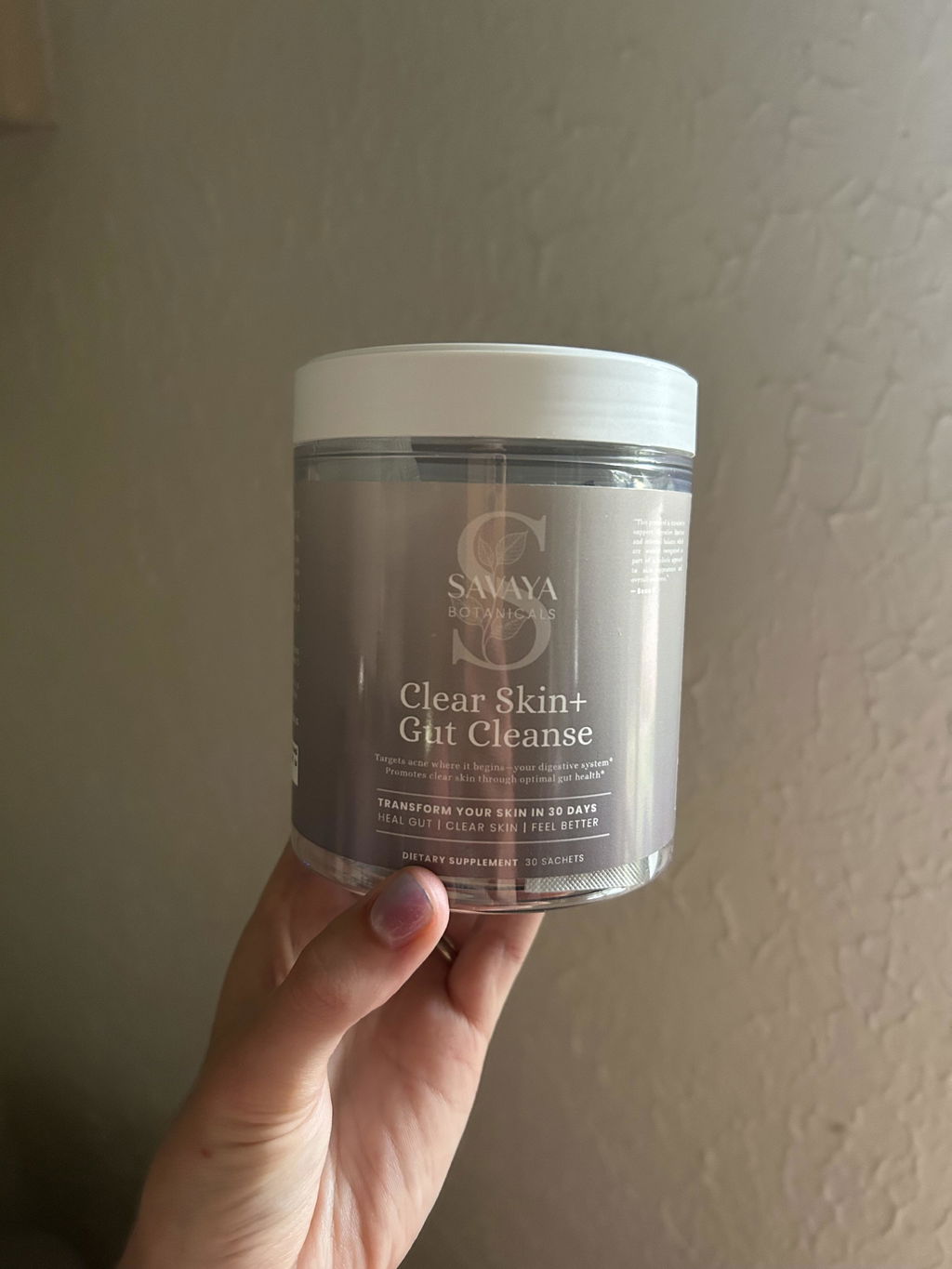
For anyone dealing with persistent breakouts alongside gut issues, Clear Skin+ Max Detox is the acai-based blend I wish I'd had when I started — a daily addition that supports the body from the inside out.
———
Ready to Try Your Own 30-Day Sugar Reset?
Start with the gut. That's my biggest takeaway from this entire experiment. You can white-knuckle your way through sugar cravings, or you can support your microbiome so the cravings naturally fade. The Max Detox protocol is where I'd begin — it gave my body the foundation it needed to actually heal, not just cope.
Your skin is talking to you. It's time to listen.
———
Frequently Asked Questions
How long does it take to see skin improvements after quitting sugar?
Most people notice reduced redness and inflammation within 10-14 days of eliminating added sugars. Significant improvements in acne, skin texture, and overall brightness typically appear by weeks 3-4. The timeline depends on your starting gut health, how much sugar you were consuming, and whether you're supporting your body with proper nutrition during the transition. Collagen repair from reversing glycation damage takes longer — around 2-3 months for visible firmness improvements.
What are AGEs and how does sugar age your skin?
AGEs (Advanced Glycation End Products) are harmful compounds formed when sugar molecules bond to proteins like collagen and elastin in your skin. This process, called glycation, makes flexible collagen stiff and brittle, leading to wrinkles, sagging, and loss of skin elasticity. High-sugar diets accelerate AGE formation, essentially speeding up the aging process from the inside. Reducing sugar intake slows glycation and allows your body to produce healthy new collagen.
Can quitting sugar help with hormonal acne?
Yes. Sugar triggers insulin spikes, which increase Insulin-like Growth Factor 1 (IGF-1) and androgen activity. These hormones directly stimulate sebum production and skin cell turnover, creating the conditions for hormonal breakouts — especially along the jawline and chin. By stabilizing blood sugar through a low-sugar diet, you reduce these hormonal cascades and give your skin a chance to regulate oil production naturally.
What are hidden sugars and which healthy foods contain them?
Hidden sugars are added sugars disguised under alternative names like dextrose, maltose, rice syrup, and evaporated cane juice — there are over 60 different names. Many foods marketed as healthy contain surprising amounts: flavored yogurt (15-20g per serving), granola (12-16g), store-bought smoothies (30-50g), dried fruit (20g+ per handful), and even salad dressings (4-8g per serving). Always read nutrition labels and ingredient lists, even on products that seem health-conscious.
Does sugar affect gut health and how does that relate to skin?
Research published in Cell Host & Microbe demonstrates that high-sugar diets significantly reduce gut microbiome diversity, depleting beneficial bacteria while promoting inflammatory species. This gut imbalance triggers systemic inflammation that travels through the gut-skin axis, manifesting as acne, rosacea, eczema, and accelerated skin aging. Restoring gut health through sugar elimination and microbiome support is one of the most effective strategies for achieving lasting skin improvements.