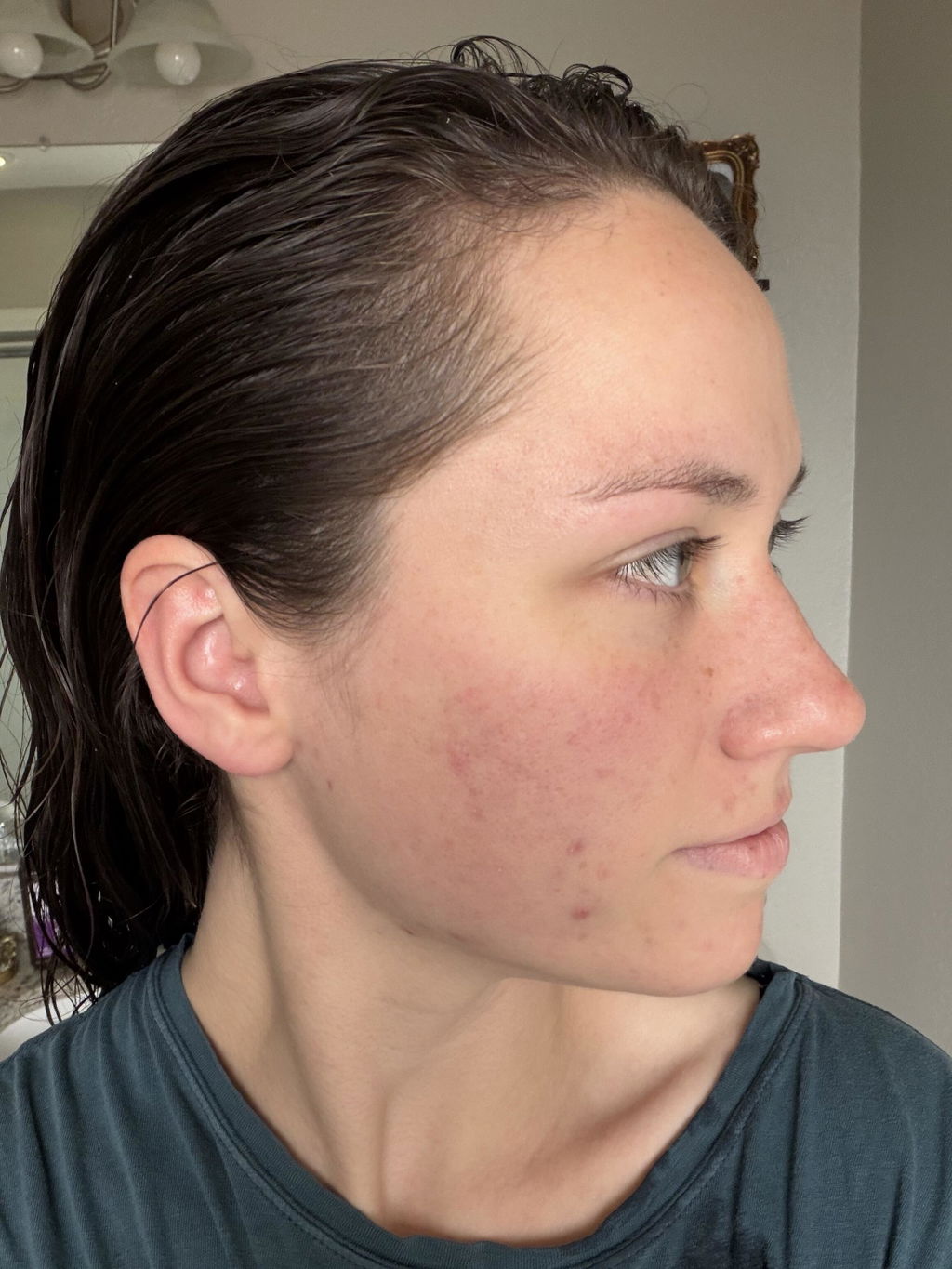
The dermatologist asked me how old I was. I said thirty-two. She paused, looked at her chart, and said, “Your skin is telling me you’re closer to forty.”
That was a Tuesday in March. By Wednesday, I had thrown out everything in my pantry that contained sugar — including the “healthy” oat milk creamer, the kombucha I drank like water, and the protein bars I’d been swearing by since 2022.
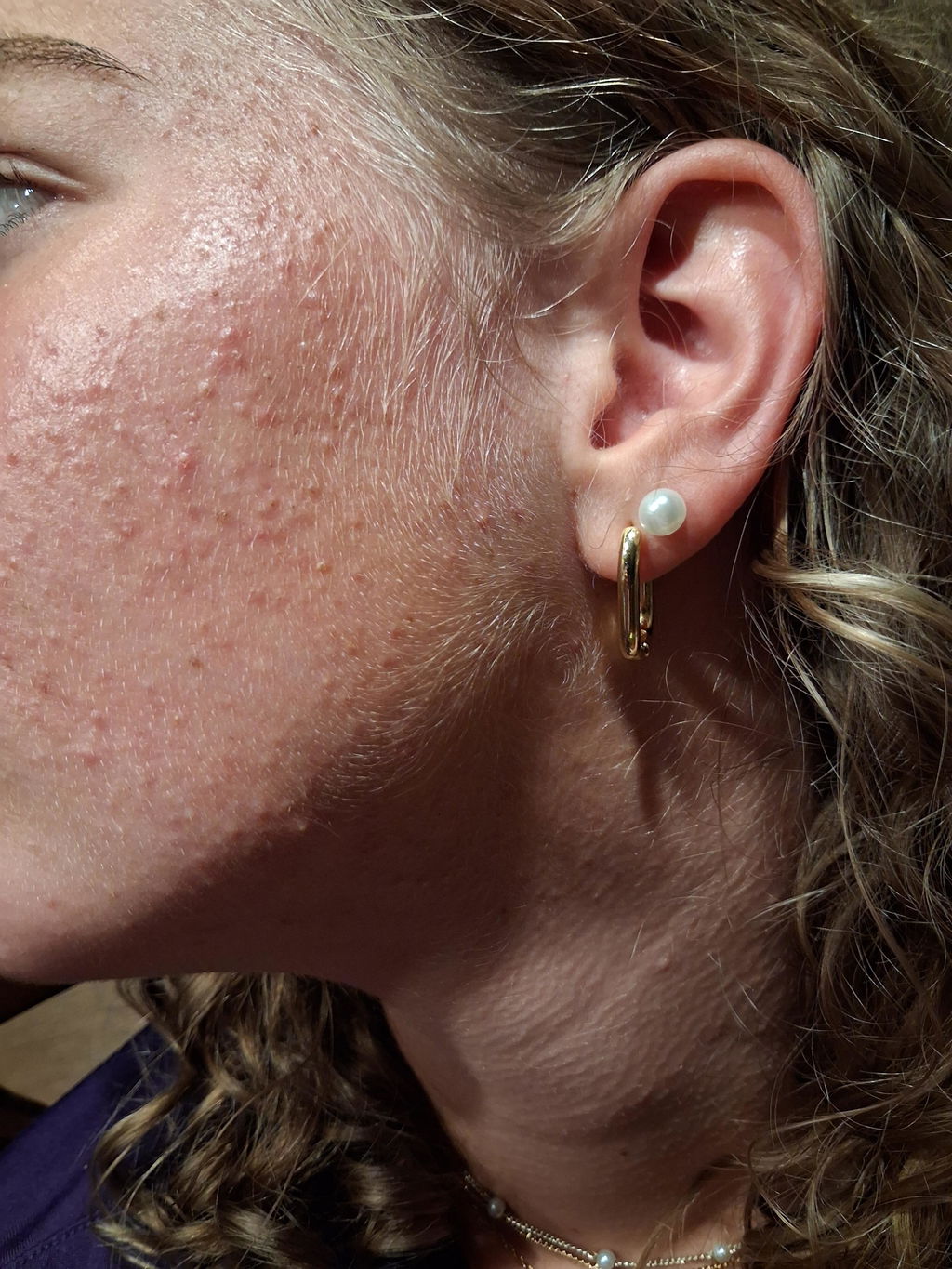
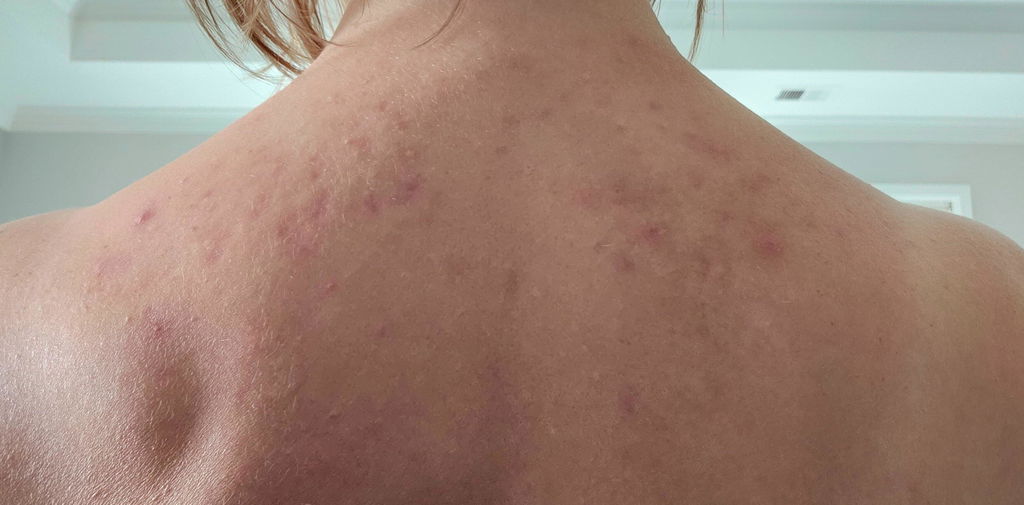
What I didn’t expect was what happened next. Over the following thirty days, my skin didn’t just clear up. It rebuilt itself. The puffiness around my eyes drained. The dull texture I’d been blaming on stress lifted. The two stubborn jawline cysts I’d been treating with every cream on the market shrank, then disappeared.
This is the story of those thirty days, what the science actually says about sugar and skin, and exactly how to run your own reset — without the orthorexic spiral that wrecks most no-sugar challenges.
The Real Reason Sugar Ages Your Skin (It’s Called Glycation)
Forget what you’ve heard about sugar “inflaming” your skin. The mechanism is more specific — and more disturbing.
When you eat sugar, glucose molecules don’t just sit politely in your bloodstream waiting to be burned for energy. They bind to proteins in a process called glycation, forming sticky molecules called Advanced Glycation End-products. The acronym, fittingly, is AGEs.
Your skin’s structural proteins — collagen and elastin — are the favorite targets. Glycated collagen is stiff, brittle, and dysfunctional. Once a collagen fiber gets glycated, your body cannot repair it. The cross-links are permanent until that fiber is cycled out, which takes years.
Translation: every spoonful of sugar you eat in your thirties is mortgaging the structural integrity of your face in your forties.
There’s more. Glycated collagen also produces fluorescent byproducts that yellow your skin tone — that subtle “tired” cast no amount of highlighter can fix. Researchers at Leiden University Medical Center demonstrated that sugar consumption directly correlates with perceived facial age, even when controlling for sun exposure and smoking.
The Insulin to IGF-1 to Sebum Pipeline Nobody Mentions
Here is where the acne piece clicks into place.
When blood sugar spikes, insulin floods in to manage it. Insulin then signals the liver to release a hormone called Insulin-like Growth Factor 1 (IGF-1). IGF-1 has a job: it tells your sebaceous glands to make more oil and tells your skin cells to multiply faster than they should.
The result? Pores clog with overproduced sebum and shed-too-fast skin cells. Bacteria thrive in the trapped oil. You wake up with cysts along your jaw and chin — exactly where most adult women develop hormonal acne.
This is why every dairy-free, gluten-free, “but-I-eat-clean” woman with persistent acne is shocked when the trigger turns out to be the smoothie bowl. A single sweetened acai bowl can spike IGF-1 for twelve hours.
Your Gut Microbiome Is the Forgotten Half of Your Skin
In 2021, a landmark study published in Cell Host & Microbe traced what happens to the gut microbiome on a high-sugar diet. Within weeks, sugar caused a significant collapse in microbial diversity — particularly the loss of beneficial Bacteroides species — while feeding inflammatory bacteria that produce lipopolysaccharides (LPS).
LPS is the gut-skin smoking gun. When it leaks through a compromised intestinal lining, it triggers systemic inflammation that surfaces — literally — on your face. Rosacea, eczema, dull texture, persistent acne: all linked to LPS load.
Your skin is the largest organ. Your gut is the second-largest. The same blood that nourishes one nourishes the other. If your microbiome is starving on white sugar and ultra-processed flour, your skin will not look healthy no matter how expensive your serum is.
This was the moment my understanding shifted. I had been treating my skin from the outside while pouring kerosene on the fire from the inside.
The Hidden Sugars Hiding in Your “Healthy” Day
Before you start a sugar reset, you need to know where the sugar actually is. After a week of label-reading, here is what I found in my so-called clean kitchen:
- Oat milk: 7g of added sugar per cup — worse than the chocolate milk I drank as a kid
- Kombucha: 8 to 12g per bottle, mostly residual sugar from fermentation
- Protein bars: 14 to 22g, often listed as “organic cane juice” or “brown rice syrup”
- Bottled green juice: 24g of fruit sugar in a single 12oz bottle
- Almond yogurt: 11g per single-serve cup
- “Sugar-free” salad dressings: sweetened with maltitol, which spikes blood sugar nearly as hard as table sugar
- Plant milk lattes from cafes: 19 to 30g per drink
- Granola: 18g per half-cup serving
Most wellness-conscious women are eating 60 to 90g of sugar a day while believing they eat clean. That is more than the World Health Organization’s daily ceiling, hidden inside marketing language designed to feel virtuous.
———
Week by Week: What Actually Happened to My Skin
Week 1 — The Crash
Days one through four were physical. I had headaches that felt like sinus infections. My energy collapsed by mid-afternoon. I craved sourdough at a level I would describe as spiritual.
My skin actually got worse. Two new cysts appeared along my jawline by day three — the body’s panic response as it began purging stored toxins and inflammatory compounds. This is the part most people quit on. Don’t.
By day six, the cravings broke. Energy returned. I noticed I was sleeping deeper than I had in years.
Week 2 — The Drainage
Week two was visible drainage — and I mean that literally. Puffiness around my eyes drained. The bloat I’d carried in my lower stomach softened. My tongue looked pinker.
Skin texture started smoothing by day eleven. The active cysts began to flatten without me touching them. I added a daily serving of sea moss for trace minerals, which was a turning point — within days the slight grayness in my complexion lifted. I also swapped my fragranced moisturizer for tallow cream at night, because as the inflammation calmed I wanted to support the skin barrier with something my body actually recognized.
Week 3 — The Glow Comes In
This was the unexpected week. Around day eighteen, I caught my reflection in a window and didn’t recognize the brightness. My skin tone had warmed and evened. The dark circles I had assumed were genetic were noticeably lighter.
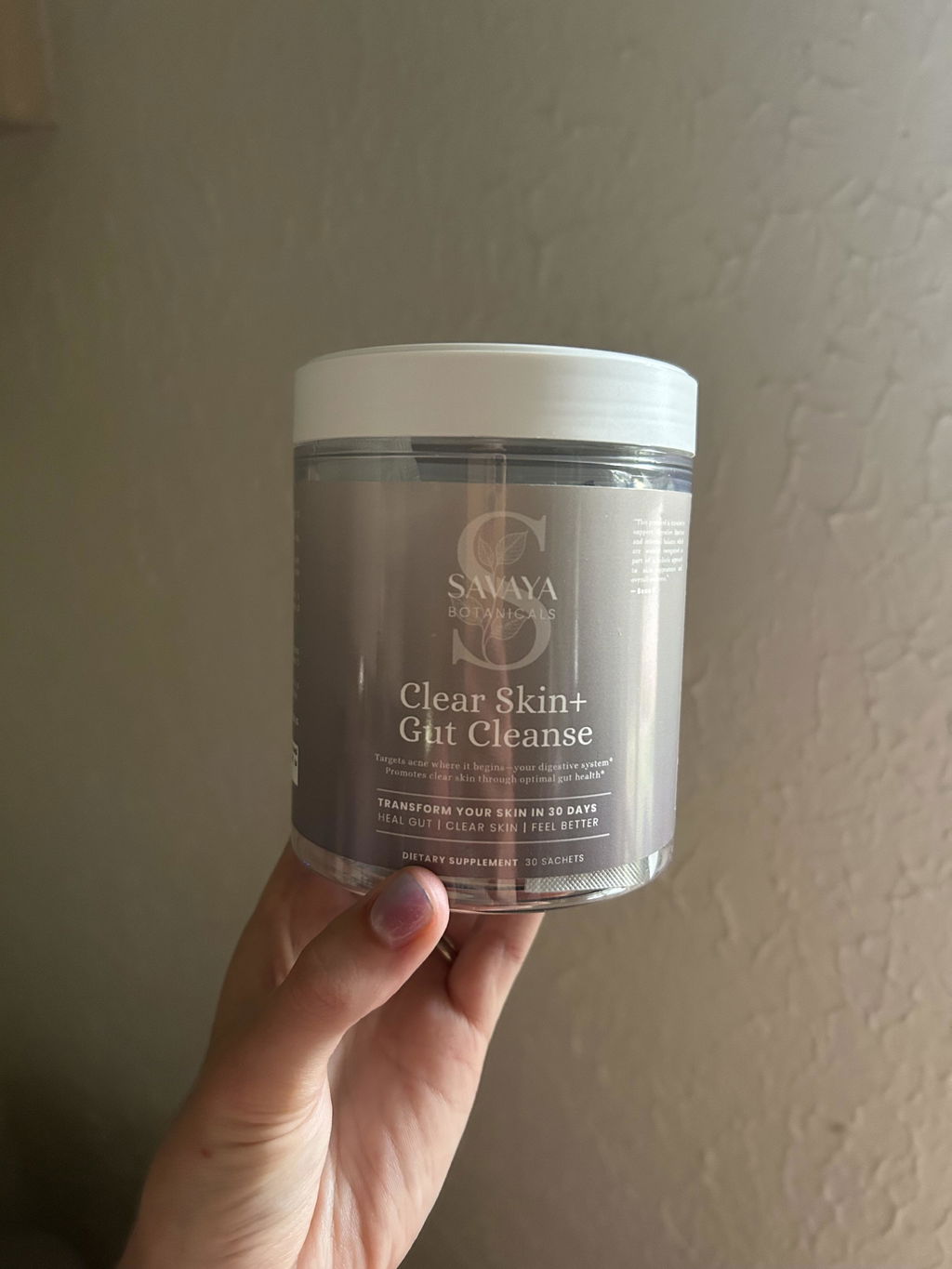
I added a structured gut protocol — the microbiome gut cleanse sachets — to support the microbial repair I knew was happening underneath. The bloat that had returned briefly during a stressful workday vanished within forty-eight hours.
Week 4 — The Rebuild
By week four, friends were asking what I’d changed. My partner asked if I’d had something done. I started layering in collagen support to help my skin actually rebuild what years of glycation had damaged — and slept like a child.
The two cysts I had been treating for eight months were gone by day twenty-six. Not faded. Gone.
———
How to Run Your Own 30-Day Sugar Reset (Without Misery)
The protocols that work are not about willpower. They’re about replacement.
The Three Rules
- No added sugar of any kind. This includes honey, maple, agave, coconut sugar, dates as sweeteners, and anything ending in -ose or -syrup.
- One whole fruit per day, eaten with fat or protein. Berries with Greek yogurt; apple with almond butter. Never juice, never blended.
- Read every label. If it has more than 2g of sugar per serving and it’s not a whole food, it’s out.
Practical Meal Ideas
- Breakfast: Two eggs scrambled in butter, half an avocado, sauerkraut on the side. Black coffee or matcha with cinnamon.
- Mid-morning: A small handful of almonds and a square of 90% dark chocolate if you need something sweet.
- Lunch: A large salad with grilled chicken or salmon, olive oil, lemon, raw cheese, pumpkin seeds.
- Afternoon snack: Cucumber slices with full-fat hummus, or a boiled egg with sea salt and chili flakes.
- Dinner: Slow-cooked beef or wild-caught fish, two roasted vegetables, a fermented side (kimchi, beet kvass, raw sauerkraut).
- Evening: Bone broth or herbal tea. A spoonful of sea moss gel stirred into warm water with lemon.
Support Your Drainage Pathways
This is where most resets fail. When you cut sugar, your body releases stored toxins and inflammatory metabolites that need somewhere to go. Without support, they recirculate — which is why some people break out worse and quit.
The basics:
- Water: half your body weight in ounces, daily, with a pinch of mineral salt.
- Bowel movements: one to three a day. If you’re not moving, the toxins stay in.
- Sweat: sauna, hot baths, or hard exercise four times a week.
- Sleep: this is when your liver does its detoxification work. Eight hours, dark room.
If your drainage is sluggish — if you’re constipated, low-energy, or breaking out hard in the first week — a structured protocol like Max Detox can take the pressure off your system while you rebuild.
Rebuild From the Inside
Once the inflammation calms, the rebuild phase matters as much as the reset. This is where most people stop too early. Cutting sugar opens the door. Mineral repletion, gut microbial diversity, and collagen support walk you through it.
If you want to keep the gains long after the thirty days, the Clear Skin+ Max Detox is a simple daily acai blend that helps support your skin from within.
What I Wish I’d Known on Day One
Sugar is not a moral failure. It’s a chemical that hijacks the same reward circuitry as cocaine, with the added cruelty of being legal, cheap, and embedded in 80% of packaged food. You’re not weak for craving it. You’ve been engineered to crave it.
But thirty days is enough to reset your taste receptors, your insulin sensitivity, your microbial balance, and the visible texture of your skin. I am now eight months past the original experiment. I eat fruit. I eat dessert occasionally. But the daily sugar background noise is gone — and my skin has not gone back.
The dermatologist saw me again last month. She asked what I’d been using. I told her the truth.
She wrote it down.
———
Frequently Asked Questions
How long does it take for skin to clear after quitting sugar?
Most people see early changes — reduced puffiness, brighter tone — within ten to fourteen days. Visible acne reduction typically appears by week three as IGF-1 levels drop and sebum production normalizes. Full skin remodeling, including the visible reduction of fine lines from glycation, takes three to six months because that is how long collagen turnover requires.
Can I eat fruit on a 30-day no-sugar reset?
Yes, but strategically. One serving of low-glycemic whole fruit per day — berries, green apple, kiwi — eaten with fat or protein to blunt the insulin response. Avoid juices, smoothies, and dried fruit, which spike blood sugar nearly as hard as candy.
What is the difference between glycation and inflammation?
Glycation is the chemical bonding of sugar molecules to proteins like collagen, creating permanent structural damage. Inflammation is your immune system’s response to perceived threats, including the byproducts of glycation. Sugar drives both, but glycation is the slower, more visible aging mechanism — it is what makes skin look “older” in a structural sense.
Why does my skin get worse the first week of a sugar detox?
The first-week purge is your body releasing stored inflammatory compounds and beginning to rebalance the gut microbiome. Without drainage support — adequate water, daily bowel movements, sweat — these byproducts can recirculate and surface as breakouts. This phase typically resolves within five to seven days if you support elimination through hydration, fiber, movement, and sweat.
Are artificial sweeteners okay during a sugar reset?
No. Artificial sweeteners like aspartame and sucralose disrupt the gut microbiome in ways comparable to sugar itself, according to multiple recent studies. Sugar alcohols (xylitol, erythritol) are gentler but still trigger sweet-taste cravings that undermine the reset. Plain water, herbal tea, and unsweetened sparkling water with lemon are your friends.
Ready to Try It Yourself?
A 30-day sugar reset is the single most effective skin protocol I have ever run on myself, and I have tried almost all of them. If you want a structured way to support your drainage and rebuild your microbiome while you do it, Max Detox is what I personally use — paired with daily sea moss for mineral repletion and the gut cleanse sachets for microbial recovery.
Your skin remembers everything. But it also forgives — if you give it the conditions to.
— Sarah Mitchell