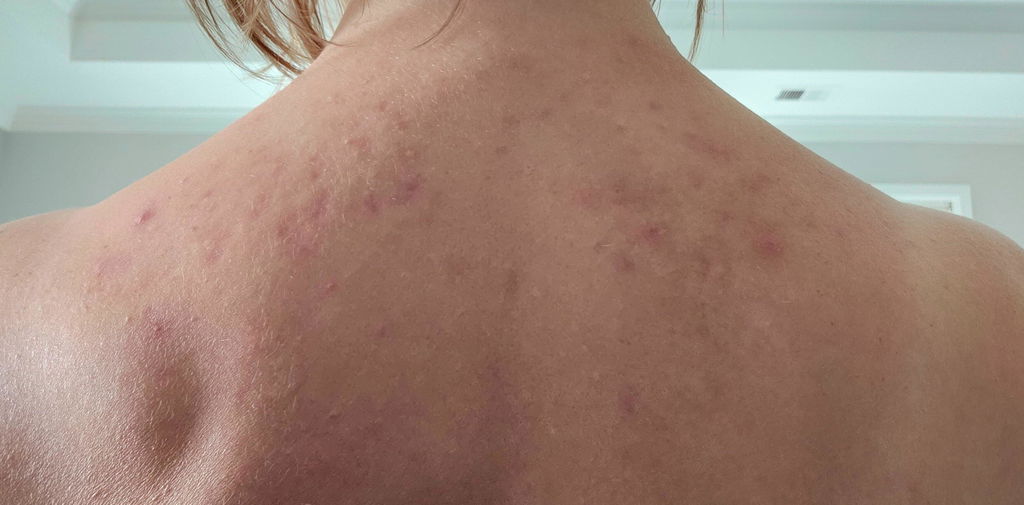
8 Common Foods That Secretly Destroy Your Gut Lining (And Cause Acne)
By Sarah Mitchell · March 27, 2026 · 10 min read
I need to tell you something that changed everything about the way I think about breakouts.
Three years ago, I sat across from a functional dermatologist who told me something no esthetician, drugstore product, or Instagram routine had ever mentioned: "Your acne doesn't start on your face. It starts in your gut."
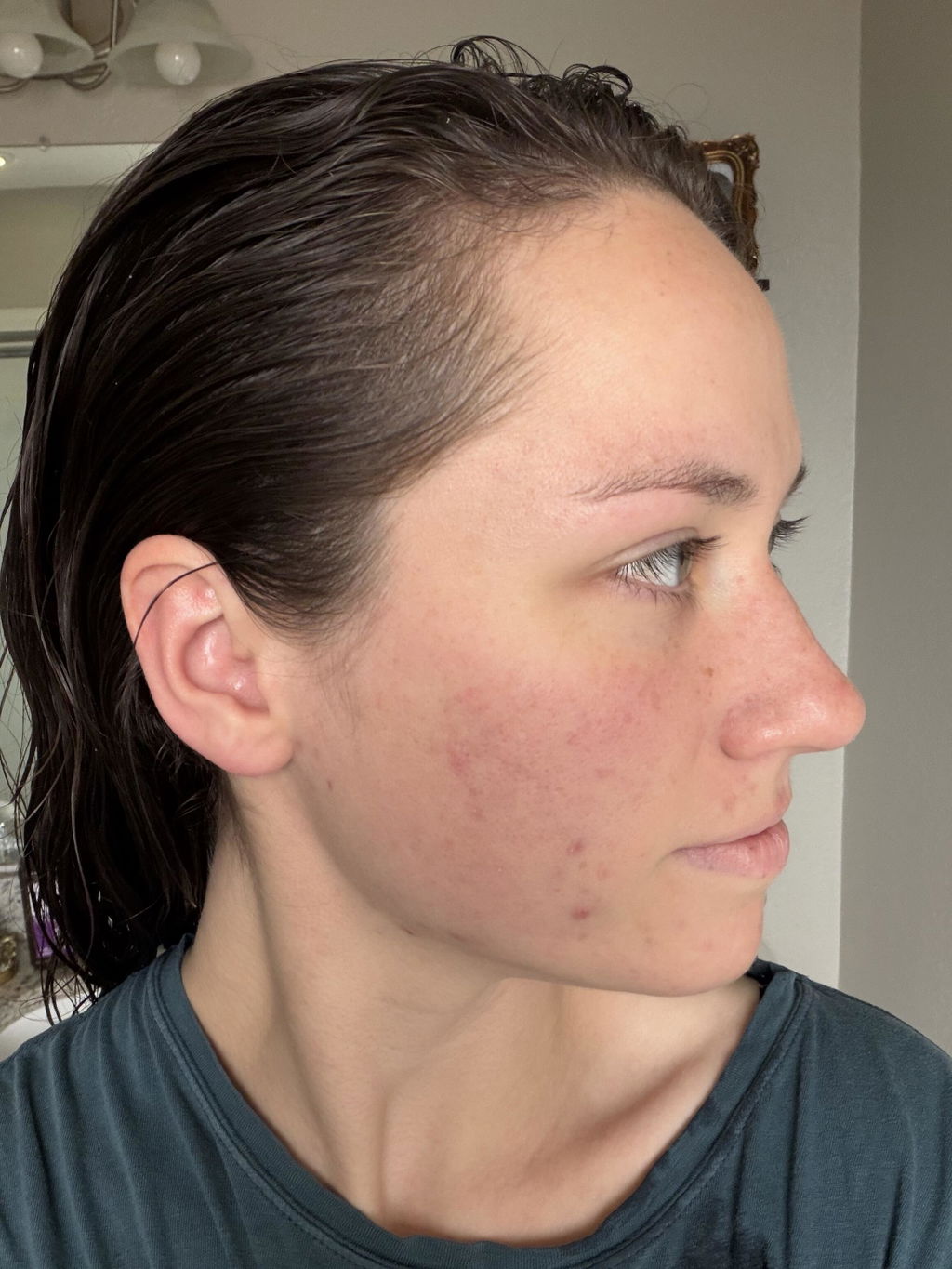
I almost walked out. I was there for my skin, not my stomach. I didn't have digestive issues. No bloating, no discomfort, nothing. But she pulled up a blood panel showing elevated zonulin levels — a direct marker for intestinal permeability — and pointed at my inflamed jawline in the mirror. "That inflammation," she said, "is leaking through your intestinal wall right now."
That conversation sent me down a research spiral that lasted months. What I found was unsettling. A growing body of evidence — from Harvard, from the Journal of Dermatological Science, from microbiome researchers at Stanford — confirms what that dermatologist told me. The gut-skin axis is real, measurable, and wildly underestimated. A 2018 review published in Frontiers in Microbiology found that patients with acne vulgaris had significantly altered gut microbiome composition compared to controls, with reduced microbial diversity and elevated inflammatory markers across the board.
Here is the uncomfortable truth: many of the foods sitting in your kitchen right now are quietly shredding the single-cell-thick lining of your intestines, letting bacterial toxins flood your bloodstream, and triggering the exact inflammatory cascade that shows up on your chin, your cheeks, and your forehead.
These are the eight worst offenders. And most of them are things you eat every single day.
1. Ultra-Processed Foods: The Emulsifier Problem
Ultra-processed foods make up nearly 60% of the average American diet, according to a widely cited 2019 study in BMJ Open. That statistic alone should alarm you. But the real damage goes deeper than empty calories.
The issue is what manufacturers add to extend shelf life and improve texture: emulsifiers like polysorbate 80 and carboxymethylcellulose. A landmark 2015 study published in Nature by Dr. Benoit Chassaing at Georgia State University demonstrated that these common food additives directly erode the mucus layer protecting your intestinal wall. In mouse models, dietary emulsifiers promoted intestinal inflammation and metabolic syndrome by stripping away the protective mucus barrier that separates gut bacteria from the epithelial lining.
Without that barrier, bacterial endotoxins called lipopolysaccharides (LPS) cross into circulation. Elevated LPS has been directly linked to inflammatory skin conditions. A 2017 study in Gut Pathogens found elevated LPS levels in the blood of acne patients compared to clear-skinned controls. Every processed snack, frozen meal, and fast-food run is a slow assault on that mucus layer.
2. Refined Sugar: Feeding the Wrong Bacteria
You have heard that sugar is bad for your skin. But the mechanism is more specific than most people realize, and it starts in your intestines, not your pores.
Refined sugar feeds pathogenic bacteria and yeast — particularly Candida albicans — while starving beneficial strains like Lactobacillus and Bifidobacterium. A 2020 study in Cell Host & Microbe showed that high-sugar diets reduced microbial diversity by up to 40% within just seven days and promoted expansion of pro-inflammatory species. This dysbiosis weakens the tight junction proteins holding your intestinal cells together.
Once those junctions loosen, you get increased intestinal permeability — and the downstream effect is a spike in insulin-like growth factor 1 (IGF-1). Elevated IGF-1 directly stimulates sebaceous gland activity and keratinocyte proliferation. A 2012 meta-analysis in the Journal of the Academy of Nutrition and Dietetics confirmed a significant association between high-glycemic diets and acne severity. The sugar is not just feeding breakouts on your face. It is cultivating them in your gut first.
3. Conventional Dairy: The Casein A1 Mechanism
The dairy-acne connection has been debated for years, but the mechanism is finally becoming clear — and it is not about lactose.
Most conventional dairy in the US comes from Holstein cows, which produce casein A1 protein. When A1 casein is digested, it releases a peptide called beta-casomorphin-7 (BCM-7). A 2016 study in the European Journal of Nutrition demonstrated that BCM-7 activates inflammatory pathways and increases intestinal permeability by disrupting tight junction integrity. In simpler terms, BCM-7 punches holes in your gut lining.
On top of that, dairy is the single most potent dietary stimulator of IGF-1 — even more so than sugar. A large-scale Harvard Nurses' Health Study II following over 47,000 women found a clear positive association between dairy intake and acne prevalence, with skim milk showing the strongest correlation (likely due to higher processing and whey protein concentration). If you are dealing with hormonal or cystic acne along the jawline, dairy is the first food to examine.
4. Gluten: The Zonulin Pathway
You do not need to have celiac disease for gluten to damage your gut lining. That is the part most people miss.
Dr. Alessio Fasano at Harvard's Center for Celiac Research identified that gliadin — the protein fraction in gluten — triggers the release of zonulin in all human intestines, not just those with celiac disease. Zonulin is the molecule that directly controls the opening and closing of tight junctions between intestinal cells. His 2011 research published in Physiological Reviews showed that gliadin exposure causes a measurable increase in intestinal permeability in both celiac and non-celiac individuals.
When those tight junctions open, undigested food particles, bacterial fragments, and endotoxins enter circulation and activate the immune system. The skin — your largest organ — becomes a battlefield for this systemic inflammatory response. I have spoken to dozens of women who eliminated gluten for 30 days and watched their cystic breakouts resolve without changing a single skincare product. Supporting that transition with a comprehensive gut cleanse can accelerate the intestinal repair process during elimination.
5. Artificial Sweeteners: The Microbiome Disruptors
If you swapped sugar for sucralose thinking you were making a healthier choice, the research suggests otherwise — at least for your gut.
A groundbreaking 2014 study published in Nature by Dr. Eran Elinav at the Weizmann Institute of Science demonstrated that artificial sweeteners — particularly sucralose and saccharin — induced glucose intolerance by directly altering gut microbiome composition. Follow-up research published in Cell in 2022 confirmed the findings in human subjects: just two weeks of sucralose consumption significantly altered the gut microbiome and impaired glycemic responses.
A 2018 study in the Journal of Toxicology and Environmental Health found that sucralose reduced beneficial gut bacteria by up to 50% at doses well within the FDA's acceptable daily intake. These are the very bacterial strains — Lactobacillus, Bifidobacterium — that maintain tight junction integrity and produce short-chain fatty acids critical for gut barrier repair. When they die off, the barrier weakens, inflammation rises, and the skin pays the price.
Key insight: Artificial sweeteners may contain zero calories, but they carry a real cost to your microbiome — and your skin reflects it.
6. Seed Oils: The Omega-6 Inflammation Cascade
Soybean oil, canola oil, sunflower oil, corn oil. They are in virtually everything — salad dressings, restaurant cooking, packaged snacks, even "health" foods. And they are flooding your body with pro-inflammatory omega-6 fatty acids.
The ancestral human diet had an omega-6 to omega-3 ratio of roughly 1:1. The modern American diet? Estimates range from 15:1 to 25:1. A 2002 review in Biomedicine & Pharmacotherapy by Dr. Artemis Simopoulos documented how excessive omega-6 intake promotes the production of pro-inflammatory eicosanoids — prostaglandins and leukotrienes — that drive systemic inflammation.
In the gut specifically, excess linoleic acid (the primary omega-6 in seed oils) has been shown to compromise epithelial barrier function. A 2012 study in Prostaglandins, Leukotrienes and Essential Fatty Acids found that high omega-6 intake increased intestinal permeability markers and promoted inflammatory cytokine production in the gut epithelium. That inflammation does not stay local. It circulates, reaches the skin, and manifests as redness, pustules, and that persistent inflammatory acne that never quite clears. Pairing dietary omega-6 reduction with mineral-dense nutrition — like the 92 trace minerals in sea moss — helps restore the cellular building blocks your gut lining needs to rebuild.
7. Alcohol: The Permeability Accelerator
If you have ever noticed a breakout after a weekend of drinking, it was not dehydration. It was your gut lining taking a direct hit.
Alcohol and its primary metabolite, acetaldehyde, are potent disruptors of intestinal tight junctions. A 2000 study in the American Journal of Physiology demonstrated that alcohol exposure caused a rapid, dose-dependent increase in intestinal permeability by disrupting the proteins (occludin, ZO-1, claudins) that hold epithelial cells together. Even moderate alcohol consumption — two to three drinks — produced measurable increases in gut permeability within hours.
A 2017 study in Alcohol Research: Current Reviews confirmed that alcohol-induced intestinal permeability leads to endotoxemia — bacterial toxins flooding the bloodstream — which activates Toll-like receptor 4 (TLR4) signaling and triggers widespread inflammatory responses. Your liver gets overwhelmed, your detoxification capacity drops, and your skin becomes the backup elimination route. The breakouts that follow are your body literally trying to push toxins out through your pores. Supporting your body's natural detoxification pathways with something like the Max Detox formula becomes especially important if alcohol has been a regular part of your routine.
8. Excess Caffeine: The Cortisol-Gut Connection
I want to be careful here because moderate coffee consumption has documented health benefits. But excess caffeine — more than 400mg daily, or roughly four cups — creates a gut problem that almost nobody talks about.
Caffeine stimulates the adrenal glands to produce cortisol. Chronically elevated cortisol directly suppresses secretory IgA (sIgA), your gut's first-line immune defense. A 2006 study in Psychoneuroendocrinology showed that sustained cortisol elevation reduced sIgA levels by up to 30%, leaving the intestinal lining vulnerable to bacterial invasion and inflammation.
Caffeine also increases gastric acid production and accelerates intestinal motility, which can reduce nutrient absorption and disrupt microbial colonization patterns. A study in Gastroenterology confirmed that caffeine alters gut microbiome composition in a dose-dependent manner. For acne-prone individuals already dealing with compromised gut barriers, excess caffeine acts as an accelerant on an existing fire. One to two cups of quality coffee is generally fine. Five energy drinks and three espressos is a different story entirely.
So What Should You Eat Instead?
Stripping away the foods that damage your gut lining is only half the equation. You need to actively rebuild it. Here is what the research supports:
- Bone broth: Rich in L-glutamine, the amino acid that intestinal epithelial cells use as their primary fuel source for repair. Studies show L-glutamine supplementation improves intestinal barrier function in as little as 10 days.
- Fermented vegetables: Sauerkraut, kimchi, and traditionally fermented pickles deliver diverse Lactobacillus strains that produce short-chain fatty acids (butyrate, propionate) — the direct fuel for colonocyte repair.
- Wild-caught fatty fish: Salmon, sardines, and mackerel provide omega-3 fatty acids (EPA and DHA) that directly counterbalance omega-6 inflammation and support tight junction integrity.
- Polyphenol-rich berries: Blueberries, acai, and pomegranate feed beneficial gut bacteria and reduce oxidative stress. Acai in particular has one of the highest ORAC (antioxidant) scores of any food studied.
- Prebiotic fiber: Garlic, onions, leeks, asparagus, and Jerusalem artichokes feed Bifidobacterium and Akkermansia muciniphila — the keystone species for mucus layer integrity.
- Mineral-dense whole foods: Your gut lining regenerates every 3 to 5 days, and that cellular turnover demands trace minerals — zinc, selenium, magnesium, iron — in quantities most modern diets fail to provide. Sea moss delivers 92 of the 102 minerals your body needs in a single whole-food source.
My personal approach: I eliminated the top offenders for 30 days, rebuilt with the foods above, and supported the process with a daily acai-based detox blend. By week six, the cystic breakouts along my jaw — the ones that had persisted for years — were gone. Not masked. Gone.
The Gut-Skin Protocol: Where to Start
If this feels overwhelming, here is the simplest starting point I can give you:
- Week 1-2: Remove the top three offenders (refined sugar, conventional dairy, ultra-processed foods). These create the most immediate gut damage and are the easiest to replace.
- Week 3-4: Add gut-repair foods daily — bone broth, fermented vegetables, omega-3 sources. Support with a targeted gut cleanse to clear accumulated debris.
- Week 5-8: Eliminate remaining triggers (gluten, seed oils, artificial sweeteners). Observe skin changes. Journal what you eat and how your skin responds.
- Week 9-12: Reintroduce foods one at a time, every 3 to 4 days. Identify your personal triggers. Continue nourishing from the inside with mineral-dense nutrition and from the outside with clean topicals like grass-fed tallow cream that support your skin barrier without synthetic irritants.
Your gut lining is a single cell thick. One cell stands between the contents of your intestines and your bloodstream. Every meal is either reinforcing that barrier or eroding it. Every breakout is your body sending a signal — not from your skin, but from deeper inside.
The answer to acne was never another serum, another retinoid, another round of antibiotics. It was always about what you put on your plate.
Start with your gut. Your skin will follow.
Frequently Asked Questions
How long does it take for gut healing to improve acne?
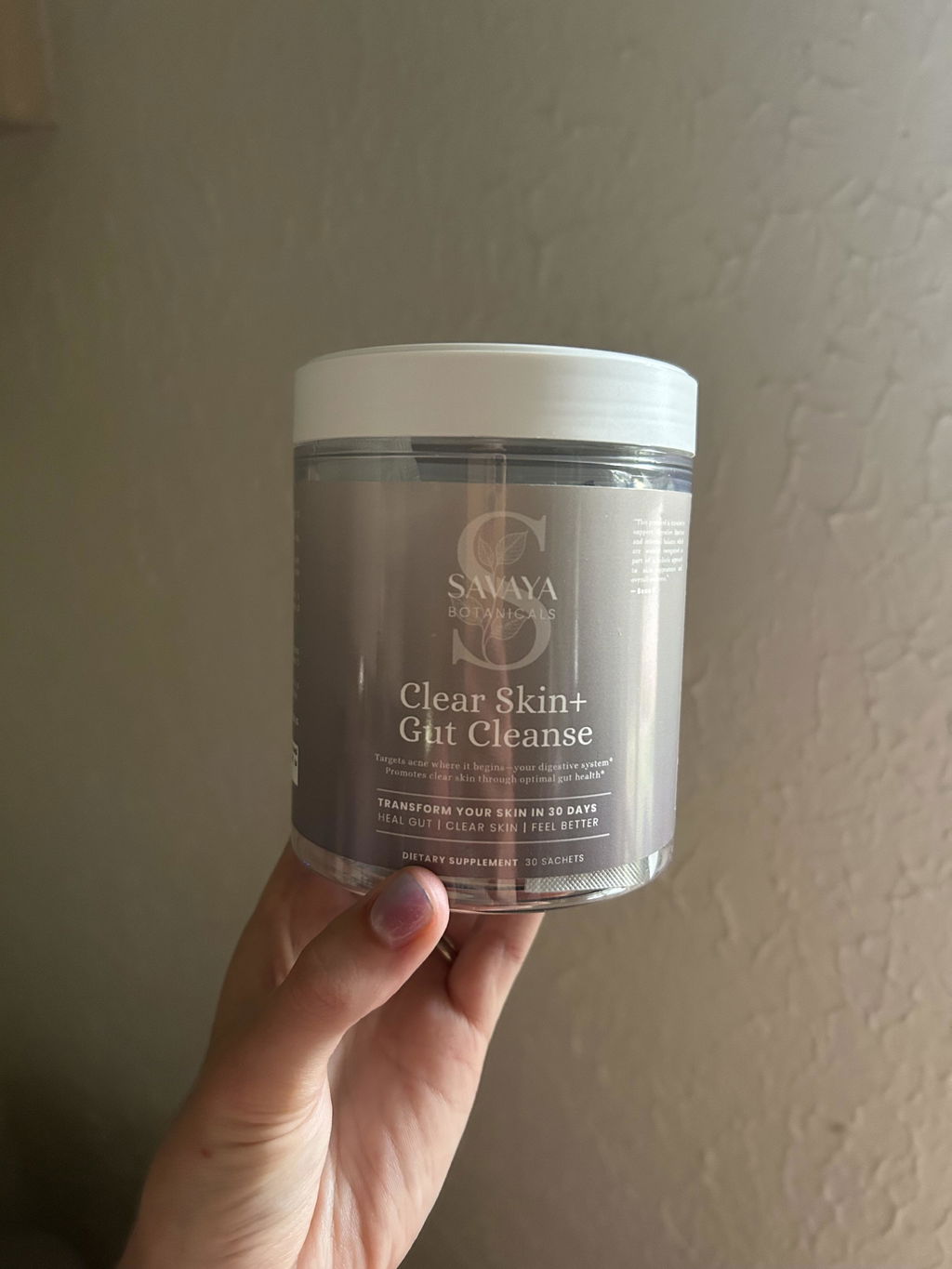
Most people begin noticing skin improvements within 4 to 8 weeks of cleaning up their diet and supporting gut repair. The intestinal lining regenerates its cells every 3 to 5 days, but restoring microbial diversity and supporting a balanced inflammatory response takes longer. Many people add a daily acai detox blend like Clear Skin+ Max Detox to help support that process.
Can you damage your gut lining without having digestive symptoms?
Absolutely. Research shows that increased intestinal permeability can exist without obvious GI symptoms like bloating or pain. Skin breakouts, brain fog, joint stiffness, and chronic fatigue can all be signs of a compromised gut barrier even when digestion feels perfectly normal. The skin is often the first organ to show what is happening internally.
Is all dairy equally bad for acne, or just certain types?
Not all dairy is equal. The primary issue is casein A1 protein found in most conventional cow's milk from Holstein breeds. A2 dairy from Jersey cows, goats, and sheep produces far less BCM-7 — the inflammatory peptide linked to gut permeability. Fermented dairy like kefir and yogurt may actually support the gut due to their probiotic content. If you tolerate dairy, switching to A2 or goat milk products is a reasonable first step.
What are the best foods to eat for gut repair and clear skin?
Focus on bone broth for its collagen and L-glutamine content, fermented vegetables like sauerkraut and kimchi for probiotic diversity, wild-caught fatty fish for omega-3s, leafy greens for prebiotic fiber, and mineral-dense whole foods like sea moss that provide the 92 trace minerals your body needs for cellular repair. Polyphenol-rich berries — especially acai — also feed beneficial gut bacteria and reduce oxidative stress in the skin.
Do I have to eliminate all 8 foods permanently to clear my skin?
No. The goal is not permanent deprivation but informed awareness. Start with a 30-day elimination period to allow your gut to repair, then reintroduce foods one at a time every 3 to 4 days and observe how your skin and digestion respond. Most people find that 2 or 3 of these foods are their personal triggers, while others can be enjoyed in moderation once the gut lining is restored. The key is building a strong baseline first.