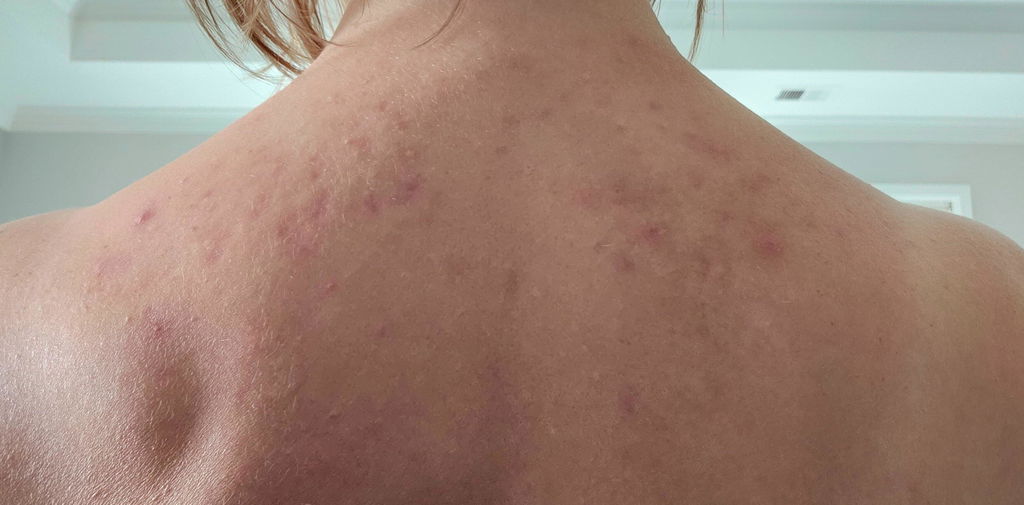
Does Zinc Help Acne? How Much to Take and What the Research Shows

Key Takeaways
- Zinc is an essential trace mineral involved in immune function and skin health, per NIH's Office of Dietary Supplements.
- The RDA for zinc is 8 mg daily for adult women and 11 mg daily for adult men.
- The tolerable upper intake level for zinc is 40 mg per day for adults, according to NIH's Office of Dietary Supplements.
- Zinc contributes to normal skin barrier function, wound healing, and the body's antioxidant defenses.
- Oysters, beef, and pumpkin seeds are among the richest dietary sources of zinc.
Zinc is an essential mineral that supports immune function, skin-barrier repair, and the body's antioxidant defenses — processes linked to how skin looks and feels. Research suggests adequate zinc may help support clearer-looking skin, though it works best alongside diet and skincare. The RDA is 8–11 mg daily; the upper limit is 40 mg.
Zinc Supports the Skin's Immune Response
Zinc is a cofactor for enzymes that regulate immune cell activity in the skin, helping the body respond to everyday blemishes and irritation. Because zinc contributes to normal immune function, adequate intake is considered foundational for skin that looks calm and healthy, according to the NIH Office of Dietary Supplements.
Zinc is involved in more than 300 enzymatic reactions in the body, many of which relate to immune signaling. In the skin specifically, immune cells rely on zinc to function normally, which is part of why researchers have long been curious about its connection to blemish-prone skin.
When zinc levels are adequate, the skin's immune responses tend to run more smoothly. This doesn't mean zinc is a stand-alone fix for breakouts — it means zinc is one of several nutrients your skin's immune system depends on to do its job.
For most people, getting enough zinc through food is the first step toward supporting this process, before considering a supplement.

Zinc May Help Support Sebum (Oil) Regulation
Some research has looked at zinc's relationship to sebaceous gland activity, since excess oil production is one factor associated with clogged pores. Zinc is thought to play a supporting role in how oil glands function, though hormones, genetics, and skincare habits remain the primary drivers of sebum production.
Sebaceous glands — the oil-producing glands attached to hair follicles — are one piece of the acne puzzle. Oil production is driven mainly by hormones, but researchers have explored whether trace minerals like zinc play a supporting role in how these glands behave.
This is one reason zinc shows up in conversations about skin-supportive nutrition. It's not a replacement for a dermatologist-guided routine, but it's part of the broader nutritional picture.
- Oil regulation is influenced by hormones, genetics, diet, and skincare
- Zinc is one of several micronutrients studied in this context
- No single nutrient controls sebum production on its own

Zinc Plays a Role in Skin Healing and Barrier Repair
Zinc contributes to collagen synthesis and cell turnover, two processes central to how skin repairs itself after a blemish. A properly functioning skin barrier also helps keep irritants from aggravating existing breakouts, which is why adequate zinc intake is considered part of skin barrier support.
Your skin is constantly renewing itself, and that renewal process depends on adequate nutrient intake — zinc included. It contributes to the synthesis of collagen and supports the skin cells that make up your outer barrier.
A resilient barrier matters for anyone dealing with breakouts, since a compromised barrier can make skin more reactive to friction, product ingredients, and environmental stressors.
This is why zinc often appears alongside vitamin C and other barrier-supportive nutrients in discussions of skin nutrition.

Zinc Acts as an Antioxidant That Supports Skin Defense
As part of the antioxidant enzyme superoxide dismutase, zinc helps the body manage everyday oxidative stress, including stress that reaches the skin. Supporting the body's natural antioxidant defenses is one way adequate zinc intake may contribute to skin that looks clear and resilient over time.
Zinc is a structural component of superoxide dismutase (SOD), one of the body's primary antioxidant enzymes. Antioxidants help manage the everyday oxidative load that comes from sun exposure, pollution, and normal metabolism.
Skin is one of the most exposed organs in the body, so its antioxidant needs are constant. Zinc's role here is protective and foundational rather than corrective — it supports the systems that keep skin resilient, rather than acting on a single blemish directly.

Many Diets Fall Short on Zinc
Zinc is found in oysters, beef, pumpkin seeds, and lentils, but many people don't consistently eat zinc-rich foods, and plant-based diets can make absorption harder due to phytates. Falling short on zinc over time may leave less of this mineral available for the skin-supportive processes described above.
Oysters are the single richest dietary source of zinc, followed by red meat, poultry, beans, nuts, and pumpkin seeds. Whole grains and legumes contain zinc too, but compounds called phytates can bind to it and reduce absorption.
This is part of why vegetarians, vegans, and people with limited dietary variety are more likely to fall short of the RDA. Restrictive dieting, high alcohol intake, and certain digestive conditions can also affect how much zinc the body actually absorbs and retains.
Adults need 8–11 mg of zinc daily, but consistent intake — not a single high dose — is what supports long-term nutrient status.

How Much Zinc for Acne-Prone Skin? Dosage Guidelines
The RDA for zinc is 8 mg daily for women and 11 mg daily for men, with a tolerable upper limit of 40 mg per day for adults, per NIH's Office of Dietary Supplements. Supplemental doses used in research have varied, and higher amounts should only be taken under medical guidance.
For general health, adult women need about 8 mg of zinc daily and adult men need about 11 mg, according to the National Institutes of Health's Office of Dietary Supplements. These amounts can typically be met through a varied diet.
Some research on zinc and skin has used higher supplemental doses, but going above the tolerable upper limit of 40 mg per day for adults is associated with side effects like nausea and can interfere with copper absorption over time.
Because needs vary by age, sex, and health history, it's worth talking to a healthcare provider before starting any zinc supplement — especially at doses above what a multivitamin typically provides.

Supporting Skin From the Inside With a Daily Nutrition Routine
Zinc works best as part of a broader nutrition foundation that includes antioxidants, fiber, and consistent hydration habits. Many people pair adequate zinc intake with daily antioxidant-rich supplements, like Max Detox, that are designed to support the body's natural detoxification pathways alongside a skin-supportive diet.
No single mineral works in isolation. Zinc's role in immune function, barrier repair, and antioxidant defense is easiest to support when it's part of a broader daily routine — one that includes a varied diet, water intake, and ingredients that support the body's own detoxification pathways.
This is where a daily antioxidant supplement can fit in. Savaya's Max Detox Acai Detox is formulated with acai and other plant-based antioxidants to help support the body's natural detoxification processes as part of a consistent wellness routine — not as a replacement for zinc or a dermatologist's guidance, but as a complementary daily habit.
Pairing nutrient-dense meals, adequate zinc intake, and a supportive daily routine is a more realistic long-term approach than looking for one ingredient to do everything.

See if Max Detox is right for you
Frequently Asked Questions
Can zinc supplements help with breakouts?
Zinc supports several processes tied to skin health, including immune function, oil gland activity, and barrier repair. Some research has explored oral zinc in relation to breakout-prone skin, but results vary by dose and individual, and zinc is best viewed as one part of a broader skin-support routine.
What form of zinc is typically used in skin-related research?
Zinc gluconate and zinc sulfate are the forms most commonly studied for skin-related research, while zinc picolinate is often used for general absorption. Each form delivers a different percentage of elemental zinc, so checking the label for elemental zinc content matters more than the form itself.
How long before zinc's effects on skin might be noticeable?
Nutrient-related changes in skin generally happen gradually, over the course of several weeks to months, since skin cell turnover itself is a multi-week process. There's no fixed timeline, and consistency with diet, supplementation, and skincare matters more than any single week's intake.
Can you take too much zinc?
Yes — intake above the tolerable upper limit of 40 mg per day for adults can cause nausea, stomach cramps, and long-term copper deficiency, according to NIH's Office of Dietary Supplements. More is not better, and high-dose zinc should only be used under a healthcare provider's supervision.
Should zinc be taken with food?
Zinc supplements are often taken with a meal to help reduce the stomach upset that can occur when zinc is taken on an empty stomach. Taking it apart from high-calcium or high-iron supplements may also support absorption, since these minerals can compete for uptake.
This content is for general wellness and educational purposes and is not medical advice. These statements have not been evaluated by the Food and Drug Administration. This product is not intended to diagnose, treat, cure, or prevent any disease. Consult your healthcare provider before starting any supplement, especially if you are pregnant, nursing, or managing a health condition. Individual results vary.