Does a Gut or Colon Cleanse Actually Help You Lose Weight? What Research Shows

Key Takeaways
- NCCIH, part of the NIH, reports no reliable evidence that cleanses remove toxins or cause lasting fat loss.
- NIDDK notes normal bowel movement frequency ranges from three times a day to three times a week.
- MedlinePlus points out most people don't get enough fiber, which supports regular, healthy bowel movements naturally.
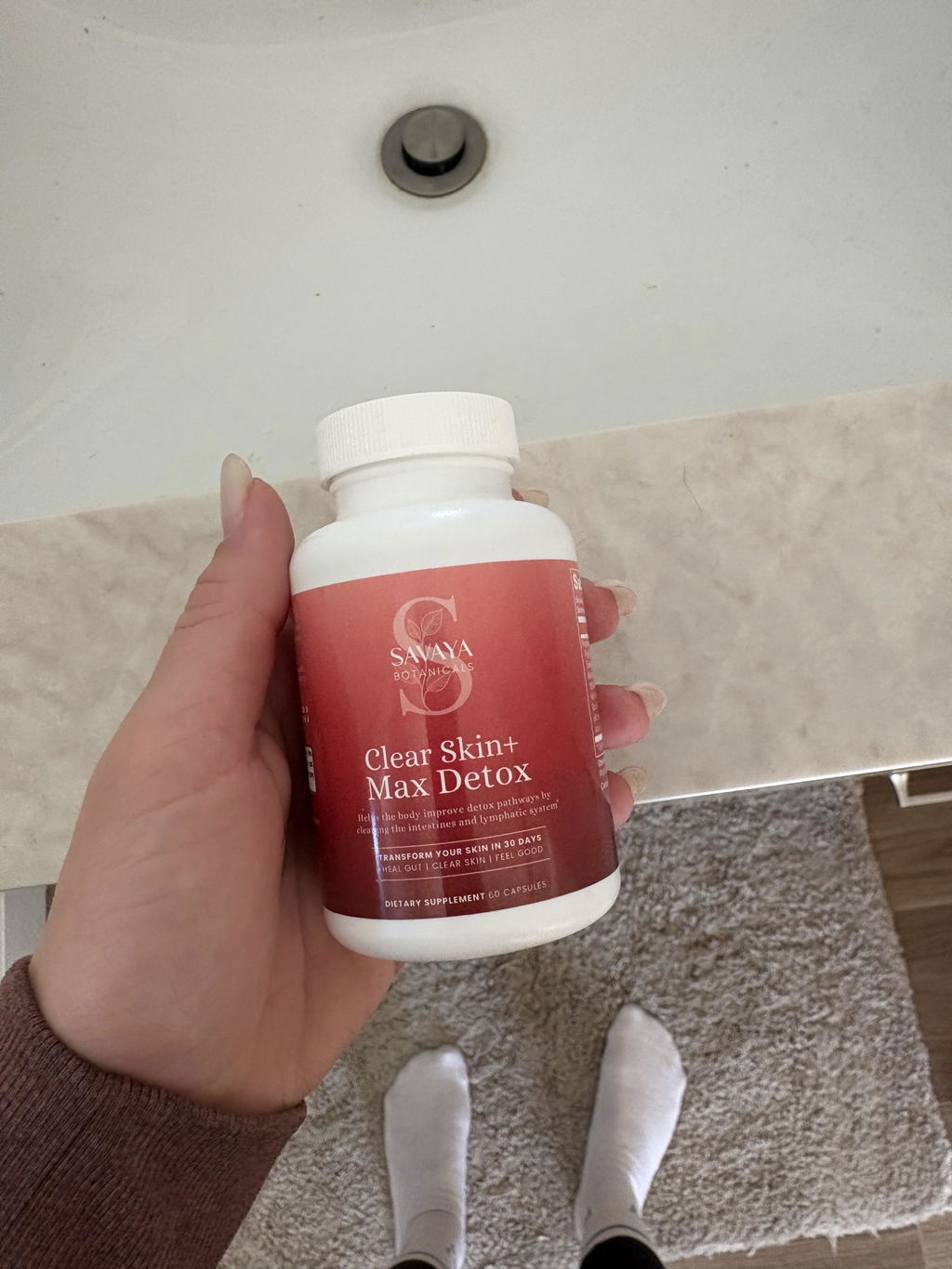
- Formulas like Max Detox are designed to support digestion and regularity, not replace a calorie deficit for fat loss.
Most weight lost during a gut or colon cleanse is water and stool, not body fat. Restrictive cleanse diets can create a short-term calorie deficit, but research on colon cleansing itself shows no evidence it produces lasting fat loss, and the weight typically returns once normal eating resumes.
Is Cleanse Weight Loss Just Water Weight?
Largely, yes. Many cleanses pair laxative or diuretic ingredients with very low-calorie, low-sodium menus, and the body responds by releasing stored water along with its normal glycogen reserves. That shift can move the scale noticeably within a day or two, but it reflects fluid loss, not a reduction in stored body fat.
When you cut carbohydrates and sodium sharply, as most cleanse protocols do, your body releases the water it was storing alongside glycogen, your muscles' stored carb fuel. Laxative or diuretic ingredients speed that process further.
The result is a scale number that can drop within a day or two — but it's a shift in fluid, not a change in fat tissue. Once you eat and hydrate normally again, that water typically returns.
This is the same mechanism behind rapid "weight loss" seen in the first week of any very-low-carb diet. It's a real number on the scale, but it isn't fat loss, and it isn't unique to cleansing.

Does Emptying Your Colon of Stool Count as Weight Loss?
Partly. The colon normally holds digested waste at any given time, and a cleanse that triggers frequent bowel movements empties that reserve faster than usual. That waste has real mass, so the scale reflects it — but it is not stored fat, and your colon refills with digested food again within days.
Your digestive tract always contains some volume of digested food and waste in transit — that's normal, healthy function, not a toxic buildup. A cleanse that forces several bowel movements in a short window can temporarily empty more of that reserve than usual.
Because that material has physical weight, less of it in your system does register on a scale. But it's a one-time emptying, not an ongoing loss — your colon refills as you keep eating and digesting.
- Normal stool weight varies by person, fiber intake, and hydration
- Bowel movement frequency itself varies widely and is not, by itself, a sign of a "clean" or "dirty" colon
Repeating a cleanse for this effect mostly repeats the same temporary emptying, not a cumulative fat-loss effect.

Does a Cleanse's Calorie Restriction Cause Real Fat Loss?
It can, temporarily. Most cleanse protocols sharply limit food for several days, and any consistent calorie deficit — from a cleanse or otherwise — can lead to some fat loss alongside water and stool weight. The catch is that a multi-day deficit is too brief to produce meaningful, lasting fat loss on its own.
Fat loss, in the end, comes down to consistently burning more calories than you take in over time. A juice-only or very-low-calorie cleanse does create that deficit for the days you're on it.
The problem is duration. A few days on a cleanse is a short window compared to the weeks most people need to lose a meaningful amount of fat, and the body's response to sudden, severe restriction can include holding onto fat stores more tightly once normal eating resumes.
A cleanse can be a jump-start to eating better, but the calorie math behind any weight it removes is no different from any other short-term crash diet.

Can Less Bloating Make You Look Thinner Without Fat Loss?
Yes. Cutting gas-producing foods, added sugar, and excess sodium during a cleanse can change how flat your stomach looks within days, largely by shifting gas and fluid in the digestive tract. That's a visible change, but it isn't a reduction in the fat layer around your midsection.
Bloating comes from a mix of trapped gas, water retention, and how much undigested food is moving through your gut at once. Cutting common bloating triggers — carbonated drinks, artificial sweeteners, excess sodium, some raw cruciferous vegetables — can visibly flatten your stomach within days.
That's a real, noticeable change, and it's part of why people feel a cleanse "worked." But it's happening in the digestive tract and surrounding tissue fluid, not in the fat layer itself.
Reintroduce those foods and the same look of a flatter stomach typically fades, independent of anything related to body fat.

Does the Weight Come Back After a Cleanse Ends?
For most people, yes. Because the bulk of a cleanse's rapid weight loss is water, stool, and reduced bloating, those pounds typically return within days of resuming normal eating and hydration. Any true fat loss from the brief calorie deficit is usually a small fraction of the total number the scale showed.
This is the part that trips people up. If a cleanse shows a big drop on the scale in the first day or two, most of that number is fluid and digestive contents, both of which refill quickly once you go back to eating and drinking normally.
The scale reflects water, food, and waste in your system at that exact moment — not just fat tissue.
Whatever small amount of true fat loss happened from the brief calorie deficit is usually much smaller than the total drop and easy to lose track of once the water weight returns and the number climbs back up.
That rebound isn't a sign of failure — it's how the body's normal fluid and digestive balance works.

What Should You Do If You Want Lasting Fat Loss?
Start with the basics that actually drive fat loss: a modest, sustained calorie deficit, enough protein and fiber to stay full, regular movement, consistent sleep, and tracking trends over weeks rather than daily scale swings. A gut-supporting routine can complement that foundation, but it isn't a substitute for it.
If your real goal is fat loss, not just a lighter number for a few days, a handful of free habits matter far more than any cleanse:
- Track your weight as a weekly average, not a daily number, so water fluctuations don't mask or fake real progress
- Aim for a modest, sustained calorie deficit rather than an extreme short-term one, which is easier to hold for weeks instead of days
- Prioritize protein and fiber-rich foods at each meal to help manage hunger without restrictive cleansing
- Stay consistently hydrated and keep sodium intake steady, so you're comparing real progress instead of daily water shifts
- Add regular movement and protect your sleep, both of which influence appetite and body composition over time
- Give any change several weeks, not days, before judging results — short-term scale swings are usually water, not fat
None of this requires buying anything. Once those habits are in place, a formula like Max Detox can play a supporting role — its acai and botanical blend is designed to support digestion and the body's natural detoxification pathways, which can make it easier to stay consistent with a healthy routine. It's a complement to the habits above, not a replacement for them.

So, Does a Colon Cleanse Help You Lose Weight?
Not in the way most people hope. A cleanse can shrink the scale fast through water and stool loss, plus a brief calorie deficit, but it does not target stored body fat. Sustainable weight loss still comes down to a modest calorie deficit held over weeks, not a multi-day reset.
The honest answer is that a colon or gut cleanse is not a fat-loss tool, even though it often produces a fast, visible number on the scale. That number is a mix of water, digestive waste, and a short-lived calorie deficit — all of which are real, but none of which are the same as losing body fat.
That doesn't mean a cleanse has no place. Supporting regular digestion is a legitimate, modest benefit on its own, and some people find a structured reset helps them break out of poor eating patterns and into a routine that does support long-term progress.
Just go in with accurate expectations: the scale drop is mostly temporary, the fat-loss work happens over weeks of consistent habits, and any cleanse or supplement is best understood as a support for that process, not a shortcut around it.

See if Max Detox is right for you
Frequently Asked Questions
Can a colon cleanse help you lose belly fat?
Not directly. A cleanse's effect on your midsection mostly comes from less digestive bloating and emptied waste, which can make your stomach look flatter within days — not a reduction in the fat layer itself. Belly fat responds to the same sustained calorie deficit and movement habits that affect fat everywhere else on the body.
How much weight do you lose from a colon cleanse?
It varies widely by person and protocol, but most of what's lost in the first few days is water and stool weight rather than fat. Because individual bowel habits, hydration, and starting diet differ so much, there's no reliable figure for how much — or how little — of that drop reflects actual fat loss.
Is it safe to do a colon cleanse to lose weight?
Safety depends heavily on the method and the person. Aggressive laxative-based or prolonged fasting cleanses can cause dehydration and electrolyte imbalances, which is riskier for people with existing health conditions. A gentler, food- and fiber-based approach to supporting digestion is generally a lower-risk starting point, and checking with a healthcare provider first is wise for anyone with underlying conditions.
What's the difference between water weight and fat loss?
Water weight is fluid your body is holding in tissue and the digestive tract; it can shift by several pounds within a day based on sodium, carbs, and hydration. Fat loss is a reduction in stored fat tissue, which only happens through a sustained calorie deficit maintained over weeks, not days.
Do colon cleanses actually remove toxins?
There's no reliable evidence that cleanses flush toxins your body can't already handle. Your liver, kidneys, and digestive system continuously process and remove waste on their own. A cleanse may support regularity and comfortable digestion, but framing it as a toxin-removal tool isn't well supported by current research.
This content is for general wellness and educational purposes and is not medical advice. These statements have not been evaluated by the Food and Drug Administration. This product is not intended to diagnose, treat, cure, or prevent any disease. Consult your healthcare provider before starting any supplement, especially if you are pregnant, nursing, or managing a health condition. Individual results vary.