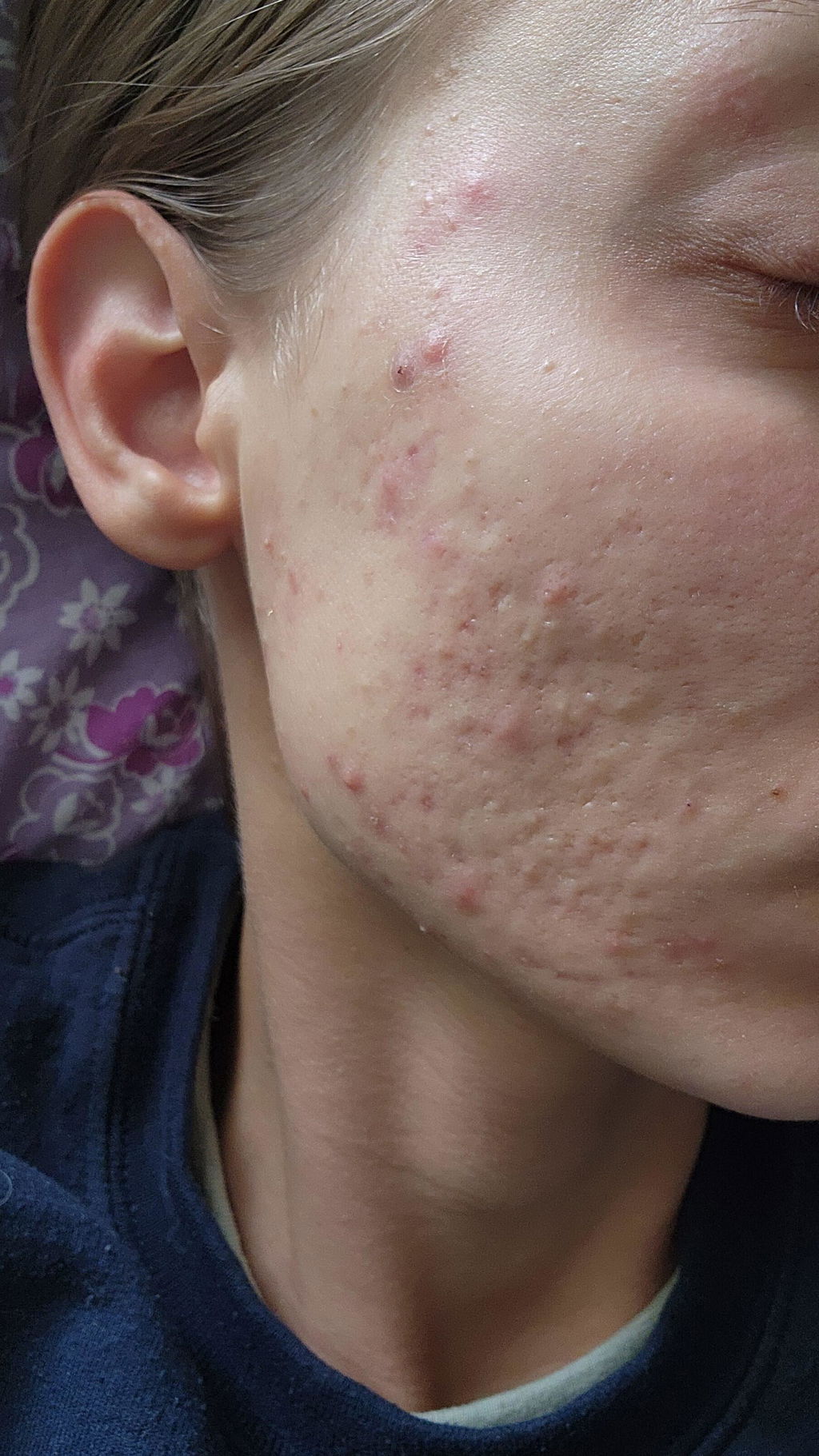
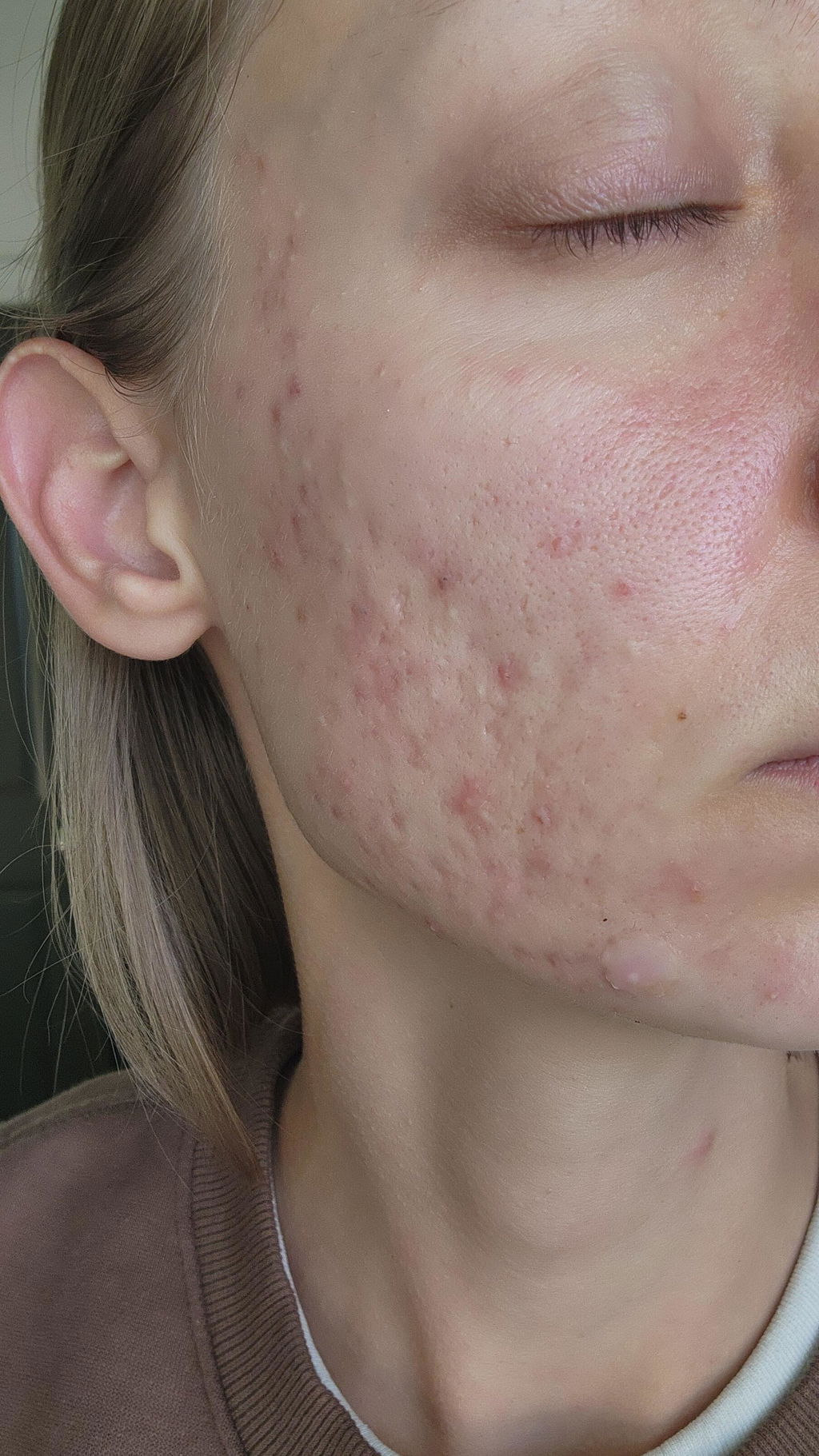
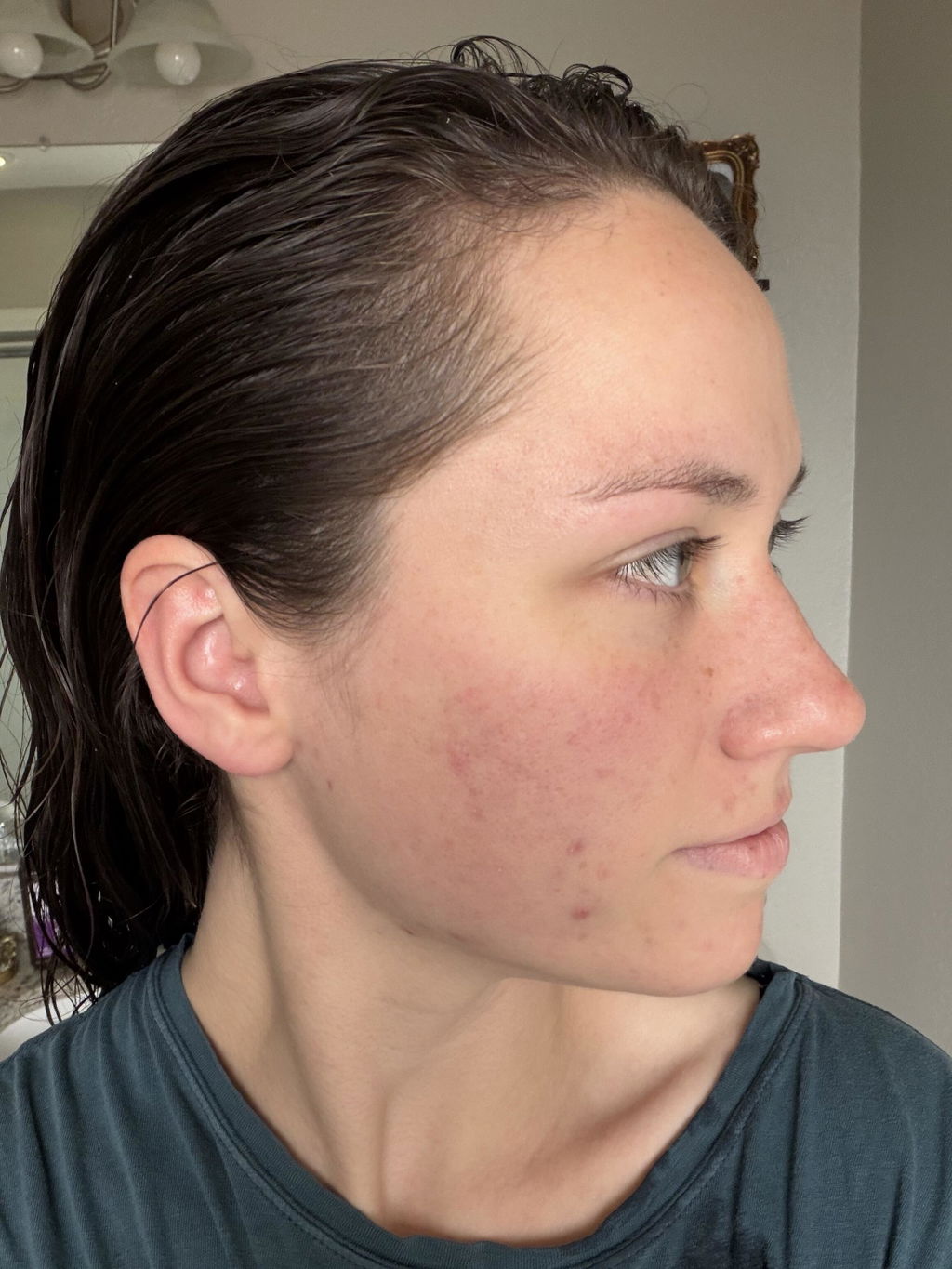
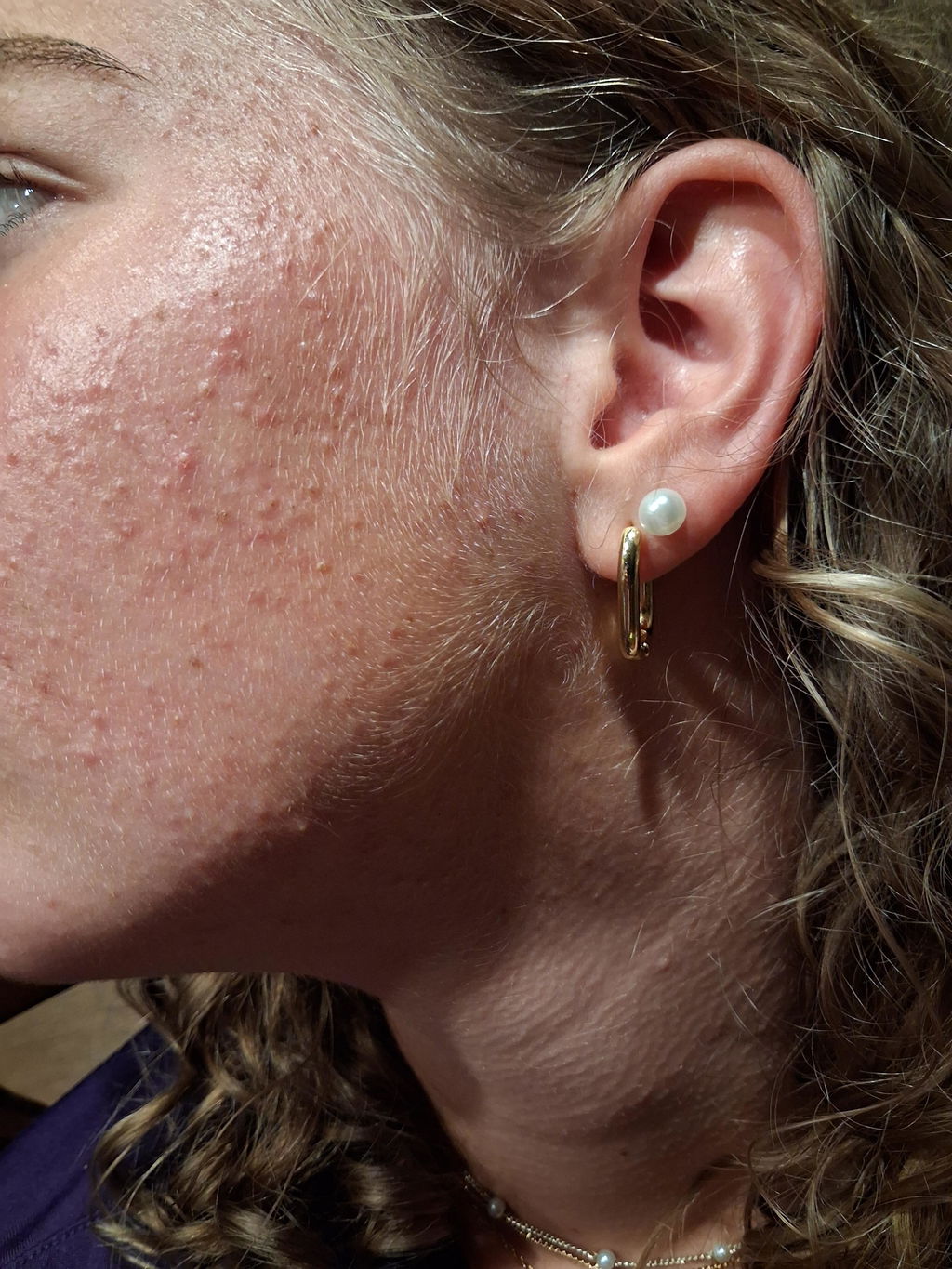
My dermatologist told me my acne was hormonal. So I went on birth control for two years. When I finally stopped, the breakouts came back worse than before — and I was 31, eating what I genuinely believed was a clean, anti-inflammatory diet.
What nobody told me — not my dermatologist, not the nutritionist I paid $200 an hour to see — was that the glass of organic whole milk I drank every morning, the Greek yogurt I ate for protein, and the whey powder in my post-workout smoothie were all directly activating the same hormonal pathway driving my breakouts.
When I finally eliminated every form of dairy for eight weeks, my skin changed more dramatically than it had from any prescription, supplement, or skincare protocol I had ever tried. I was not unique. The science now explains exactly why — and the evidence is far more robust than most people realize.
This is what the research actually says about dairy, acne, and the biological mechanisms connecting them.
———
How Dairy Activates Your Skin's Acne Pathway
Cow's milk is biologically engineered to grow a calf from roughly 65 pounds at birth to over 400 pounds within a year. That kind of growth requires an extraordinarily potent hormonal cocktail — and the primary driver is insulin-like growth factor 1 (IGF-1).
When you consume dairy, circulating IGF-1 in your blood rises. A 2012 study published in Nutrition and Metabolism confirmed this effect across adult age groups — this is not a phenomenon limited to teenagers. The problem is that elevated IGF-1 does not distinguish between calf muscle growth and your sebaceous glands. It simply signals cells to proliferate and produce.
IGF-1 activates a cellular signaling pathway called mTORC1 (mechanistic target of rapamycin complex 1). This same pathway has been identified by dermatological researchers as a central driver of acne vulgaris. When mTORC1 is switched on, two things happen simultaneously:
- Sebum production increases — oil glands ramp up output, flooding pores
- Keratinocyte proliferation accelerates — skin cells multiply too fast, trapping sebum and bacteria beneath the surface
Dermatologist and researcher Dr. Bodo Melnik, whose work has been published in Experimental Dermatology and the Journal of the German Society of Dermatology, describes dairy as a persistent mTORC1-activating signal. Unlike a single sugary meal, dairy keeps this pathway elevated over time — explaining why chronic, low-grade acne is the typical presentation in dairy-sensitive individuals, rather than isolated flares.
———
Casein A1 vs. A2: Why Switching Dairy Types Often Is Not Enough
Not all dairy proteins are chemically identical, and this distinction matters for understanding why some people react to conventional dairy but report tolerating goat cheese or Jersey cow milk better.
The dominant protein in cow's milk is casein, which comes in two primary structural variants: A1 and A2. The vast majority of commercial dairy in the United States comes from Holstein cows, which predominantly produce A1 casein. During digestion, A1 casein releases a peptide called beta-casomorphin-7 (BCM-7) — a compound with opioid-like receptor activity that has been linked to gut inflammation and increased intestinal permeability.
A2 casein, found in milk from Jersey cows, goats, and sheep, does not produce BCM-7 during digestion. A 2016 study in European Journal of Clinical Nutrition found that participants consuming A2 milk had significantly lower gastrointestinal inflammation markers compared to A1 milk, despite equivalent lactose content.
This is relevant because a leaky, inflamed gut amplifies every other acne trigger — including the hormones in dairy. When the gut lining is compromised, hormones, peptides, and bacterial endotoxins pass into systemic circulation more freely, intensifying the skin's inflammatory response.
The critical caveat: A2 dairy still contains IGF-1 and natural hormones. Switching to goat cheese or A2 milk may reduce the gut inflammation component of the acne response, but it does not remove the hormonal drivers. For many people with chronic acne, even A2 dairy is enough to keep the breakout cycle running.
———
Whey Protein and Acne: The Research Fitness Culture Ignores
If you have been eating clean, avoiding junk food, and still breaking out — and you use protein powder — this section is for you.
Whey protein is the fast-absorbing fraction of milk protein used in most commercial protein powders and many "healthy" packaged foods. It is, in acne terms, among the most problematic forms of dairy available.
A 2012 case series published in Cutis documented clear acne flares in young men directly correlated with whey protein supplementation, with breakouts resolving within weeks of cessation and returning when supplementation resumed. A 2016 observational study in the Journal of the European Academy of Dermatology and Venereology found statistically significant correlations between whey protein intake and acne severity scores in both male and female subjects.
The mechanism is compound and particularly potent: whey simultaneously spikes both insulin AND IGF-1. Both signals converge on the mTORC1 pathway at the same time, effectively double-activating the biological acne switch. This is why some athletes and fitness-focused individuals who eat otherwise impeccable diets experience some of the most stubborn, treatment-resistant acne — their protein source is working against them.
Plant-based protein alternatives — hemp, pea, brown rice — do not trigger the same insulin-IGF-1 combination and consistently show no association with acne in the research literature.
———
What Harvard Researchers Found — And Why It Surprised Even the Researchers
The most influential epidemiological data on dairy and acne comes from the Harvard Nurses' Health Study II, which examined the dietary patterns of 47,355 women and correlated them with physician-diagnosed acne during high school.
The findings were significant:
- Women consuming two or more glasses of skim milk per day had a 44% higher risk of acne compared to those who consumed little or none
- Whole milk showed a 12% increased risk per serving
- Skim milk showed stronger associations than whole milk — a counterintuitive finding that challenged assumptions about dairy fat being the driver
- Cottage cheese, cream cheese, and instant breakfast drinks (all high in dairy protein) also showed significant independent associations
The skim milk finding is particularly instructive. Since hormones in dairy concentrate largely in the fat fraction, skim milk's stronger acne association suggests fat is not the primary mechanism. Researchers proposed that skim milk processing concentrates whey protein and may elevate certain hormone fractions relative to the reduced volume. The dairy protein signal, independent of fat, appears to be the dominant driver.
These findings were supported by a comprehensive 2018 meta-analysis in the Journal of the American Academy of Dermatology, which pooled data from 14 studies covering more than 78,000 participants and concluded: milk and dairy product intake was significantly associated with acne in individuals aged 7 to 30 years, across geographic regions and dietary cultures.
———
Hormones in Dairy: What "Organic" Does Not Fix
The single most common response I get from clients when I bring up dairy is: "But I only buy organic."
Organic dairy has genuine advantages — no synthetic growth hormones like rBGH, no antibiotic residues, more regulated farming practices. For many health concerns, these distinctions matter. For acne, they are largely irrelevant, and here is why.
A lactating cow naturally produces estrogens, progesterone, androgens, and IGF-1 as part of normal reproductive physiology. These are not additives — they are biological outputs of lactation itself, completely independent of farming practices. No certification can remove them.
A 2010 study published in the Journal of the American Dietetic Association measured estrogen, progesterone, and IGF-1 concentrations in matched samples of organic and conventional milk. The naturally occurring hormone levels were comparable between the two.
Modern industrial dairy practices have also substantially increased the baseline hormone load in commercial milk. The shift toward milking cows throughout pregnancy — rather than only postpartum — means that much of the milk supply now comes from animals whose natural hormone levels are significantly elevated. Researchers estimate that 60 to 70 percent of dietary estrogen exposure in Western populations now comes from dairy products, largely due to this practice. Organic certification does not change the cow's gestational status.
———
Why Some People Tolerate Dairy and Others Break Out
If the mechanisms above are real, why does not everyone who drinks milk have severe acne? This is the question that makes people dismiss the dairy-acne connection — and it deserves a real answer.
Two primary factors explain individual variation: genetics and gut microbiome composition.
Lactase persistence is a genetic trait — most prevalent in populations with long ancestral histories of dairy farming, including Northern Europeans and certain East African groups — that allows continued lactase enzyme production into adulthood. Adults with this trait digest lactose more completely, reducing fermentation and associated gut inflammation. When dairy is processed efficiently, the inflammatory downstream signaling is reduced.
But the gut microbiome variable is at least as significant. A 2019 study in Experimental Dermatology found measurable differences in gut microbiome diversity between acne-prone individuals and clear-skinned controls eating comparable diets. Those with acne showed higher populations of pro-inflammatory bacterial species and depleted levels of beneficial Lactobacillus and Bifidobacterium.
When beneficial bacteria populations are low — from antibiotic use, chronic stress, processed food intake, or prior gut infections — intestinal permeability increases. This is the mechanism behind what researchers call "leaky gut": the tight junctions between intestinal cells loosen, allowing larger molecules including BCM-7, hormonal fragments, and bacterial endotoxins to enter systemic circulation.
In this compromised gut environment, dairy becomes dramatically more inflammatory than it would be in a resilient, well-populated microbiome. The person is not simply "sensitive" — their gut terrain has changed the way their body processes everything, including dairy.
This is why rebuilding gut health is not a side note in clearing acne — it is central to the outcome. A structured gut microbiome cleanse targets exactly this terrain, reintroducing beneficial bacterial populations and supporting the mucosal lining that keeps inflammatory triggers contained within the digestive tract.
———
Dairy Alternatives That Actively Support Clear Skin
Eliminating dairy is the starting point. What you replace it with determines whether your skin continues to heal or simply plateaus.
Oat milk contains beta-glucans — soluble prebiotic fibers that feed beneficial gut bacteria and have been studied for their ability to lower circulating inflammatory markers. It is naturally creamy, does not spike blood sugar when unsweetened, and is well-tolerated by most digestive systems.
Coconut milk delivers medium-chain triglycerides including lauric acid, which has demonstrated specific antimicrobial activity against Cutibacterium acnes (the bacteria involved in inflammatory acne lesions) in laboratory studies. It also supports the gut mucosal lining.
Hemp milk provides an ideal omega-6 to omega-3 ratio of approximately 3:1, supporting the resolution of systemic inflammation. It is also a source of gamma-linolenic acid (GLA), a fatty acid that has been shown in multiple studies to improve skin barrier integrity and reduce transepidermal water loss.
For comprehensive mineral nutrition — the full-spectrum support that dairy is assumed to provide — nothing I have found in years of holistic practice matches sea moss. This ocean plant naturally contains 92 of the 102 minerals the human body uses: iodine for thyroid function and skin cell regulation, zinc for sebum control and wound healing, calcium for cellular signaling, and magnesium for cortisol metabolism. Unlike dairy, sea moss actively nourishes the gut microbiome rather than disrupting it.
For clients ready to address the skin from multiple angles, I recommend pairing dietary changes with a daily acai-based Max Detox blend, which helps support nutrient intake as part of a broader routine. Diet and lifestyle play a role too, alongside whatever topical routine someone's already using.
For those needing a more immediate internal reset — particularly after years of dairy consumption and antibiotic use — the full detox protocol clears inflammatory residue and gives the gut a clean foundation to rebuild from.
And for the skin barrier itself during the transition period, a simple, non-comedogenic topical like tallow cream supports healing without introducing synthetic ingredients that could further disrupt a skin microbiome already under stress.
———
What Eight Weeks Without Dairy Can Actually Show You
The research is clear. The mechanisms are documented. The epidemiology is replicated across tens of thousands of participants in multiple countries.
But data does not clear skin. Elimination does.
Eight weeks is the minimum meaningful trial period — enough time for existing comedones to surface and resolve, for the gut microbiome to begin shifting, and for IGF-1 and hormonal signaling to recalibrate. Some people see significant changes in three weeks. Others need the full two months before the pattern becomes unmistakable.
The people who see the least benefit are usually those who eliminated cow's milk but kept whey protein, Greek yogurt, or cheese. Total elimination — including all forms of dairy and dairy-derived proteins — is required for a genuine test.
If you have been managing breakouts symptomatically for years and have never done this, you deserve to know what your skin looks like on the other side of that experiment. In my experience, a significant portion of people with chronic adult acne have their answer waiting in that eight-week window.
———
Start Inside: The Foundation for Clear Skin
If you are ready to move from symptom management to root-cause healing, the most impactful first step is rebuilding the gut environment that determines how your skin responds to everything — including dairy, stress, and hormonal shifts.
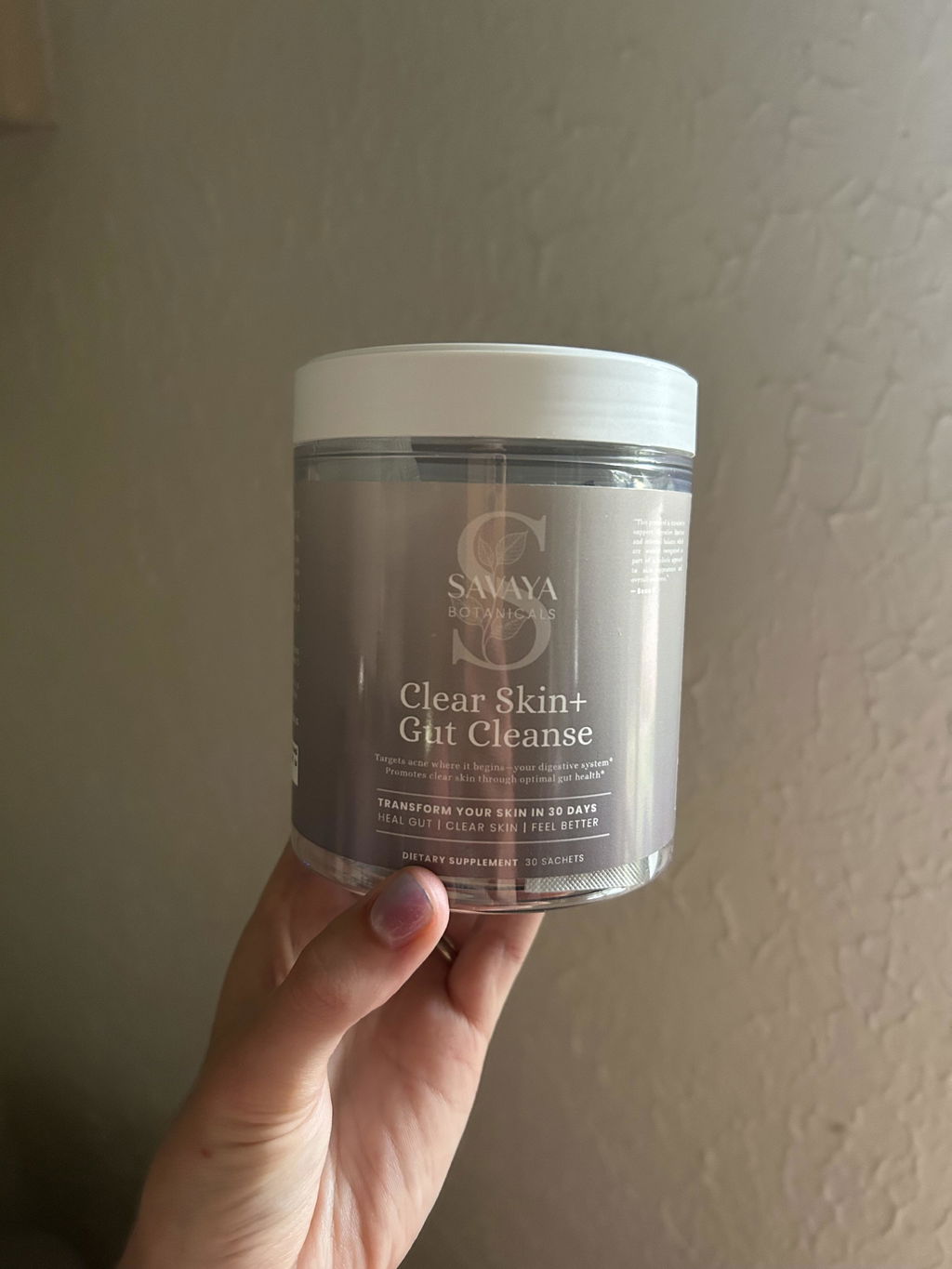
The Savaya Microbiome Gut Cleanse is formulated specifically for this reset — reseeding beneficial bacteria, supporting tight junction integrity, and creating the internal conditions where skin can heal from the inside out rather than being managed from the outside in.
Pair it with sea moss for the full mineral foundation your skin needs during the dairy transition, and you are working with your biology rather than against it.
The science has done its job. It has shown us the mechanism, confirmed the association, and identified the solution. What happens next is yours to decide.
———
Frequently Asked Questions
Does dairy really cause acne?
Yes, multiple peer-reviewed studies confirm the association. The Harvard Nurses' Health Study II found that women consuming two or more daily servings of skim milk had a 44% higher risk of acne. A 2018 meta-analysis covering over 78,000 participants in JAAD concluded the link is significant across age groups and regions. Dairy raises IGF-1, activates the mTORC1 acne pathway, and delivers naturally occurring hormones that stimulate sebum overproduction.
What is IGF-1 and why does it cause acne?
IGF-1 (insulin-like growth factor 1) is a growth hormone naturally present in cow's milk. When dairy consumption raises circulating IGF-1 levels, it activates the mTORC1 cellular pathway, which drives both excess oil production and accelerated skin cell turnover — the two primary biological conditions that create acne lesions.
Is organic dairy safer for acne-prone skin?
No. Organic dairy still contains naturally occurring estrogens, progesterone, androgens, and IGF-1, which are produced by the cow during lactation regardless of farming practices. Organic certification removes synthetic additives but cannot remove the cow's own reproductive hormones. Research has found comparable naturally occurring hormone levels in organic and conventional milk samples.
Why can some people eat dairy without getting acne?
Two main factors: genetic lactase persistence (the ability to produce the lactase enzyme into adulthood, common in Northern European populations) and gut microbiome composition. People with diverse, resilient gut microbiomes process dairy proteins more completely, reducing the inflammatory signaling that triggers breakouts. Those with compromised gut terrain — from antibiotics, stress, or poor diet — react far more strongly to the same dairy inputs.
What should I eat instead of dairy to support clear skin?
Oat milk provides gut-feeding beta-glucans, coconut milk delivers antimicrobial lauric acid, and hemp milk supplies anti-inflammatory omega-3s. For comprehensive mineral nutrition without the hormonal burden of dairy, sea moss is exceptionally effective, providing 92 essential minerals including zinc, iodine, and calcium. A targeted gut microbiome cleanse can also reset the internal environment that determines how your skin responds to everything you eat.