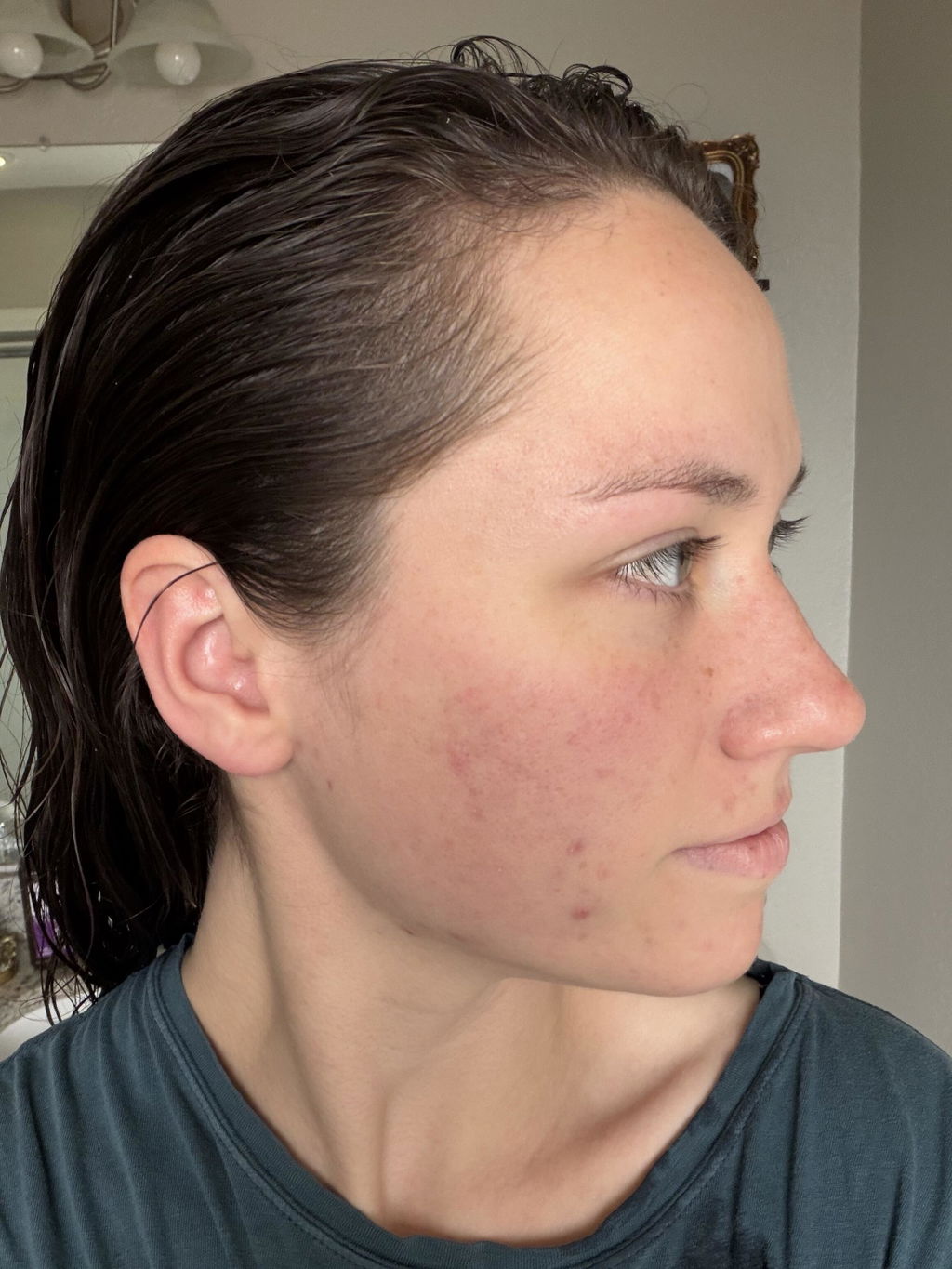
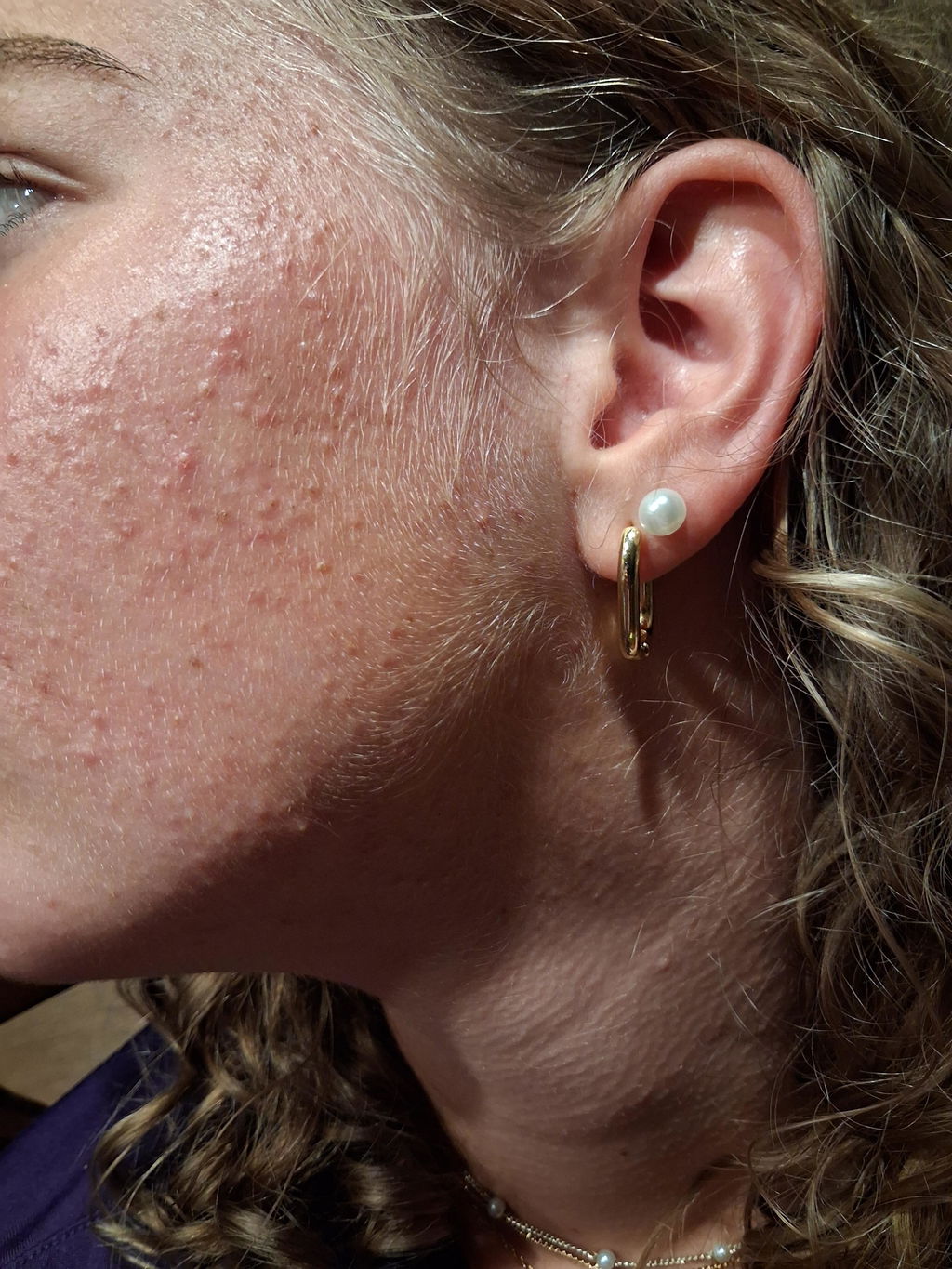
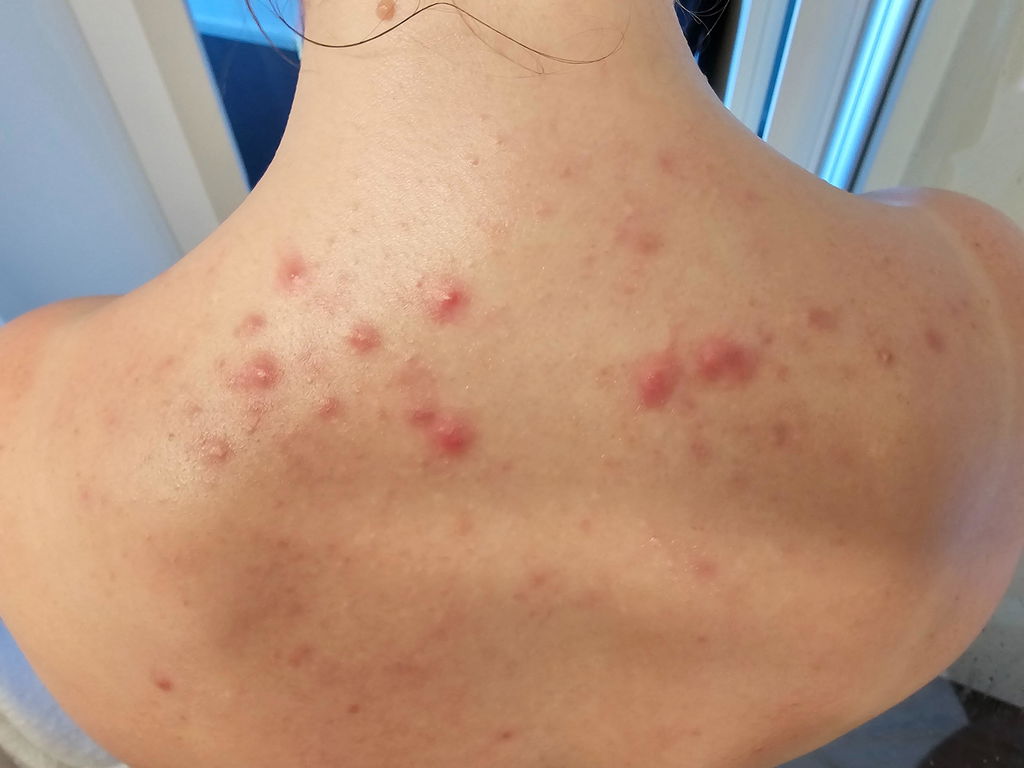
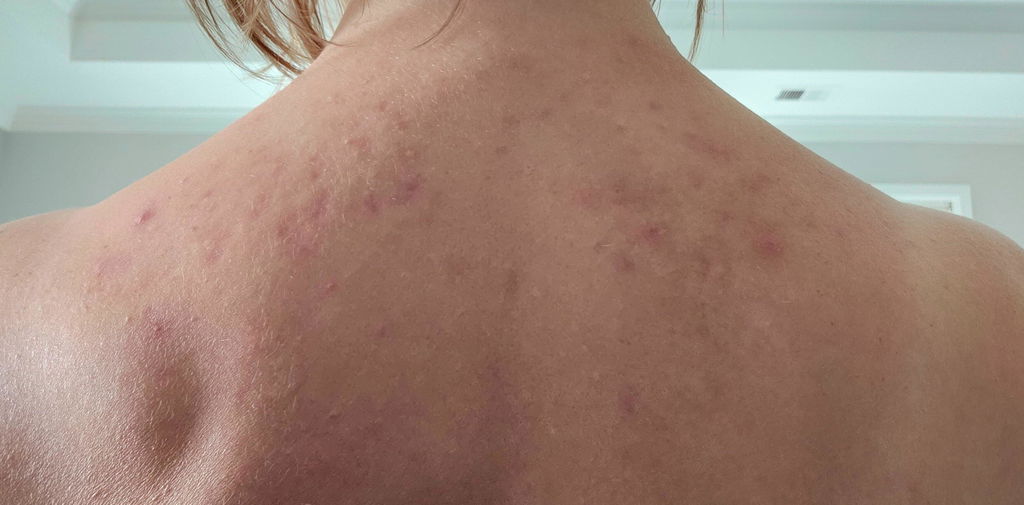
Here is what nobody tells you when you go on your third round of antibiotics for acne. The dairy in your morning latte is doing more to your skin than your dermatologist will ever admit. Not because doctors are hiding it. Because the research moved faster than the textbooks did. And the science is now sitting on a shelf that most clinicians have not opened yet.
What Dairy Actually Does to Your Skin
Dairy triggers acne through three overlapping mechanisms. It spikes IGF-1, which tells your sebaceous glands to pump out more oil. It activates the mTORC1 pathway, which drives skin cell overgrowth. And it carries cow hormones that mimic androgens in human tissue. These pathways inflame sebocytes and clog follicles.
In my practice, I have spent years sitting across from women who eliminated everything except their daily Greek yogurt. They were convinced yogurt was the safe one because it was "gut-healthy". Their faces told a different story. The mechanism does not care whether the dairy is fermented, organic, or grass-fed. The bioactive proteins still survive digestion. The hormones still reach the bloodstream. The pathway still fires.
The reason most people miss this is timing. Dairy breakouts often show up 2 to 7 days after consumption, not the next morning. So you blame the chocolate, the stress, the new moisturizer. You never blame the cottage cheese you ate on Tuesday.
IGF-1: The Hormone Pathway From Cow to Sebum
IGF-1, or insulin-like growth factor 1, is a hormone that signals cells to grow. Dairy is one of the most potent dietary triggers of IGF-1 in adults. Studies by Bodo Melnik have shown that regular milk consumption raises serum IGF-1 by approximately 10 to 20 percent in habitual drinkers.
Here is what IGF-1 does inside a follicle. It binds to receptors on sebocytes, which are the oil-producing cells in your skin. Those receptors then crank up sebum production. They also activate something called the mTORC1 pathway. mTORC1 is your body's growth switch. Useful when you are 14 and building bone. A problem when you are 27 and trying to keep your pores clear.
What makes dairy different from other foods? The IGF-1 in cow milk is structurally identical to human IGF-1. The bovine hormone crosses over. Casein and whey both stimulate insulin secretion, which in turn raises IGF-1 even higher. Melnik's 2011 paper in Dermatoendocrinology framed acne as a "metabolic mTORC1-driven disease of civilization". That language was not casual.
You can stop eating sugar. You can drop refined carbs. If you keep drinking milk, the IGF-1 pathway stays lit.
Most adult acne is not a skin problem. It is a gut problem your skin is broadcasting.
Casein A1 vs A2: Not All Milk Is the Same Milk
Casein is the main protein in cow milk, and it comes in two forms. A1 beta-casein produces an opioid-like peptide called BCM-7 when digested. A2 beta-casein does not. BCM-7 has been linked to inflammation and gut barrier disruption, which sit at the root of most adult acne.
A1 dominance is recent in human history. Original European cattle produced A2 milk. Around 8,000 years ago, a genetic mutation in northern European cattle introduced A1. Modern Holsteins, which produce the majority of conventional supermarket milk, are heavily A1. A2 milk comes mostly from Guernsey, Jersey, sheep, goats, and water buffalo.
When your stomach acid breaks down A1 casein, it releases BCM-7. BCM-7 binds to opioid receptors in the gut and may influence the tight junctions between intestinal cells. This is one of the mechanisms behind the intestinal permeability you keep hearing about. When the gut barrier loosens, inflammatory molecules slip into circulation. The skin reads that inflammation as a fire alarm and reacts.
This is why some clients tell me they tolerate goat cheese but break out from cow yogurt. The casein profile is different. The protein chain digests cleaner. Their immune system never gets the BCM-7 signal in the first place.
Whey Protein and the Bodybuilder Acne Pattern
Whey protein is the most insulinogenic part of dairy. Even more than the lactose. A 2012 case series in Cutis documented acne flares in five teenage athletes who started whey protein and cleared after stopping. A 2013 study by Pontes and colleagues found whey users had measurably higher acne incidence.
Whey concentrate and whey isolate both trigger the same pathway as fluid milk. The protein hits your bloodstream fast, insulin spikes, IGF-1 follows. Within weeks, jawline cysts appear. This is the classic "gym acne" pattern, and it is rarely about sweat.
The 2013 Pontes study, published in the Anais Brasileiros de Dermatologia, followed young adults using protein-calorie supplements. The participants on whey-heavy regimens had a significantly higher rate of acne vulgaris than non-users. The pattern was so consistent that the authors flagged whey as a likely driver, not just a correlate.
I have seen men in their 30s clear cystic acne by switching from whey to pea protein. No skincare change. No medication. Just removing the insulin-IGF-1 trigger they were drinking twice a day. The skin is honest. It tells you what is inflaming it if you give it 8 weeks of quiet.
What the Harvard Nurses' Health Study Actually Showed
The Harvard School of Public Health ran one of the largest dietary acne studies in history. Researchers Adebamowo and colleagues analyzed data from over 47,000 women in the Nurses' Health Study II. Women who drank more than 3 servings of milk daily had a 22 percent higher risk of severe teenage acne.
That study, published in the Journal of the American Academy of Dermatology in 2005, was the first large-scale modern data set linking dairy to acne. The strongest link was with skim milk. Skim, not whole milk. That detail confused dermatologists for a decade.
The current explanation is that skim milk has the fat removed but the bioactive hormones and proteins intact. Whole milk fat may slightly buffer the hormonal response. Skim is a more concentrated delivery system for the inflammatory triggers.
Follow-up studies in 2006 (girls) and 2008 (boys) found the same pattern. The 2008 paper followed 4,273 teenage boys and again found higher acne rates in milk drinkers, with skim showing the strongest association. A 2018 meta-analysis in Nutrients pooled 14 studies and confirmed a positive association between dairy intake and acne risk.
This is no longer one study. It is a body of evidence with a clear direction.
The Hormones Hiding in Organic Milk
Organic dairy is hormone-free in the sense that no synthetic rBST or rBGH is added. It is not hormone-free in any biological sense. Modern dairy cows are kept pregnant during roughly 75 percent of their lactating period, and pregnant cows secrete estrogens, progesterone, and IGF-1 into their milk.
A 2010 study by Maruyama and colleagues in Pediatrics International measured estrone sulfate and progesterone in commercial milk samples. The levels were higher than many parents would guess. The hormones survive pasteurization. They are present in organic, grass-fed, and raw milk. The label is silent on this.
This matters because the hormones in late-pregnancy milk are bioactive in human tissue. Estrone and progesterone metabolites can influence androgen receptor activity in skin. In sensitive individuals, this nudges the same sebum-and-keratin cascade that drives acne.
The romantic image of milk from a peaceful pasture-raised cow is real. The biology of what that cow has been kept pregnant to produce is also real. Both can be true. If your acne is hormonal, organic does not give you a pass.
Why Some People Drink Dairy and Stay Clear
Tolerance varies because of three factors: lactase persistence, gut microbiome composition, and individual hormone sensitivity. About 35 percent of adults worldwide retain lactase activity into adulthood. Those who do not retain it often experience dysbiosis and intestinal permeability after dairy, which compounds the skin response.
Lactase persistence is a genetic trait concentrated in populations with long dairy-farming histories. Roughly 90 to 95 percent of people of Northern European descent retain lactase. Roughly 10 percent of East Asian descent do. Most of West Africa, Southeast Asia, and Indigenous Americans cluster on the low end. Dairy is a relatively recent food in human evolution, and the gut has not had time to universally adapt.
But lactase only handles lactose. It does nothing for casein A1, IGF-1, or hormones. Plenty of "lactose-tolerant" people still break out from milk because the acne mechanism runs through different doors.
The microbiome is the second variable. A gut rich in Bifidobacterium and Akkermansia muciniphila has a tighter intestinal barrier and metabolizes dairy peptides differently. Short-chain fatty acids produced by a healthy microbiota help keep the tight junctions intact. A gut depleted from years of antibiotics, sugar, or low fiber? The same glass of milk produces a much louder inflammatory response through the gut-skin axis. The skin reflects what the gut tolerates.
The third factor is hormone sensitivity at the receptor level. Some people have sebocytes that respond aggressively to small IGF-1 changes. Others do not. This is largely genetic and explains why one sister can drink cappuccinos and have glass skin while the other lives with cystic jawline breakouts.
Dairy Alternatives That Support Gut Health
The best dairy alternatives feed the gut microbiome instead of irritating it. Unsweetened coconut yogurt with live cultures, almond milk made without carrageenan, and full-fat oat milk paired with prebiotic fiber are all reasonable swaps. The point is not just removing dairy. It is rebuilding the gut barrier dairy disrupted.
Most adult acne lives at the intersection of an inflamed gut and hormonally sensitive skin. Pulling dairy out is step one. Restoring the microbiome is step two, and it is the one most people skip. This is where a targeted gut cleanse helps reset the bacterial balance that dairy, sugar, and stress have shifted.
If you want to go deeper, mineral-rich sea moss is one of the more useful additions. Sea moss is a natural prebiotic, supports the mucin layer that protects intestinal cells, and provides 92 trace minerals from the ocean. Many of my clients add it during the transition off dairy because their mineral status often dropped along with dairy intake. Iodine, zinc, magnesium, and selenium all matter for skin and they all show up in sea moss.
For a simpler daily addition, Clear Skin+ Max Detox is an acai-based blend taken once a day that helps support the skin from within. Pair it with a barrier-repairing tallow cream at night and you give the skin the topical support it needs while the gut catches up internally. Bioavailable collagen support helps maintain the intestinal lining, since collagen peptides are a direct substrate for gut wall reconstruction.
If acne has been part of your life for years, the deeper 12-week reset may be the more honest starting place. Most superficial protocols stop at "cut out dairy". The gut work is what makes the dairy removal stick.
None of this is about willpower or another expensive cream. It is about removing the inflammatory drivers and giving the gut barrier the materials to heal. This microbiome reset is built around that exact sequence, and it is where most of my long-term acne clients start.
• • •
Frequently Asked Questions
How long until my skin clears after quitting dairy?
Most people see meaningful change between 8 and 12 weeks. The IGF-1 elevation settles within 7 to 10 days, but existing inflammation, follicle wall damage, and post-inflammatory hyperpigmentation take longer to resolve. Skin renews on roughly a 28-day cycle, so plan on at least three full cycles before judging the result.
Is goat or sheep milk safe for acne?
Goat and sheep milk are easier to digest for many people because they have a different casein profile and naturally contain A2-type beta-casein. They still contain IGF-1 and hormones, so they are not risk-free. If you tolerate them, fine. If you still break out, the issue is not just lactose, and you may need a longer dairy-free reset.
Does cheese cause acne as much as milk?
Aged cheeses are lower in lactose and IGF-1 than fluid milk, but they are higher in concentrated casein. For people whose acne is driven by casein and BCM-7, hard cheeses can actually be worse than yogurt. There is no universally "safer" dairy. There is only what your individual skin tells you over 8 weeks of elimination.
What about A2 milk? Is it really clearer?
A2 milk eliminates the BCM-7 pathway but still contains IGF-1 and hormones. People who break out specifically from A1 may tolerate A2. People whose acne is driven by IGF-1 or hormones often see no difference. A2 is an interesting experiment, not a guaranteed solution.
Can I drink dairy again after I clear up?
Some people can reintroduce small amounts of fermented or A2 dairy after their gut barrier and microbiome have recovered. Others find that even a single latte brings cystic breakouts back. The honest answer is that you will learn your personal threshold during reintroduction, usually after a 12-week reset. The skin will tell you.