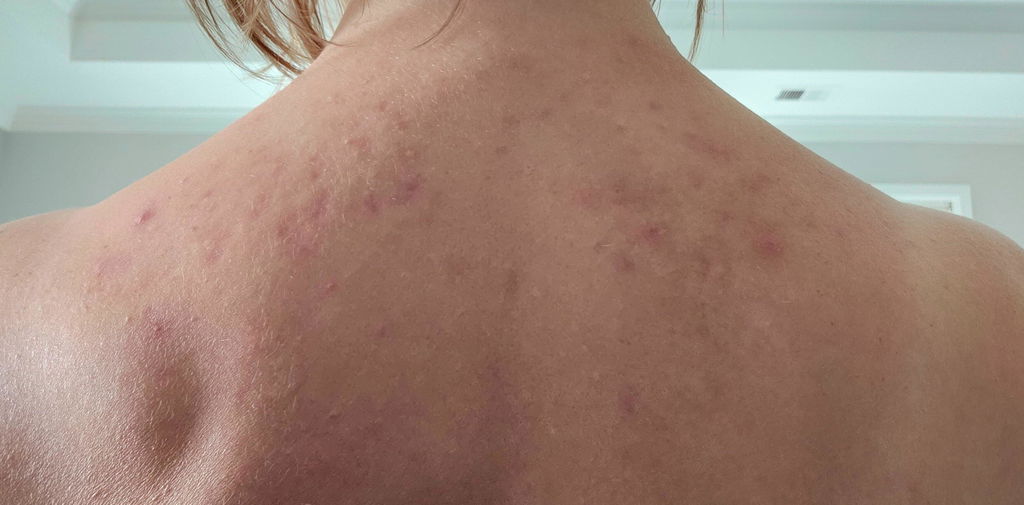
The Night I Realized My "Healthy" Diet Was Wrecking My Skin
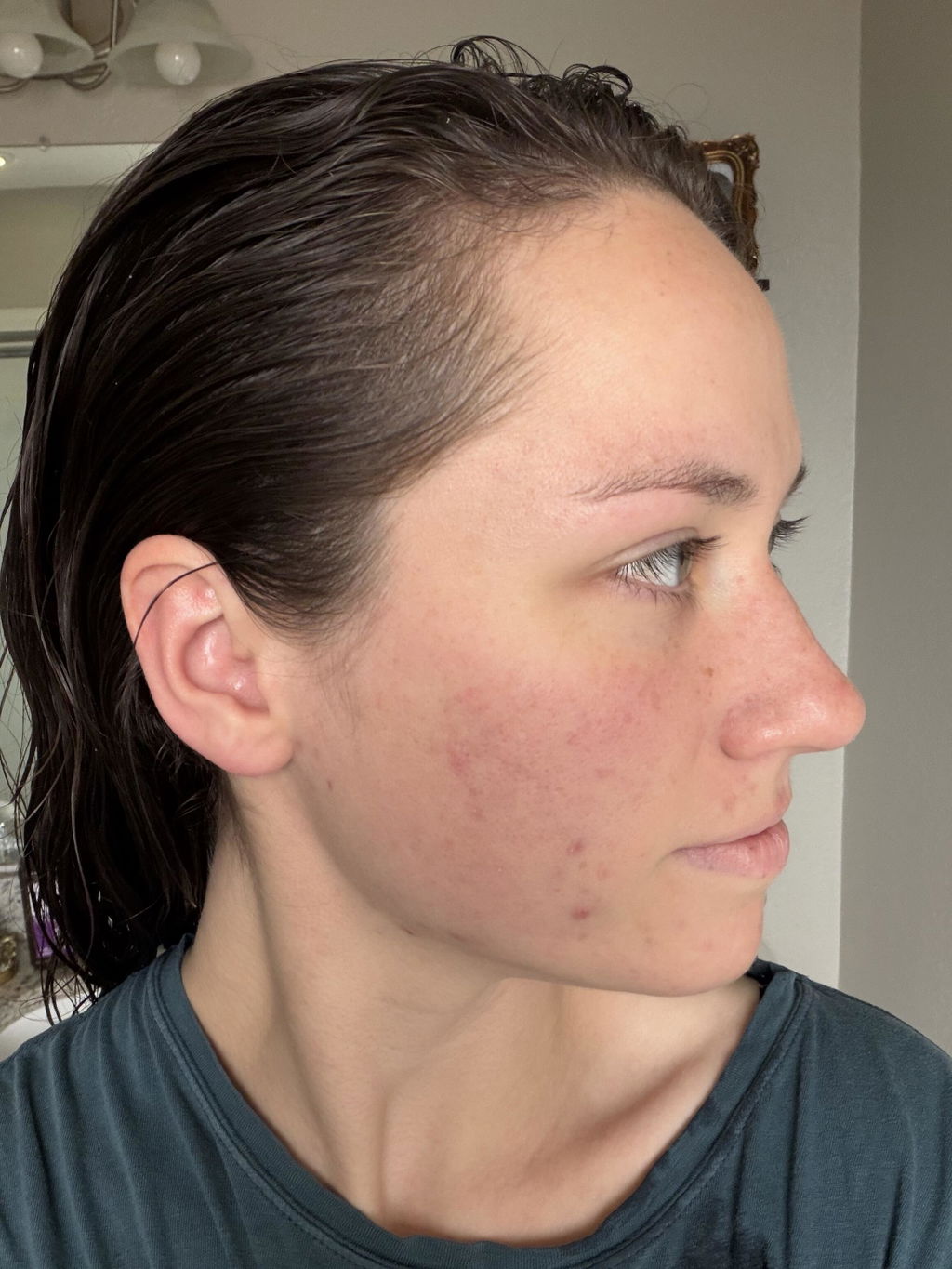
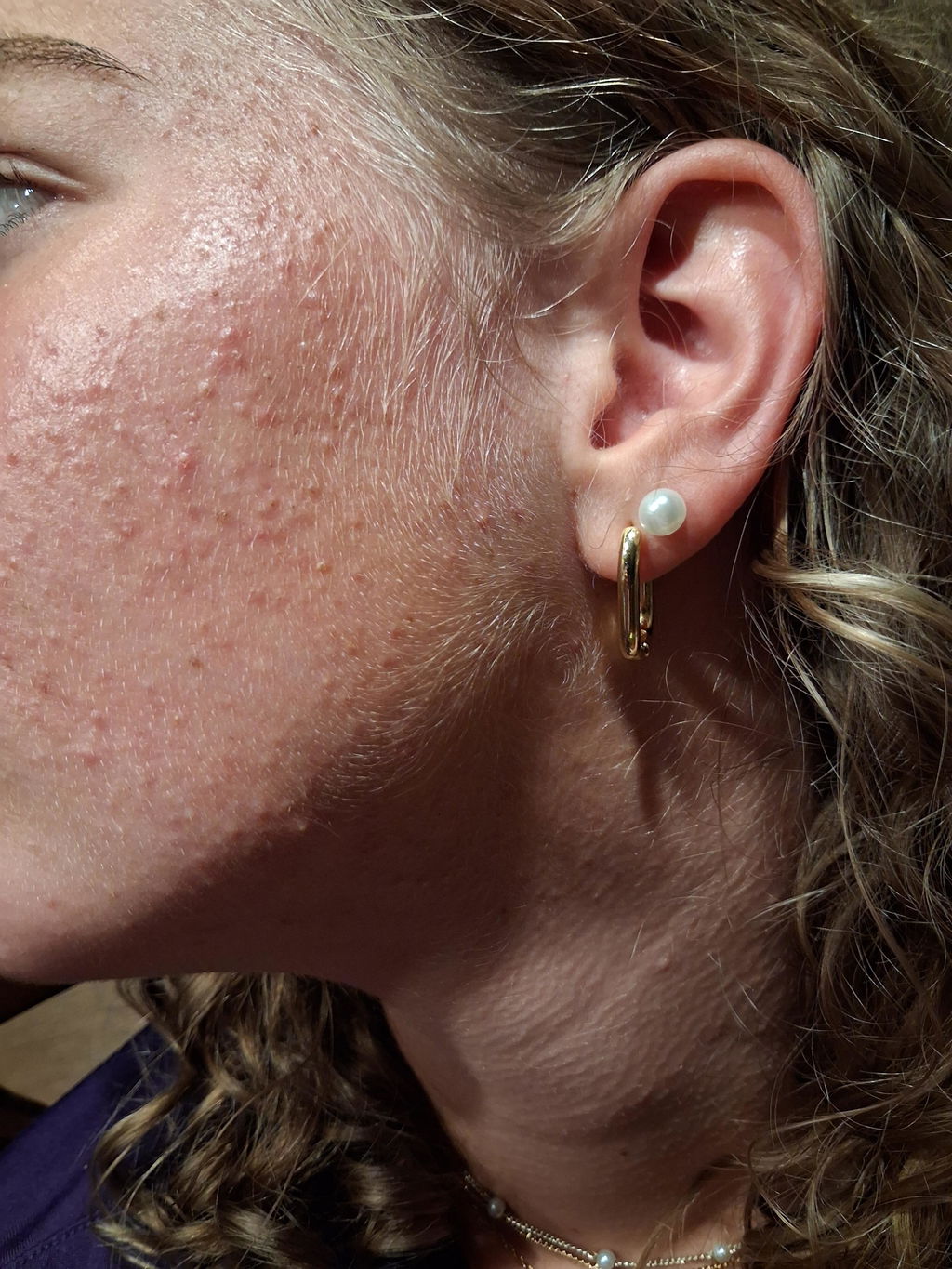
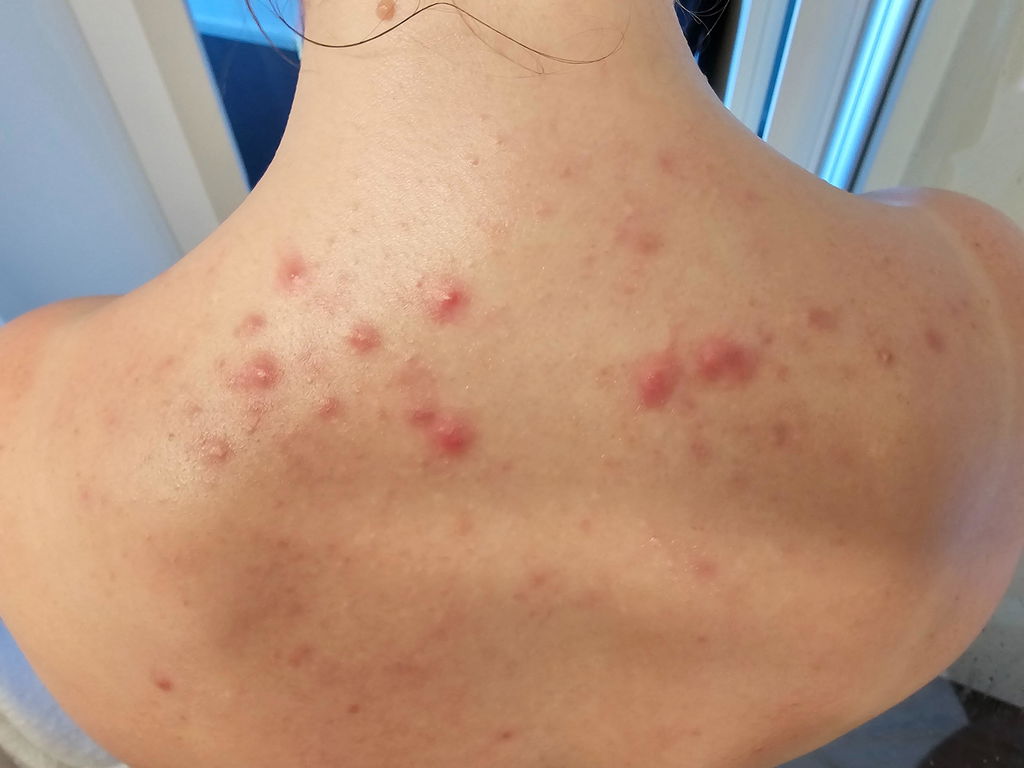
Three years ago, I was sitting in my bathroom at 11 PM, staring at another angry cystic breakout along my jawline. I'd spent hundreds on serums, retinols, and dermatologist visits. Nothing stuck. My skin would clear for a week, then erupt again — always along my chin, cheeks, and forehead.
Then I stumbled across a research paper from The Journal of Dermatological Science that changed everything: the gut lining and the skin share the same embryonic origin. When one is inflamed, the other follows. It's called the gut-skin axis, and once I understood it, I stopped treating my face and started treating my gut.
The first thing I did? I removed eight common foods that were silently shredding my intestinal lining, flooding my bloodstream with toxins, and triggering the inflammation that showed up as acne. These aren't exotic ingredients — they're in most people's kitchens right now.
———
1. Ultra-Processed Foods: The Gut Lining's Worst Enemy
Think instant ramen, frozen pizza pockets, flavored yogurt cups, protein bars with 30+ ingredients, and breakfast cereals marketed as "heart-healthy." A 2022 study published in The BMJ found that people consuming the most ultra-processed foods had a 29% higher risk of inflammatory bowel conditions compared to those eating whole foods.
The problem isn't just one ingredient. It's the cocktail of emulsifiers (polysorbate 80, carboxymethylcellulose), artificial colors, and preservatives that directly erode the mucosal layer protecting your gut wall. When that barrier breaks down, bacterial fragments called lipopolysaccharides (LPS) leak into your bloodstream — a process researchers call metabolic endotoxemia. Your immune system responds with systemic inflammation, and your skin pays the price.
I replaced my grab-and-go snacks with whole foods and started supporting my gut barrier with a daily microbiome gut cleanse — and the difference in my skin within three weeks was something no topical product had ever achieved.
2. Refined Sugar: Feeding the Wrong Bacteria
Sugar doesn't just spike your insulin. A 2020 study in Cell Host & Microbe showed that high-sugar diets actively reduce populations of Bacteroidetes — the beneficial gut bacteria responsible for maintaining your intestinal lining — while feeding opportunistic species like Clostridioides difficile.
This microbiome imbalance (dysbiosis) weakens tight junctions between gut cells. The result? Increased intestinal permeability. Meanwhile, insulin spikes from refined sugar trigger a cascade: higher IGF-1, increased sebum production, more androgen activity. A study in the American Journal of Clinical Nutrition confirmed that a low-glycemic diet reduced acne lesions by 23% in just 12 weeks.
The hidden sources are what caught me off guard — store-bought salad dressings, "healthy" granola, oat milk with added sugar, and even some supplements. Reading labels became non-negotiable.
3. Conventional Dairy: The Casein A1 Problem
This one is nuanced, because not all dairy is created equal. The issue is casein A1, the dominant protein in milk from most conventional Holstein cows. When your body digests casein A1, it produces a peptide called beta-casomorphin-7 (BCM-7).
Research published in the European Journal of Clinical Nutrition demonstrated that BCM-7 triggers inflammatory responses in the gut lining and slows gastrointestinal motility. A separate meta-analysis in Nutrients (2018) found a significant association between dairy consumption and acne severity, particularly with skim milk — likely because the processing concentrates whey proteins and hormones while removing the protective fat.
I didn't eliminate dairy entirely. I switched to A2 dairy, goat milk, and sheep cheese — all of which contain casein A2, which does not produce BCM-7. My digestion improved within days.
4. Gluten: Unlocking the Zonulin Pathway
You don't need to have celiac disease for gluten to affect your gut. Dr. Alessio Fasano's groundbreaking research at Harvard demonstrated that gliadin (a protein in gluten) triggers the release of zonulin in all humans, not just those with celiac. Zonulin is the molecule that controls the "gates" between intestinal cells.
When zonulin levels rise, those gates open. Partially digested food particles, bacteria, and toxins pass through into the bloodstream. The immune system mounts an inflammatory response — and that inflammation doesn't stay in your gut. It travels. A 2015 study in Clinical Reviews in Allergy & Immunology linked elevated zonulin levels to multiple skin conditions, including acne and eczema.
I'm not suggesting everyone needs to go gluten-free forever. But a 30-day elimination gave me clarity about how much it was contributing to my skin issues. For deeper gut repair during that period, I used the max detox protocol to support the healing process while removing these triggers.
5. Artificial Sweeteners: The Microbiome Disruptor Nobody Talks About
I used to drink three diet sodas a day thinking I was being "healthier" than drinking sugar. Then I read the 2014 Weizmann Institute study published in Nature that turned the nutrition world upside down: sucralose, saccharin, and aspartame altered gut bacteria composition in just seven days, inducing glucose intolerance in previously healthy individuals.
A follow-up study in Cell (2022) by the same research group confirmed these findings in a controlled human trial — sucralose and saccharin significantly disrupted the gut microbiome at doses well within the FDA-approved daily intake. The bacteria most affected? The very species that maintain gut barrier integrity and produce short-chain fatty acids (SCFAs) essential for colon health.
Stevia and monk fruit are my go-to alternatives now. They don't trigger the same microbiome disruption, and my sugar cravings actually decreased once my gut bacteria normalized.
6. Seed Oils: Tipping the Omega-6 Scale Toward Chronic Inflammation
Soybean oil, canola oil, sunflower oil, corn oil, safflower oil — they're in virtually every restaurant meal and packaged food. The issue is their extremely high omega-6 to omega-3 ratio. Historically, humans consumed these fatty acids at roughly a 1:1 ratio. The modern Western diet? It's estimated at 20:1.
A 2018 review in Open Heart (BMJ) demonstrated that excess omega-6 fatty acids promote the production of pro-inflammatory eicosanoids — signaling molecules that drive inflammation throughout the body. Omega-6 linoleic acid gets converted to arachidonic acid, which is a direct precursor to inflammatory prostaglandins and leukotrienes that aggravate both gut permeability and skin inflammation.
I started cooking with extra virgin olive oil, coconut oil, grass-fed butter, and tallow. For my skin topically, I switched to grass-fed tallow cream — because the same fatty acid balance matters on the outside, too.
7. Alcohol: Eroding the Gut Barrier From the Inside
Even moderate alcohol consumption damages the gut lining. A landmark study in Alcohol Research: Current Reviews showed that alcohol disrupts tight junction proteins (occludin and claudin-1), directly increasing intestinal permeability. This isn't about binge drinking — regular consumption of even two glasses of wine was enough to measurably alter gut barrier function.
Alcohol also feeds gram-negative bacteria that produce those lipopolysaccharides I mentioned earlier. More LPS means more endotoxemia, more systemic inflammation, and more breakouts. On top of that, alcohol depletes zinc, vitamin A, and glutathione — three nutrients your skin desperately needs for repair and clarity.
I don't preach total abstinence, but cutting back to occasional drinks and supplementing with sea moss (which provides 92 of the 102 minerals your body needs, including zinc) made a visible difference in both my gut health and my skin's ability to recover.
8. Excess Caffeine: When Your Morning Ritual Backfires
I love coffee. Still do. But there's a threshold where caffeine stops being a gentle stimulant and starts working against your gut. Research published in the Scandinavian Journal of Gastroenterology found that caffeine stimulates gastric acid production and accelerates intestinal transit time — meaning food moves through your system before nutrients are fully absorbed and before your gut has time to properly process what you've eaten.
High caffeine intake also elevates cortisol. A 2005 study in Psychosomatic Medicine showed that 400mg+ of caffeine (roughly four cups) kept cortisol elevated throughout the day. Chronically elevated cortisol thins the gut mucosal lining, suppresses secretory IgA (your gut's first-line immune defense), and increases sebum production — the exact conditions that lead to breakouts.
My rule now: one to two cups of organic coffee before noon, always with food. Matcha became my afternoon alternative — it contains L-theanine, which buffers the cortisol response.
———
What to Eat Instead: Rebuilding Your Gut Lining for Clear Skin
Removing these eight foods is half the equation. The other half is giving your gut the raw materials it needs to rebuild. Here's what I focus on daily:
- Bone broth — rich in L-glutamine and collagen, the primary building blocks for gut lining repair
- Fermented foods — raw sauerkraut, kimchi, kefir (A2 or goat milk) to repopulate beneficial bacteria
- Prebiotic fiber — garlic, onions, leeks, asparagus, and green bananas to feed the good bacteria
- Wild-caught fatty fish — salmon, sardines, mackerel for anti-inflammatory omega-3s
- Collagen-rich foods — or a clean collagen supplement to support both gut and skin repair simultaneously
- Polyphenol-rich foods — berries, green tea, dark chocolate (85%+) to reduce oxidative stress
- Mineral-dense whole foods — sea moss, organ meats, leafy greens for zinc, selenium, and vitamin A
The Approach That Finally Worked
If you're where I was — spending hundreds on topical solutions while unknowingly destroying your skin from the inside — I'd encourage you to start with your gut. Remove the triggers, nourish the lining, and give your body time to heal.
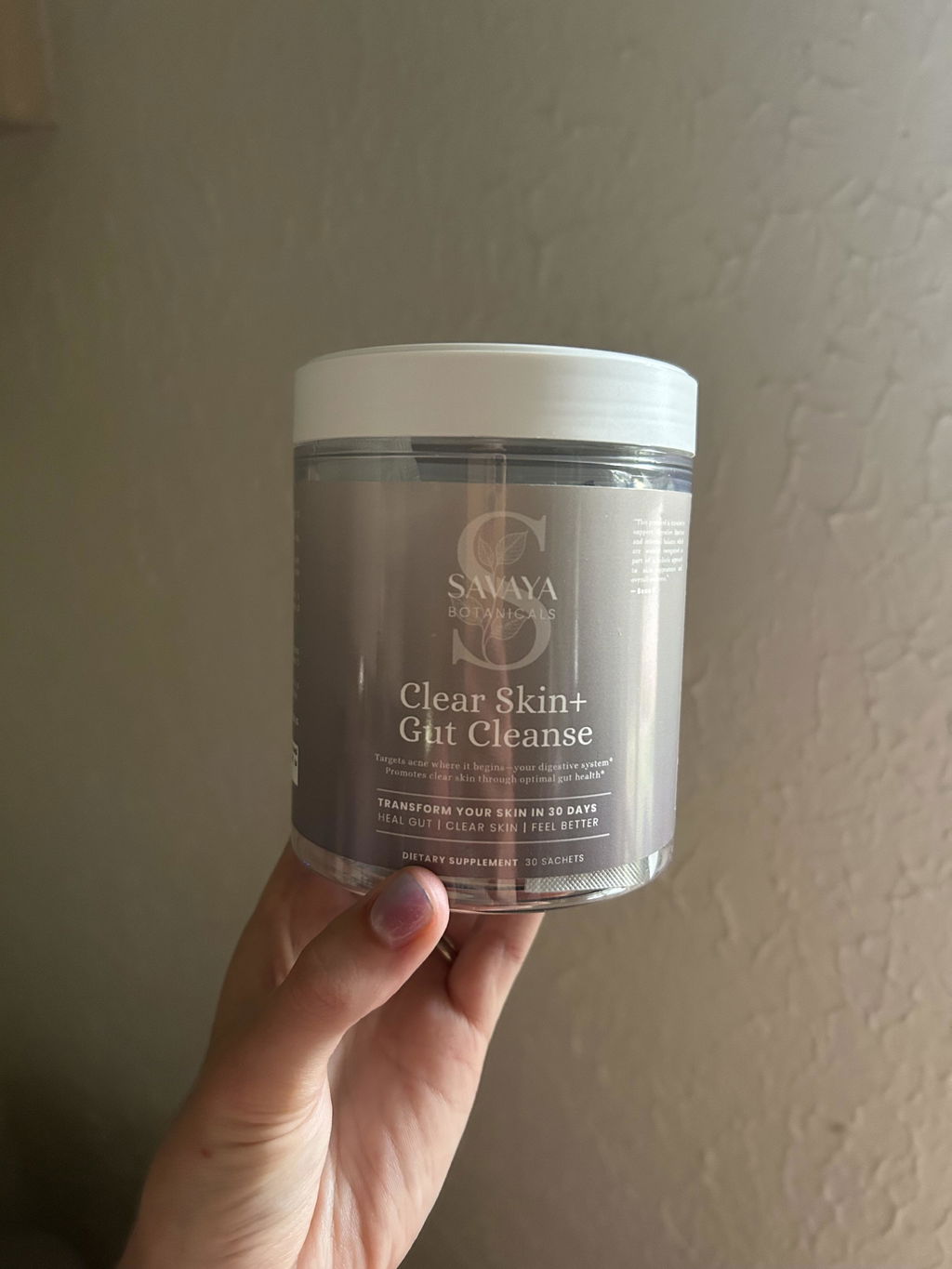
For anyone ready to try a simple daily habit, Clear Skin+ Max Detox is an acai-based blend that helps support your skin from within. It's the kind of thing I wish I'd had when I was sitting on that bathroom floor wondering what was wrong with me.
Your skin is a mirror. Start treating what it's reflecting.
———
Frequently Asked Questions
How long does it take for gut healing to improve acne?
Most people notice a reduction in new breakouts within 2-4 weeks of removing gut-irritating foods. Full skin transformation — including fading of post-inflammatory hyperpigmentation — typically takes 8-12 weeks, which aligns with your skin's natural cell turnover cycle. Combining dietary changes with targeted gut support can accelerate this timeline.
Can you reverse leaky gut naturally without medication?
Yes. Intestinal permeability is a functional condition, not a permanent diagnosis. Removing inflammatory triggers (the eight foods above), consuming gut-healing nutrients like L-glutamine and collagen, and restoring beneficial bacteria through fermented foods and prebiotics can restore tight junction integrity. Multiple studies show measurable improvement in gut barrier function within 30-60 days of dietary intervention.
Which is worse for acne — dairy or sugar?
Both contribute through different mechanisms. Sugar drives acne through insulin/IGF-1 pathways and microbiome disruption, while dairy (specifically casein A1) triggers inflammation through BCM-7 and contains bovine hormones. For most people, eliminating both simultaneously produces the most dramatic skin improvements. If you can only start with one, sugar typically has the broader inflammatory impact.
Are seed oils really that bad for your skin?
The research is clear that excess omega-6 fatty acids promote systemic inflammation, which worsens both gut permeability and inflammatory skin conditions including acne. The issue isn't occasional exposure — it's the cumulative daily load from cooking oils, packaged foods, and restaurant meals. Switching to olive oil, coconut oil, and grass-fed butter while reducing processed food intake can meaningfully shift your omega-6 to omega-3 ratio within weeks.
Does caffeine directly cause acne breakouts?
Caffeine doesn't cause acne directly, but excess consumption (400mg+ daily) creates conditions that worsen breakouts. Elevated cortisol increases sebum production, accelerated gut transit reduces nutrient absorption, and heightened stress hormones impair gut barrier function. Moderate intake — one to two cups of coffee with food — is generally well-tolerated by most people without skin consequences.