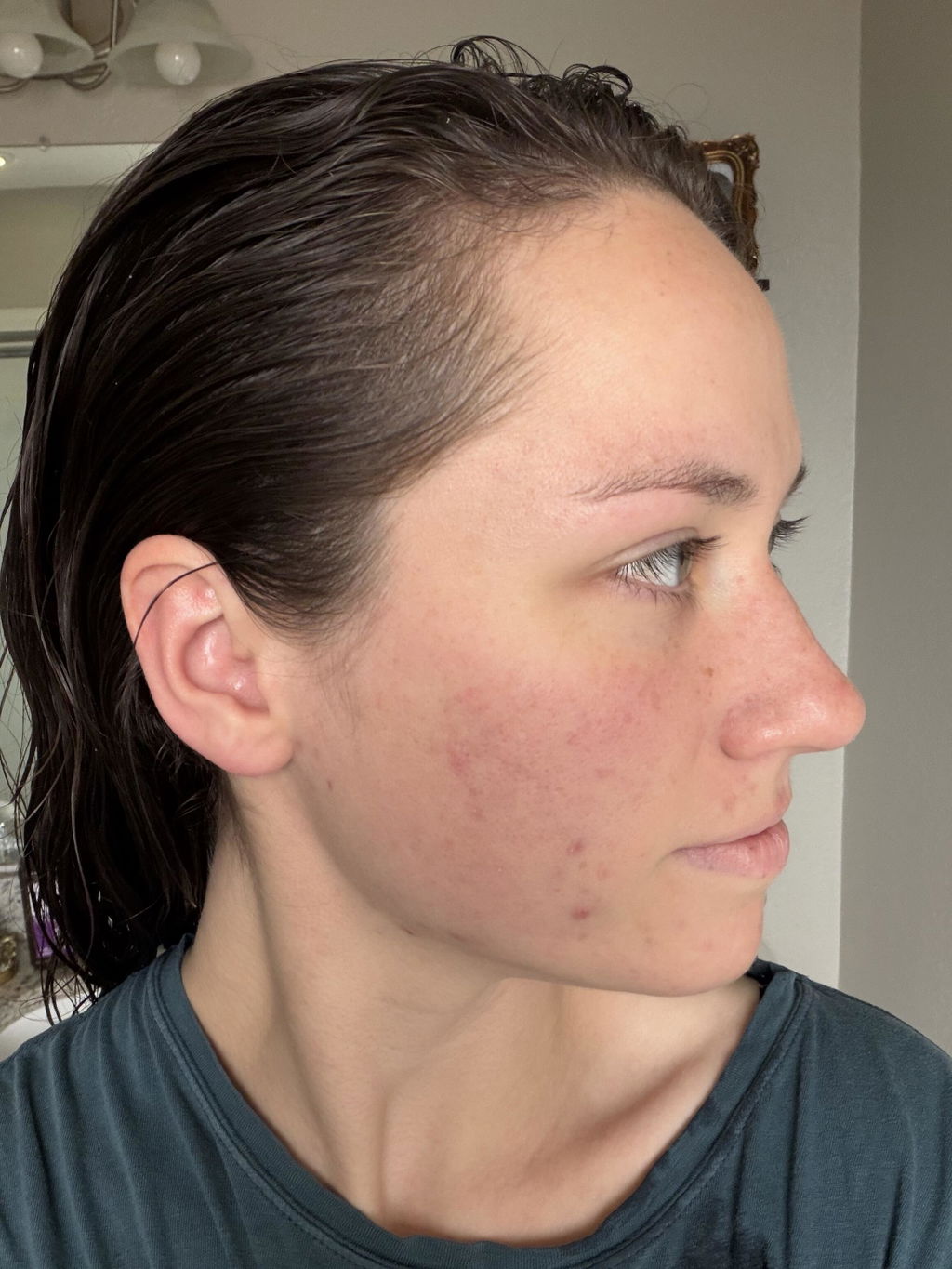
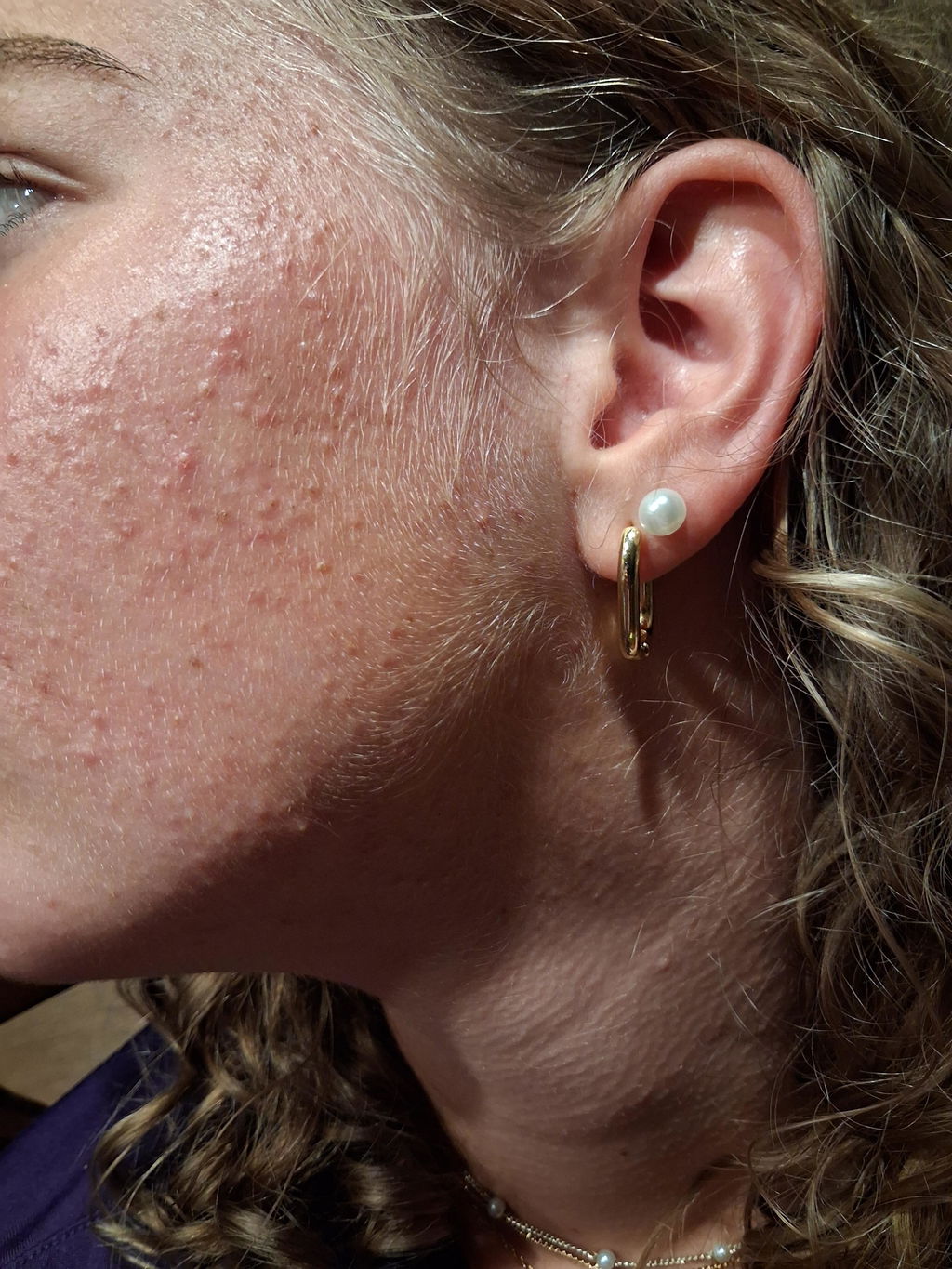
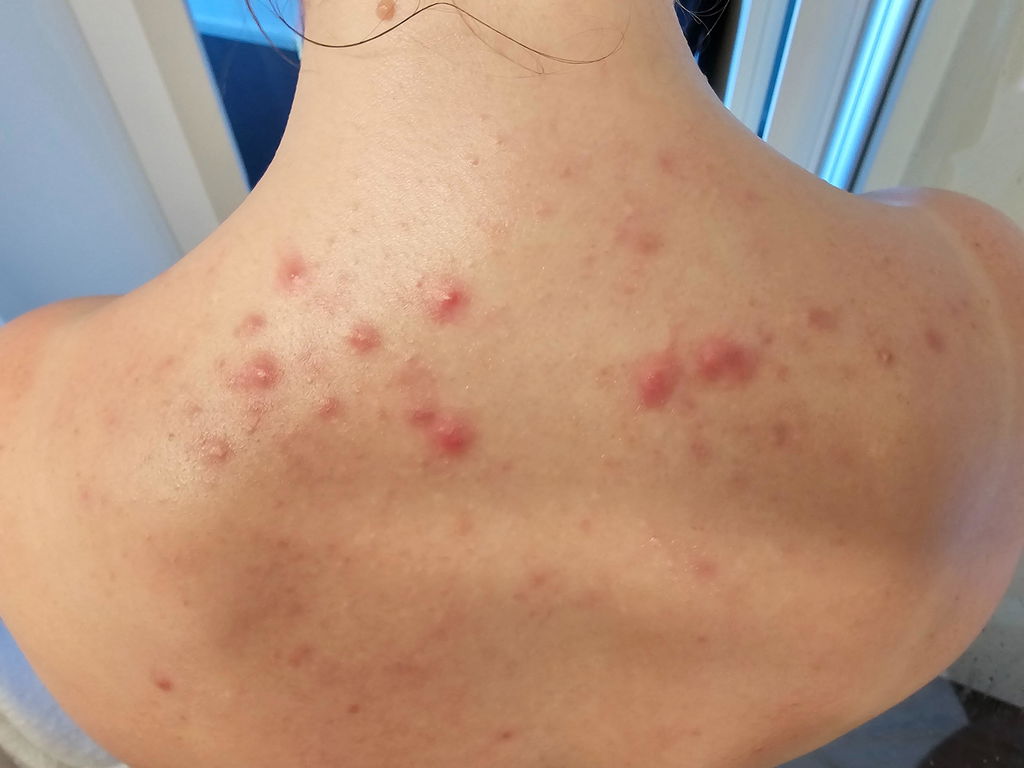
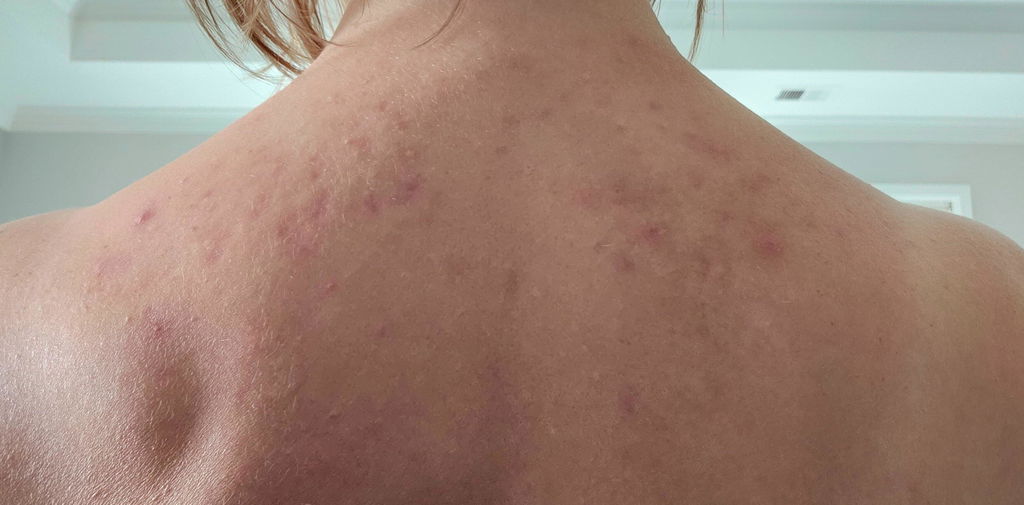
Most acne advice starts at the skin. That is exactly why it keeps failing. The skin is downstream. The gut is upstream. And in my practice, the same eight foods show up over and over in the diets of women who cannot figure out why their face keeps breaking out. Not allergies. Not intolerances. Quiet, daily damage to the gut lining that finally shows up on the jaw, the forehead, or the cheeks.
Here is what most people miss. Your gut barrier is one cell thick. One. That single layer decides what gets into your bloodstream and what stays in the gut where it belongs. When it breaks down, the immune system goes on alert and inflammation rises. That inflammation finds its way to the sebocytes, the oil-producing cells in your skin, and you get a breakout that no topical product can touch.
Let me walk you through the eight foods I see causing the most trouble, and the actual mechanism behind each one. The order matters, because the first few do far more damage than most women realize.
1. Ultra-Processed Foods and the Emulsifier Problem
Ultra-processed foods are industrial formulations made from substances extracted from whole foods, often with additives like emulsifiers, stabilizers, and refined oils. They include packaged snacks, frozen meals, soda, breakfast cereals, deli meats, and most protein bars marketed as healthy.
The issue is not just the sugar or the calories. A 2015 study by Chassaing and colleagues, published in Nature, showed that two common emulsifiers, polysorbate 80 and carboxymethylcellulose, thinned the protective mucus layer in the gut and shifted the composition of the microbiota in ways that drove low-grade inflammation. That mucus layer is what keeps your gut bacteria from touching the gut wall directly. Once it thins, the door is open.
Common offenders to scan labels for: maltodextrin, carrageenan, soy lecithin, polysorbate 60 or 80, and almost anything with a number in front of it. If your grandmother would not recognize the ingredient, your gut barrier probably will not either.
2. Refined Sugar and the IGF-1 Spike
Refined sugar drives acne through a hormonal pathway, not a topical one. When blood sugar spikes, insulin rises. Insulin then triggers a release of insulin-like growth factor 1, or IGF-1. IGF-1 tells the sebocytes in your skin to produce more oil and speeds up the turnover of skin cells. More oil plus more dead cells equals more clogged pores.
A 2007 study by Smith and colleagues at the University of Sydney followed young men on a low glycemic load diet for 12 weeks. The low GI group saw significant reductions in total acne lesions compared to the control group eating a typical Western diet. The mechanism was the IGF-1 pathway, not the calories.
This is why a glass of orange juice on an empty stomach is harder on your skin than the orange itself. Fiber slows the glucose curve. The juice has none. So a question worth holding onto as you keep reading: what else might be hitting that same hormonal lever without you realizing it?
3. Dairy and the A1 Casein Pathway
Conventional cow's milk in North America is almost entirely A1 beta-casein, a protein variant that breaks down in the gut into a peptide called beta-casomorphin-7, or BCM-7. BCM-7 has been shown to slow gut transit and increase markers of intestinal inflammation in sensitive individuals.
A 2016 study by Jianqin and colleagues, published in Nutrition Journal, compared adults drinking A1 versus A2 milk and found the A1 group reported more digestive discomfort and showed higher inflammatory markers. This is also why some women who think they are lactose intolerant actually feel fine on A2 milk, or on sheep and goat dairy.
Beyond the casein issue, dairy also raises IGF-1 independently of sugar. So you get the same skin signal as a sugar spike, even from a splash of milk in your coffee. What I see most often: women who quit dairy for four weeks and watch their hormonal jawline acne quiet down. Not always. But often enough that it is worth a test.
4. Gluten and the Zonulin Pathway
Gluten is the most studied food trigger for intestinal permeability, sometimes called leaky gut. Dr. Alessio Fasano's work at Massachusetts General Hospital identified zonulin as the protein that regulates the tight junctions between cells in the gut barrier. His 2011 paper in Physiological Reviews showed that gliadin, a fragment of gluten, triggers zonulin release in every person tested, not only those with celiac disease.
When zonulin is released, the tight junctions loosen. Particles that should stay inside the gut can pass into the bloodstream. The immune system reacts. Inflammation spreads. And for many women, that systemic inflammation lands directly on the skin as the gut-skin axis fires up.
This does not mean every person needs to be gluten free forever. It means that if your gut is already struggling, modern wheat is a tax your barrier may not be able to afford right now.
The gut barrier is one cell thick. What you eat three times a day either reinforces that wall or chips away at it.
5. Artificial Sweeteners and the Microbiome Shift
Artificial sweeteners do not raise blood sugar, but they do change the bacteria that live in your gut. That microbiome shift is the real problem. A 2014 study by Suez and colleagues in Nature showed that saccharin, sucralose, and aspartame altered the gut microbiota of both mice and humans in ways that drove glucose intolerance and dysbiosis.
Sucralose is the one I see most often in clients' diets, hidden in protein powders, flavored sparkling waters, and sugar-free yogurts. An earlier study by Abou-Donia and colleagues in 2008 found that sucralose reduced beneficial gut bacteria like bifidobacteria and lactobacilli, the very strains that produce short-chain fatty acids your gut lining uses as fuel.
If you starve your beneficial bacteria, the lining starves too. Then the barrier weakens. Then the inflammation rises. The chain is short, and it runs straight from your gut to your face.
6. Seed Oils and the Omega-6 Overload
Seed oils like soybean, corn, sunflower, safflower, and canola are very high in linoleic acid, an omega-6 fatty acid. Your body needs some omega-6. The issue is the ratio. Ancestral diets had an omega-6 to omega-3 ratio close to 1 to 1 or 2 to 1. The modern Western diet runs closer to 20 to 1.
The research of Dr. Artemis Simopoulos has shown that this skewed ratio shifts the body toward a pro-inflammatory state, because omega-6 fatty acids are precursors to inflammatory signaling molecules. For skin, this matters because the quality of your sebum reflects the fats you eat. High linoleic acid sebum is more easily oxidized, and oxidized sebum is a key trigger for the inflammation that turns a clogged pore into a real, angry pimple.
The hidden source most women miss: restaurant food cooked in soybean or canola oil, and nearly every salad dressing in a bottle.
7. Alcohol and the Barrier Breakdown
Alcohol is directly toxic to the cells lining your gut. Even moderate intake increases intestinal permeability within hours. Bode and Bode's research on alcohol and the gut, summarized in their reviews in the early 2000s, showed that ethanol disrupts tight junctions and allows bacterial endotoxins called lipopolysaccharides, or LPS, to leak into circulation.
LPS is one of the strongest inflammatory triggers the immune system can encounter. Once it crosses the gut barrier, it activates inflammation everywhere, including in the skin. This is one of the cleanest examples of the gut-skin axis at work, and it is also why one heavy weekend can cost you two weeks of clear skin.
Alcohol also depletes glutathione, the body's master antioxidant, which the liver uses to clear hormones. When estrogen and androgens are not cleared cleanly, they recirculate. That recirculation often shows up as cyclical acne on the chin and jaw.
8. Excess Caffeine and the Cortisol Loop
Caffeine itself is not the villain. The dose and the timing are. When you drink coffee on an empty stomach, especially before 9 in the morning, you spike cortisol on top of your natural cortisol peak. Over time, this dysregulates the HPA axis, the system that governs your stress response.
Chronic cortisol elevation does three things to your skin. It increases sebum production. It thins the gut barrier by reducing mucus secretion. And it suppresses the parasympathetic activity of the vagus nerve, which is what tells your gut to digest, absorb, and repair.
The fix is rarely full caffeine elimination. It is more often a question of timing, food first, and total amount across the day.
What to Eat Instead
The point is not to live in fear of food. The point is to give your gut lining a chance to repair. The foods that help most are the ones that feed the bacteria that feed your barrier and produce the postbiotic compounds your gut cells use as fuel.
- Prebiotic fiber from cooked and cooled potatoes, green bananas, onions, garlic, and asparagus. These feed the bacteria that make short-chain fatty acids.
- Fermented foods like sauerkraut, kimchi, and plain kefir if dairy is tolerated. Small amounts daily.
- Wild-caught fatty fish two to three times a week for the omega-3s that balance the omega-6 load.
- Bone broth and slow-cooked meats for the glycine and proline that help repair the gut lining.
- Colorful vegetables and berries for the polyphenols that feed beneficial bacteria.
- Mineral support, including 92 trace minerals from the ocean in sea moss, which supports thyroid and gut function together.
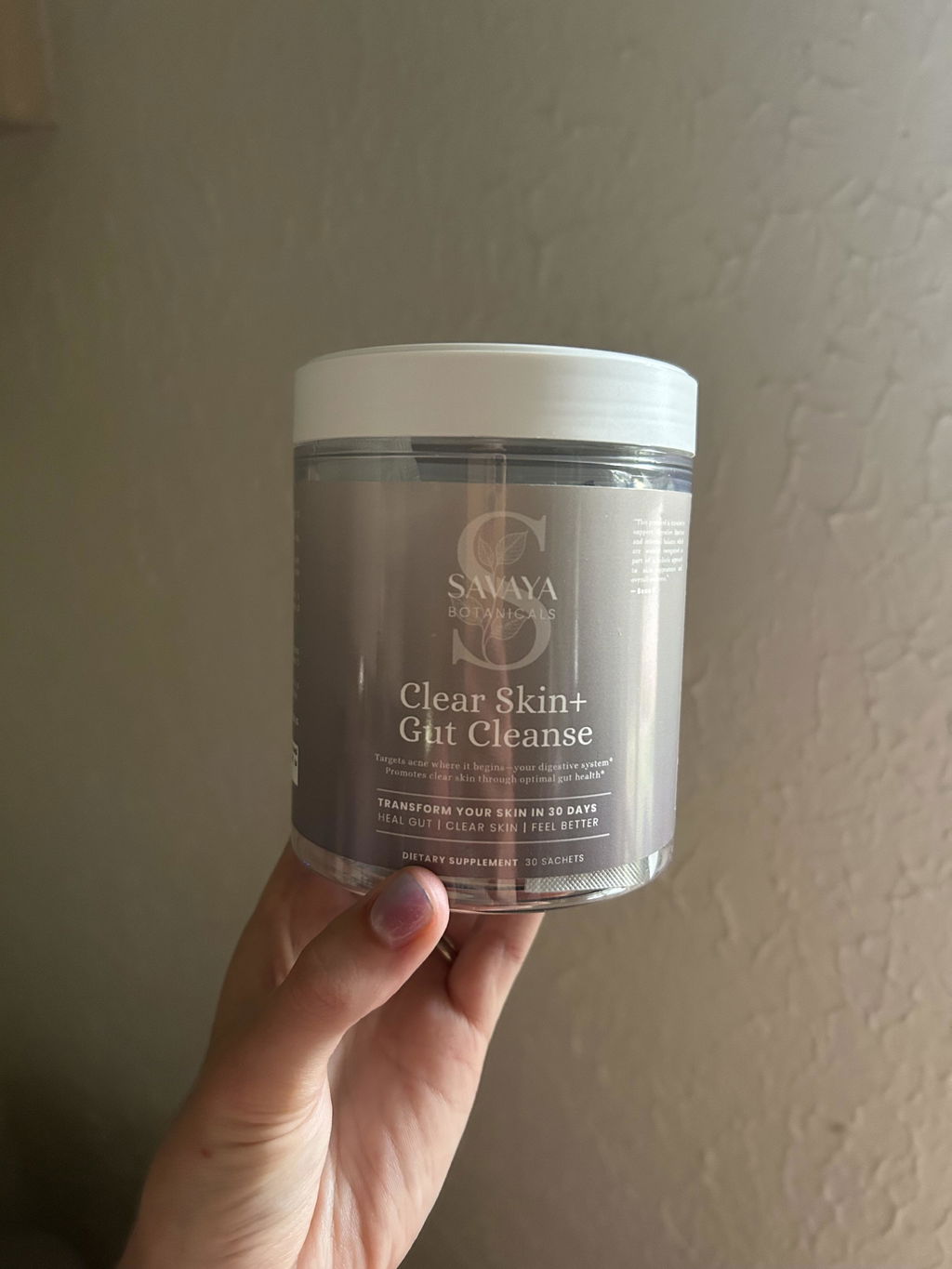
For women who have been chipping away at their gut lining for years, food alone is sometimes not enough to reset the system. This is where a targeted gut cleanse can shorten the repair timeline by removing accumulated waste and rebalancing the bacterial environment. For deeper, chronic gut dysfunction, the deeper 12-week reset works on the liver and lymphatic side at the same time, which matters because the gut and the detox organs cannot heal in isolation.
For women whose skin has not responded to topicals or to elimination diets alone, Clear Skin+ Max Detox offers a daily acai-based blend that helps support the body from within. Skin health is influenced by many factors, and a daily habit is simply one piece some choose to add.
While the internal repair is doing the heavy lifting, the skin barrier itself still needs gentle care from the outside. A simple, non-irritating moisturizer like a barrier-repairing tallow cream mirrors the lipid profile of healthy skin and gives the new cells coming up something to work with. And for women in the deeper repair phase, bioavailable collagen support provides the glycine and proline the gut lining and skin both use to rebuild.
• • •
If you take one thing from this, take this. Your skin is not the problem. Your skin is the messenger. Address the gut, repair the barrier, calm the inflammation, and the skin tends to follow. In my practice, most of the women I work with see the first changes around weeks four to six, and the deeper shifts settle in by twelve weeks.
Frequently Asked Questions
What foods cause the most gut inflammation?
Ultra-processed foods with emulsifiers, refined sugar, conventional A1 dairy, gluten in those who are sensitive, artificial sweeteners like sucralose, industrial seed oils, alcohol, and excess caffeine are the most common drivers of gut inflammation. The shared mechanism is damage to the gut barrier and disruption of the microbiome.
How long does it take to heal the gut lining?
The gut lining renews itself every three to seven days, but full repair of a damaged barrier and a balanced microbiome typically takes 8 to 12 weeks of consistent change. Many women feel digestive improvements within two weeks, with skin changes following four to six weeks later.
Can I drink coffee while healing my gut?
Many people can, with a few adjustments. Drinking coffee after a protein and fat containing breakfast, keeping intake under two cups per day, and avoiding it after 2 in the afternoon reduces the cortisol and gut barrier impact. Some people do better with green tea during an active repair phase.
Is gluten always bad for the gut?
No. Dr. Fasano's research shows gluten triggers zonulin release in everyone, but a healthy gut can usually clear this without consequence. For people with existing gut damage, autoimmunity, or sensitivity, removing gluten during the repair window often makes a noticeable difference.
Why does my skin get worse before it gets better?
A temporary worsening in the first one to three weeks of a gut repair process is common. As the gut detoxifies and the microbiome rebalances, inflammatory signals can briefly rise. Staying well hydrated, supporting elimination, and being patient through the first month usually allows the skin to settle.