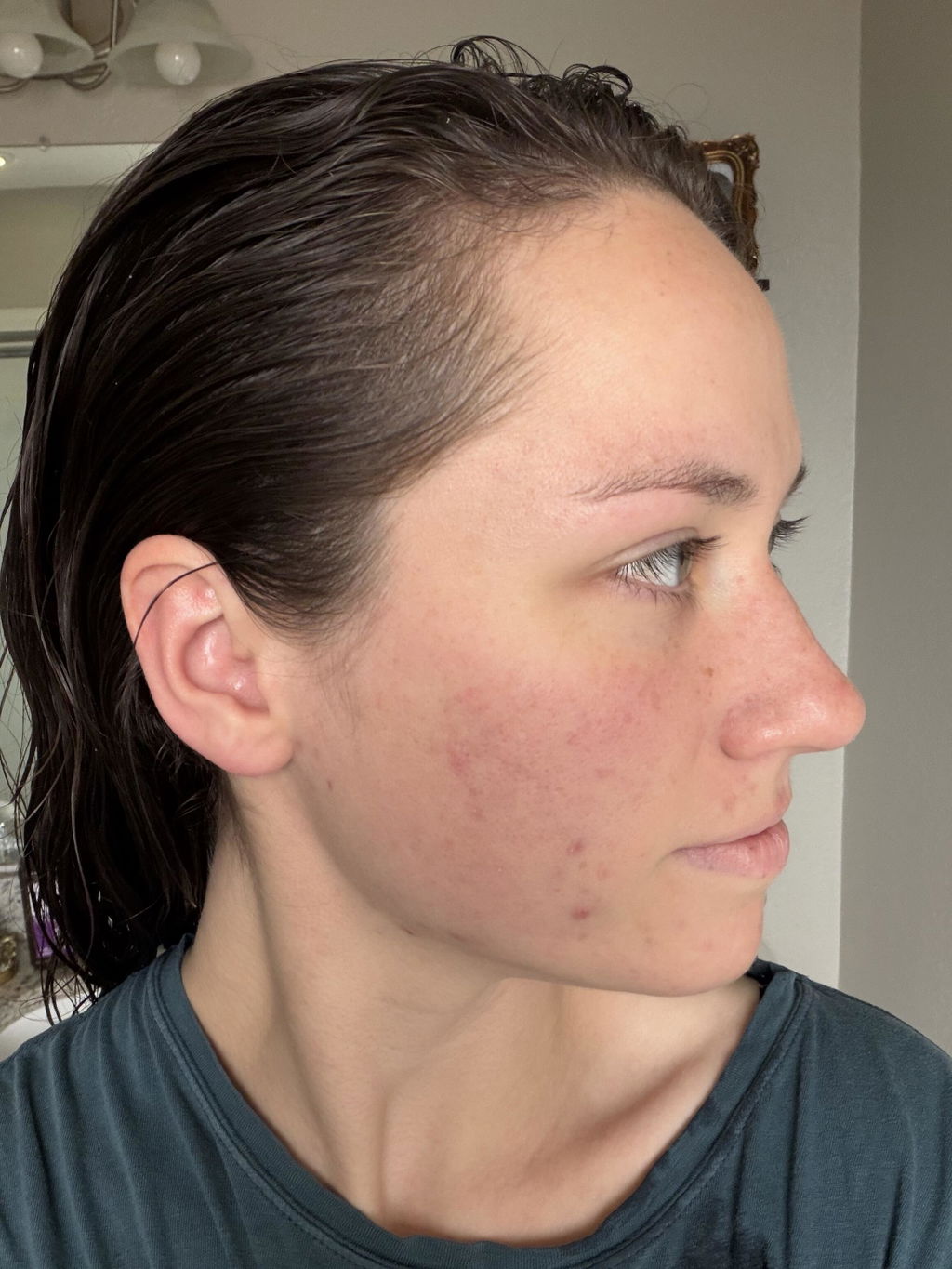
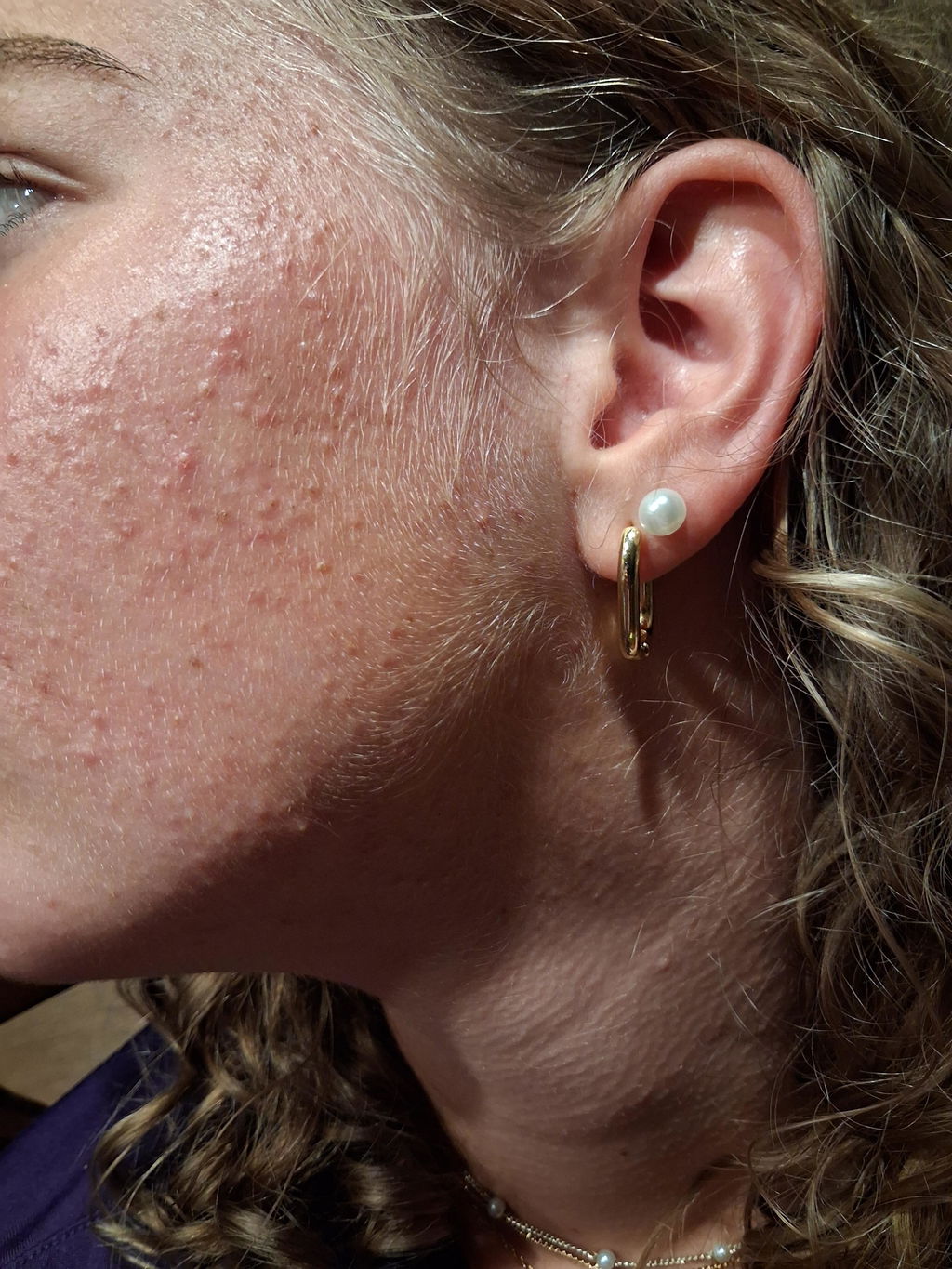
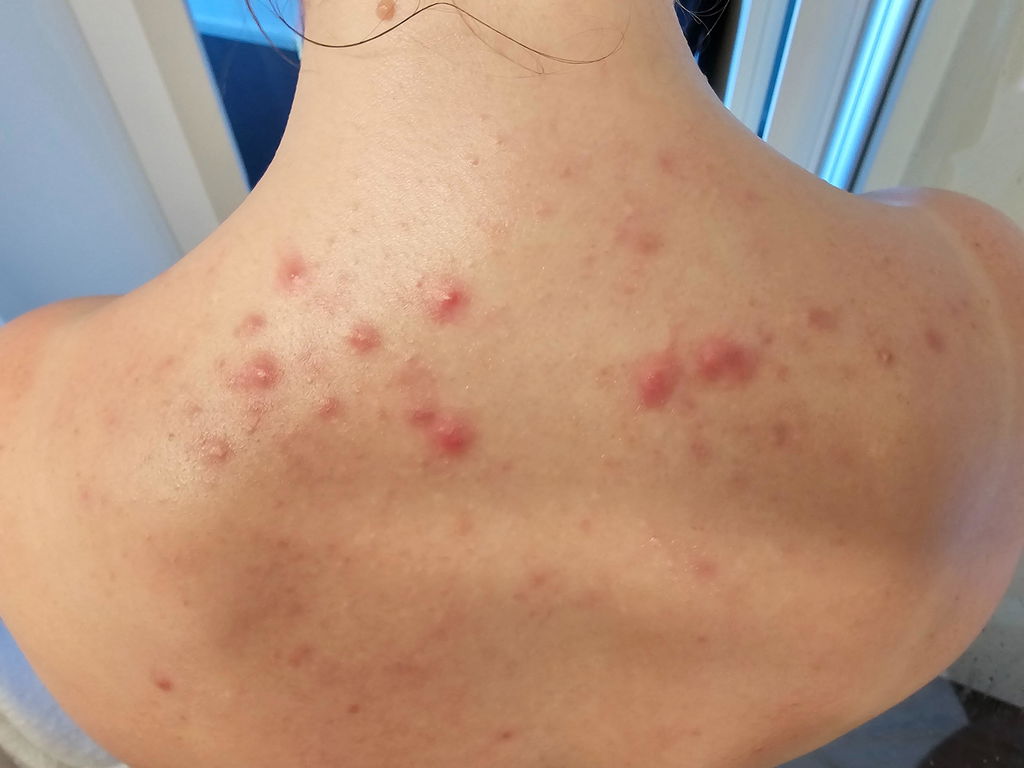
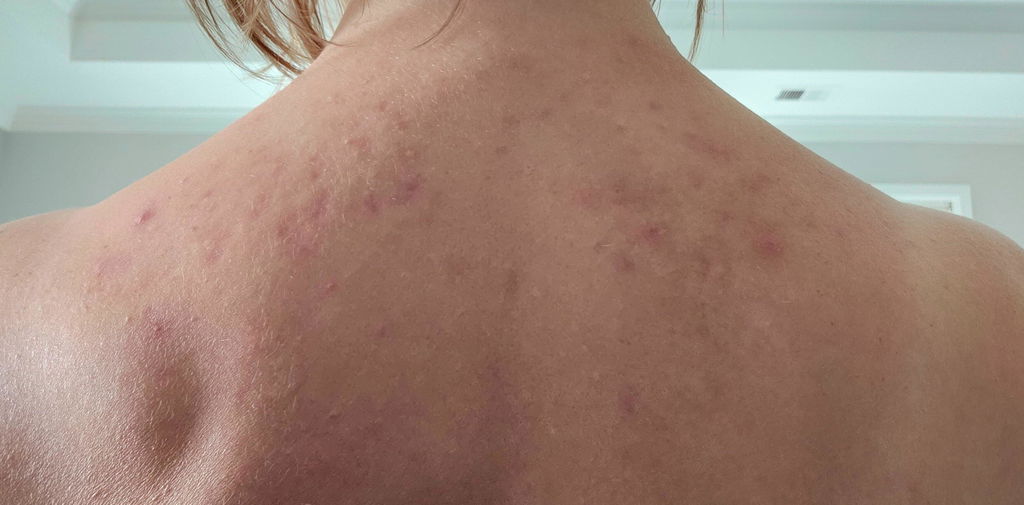
I'll be honest with you. For three years, I spent more on retinol, vitamin C serums, and prescription topicals than I did on groceries. My bathroom looked like a Sephora warehouse. And my skin? Still angry, still inflamed, still betraying me in every unfiltered photo.
It wasn't until a functional medicine doctor looked at my skincare shelf and said something I'll never forget: "You're not treating skin. You're treating soil. And the soil is sick."
That conversation rewired everything I thought I knew about beauty. Because here's the secret no skincare brand wants you to hear — the most powerful "ingredient" for radiant skin isn't on a shelf. It's already inside you. And when it goes wrong, no $200 cream can fix what's broken below.
If you've been pouring money into products and getting nothing back, your gut is probably trying to tell you something. Here are the seven warning signs I missed for years — and the real dermatology research that finally made me listen.
———
1. Chronic Acne That Won't Respond to Topicals
You've tried benzoyl peroxide. Salicylic acid. Adapalene. Maybe even a round of antibiotics. And still — those deep, cystic breakouts keep coming back like a recurring nightmare on your jawline and chin.
Here's why: a landmark 2018 review in Frontiers in Microbiology identified what dermatologists now call the gut-skin axis — a constant, two-way conversation between your intestinal microbiome and your skin. When your gut bacteria are out of balance (a state called dysbiosis), inflammatory compounds called lipopolysaccharides leak through your gut wall and travel through your bloodstream, eventually reaching your sebaceous glands.
The result? Inflammation that no topical can reach. A 2011 paper by Bowe and Logan in Gut Pathogens found that 54% of acne patients had measurable gut microbiome imbalances compared to clear-skinned controls. Their conclusion was blunt: you cannot heal acne from the outside if the inside is on fire.
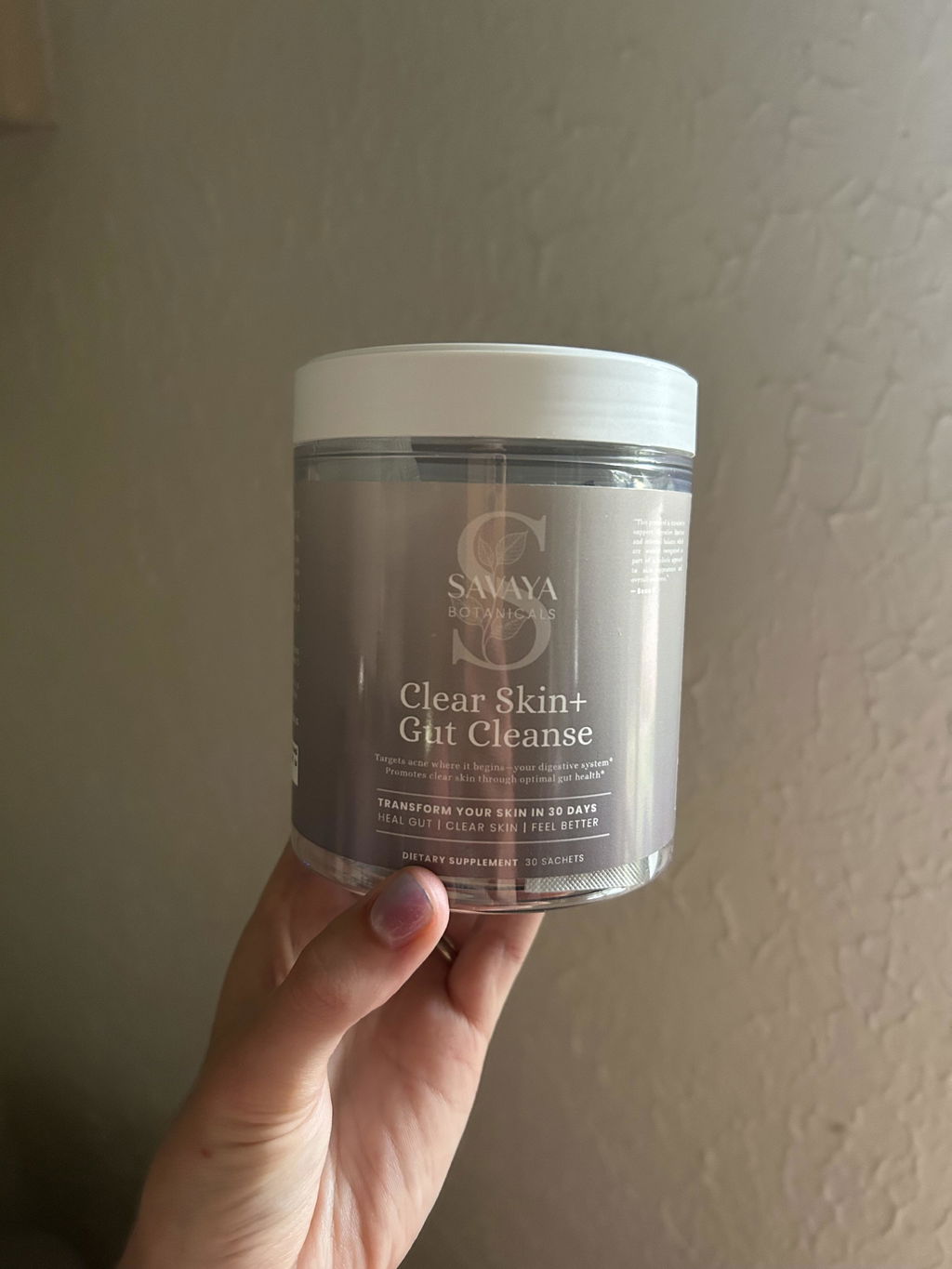
This is why I eventually leaned into a daily habit like the Clear Skin+ Max Detox acai blend — because spot treatment alone never felt like it was addressing the deeper picture.
2. Eczema Flares After Specific Foods
Notice how your skin gets red, itchy, and bumpy a few hours after dairy? Or wheat? Or that one glass of wine?
That's not a coincidence. That's intestinal permeability — what most people call leaky gut — and it's been documented in eczema patients for over two decades. A 2004 study in the Journal of Allergy and Clinical Immunology showed that children with atopic dermatitis had significantly higher gut permeability than non-eczema controls.
When the tight junctions between your intestinal cells loosen, undigested food proteins slip into your bloodstream. Your immune system flags them as invaders and launches a histamine response. That response shows up as flares on your cheeks, the insides of your elbows, the backs of your knees.
The fix isn't more steroid cream. It's healing the lining itself. This is where mineral-rich, gel-forming foods become non-negotiable — which is why I drink sea moss daily. Its mucilaginous fiber soothes and coats the gut wall, and the 92 trace minerals support epithelial repair from a foundational level.
3. Rosacea That Spikes With Stress
If your face flushes red the moment work gets overwhelming or sleep gets short, your gut is screaming through your skin.
The connection here is fascinating. Research published in Microorganisms in 2018 found that small intestinal bacterial overgrowth (SIBO) was 13 times more common in rosacea patients than in healthy controls. Even more striking — when these patients were treated for SIBO, their rosacea cleared, often permanently.
Why does stress trigger it? Cortisol literally changes the composition of your gut bacteria within hours. A stressed gut produces more inflammatory metabolites, which travel to your facial capillaries and dilate them. The flush isn't a skin problem. It's a gut signal you can see.
This is one reason I'm a believer in periodic resets like the microbiome gut cleanse sachets — clearing out overgrowth gives your good bacteria room to come back.
4. Dull, Tired Skin Despite a Perfect Skincare Routine
You exfoliate. You hydrate. You sleep eight hours. And still, you look at yourself in natural light and think: where did my glow go?
The honest answer is usually nutrient malabsorption. Your gut isn't just where digestion happens — it's where 90% of your nutrients actually enter your body. When your microbiome is compromised, you're not absorbing the vitamin A, zinc, biotin, and essential fatty acids your skin needs to look luminous.
A 2020 study in Nutrients demonstrated that beta-carotene absorption alone can drop by up to 60% in people with dysbiosis. You can eat all the salmon and sweet potatoes you want — if your gut isn't working, your skin will never see those nutrients.
This is the moment a real detox protocol changes everything. Not a fad cleanse. A structured reset that clears congestion, repairs absorption, and lets your skin actually receive the nutrients you're feeding it.
5. Persistent Dark Circles That Concealer Can't Cover
Most people blame dark circles on lack of sleep. But if you're sleeping well and they're still there — purple, blue, sometimes brown — your gut is the more likely suspect.
Here's the mechanism. Chronic gut inflammation increases histamine release, which dilates the tiny blood vessels under your eye area where the skin is thinnest. This is why dark circles often run alongside food sensitivities, bloating, and sluggish digestion.
A 2019 paper in the Journal of Drugs in Dermatology connected periorbital hyperpigmentation directly to gut-mediated inflammation in 67% of cases studied. The phrase the researchers used was telling: "allergic shiners reflect systemic, not local, dysfunction."
In other words — that dark circle is a window into your liver and gut. Cover it with concealer if you want. But the real fix is internal.
6. Wounds That Take Forever to Heal
A small cut that lingers for weeks. Acne scars that refuse to fade. A bug bite that turns into a dark mark for months.
This is one of the most under-discussed gut-skin signals. Wound healing requires collagen synthesis, which requires vitamin C, glycine, proline, copper, and zinc — all of which depend on a functional gut to absorb and utilize properly.
A 2021 review in Wound Repair and Regeneration found that patients with chronic gut inflammation healed wounds 40% slower than those with healthy microbiomes. The researchers hypothesized that systemic low-grade inflammation suppresses the fibroblasts responsible for tissue rebuilding.
Topical support matters here too. I keep tallow cream by my bed because grass-fed tallow contains the same lipid profile as your skin barrier — fatty acids, vitamins A, D, E, and K — and it works with your skin instead of against it. Pair that with internal collagen support like beauty collagen strips and you're rebuilding from both directions.
7. New Products Suddenly Make Your Skin Freak Out
You used to be able to try anything. Now? A new moisturizer makes you break out. A different sunscreen burns. Even your tried-and-true serum stings on certain days.
This is reactive skin syndrome, and it's almost always a barrier problem rooted in gut inflammation. When your microbiome is dysbiotic, your skin's lipid barrier weakens. The protective film that normally keeps irritants out becomes patchy and porous.
A 2020 study in the British Journal of Dermatology tracked patients with sudden-onset reactive skin and found that 78% had measurable markers of intestinal inflammation. When the gut healed, the reactivity disappeared — even when they returned to the exact same products that previously caused flares.
If your skin has gotten "needy" recently, don't blame the products. Look down at your stomach.
———
What I Did When I Finally Connected the Dots
Once I stopped throwing money at my face and started feeding my gut, the changes happened faster than I expected. Three weeks in, my skin felt different — calmer, less reactive. By week six, the cystic acne on my jaw was gone. By week twelve, people were asking what filler I was using. (None.)
The protocol I follow now is honestly simple:
- Reset the terrain first. A structured cleanse to clear out years of accumulated dysbiosis. This is the foundation — without it, nothing else lands.
- Replenish the minerals. Daily sea moss for the trace minerals modern food has lost, plus the gut-coating mucilage that soothes inflammation.
- Repair the barrier. Topical tallow at night to support the lipid layer while internal healing catches up.
- Be consistent. Skin reflects what your gut has been doing for the past 30-90 days, not the past 30 minutes. Patience is the protocol.
The skin you see in the mirror is a 90-day-old report card of your gut. If you don't like what you see today, change what you eat tonight.
The Real Takeaway
You can keep buying the next miracle serum. Or you can finally treat the soil instead of the leaves. The dermatology research has been clear for over a decade — most stubborn skin issues are gut issues wearing a different costume.
If you recognize even two or three of these signs in yourself, that's enough information to act on. Your skin has been trying to tell you something. The question is whether you're ready to listen.
———
Ready to Heal From the Inside Out?
If you saw yourself in this list, the most direct place to start is Clear Skin+ Max Detox — a daily acai blend that supports the gut-skin connection. It's the simple addition I made after years of topical chaos. Your skin is asking for a different approach. This is it.
———
Frequently Asked Questions
How long does it take to see skin improvement after healing the gut?
Most people notice initial changes — less reactivity, calmer redness, better hydration — within 2 to 3 weeks of starting a structured gut protocol. Deeper transformation like resolved acne, fading hyperpigmentation, and improved tone typically becomes visible at the 8-12 week mark, because that's the timeline for full skin cell turnover. Your skin is essentially a 90-day mirror of your gut.
Can probiotics alone clear my skin?
Probiotics help, but they rarely solve the problem on their own. If your gut is overgrown with the wrong bacteria, adding more strains without first clearing the overgrowth is like planting flowers in a weed-choked garden. A reset-then-replenish approach — clear, then rebuild with mineral-rich foods like sea moss and a structured protocol — produces dramatically better results than probiotics alone.
Is leaky gut a real diagnosis or a wellness myth?
Intestinal permeability — the clinical name for leaky gut — is well-documented in peer-reviewed dermatology and gastroenterology research. Studies in atopic dermatitis, rosacea, and acne patients have consistently shown elevated zonulin levels and increased gut permeability compared to healthy controls. The term "leaky gut" is informal, but the underlying biology is established science.
Do I need to give up dairy and gluten to fix my skin?
Not necessarily forever, but a temporary elimination during a healing phase often dramatically accelerates results. Dairy and gluten are two of the most common inflammatory triggers for compromised guts. Once your gut lining repairs, many people can reintroduce these foods without flares. The goal isn't permanent restriction — it's a healed gut that can handle a normal diet.
Can topical skincare help at all if my gut is the issue?
Absolutely — but its role changes. Topicals should support your skin barrier while internal healing happens, not try to fix problems they were never designed to reach. A simple, barrier-friendly routine with something like grass-fed tallow cream is far more effective during gut healing than a 12-step regimen of actives that further inflame already-stressed skin.