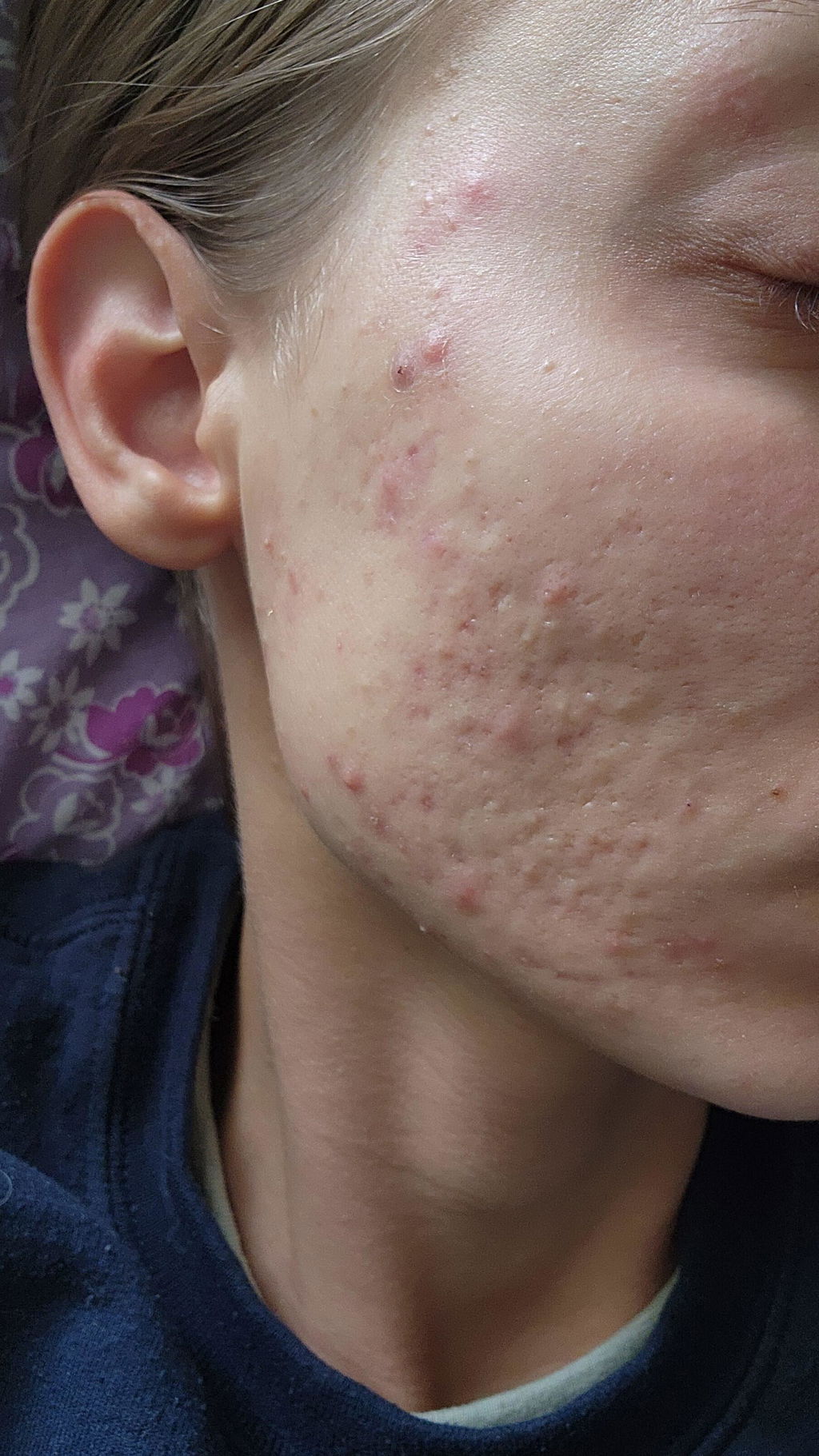
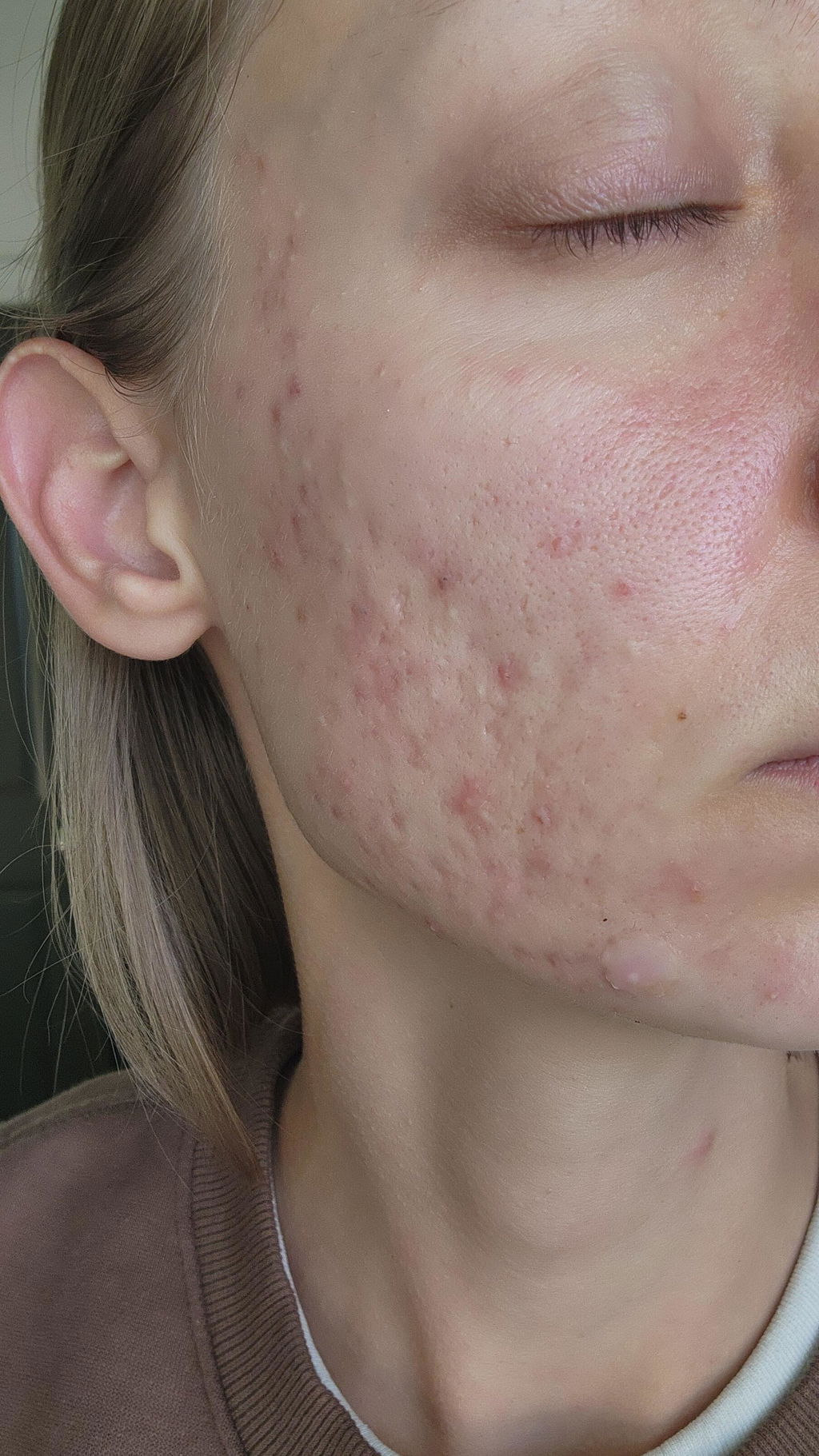
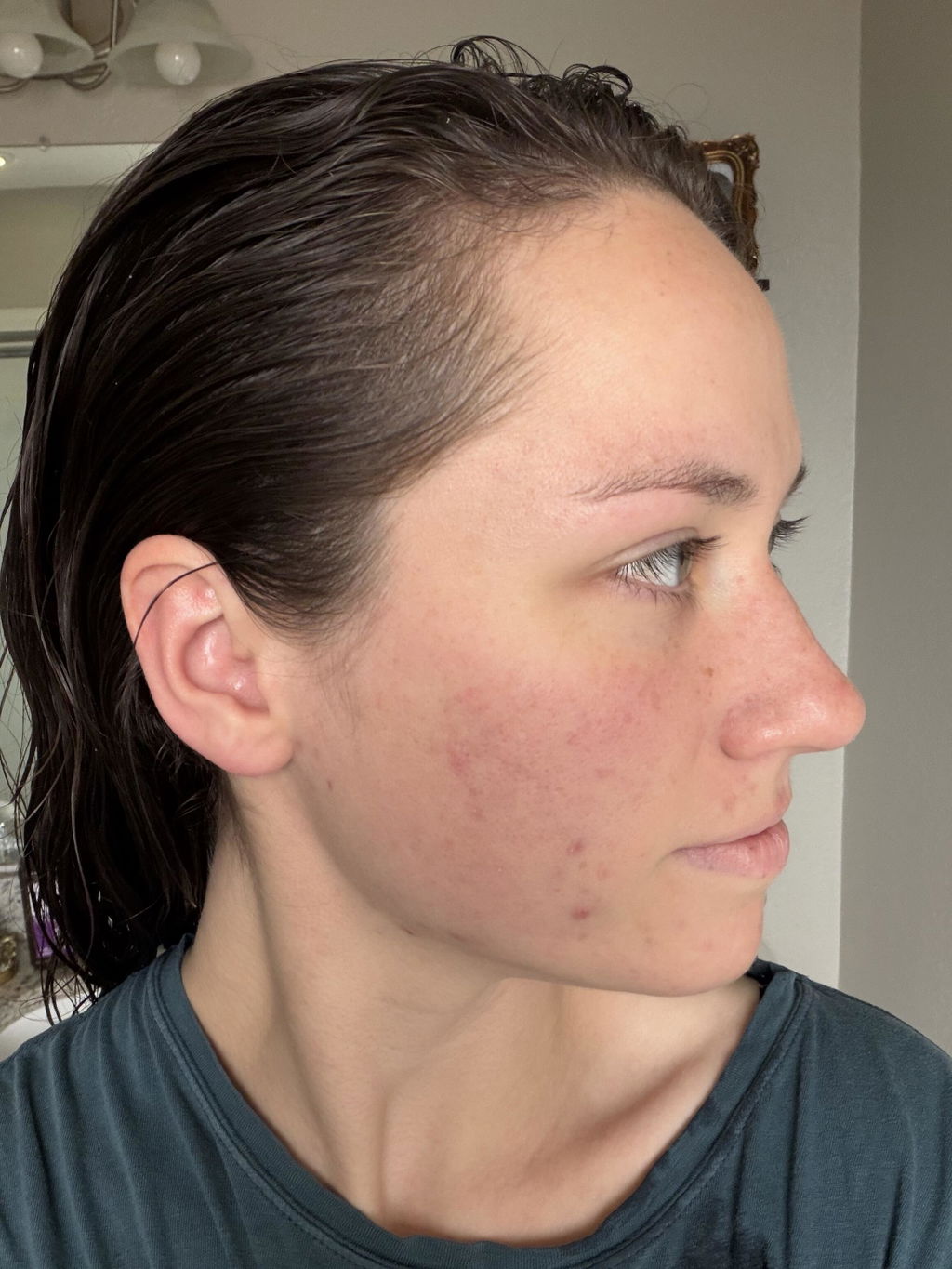
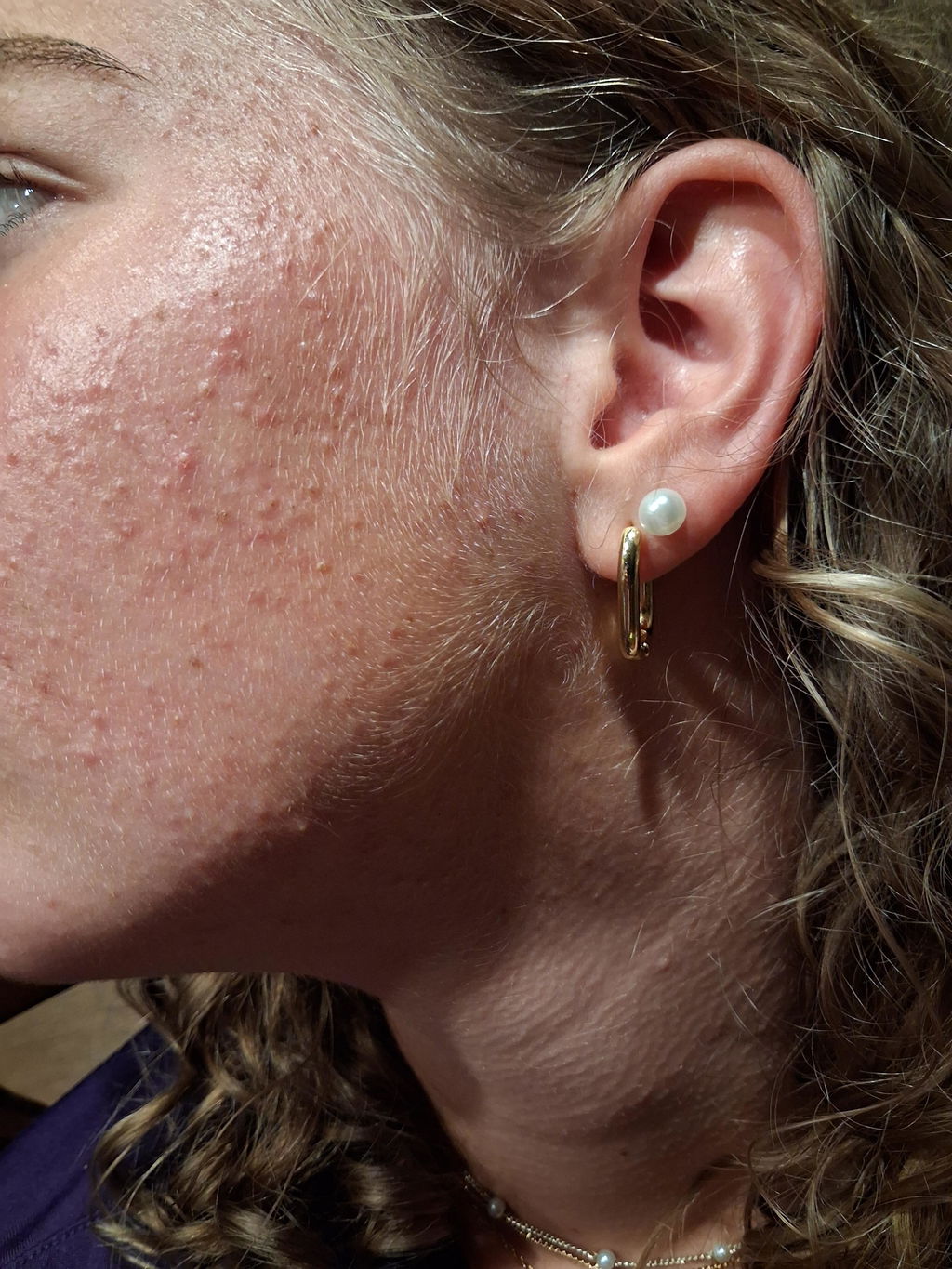
Your skincare shelf tells a story. Serums that promised results. Toners you bought on someone else's recommendation. A moisturizer that costs more than your electricity bill. And still, the acne comes back. The redness lingers. Your skin looks tired no matter how much sleep you get. Here is what almost no one mentions at the beauty counter. Your skin is often the last place a gut problem shows up, and the first place you actually notice it.
In my practice, I see the same seven signals over and over. Each one traces back to a specific mechanism inside the gut. Each one asks for a different kind of support. Let me walk you through them, in the order I usually spot them, and I will tell you what to do about each.
1. Chronic Acne That Ignores Every Cream You Try
Chronic acne that shrugs off topical treatment is usually not a topical problem. It is a signal that inflammation, hormone signaling, and sebum output are being driven from the inside, mostly by the microbiome. When the gut is inflamed, the skin follows. That is why creams alone rarely finish the job.
Here is the mechanism. Dysbiosis in the small intestine raises circulating inflammatory cytokines. That inflammation increases IGF-1 activity, which pushes sebocytes to produce more sebum, and stickier sebum. Add compromised gut barrier function and food-derived antigens leaking into circulation, and the skin becomes a downstream billboard for whatever is smoldering below.
Bowe and Logan documented this in a landmark review in Gut Pathogens (2011), tracing the gut-brain-skin axis in acne back to observations dermatologists made in the 1930s. Later work by Salem and colleagues in Frontiers in Microbiology (2018) extended the mechanism, showing how short-chain fatty acids produced by a healthy microbiome quiet skin inflammation from the inside out.
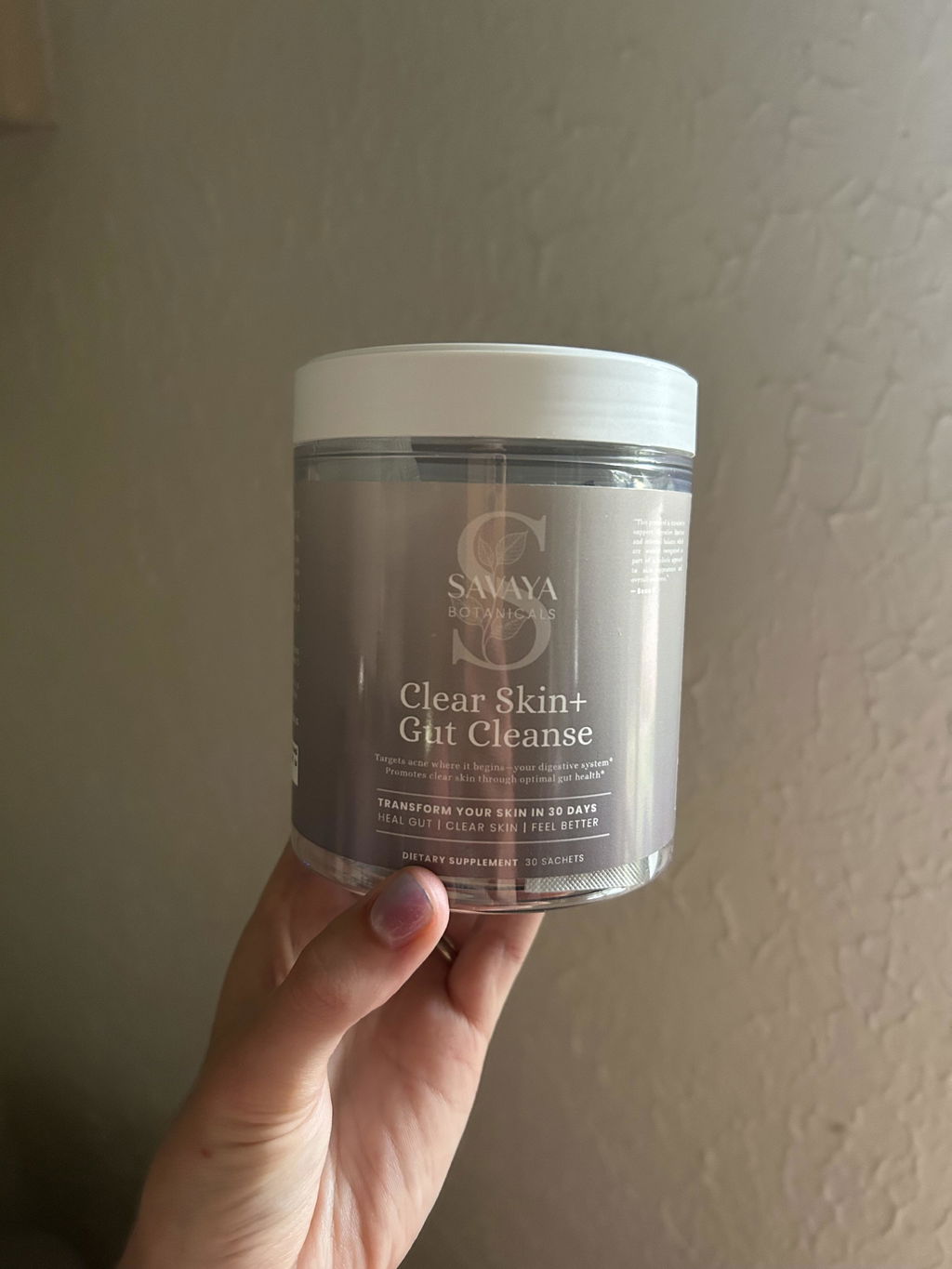
If your skin has stopped answering the mirror, the fix is not another actives protocol. It is a targeted gut cleanse that clears overgrowth first, then rebuilds the beneficial strains that keep systemic inflammation quiet. What you notice next often surprises women more than the clearer skin itself.
2. Eczema Flares Within Hours of a Meal
Eczema that flares soon after eating is your gut barrier talking directly to your skin barrier. When intestinal permeability rises, food antigens slip into circulation and the immune system flags them as invaders. The reaction lands on the skin, often in the same patches every time.
The mechanism runs through zonulin, a protein that loosens the tight junctions between your intestinal cells. Alessio Fasano's research at Harvard has shown that elevated zonulin correlates with increased intestinal permeability across autoimmune and inflammatory conditions. That leaky border lets food proteins and bacterial fragments pass into blood where they should not, provoking a Th2-skewed immune response that shows up as itch and flare.
What most creams miss is the mineral piece. Your skin barrier is built from magnesium, zinc, sulfur, and silica, and a stressed gut absorbs almost none of them efficiently. This is where 92 trace minerals from the ocean matter, because they replenish the raw materials your skin uses to rebuild its outer wall.
Watch which foods your skin reacts to for the next two weeks. If dairy, wheat, or eggs land you in a flare, that is not a coincidence. It is a message from a gut lining asking for repair.
3. Rosacea That Ignites the Moment You Get Stressed
Rosacea that lights up with stress is the gut-brain-skin axis playing out in real time. When the HPA axis fires, gut motility slows, dysbiosis grows, and inflammatory signals travel through the vagus nerve to the face. This is why rosacea patients are far more likely than the general population to test positive for small intestinal bacterial overgrowth.
The evidence here is unusually clean. Parodi and colleagues published a study in Clinical Gastroenterology and Hepatology (2008) showing that 46 percent of rosacea patients tested positive for SIBO, compared with just 5 percent of controls. When SIBO was eradicated with rifaximin, 71 percent of those patients had complete clearance of their rosacea skin lesions, and another 21 percent improved markedly.
A larger population study by Egeberg and colleagues, published in the British Journal of Dermatology (2017), followed nearly 50,000 rosacea patients and confirmed higher rates of coeliac disease, Crohn disease, ulcerative colitis, and irritable bowel syndrome. The skin was, quite literally, the flag on the map.
Stress-driven rosacea rarely responds to skincare alone. It needs the vagus nerve dialed down and the gut wall repaired, which is why so many women feel calmer skin after the deeper 12-week reset aimed at gut, liver, and lymph together.
4. Dull, Tired Skin Even When Your Routine Is Perfect
Skin looks dull when nutrient absorption is failing, not when your serum is failing. A stressed gut lining does not extract minerals and fat-soluble vitamins efficiently, so your skin cells run low on the raw fuel they need for turnover. The result is skin that never quite lights up, no matter how many actives you layer on top of it.
Short-chain fatty acids are the piece most people miss. When beneficial gut bacteria ferment prebiotic fiber, they produce butyrate, acetate, and propionate. These postbiotic compounds fuel colon cells and quiet systemic inflammation. Without them, the whole downstream chain of skin cell energy, collagen synthesis, and hydration suffers.
The Salem review makes this point explicitly. A depleted microbiome means depleted skin, no matter how good your topicals are. This is also why women in their thirties and forties often notice a sudden loss of glow that no serum brings back.
Rebuilding starts with cofactors. Protein, vitamin C, and copper for collagen. Iron and B12 for oxygenation. When those inputs arrive reliably, bioavailable collagen support can actually do its job instead of getting excreted along with everything else your gut cannot absorb.
Your skin does not have a serum deficiency. It has a signaling problem, and the message is coming from your gut.
5. Dark Circles That Sleep Cannot Erase
Dark circles that survive eight hours of sleep are usually a downstream sign of a sluggish gut and overwhelmed detoxification. When bile flow slows and histamine clears poorly, the tiny blood vessels under the thin eye skin dilate and darken. Rest will not fix a problem that lives in your gut lining and your liver.
Histamine is the piece worth understanding. Certain gut bacteria produce histamine, while others degrade it through an enzyme called DAO. When dysbiosis tilts that ratio the wrong way, histamine accumulates in circulation. The skin around the eyes, being thin and vascular, is often the first place it shows.
Chronic low-grade inflammation adds a second layer. Inflamed vessels leak, leaked pigment settles under the eyes, and stagnant lymph around the face keeps that pigment stuck. Add poor phase 2 liver conjugation, and the whole detox pipeline slows down, which the skin then wears in public.
If dark circles are your longest-standing complaint, the fix is not another concealer. It is dialing down histamine load and restoring bile flow, which is exactly what a well-designed cleanse is built to do. Watch what happens under your eyes in the first two weeks.
6. Wounds and Blemishes That Take Weeks to Fade
Slow healing points to two gut-driven bottlenecks running at the same time. First, poor absorption of zinc, protein, and vitamin C, which the skin needs to rebuild collagen. Second, chronic low-grade inflammation from dysbiosis, which keeps the immune system stuck in a defensive posture rather than a repair posture.
Wound repair is a coordinated cascade. Platelets, then inflammatory cells, then fibroblasts laying down new collagen. That cascade needs raw materials and it needs an off switch. Dysbiosis blunts both. You end up with lingering post-acne marks, scratches that outlast their welcome, and a face that keeps showing you last month.
Short-chain fatty acids reappear here in a different role. Butyrate, in particular, supports the skin's own repair signaling. When your microbiome produces enough of it, healing accelerates. When it does not, healing stalls, and the mirror keeps replaying the same blemish for weeks.
In my practice, this pattern almost always shows up alongside slow nails and thin hair. Same mechanism, different tissue. If your body is struggling to rebuild anywhere visible, it is struggling everywhere. Fixing it means feeding the microbes that make butyrate, restoring mineral cofactors, and giving the gut lining time to rest.
7. Sudden Sensitivity to Products You Used to Tolerate
When your skin starts reacting to products it used to love, the barrier has thinned. That thinning almost always starts in the gut, where inflammation depletes the fatty acids, cholesterol, and ceramide precursors your skin uses to build its outer wall. A weakened gut barrier and a weakened skin barrier tend to arrive together.
Mast cells are the bridge. When gut permeability rises, mast cells throughout the body get twitchy, releasing histamine and inflammatory mediators at lower and lower provocation. Your face, being densely packed with them, becomes the first place you notice it. Suddenly your favorite retinol stings. Sunscreens burn. A rinse-off cleanser leaves your cheeks red.
The right move is to stop chasing a lighter routine and start rebuilding the barrier from both sides. Support the gut lining from within, and reinforce the skin's lipid layer from the outside with a barrier-repairing tallow cream that matches your skin's own lipid profile.
A client of mine once described it perfectly. She said her skin used to be a friend and had become a critic. Ninety days of gut work, one honest moisturizer, and the friend came back.
• • •
Where to Start If Two or More of These Sound Like You
Two or more matches on this list is a pattern, not a coincidence. Start with the microbiome, not the mirror. A structured reset like the 12-week gut-to-skin program works because it sequences the fix in the order the body actually uses it. Clear first. Rebuild next. Protect last. That order is not marketing, it is physiology.
FAQ: What Everyone Wants to Ask
What is the gut-skin axis?
The gut-skin axis is the two-way communication between your intestinal microbiome and your skin. Signals travel through immune cells, short-chain fatty acids, hormones, and the vagus nerve. When the gut is inflamed or dysbiotic, the skin usually reflects it in acne, redness, dullness, or increased sensitivity.
How long does it take to see skin changes after healing the gut?
Most women in my practice notice a real shift in eight to twelve weeks. That timeline mirrors the skin's own turnover cycle. The first month is quieter inflammation and better hydration. The second brings fewer breakouts and fewer flares. By month three, the tone and texture change is usually visible in photos.
Can leaky gut actually cause acne?
Increased intestinal permeability does not directly cause acne in every case, but it strongly contributes. When the gut barrier is compromised, systemic inflammation rises, hormonal signaling gets noisier, and sebocyte activity climbs. All three feed acne. That is why gut work tends to succeed where topical protocols plateau.
Is sea moss actually good for skin?
Sea moss offers a broad range of trace minerals that the skin uses for barrier repair and hydration, including sulfur, zinc, magnesium, and silica. It also provides a gentle prebiotic effect for the gut, which is where most skin benefits actually start. Consistency matters more than dose.
Do I need a full detox, or is a gentler cleanse enough?
It depends on how many of the seven signs you recognize. One or two, a targeted cleanse focused on the microbiome is often enough. Three or more, especially if rosacea or dark circles are involved, calls for a deeper reset that includes the liver and lymph, not just the gut.