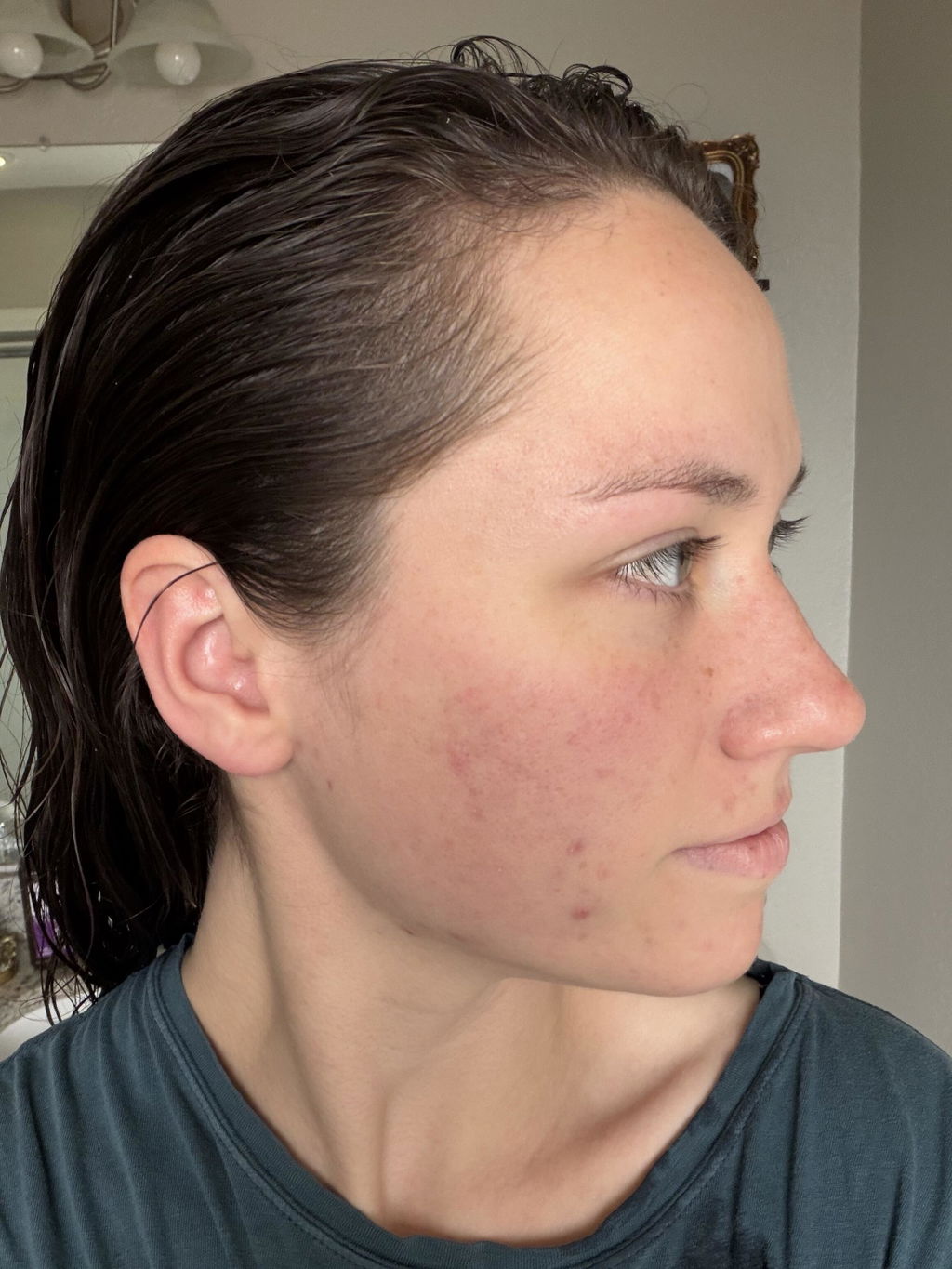
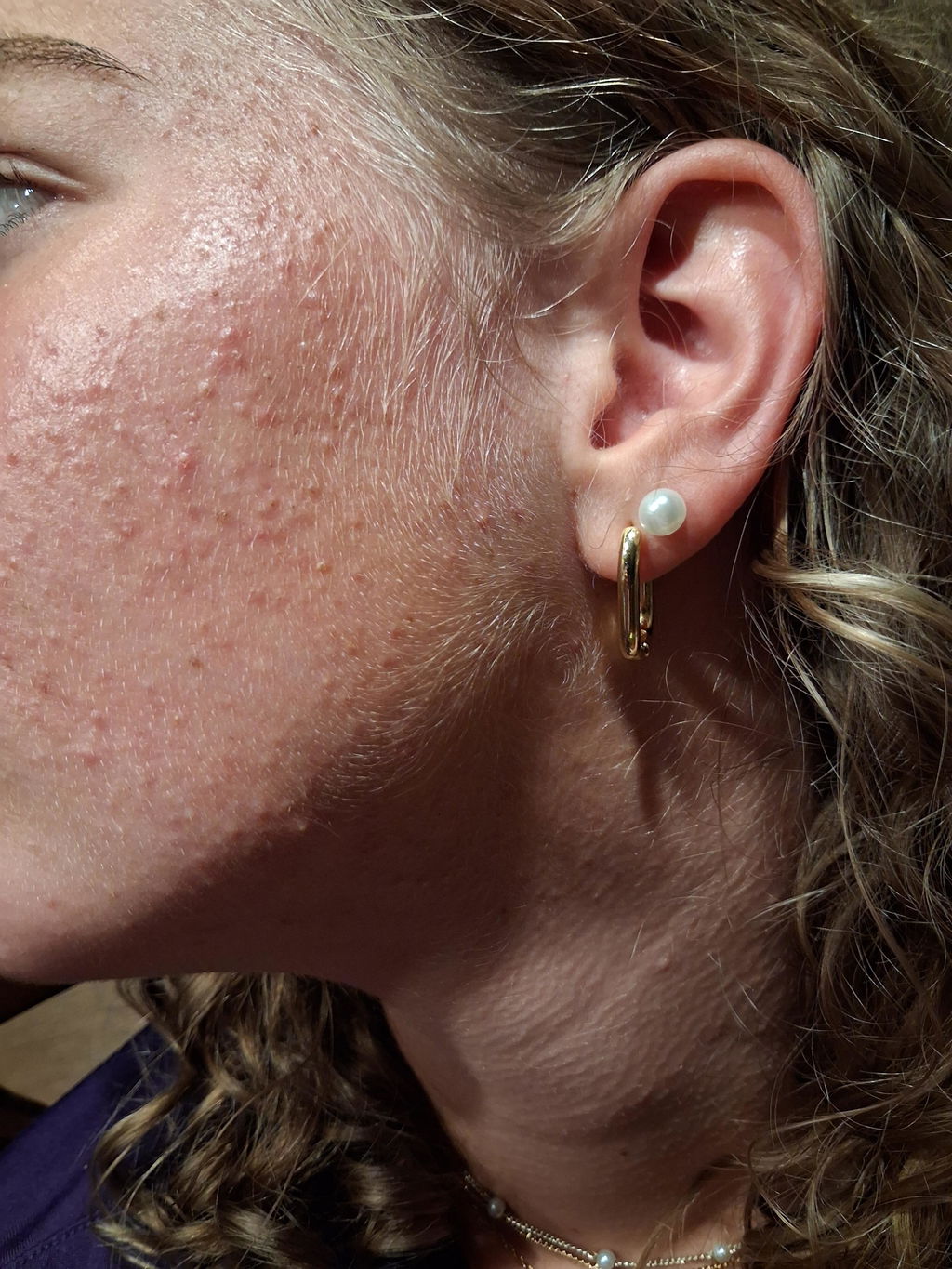
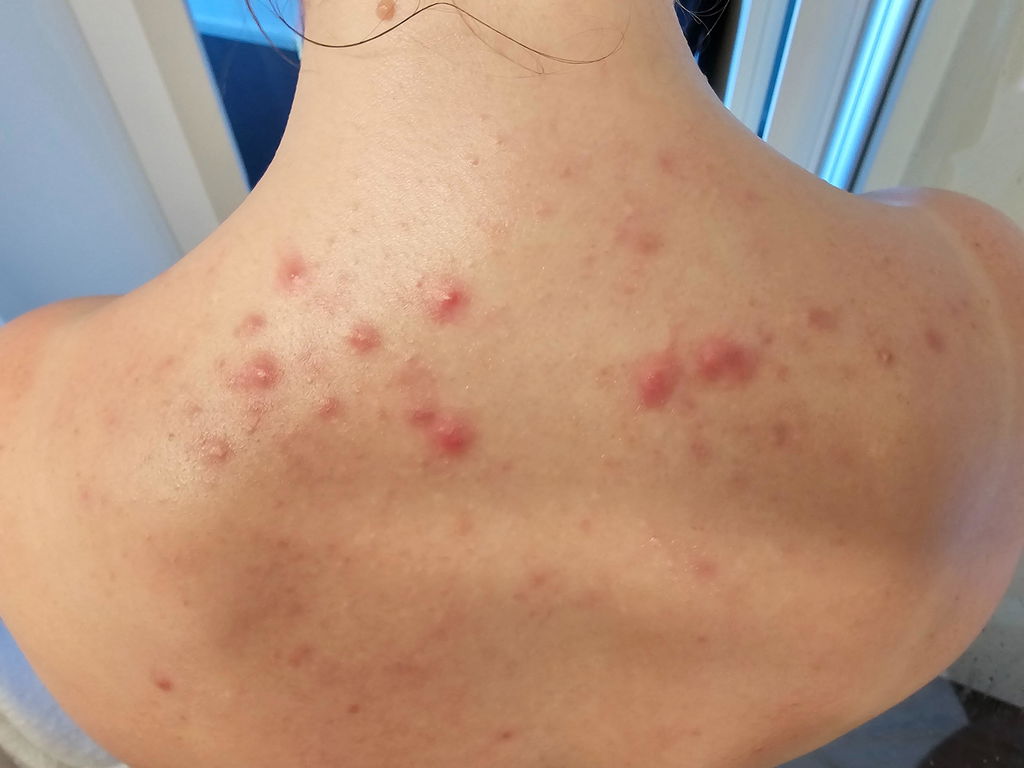
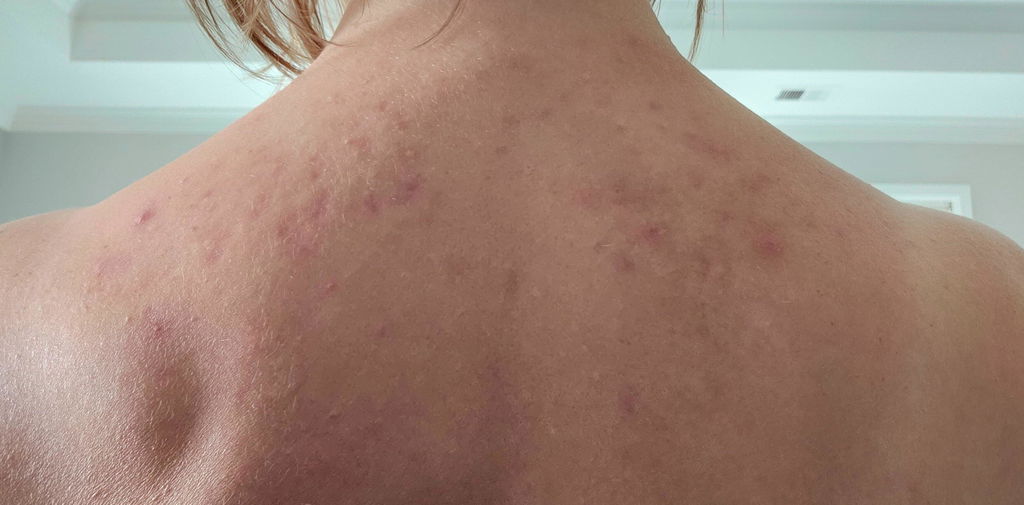
Your skin is not the problem. Not really. It is the loudest messenger for something happening about two feet lower down. In my practice as a holistic skin practitioner, I see the same seven patterns show up over and over. Women who have tried everything topically. Prescriptions. Facials. Overnight masks. And still their skin will not calm down. The pattern almost always starts in the gut.
Why the gut-skin axis matters more than your serum
The gut-skin axis is the two-way conversation between your intestinal microbiome and your skin barrier, mediated by systemic inflammation, immune signaling, and nutrient absorption. When the gut lining loosens, bacterial fragments like lipopolysaccharide (LPS) enter your bloodstream, priming inflammation that eventually reaches your face. Topical actives cannot outrun that signal.
A landmark review by Salem and colleagues in Frontiers in Microbiology (2018) mapped this in detail. The gut microbiome regulates skin homeostasis through short-chain fatty acids, immune tone, and barrier integrity. When it drifts, the skin drifts with it.
So when I hear "I've tried everything and nothing works," my first question is never about products. It is about digestion, stress, and what happened around the time the skin changed. Almost always, one of the seven signs below is present. Sometimes all of them.
1. Chronic acne that laughs at topicals
Acne resistant to topical retinoids, benzoyl peroxide, and antibiotics for more than six months is usually driven from inside, not outside. The gut-brain-skin axis pushes IGF-1 and mTORC1 signaling upward, telling sebocytes to pump out oil, while translocated LPS keeps facial inflammation on a slow burn.
Bowe and Logan revived this mechanism in Gut Pathogens back in 2011, and later work by Yan and colleagues (Journal of Dermatology, 2018) showed that moderate-to-severe acne patients have distinct gut microbiota, with fewer Bifidobacterium and Lactobacillus and more Proteobacteria. Their guts look different. Their skin behaves differently.
What I see most often is a woman who has cycled through three dermatologists, tried a round of oral antibiotics, and now has cystic breakouts along her jaw that keep resurfacing. Her cleanser is fine. Her acids are fine. Her gut is exhausted.
This is where I usually suggest starting with a targeted gut cleanse before layering on any new topical. If the fire is being fed from inside, sponging the outside will never be enough. And the next sign often shows up at the dinner table.
2. Eczema flares within hours of eating
If your eczema patches redden, itch, or swell within 2 to 24 hours of a meal, the trigger is almost certainly gut barrier dysfunction, not the food itself. Elevated serum zonulin loosens intestinal tight junctions, and dietary antigens slip through into circulation, priming a Th2 immune response that lands on the skin.
Niewiem and Grzybowska-Chlebowczyk found in Nutrients (2022) that children with IgE-mediated food allergy and atopic dermatitis had significantly higher serum zonulin and LPS than controls. Their guts were letting things through that they should have been keeping out.
The frustrating part is that eliminating foods rarely fixes it long term. You clear dairy and gluten, and something else takes over as the trigger. This is because the barrier itself is porous. Until you address the lining, your immune system will keep finding new things to react to.
In these cases I usually pair repair-focused nutrition with a full detox protocol aimed at calming systemic inflammation while the barrier rebuilds. It is slower work. It also holds.
3. Rosacea that flushes hardest when you are stressed
Rosacea that intensifies under stress or after a big meal is one of the clearest signatures of a gut-skin loop. Psychological stress activates the HPA axis, raises cortisol, and suppresses vagal tone, which increases intestinal permeability and shifts the microbiome. The result is a facial flush that no amount of azelaic acid can outrun.
The most striking data here comes from Parodi and colleagues in Clinical Gastroenterology and Hepatology (2008). They found small intestinal bacterial overgrowth (SIBO) in 46 percent of rosacea patients versus 5 percent of controls. When SIBO was eradicated, 20 of 28 patients had their cutaneous rosacea clear almost completely. A follow-up cohort by Drago and colleagues (JAAD, 2016) showed that around 65 percent of those who cleared stayed clear at three years.
What this tells me is simple. If your skin flushes hardest when your nervous system is dysregulated, the intervention is not on your face. It is on your gut and your vagus nerve.
You cannot topically treat a nervous system problem, and you cannot serum your way out of a gut problem. The skin will always tell the truth.
4. Dull, tired skin despite a perfect routine
If your skin looks dull, gray, or flat even though your regimen is dialed in, the issue is likely absorption. When the gut lining is inflamed, fat-soluble vitamins A, D, E, and K, along with heme iron and B12, do not cross into circulation properly. Your skin runs out of the raw material for luminosity.
Fabisiak and colleagues showed in the Journal of Clinical Gastroenterology (2017) that Crohn's patients have significantly lower serum vitamin A, D, E, and K than healthy controls, and the deficit widens with longer disease duration. Even a subclinical version of this pattern shows up as dull skin.
Short-chain fatty acids matter here too. Trompette and colleagues (Mucosal Immunology, 2022) showed that gut-derived butyrate reprograms keratinocyte mitochondrial metabolism, accelerating differentiation and boosting ceramide output. Less butyrate means less bounce, less reflectivity, less life.
This is often when I introduce mineral-rich sea moss alongside gut repair. Not because sea moss is magic, but because when the gut is starting to heal, a dense micronutrient source finally has somewhere to land.
5. Persistent dark circles that concealer cannot cover
Dark circles that do not shift with sleep, hydration, or eye cream are frequently a gut-immune signal, not a skin issue. When intestinal diamine oxidase (DAO) drops, histamine floods circulation, dilating the fragile infraorbital venous plexus. Pooled blood shows through paper-thin lower-lid skin as bluish-purple shadow, the classic allergic shiner.
Chen and colleagues confirmed this in the Journal of Allergy and Clinical Immunology (2009). In 126 children with allergic rhinitis versus 123 controls, allergic shiners were objectively darker and larger, and correlated with the chronicity and severity of allergic inflammation. Maintz and Novak (American Journal of Clinical Nutrition, 2007) laid out the histamine intolerance mechanism. When DAO cannot keep up, symptoms show up in the skin, vasculature, and mucosa first.
Poor sleep amplifies the loop. Smith and colleagues (PLOS ONE, 2019) linked gut microbiome diversity to sleep efficiency and IL-6, which loops back to periorbital puffiness. If you wake up already looking tired, the fix is rarely a new eye cream. It is deeper.
6. Slow wound healing and lingering blemish marks
If a small spot takes three weeks to fade, or a paper cut still shows two months later, absorption is very likely part of the story. Zinc, protein, and vitamin C are all required for re-epithelialization and collagen synthesis. Each one depends on an intact gut lining and functioning transporters to reach the skin.
Lin and colleagues in Nutrients (2017) reviewed how zinc deficiency delays every phase of wound healing, because zinc is a required cofactor for matrix metalloproteinases and dozens of transcription factors driving fibroblast proliferation. DePhillipo and colleagues (Orthopaedic Journal of Sports Medicine, 2018) confirmed that vitamin C supplementation measurably accelerates type I collagen synthesis, because ascorbate is the obligate cofactor for prolyl and lysyl hydroxylases that stabilize the collagen triple helix.
What I see in my practice is post-inflammatory hyperpigmentation that lingers for months, tiny scars that stay pink, healing that feels stalled. This is often where bioavailable collagen support paired with gut repair moves the needle faster than any topical brightener can.
7. Skin that suddenly reacts to products it used to love
When a moisturizer you have used for two years starts stinging, or a fragrance sets off redness, the skin barrier is compromised, and the gut is often the upstream cause. This is the "leaky gut, leaky skin" pattern. Systemic inflammation drives IL-4 and IL-13 signaling that downregulates filaggrin, weakening the stratum corneum and raising transepidermal water loss.
Salem and colleagues (Frontiers in Microbiology, 2018) and Do (American Journal of Lifestyle Medicine, 2024) both describe this shared tight-junction architecture. When one barrier goes, the other often follows. Gut permeability rises, systemic Th2 tone rises, filaggrin drops, and suddenly your skin is reactive to things it never used to notice.
In this phase I lean on a barrier-repairing tallow cream at night to give the stratum corneum something to rebuild with, while gut work runs underneath. Topically supporting the barrier while the source of the inflammation is being addressed. Both at once.
Where to start when your gut is running the show
If you recognized yourself in three or more of these signs, the order of operations matters. In my practice, the sequence that holds is calm the systemic inflammation first, restore microbial balance next, then repair the barrier. Most women try to skip step one because it is invisible, and then wonder why nothing lasts.
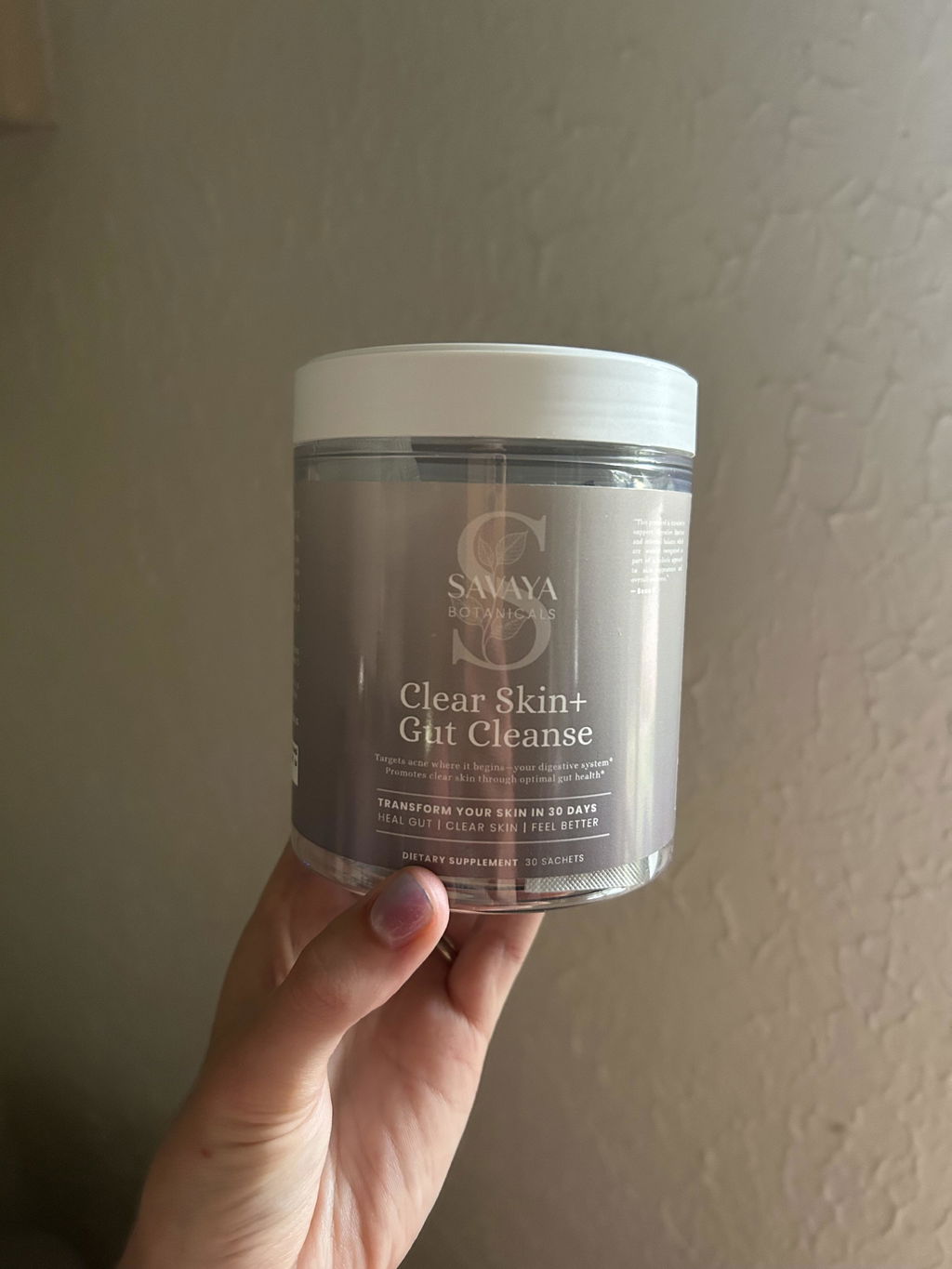
A short reset can be a good entry point. If the signs have been present for years, adding Clear Skin+ Max Detox to your daily routine can help support that deeper work.
• • •
Frequently asked questions
What is the gut-skin axis in simple terms?
The gut-skin axis is the two-way communication between your intestinal microbiome and your skin. Bacterial balance, gut lining integrity, and short-chain fatty acids all send signals that reach the skin through the bloodstream and the immune system. When the gut is inflamed or imbalanced, the skin often shows it first.
How long does it take to see skin changes when you address your gut?
Most people notice reduced redness and calmer breakouts within 4 to 6 weeks of consistent gut work. Deeper changes to skin texture, luminosity, and reactivity usually settle in around the 10 to 12 week mark, because that is roughly one full skin cell turnover cycle plus barrier rebuilding time.
Can I heal my gut with just food, or do I need supplements?
Food alone helps many people, especially removing ultra-processed foods and adding fiber, fermented foods, and diverse plants. For chronic patterns or SIBO-type signatures, most benefit from a targeted protocol that combines dietary shifts with binders, microbial support, and mineral repletion, which is the framework behind this microbiome reset.
Why does my acne clear when I travel and come back at home?
Travel usually changes stress load, sleep, food quality, and alcohol intake all at once, which lowers systemic inflammation quickly. When you return to your normal patterns, the underlying gut-brain-skin loop reactivates. That vacation glow is often your gut telling you what it wants year round.
Is it safe to do a gut cleanse if I have sensitive skin?
Yes, provided the protocol is gentle, food-based, and paced. Aggressive detoxes can temporarily worsen skin as the immune system mobilizes. A well-designed reset supports the gut lining while it works, uses binders to prevent recirculation, and pairs the internal work with barrier support topically.